



Palazzo Manfredi
Monti, Rome
Hotel in Rome, Italy
 Book with Pearl
The Read
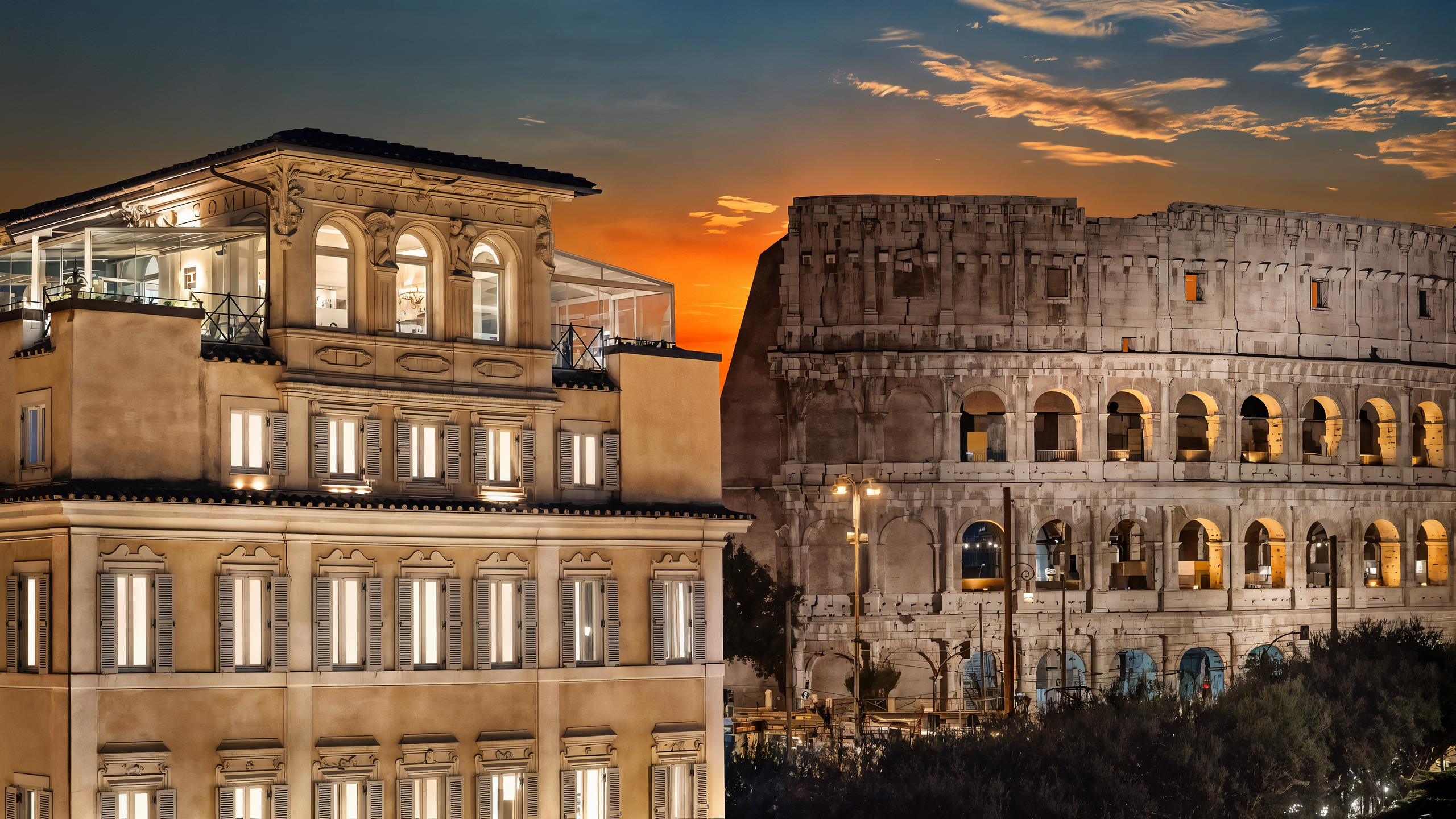
Colosseum-Front Positioning
Why go
Book Palazzo Manfredi if this is a first Rome trip, a couples' occasion, or a stay where service and Colosseum-area access justify paying into the luxury set. It is less compelling for travelers chasing maximum room value or resort-style facilities, and availability is hard enough that backup hotels should be lined up early.
About Palazzo Manfredi
Palazzo Manfredi is a hotel option in Rome for travelers who want a stay with recognized luxury-hotel affiliations. Consider it if you want a Rome hotel with a luxury-hospitality profile; compare alternatives if you need exact details on amenities, room configuration, or price before deciding.
A Rome stay for travelers comparing recognized hotels
The clearest reason to consider Palazzo Manfredi is its place in the hotel decision set. Its recognition includes Small Luxury Hotels of the World membership, MICHELIN Guide hotel selection, Mr & Mrs Smith Seal of Approval, Virtuoso Luxury Hotel Partner status, and Forbes “Soon To Be Rated” status. The dress code is smart casual, which is useful to know when planning the tone of the stay.
If you are comparing the stay primarily on value, room layout, dining format, chef, facilities, or specific services, check those directly before booking. Other Rome options to compare include Room Mate Collection Mia, Rome Colosseum, Colosseum Garden, Palm Suite, Casa Monti, and Casa Monti Roma.
Why the recognition matters, and where it does not
Recognition is meaningful as a trust signal. Small Luxury Hotels of the World membership, MICHELIN Guide hotel selection, Mr & Mrs Smith approval, Virtuoso partnership, and Forbes “Soon To Be Rated” status point to a property positioned within the luxury-hotel market. For travelers who rely on curated hotel collections and preferred-booking channels, that can make Palazzo Manfredi a relevant Rome choice.
That said, recognition is not the same as a guaranteed fit. Travelers with firm requirements around facilities, family amenities, dining details, room views, or booking benefits should confirm those points directly rather than assuming them from the hotel's recognition alone.
If you are comparing Palazzo Manfredi with other hotels in the city, line up alternatives in advance through our full Rome hotels guide. For broader trip planning around meals, drinks, tours, and wider city context, use our full Rome restaurants guide, our full Rome bars guide, our full Rome wineries guide, and our full Rome experiences guide.
Inside Palazzo Manfredi
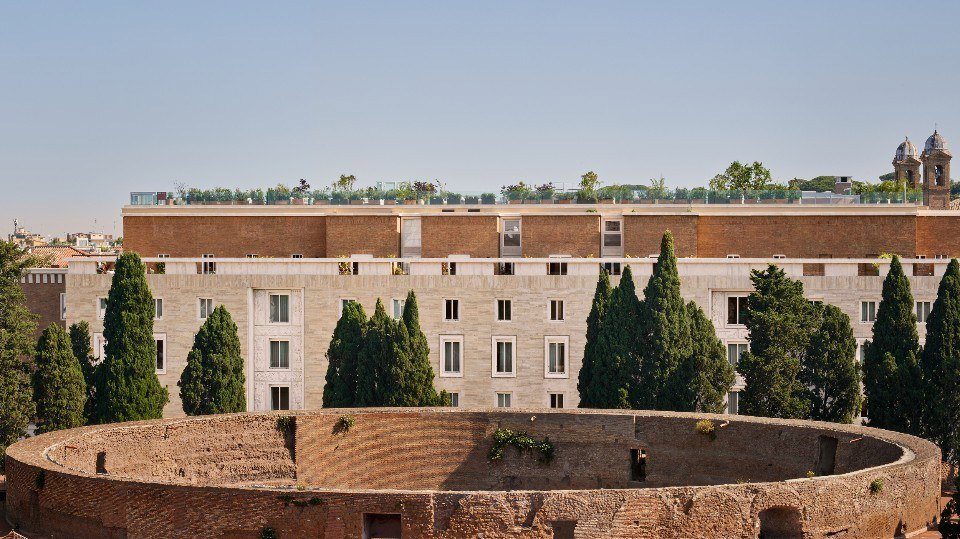
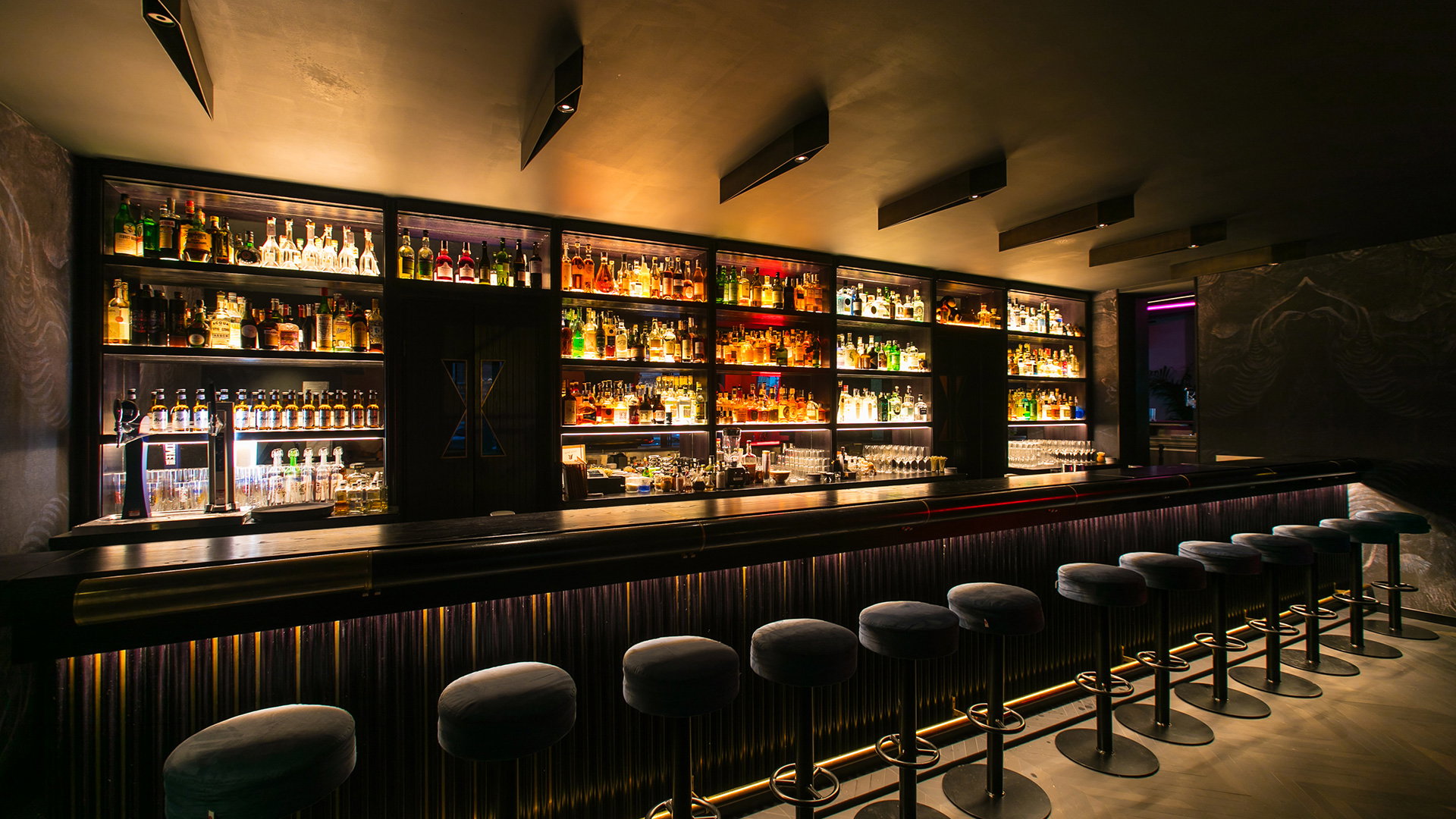
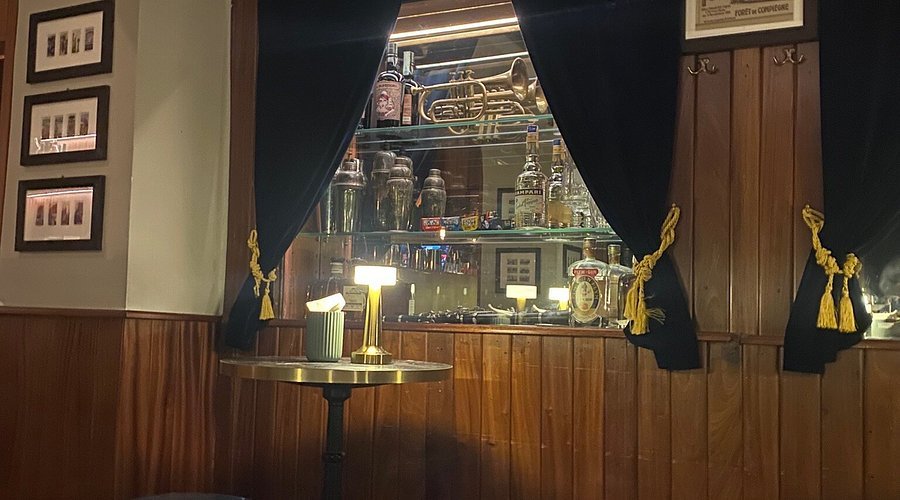
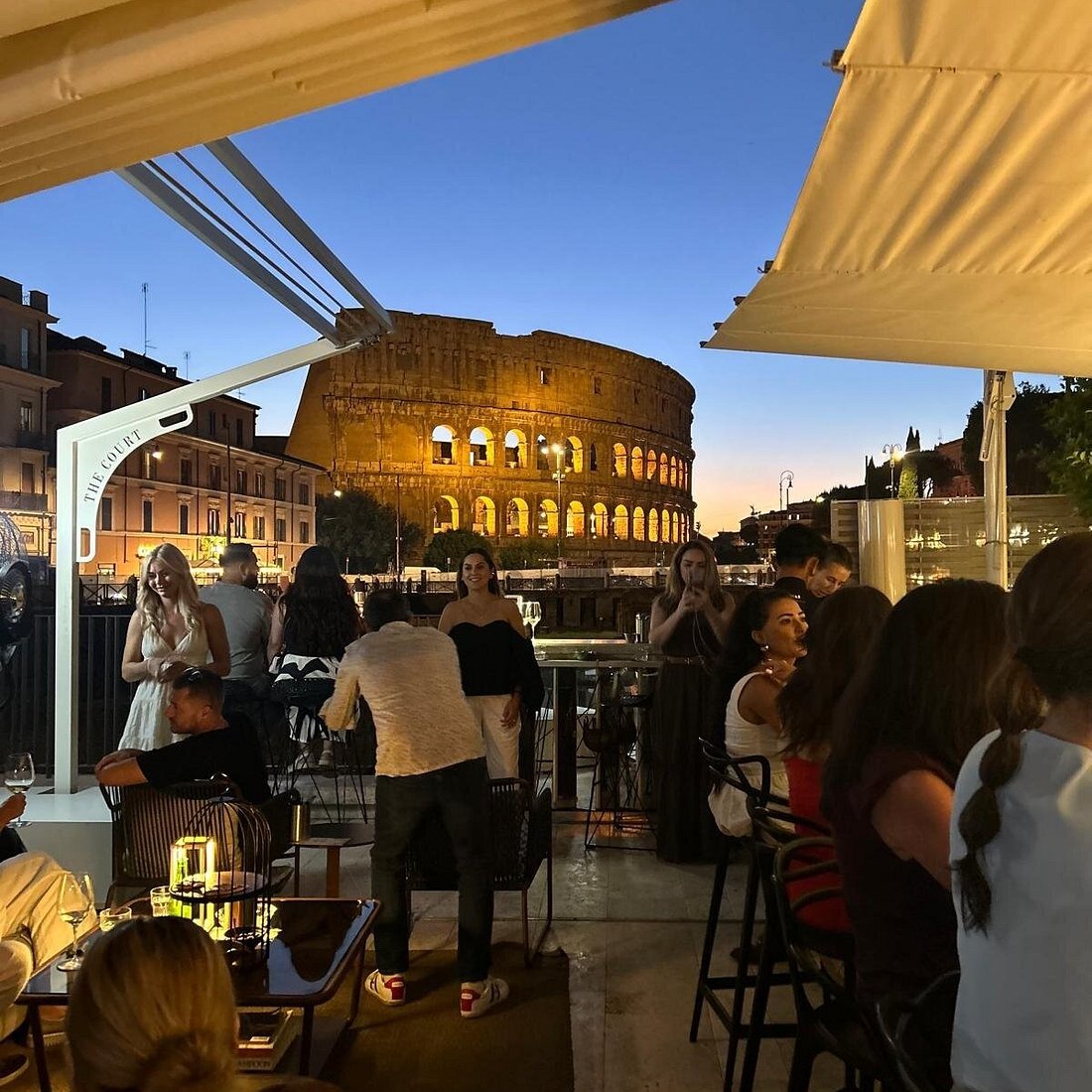
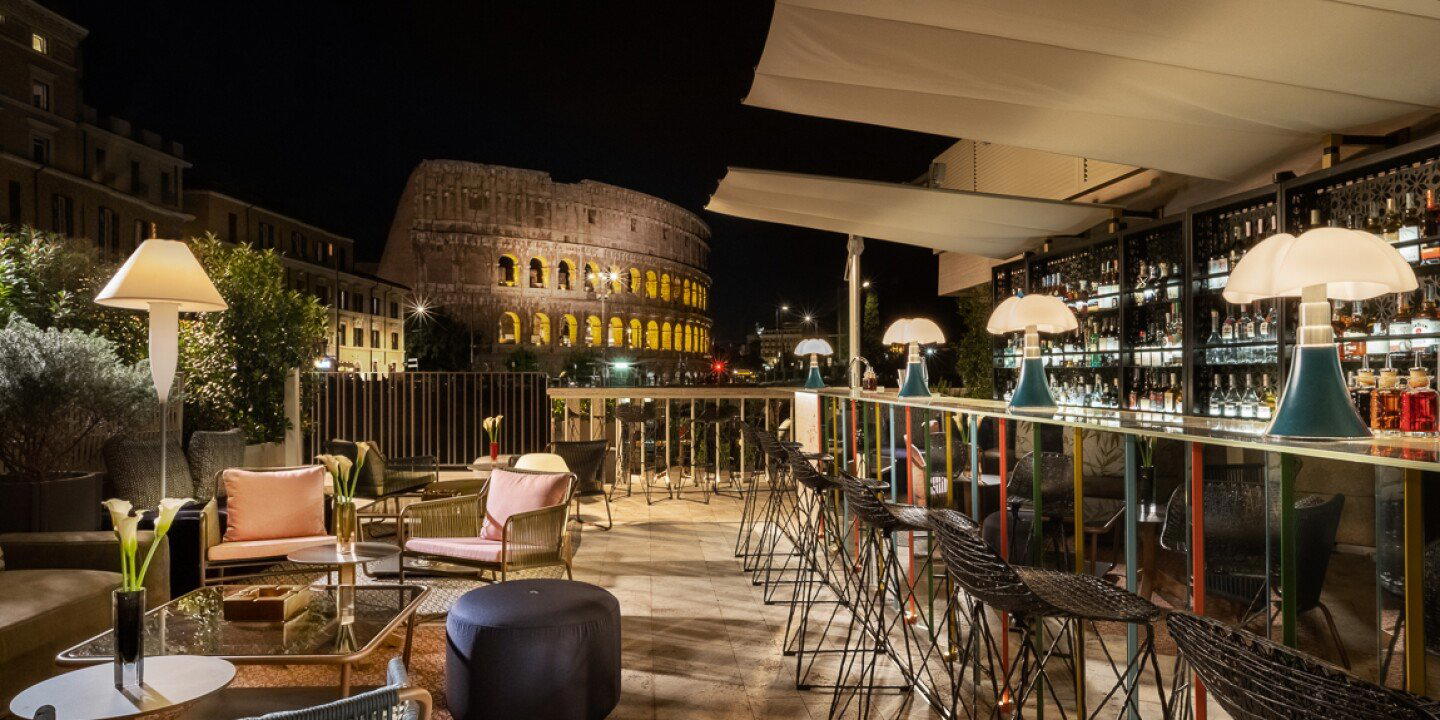 barThe CourtRanked No. 100 in the Top 500 Bars 2025 list, The Court sits directly opposite the Colosseum on Via Labicana, making it one of Rome's most position-conscious drinking destinations. The bar trades on theatrical cocktails and an unobstructed view of ancient Rome that few venues in the city can match.
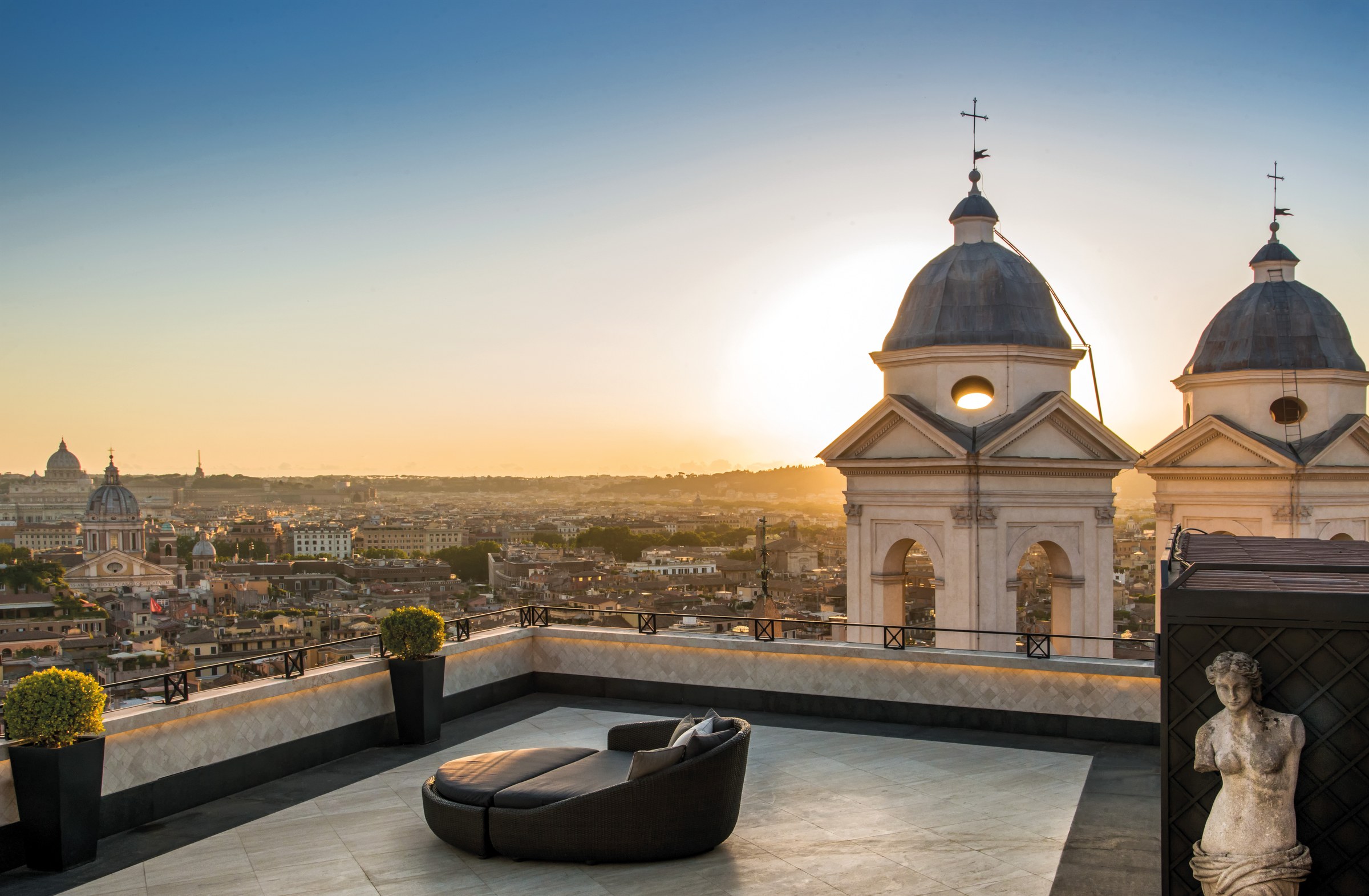
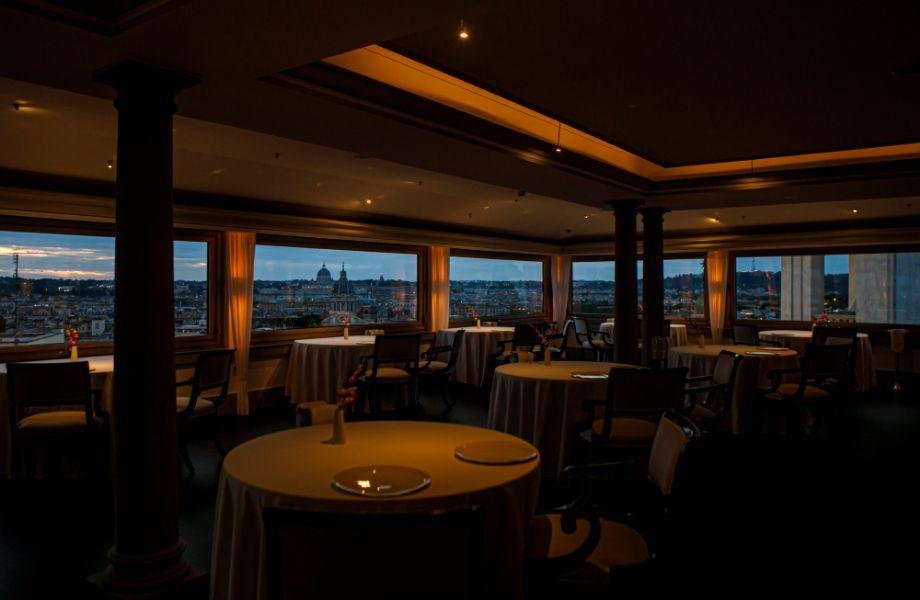
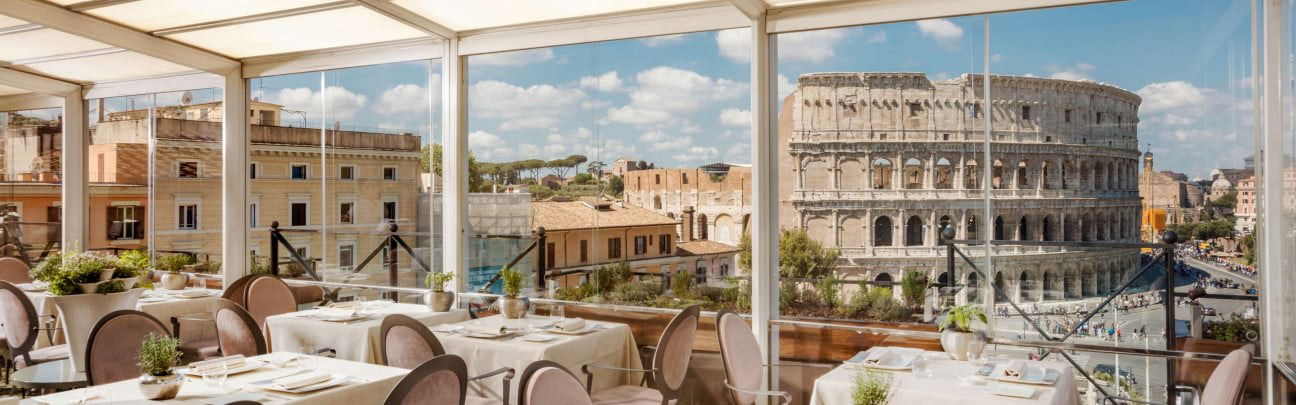
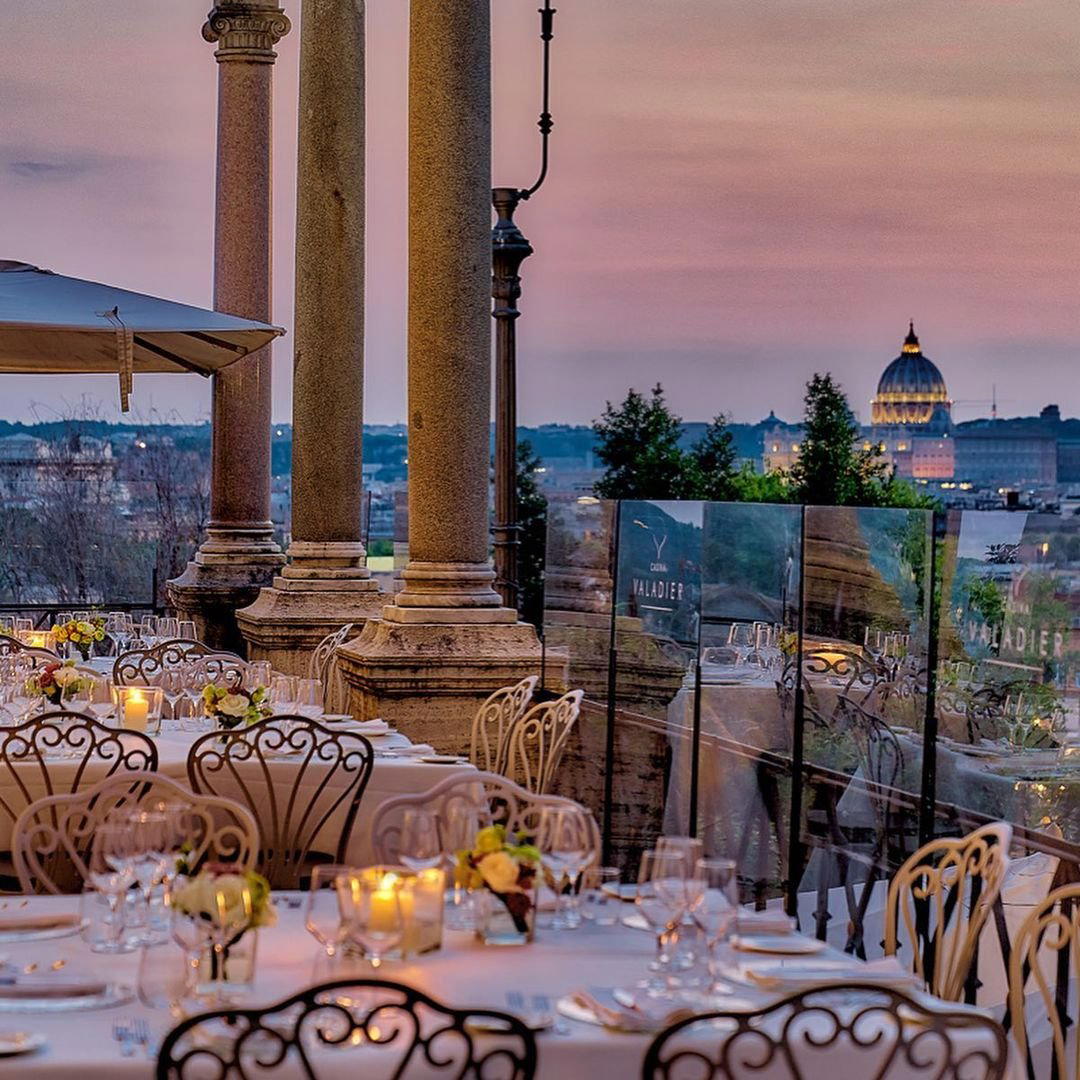 restaurantAromaA Michelin-starred rooftop above the Colosseum, Aroma delivers Chef Giuseppe Di Iorio's modern Roman cooking across four tasting menus, including a vegetarian option, with views stretching from the ancient amphitheatre to the Vittoriano. The terrace is covered in winter, keeping the setting accessible year-round. Lunch and dinner services run on different days, making the meal choice a genuine strategic decision.
Planning details
- Location
- Via Labicana, 125, 00184 Roma RM
- Website
- palazzomanfredi.com
- Phone
- +39 06 7759 1380
The take
The Take
The Vibe
Palazzo Manfredi stages one of Rome’s most singular dining tableaux: an intimate, 40-seat terrace set at eye level with the Colosseum’s upper arches. The hotel occupies a seventeenth-century palace, and that history frames the experience—amber travertine light and layered stone architecture give the space a quietly theatrical quality. AROMA’s kitchen leans into classic Italian preparations rather than avant-garde spectacle, so the food reads as a companion to the view rather than a distraction. The result is a refined, scenic setting that feels both historically rooted and quietly intimate—perfect for those who want the monument as part of the meal.
Best For
This is a place for evenings that hinge on atmosphere: sunset dinners, romantic nights, and milestone celebrations. The restaurant’s Michelin star and its direct, terrace-level relationship to the Colosseum position it firmly in Rome’s premium dining tier, making it a natural pick for anniversaries, honeymoons and special-occasion meals. Because the terrace is the primary stage for the view, the experience skews toward small parties and couples who prioritize scenery and ritual over casual drop-ins. The adjacent hotel setting also makes it suitable for visitors who want a seamless dinner-and-stay proposition.
Stay Tips
Let the view guide your choices: AROMA emphasizes classic Italian dishes, so pick preparations that showcase regional technique and seasonality rather than experimental flights. If the terrace is available, request seating outside—those 40 places are explicitly positioned to maximize the amphitheatre sightline. Note the restaurant’s Michelin-starred status when considering pacing and formality; expect a composed service rhythm that complements the setting. For before-or-after drinks, the hotel’s cocktail bar (launched in 2019) provides an alternative to linger over the moment without losing the view.
Venue details
Ambiance
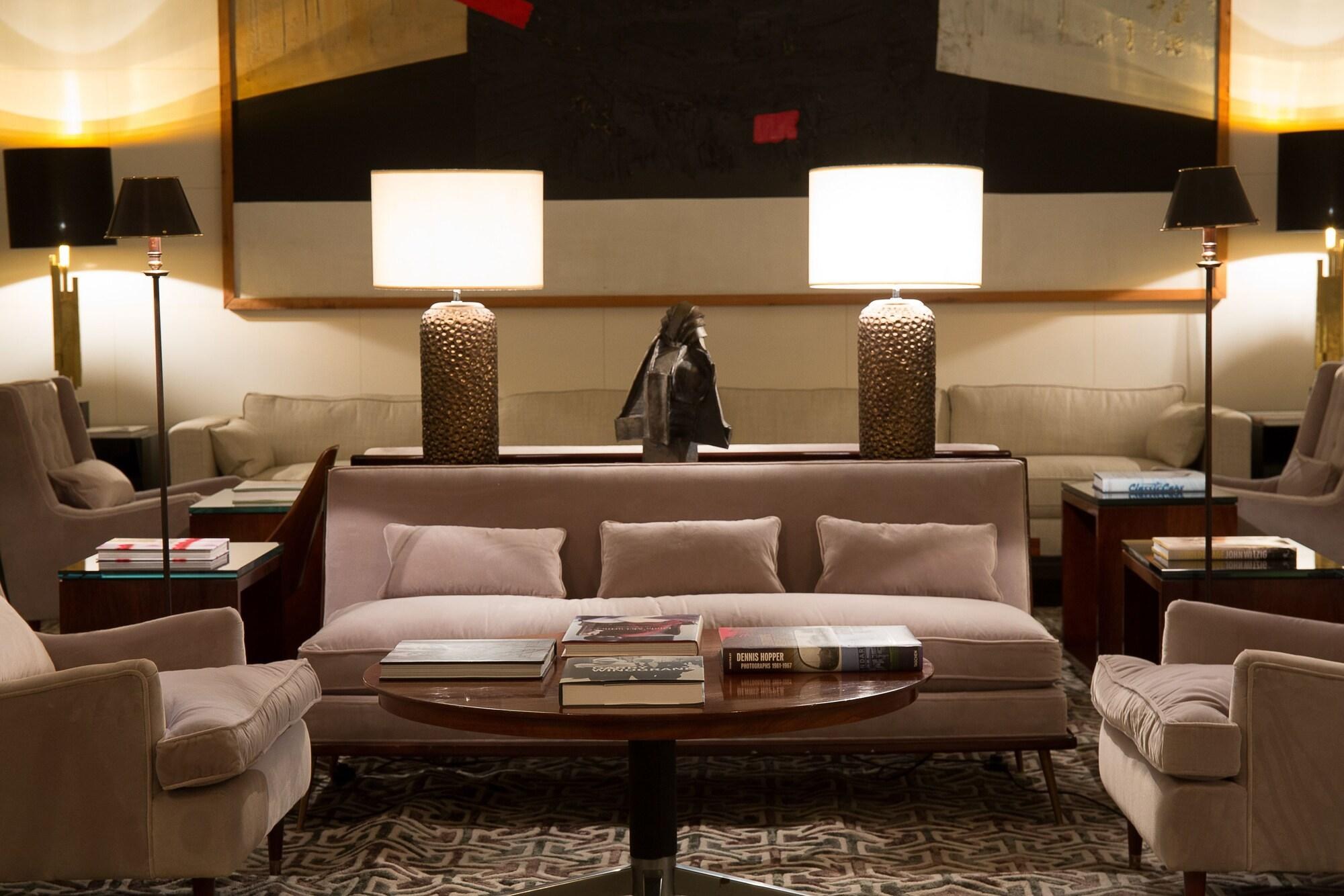
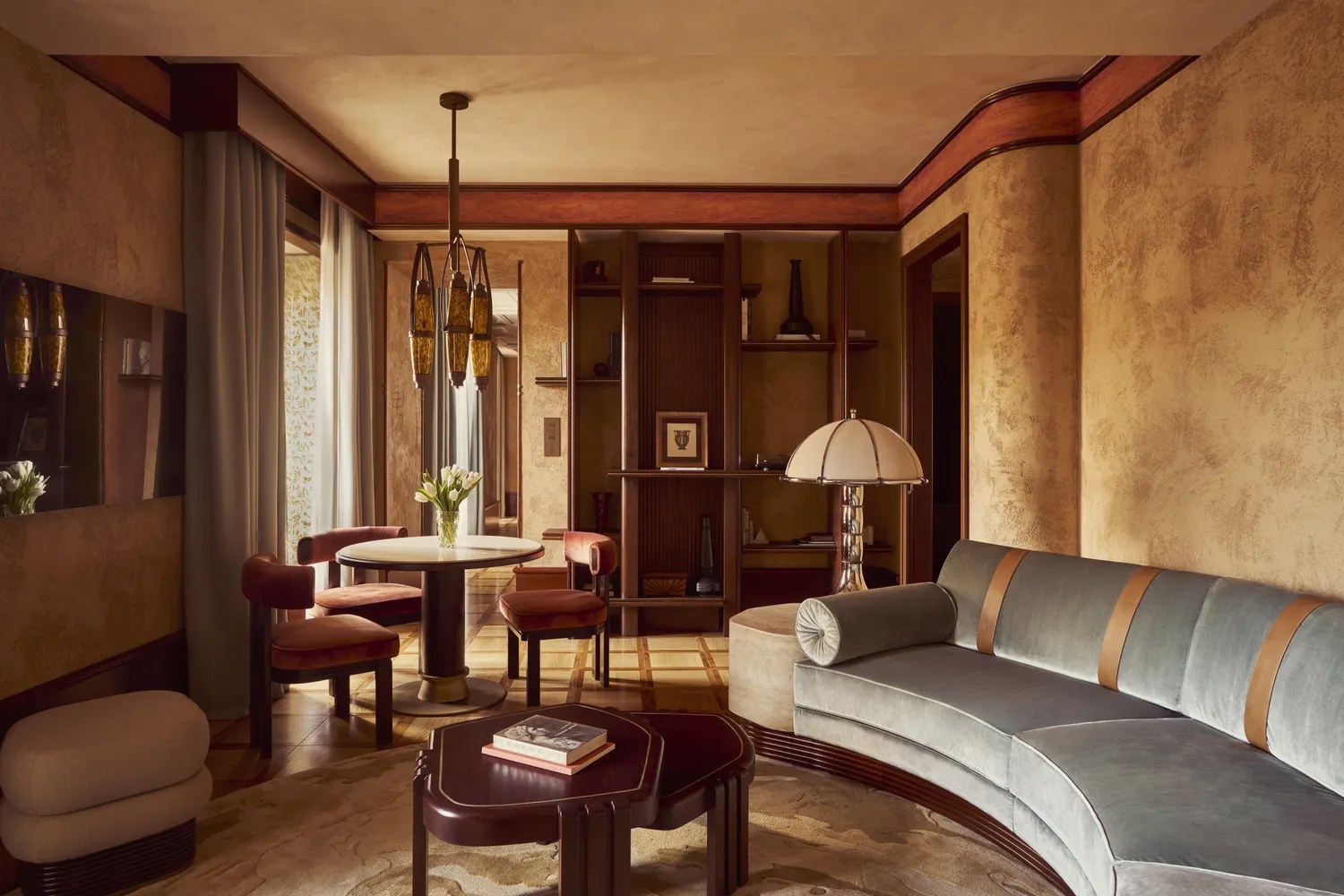
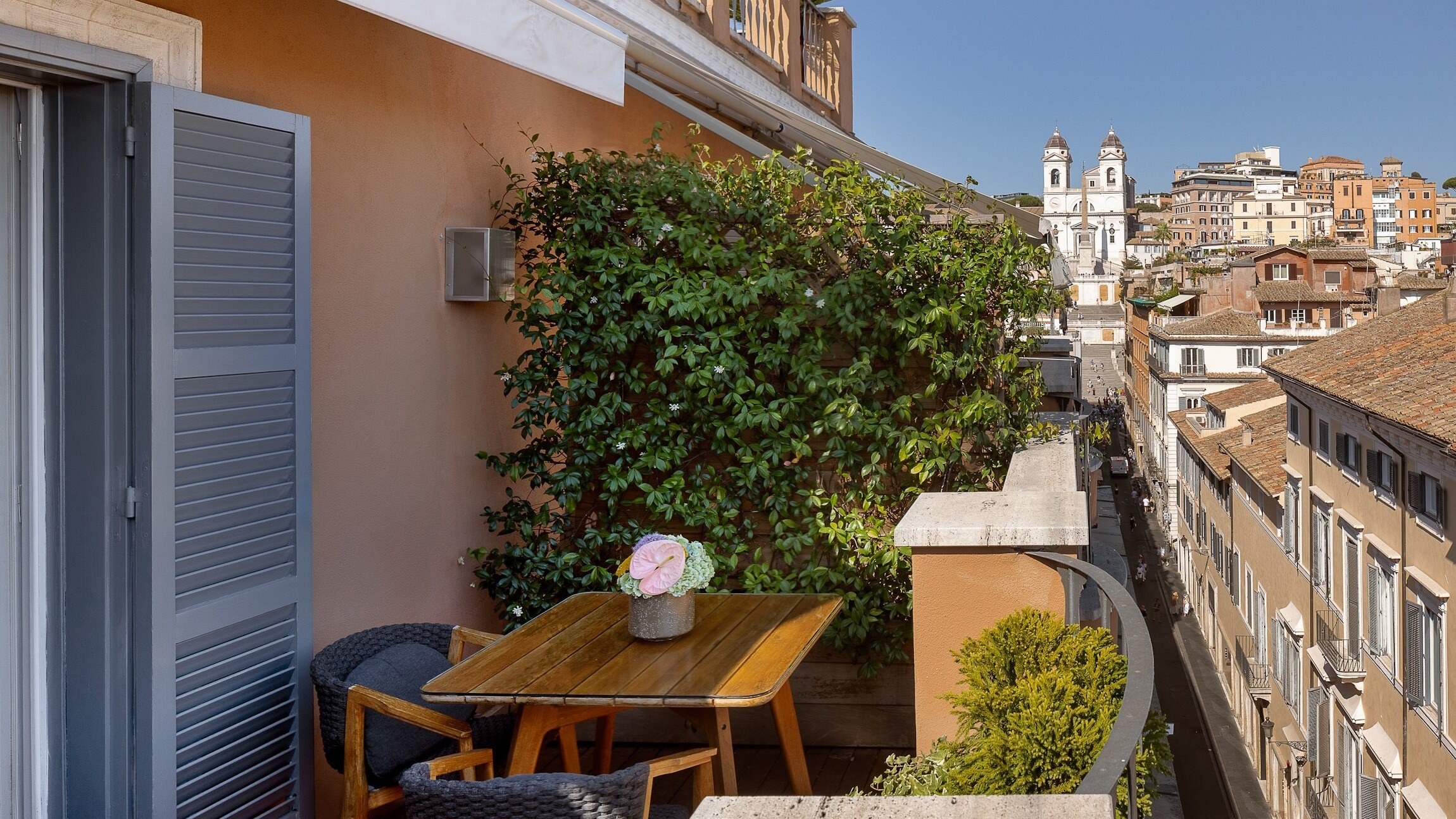
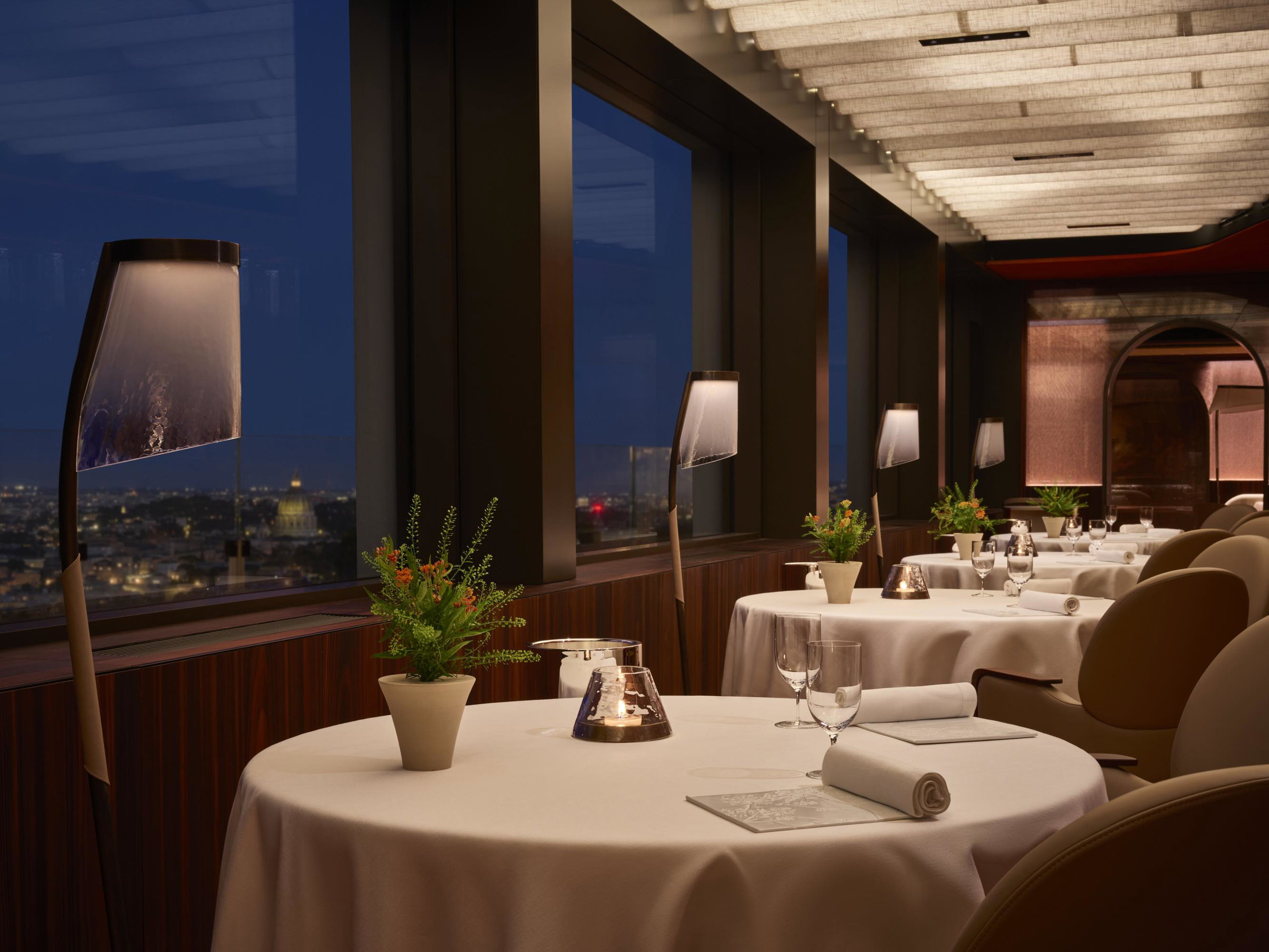
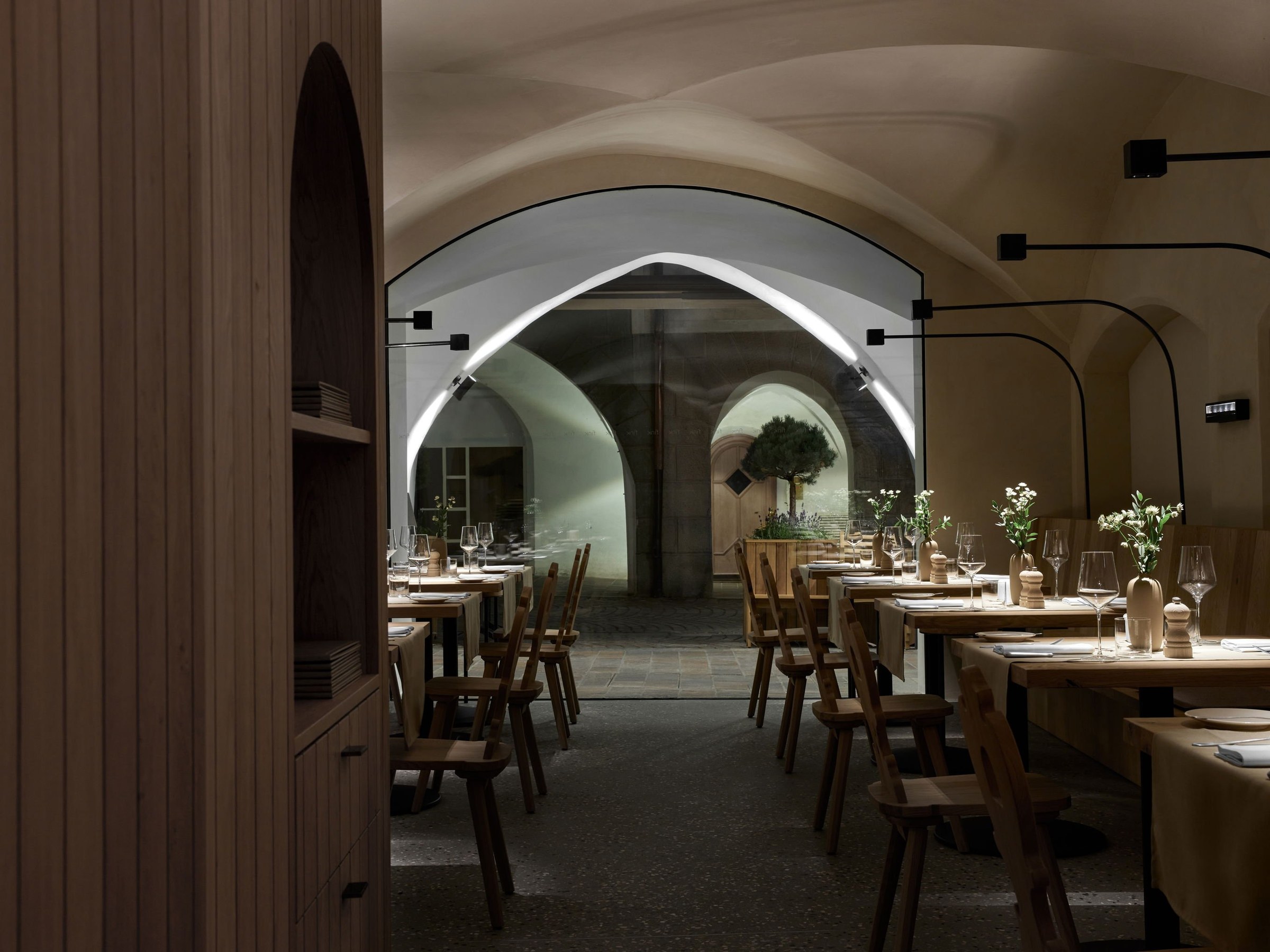
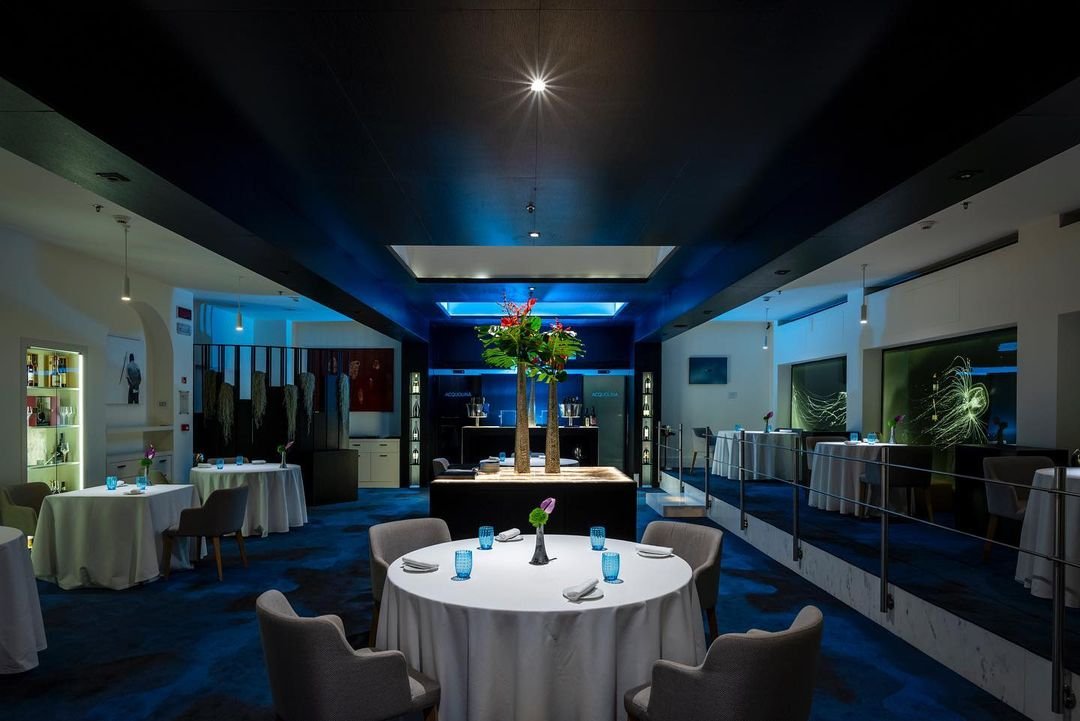
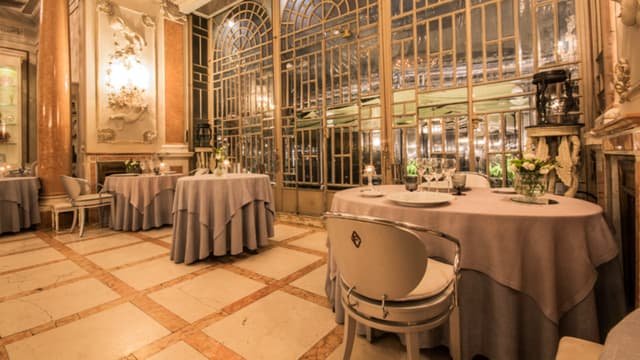
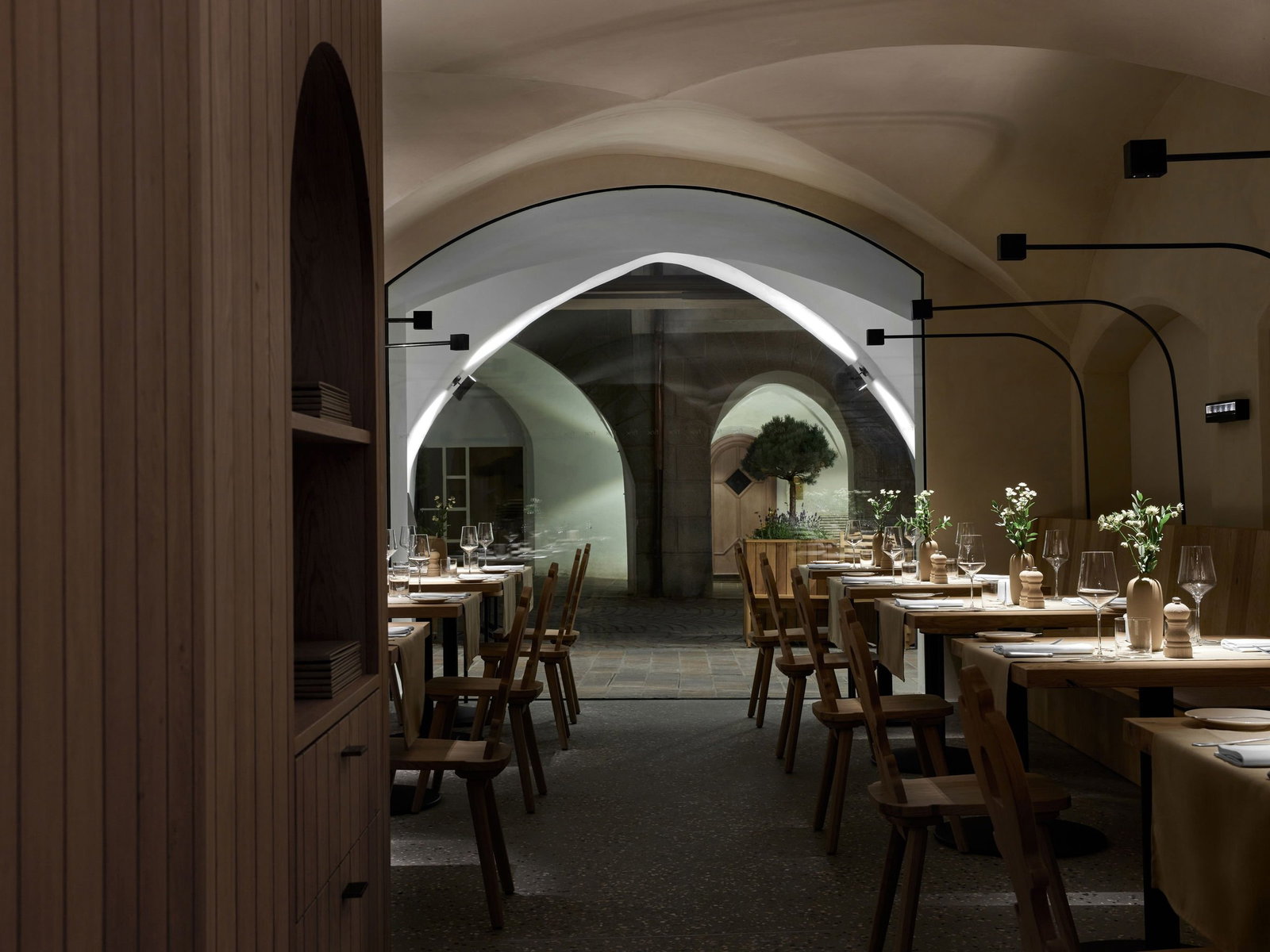
Elegant and sophisticated with modern interiors blending contemporary furnishings and historic art, panoramic views, and a romantic atmosphere enhanced by soft lighting and Colosseum vistas.
Tags
Vibe
Best For
Experience
Amenities
View
Accessibility
About the Stay
- Rooms
- 21
- Property Style
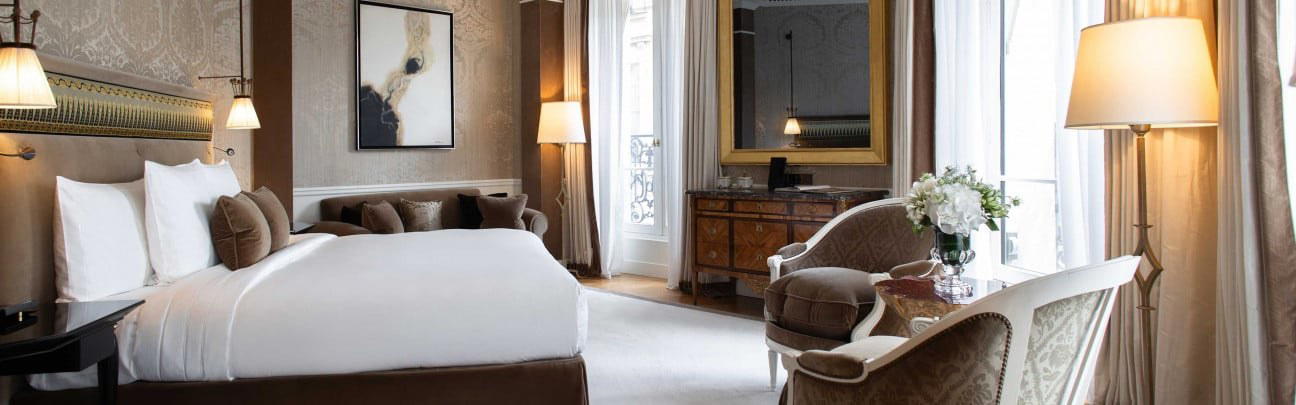
- 17th Century Palazzo with Modern Luxury Suites
- Design Style
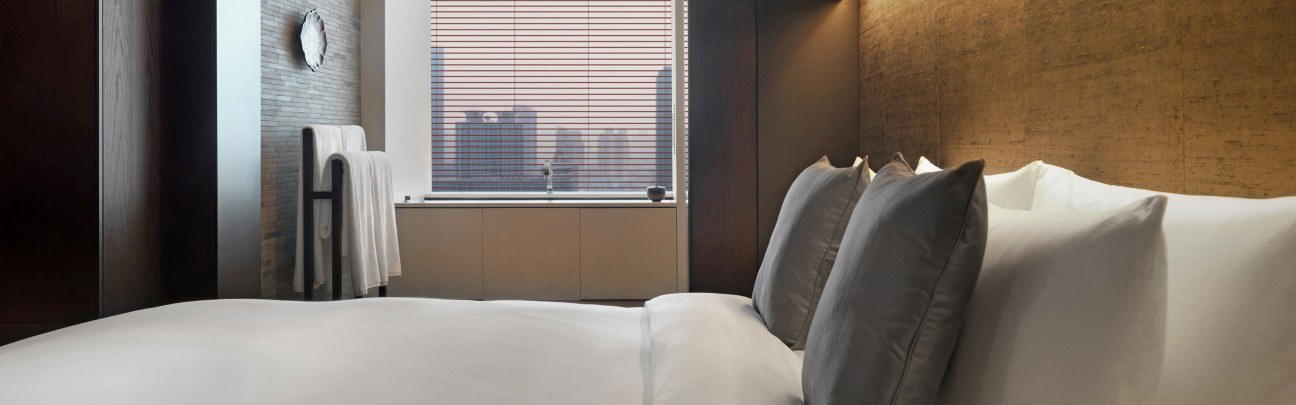
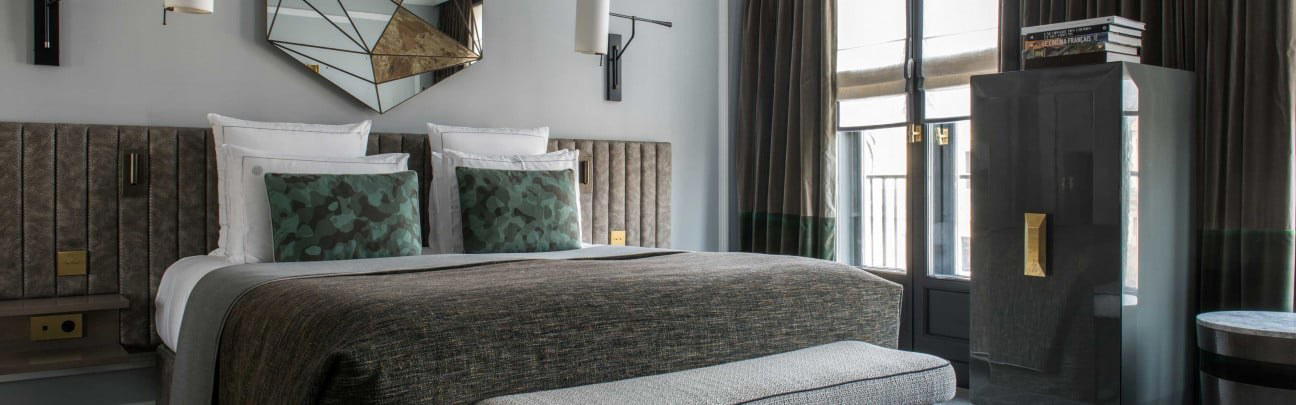
- Contemporary Minimalist with Historic Art and Rationalist Architecture
Know before you go
Know Before You Go
- Getting there
- Via Labicana, 125, 00184 Roma RM
Planning details
Location



Also consider
Where to look if it is unavailable
If Palazzo Manfredi is full, try Palm Suite for a more intimate alternative or Casa Monti for a Monti-based stay with a different neighborhood rhythm.
For travelers who mainly want the Colosseum area at a more value-conscious level, Room Mate Collection Mia, Rome Colosseum and Colosseum Garden are the practical backups.
Hotel context
How it compares in Rome
Palazzo Manfredi is the service-first, luxury-leaning pick in this Colosseum-area set. Choose it over Room Mate Collection Mia, Rome Colosseum or Colosseum Garden when the stay needs more polish, stronger guest handling, and a more occasion-ready feel. Those two are better cross-shops if value and simpler logistics matter more than luxury recognition.
Palm Suite is the closer comparison for travelers who want a more intimate Rome stay with a design-led feel. Palazzo Manfredi is the safer call for first-timers who want the Colosseum-area anchor and a more formal luxury signal; Palm Suite is the better fit if the trip calls for something smaller and less conventional.
Casa Monti and Casa Monti Roma make more sense for travelers who want the Monti neighborhood mood and a less monument-facing stay. Pick Palazzo Manfredi for an occasion trip near the ancient core; pick the Casa Monti options if restaurants, streetside wandering, and neighborhood rhythm matter more than being right by the Colosseum.
Around this place
Discover more on Pearl
Unlock the full Palazzo Manfredi guide in Pearl, including awards, comparisons, FAQs, planning details, and nearby places.
Compare Palazzo Manfredi
| Venue | Location | Awards |
|---|---|---|
| Palazzo Manfredi | Rome | 2026 Virtuoso Luxury Hotel Collection2026 Forbes Soon To Be Rated2026 Mr & Mrs Smith Luxury Hotels2025 Michelin Selected HotelsSmall Luxury Hotels Member 2025 |
| Room Mate Collection Mia, Rome Colosseum | Rome | No published awards |
| Colosseum Garden | Rome | No published awards |
| Palm Suite | Rome | 2026 Mr & Mrs Smith Luxury Hotels2025 Michelin Selected HotelsSmall Luxury Hotels Member 2025 |
| Casa Monti | Rome | No published awards |
| Casa Monti Roma | Rome | No published awards |
How Palazzo Manfredi Rome compares with similar nearby venues.
FAQ
Frequently Asked Questions
What is check-in like at Palazzo Manfredi?
Palazzo Manfredi is a Rome hotel with MICHELIN Guide hotel selection and Small Luxury Hotels of the World membership. Guests should confirm arrival procedures directly before travel.
Is Palazzo Manfredi family-friendly?
Palazzo Manfredi may be worth considering for a Rome stay, but families should confirm room configuration, child-focused services, and practical needs directly before booking.
How does Palazzo Manfredi compare to other Rome hotels?
Choose Palazzo Manfredi if hotel recognition matters to you, including MICHELIN Guide hotel selection, Virtuoso Luxury Hotel Partner status, Small Luxury Hotels of the World membership, Mr & Mrs Smith Seal of Approval, and Forbes “Soon To Be Rated” status. Room Mate Collection Mia, Rome Colosseum, Colosseum Garden, Palm Suite, Casa Monti, and Casa Monti Roma are other Rome options to compare depending on your priorities.
How is the location of Palazzo Manfredi?
Which room category is best at Palazzo Manfredi?
How is the dining at Palazzo Manfredi?
If dining is a priority, confirm cuisine, chef, menu format, and dining schedule directly rather than making it the sole reason to book Palazzo Manfredi.
Do loyalty programs work at Palazzo Manfredi?
Palazzo Manfredi is a Virtuoso Luxury Hotel Partner and a Small Luxury Hotels of the World member. Confirm specific loyalty benefits, booking perks, or program terms through your booking channel.