

Maalot Roma
Trevi, Rome
Hotel in Rome, Italy
 Book with Pearl
The Read
Donizetti's House, Reimagined
Why go
Maalot Roma is worth considering for a central Rome stay with credible luxury recognition, including Michelin 1 Key status. Book it for boutique-hotel polish and location rather than a restaurant-led trip; dining details are not strong enough to make the hotel a stand-alone culinary destination.
About Maalot Roma
Maalot Roma is a hotel in Rome with several third-party recognitions: Michelin 1 Key in 2024, Small Luxury Hotels of the World membership in 2025, and the Mr & Mrs Smith Seal of Approval in 2026. It is a lodging choice to compare on its hotel credentials rather than on claims about dining, service format, or specific amenities.
The clearest planning detail is the dress code: smart casual. Beyond that, there is not enough information to state a cuisine type, chef, menu format, price range, room count, exact address, or service schedule. That makes Maalot Roma best evaluated through its recognition and its fit within a Rome hotel shortlist.
A strong hotel choice, not a restaurant-first booking
For dining, keep expectations disciplined. There is no cuisine type, chef, menu format, or price range to support treating the restaurant as a stand-alone reservation target. That does not make the hotel a weak choice; it means the stay should be judged on its lodging credentials rather than on a destination dining promise. If dinner is central to the itinerary, use Our full Rome restaurants guide alongside the hotel choice, then return here if the hotel recognition still makes Maalot Roma the right fit.
For a value-seeker, that distinction is useful. A hotel can be worth booking without its restaurant carrying the trip. Maalot Roma makes sense for guests who want a Rome stay with credible outside recognition and who do not need every meal anchored on-property. Travelers building the trip around hotel dining should compare alternatives before committing, especially if they want a clearer documented restaurant identity or published culinary format.
Who should choose this hotel
The strongest fit is a traveler who wants a Rome hotel with recognition and a smart-casual standard. Because available data is limited, avoid relying on claims about exact location, amenities, dining style, or room configuration. For a broader scan of options, Our full Rome hotels guide is the smarter comparison point than treating this as a one-hotel decision.
Compare Maalot Roma with Palazzo Roma, Umiltà 36, Singer Palace Hotel, Six Senses Rome, and CasaCau if you are building a Rome hotel shortlist. Choose Maalot Roma when the brief is a Rome hotel with Michelin 1 Key recognition, Small Luxury Hotels of the World membership, and the Mr & Mrs Smith Seal of Approval; choose another option when your decision depends on details that are not available.
Planning details
- Location
- Via delle Muratte, 78, 00187 Roma RM
- Website
- hotelmaalot.com
- Phone
- +39 06 878087
The take
The Take
The Vibe
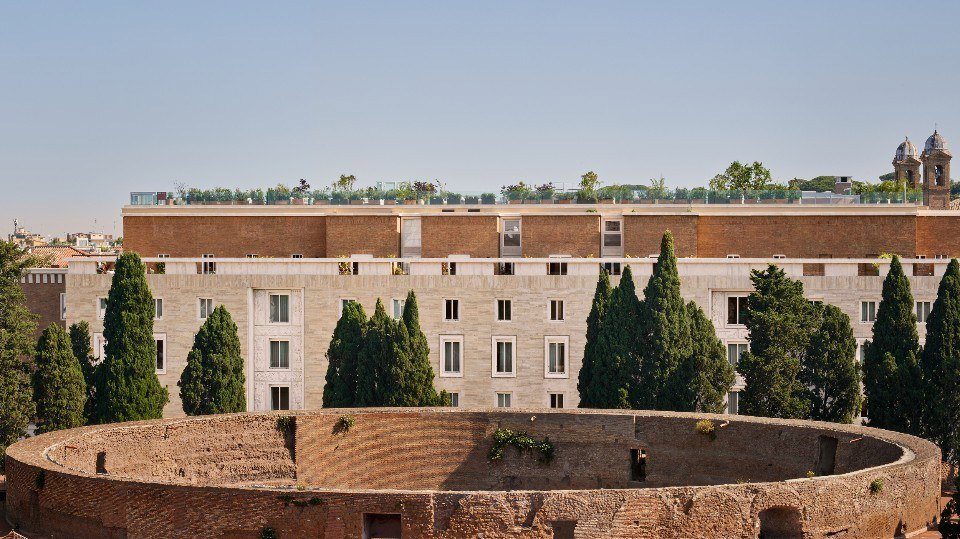
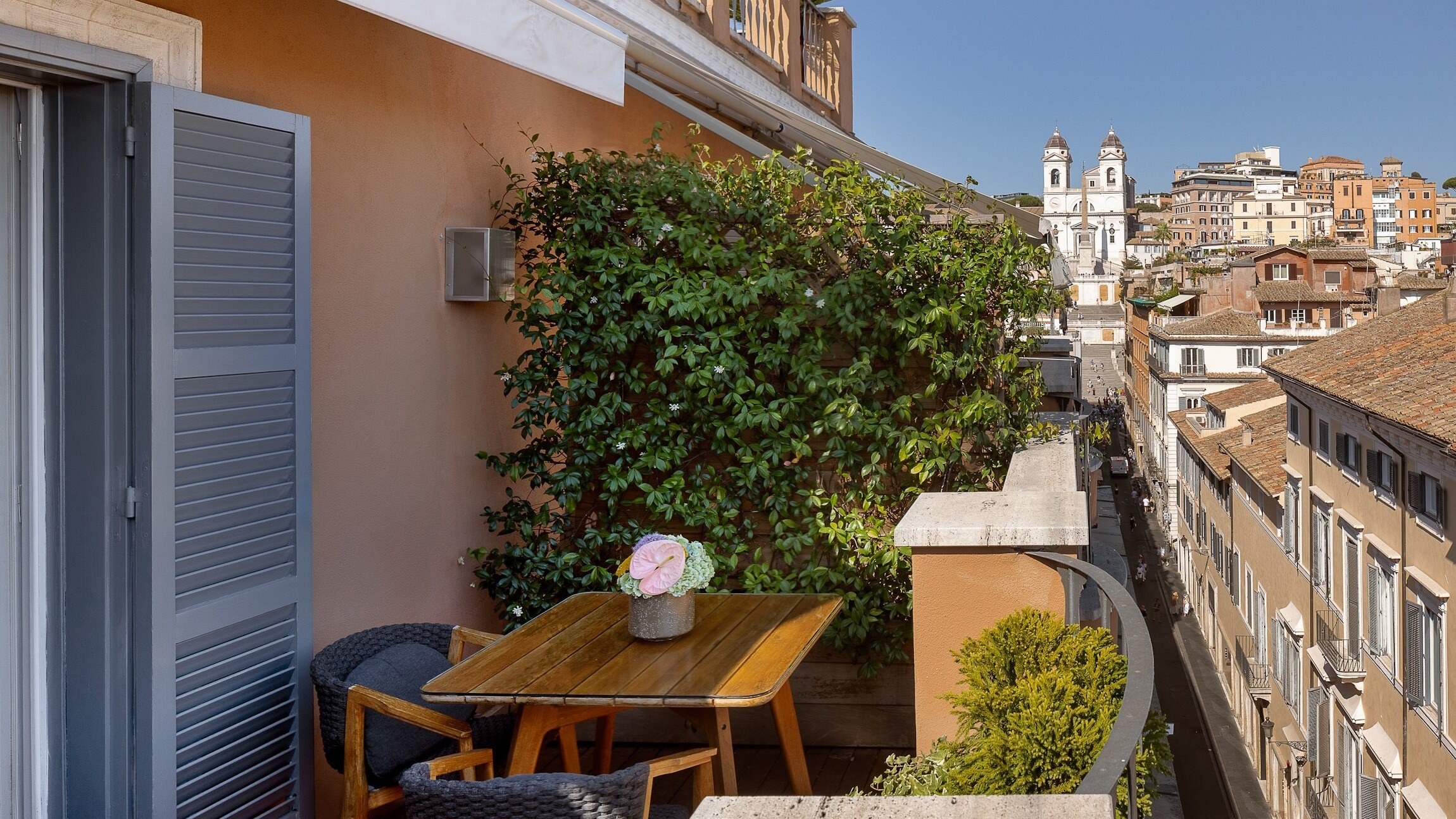
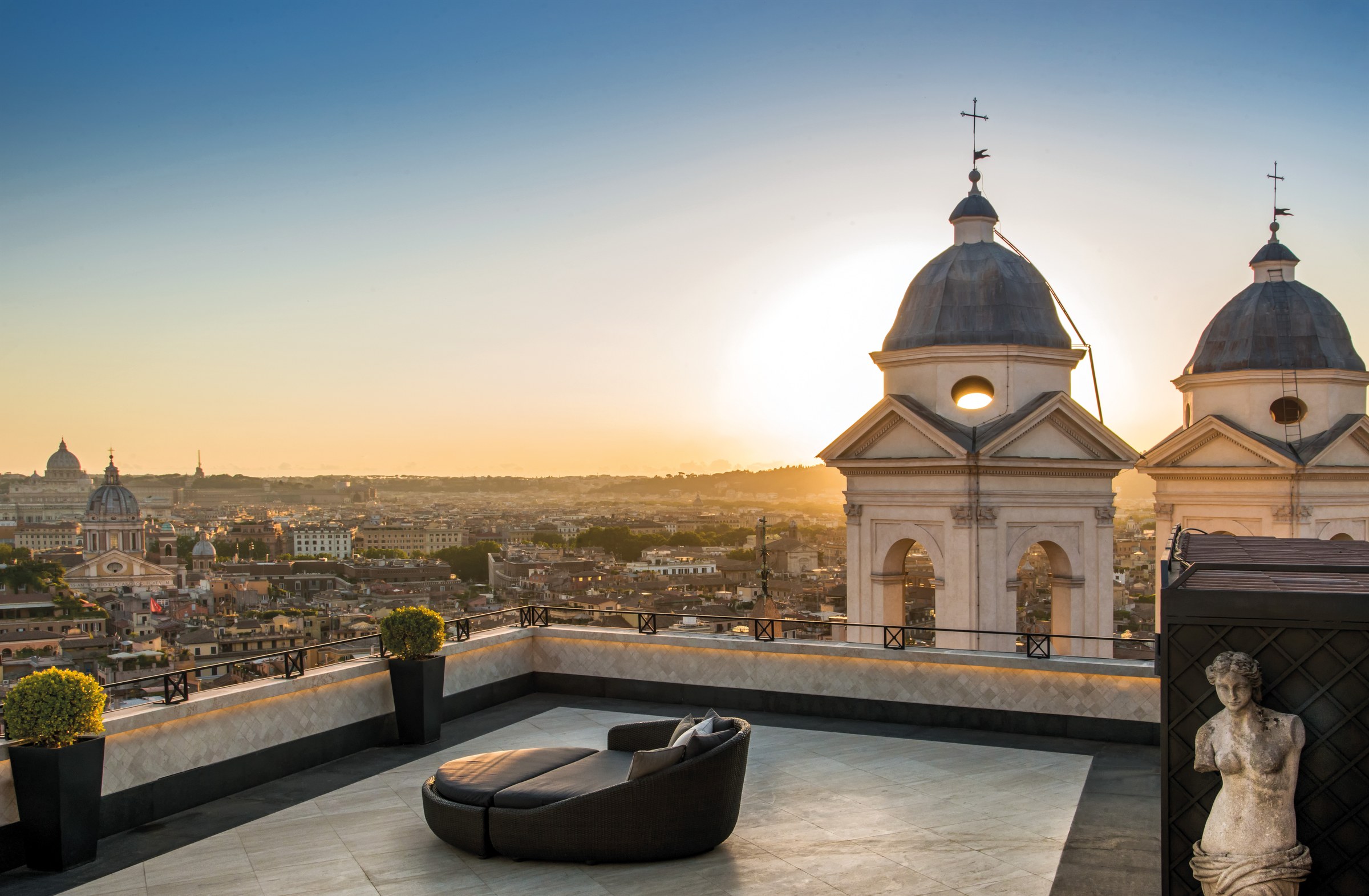
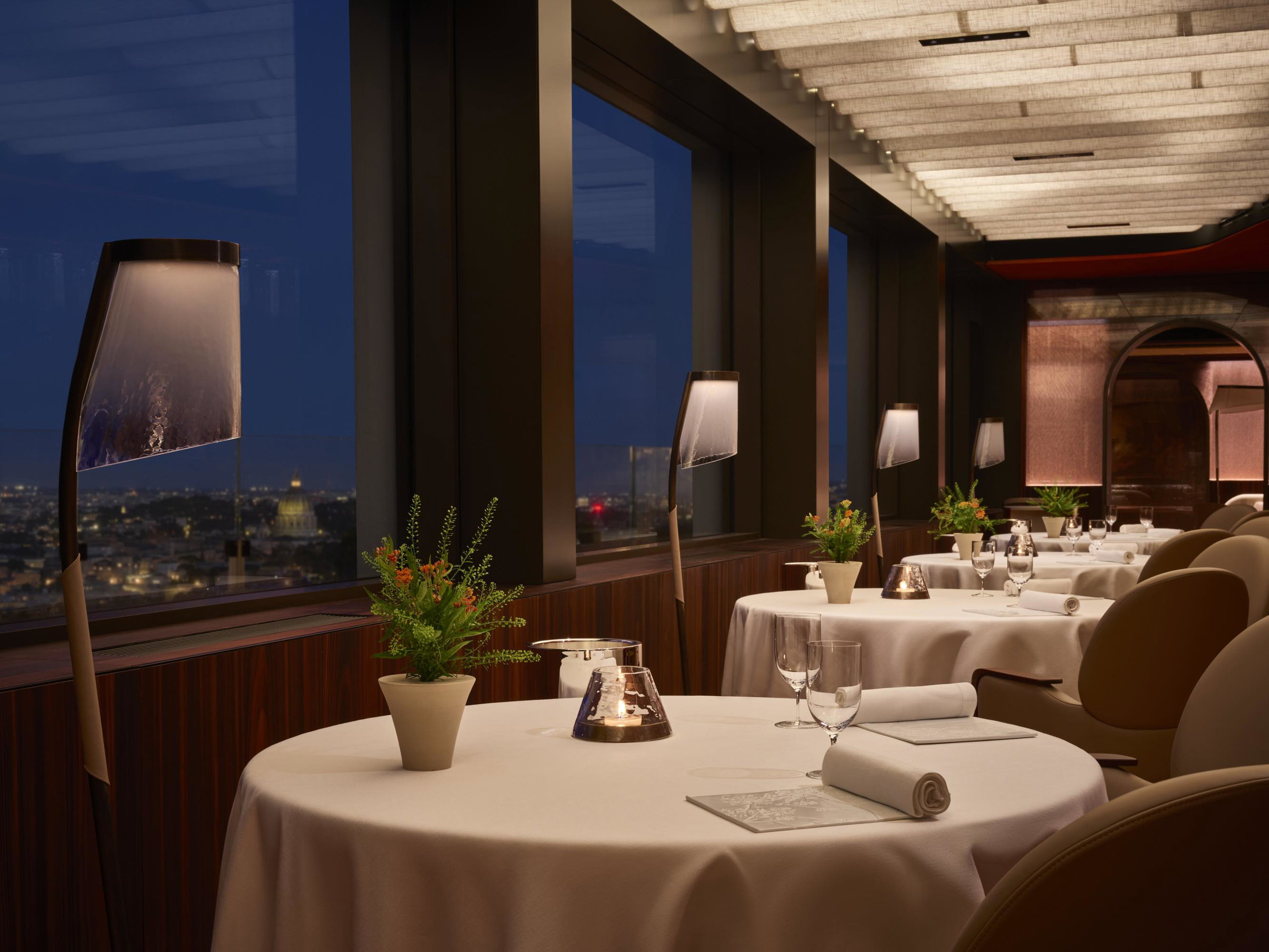
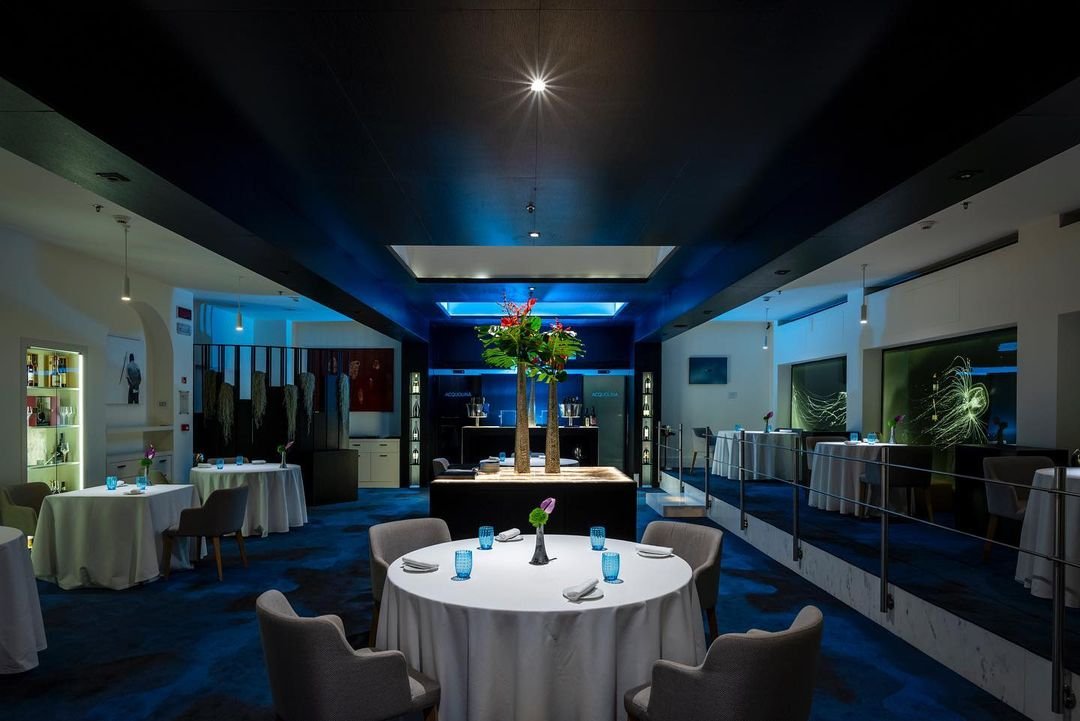
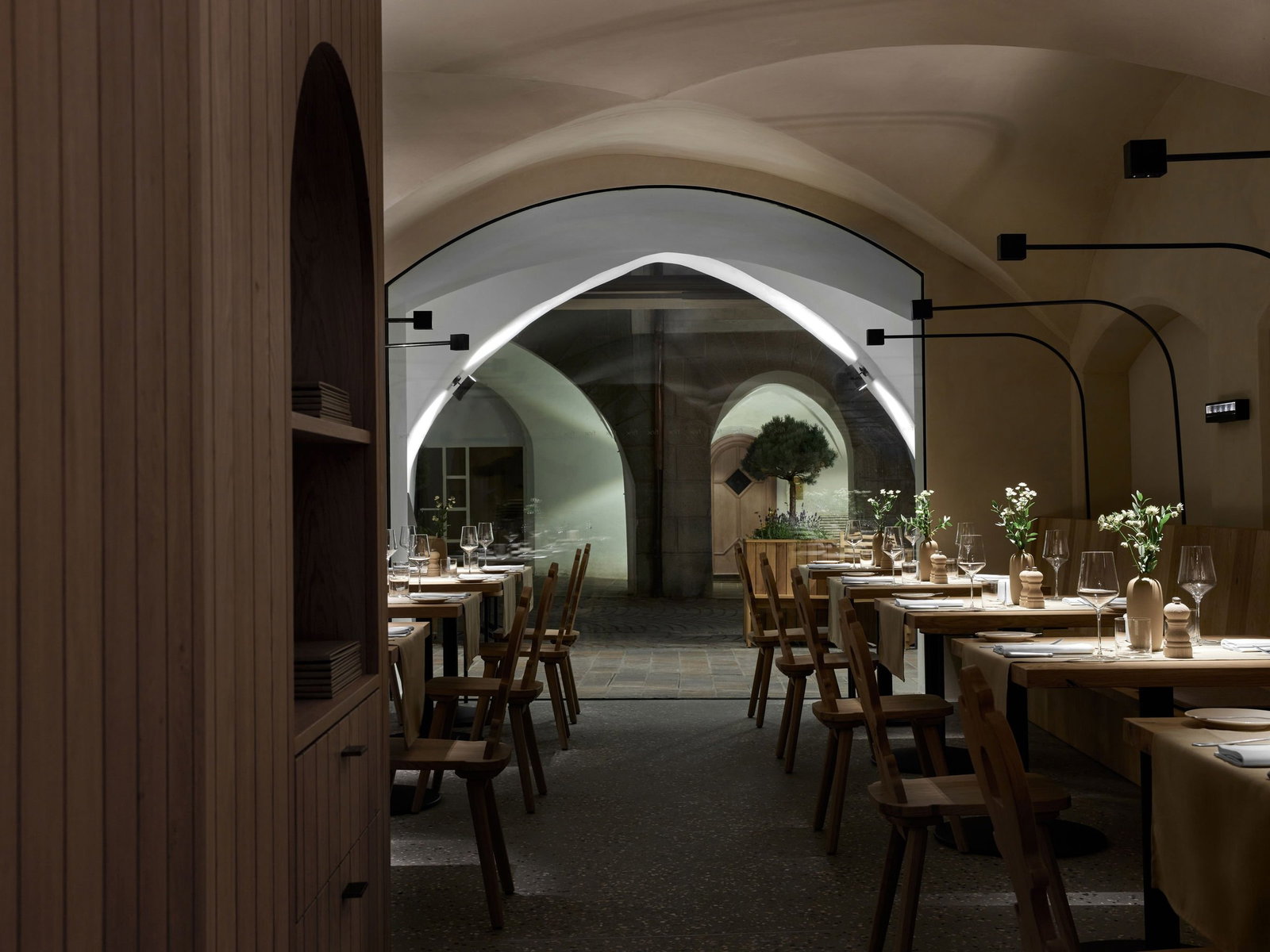
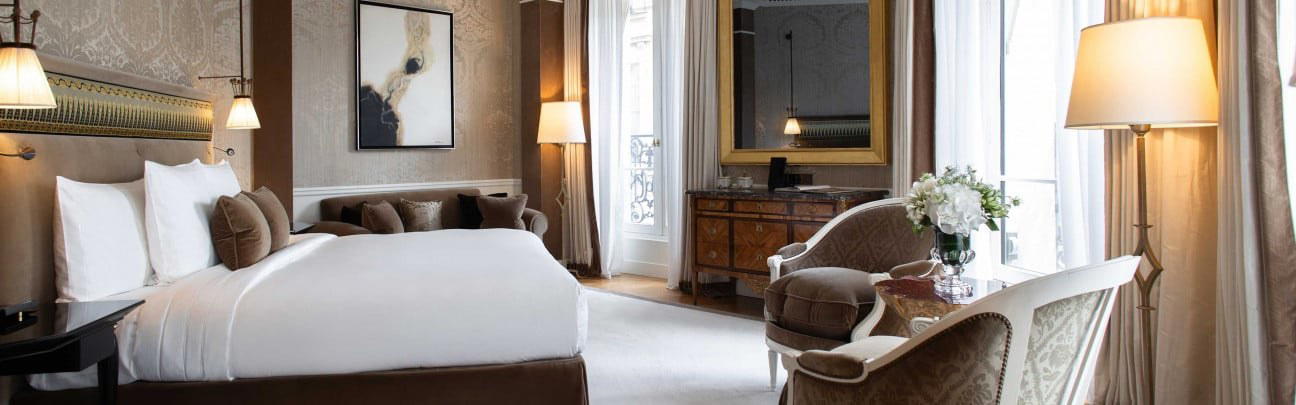
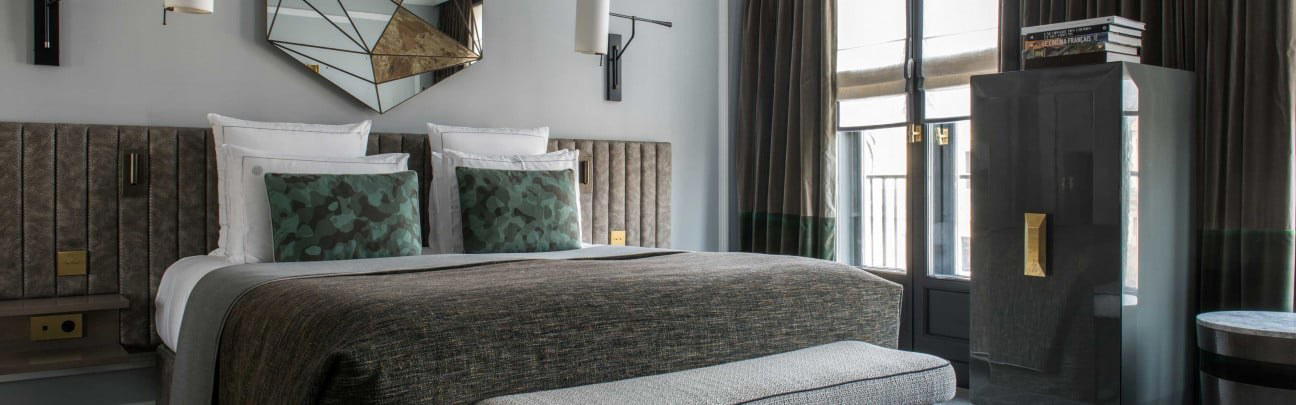
Maalot Roma leans into the noise and motion of Via delle Muratte rather than retreating from it. The hotel consciously mirrors Rome’s street energy — the description emphasizes that it operates at full volume through the day and late into the night — while anchoring that dynamism in a distinctly historic shell: the former address of Gaetano Donizetti. Architecturally, a glassed dome over the Don Pasquale restaurant functions as the building’s spatial spine, with guest rooms and common areas radiating outward. The resulting temperament feels urbane and animated, a boutique property that embraces the city’s pulse rather than muffling it.
Best For
This hotel suits travelers who want to be in the thick of Rome’s Trevi Fountain neighborhood and those who prize food-forward stays. With just 30 rooms and an on-site restaurant — Don Pasquale — recognized with a 2024 Michelin 1 Key as a destination for non-residents, Maalot is particularly strong for dinner-focused itineraries, romantic getaways and weekend escapes where the dining experience is a primary draw. Its central location also makes it a practical base for sightseeing in the historic core.
Stay Tips
Treat Don Pasquale as a destination: reserve ahead, as the restaurant’s Michelin recognition positions it as a draw for non-residents. If you prefer a quieter stay, mention room placement on booking — the hotel openly positions itself on a busy stretch of Via delle Muratte, which the copy notes runs at full volume much of the day and night. For an architectural touch, request seating that benefits from the glassed dome above the restaurant, which the text identifies as the building’s spatial spine.
Venue details
Ambiance
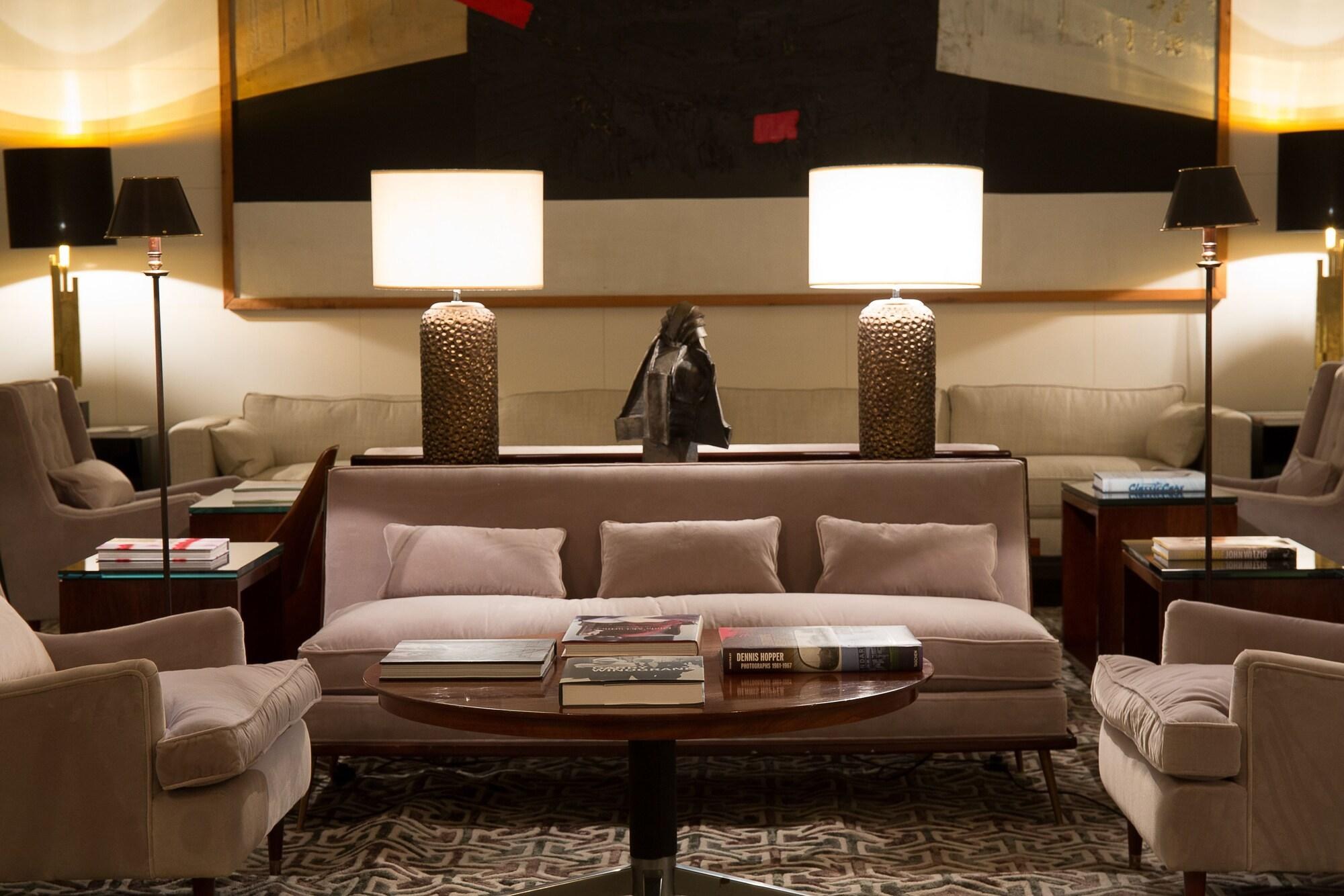
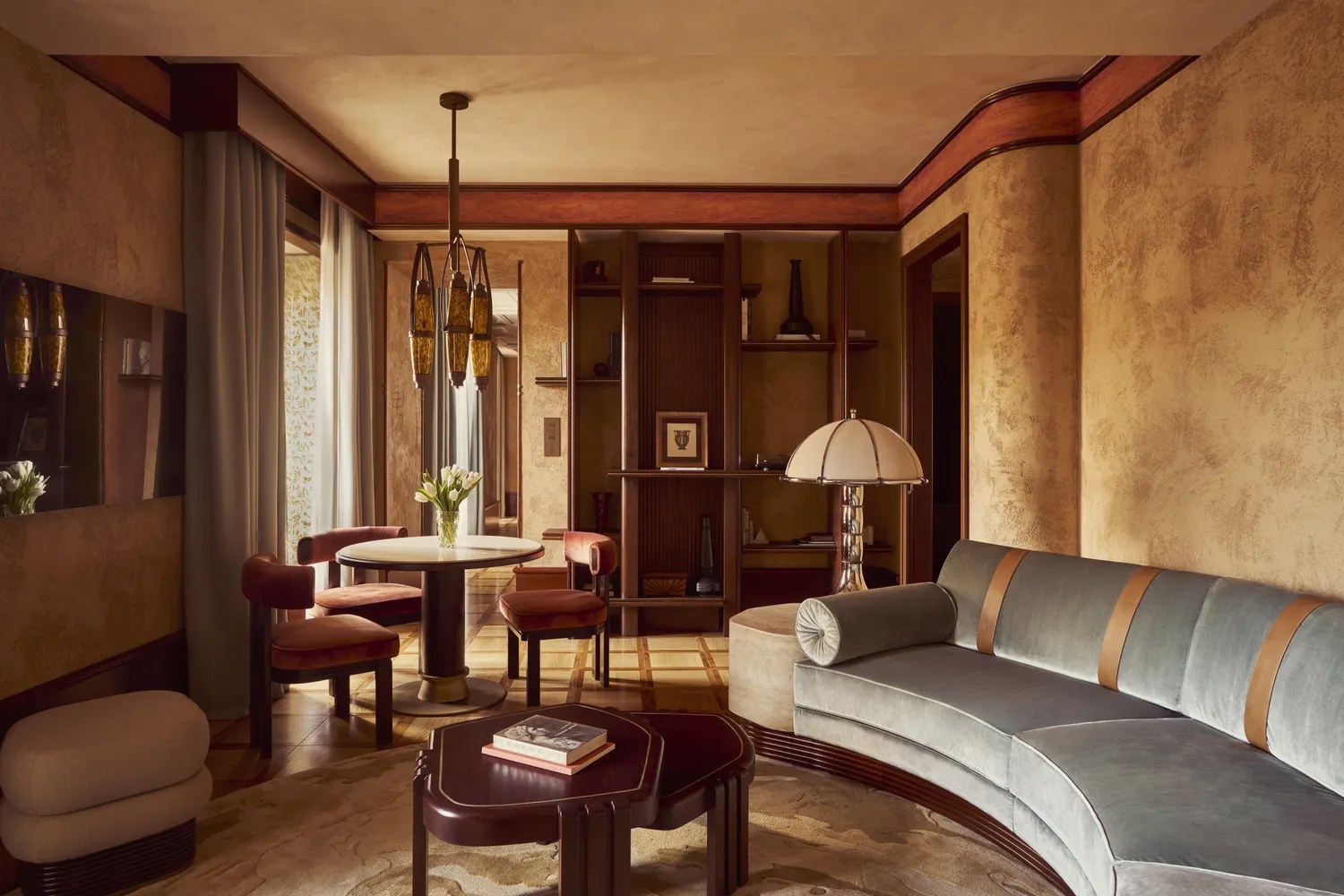
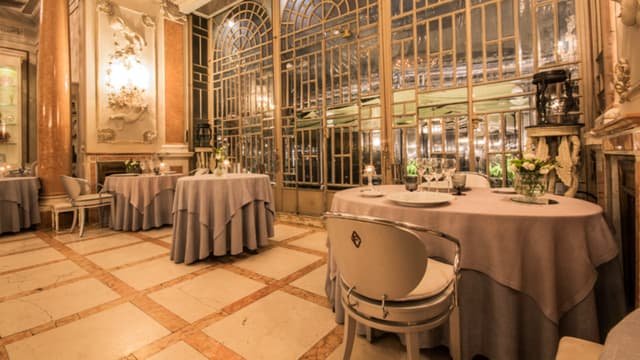
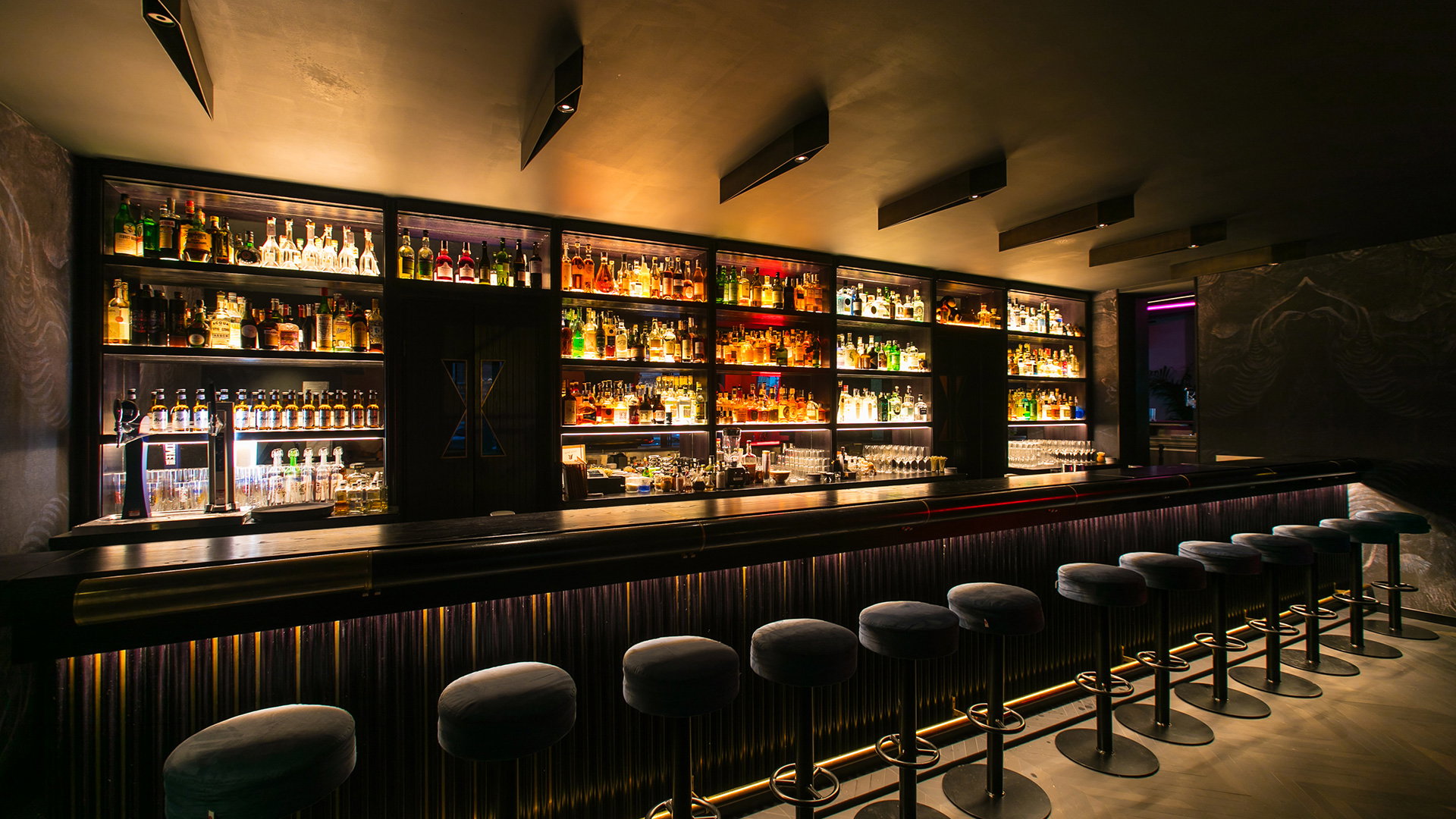
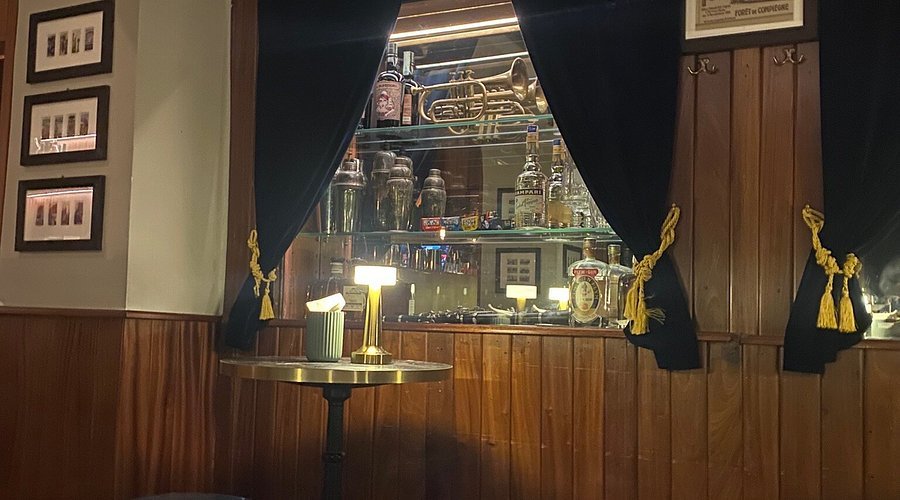
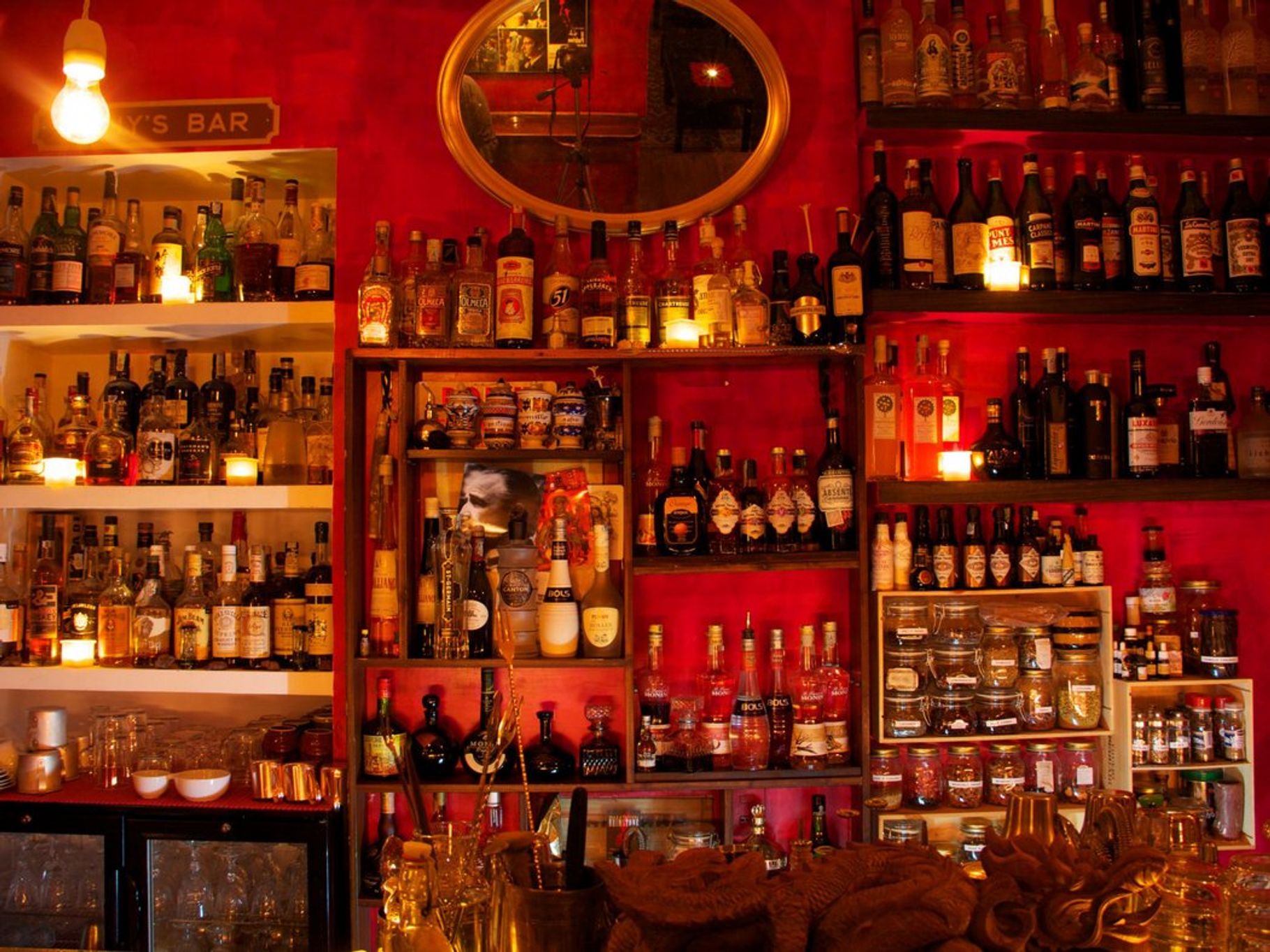
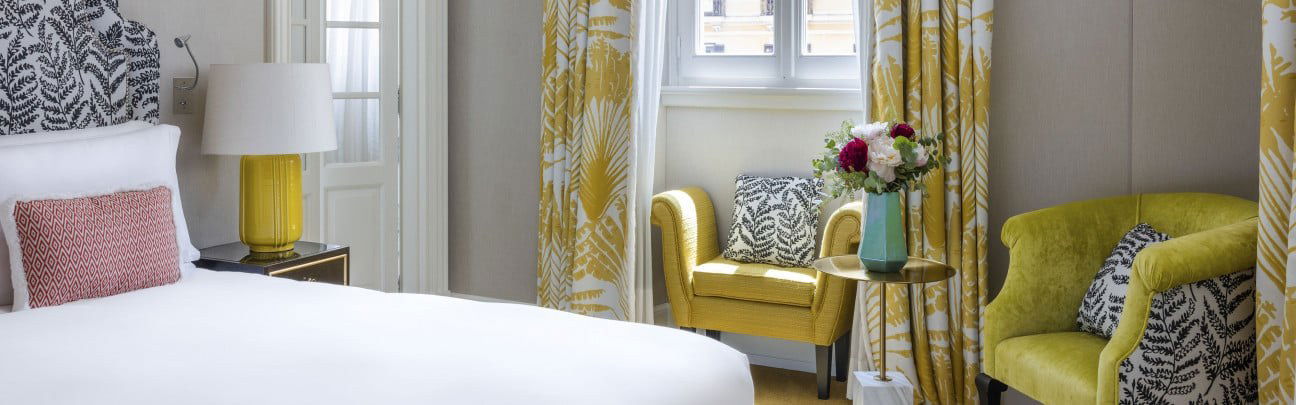
Vibrant and lively with eclectic art deco interiors, bold colors, and a welcoming luxurious atmosphere praised for its warmth.
Tags
Vibe
Best For
Experience
Amenities
Accessibility
About the Stay
- Rooms
- 30
- Check-in
- 15:00
- Check-out
- 12:00
- Property Style
- Boutique Luxury Hotel with Personalized Service and Glamorous Dining.
- Design Style
- Eclectic Art Deco with Bold Colors, Bespoke Italian Furnishings, and Modern Chic Decor.
Know before you go
Know Before You Go
- Getting there
- Via delle Muratte, 78, 00187 Roma RM
Planning details
Location
Recognition and awards

Also consider
Where to Look If It Is Full
Try Umiltà 36 if the goal is another central Rome hotel with a polished city-stay feel. It is the cleanest backup for travelers who want to stay near the same kind of itinerary without changing the trip's rhythm.
Try Six Senses Rome if the budget can stretch and the priority shifts toward wellness and a deeper on-property experience. It is less of a like-for-like boutique swap, but it is the stronger choice when the hotel itself needs to carry more of the trip.
Hotel context
How It Compares
Maalot Roma is the better fit for travelers who want a recognized small luxury hotel in central Rome without defaulting to a larger resort-style stay. Six Senses Rome is the stronger cross-shop if wellness, scale, and a fuller on-property program matter more than boutique intimacy. For a value-focused stay, compare both early rather than assuming the larger name is the safer pick.
Palazzo Roma, Umiltà 36, and Singer Palace Hotel sit in the same central Rome decision set. Maalot Roma has the clearest advantage when third-party small-hotel recognition is part of the decision; Singer Palace Hotel and Umiltà 36 are sensible alternatives if availability is tighter or the desired atmosphere skews more classic city-hotel than boutique hideaway.
CasaCau is the one to check if apartment-style independence beats hotel service. Maalot Roma is the easier recommendation for guests who want a staffed hotel experience; CasaCau makes more sense for longer stays, families who want more separation, or travelers who plan to eat out and use the room mainly as a private base.
Around this place
Discover more on Pearl
Unlock the full Maalot Roma guide in Pearl, including awards, comparisons, FAQs, planning details, and nearby places.
Compare Maalot Roma
| Venue | Location | Awards |
|---|---|---|
| Maalot Roma | Rome | 2026 Mr & Mrs Smith Luxury HotelsMichelin 1 Key 20252025 Michelin 1 KeySmall Luxury Hotels Member 20252024 Michelin 1 Key |
| Palazzo Roma | Rome | 2026 Mr & Mrs Smith Luxury HotelsLeading Hotels of the World 20262025 Michelin 1 Key |
| Umiltà 36 | Rome | 2026 Mr & Mrs Smith Luxury Hotels2025 Michelin 1 KeyPreferred Hotels L.V.X. Collection 20252024 Michelin 1 Key |
| Singer Palace Hotel | Rome | 2026 Virtuoso Luxury Hotel Collection2025 Michelin 1 Key2024 Michelin 1 Key |
| Six Senses Rome | Rome | 2026 Virtuoso Luxury Hotel Collection2026 Mr & Mrs Smith Luxury Hotels2025 Michelin 1 Key2024 Michelin 1 Key |
| CasaCau | Rome | No published awards |



How Maalot Roma Rome Hotel Review compares with similar nearby venues.
FAQ
Frequently Asked Questions
How does Maalot Roma compare to other hotels?
Maalot Roma is a Rome hotel with Michelin 1 Key recognition, Small Luxury Hotels of the World membership, and the Mr & Mrs Smith Seal of Approval. Compare it with Palazzo Roma, Singer Palace Hotel, Six Senses Rome, CasaCau, and Umiltà 36 if you are building a shortlist, but base the Maalot Roma decision on hotel recognition rather than details about amenities or dining.
How is the dining at Maalot Roma?
Treat the dining as secondary unless the hotel itself is your priority, because there is no cuisine type, chef, menu format, or price range to judge it as a restaurant-first stop. The strongest signal is hotel-level recognition, including Michelin 1 Key status, not a documented food program.
Is Maalot Roma good for business travel?
Maalot Roma may be worth considering for a Rome stay if hotel recognition matters to you. However, there is not enough information to state specific business-travel amenities, workspace details, or service features. For longer stays or a different format, CasaCau may be another option to compare.
Is Maalot Roma family-friendly?
There is not enough information to make a specific family-travel claim about Maalot Roma. Families should confirm room configuration, bedding, and any child-related services directly before booking. CasaCau is another Rome option to compare if your priority is a different style of stay.
How is the location of Maalot Roma?
Maalot Roma is in Rome. No street address or neighborhood detail is included, so location planning should be based only on the city-level information unless you confirm specifics directly with the hotel.