
Hotel Lord Byron
Pinciano, Rome
Hotel in Rome, Italy
 Book with Pearl
The Read
Inter-War Residential Retreat
Price
$300–500per night
Why go
Hotel Lord Byron is worth considering for a quieter, service-led Rome stay, especially for couples or business travelers who do not need a landmark-hotel scene. Its Small Luxury Hotels of the World membership is the key trust signal; cross-shop larger peers if spa depth or central foot traffic matters more.
About Hotel Lord Byron
Is Hotel Lord Byron worth booking in Rome? Consider it if you are specifically looking at Hotel Lord Byron in Rome and want a property with Small Luxury Hotels of the World Member recognition for 2025. Beyond that recognition and the smart-casual dress guidance, details such as facilities, room categories, dining format, pricing, and service inclusions should be checked directly before booking.
Use Hotel Lord Byron as one Rome option to compare carefully against live rates, current availability, and your own trip priorities.
A Rome hotel with SLH membership
Hotel Lord Byron has Small Luxury Hotels of the World Member status in 2025. That gives travelers a grounded reason to include it in a Rome hotel shortlist, while still leaving practical questions to confirm directly with the hotel or booking channel.
Do not assume specific facilities, dining services, wellness amenities, or room layouts. Hotel Lord Byron is in Rome, has SLH membership for 2025, and lists smart casual as the dress code. For a broader scan of the city, use Our full Rome hotels guide, then compare it with other Rome options.
Who should book, and who should cross-shop
Book only after confirming the current room, rate, and amenity details that matter for your trip. Cross-shop if you need information on wellness facilities, dining, family logistics, or a particular location within Rome before committing. Other comparison points include Casa Montani, Hotel Aldrovandi, Parco dei Principi Grand Hotel & Spa, The H'All Tailor Suite, and Villa Laetitia.
Reservations: check current availability directly. Dress: plan for smart casual. Budget: compare live rates before committing. Trip fit: match the hotel against your own needs before booking. For dining research around the stay, use Our full Rome restaurants guide; for after-dinner planning, check Our full Rome bars guide.
Planning details
- Location
- Via Giuseppe de Notaris, 5, 00197 Roma RM
- Website
- lordbyronhotel.com
- Phone
- +39 06 322 0404
The take
The Take
The Vibe
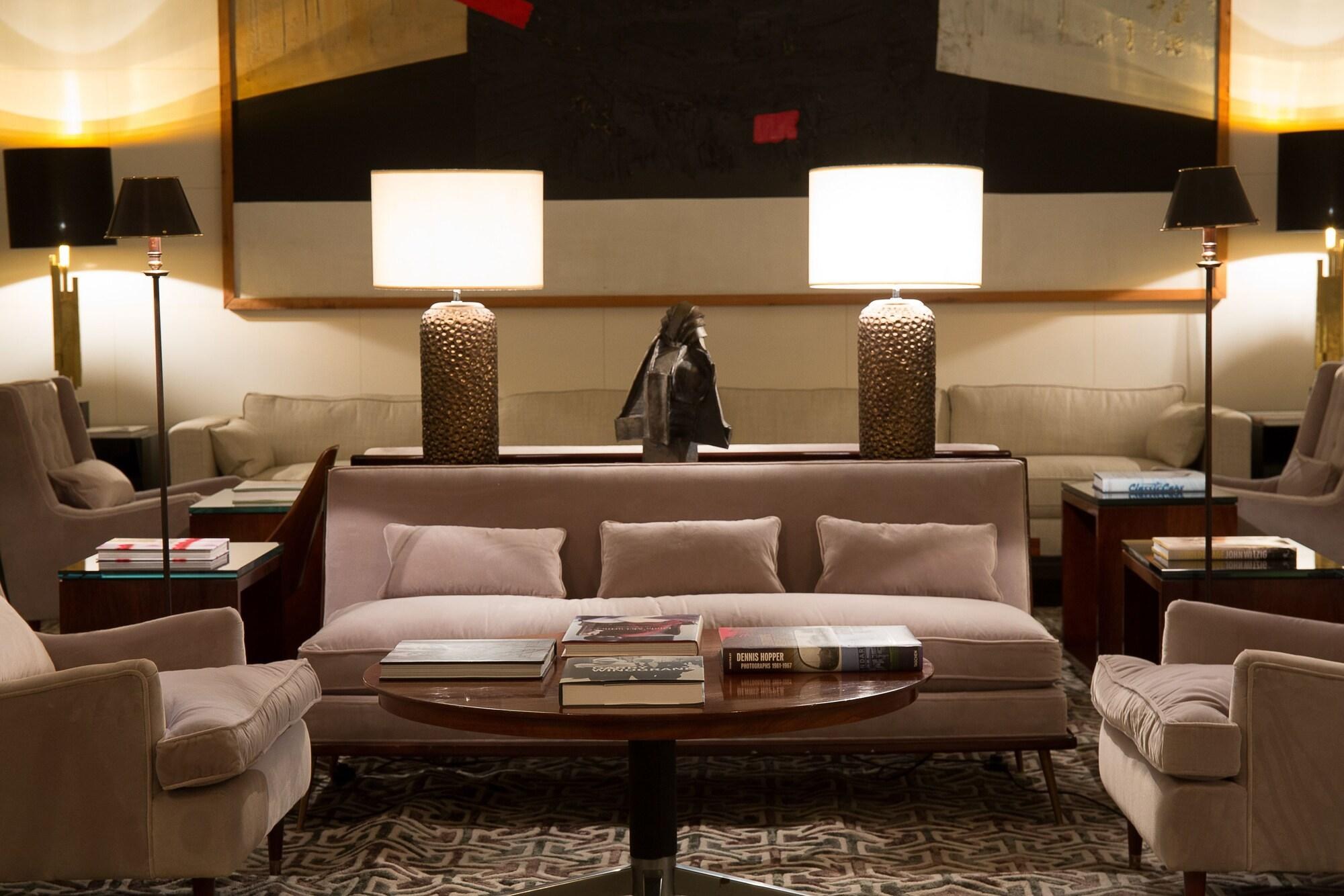
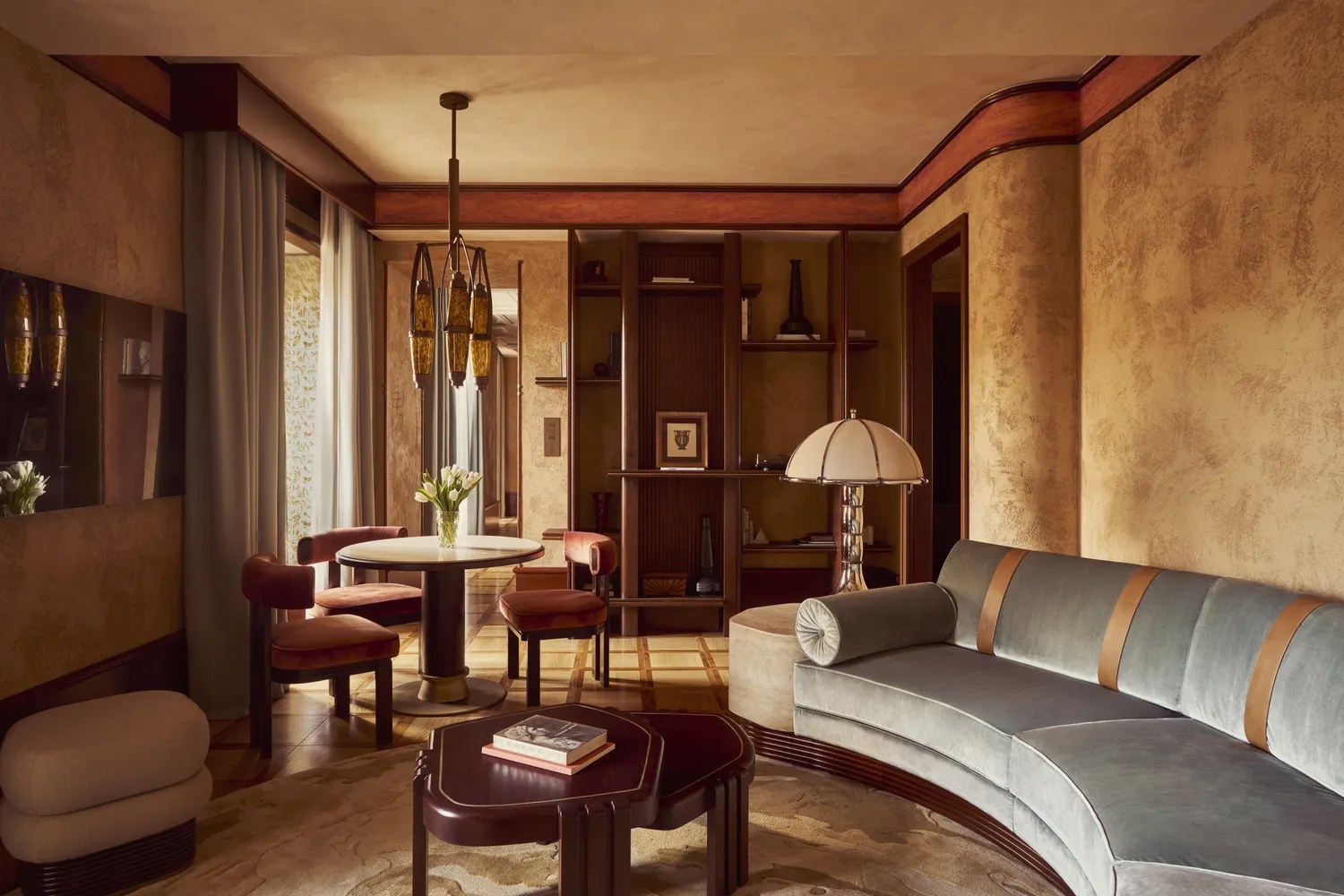
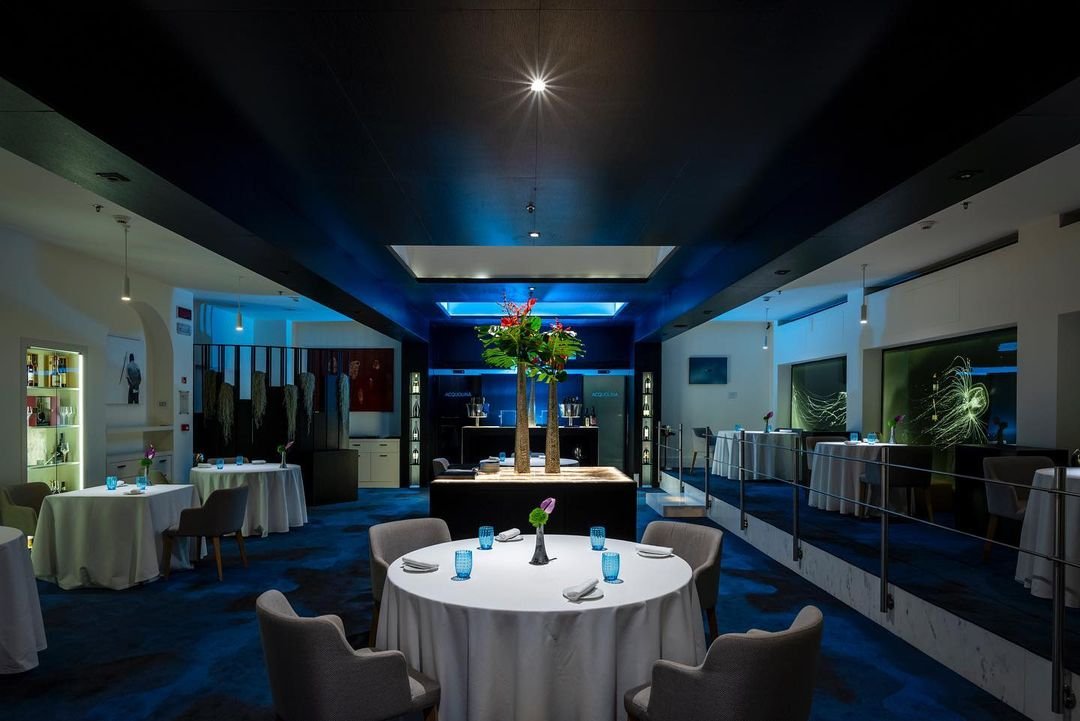
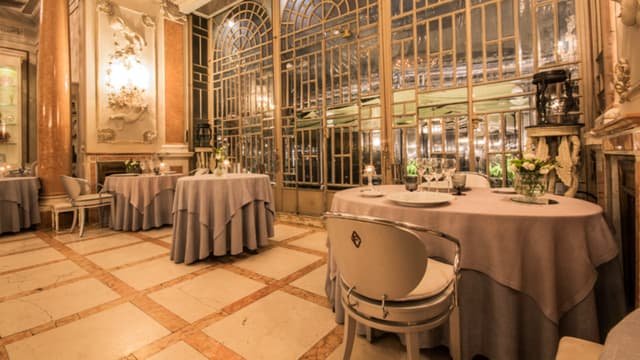
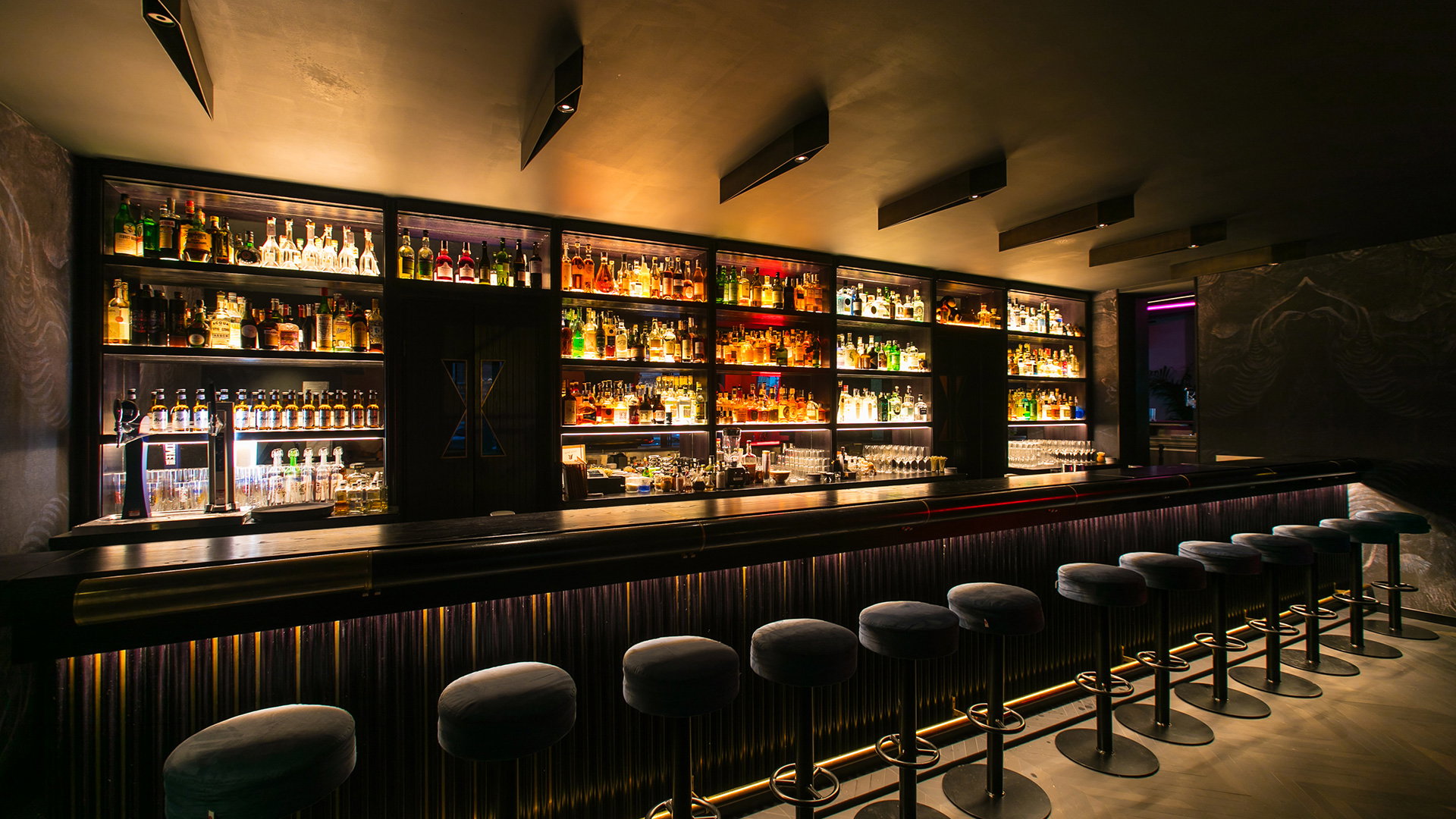
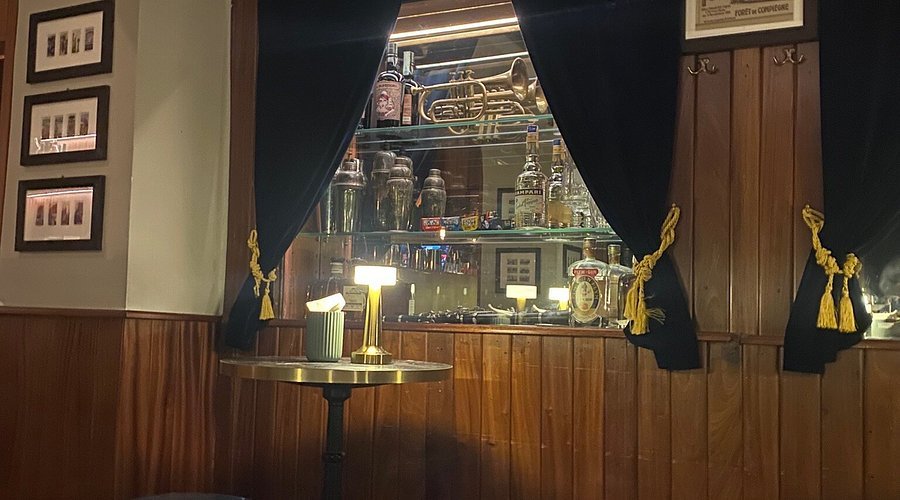
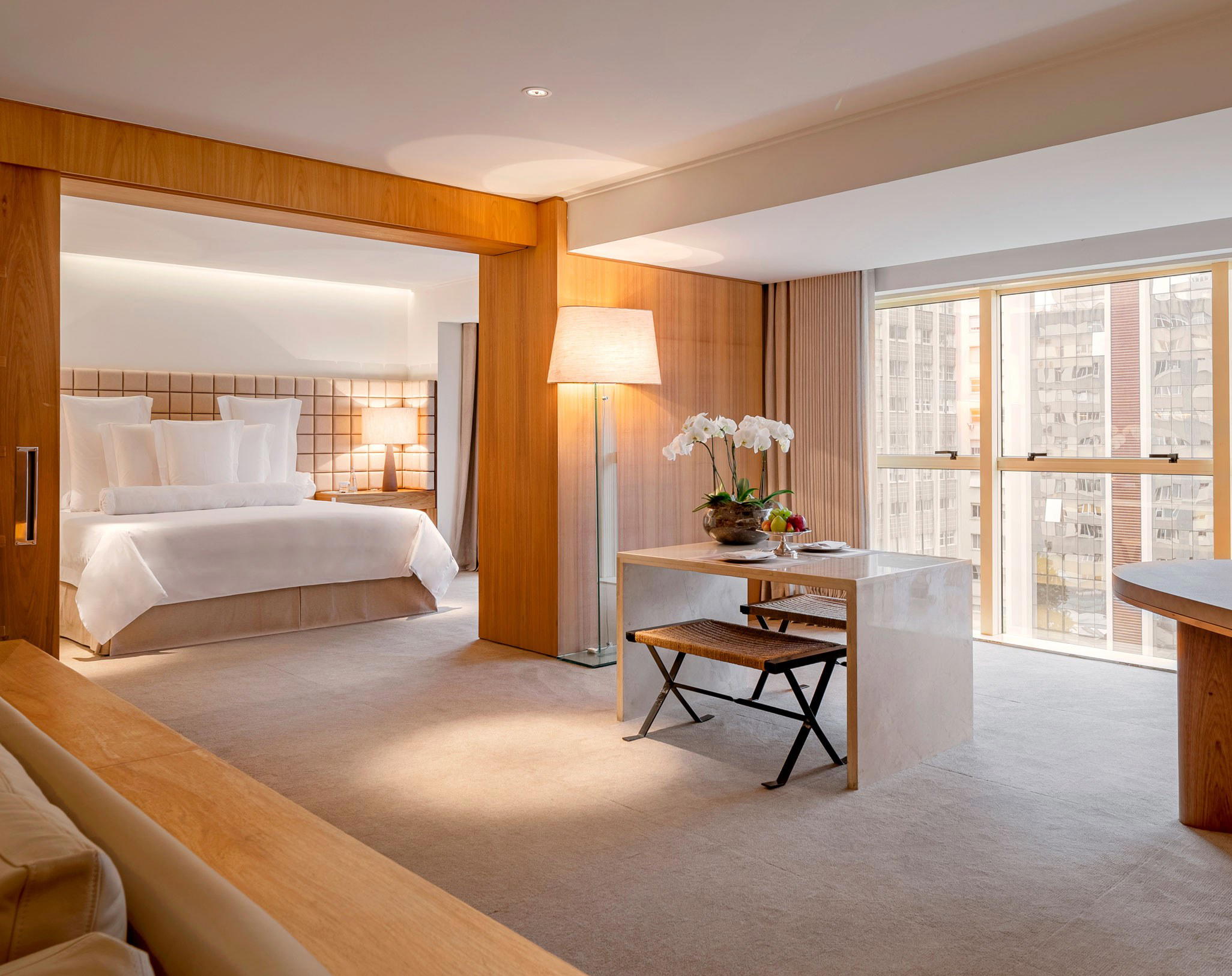
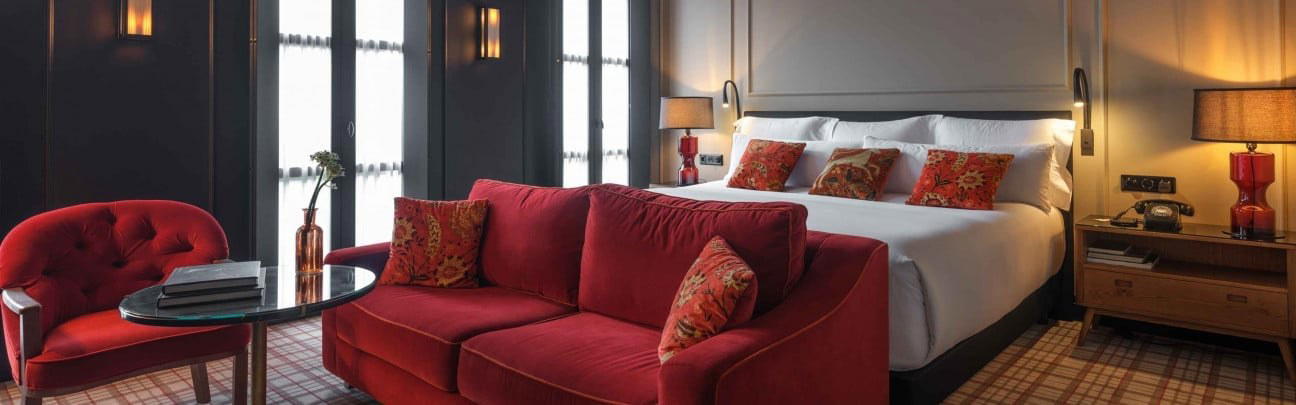
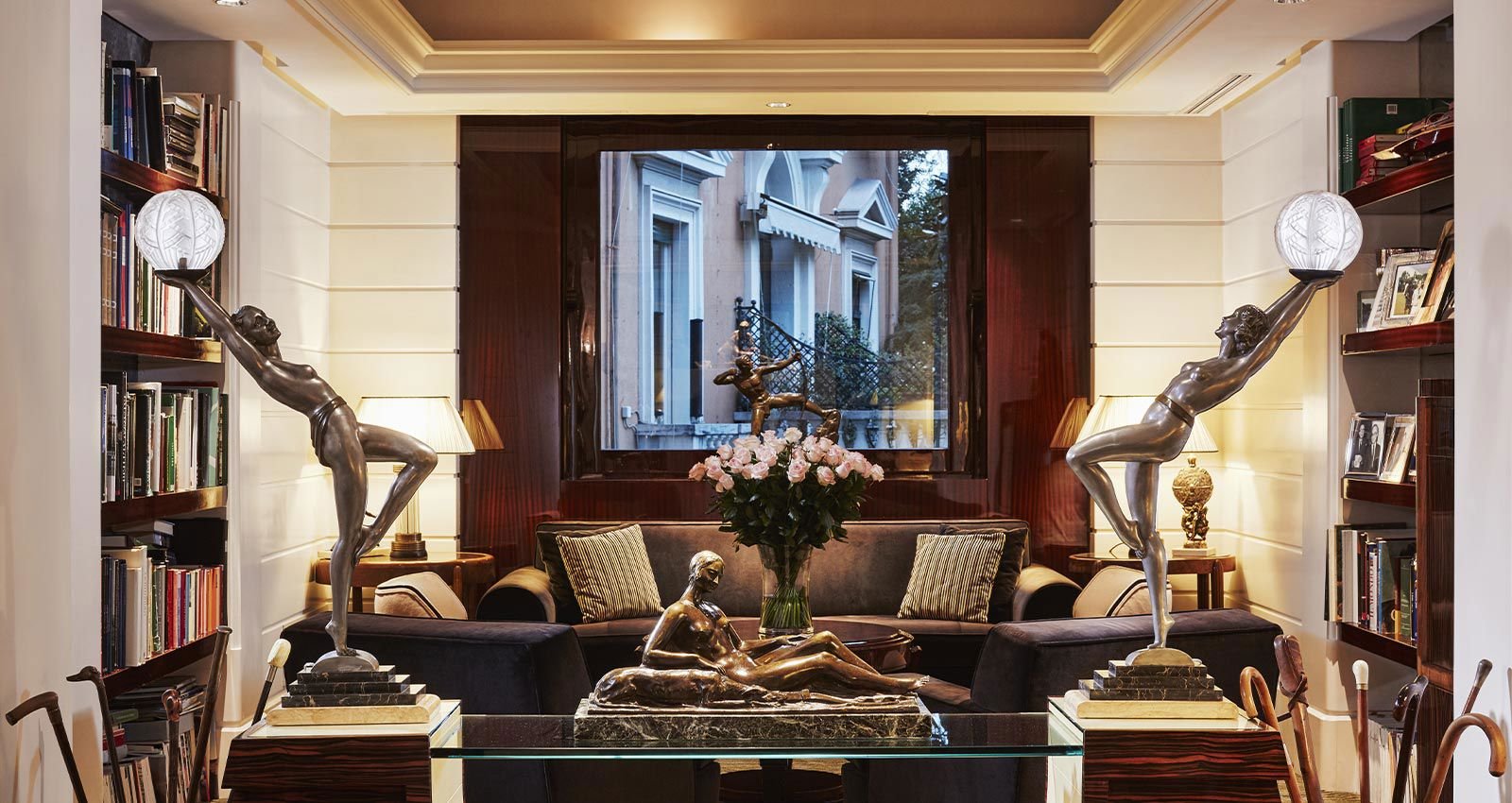
Hotel Lord Byron presents a restrained, club-like elegance anchored in its 1930s Art Deco shell. The interiors favor period consistency over contemporary reinvention, evoking a private members' club more than a conventional hotel lobby. The scale and residential Parioli setting keep the atmosphere quiet and relationship-oriented: public spaces function as a social living room for repeat guests rather than a transient thoroughfare. Design details and a wine-bar lounge reinforce a cozy, intimate temperament while the hotel's urban sense remains understated and refined.
Best For
This is a low-key choice for travelers who prize neighborhood character and quiet over monument-adjacent theatrics. It works particularly well for romantic stays and anniversary trips that value a private, clubby atmosphere, and for business travelers seeking a calm base with easy access to Villa Borghese and Via Veneto. The lounge and wine bar double as informal meeting and unwinding spots, so guests who favor lingering coffee mornings and late-evening drinks will find the hotel's rhythm suits a slower, relationship-driven visit.
Stay Tips
The property's social spaces center on an all-day lounge and wine bar, so plan your visits around that flow: stop in for morning coffee in the lounge and return in the evening for a glass of wine. Because the hotel emphasizes a club-like, relationship-oriented service model, anticipate a quietly curated beverage list rather than loud, late-night bar theatrics. Keep requests modest and conversational—staff at venues of this scale typically respond well to familiar, repeated preferences.
Venue details
Ambiance
Refined Art Deco atmosphere with elegant public areas, marble bathrooms, soundproofed rooms, and a peaceful residential setting praised for comfort and sophistication.
Tags
Vibe
Best For
Experience
Amenities
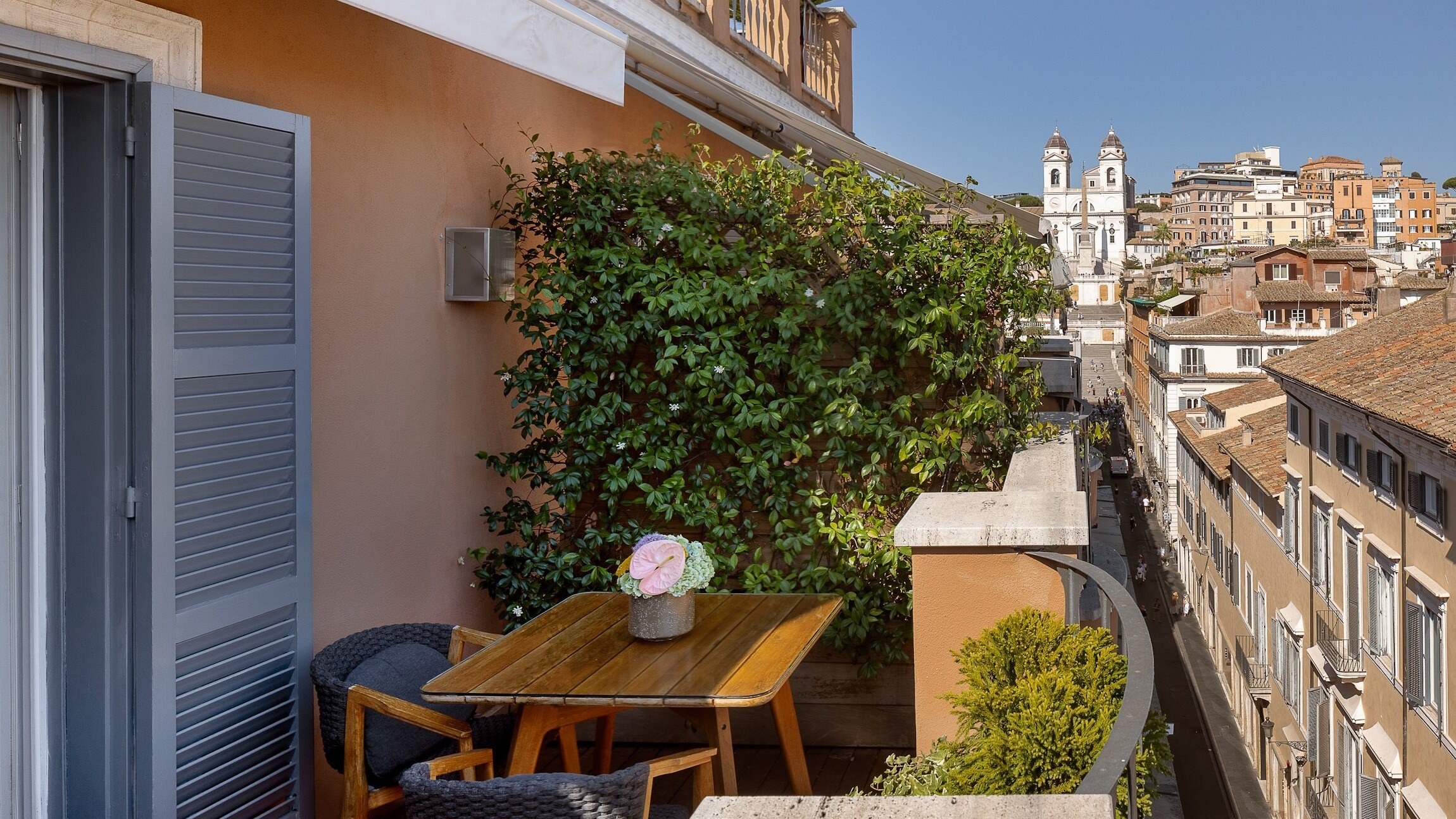
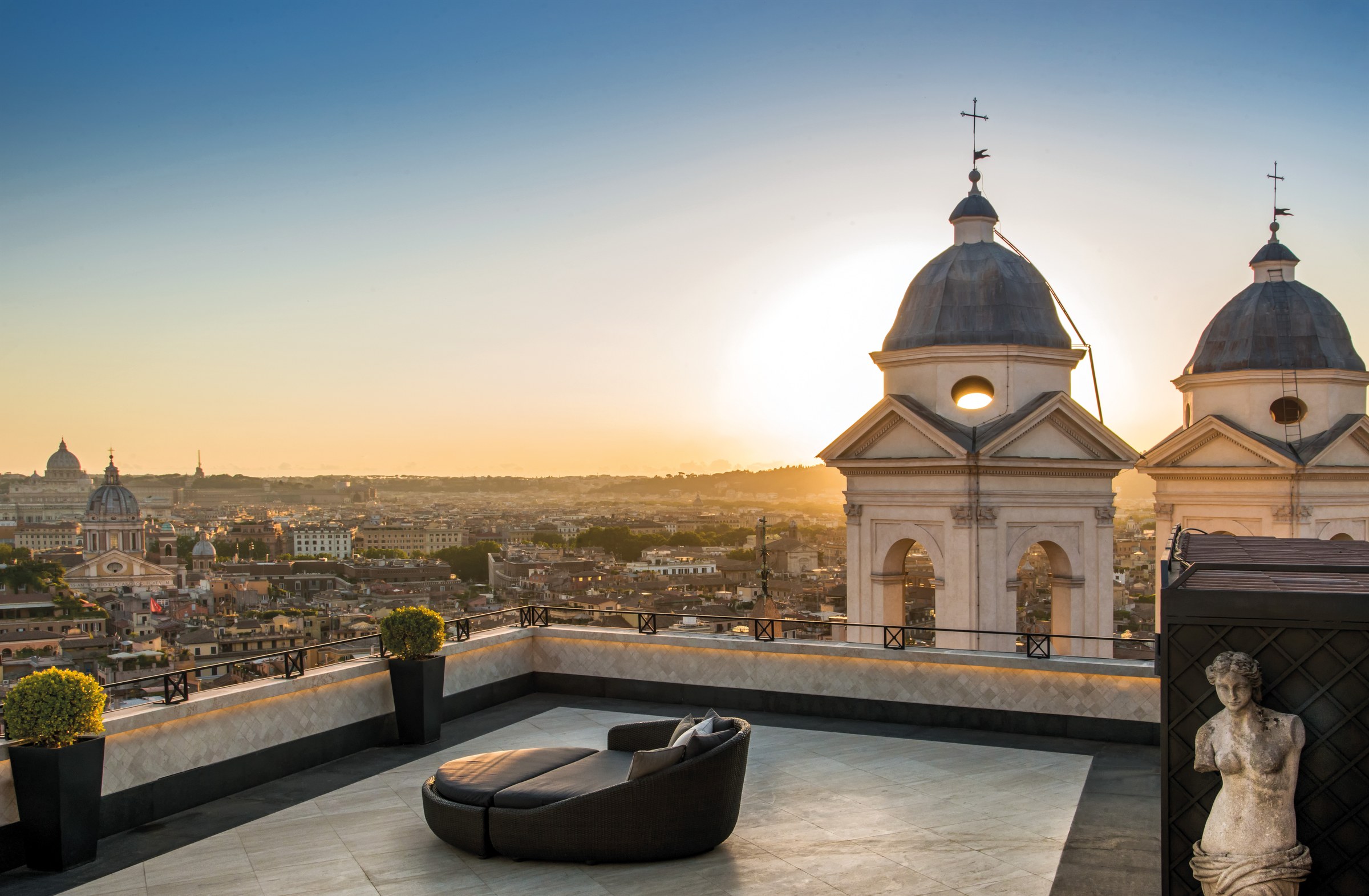
View
Accessibility
About the Stay
- Rooms
- 28
- Property Type
- Boutique hotel
- Property Style
- Art Deco Luxury Boutique in a Historic Patrician Villa.
- Design Style
- Art Deco with Marble Decorations, Premium Bedding, and Elegant Furnishings.
- Breakfast
- Included
- Airport Transfer
- Available
- Pets
- Allowed
Know before you go
Know Before You Go
- Getting there
- Via Giuseppe de Notaris, 5, 00197 Roma RM
Planning details
Location
Recognition and awards

Also consider
Where to look if it is not the right fit
Pick Parco dei Principi Grand Hotel & Spa if spa facilities are central to the trip. Pick Casa Montani if the priority is a smaller city-break base with easier access to the classic Rome visitor circuit.
Hotel context
How Hotel Lord Byron compares in Rome
Choose Hotel Lord Byron over Hotel Aldrovandi if the priority is a smaller, quieter stay with less of a grand-hotel feel. Aldrovandi is the peer to check when the trip calls for a more traditional full-service Rome hotel mood, while Lord Byron is better for couples who want a calmer special-occasion base.
Parco dei Principi Grand Hotel & Spa is the stronger cross-shop for travelers who care about wellness facilities and a bigger hotel setup. Lord Byron is easier to justify when service tone, privacy, and atmosphere matter more than spa programming. The H'All Tailor Suite and Casa Montani are better fits for guests who want a tighter boutique footprint and a more city-break feel.
Villa Laetitia is the closest comparison for travelers drawn to villa-style Rome stays. Between the two, Lord Byron is the safer pick for a polished hotel-service expectation, while Villa Laetitia is the one to consider if the ambiance matters more than predictable hotel structure.
Around this place
Discover more on Pearl
Unlock the full Hotel Lord Byron guide in Pearl, including awards, comparisons, FAQs, planning details, and nearby places.
Compare Hotel Lord Byron
| Venue | Location | Awards |
|---|---|---|
| Hotel Lord Byron | Rome | Small Luxury Hotels Member 2025 |
| Hotel Aldrovandi | Rome | No published awards |
| Parco dei Principi Grand Hotel & Spa | Rome | 2026 Forbes RecommendedPreferred Hotels L.V.X. Collection 20252025 Forbes Recommended |
| The H'All Tailor Suite | Rome | No published awards |
| Casa Montani | Rome | No published awards |
| Villa Laetitia | Rome | No published awards |


How Hotel Lord Byron Rome compares with similar nearby venues.
FAQ
Frequently Asked Questions
How is the dining at Hotel Lord Byron?
No specific dining format, cuisine, menu, or restaurant program is noted for Hotel Lord Byron. Its Small Luxury Hotels of the World Member status for 2025 is a key recognition. If dining is central to the trip, confirm current options directly and compare with other Rome dining and hotel choices.
Which room category is best at Hotel Lord Byron?
No best room category, room size, view, or layout is identified. Hotel Lord Byron is in Rome, so choose a room only after checking the current room descriptions, rates, and cancellation terms through the hotel or booking channel.
Is Hotel Lord Byron family-friendly?
No specific family facilities, room configurations, children's services, or policies are noted. Families considering Hotel Lord Byron should confirm those details directly before booking and may also compare it with Parco dei Principi Grand Hotel & Spa or other Rome hotels.
How is the pool and spa at Hotel Lord Byron?
No pool or spa specifics are listed for Hotel Lord Byron. If wellness facilities are important, confirm the current amenities directly and compare with Parco dei Principi Grand Hotel & Spa or other Rome options.
Is Hotel Lord Byron good for business travel?
No business-specific amenities, meeting facilities, workspaces, or transport details are noted. Its 2025 Small Luxury Hotels of the World Member status may make it worth shortlisting, but business travelers should confirm the practical details they need before booking. The H'All Tailor Suite is another comparison point to review.