

Hotel De' Ricci
Regola, Rome
Hotel in Rome, Italy
 Book with Pearl
The Read
Sommelier-Led Hospitality
Why go
Hotel De' Ricci is a strong Rome pick for travelers who want a quiet, polished boutique base rather than a large amenity-heavy hotel. Families should choose it for location and calm, especially with older children, not for pool or spa time. MICHELIN Guide selection, Small Luxury Hotels of the World membership, and Mr & Mrs Smith approval give it credible quality signals.
About Hotel De' Ricci
Hotel De' Ricci is a Rome hotel with a smart-casual dress code and several recognition signals: Small Luxury Hotels of the World Member 2025, Mr & Mrs Smith Seal of Approval 2026, and MICHELIN Guide, Hotels Selected 2025.
Frame the choice by its credentials rather than by assuming particular amenities, room layouts, dining, or service features. Hotel De' Ricci is a Rome stay with recognized hotel-guide and collection credentials; confirm any trip-specific requirements directly before booking.
A Rome hotel with recognition
Hotel De' Ricci is listed as a Small Luxury Hotels of the World Member for 2025, has a Mr & Mrs Smith Seal of Approval for 2026, and is selected in the MICHELIN Guide hotels list for 2025.
For planning, note the location is Rome. If exact positioning, room configuration, amenities, or arrival details matter, verify them with the hotel or booking channel before committing.
Who should choose it, and who should cross-shop
Choose Hotel De' Ricci if the priority is a Rome hotel with hotel-collection and guide recognition. Cross-shop DOM Hotel, Hotel Indigo Rome - St. George by IHG, Martis Palace Hotel Rome, G-Rough, or MyNavona if you want to compare other Rome hotel options before deciding.
Do not base the booking on assumptions about facilities, room count, service style, family amenities, dining, or pricing. Hotel De' Ricci is a recognized Rome hotel; the rest should be checked directly for the dates and needs of the trip.
For wider Rome planning, use Our full Rome hotels guide, then match the hotel choice with Our full Rome restaurants guide, Our full Rome bars guide, Our full Rome wineries guide, and Our full Rome experiences guide. You can also compare other dining and hotel options in Rome generically as part of the same trip plan.
Planning details
- Location
- Via della Barchetta, 14, 00186 Roma RM
- Website
- hoteldericci.com
- Phone
- +39 06 687 4775
The take
The Take
The Vibe
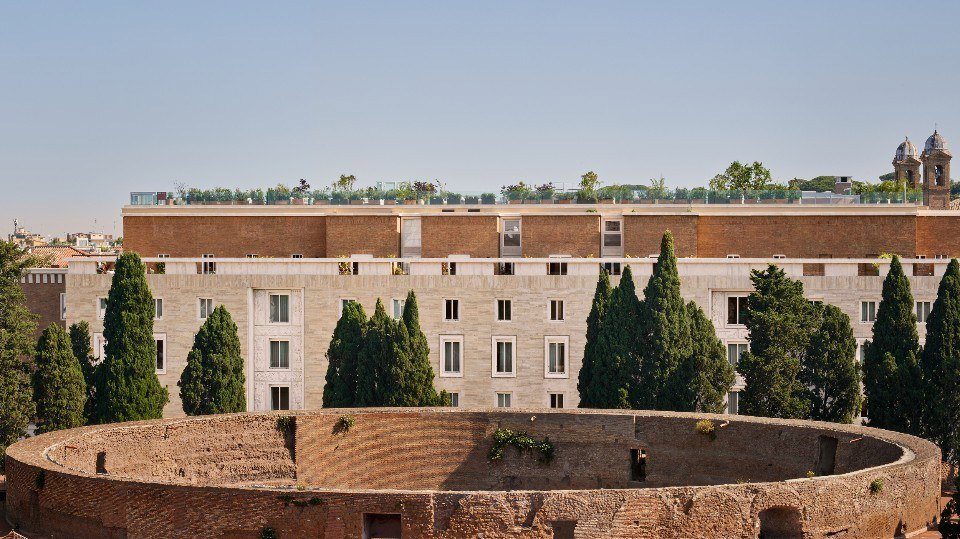
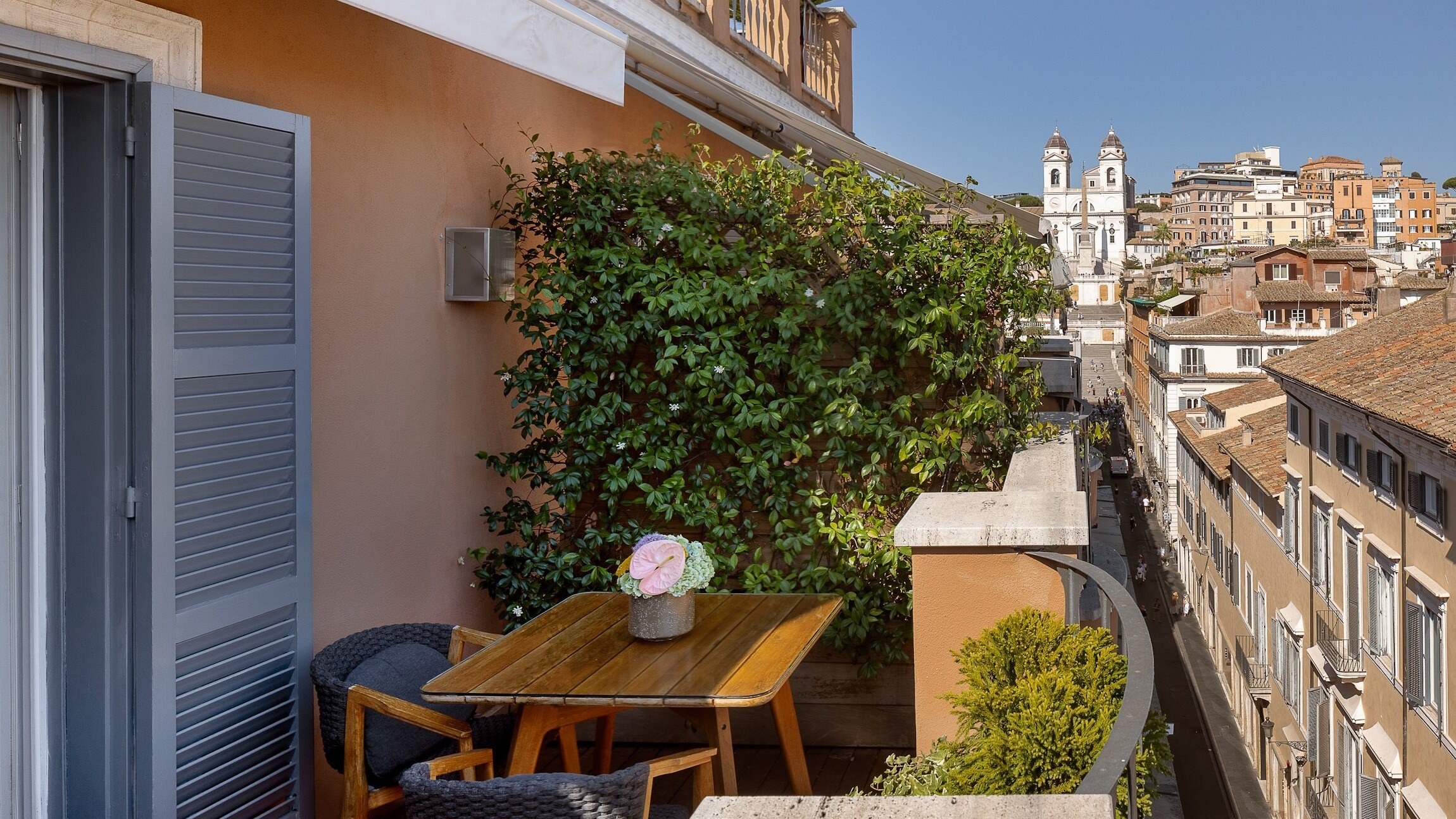
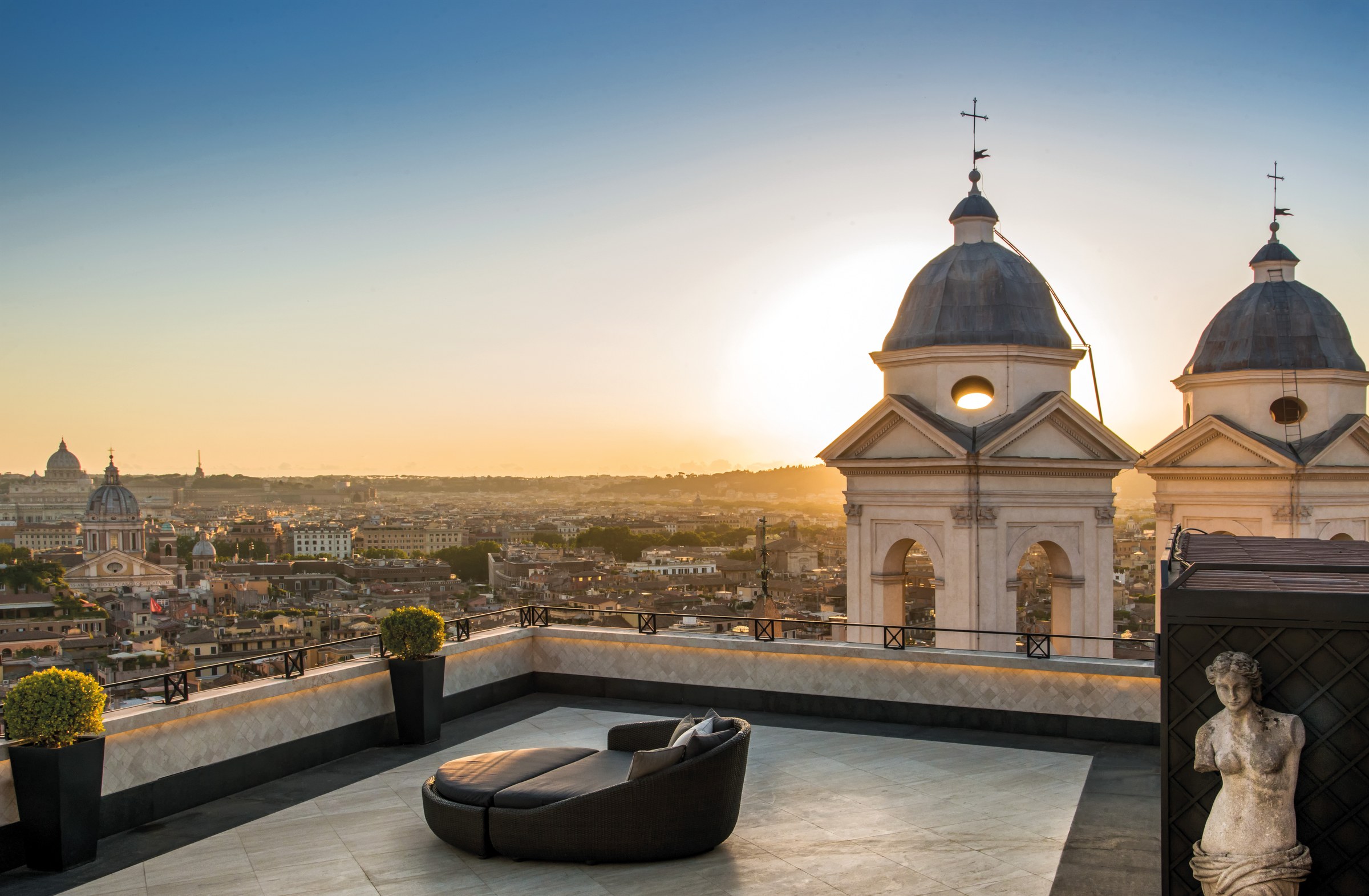
Hotel De' Ricci presents a quietly assured alternative to Rome's grand flagships. The property settles into the narrow medieval streets of Regola, where architecture and local life define the mood more than lobby theatrics. Rather than a hub of passing tourists, the hotel sits back from Campo de' Fiori and Piazza Navona, rewarding guests who prefer pedestrian discovery and a measured pace. The cellar anchors the experience, lending a focused, intimate tone to the stay. Overall it reads as a historic, low-key hideaway—charming and serene for travelers who want Rome’s old neighbourhood rhythms rather than its busiest thoroughfares.
Best For
De' Ricci is best for travelers seeking a quiet, immersive Roman experience anchored by a serious interest in wine. It suits couples on romantic getaways and milestone stays already associated with the property, and it equally rewards solo explorers who like wandering medieval lanes and uncovering local details. Guests who value small-scale service, a residential neighbourhood setting, and an atmosphere that privileges depth over spectacle will find the hotel especially appealing. The cellar-centric focus also makes it a natural choice for visitors curious about wine programming and sommelier-led perspectives.
Stay Tips
Because the cellar is presented as central to the property's identity, make the cellar and wine programming your first inquiry when booking or checking in. Ask staff about available cellar visits, guided tastings, or curated wine recommendations—the description emphasizes wine as structuring the guest experience. Choose quieter rooms facing the side streets to maximize the hotel's stillness and neighbourhood feel. For arrivals, rely on the hotel's location notes: it's an easy walk from Campo de' Fiori and Piazza Navona but purposefully set away from heavy tourist traffic, so plan walking routes accordingly.
Venue details
Ambiance
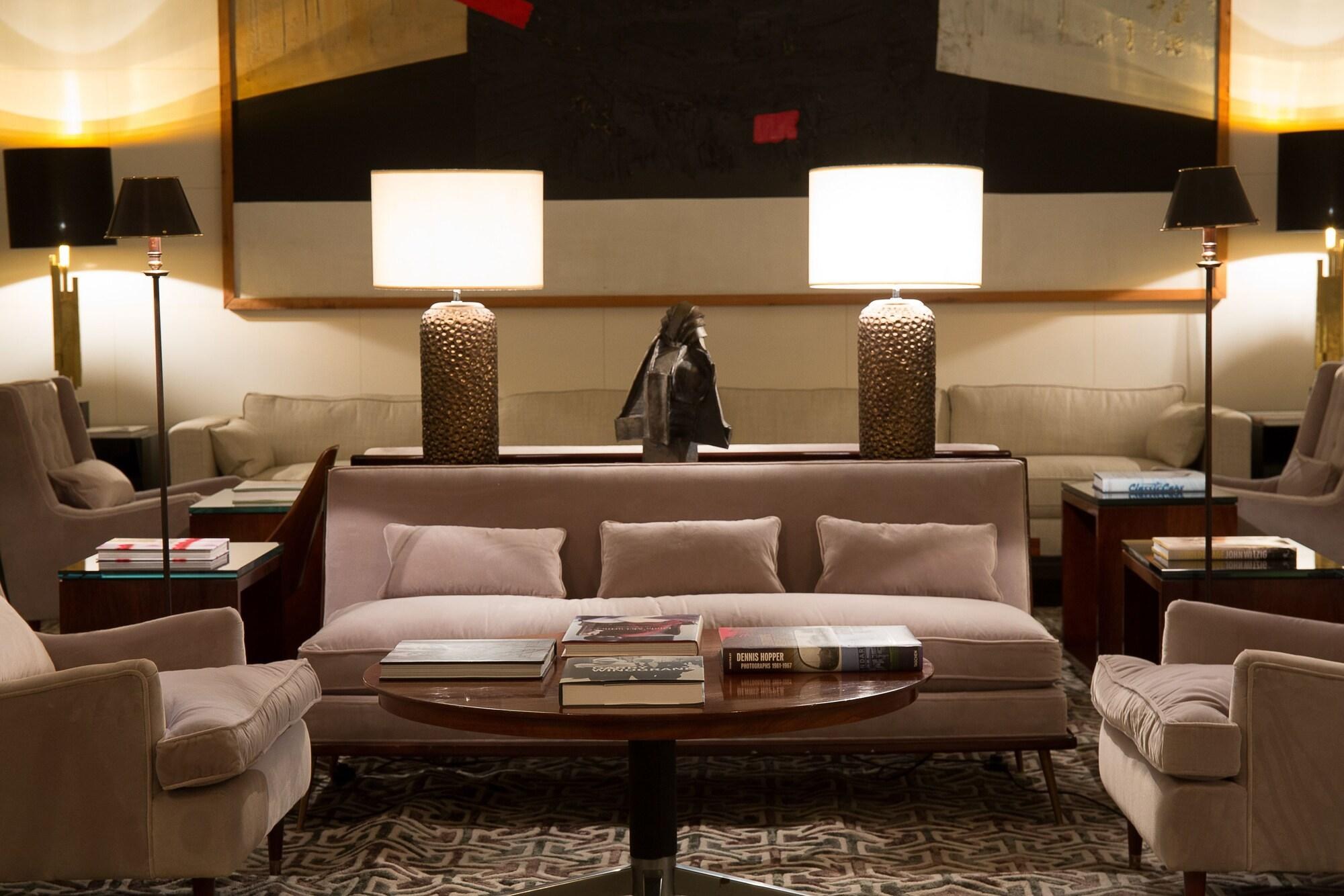
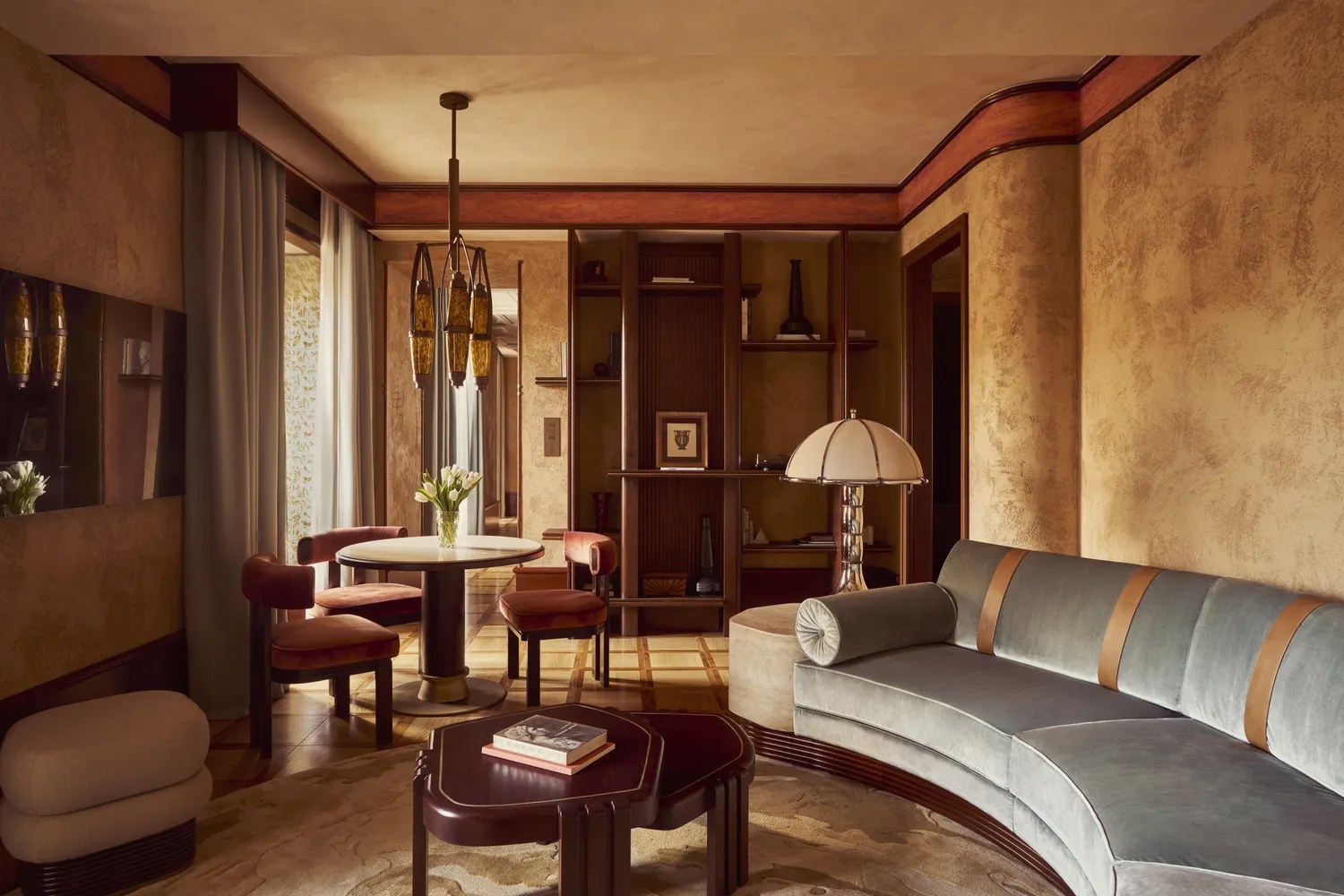
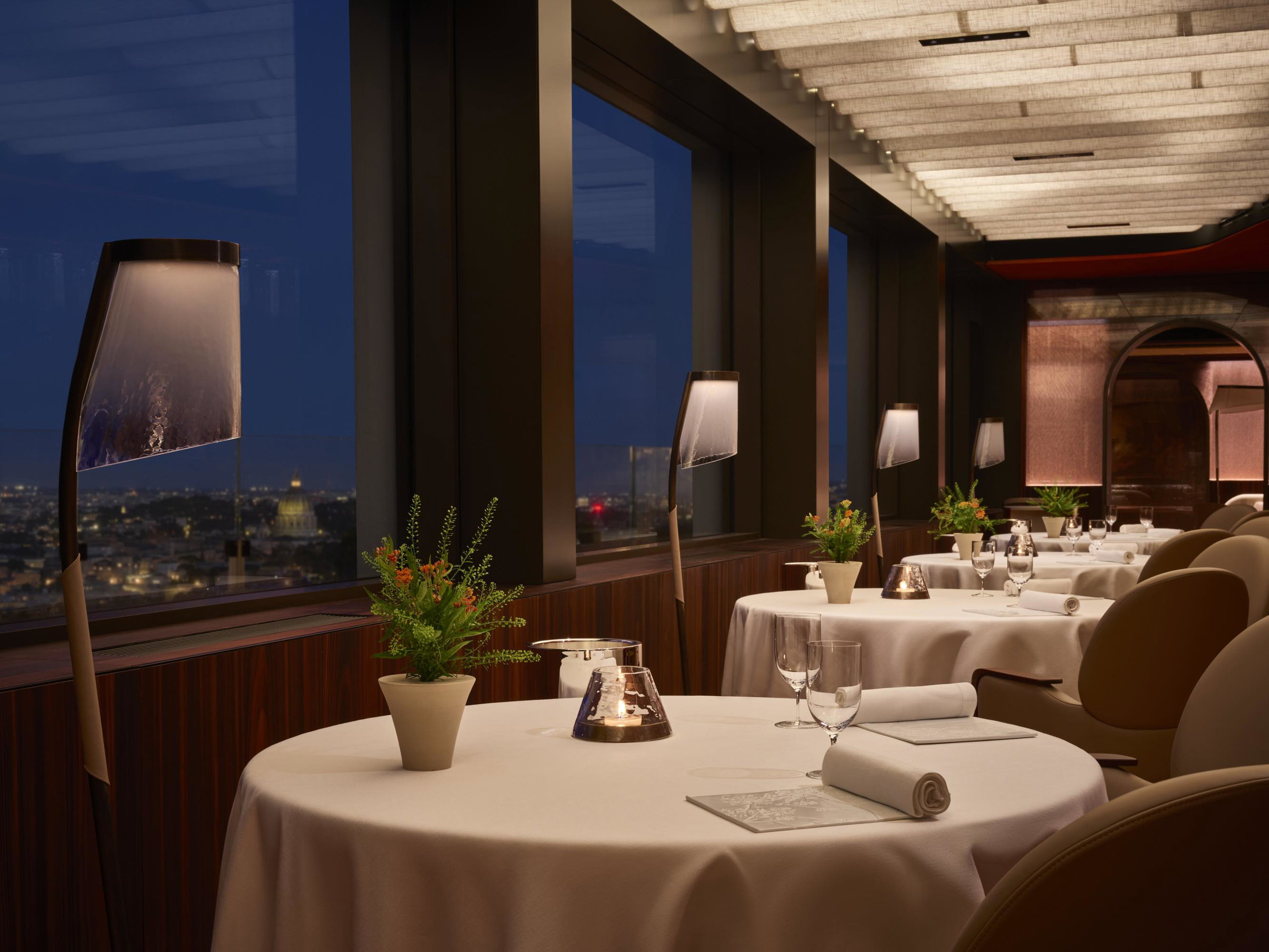
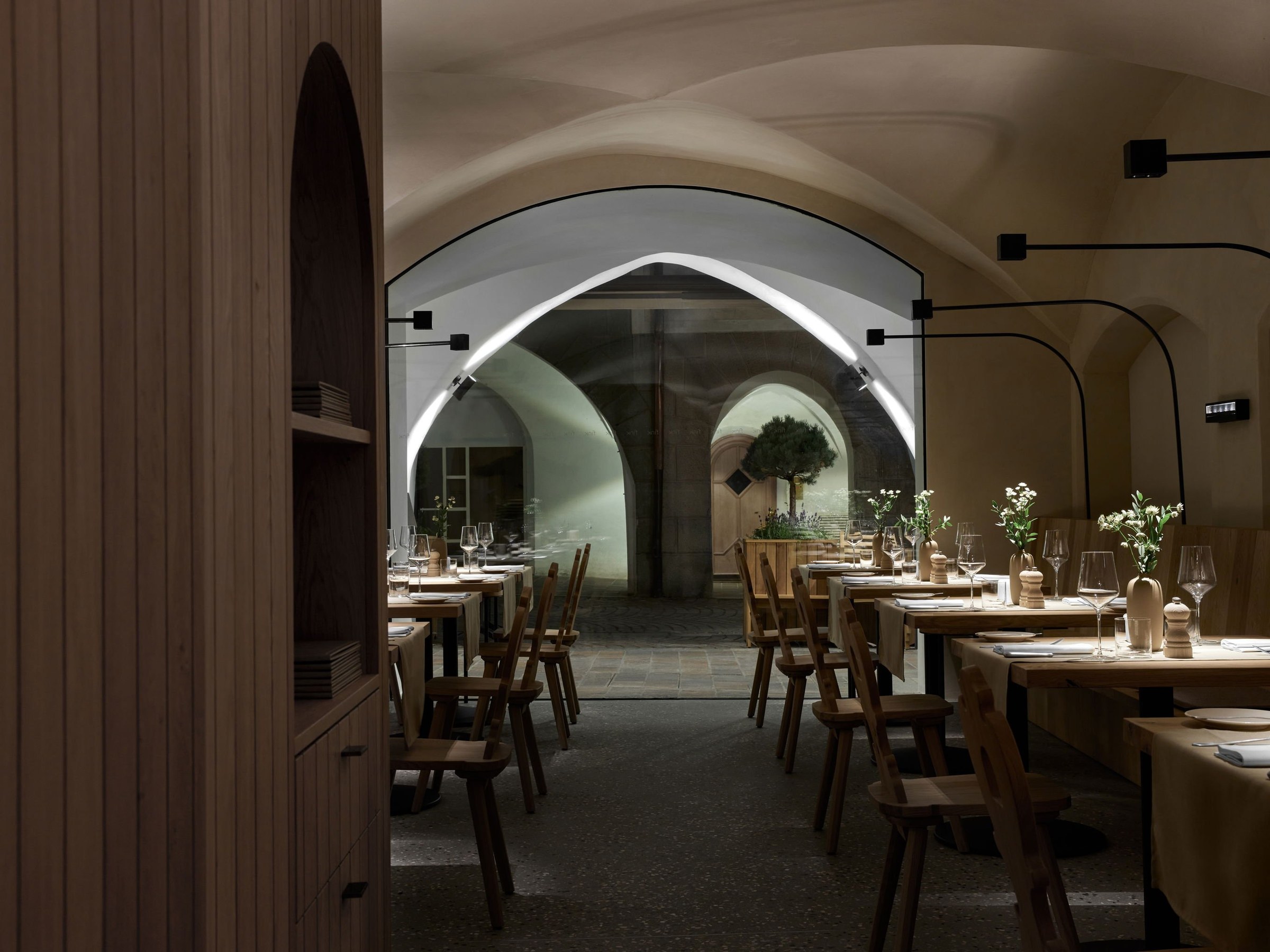
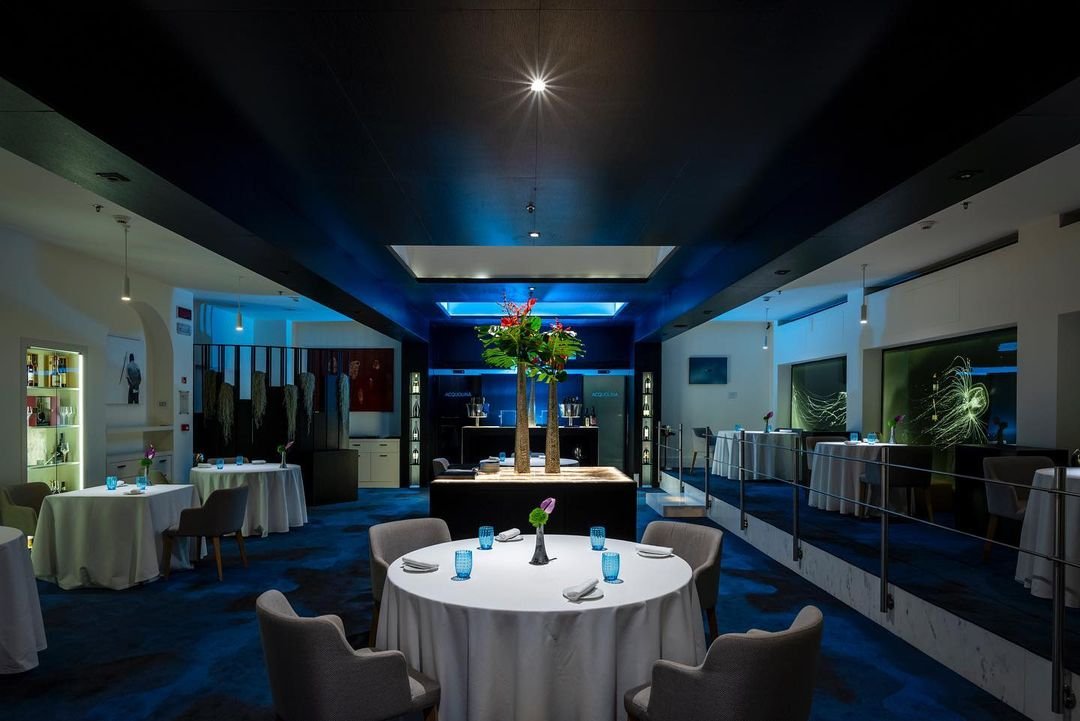
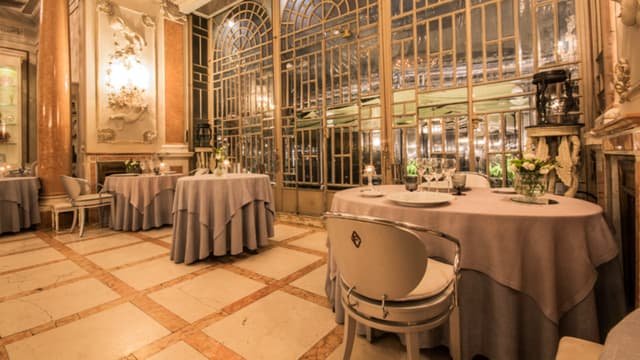
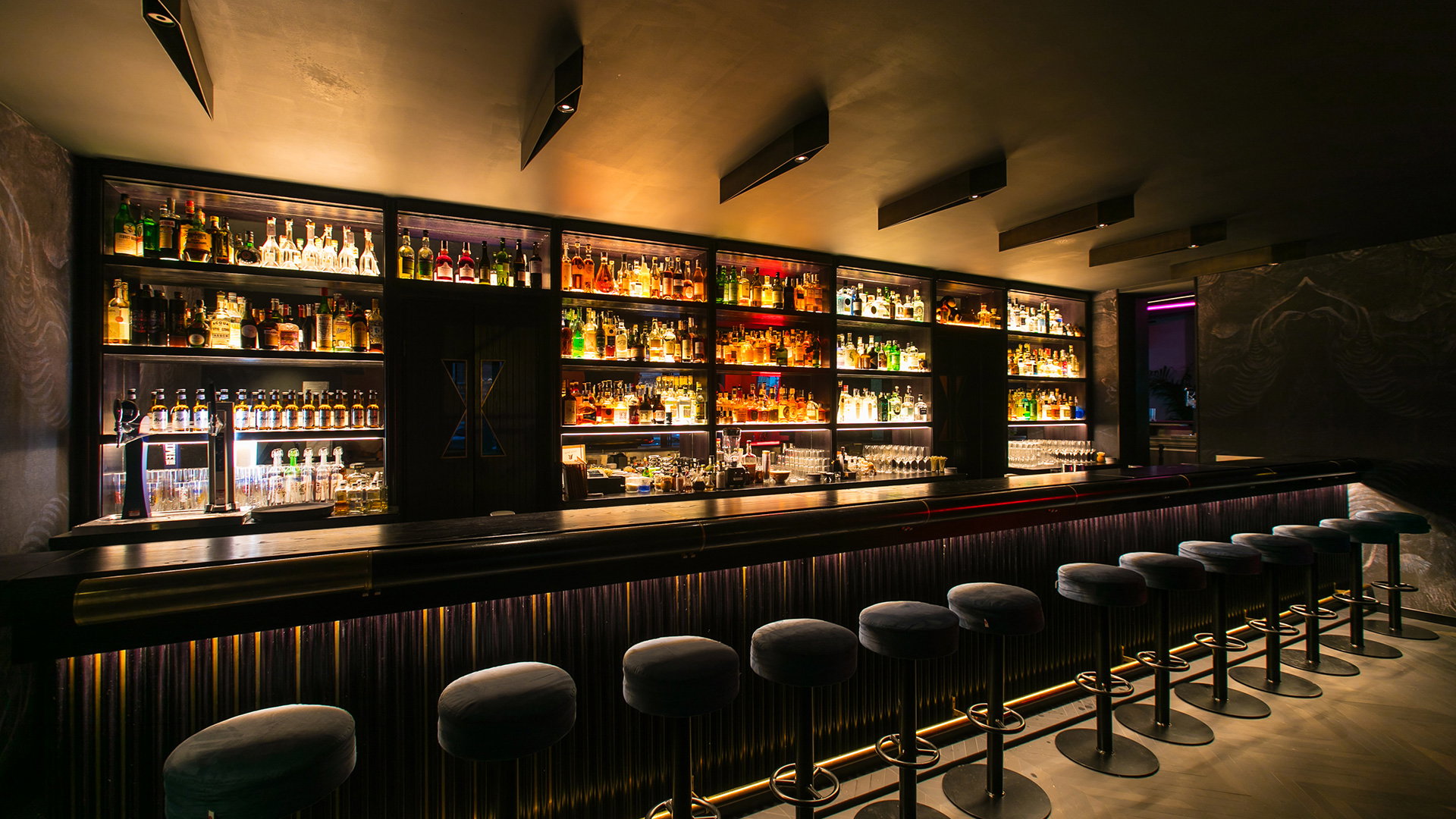
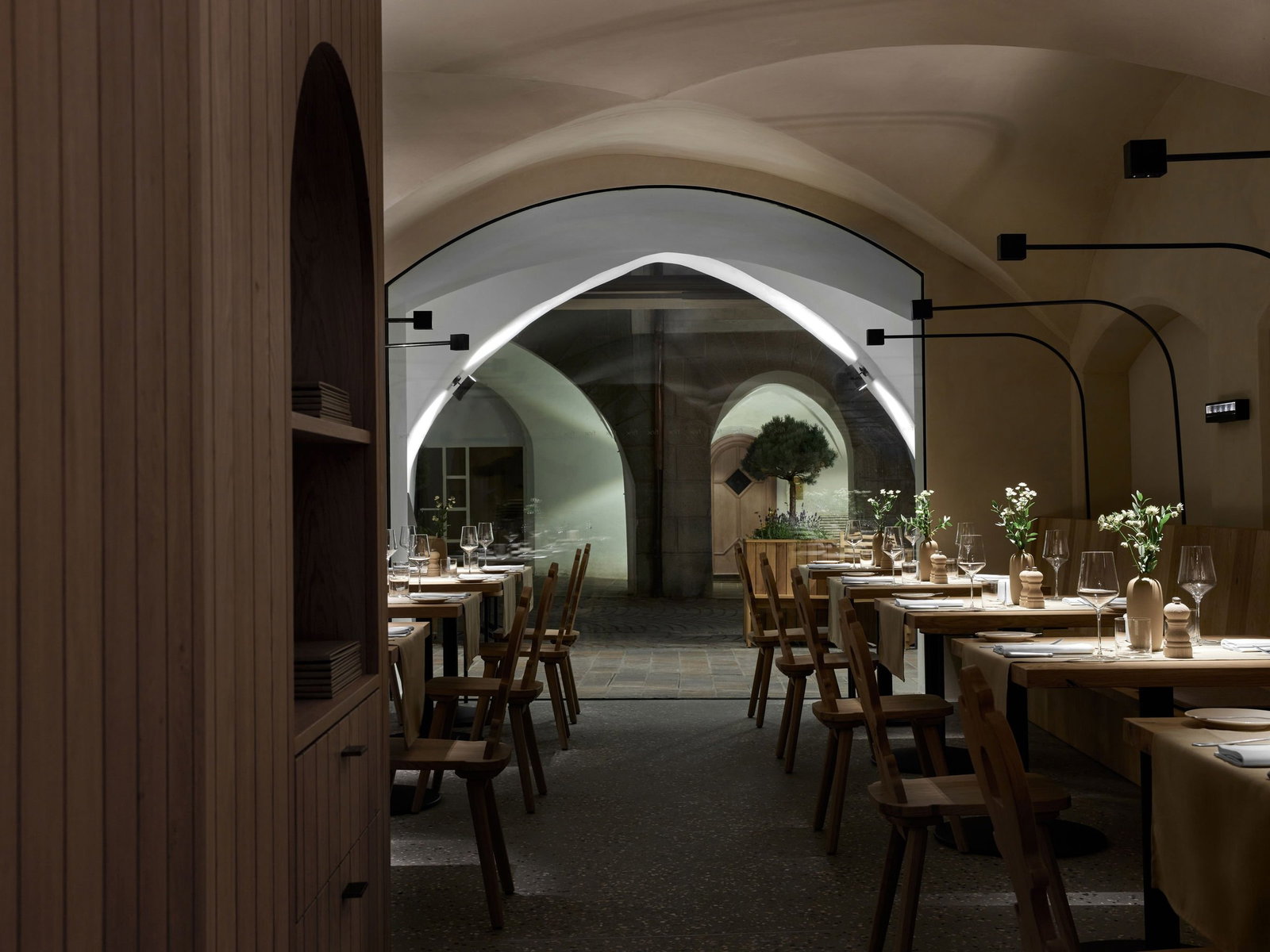
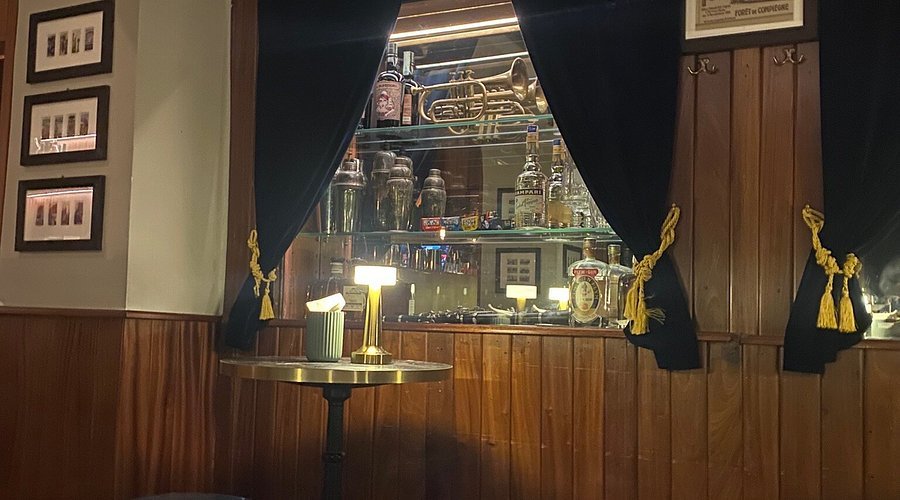
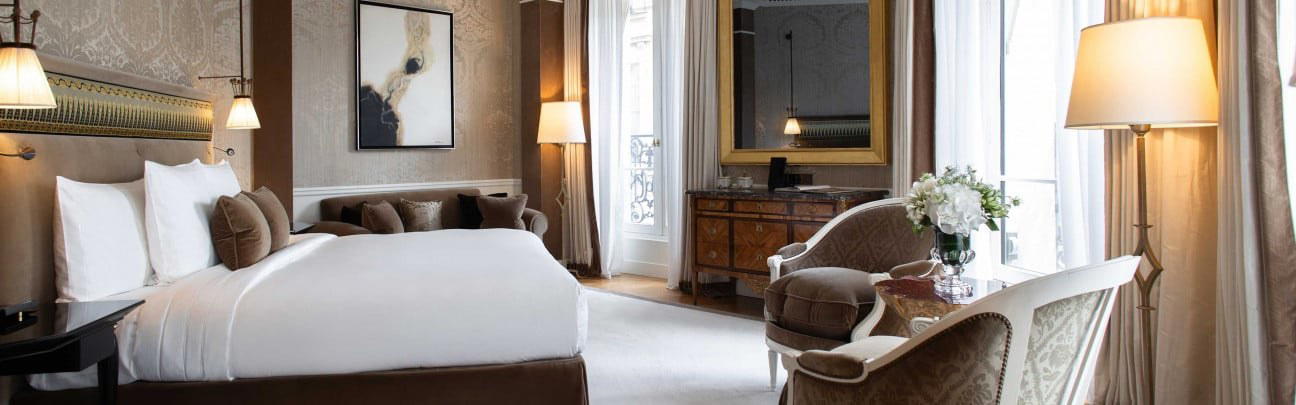
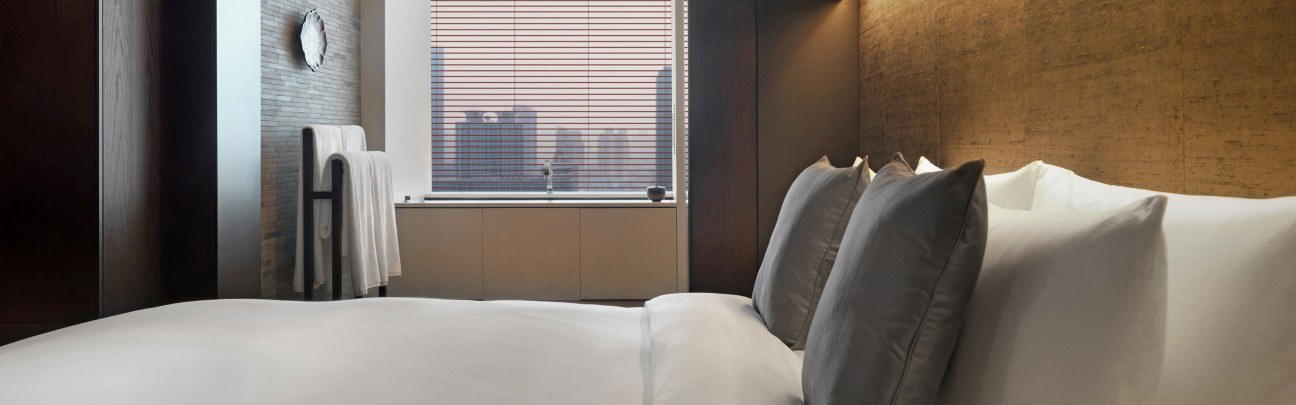
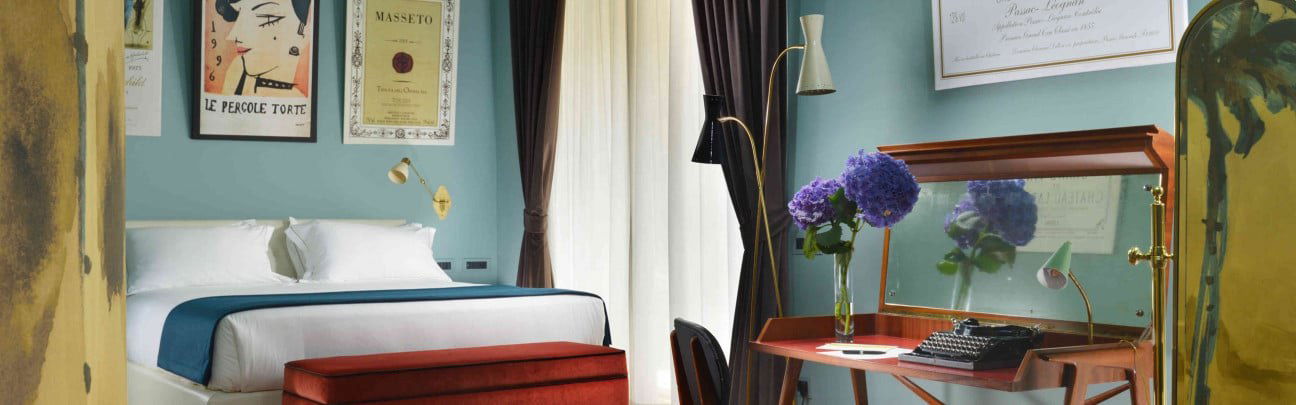
Intimate and elegant with warm lighting, plush furnishings, Roman frescoes, unique wallpapers, and a sophisticated cigar lounge/wine bar atmosphere.
Tags
Vibe
Best For
Experience
Amenities
View
Accessibility
About the Stay
- Rooms
- 8
- Property Style
- Repurposed Historic Palazzo with Modern Luxury Hospitality Focused on Wine Enthusiasts
- Design Style
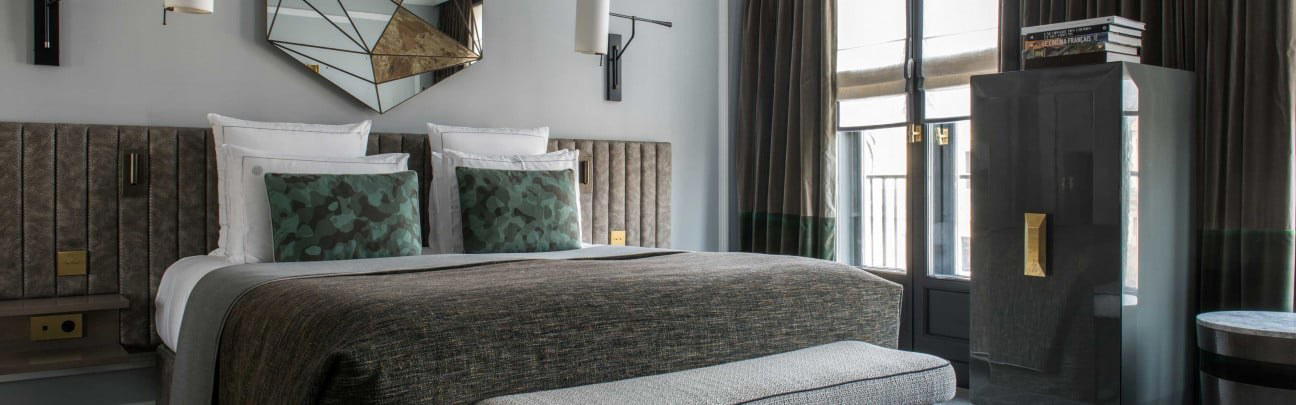
- Blend of Vintage Furniture, Retro Style, Hand Painted Roman Fresco Wallpapers, and Glamorous Intimate Vibe
Know before you go
Know Before You Go
- Getting there
- Via della Barchetta, 14, 00186 Roma RM
Planning details
Location

Also consider
Also Consider
- DOM Hotel, Notable alternative
- Hotel Indigo Rome - St. George by IHG, Notable alternative
- G-Rough, Notable alternative
- MyNavona, Notable alternative
- Martis Palace Hotel Rome, Notable alternative
Hotel context
How it compares with nearby Rome hotels
Hotel De' Ricci is the pick for a quieter, more curated stay when the hotel needs to feel calm rather than busy. DOM Hotel and G-Rough are stronger cross-shops for travelers who want a more visible design statement; choose De' Ricci when lower-key ambiance matters more than scene.
Hotel Indigo Rome - St. George by IHG is the safer choice for guests who prefer a known brand framework and clearer expectations, especially on a family trip. MyNavona reads as the simpler practical alternative if value and ease matter more than luxury recognition.
Martis Palace Hotel Rome is the peer to check if the group wants central Rome convenience with a more broadly approachable hotel feel. De' Ricci has the stronger recognition profile, with Small Luxury Hotels of the World membership, Mr & Mrs Smith approval, and MICHELIN Guide hotel selection, so it is the better fit when the stay needs to feel boutique and quality-led without becoming formal.
Around this place
Discover more on Pearl
Unlock the full Hotel De' Ricci guide in Pearl, including awards, comparisons, FAQs, planning details, and nearby places.
Compare Hotel De' Ricci
| Venue | Location | Awards |
|---|---|---|
| Hotel De' Ricci | Rome | 2026 Mr & Mrs Smith Luxury Hotels2025 Michelin Selected HotelsSmall Luxury Hotels Member 2025 |
| DOM Hotel | Rome | 2026 Mr & Mrs Smith Luxury Hotels2025 Michelin Selected HotelsPreferred Hotels L.V.X. Collection 2025 |
| Hotel Indigo Rome - St. George by IHG | Rome | No published awards |
| G-Rough | Rome | No published awards |
| MyNavona | Rome | No published awards |
| Martis Palace Hotel Rome | Rome | No published awards |

How Hotel De' Ricci Rome compares with similar nearby venues.
FAQ
Frequently Asked Questions
When is the best time to book Hotel De' Ricci?
Booking difficulty, demand patterns, or a recommended booking window are not provided. If your dates are fixed, especially for a Rome trip with specific room or amenity needs, confirm availability directly. For a Rome hotel comparison, check Martis Palace Hotel Rome.
What is check-in like at Hotel De' Ricci?
Specific check-in details are not provided for Hotel De' Ricci. Hotel De' Ricci is in Rome, has a smart-casual dress code, Small Luxury Hotels of the World Member 2025 status, Mr & Mrs Smith Seal of Approval 2026, and MICHELIN Guide, Hotels Selected 2025 recognition. If arrival style matters, verify the process directly with the hotel. DOM Hotel is another Rome option to compare.
How does Hotel De' Ricci compare to other Rome hotels?
Hotel De' Ricci stands out for its Rome location and recognition from Small Luxury Hotels of the World, Mr & Mrs Smith, and the MICHELIN Guide hotels selection. DOM Hotel, G-Rough, Hotel Indigo Rome - St. George by IHG, Martis Palace Hotel Rome, and MyNavona are other Rome hotels to compare depending on your trip needs.