Grand Hotel Plaza
Campo Marzio, Rome
Hotel in Rome, Italy
 Book with Pearl
The Read
Gilded Palazzo Preservation
Why go
Grand Hotel Plaza is a practical Rome pick when central location and easier availability matter more than a clearly defined spa, pool, or destination-dining package. Book it as a convenient base for a repeat visit, but compare against smaller nearby suite hotels if atmosphere or high-touch service is the main reason for the trip.
About Grand Hotel Plaza
Grand Hotel Plaza is a Rome venue with a smart casual dress code. Beyond that, specific claims about amenities, dining, service style, pricing, ratings, or exact location should be checked directly before booking.
Book with direct confirmation, not assumptions
For Grand Hotel Plaza, the safest planning approach is to treat the page as a starting point rather than a complete stay brief. It does not establish a price band, star rating, dining format, wellness offering, room count, loyalty program, or service model. If any of those details will affect your trip, confirm them directly before committing.
The smart casual dress code is the only specific on-property detail noted here. For everything else, compare based on your own confirmed requirements, especially if your stay depends on dining, spa facilities, family amenities, or a highly tailored experience.
Better for travelers who can verify the details they need
Grand Hotel Plaza may be worth considering as part of a Rome stay search, but it should not be chosen on the basis of assumptions. Ask directly about the exact room type, amenities, cancellation terms, dining options, and arrival process before booking.
Use Our full Rome hotels guide to cross-check alternatives before locking it in. For dining-led planning, pair the hotel search with Our full Rome restaurants guide, and for after-dinner plans use Our full Rome bars guide.
Planning details
- Location
- Via del Corso, 126, 00186 Roma RM
- Website
- grandhotelplaza.com
- Phone
- +39 06 6992 1111
The take
The Take
The Vibe
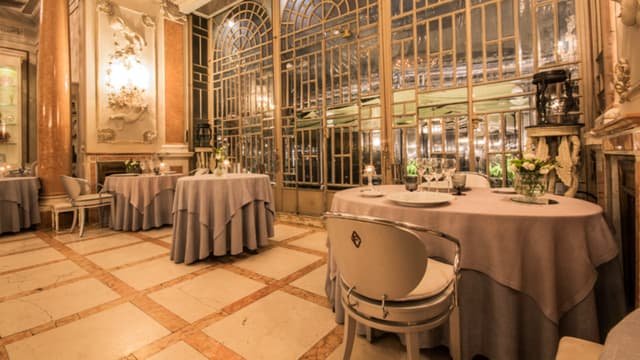
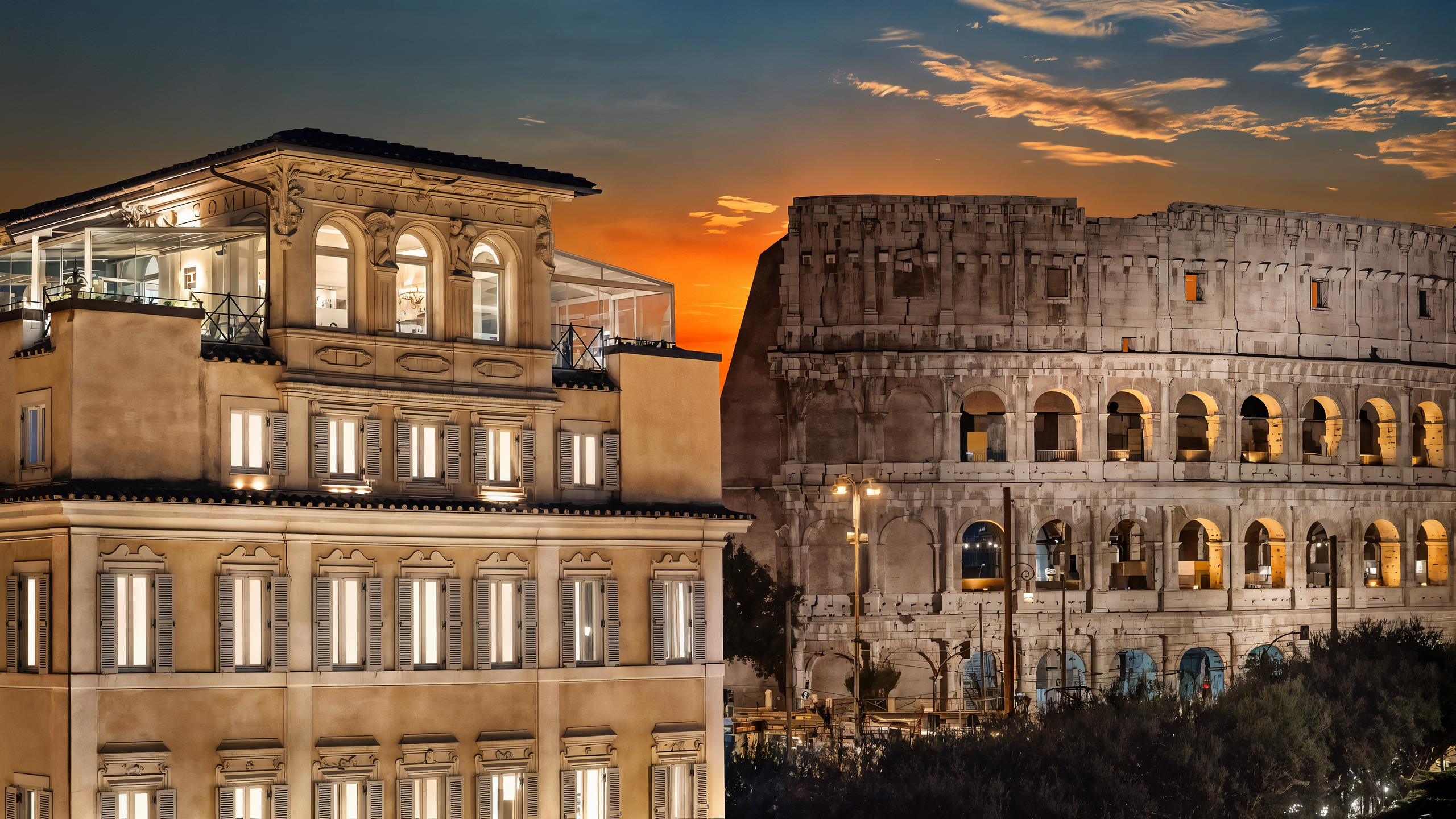
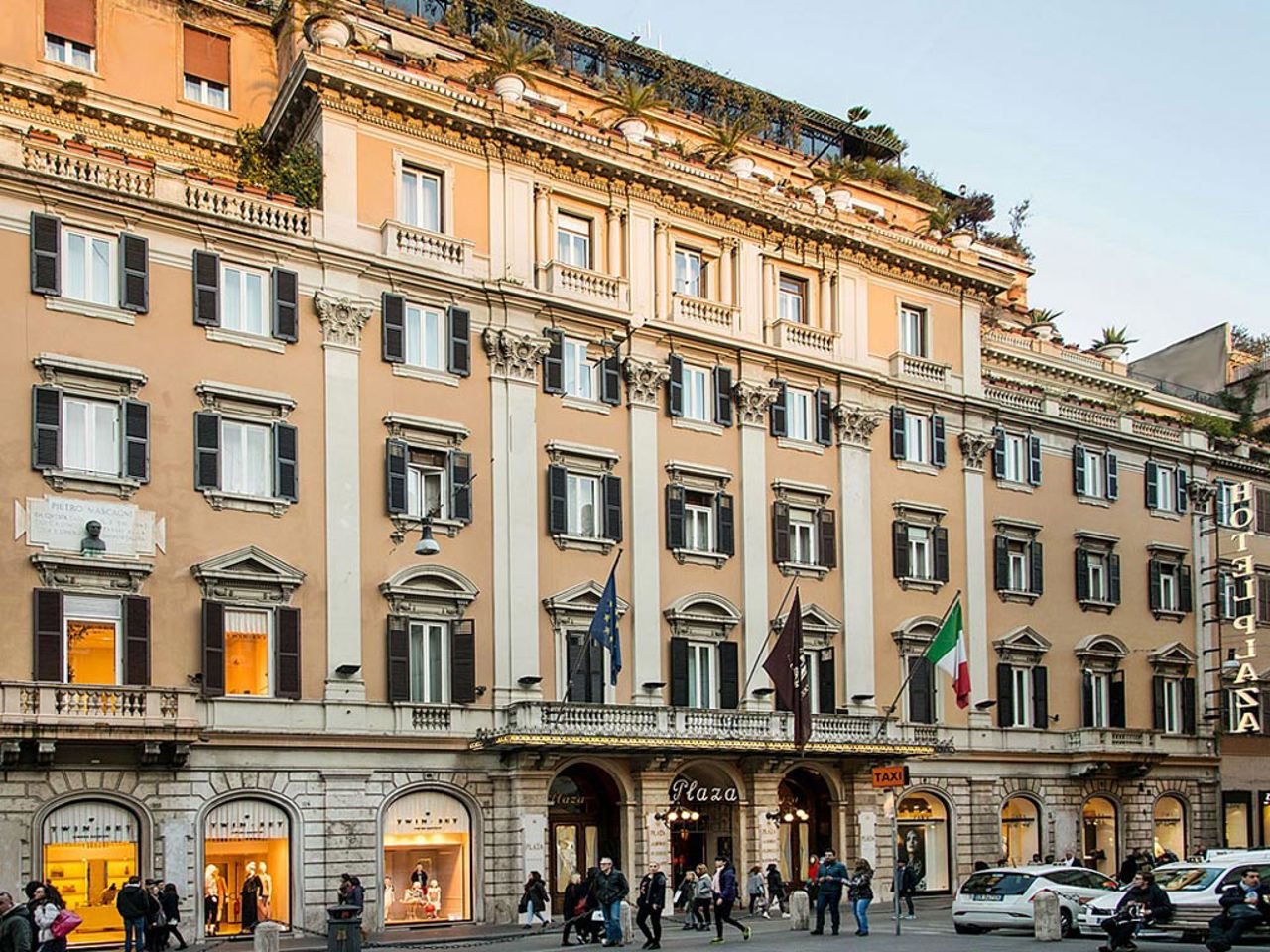
Grand Hotel Plaza reads like a living fragment of Rome’s urban history. The property emphasizes its nineteenth-century palazzo bones and a restrained façade that conceals more operatic interiors; the reception hall’s elaborate glass ceiling is called out as a signature gesture. Rather than the curated calm of newer, design-forward hotels, Plaza trades on accumulated time and architectural heft. The result is a stately, historically rooted atmosphere: the building’s age and civic address on Via del Corso shape the experience more than trend-driven design, so guests feel lodged inside the city’s long-running social and architectural narrative.
Best For
This hotel suits travelers who want to be steeped in Rome’s architectural and civic history. It appeals to guests preferring grand, traditional hospitality over recently imagined boutique registers—people who value a central Via del Corso address and the sense of accumulated time that a nineteenth-century palazzo delivers. Couples seeking a romantic, classically elegant backdrop and visitors who plan to explore key monuments on foot benefit from the location and the property’s formal, historic character. The hotel reads as a destination for stays that prioritize place and provenance as much as amenities.
Stay Tips
Approach the stay as you would a small museum of hospitality: arrive on Via del Corso and take time in the reception hall beneath the glass ceiling, which the description highlights as a signature interior gesture. Lean into the hotel’s historic character rather than expecting a contemporary design refresh—ask about spaces that showcase the palazzo architecture and plan itineraries that begin on foot from the hotel’s central location. These simple choices let the building’s accumulated time and civic setting shape the visit.
Venue details
Ambiance
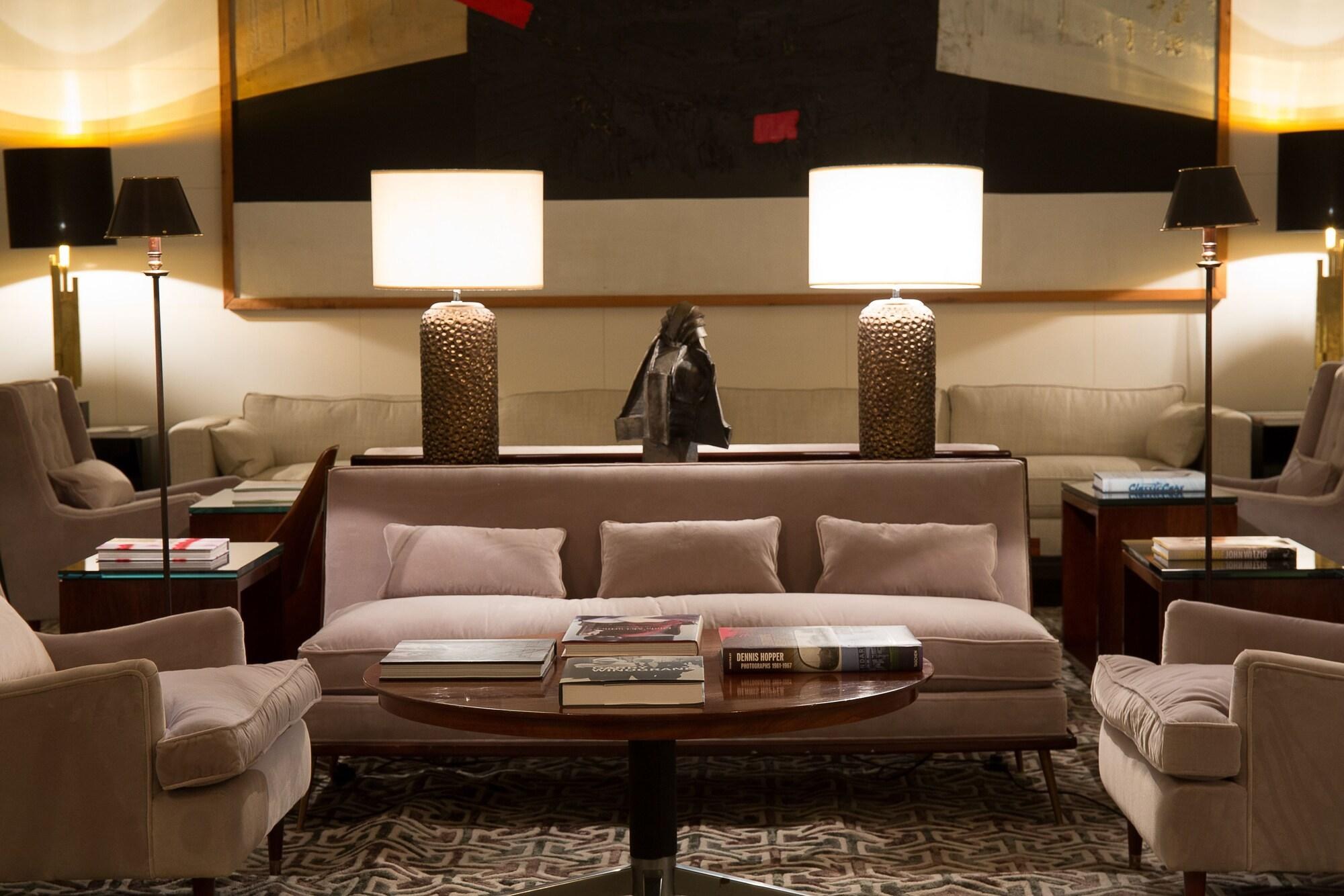
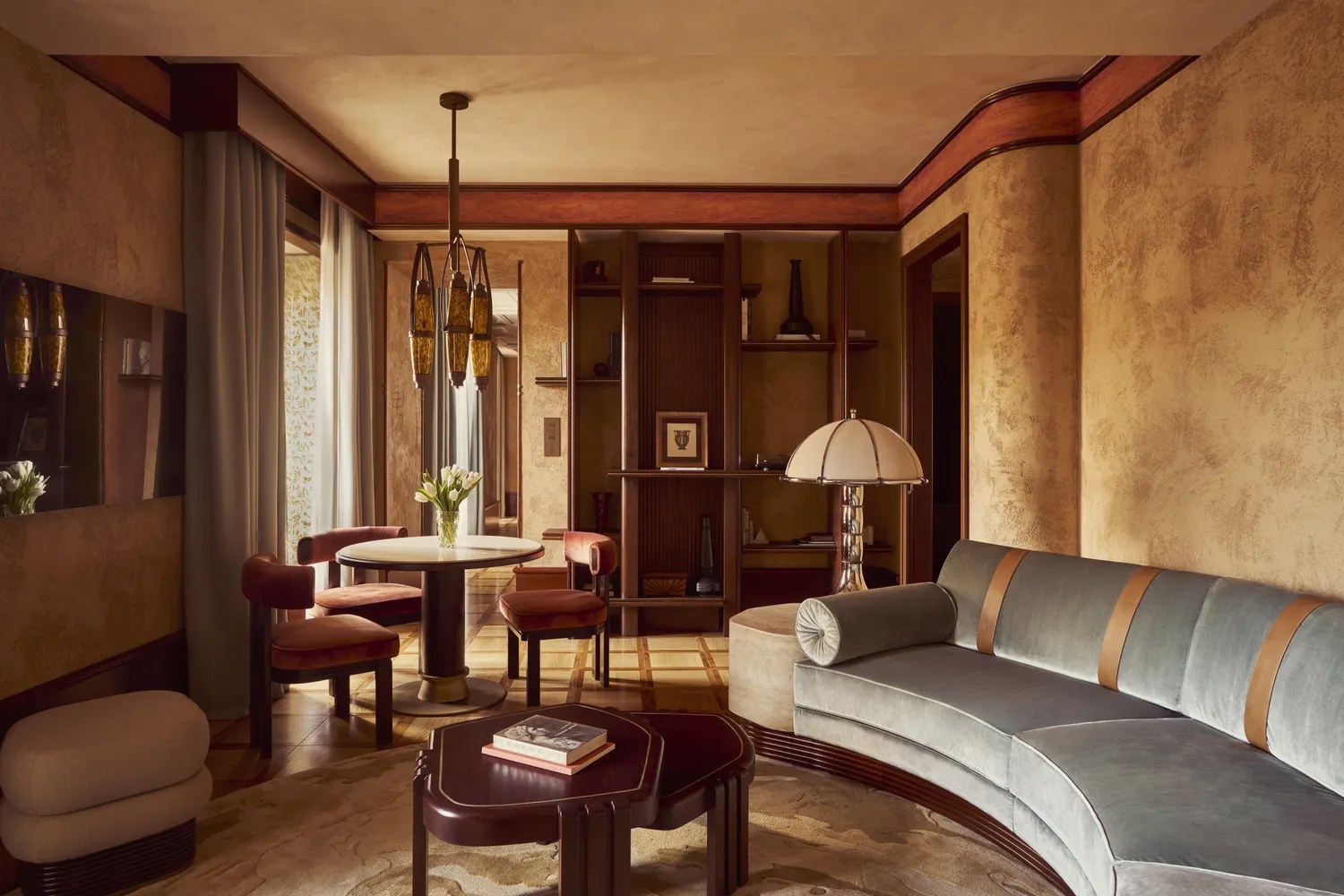
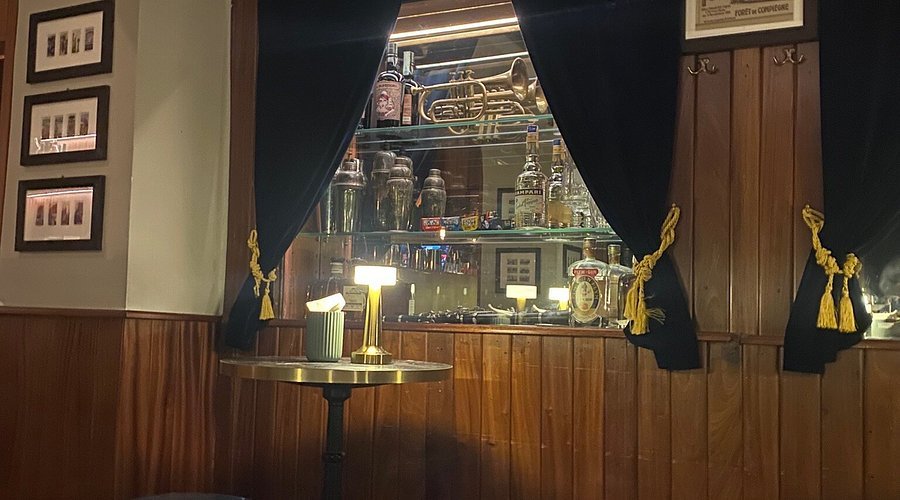
Elegant and refined with soaring Victorian ceilings, marble bathrooms, and period furnishings creating an atmosphere of understated luxury and timeless grandeur.
Tags
Vibe
Best For
Experience
Amenities
View
Accessibility
About the Stay
- Rooms
- 200
- Check-in
- 15:00
- Check-out
- 11:00
- Property Style
- Historic 19th Century Palace Hotel Blending Original Architectural Grandeur with Modern Luxury Amenities, Positioned as One of Rome's Most Prestigious Addresses.
- Design Style
- High Victorian with Soaring Ceilings, Period Furniture, Oriental Rugs, Carrara Marble Bathrooms, and Refined Contemporary Touches Creating Timeless Elegance.
Know before you go
Know Before You Go
- Getting there
- Via del Corso, 126, 00186 Roma RM
Planning details
Location
Also consider
Where to Look If This Is Full
If Grand Hotel Plaza is not the right fit, try Portrait Roma for a more polished hotel-led stay or San Carlo Suite for a smaller central alternative. For a splurge with stronger fashion-district energy, check Fendi Private Suites.
Hotel context
How It Compares
Grand Hotel Plaza is the more practical choice if availability and a central Rome base are the priority. San Carlo Suite and The Goethe Hotel read better for travelers who want a smaller stay with a more intimate feel, assuming rooms are available.
For a higher-style splurge, compare it with Fendi Private Suites, Residenza Napoleone III, and Portrait Roma. Those are stronger cross-shops when ambiance and a more curated experience matter more than booking ease. Grand Hotel Plaza is the safer fallback for flexible plans; the others are the better targets for a hotel-led Rome weekend.
Around this place
Discover more on Pearl
Unlock the full Grand Hotel Plaza guide in Pearl, including awards, comparisons, FAQs, planning details, and nearby places.
Compare Grand Hotel Plaza
How It Compares
Grand Hotel Plaza makes sense as the easier central Rome option when the trip is built around the city rather than the hotel. San Carlo Suite and The Goethe Hotel are better fits for travelers who prefer a smaller-scale stay.
Fendi Private Suites, Residenza Napoleone III, and Portrait Roma are stronger choices when the room itself is the point of the trip. Choose Grand Hotel Plaza for access and availability; choose those peers for a more defined sense of occasion.
FAQ
Frequently Asked Questions
Do loyalty programs work at Grand Hotel Plaza?
Ask directly before booking and compare your options with Rome stays such as Portrait Roma or Fendi Private Suites if member-style benefits matter.
How is the dining at Grand Hotel Plaza?
Confirm any restaurant, bar, breakfast, room-service, or dietary requirement directly with Grand Hotel Plaza before booking. For broader planning, compare it with other Rome options such as The Goethe Hotel.
When is the best time to book Grand Hotel Plaza?
If your dates are important, contact Grand Hotel Plaza or your booking channel directly and confirm availability, cancellation terms, and the room type you want. You can also compare availability with stays such as Residenza Napoleone III.
How is the location of Grand Hotel Plaza?
Grand Hotel Plaza is in Rome. Check the current listing or booking confirmation for the exact address and transit fit before committing. If location style matters, compare it with another Rome option such as Portrait Roma.
What is check-in like at Grand Hotel Plaza?
Confirm arrival time, identification requirements, deposit policy, and any early check-in or late check-out options directly with Grand Hotel Plaza. If you prefer a different style of stay, San Carlo Suite is another Rome option to consider.
How does Grand Hotel Plaza compare to other Rome stays?
Grand Hotel Plaza is a Rome option with a smart casual dress code; for anything more specific, compare directly with Fendi Private Suites, Portrait Roma, Residenza Napoleone III, San Carlo Suite, and The Goethe Hotel based on confirmed rates, amenities, and policies.
Is Grand Hotel Plaza family-friendly?
Before booking with children, confirm room configuration, extra-bed or cot options, age policies, and any relevant services directly with Grand Hotel Plaza. San Carlo Suite is another Rome stay you may want to compare.