

DOM Hotel
Ponte, Rome
Hotel in Rome, Italy
 Book with Pearl
The Read
Centro Storico Restraint
Why go
DOM Hotel is a good Rome pick for couples, celebrations, and families with older children who value a calm historic-center base over resort-style amenities. Its recognition from Preferred Hotels L.V.X., Mr & Mrs Smith, and the MICHELIN Guide hotel selection gives it credibility, while easy booking makes it less stressful than more competitive boutique stays.
About DOM Hotel
DOM Hotel is a hotel in Rome with recognitions including Preferred Hotels L.V.X. Collection in 2025, Mr & Mrs Smith Seal of Approval in 2026, and MICHELIN Guide, Hotels Selected in 2025. Details such as room categories, amenities, dining, exact location within the city, and service features should be checked directly with the hotel before booking.
Use DOM Hotel as a Rome stay to consider when those recognitions matter to your shortlist. It is a solid option to compare for hotel credentials, but specific facilities, family services, dining formats, and wellness amenities should be confirmed in advance.
A Rome hotel to evaluate by recognition
DOM Hotel may be worth considering for a Rome trip where the hotel's recognition is part of the decision. If pool, spa time, family facilities, or large public areas are central to the trip, compare broader Rome options in Pearl's Rome hotels guide before committing.
Before booking, confirm the room type, cancellation terms, amenities, and any on-property services directly with DOM Hotel. The hotel belongs on a Rome shortlist, but detailed claims about the stay experience should be checked in advance.
Where it sits in a Rome shortlist
Cross-shop DOM Hotel with Hotel Indigo Rome - St. George by IHG, Hotel De' Ricci, G-Rough, MyNavona, and Relais Palazzo Taverna if you are comparing Rome hotel options. For a wider city scan, use Pearl's Rome restaurants guide and Rome bars guide to build the rest of the trip around the hotel choice.
Planning details
- Location
- Via Giulia, 131, 00186 Roma RM
- Website
- domhotelroma.com
- Phone
- +39 06 683 2144
The take
The Take
The Vibe
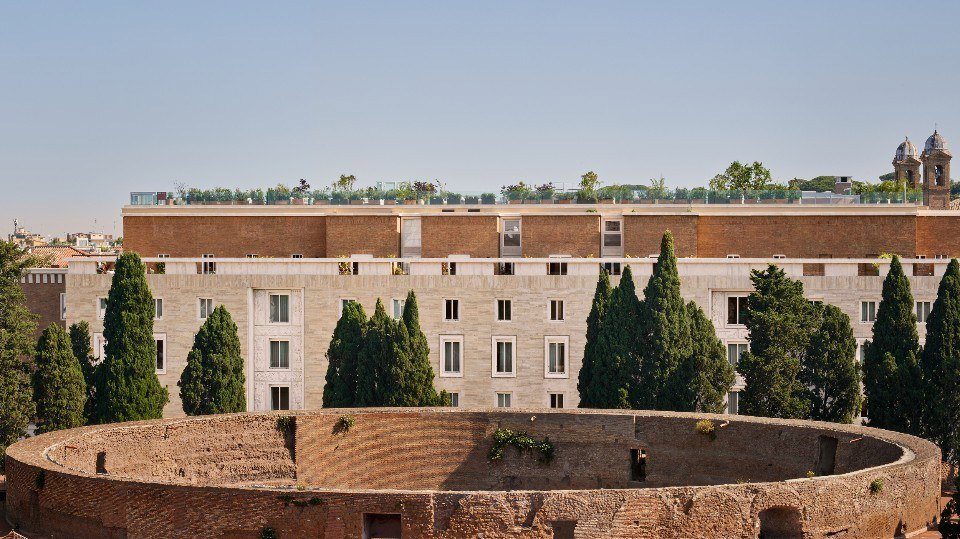
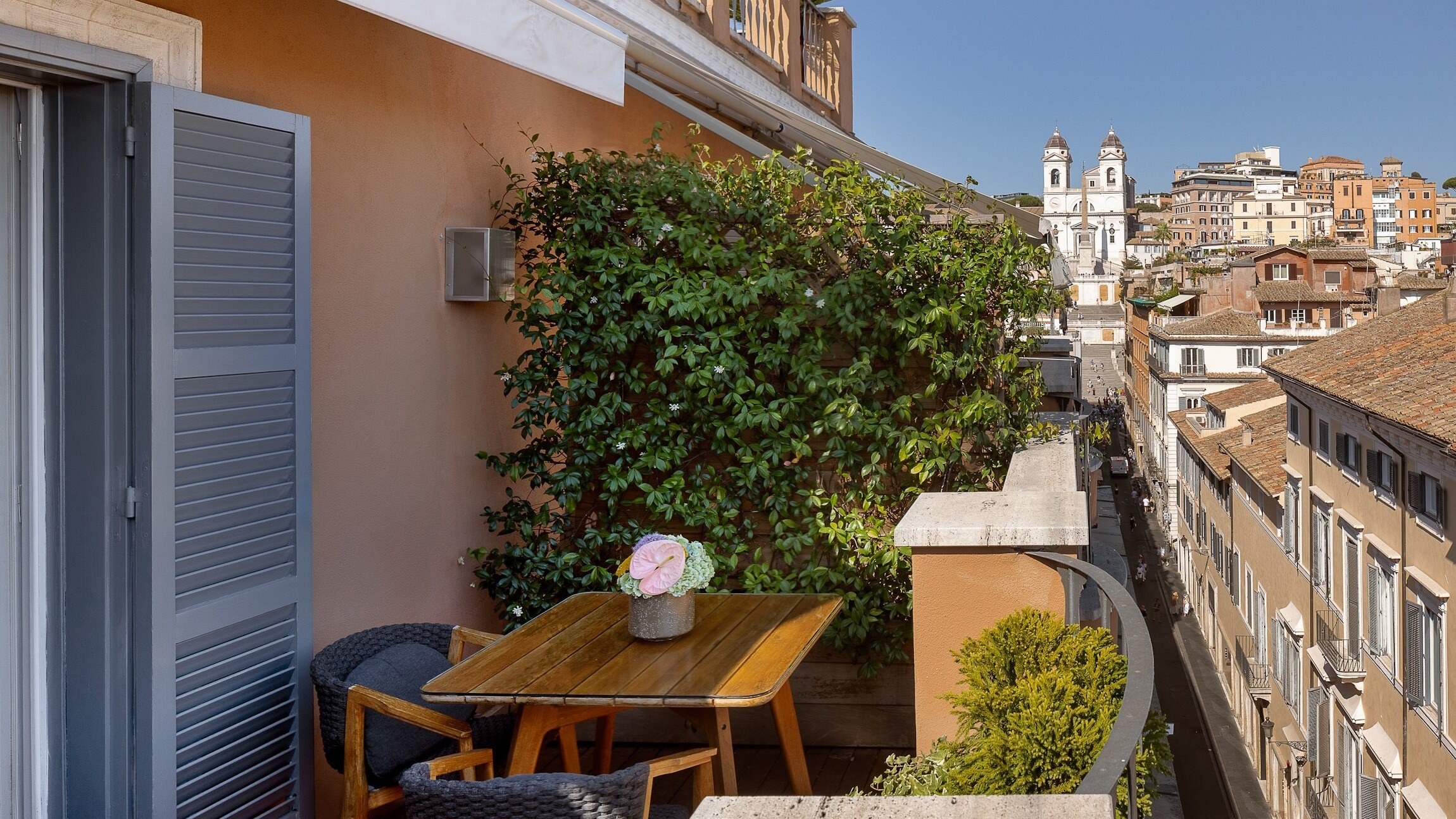
DOM Hotel sits on Via Giulia and leans into a quietly historic, intimate version of Rome. The copy foregrounds Renaissance facades, ivy-draped archways and cobbles "worn smooth by five centuries," and the building’s modest scale—just 18 rooms—keeps everything deliberately human and low-key. Rather than big-hotel theatrics, the property trades on architectural context and a residential, unhurried street life. The result is a small, quietly refined hideaway that reads as classic and gently romantic, ideal for travelers who prioritize atmosphere, old-world details and a sense of place over polished luxury amenities.
Best For
The hotel is geared toward milestone and romantic travel: anniversaries, honeymoons, proposals and significant birthdays are all called out as occasions that suit its scale and sensibility. With only 18 rooms the property is presented as an antidote to large, bustling operations; it favors personalized attention and a quieter experience. Guests who want to stay within a lived-in, historically rich quarter of Rome and prioritize intimacy, architectural surroundings and low-key service will find this small property especially well suited to celebration travel and thoughtfully paced city visits.
Stay Tips
Because DOM Hotel is a small, 18-room property that emphasizes intimacy and occasion travel, plan ahead: its limited inventory and positioning as a place for anniversaries and honeymoons suggests rooms can be in demand for milestone dates. Expect a quieter, more residential stay than at large resorts; travelers seeking that unhurried, architectural experience should book proactively and note the importance of Via Giulia’s setting when confirming reservations. The description implies you’re choosing the hotel for its scale and context, so prioritize timing and clarity about any special occasion when you reserve.
Venue details
Ambiance
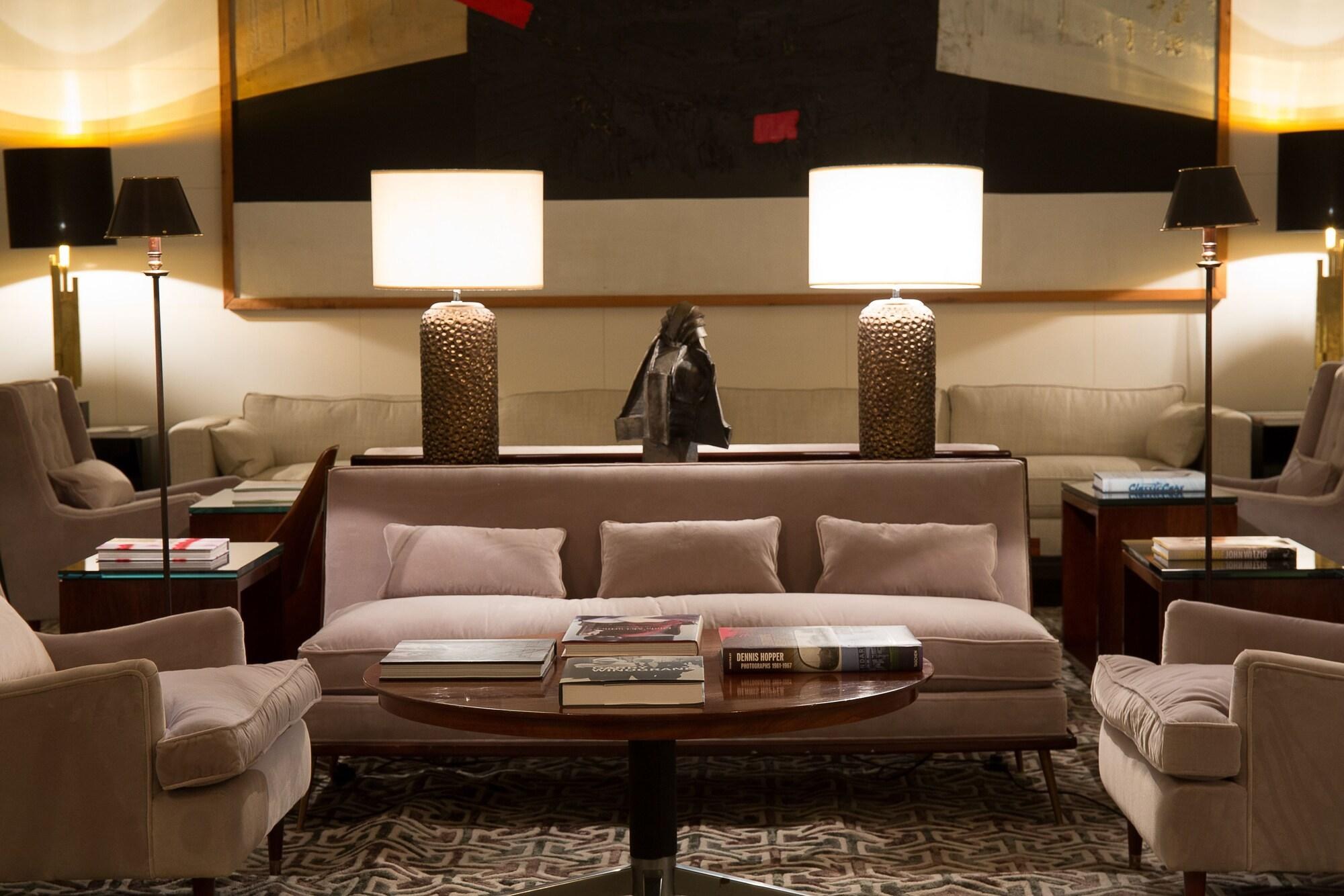
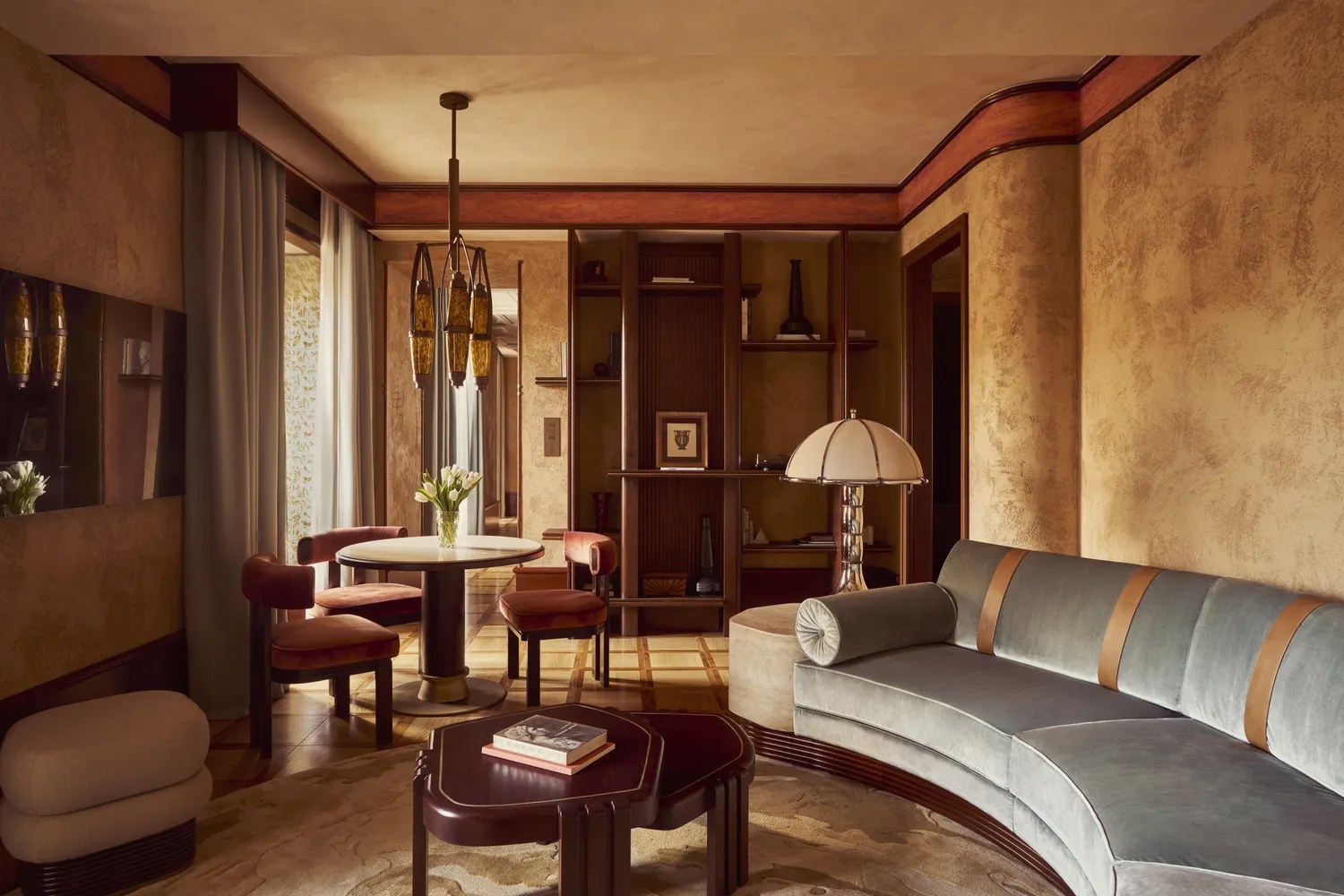
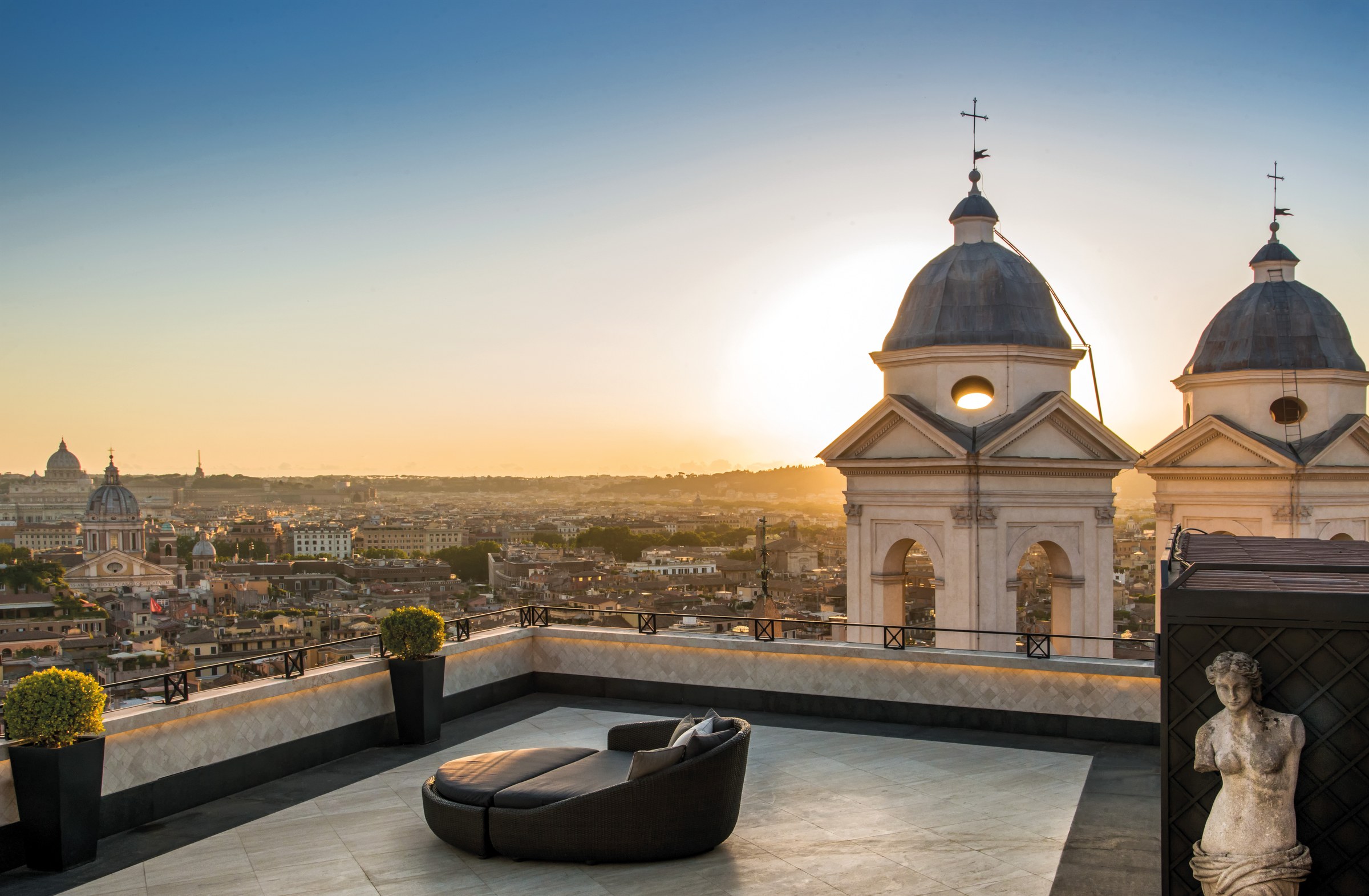
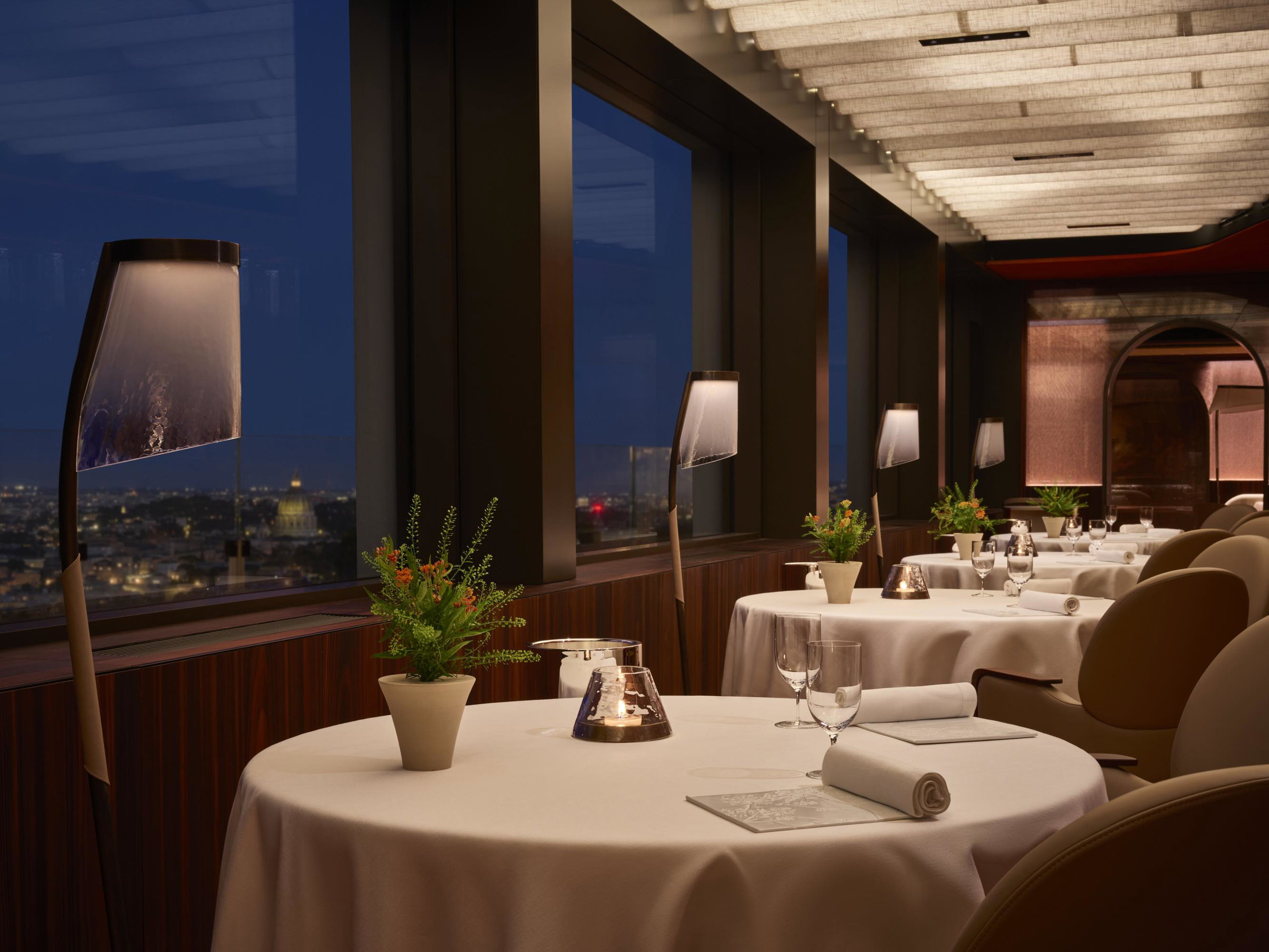
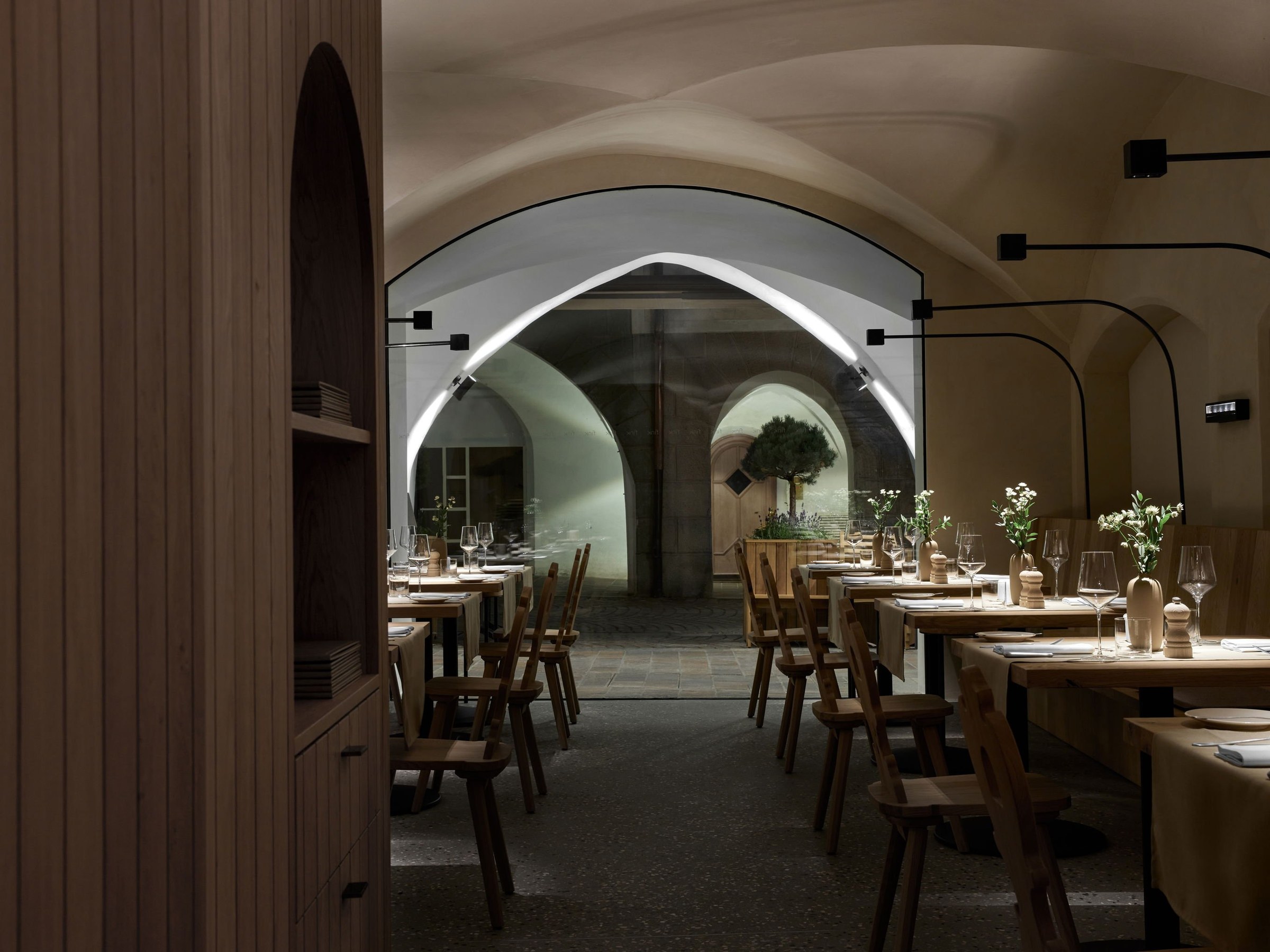
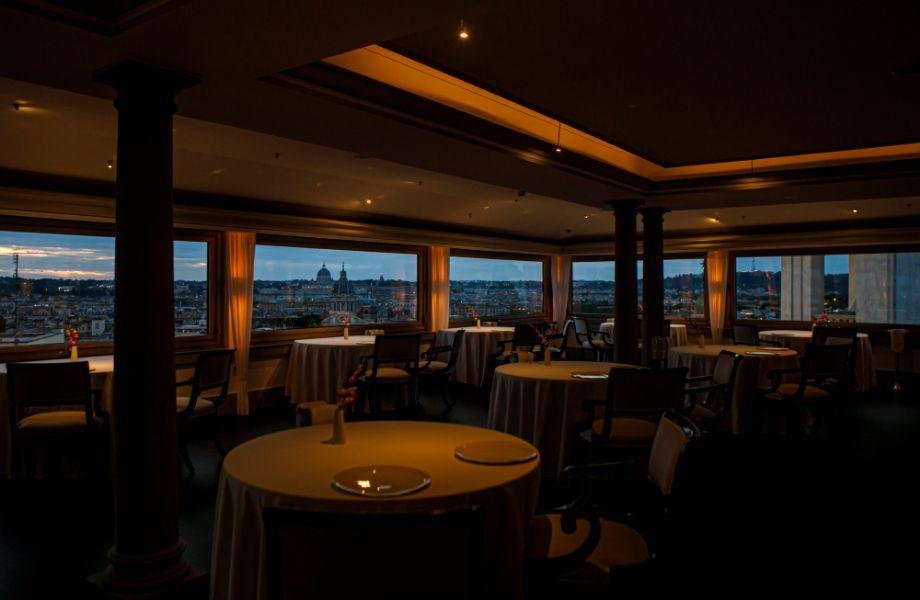
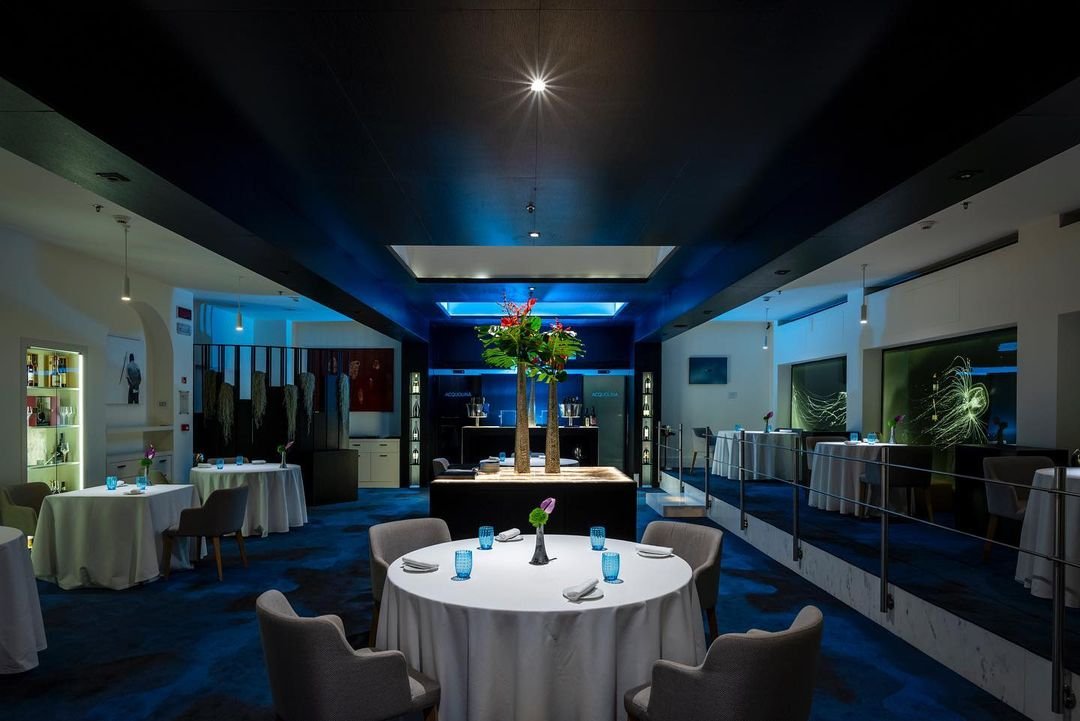
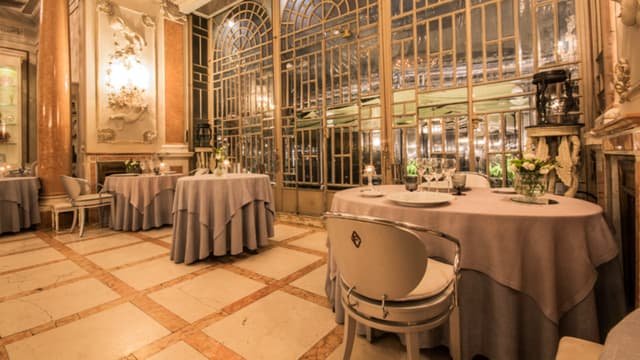
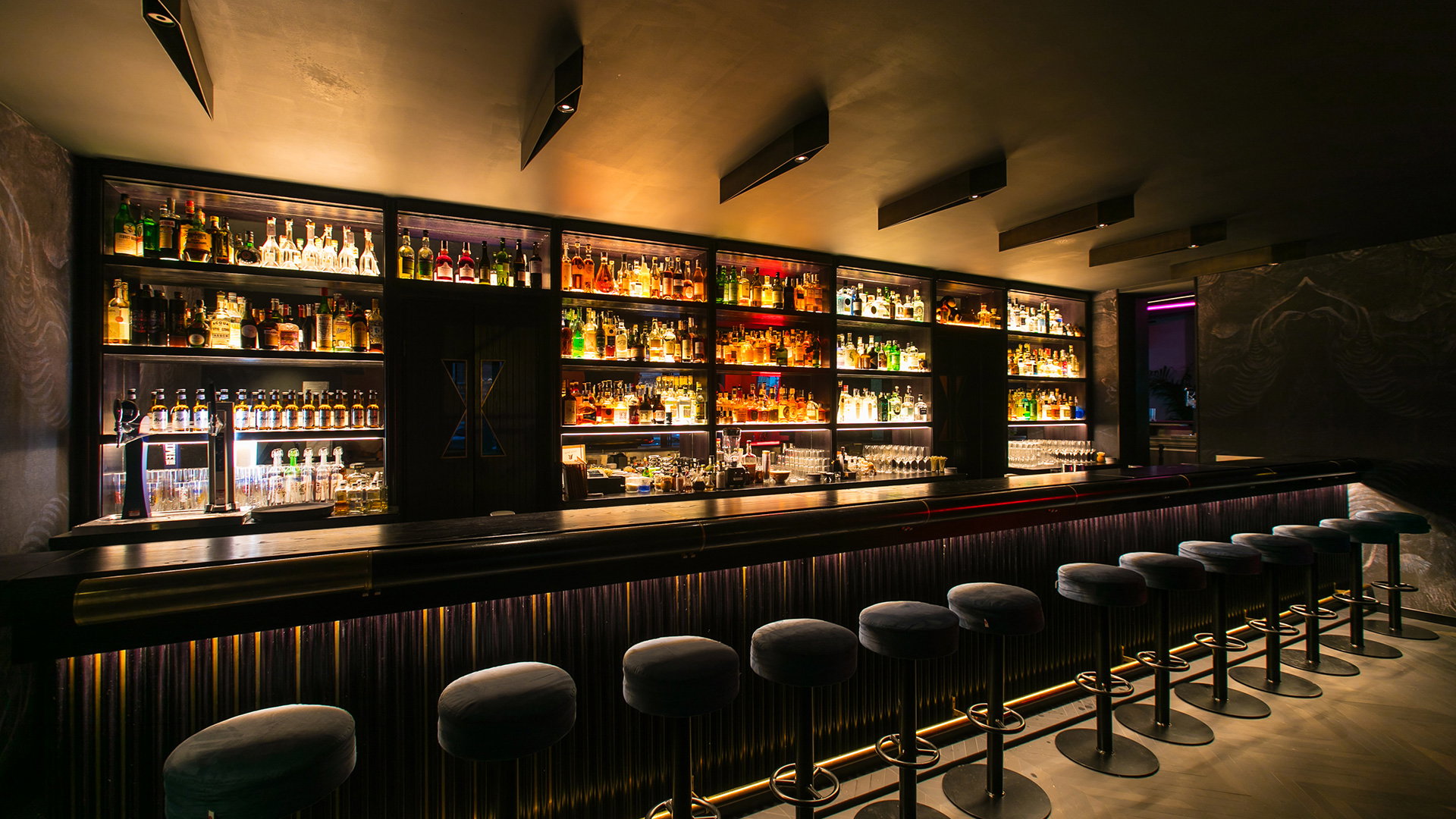
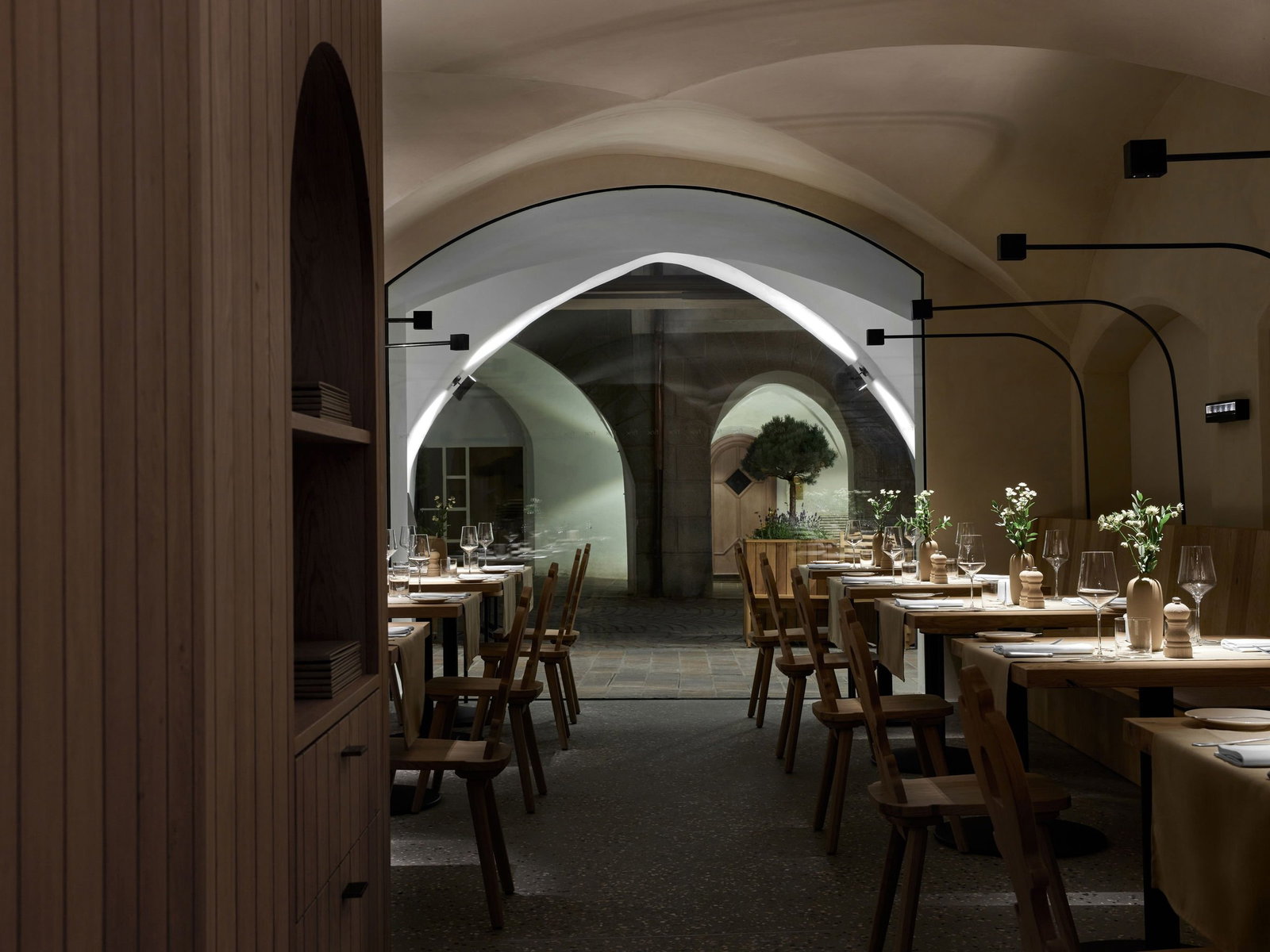
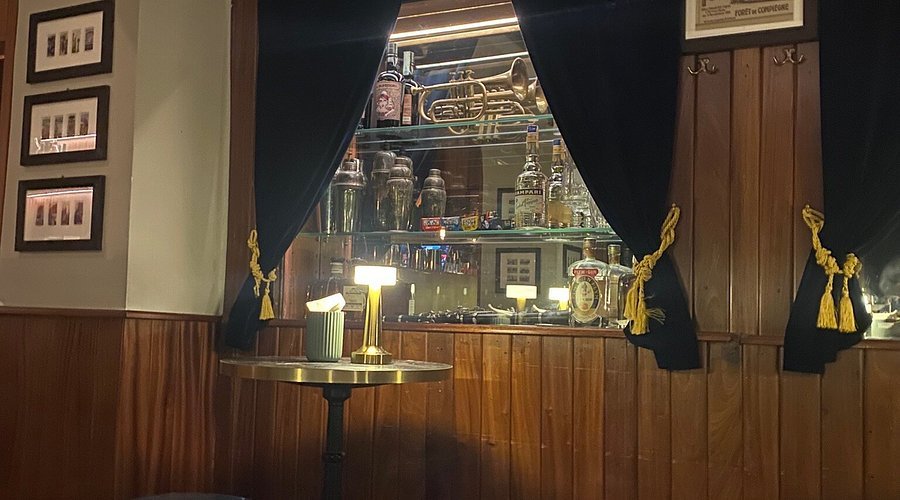
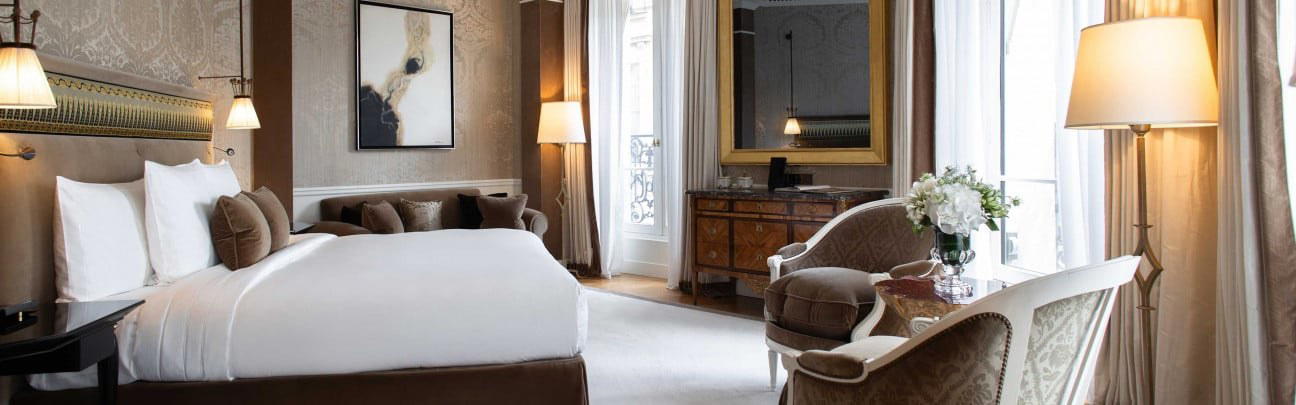
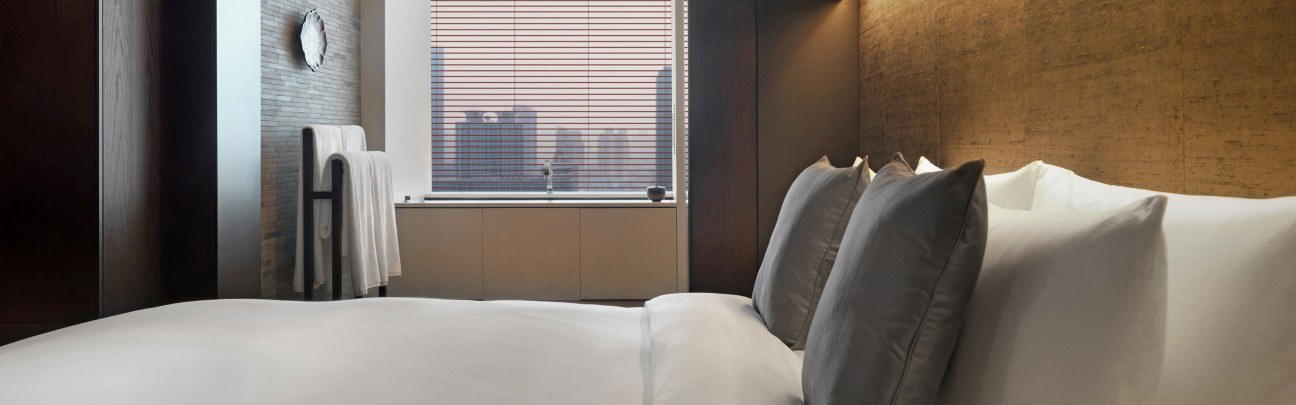
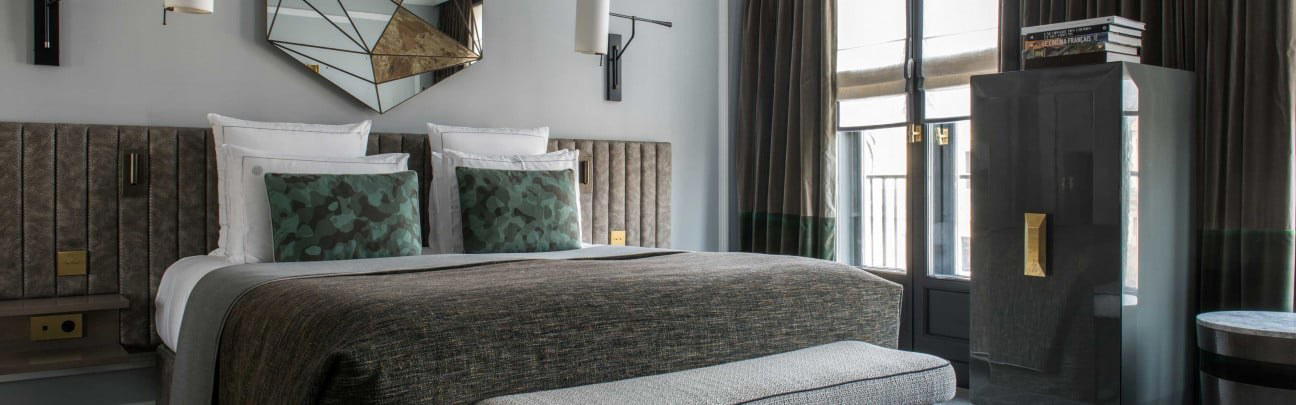
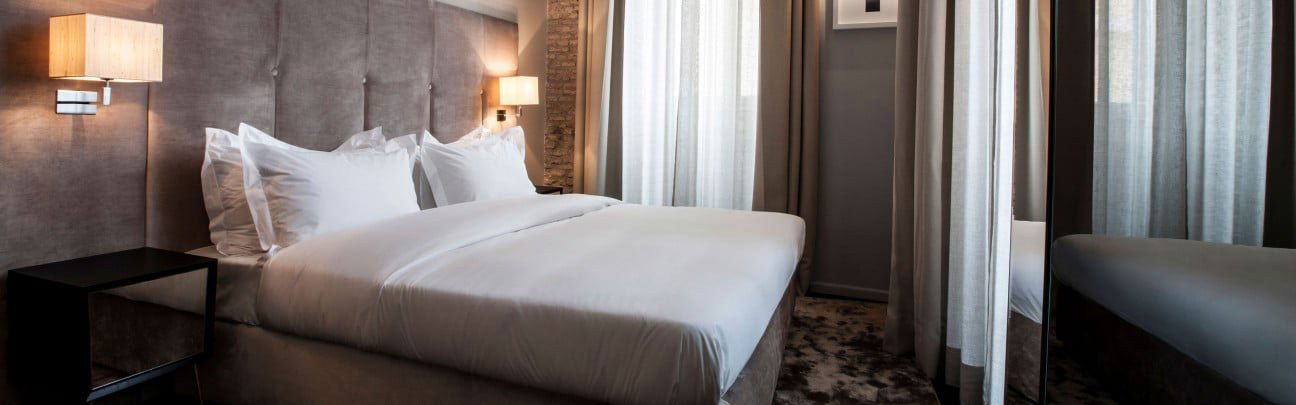
Intimate and sophisticated, with a quiet, cloister-like atmosphere that blends historic grandeur, dark woods, velvet, and contemporary art into a softly lit, elegant setting.
Tags
Vibe
Best For
Experience
Amenities
View
Accessibility
About the Stay
- Rooms
- 18
- Check-in
- 14:00
- Check-out
- 12:00
- Property Style
- Intimate Five Star Boutique Hotel in a Historic Palace Setting with a Strongly Design Led, Upscale Roman Character.
- Design Style
- Contemporary Luxury Layered Into a 17th Century Palace/convent Setting, with Refined Furnishings, Dark Woods, Velvet, Mirrors, Art, and a Boudoir Like Roman Aesthetic.
Know before you go
Know Before You Go
- Getting there
- Via Giulia, 131, 00186 Roma RM
Planning details
Location
Recognition and awards
Also consider
Also Consider
- Hotel Indigo Rome - St. George by IHG, Notable alternative
- Hotel De' Ricci, Notable alternative
- Relais Palazzo Taverna, Notable alternative
- MyNavona, Notable alternative
- G-Rough, Notable alternative
Hotel context
DOM Hotel is the better choice if the priority is a polished, intimate Rome stay with a historic-center feel and easier booking. Hotel Indigo Rome - St. George by IHG is the safer alternative for travelers who prefer a known brand framework and a more predictable hotel rhythm.
For a more character-led stay, compare it with Hotel De' Ricci and G-Rough. Hotel De' Ricci is the sharper cross-shop for wine-driven trips and grown-up weekends, while G-Rough is the stronger pick when design is the main draw. DOM Hotel sits between them: less niche, easier to recommend for a special occasion, and more broadly usable for couples or older families.
Relais Palazzo Taverna and MyNavona make sense if value and simplicity matter more than hotel polish. Choose DOM Hotel when ambiance and recognition carry weight; choose those peers when the room is mainly a base for seeing Rome.
Around this place
Discover more on Pearl
Unlock the full DOM Hotel guide in Pearl, including awards, comparisons, FAQs, planning details, and nearby places.
Compare DOM Hotel
| Venue | Location | Awards |
|---|---|---|
| DOM Hotel | Rome | 2026 Mr & Mrs Smith Luxury Hotels2025 Michelin Selected HotelsPreferred Hotels L.V.X. Collection 2025 |
| Hotel Indigo Rome - St. George by IHG | Rome | No published awards |
| Hotel De' Ricci | Rome | 2026 Mr & Mrs Smith Luxury Hotels2025 Michelin Selected HotelsSmall Luxury Hotels Member 2025 |
| Relais Palazzo Taverna | Rome | No published awards |
| MyNavona | Rome | No published awards |
| G-Rough | Rome | No published awards |

How DOM Hotel Rome compares with similar nearby venues.
FAQ
Frequently Asked Questions
How does DOM Hotel compare to other Rome hotels?
DOM Hotel is a Rome hotel with recognition from Preferred Hotels L.V.X. Collection, Mr & Mrs Smith, and the MICHELIN Guide hotel selection. Compare it with Hotel De' Ricci, Hotel Indigo Rome - St. George by IHG, G-Rough, MyNavona, and Relais Palazzo Taverna based on your dates, room needs, amenities, and direct booking terms.
How is the dining at DOM Hotel?
Dining details should be confirmed directly with DOM Hotel. If meals are central to the trip, compare other Rome dining options separately.
Is DOM Hotel family-friendly?
Family-specific details should be confirmed directly before booking with children or teens.
Is DOM Hotel good for business travel?
Business-specific facilities should be confirmed directly before booking. If you are considering DOM Hotel for a Rome business stay, confirm workspace, Wi-Fi, meeting needs, transport preferences, and billing requirements directly before booking.