
Hotel in Roanoke, United States
The Liberty Trust
350Pearl PointsDowntown Base

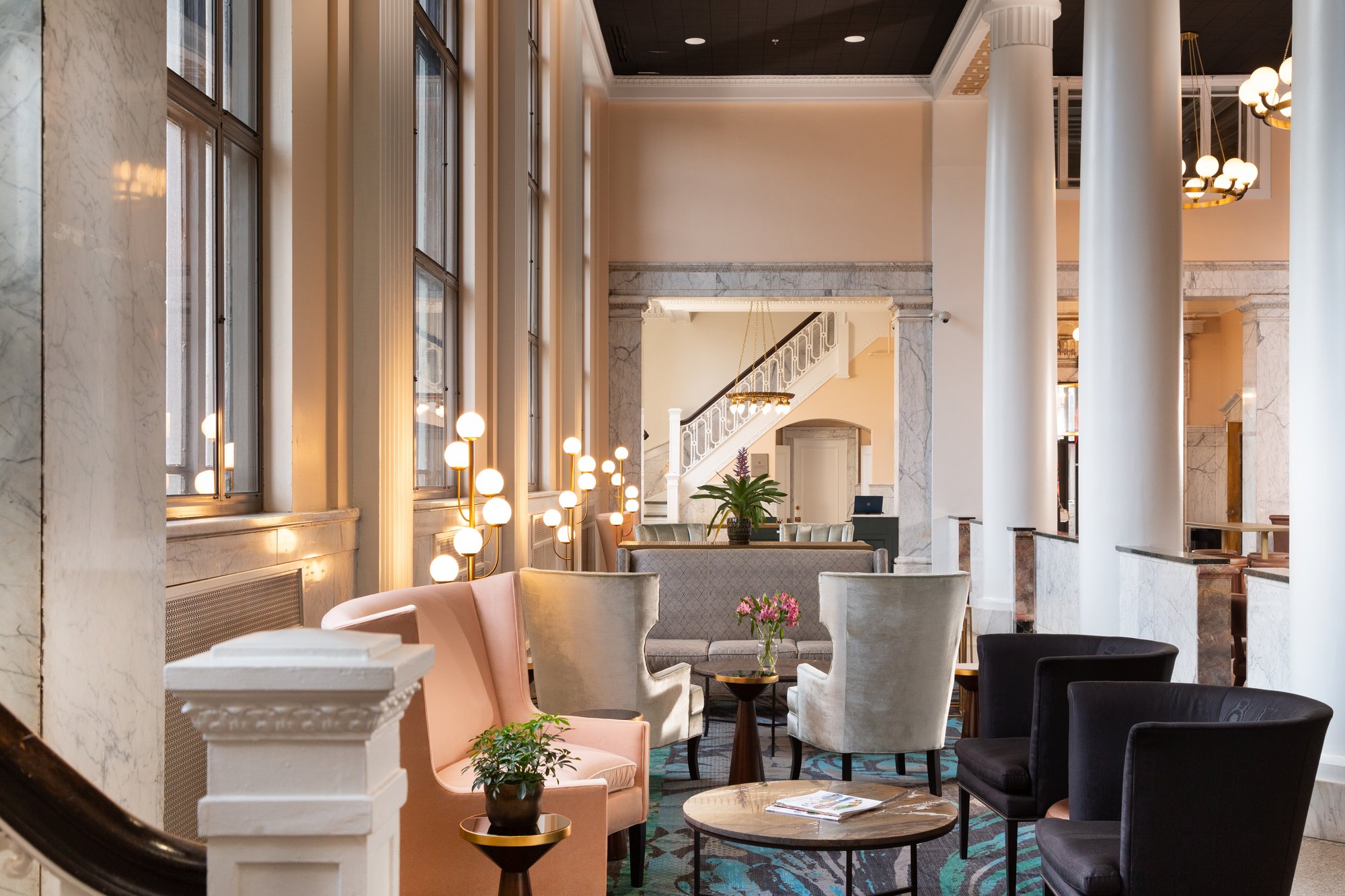
About The Liberty Trust
The Liberty Trust is the Roanoke pick for travelers who want a downtown base with more character than a standard business hotel. It makes more sense than The Greenbrier or Primland for a city-centered stay, but those resort peers are stronger if the property itself is the trip.
The clearly verified planning signals for The Liberty Trust are its Roanoke location, smart casual dress code, and Preferred Hotels Member (2025) recognition. Use those as the main confirmed details when deciding whether it belongs on your shortlist.
Because the verified details are limited, confirm current booking information directly before making plans. Do not assume specific amenities, dining formats, room features, or service offerings unless they are confirmed by The Liberty Trust.
A Roanoke stay to compare with regional destination hotels
The Liberty Trust is best evaluated as a Roanoke option. The Greenbrier and Primland Resort, Auberge Resorts Collection may be useful points of comparison for travelers considering a broader trip, while The Liberty Trust is the name to check when Roanoke is the intended stop.
The practical tradeoff is that the verified details here are limited. If amenities, dining, room features, or service offerings are central to the trip, compare options carefully and confirm the current details directly before booking.
Who should choose it, and who should cross-shop
Choose The Liberty Trust if you want a Roanoke option with confirmed Preferred Hotels Member recognition and a smart casual dress code note. The Historic General Lewis Inn, The Blackburn Inn, and Proximity Hotel can be useful comparison points depending on the broader itinerary.
The practical verdict: keep The Liberty Trust on the list for a Roanoke stay when the verified affiliation and current availability match your needs. If you need specific amenities, dining, wellness features, or a destination-property experience, verify those details directly or cross-shop the regional alternatives.
Frequently Asked Questions
What is check-in like at The Liberty Trust?
The verified venue details do not specify a check-in experience. Plan around a Roanoke stay and confirm arrival timing, parking, and any special requests directly with the venue before you travel.
How does The Liberty Trust compare to regional hotels?
Pick The Liberty Trust if you are specifically looking at Roanoke and value its Preferred Hotels Member recognition. The Blackburn Inn, The Historic General Lewis Inn, The Greenbrier, Primland Resort, Auberge Resorts Collection, and Proximity Hotel may be relevant comparison points depending on the broader trip.
How is the pool and spa at The Liberty Trust?
The verified venue details do not confirm pool or spa information. If wellness amenities are important, check directly with The Liberty Trust before booking.
How is the dining at The Liberty Trust?
The verified venue details do not confirm dining specifics. Treat restaurant, bar, room-service, or menu information as something to verify through the venue's official channels before planning around it. The verified dress code note is smart casual.
Do loyalty programs work at The Liberty Trust?
The clearest verified affiliation is Preferred Hotels Member (2025). Confirm any loyalty benefits, booking-channel requirements, or member privileges directly before reserving.
Is The Liberty Trust family-friendly?
The verified venue details do not specify family amenities or policies. If you are traveling with children, confirm room setup, occupancy rules, and practical needs directly with the venue before booking.
Which room category is best at The Liberty Trust?
The verified venue details do not specify room categories. Choose based on the space, bedding, and rate details shown at booking, and confirm any important room features directly with the venue.
Location
101 S Jefferson St, Roanoke, VA 24011
Roanoke, United States
Compare The Liberty Trust
Comparison Snapshot
The Liberty Trust is the city-base option in this set: easier for a Roanoke itinerary, less suited to travelers seeking resort infrastructure. The Greenbrier and Primland Resort, Auberge Resorts Collection are stronger splurge choices when the stay itself is the main event.
The Historic General Lewis Inn and The Blackburn Inn compete more on historic atmosphere, but they are less direct fits for a downtown Roanoke stay. Proximity Hotel is useful as a design-hotel benchmark, though it is not a Roanoke alternative.
Where to Look If This Is Not the Fit
If the trip needs a resort-style escape, cross-shop Primland Resort, Auberge Resorts Collection or The Greenbrier instead. If the priority is a quieter historic-inn stay, compare The Historic General Lewis Inn and The Blackburn Inn.
How It Compares
The Greenbrier and Primland Resort, Auberge Resorts Collection are the stronger choices when the hotel is meant to carry the whole trip. The Liberty Trust is the more practical Roanoke choice when location and ease matter more than resort scale.
The Historic General Lewis Inn and The Blackburn Inn are better cross-shops for travelers who want historic character outside a Roanoke-centered itinerary. Choose The Liberty Trust if the plan is meetings, restaurants, or a short downtown stay rather than a slower inn weekend.
Proximity Hotel is the better comparison for travelers prioritizing a design-hotel lens in a different city. For Roanoke specifically, The Liberty Trust wins on local convenience and ease of use; Proximity only makes sense if the destination changes with the hotel decision.
Recognized By

Explore Roanoke
Save or rate The Liberty Trust on Pearl
Keep this venue in your Pearl passport, rate it after you visit, and track it alongside every other place you collect.