


Viesca Toscana
Reggello
Hotel in Reggello, Italy
 Book with Pearl
The Read
Ferragamo Provenance Retreat
Why go
Viesca Toscana is a service-led countryside pick in Reggello, better for first-timers who want a calm Tuscan base than for travelers chasing city energy or dense on-property detail. Its Small Luxury Hotels of the World and Virtuoso recognition make the strongest case for booking, especially if staff polish matters more than a long amenities checklist.
About Viesca Toscana
Viesca Toscana is a Reggello venue with a concise public profile: smart casual dress code, Small Luxury Hotels of the World membership in 2025, and Virtuoso Luxury Hotel Partner recognition in 2026. Before booking, check any dining, facilities, room type, price, or service-format details directly with the venue.
Use Reggello as the planning frame. If the trip depends on particular amenities, a specific restaurant setup, or detailed on-property programming, check those details with the venue rather than assuming them from the setting or from broader Tuscany expectations.
Book for luxury-travel recognition, and check the details that matter
The clearest reason to consider Viesca Toscana is its luxury-travel recognition: Small Luxury Hotels of the World membership and Virtuoso Luxury Hotel Partner status. Those are useful planning signals, but they do not by themselves define a particular restaurant format, wellness offering, room category, or included service.
For travelers comparing stays in and around Reggello, keep the comparison practical. Consider Viesca Toscana alongside Viesca Suites & Villas, Villa Sassolini Country Boutique Hotel, Pieve Aldina, Pieve Aldina - Fontenille Collection, and Le Lappe, then check the current details that matter most for the trip.
The first-timer read: clear basics, fewer published specifics
Expect the decision to hinge on whether the profile is enough for your plans. Viesca Toscana has luxury-travel recognition and a smart casual dress code; travelers who need clarity on dining format, exact room hierarchy, wellness facilities, pricing, and operating details should ask directly before booking.
For food, drink, and itinerary planning, do not assume details without checking them first. Build a wider Reggello plan and check directly with the venue or with current local sources for reservations, opening times, and any special requirements.
The practical verdict: consider Viesca Toscana if a Reggello stay with luxury-travel affiliations fits your trip. Cross-shop it if you need a fully detailed facilities list, a specific dining format, or room and service particulars before committing.
Planning details
- Location
- Via Nicola Pistelli, 75, 50066 Reggello FI, Italy
- Website
- viescatoscana.com
- Phone
- +39 055 861 5537
The take
The Take
The Vibe
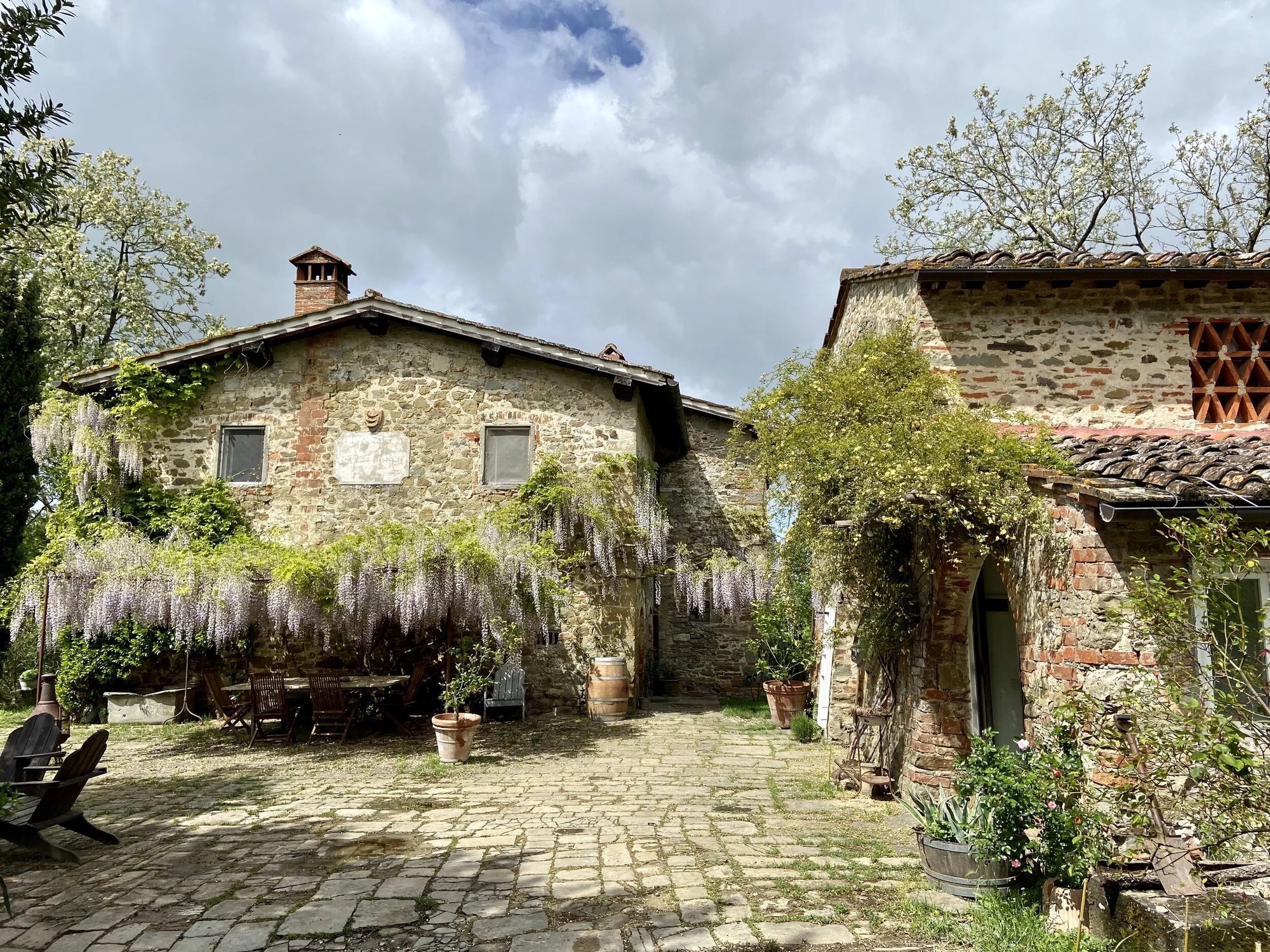
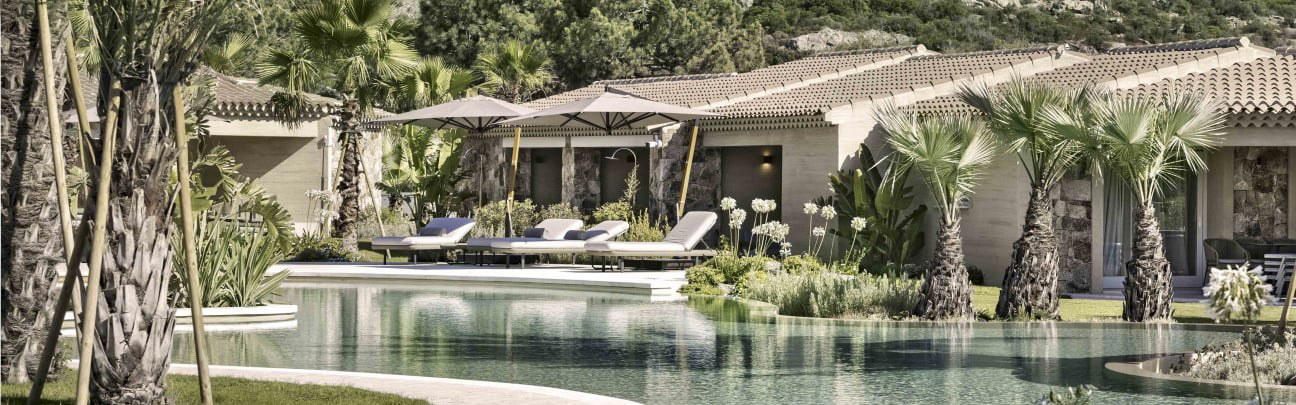
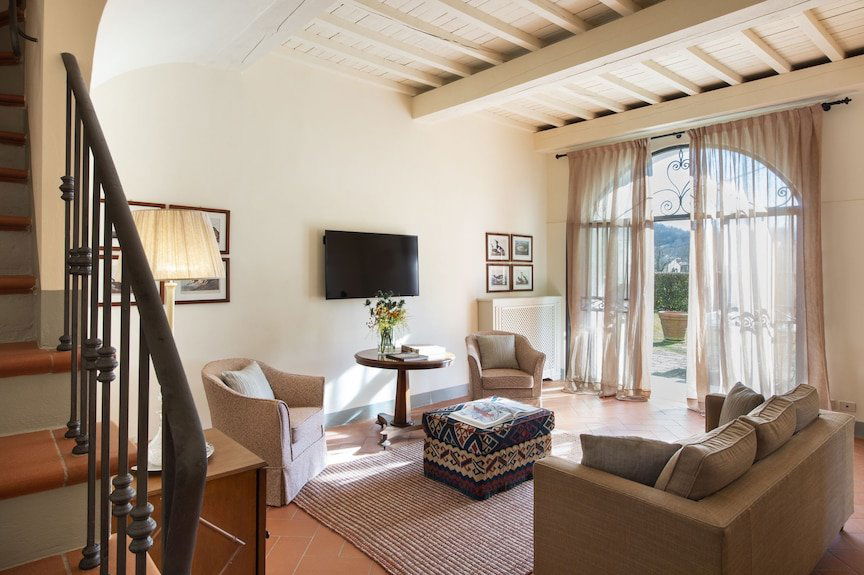
Viesca Toscana reads like an intact Tuscan estate rather than a pastiche: a sixteenth-century manor anchors stone facades, deep-set loggias and proportioned windows, and a restrained set of later interventions that feel continuous with the original. Interiors favor locally sourced antiques and artisan-made furniture, and a warm palette of ochres and terracottas gives rooms a lived-in, curated quality. The villa-by-villa layout, with private pools and dispersed lawns, keeps social life quiet and private; the property feels measured, intimate and rooted in its landscape rather than staged for spectacle.
Best For
This estate suits travelers who prize privacy and restorative time. Families and small groups find natural separation thanks to five private villas and seventeen suites, each villa with its own pool so gatherings don’t dictate the day. The presence of dedicated wellness facilities and extensive walking grounds makes the property a sensible choice for short restorative breaks and focused wellness stays. Guests looking for a quietly luxurious base from which to explore the Valdarno valley and the nearby cultural centers will find the layout and services especially well matched to a low-key, restorative itinerary.
Stay Tips
Reserve a private villa if you want direct, exclusive access to your own pool and a clear sense of territorial privacy; the description highlights the pool-per-villa arrangement as a defining choice. Allow time for the walking grounds and wellness facilities rather than concentrating activities in shared hours—the estate is arranged to encourage slow movement across its grounds. When booking, request accommodations that reference the manor’s original fabric (loggias or stone facades) if you prefer rooms that emphasize the historic character.
Venue details
Ambiance
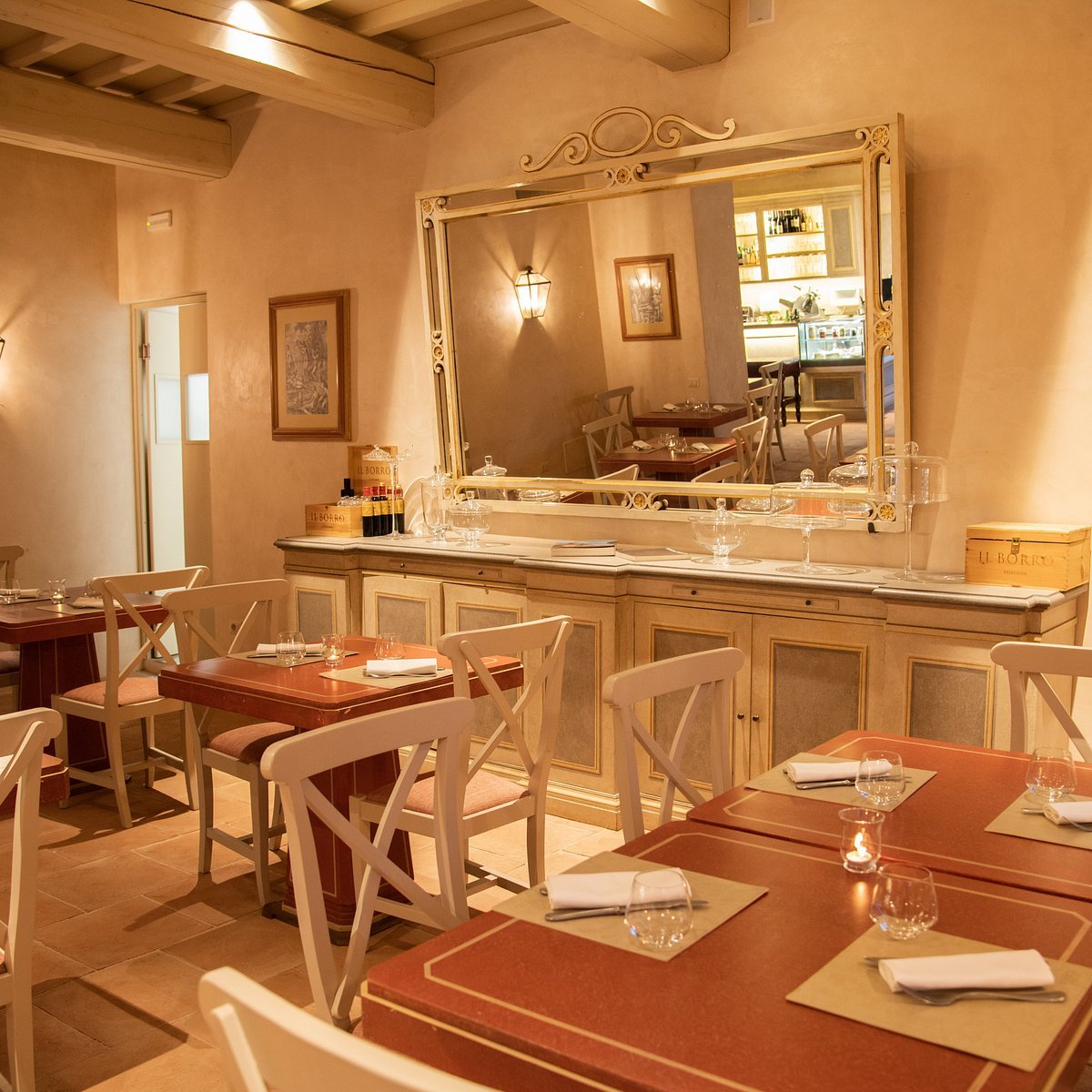
Relaxing and serene atmosphere immersed in unspoiled Tuscan nature, with beautiful gardens, sun terrace, and elegant classic country-estate living.
Tags
Vibe
Best For
Experience
Amenities
View
Accessibility
About the Stay
- Rooms
- 20
- Check-in
- 16:00
- Check-out
- 10:30
- Property Type
- Boutique hotel
- Property Style
- Timeless Elegance in a 16th Century Manor with Refined Tuscan Villas and Suites
- Design Style
- Classic Tuscan Rustic Luxury
- Airport Transfer
- Available
- Pool
- Yes
- Spa
- Yes
- Pets
- Allowed
- Families
- Welcome
Know before you go
Know Before You Go
- Getting there
- Via Nicola Pistelli, 75, 50066 Reggello FI, Italy
Planning details
Location
Recognition and awards


Also consider
Also Consider
- Viesca Suites & Villas, Notable alternative
- Le Lappe, Notable alternative
- Villa Sassolini Country Boutique Hotel, Notable alternative
- Pieve Aldina - Fontenille Collection, Notable alternative
- Pieve Aldina, Notable alternative
Hotel context
How Viesca Toscana compares in Reggello
Choose Viesca Toscana when service confidence is the deciding factor. Its Small Luxury Hotels of the World and Virtuoso signals give it a clearer luxury-service case than Viesca Suites & Villas, Le Lappe, or Villa Sassolini Country Boutique Hotel based on the available peer information. For a first Reggello stay where staff follow-through matters, it is the safer upscale call.
If the goal is independence, Viesca Suites & Villas is the natural cross-shop because the name points toward a suites-and-villas format. If the goal is a boutique countryside mood, Villa Sassolini Country Boutique Hotel deserves a look. For travelers comparing a broader Tuscan-countryhouse style, Pieve Aldina - Fontenille Collection and Pieve Aldina are the relevant alternatives.
Booking difficulty is marked easy, so the choice is less about fighting for availability and more about fit. Pick Viesca Toscana for a polished, quieter stay with stronger luxury-network validation. Pick the peers if you need a more clearly self-contained villa setup, a different countryside ambiance, or a property where the format is easier to read before committing.
Explore Reggello
Around this place
Discover more on Pearl
Unlock the full Viesca Toscana guide in Pearl, including awards, comparisons, FAQs, planning details, and nearby places.
Compare Viesca Toscana
| Venue | Location | Awards |
|---|---|---|
| Viesca Toscana | Reggello | 2026 Virtuoso Luxury Hotel Collection2025 Michelin Selected HotelsSmall Luxury Hotels Member 2025 |
| Viesca Suites & Villas | Reggello | No published awards |
| Le Lappe | Cavriglia | No published awards |
| Villa Sassolini Country Boutique Hotel | Moncioni Montevarchi | No published awards |
| Pieve Aldina - Fontenille Collection | Radda in Chianti | No published awards |
| Pieve Aldina | Radda in Chianti | 2025 Relais Chateaux Award |

How Viesca Toscana Reggello Review: Worth Booking? compares with similar nearby venues.
FAQ
Frequently Asked Questions
How does Viesca Toscana compare to other venues?
Viesca Toscana has Small Luxury Hotels of the World membership and Virtuoso Luxury Hotel Partner status. For comparison, look at Viesca Suites & Villas, Villa Sassolini Country Boutique Hotel, Pieve Aldina, Pieve Aldina - Fontenille Collection, and Le Lappe, then check current amenities and booking terms directly.
What is check-in like at Viesca Toscana?
Ask Viesca Toscana for arrival times, access instructions, and any required booking information before travel.
How is the dining at Viesca Toscana?
If dining is central to the stay, ask Viesca Toscana about the current cuisine, chef, menu format, hours, and prices, and compare it with other options such as Le Lappe and Pieve Aldina.
How is the pool and spa at Viesca Toscana?
If wellness facilities are important, ask Viesca Toscana directly and compare the current offering with options such as Pieve Aldina - Fontenille Collection and Villa Sassolini Country Boutique Hotel.
How is the location of Viesca Toscana?
Viesca Toscana is in Reggello. Use Reggello as the location reference when planning transfers, meals, and nearby comparisons.
Which room category is best at Viesca Toscana?
Choose only after checking current room descriptions with Viesca Toscana, and compare the setup with Viesca Suites & Villas if space or configuration is a priority.
Do loyalty programs work at Viesca Toscana?
Affiliations include Small Luxury Hotels of the World membership and Virtuoso Luxury Hotel Partner status. Ask about benefits, booking channels, or partner-program details before reserving.