

Hotel in Ranthambore, India
Aman-i-Khas
725Pearl PointsQuiet safari base


About Aman-i-Khas
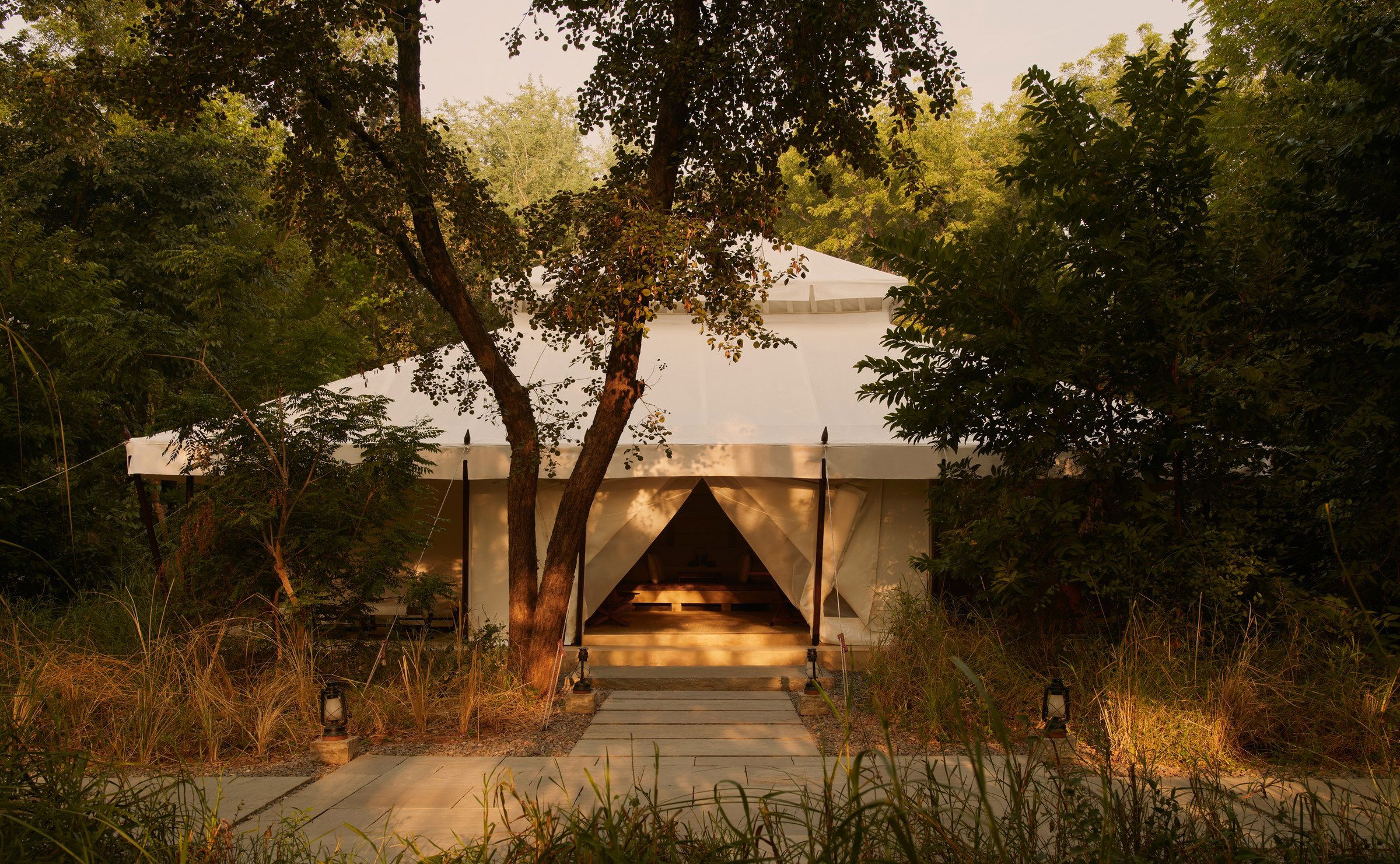
Aman-i-Khas is the high-budget Ranthambore pick for a quiet safari-focused occasion, backed by Michelin 2 Keys recognition in 2025 and Virtuoso Luxury Hotel Partner status for 2026. Book it when privacy and a camp-style setting matter more than conventional resort scale or business-hotel convenience.
Aman-i-Khas in Ranthambore is a premium stay to evaluate on verified signals rather than on assumptions about facilities, dining, or safari logistics. The confirmed details are concise: the dress code is smart casual, the property has Michelin 2 Keys recognition for 2025 and Virtuoso Luxury Hotel Partner status for 2026.
Because the verified record here is limited, avoid treating unconfirmed details about room types, dining style, transfers, activities, spa facilities, or pricing as settled facts. If those points matter to the trip, confirm them directly through the booking channel before committing.
Choose it for a verified luxury signal in Ranthambore
The clearest reason to consider Aman-i-Khas is that it is a Ranthambore property with confirmed Michelin 2 Keys recognition for 2025 and Virtuoso Luxury Hotel Partner status for 2026. Those are strong quality signals, but they do not by themselves verify the exact experience on arrival, the dining format, included services, or the best type of traveler for the stay.
For a broader Rajasthan comparison, consider confirmed peer properties such as Anantara Jewel Bagh Jaipur and The Oberoi Rajvilas, while Ranthambore-focused comparisons include Suján Sher Bagh and The Oberoi Vanyavilas. Six Senses Fort Barwara may also be relevant for travelers comparing high-end stays in the wider region.
The value case depends on details you should confirm
Aman-i-Khas has Michelin 2 Keys recognition for 2025 and is a Virtuoso Luxury Hotel Partner for 2026, placing it among notable luxury options. Still, the verified facts do not establish price, inclusions, dining specifics, activity arrangements, room categories, or on-property facilities. The value case therefore depends on what is quoted for your dates and what is confirmed in writing at booking.
Use the confirmed recognition as a starting point, then verify the practical details that will shape the stay: what is included, what is not included, the current policies, any service or facility questions that matter to your group. Quick reference: consider Aman-i-Khas for a high-end Ranthambore stay with confirmed luxury recognition, but do not rely on unverified assumptions when comparing it with other Ranthambore dining, hotel, or experience options.
Frequently Asked Questions
How is the pool and spa at Aman-i-Khas?
The verified record provided here does not confirm pool or spa details. Aman-i-Khas does have Michelin 2 Keys recognition for 2025, but facility specifics should be checked directly with the venue before booking. The Oberoi Vanyavilas is a natural comparison if you are comparing high-end Ranthambore stays.
When is the best time to book Aman-i-Khas?
The verified record does not include booking windows, seasonal demand, or availability guidance. If timing matters, confirm current availability and policies directly with Aman-i-Khas and compare your options with Suján Sher Bagh and The Oberoi Vanyavilas before committing.
Is Aman-i-Khas good for business travel?
The verified facts do not establish whether Aman-i-Khas is suited to business travel. It is a Ranthambore property with Michelin 2 Keys recognition for 2025 and Virtuoso Luxury Hotel Partner status for 2026, but work facilities, meeting options, connectivity, business services should be confirmed directly. The Oberoi Rajvilas may be useful as a broader luxury-hotel comparison.
How is the dining at Aman-i-Khas?
The verified record does not confirm cuisine type, chef, menu format, pricing, or dining hours. Treat the Michelin 2 Keys recognition as a hotel-quality signal, not as a specific dining claim. If food is a deciding factor, confirm current dining details directly with Aman-i-Khas and compare with other Ranthambore dining options or with The Oberoi Rajvilas for a broader hotel comparison.
How does Aman-i-Khas compare to nearby hotels?
Aman-i-Khas is confirmed as a Ranthambore property with Michelin 2 Keys recognition for 2025 and Virtuoso Luxury Hotel Partner status for 2026. For Ranthambore comparisons, Suján Sher Bagh and The Oberoi Vanyavilas are relevant names to review. Six Senses Fort Barwara and The Oberoi Rajvilas can also help frame the wider regional luxury-hotel set.
Which room category is best at Aman-i-Khas?
The verified record does not identify room categories or a best category. Confirm the current accommodation types, layouts, privacy, inclusions directly with Aman-i-Khas before paying up. If you want to compare room choices across luxury properties, The Oberoi Vanyavilas is a useful Ranthambore benchmark.
Is Aman-i-Khas family-friendly?
The verified facts do not confirm family policies, children's facilities, or age-specific services. Aman-i-Khas has confirmed luxury recognition, but families should check current suitability, inclusions, policies directly with the venue. The Oberoi Rajvilas may be a useful comparison for a broader luxury-hotel stay.
Location
Village- Sherpur, near Ranthambore National Park, Khilchipur, Sawai Madhopur, Rajasthan 322001
Ranthambore, India
Compare Aman-i-Khas
| Venue | Booking Difficulty |
|---|---|
| Aman-i-Khas | Near Impossible |
| Suján Sher Bagh | Unknown |
| The Oberoi Vanyavilas | Unknown |
| Six Senses Fort Barwara | Unknown |
| Anantara Jewel Bagh Jaipur | Unknown |
| The Oberoi Rajvilas | Unknown |
Key differences to consider before you reserve.
Also Consider
- Suján Sher Bagh, Notable alternative
- The Oberoi Vanyavilas, Notable alternative
- Six Senses Fort Barwara, Notable alternative
- Anantara Jewel Bagh Jaipur, Notable alternative
- The Oberoi Rajvilas, Notable alternative
How it compares in Ranthambore and nearby Rajasthan
Aman-i-Khas is the choice for travelers who want the stay to feel tied to Ranthambore's wildlife rhythm, with a quieter camp-style mood and a harder booking profile. Suján Sher Bagh is the closest cross-shop if the brief is also safari-led and intimate; compare both first if the trip is built around park drives rather than palace-hotel amenities.
The Oberoi Vanyavilas is the safer pick for travelers who want a more conventional luxury-resort frame near Ranthambore, especially if service familiarity and broader hotel infrastructure matter. Aman-i-Khas is better for a quieter special occasion; Oberoi is easier to justify for guests who want the safari trip with fewer camp-format trade-offs.
For readers adding Rajasthan nights, Six Senses Fort Barwara pushes the trip toward a destination-wellness fort stay, while Anantara Jewel Bagh Jaipur and The Oberoi Rajvilas make more sense when Jaipur is the anchor. Choose Aman-i-Khas when Ranthambore is the point of the trip; choose the Jaipur peers when shopping, city access, a broader Rajasthan itinerary matter more.
Recognized By


Explore Ranthambore
Save or rate Aman-i-Khas on Pearl
Keep this venue in your Pearl passport, rate it after you visit, and track it alongside every other place you collect.