
DOUBLE RAFTER CATTLE DRIVES
Ranchester
Hotel in Ranchester, United States
 Book with Pearl
The Read
Working Ranch Immersion
Why go
DOUBLE RAFTER CATTLE DRIVES is a better fit for an activity-led Wyoming trip than a conventional hotel stay. Its 2026 Top 50 Ranches recognition gives it a useful credibility signal, but the main reason to consider it is the cattle-drive format: choose it for a celebration or group trip built around the experience, not for business-hotel convenience.
About DOUBLE RAFTER CATTLE DRIVES
DOUBLE RAFTER CATTLE DRIVES is a Ranchester venue. Practical note: casual dress code. Recognition: Top 50 Ranches (2026). Confirm booking details directly with the venue before making plans.
Before booking, confirm the current offering, what is included, and whether the experience matches the trip you are planning.
Choose it for a Ranchester option, not assumed hotel convenience
DOUBLE RAFTER CATTLE DRIVES has Top 50 Ranches (2026) recognition, making it relevant for travelers considering this type of venue in Ranchester. Confirm the exact format before booking.
Before committing, ask the venue directly about availability, arrival process, accommodations, meals, activities, inclusions, and cancellation terms. Do not assume hotel-style services or inclusions without checking directly.
The right guest is comfortable confirming details first
This is a better fit for travelers who are specifically considering DOUBLE RAFTER CATTLE DRIVES and are willing to clarify the practical details directly. The casual dress code suggests visitors do not need to plan around formal attire.
Quick reference: consider DOUBLE RAFTER CATTLE DRIVES if a Ranchester option with Top 50 Ranches (2026) recognition interests you; choose another venue if you need detailed information on amenities, dining, pricing, or a standard business-travel setup before making a decision.
Planning details
- Location
- 84 5 Mile Rd, Parkman, WY 82838
- Website
- thedoublerafter.com
- Phone
- +1 307-655-9539
The take
The Take
The Vibe
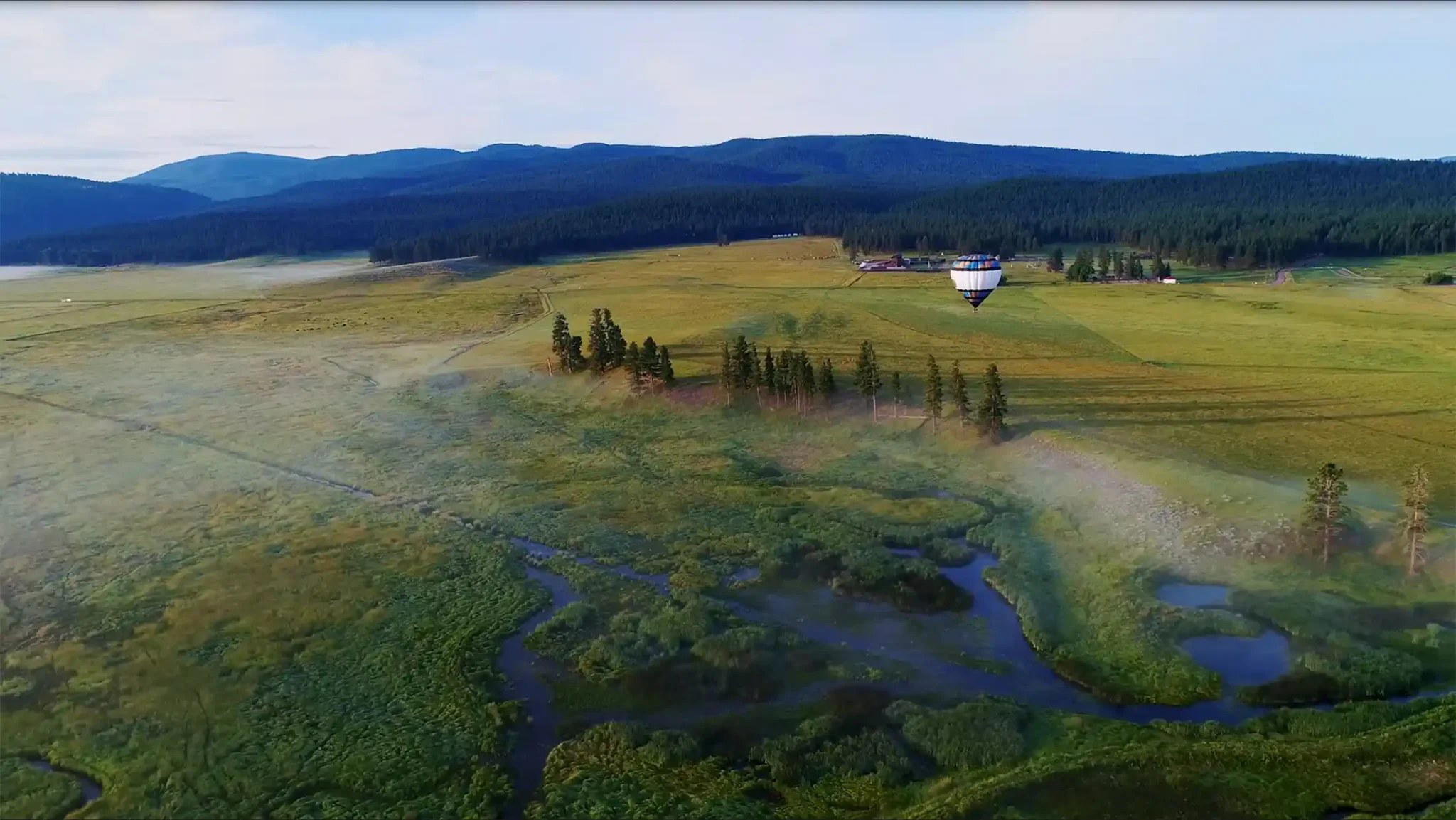
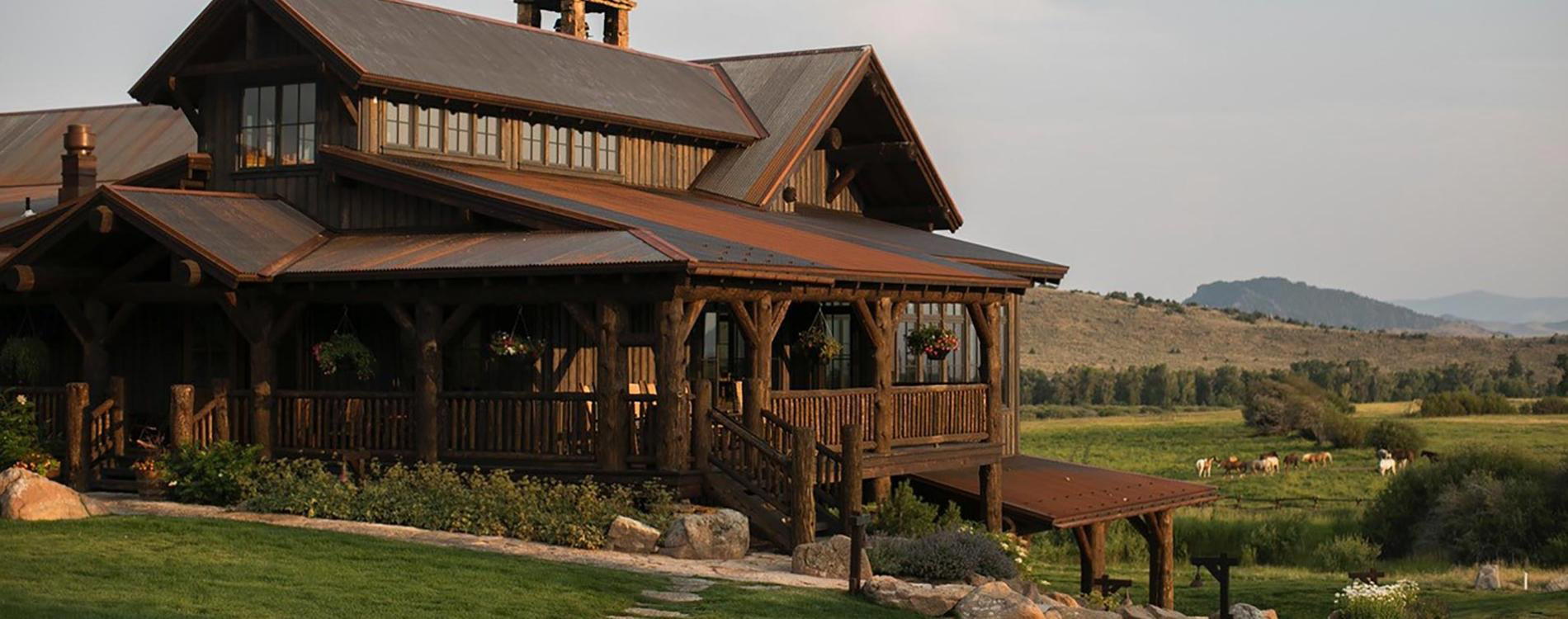
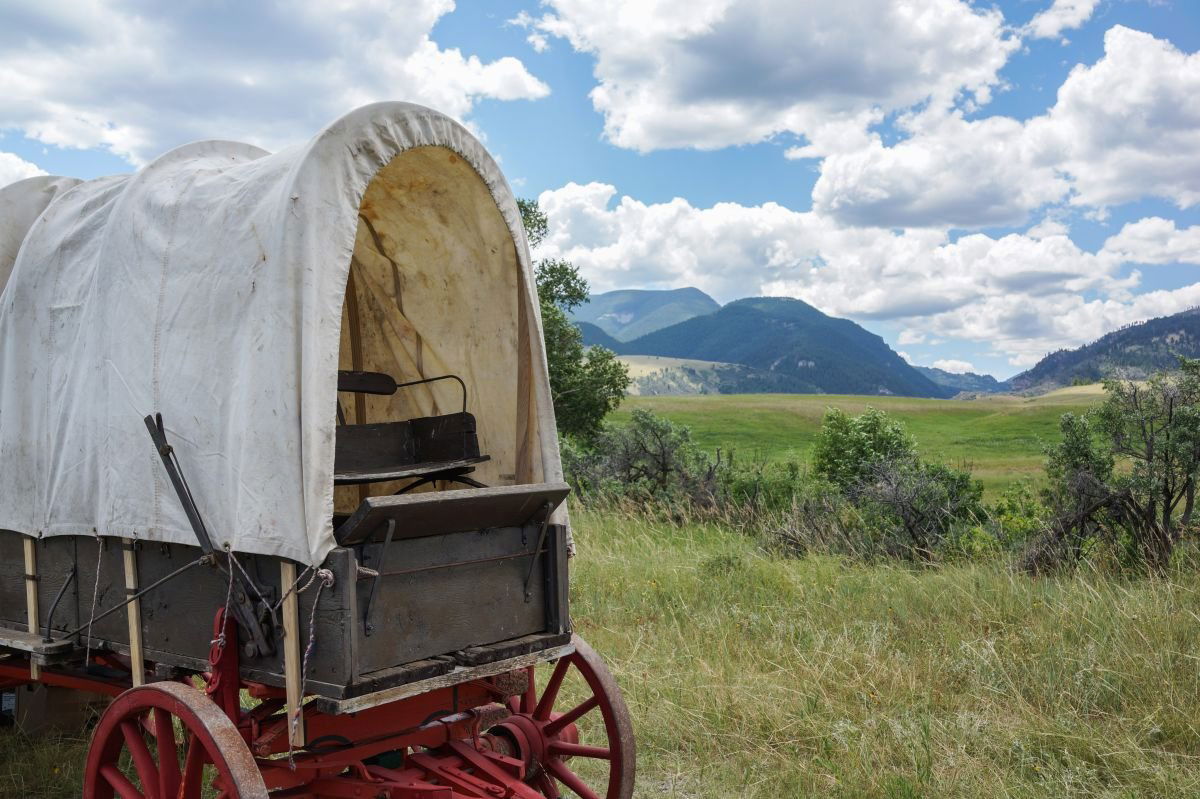
Double Rafter presents a working-ranch sensibility that privileges function over polish. The prose in the listing treats architecture and landscape as operative forces: corrals, open range and livestock are part of the program rather than staged scenery. The tone is unsentimental and historically grounded — the property reads as a direct continuation of nineteenth-century cattle culture rather than a luxe reinterpretation. Guests encounter raw terrain, durable structures and the rhythms of ranch work; this is a place where authenticity and tradition shape the atmosphere more than curated design or boutique comforts.
Best For
This ranch is best for travelers seeking an immersive, physically active rural escape rather than a pampered resort weekend. Group outings and multi-day retreats work particularly well here because the central offering is the cattle drive itself — an organized outdoor program that rewards participants who want hands-on experience with livestock and landscape. The property suits adventurous small groups, friends or families comfortable with rustic conditions and interested in a historically rooted Western experience; it is not aimed at travelers expecting spa-style amenities or luxury hotel service.
Stay Tips
Book with the expectation that the cattle drive and the land are the product; accommodations and services are framed around the work of the ranch rather than hospitality extravagance. Prepare for multi-day riding and physical exertion and check trip length and itinerary details in advance. Pack durable, weather-appropriate clothing and footwear rather than formal or luxury-focused gear. Because the listing contrasts this operation with luxury guest-ranch alternatives, ask about gear, gear rental, fitness requirements and any on‑site facilities you consider essential before committing to a ride.
Venue details
Ambiance
Rugged outdoor camping atmosphere with campfires, dutch oven meals, and starry nights after long days riding in stunning wilderness.
Tags
Vibe
Best For
Experience
Amenities
View
About the Stay
- Rooms
- 0
- Check-in
- varies
- Check-out
- varies
- Property Style
- Working Cattle Ranch with Tent Camping
- Design Style
- Rustic Wilderness Camping
Know before you go
Know Before You Go
- Getting there
- 84 5 Mile Rd, Parkman, WY 82838
Planning details
Location
Recognition and awards

Also consider
Also Consider
- Eatons' Ranch, Notable alternative
- THE HIDEOUT LODGE AND GUEST RANCH, Notable alternative
- PARADISE RANCH, Notable alternative
- Northern Hotel, Notable alternative
- Blackwater Creek Lodge & Guest Ranch, Notable alternative
Hotel context
How it compares for a Ranchester-area ranch stay
Eatons' Ranch, THE HIDEOUT LODGE AND GUEST RANCH, and PARADISE RANCH are the closer cross-shops if the goal is a guest-ranch vacation rather than a standard hotel night. DOUBLE RAFTER CATTLE DRIVES is the more specific pick for travelers who want the cattle-drive idea to define the trip; the others are better to compare if the group wants a broader ranch-resort feel or more conventional lodge framing.
Northern Hotel is the safer alternative for business travel, city access, and a more predictable hotel stay. Choose it over a ranch format when timing, meetings, and traditional amenities matter more than outdoor experience. For a special occasion, the ranch option has the stronger sense of place, while Northern Hotel is the lower-friction choice.
Blackwater Creek Lodge & Guest Ranch is the other practical comparison for guests who want ranch atmosphere but may prefer a lodge-led experience. The deciding question is format: if the cattle-drive component is the reason for the trip, stay with DOUBLE RAFTER CATTLE DRIVES; if the group wants ranch setting with potentially more lodge-style downtime, compare Blackwater Creek closely.
Explore Ranchester
Around this place
Discover more on Pearl
Unlock the full DOUBLE RAFTER CATTLE DRIVES guide in Pearl, including awards, comparisons, FAQs, planning details, and nearby places.
Compare DOUBLE RAFTER CATTLE DRIVES
| Venue | Location | Awards |
|---|---|---|
| DOUBLE RAFTER CATTLE DRIVES | Ranchester | Top 50 Ranches 2026 |
| Eatons' Ranch | Wolf | 2026 USA Today Best Ranches · #5 |
| THE HIDEOUT LODGE AND GUEST RANCH | Shell | 2026 USA Today Best Ranches · #8Top 50 Ranches 2026 |
| PARADISE RANCH | Buffalo | No published awards |
| Northern Hotel | Billings | Preferred Hotels Member 2025 |
| Blackwater Creek Lodge & Guest Ranch | Cody | 2026 USA Today Best Ranches · #2 |


How DOUBLE RAFTER CATTLE DRIVES Ranchester Verdict & Booking compares with similar nearby venues.
FAQ
Frequently Asked Questions
Is DOUBLE RAFTER CATTLE DRIVES good for business travel?
How is the dining at DOUBLE RAFTER CATTLE DRIVES?
What is check-in like at DOUBLE RAFTER CATTLE DRIVES?
Do loyalty programs work at DOUBLE RAFTER CATTLE DRIVES?
How does DOUBLE RAFTER CATTLE DRIVES compare to other venues?
DOUBLE RAFTER CATTLE DRIVES is best evaluated as its own Ranchester option with a casual dress code and Top 50 Ranches (2026) recognition. Travelers comparing similar venues may also look at Eatons' Ranch, THE HIDEOUT LODGE AND GUEST RANCH, PARADISE RANCH, Blackwater Creek Lodge & Guest Ranch, and Northern Hotel.
When is the best time to book DOUBLE RAFTER CATTLE DRIVES?
Book timing should be based on the venue's current availability and the dates you need.