


Casa Gangotena
Old Town, Quito
Hotel in Quito, Ecuador
 Book with Pearl
The Read
Heritage Mansion Residence
Why go
Casa Gangotena is the strongest fit in Quito for travelers who want a service-led luxury stay in the historic center, not just a central room. Book it for staff confidence, old-town access, and recognized hotel credentials; cross-shop Carlota, Illa Experience Hotel, Hotel Casa Gardenia, and Casa El Edén if value or boutique intimacy matters more.
About Casa Gangotena
Casa Gangotena is a premium hotel choice in Quito for travelers who want a stay supported by recognized accolades and a smart casual dress code. It has received Michelin 1 Key (2025), Relais Chateaux Award (2026), Virtuoso Luxury Hotel Partner (2026), and Mr & Mrs Smith Seal of Approval (2026).
That makes the hotel easiest to justify when third-party recognition matters to the booking decision. If you are comparing places to stay in Quito, Casa Gangotena stands out as the recognition-led option, and it is still wise to confirm any trip-specific needs directly with the hotel before booking.
Book for recognition, not for unproven extras
Casa Gangotena's strongest signals are its Michelin 1 Key and other hotel-recognition credentials. Specific room categories, dining details, wellness facilities, service formats, prices, and exact address information are not included here, so those should not be treated as confirmed reasons to book.
Travelers considering alternatives can compare it with Carlota, Carlota Sustainable Design Hotel, Hotel Casa Gardenia, Casa El Edén, and Illa Experience Hotel, depending on the kind of Quito stay they want. Casa Gangotena is the more direct pick when confirmed recognition is the main deciding factor.
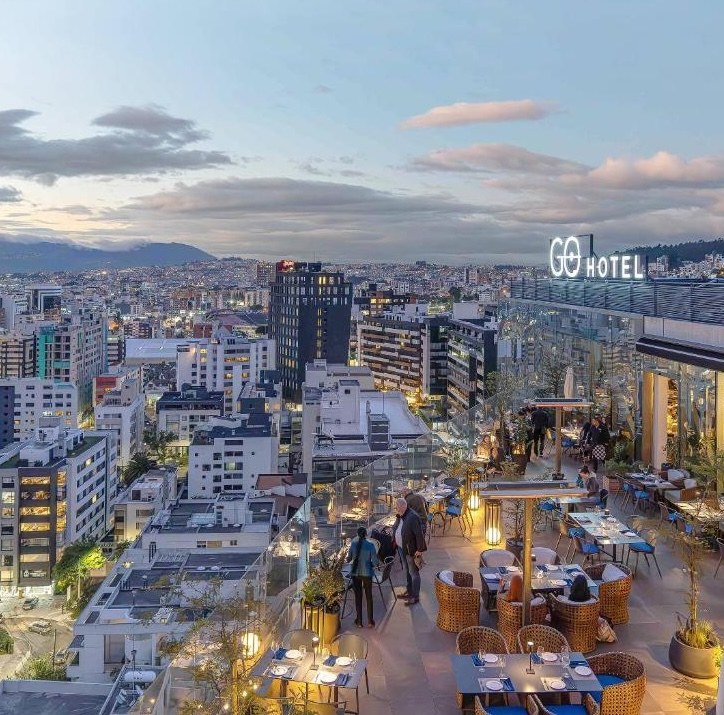
The Quito setting is the point
For most travelers, the practical question is whether Casa Gangotena's confirmed recognition is worth prioritizing over other Quito hotels. It is a strong candidate when you want an award-recognized stay; it is less automatically decisive if your choice depends on facilities, room layout, dining, or price.
Inside Casa Gangotena
Planning details
- Location
- Bolívar, Cuenca, Quito 170401
- Website
- casagangotena.com
- Phone
- +1 844-878-6981
The take
The Take
The Vibe
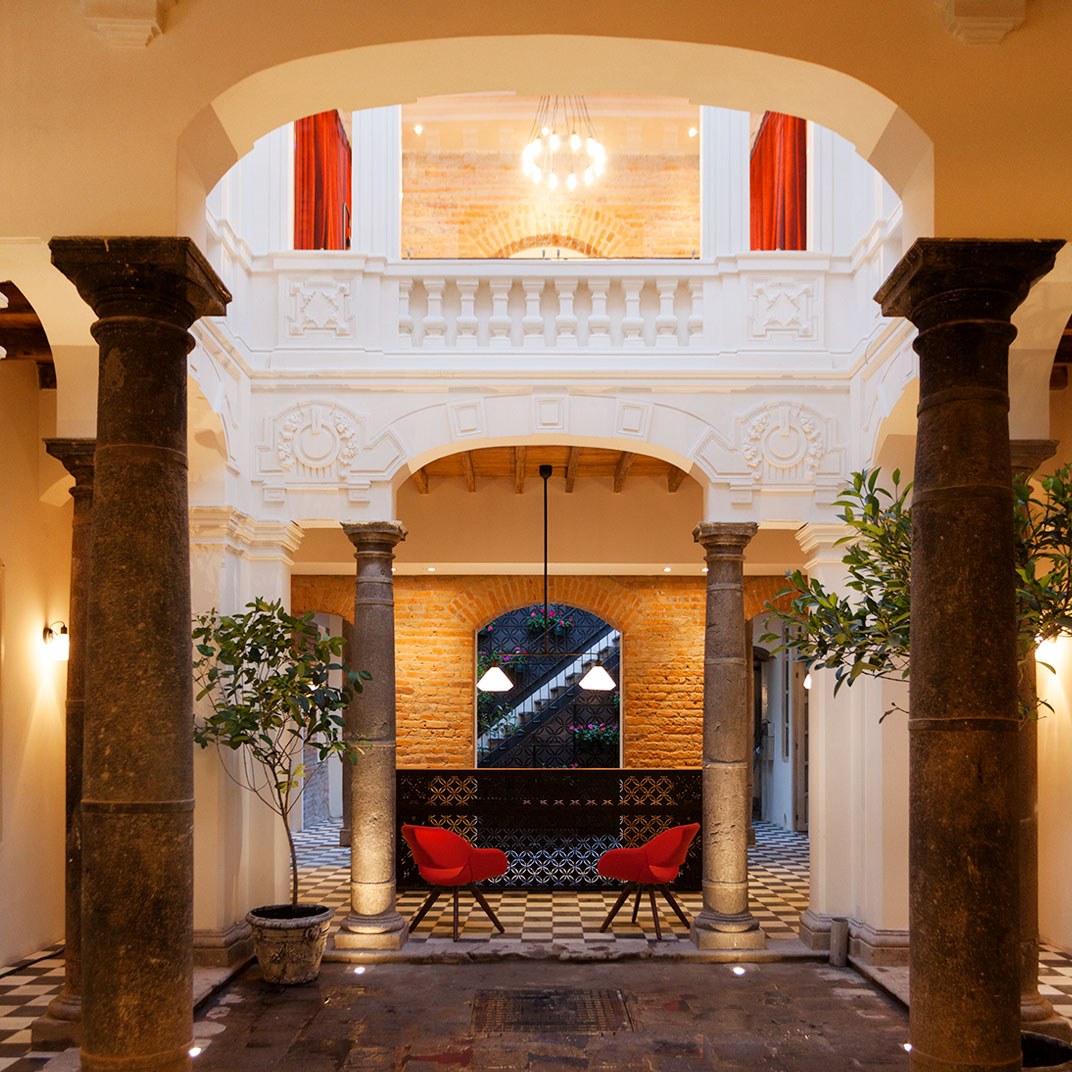
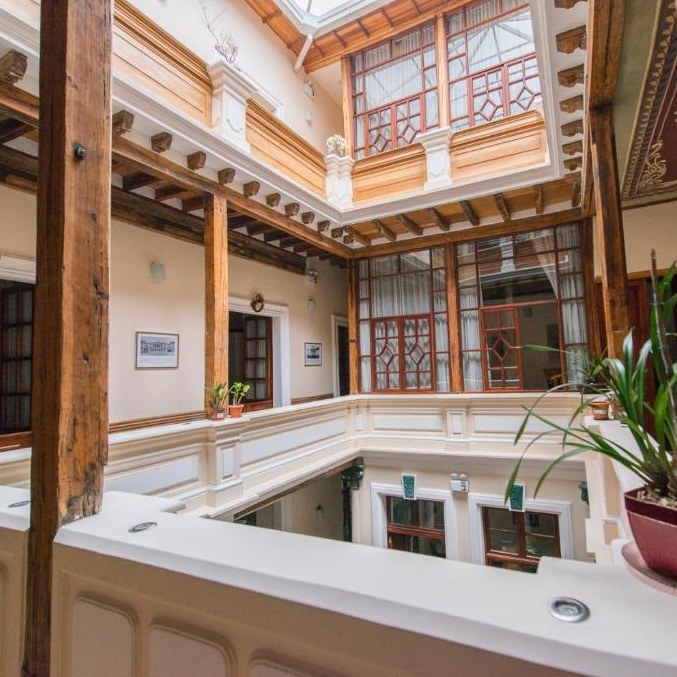
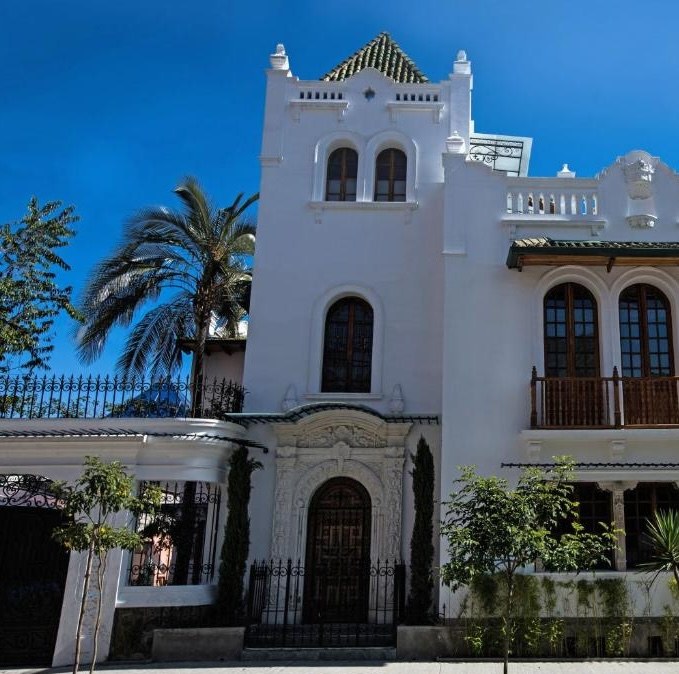
Casa Gangotena sits at the heart of Quito’s historic centre in a restored neoclassical mansion, and the hotel leans into that provenance at every turn. The building’s lineage — a residence with an original oak door and rebuilt façades by Italian architects — preserves a residential, lived-in atmosphere that feels intimate rather than museum‑like. The property reads as a quietly refined place where heritage and careful restoration shape the guest experience: rooms and public spaces prioritize original details and a residential scale, making history the defining aspect of the hotel’s personality.
Best For
The hotel’s restaurant and architectural pedigree make Casa Gangotena particularly well suited to thoughtful dinner outings and special stays. Guests who appreciate culinary exploration will find the restaurant’s commitment to Cocina Mestiza and its award-level dining a core reason to book a room. The residential scale and preserved mansion setting also make it appealing for couples and travellers seeking a cultured, intimate stay in Old Town. While the property functions as a full-service hotel, its strengths are rooted in dining and heritage rather than high‑energy nightlife or resort amenities.
Stay Tips
The dining programme emphasizes locally sourced ingredients and traditional techniques presented in modern tasting formats, so opt for the tasting menus to experience the restaurant’s full approach to Cocina Mestiza. Menus are framed as interpretive rather than tourist‑facing, so ask servers about provenance of key ingredients and any seasonal dishes that showcase Andean staples like potatoes, quinoa and native herbs. Given the restaurant’s elevated profile, reservations and requesting the chef’s tasting are sensible for an uninterrupted dining experience.
Venue details
Ambiance
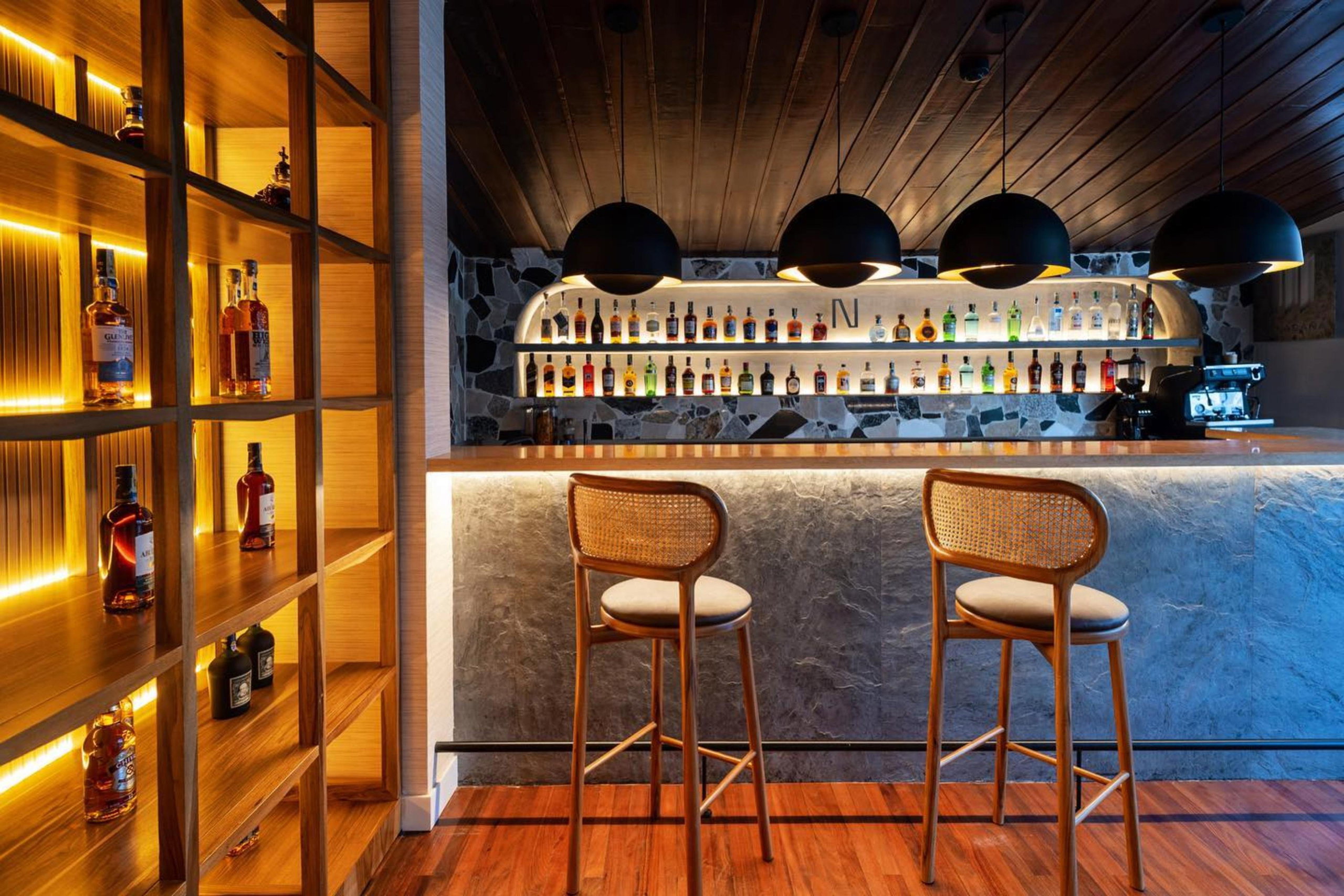
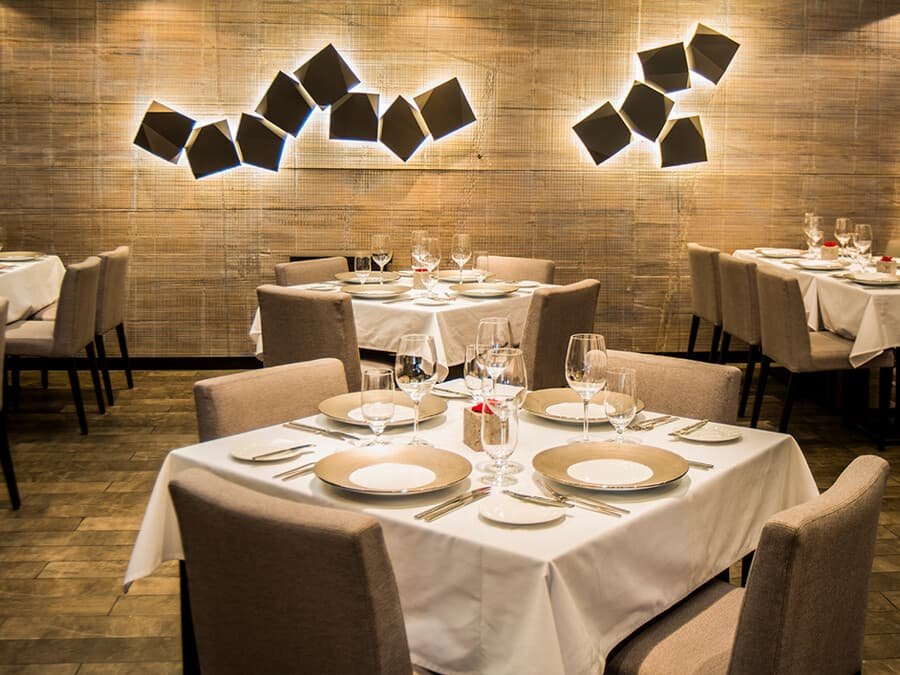
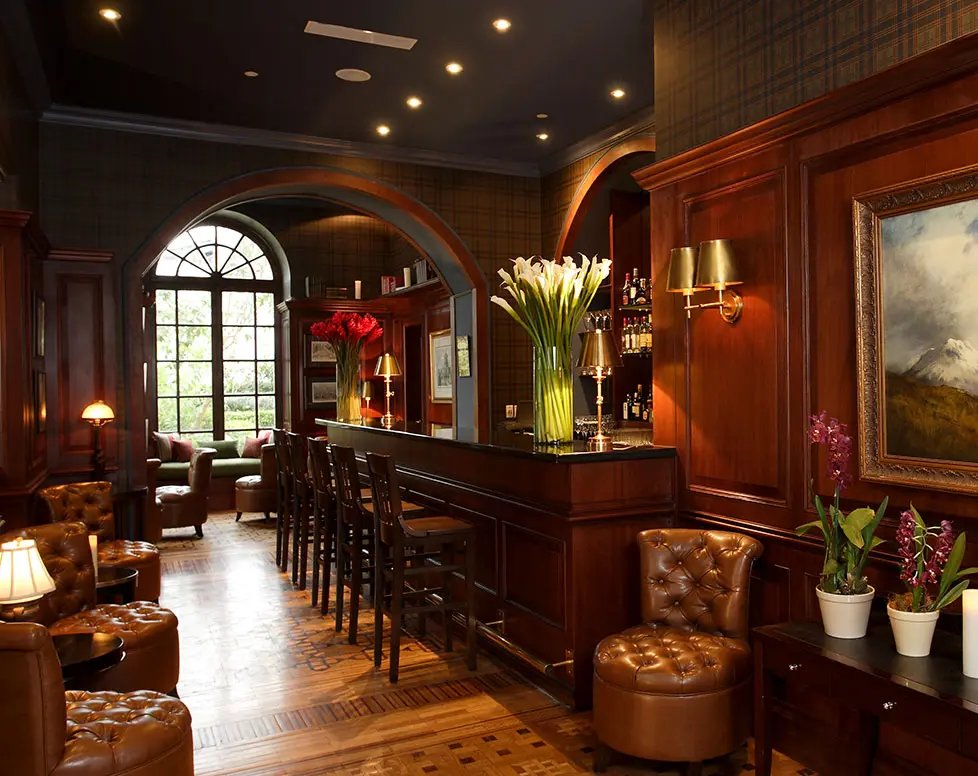
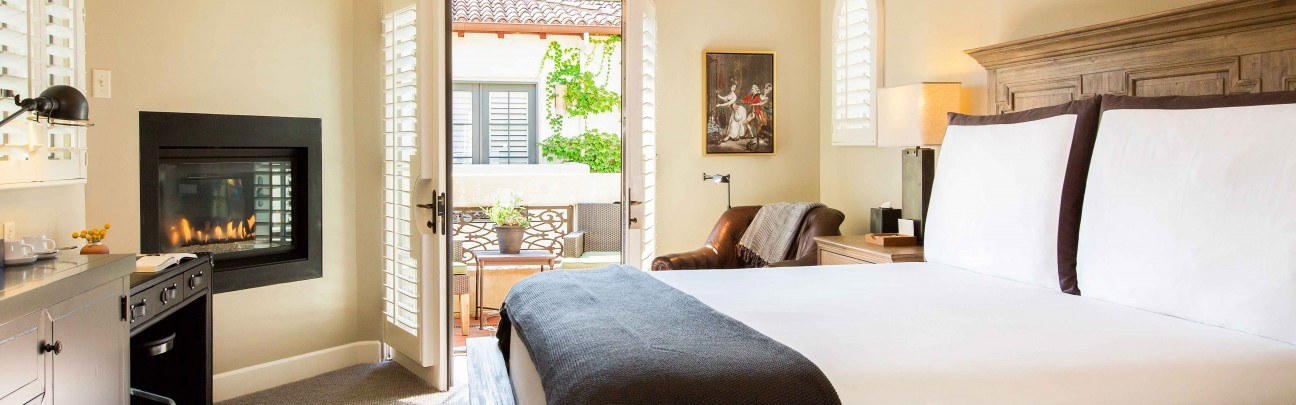
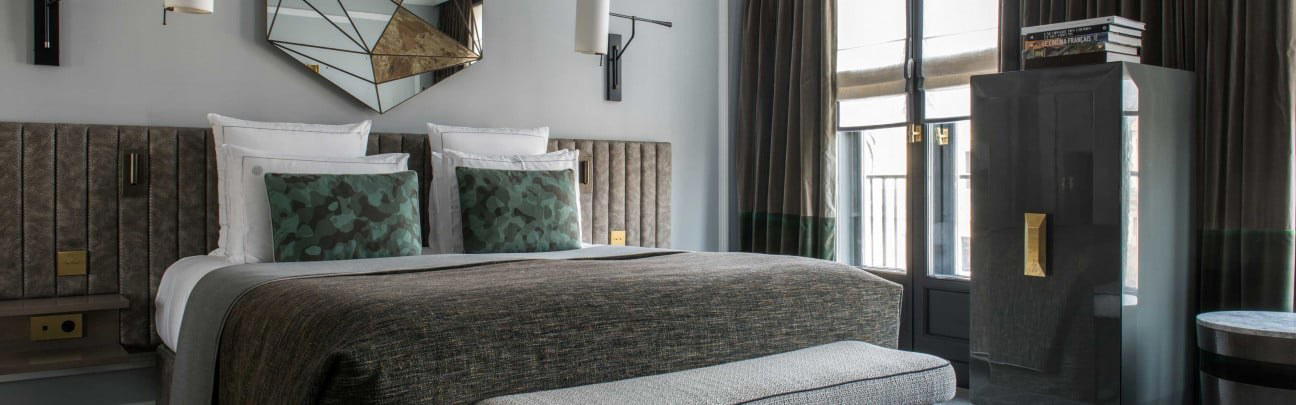
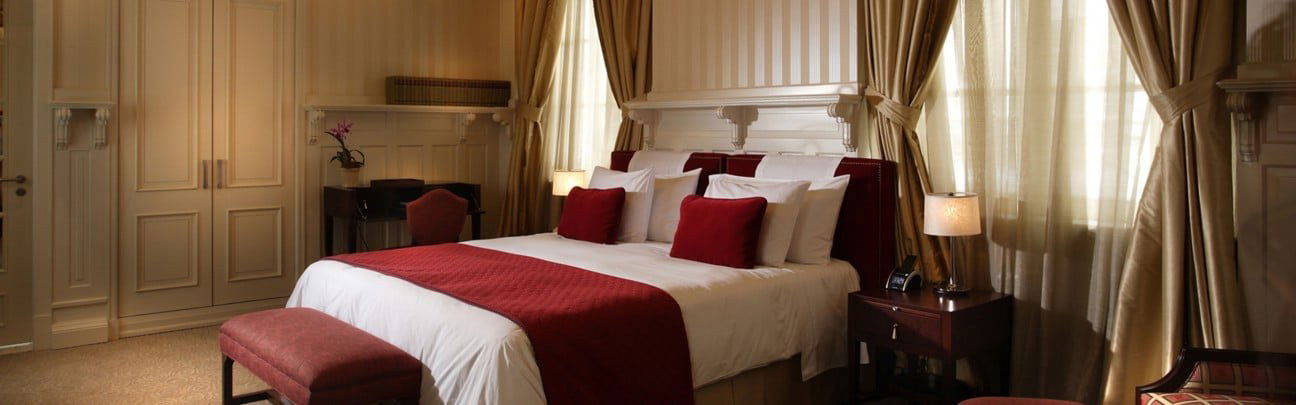
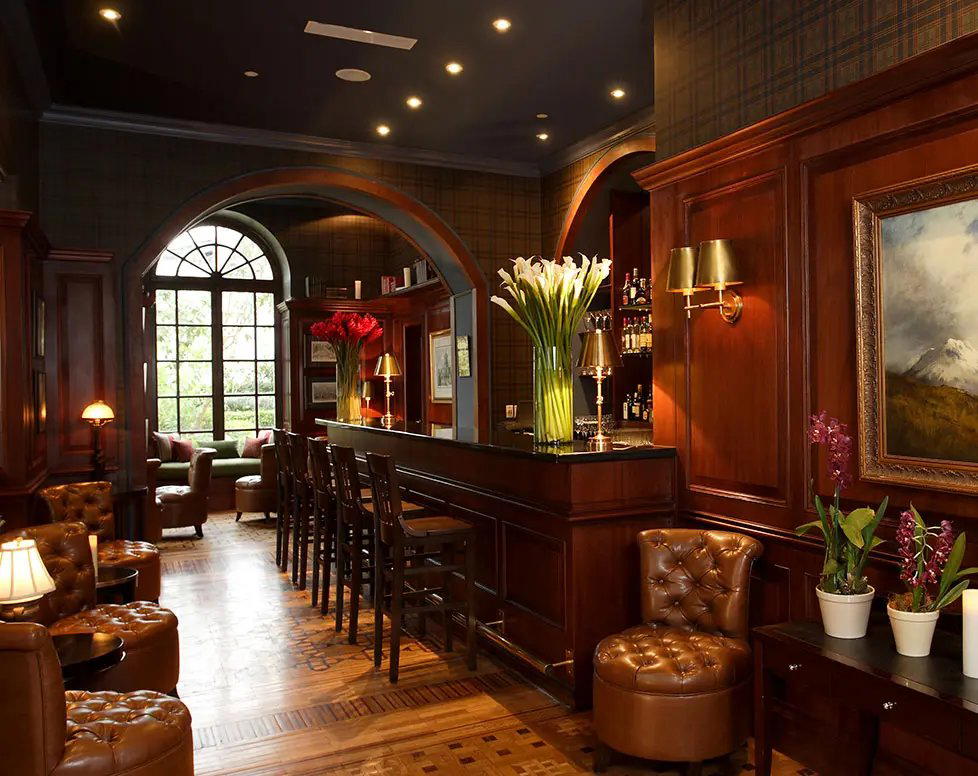
Elegant residential atmosphere with high ceilings, Art Deco furniture, natural light-filled spaces, lush gardens, and cozy retro bar.
Tags
Vibe
Best For
Experience
Amenities
View
Accessibility
About the Stay
- Rooms
- 27
- Check-in
- 14:00
- Check-out
- 12:00
- Property Style
- Restored Historic Mansion Blending Art Nouveau and Contemporary Design
- Design Style
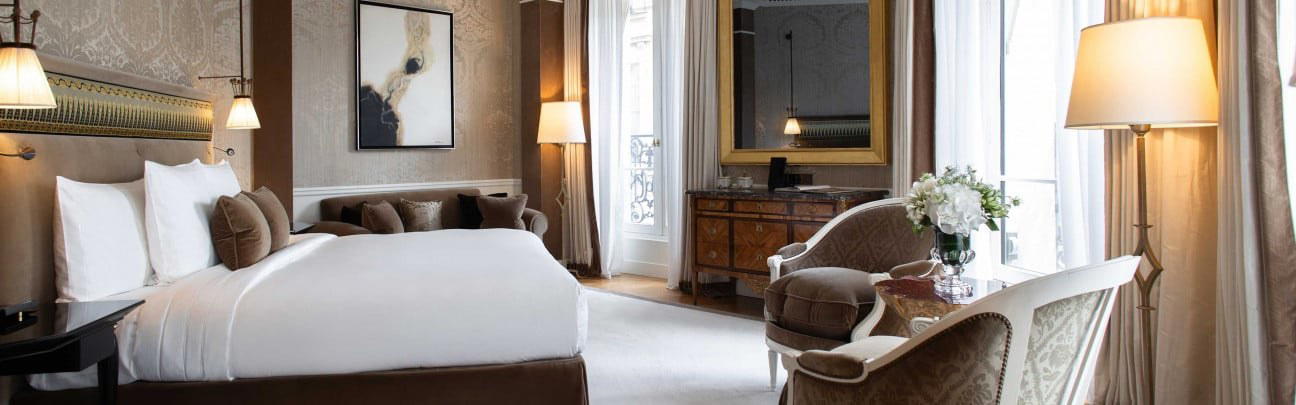
- Art Deco with Neoclassical Elements, High Ceilings, and Museum Quality Murals
Know before you go
Know Before You Go
- Getting there
- Bolívar, Cuenca, Quito 170401
Planning details
Location
Recognition and awards


Also consider
Where to look if Casa Gangotena is full
Try Illa Experience Hotel first if the priority is staying in Quito's historic core with a more experience-led boutique feel. Choose Casa El Edén if a quieter, smaller property is more appealing than a larger luxury signal.
Hotel context
How Casa Gangotena compares in Quito
Casa Gangotena is the splurge choice in this Quito set: stronger for service confidence, formal luxury signals, and a historic-center stay where the hotel itself carries weight. Carlota and Carlota Sustainable Design Hotel are better for travelers who want a more design-forward, lower-friction boutique choice and do not need the same level of luxury validation.
Illa Experience Hotel is the closest alternative for guests who want an old-town stay with a stronger experiential feel. Hotel Casa Gardenia and Casa El Edén are the value-minded cross-shops: smaller, more intimate, and likely easier to justify if the room is mainly a base for exploring Quito.
Book Casa Gangotena when the trip needs polish and predictability. Choose Illa Experience Hotel for a more activity-driven boutique stay, Carlota for modern design, and Hotel Casa Gardenia or Casa El Edén when budget discipline matters more than full-service luxury cues.
Explore Quito
Around this place
Discover more on Pearl
Unlock the full Casa Gangotena guide in Pearl, including awards, comparisons, FAQs, planning details, and nearby places.
Compare Casa Gangotena
| Venue | Location | Awards |
|---|---|---|
| Casa Gangotena | Quito | 2026 Virtuoso Luxury Hotel Collection2026 Mr & Mrs Smith Luxury Hotels2026 Relais Chateaux HotelsMichelin 1 Key 20252025 Relais Chateaux Award2025 Michelin 1 Key |
| Carlota | Quito | No published awards |
| Carlota Sustainable Design Hotel | Quito | No published awards |
| Illa Experience Hotel | Quito | No published awards |
| Hotel Casa Gardenia | Quito | No published awards |
| Casa El Edén | Quito | No published awards |
How Casa Gangotena Quito compares with similar nearby venues.
FAQ
Frequently Asked Questions
How is the pool and spa at Casa Gangotena?
How does Casa Gangotena compare to other hotels?
Casa Gangotena is the stronger pick if confirmed recognition is central to your decision, with Michelin 1 Key (2025), Relais Chateaux Award (2026), Virtuoso Luxury Hotel Partner (2026), and Mr & Mrs Smith Seal of Approval (2026). Travelers can also compare Carlota, Carlota Sustainable Design Hotel, Illa Experience Hotel, Hotel Casa Gardenia, and Casa El Edén for other Quito stay options.
Which room category is best at Casa Gangotena?
Room categories, views, layouts, and noise considerations are not specified here. Choose based on the hotel's current room descriptions and confirm the details directly before booking.
How is the location of Casa Gangotena?
Casa Gangotena is in Quito. Confirm the exact location through official hotel channels before traveling.
When is the best time to book Casa Gangotena?
Booking difficulty or seasonal demand patterns are not specified here. If your dates are fixed, it is sensible to check availability early and compare with other Quito options such as Carlota or Illa Experience Hotel.
Do loyalty programs work at Casa Gangotena?
Virtuoso Luxury Hotel Partner (2026) is among Casa Gangotena's recognized credentials. If loyalty benefits or booking-channel perks matter, confirm the current terms directly before you commit.