

Titilaka
Titilaka Peninsula, Puno
Hotel in Puno, Peru
 Book with Pearl
The Read
Lakeshore Immersion Lodge
Why go
Titilaka is worth considering when the Lake Titicaca setting is the reason for the trip and dining needs to be convenient, polished, and part of the hotel rhythm. It is less compelling as a restaurant-led detour, but strong for celebrations where privacy, setting, and low-friction meals matter.
About Titilaka
Titilaka in Puno is a smart-casual choice with notable recognition, including Virtuoso Luxury Hotel Partner (2026) and Mr & Mrs Smith Seal of Approval (2026). Before booking, confirm any cuisine, signature dishes, chefs, prices, room categories, amenities, hours, or service format directly with the venue.
Rather than approaching Titilaka as a restaurant-only decision, it works best as a Puno hotel choice with confirmed luxury-hotel credentials. Confirm any meal, room, transport, or experience details with the property.
Book for credentials, not for unconfirmed specifics
Titilaka is in Puno. The dress code is smart casual, which is useful for packing and planning. For broader trip planning, compare basics across Puno options before locking the route.
Recognition from Virtuoso and Mr & Mrs Smith gives this a useful quality signal for luxury-hotel buyers, especially when public dining and amenity detail is thin. The practical verdict: choose it if those credentials and a Puno stay fit the trip. Skip it if the decision depends on a specific chef, cuisine, tasting-menu format, room type, spa facility, or exact dining schedule.
Who should cross-shop before committing
If this is part of a wider itinerary, compare Titilaka with Tinajani, Casa Andina Premium Arequipa, Cirqa, Atix Hotel, or Met Hotel La Paz as broader trip alternatives. These comparisons are useful when deciding whether the trip should center on Puno or whether another city or style of stay is a better fit.
Planning details
- Location
- Tililaca, 37X7+5F Plateria s/n, Puno
- Website
- titilaka.pe
- Phone
- +51 1 7005111
The take
The Take
The Vibe
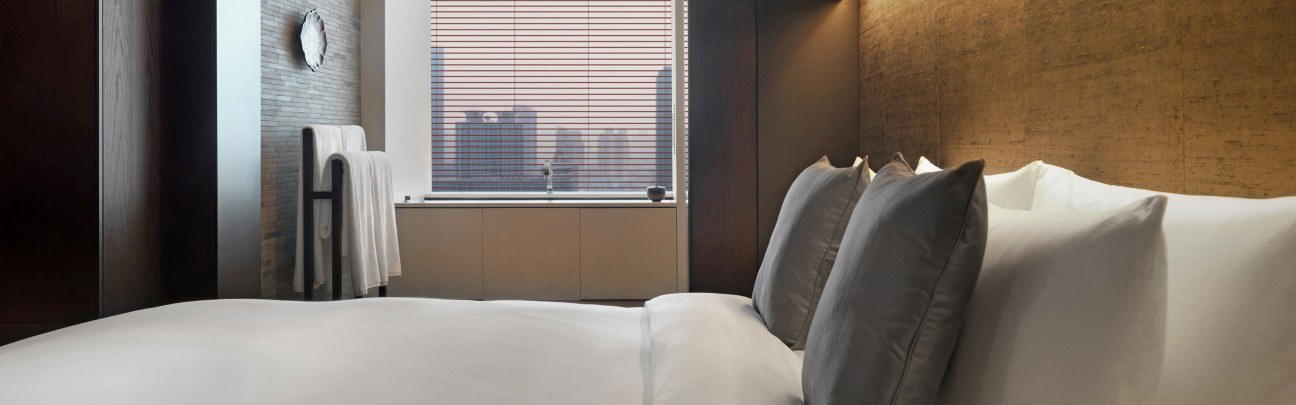
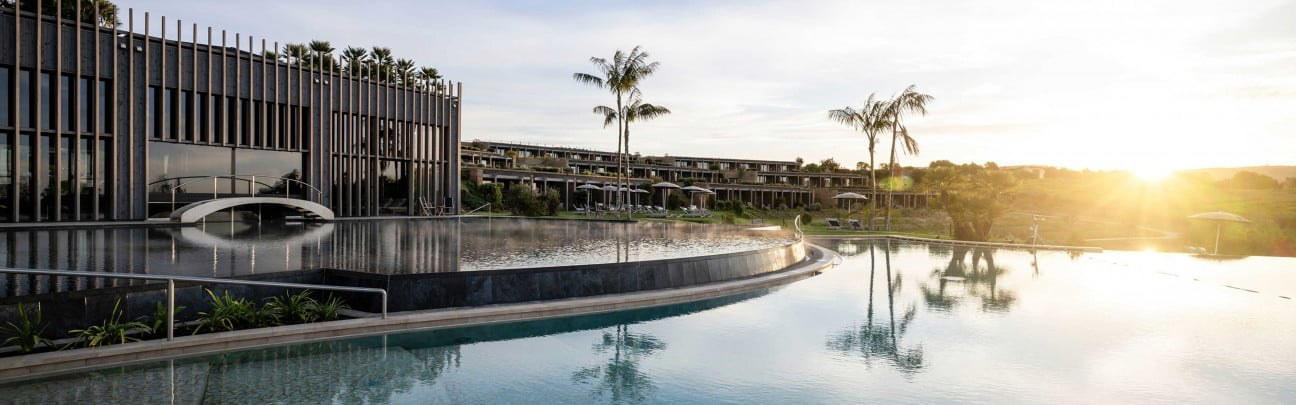
Titilaka presents a quietly modern, minimalist refuge that deliberately frames the lake and mountains rather than competing with them. The three‑storey geometric form reads as an instrument for viewing: picture windows orient every room to islands and the east‑to‑west sweep of Lake Titicaca. Interiors favor earthy, warm stone tones and muted textiles, pairing restraint with comfort—heated floors are a practical touch that keeps the spare palette from feeling austere. The result is serene and warm rather than ornate: an architecture of elevation that emphasizes light, line and the immensity of the surrounding landscape.
Best For
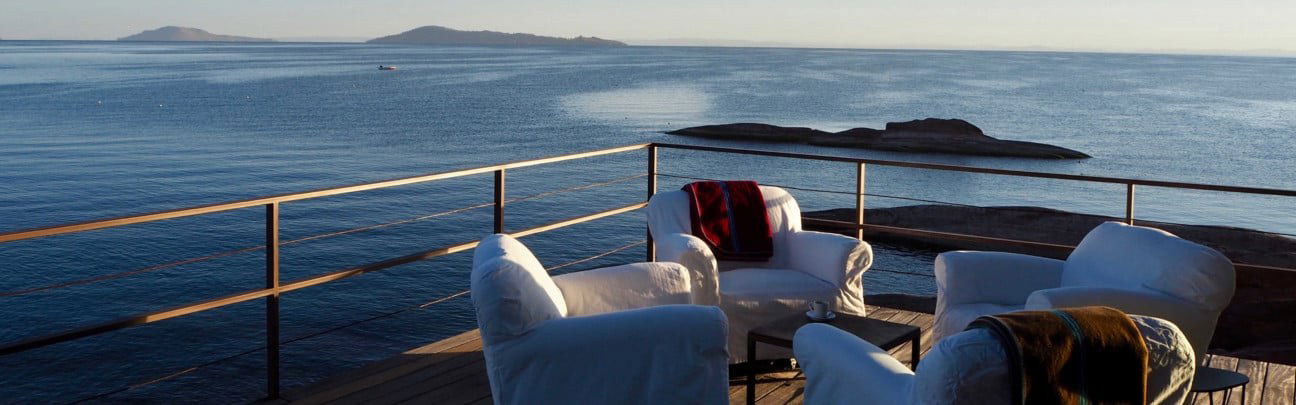
This property suits couples and itineraries that prioritize landscape and solitude—honeymooners and those on a romantic getaway will find the uninterrupted lake views and clear starlit nights especially compelling. The lodge’s contemplative design and remote peninsula setting also make it a natural choice for travelers seeking restorative quiet, aligning with wellness‑focused stays. At high altitude and with an emphasis on viewing the sky and water, Titilaka appeals to guests who value design that serves the landscape: photographers, stargazers and anyone after a calm, scenically driven escape.
Stay Tips
Plan logistics around the setting: the lodge is accessed by private speedboat and sits at 3,812 metres, so account for travel time and altitude acclimatization. All 18 rooms face the lake through picture windows, so room selection is less about view and more about floor preference; note that heated floors and blackout curtains are part of the comfort strategy. Pack warm layers for sharp afternoons and luminous dawns, and bring binoculars or a camera for island views and exceptional stargazing when the Milky Way reflects on the lake’s surface.
Venue details
Ambiance
Serene and calming with real candles lit at night, relaxing music, panoramic lake views from every angle, and a peaceful tranquil atmosphere ideal for relaxation.
Tags
Vibe
Best For
Experience
Amenities
View
About the Stay
- Rooms
- 18
- Property Style
- Contemporary Luxury All Inclusive Lakeside Retreat
- Design Style
- Modern with Peruvian Accents, Heated Floors, Spa Bathrooms
Know before you go
Know Before You Go
- Getting there
- Tililaca, 37X7+5F Plateria s/n, Puno
Planning details
Location
Recognition and awards

Also consider
Also Consider
- Tinajani, Notable alternative
- Atix Hotel, Notable alternative
- Met Hotel La Paz, Notable alternative
- Casa Andina Premium Arequipa, Notable alternative
- Cirqa, Notable alternative
Hotel context
Compared with Tinajani, Titilaka is the stronger call for travelers who want Lake Titicaca itself to anchor the stay. Tinajani is the better cross-shop if the priority is a high-altitude escape away from Puno's lakefront circuit rather than a water-focused hotel experience.
Atix Hotel and Met Hotel La Paz make more sense for guests who want a city base, easier movement between restaurants, and a less remote feel. Titilaka is better for a special occasion where the hotel setting does more of the work and booking friction is not the main concern.
For an Arequipa extension, Casa Andina Premium Arequipa is the safer value play if access to the city matters, while Cirqa is the sharper pick for atmosphere in a historic urban setting. Choose Titilaka over both only when the lake location is non-negotiable.
Explore Puno
Around this place
Discover more on Pearl
Unlock the full Titilaka guide in Pearl, including awards, comparisons, FAQs, planning details, and nearby places.
Compare Titilaka
| Venue | Location | Awards |
|---|---|---|
| Titilaka | Puno | 2026 Virtuoso Luxury Hotel Collection2026 Mr & Mrs Smith Luxury Hotels2026 Michelin 2 KeysMichelin 2 Keys 20252025 Michelin 2 Keys |
| Tinajani | Canon De Tinajani | 2026 Conde Nast Traveler Hot List Hotels2026 Travel + Leisure It List HotelsTown & Country Hotel Awards 2026 |
| Atix Hotel | La Paz | No published awards |
| Met Hotel La Paz | La Paz | No published awards |
| Casa Andina Premium Arequipa | Arequipa | No published awards |
| Cirqa | Arequipa | No published awards |




How Titilaka Puno compares with similar nearby venues.
FAQ
Frequently Asked Questions
How is the pool and spa at Titilaka?
Pool and spa details should be confirmed directly with Titilaka. The confirmed information is that Titilaka is in Puno, has a smart-casual dress code, and is recognized as a 2026 Virtuoso Luxury Hotel Partner and a 2026 Mr & Mrs Smith Seal of Approval property.
What is check-in like at Titilaka?
Which room category is best at Titilaka?
Choose only after confirming the current room types, views, inclusions, and cancellation terms directly with Titilaka.
Is Titilaka family-friendly?
Do loyalty programs work at Titilaka?
The confirmed credentials are 2026 Virtuoso Luxury Hotel Partner status and the 2026 Mr & Mrs Smith Seal of Approval.
How is the location of Titilaka?
Titilaka is in Puno. If you are comparing different trip styles, consider Atix Hotel, Met Hotel La Paz, Casa Andina Premium Arequipa, Cirqa, or Tinajani as broader alternatives.