
Château la Commaraine
Pommard
Hotel in Pommard, France
 Book with Pearl
The Read
Burgundian Stone Hospitality
Why go
Château la Commaraine is the polished Pommard pick for wine-country travelers who want the hotel to feel like part of the Burgundy trip, not just a place to sleep. Book it for village setting and occasion; cross-shop Hôtel Le Cep & Spa Marie De Bourgogne or Hostellerie Cèdre & Spa if a spa-led stay matters more.
About Château la Commaraine
Château la Commaraine is a Pommard hotel and a Leading Hotels of the World member for 2025. For booking decisions, treat it as a premium Pommard stay and check room, dining, wellness, and service details directly before reserving.
A Pommard address
Château la Commaraine is in Pommard, making it relevant for travelers who specifically want to base their stay there. Before booking, check practical details such as the exact address, room type, restaurant format, spa facilities, and on-property experience.
The dress code is smart casual. Travelers should also check the details that matter for their trip at the time of booking, especially if they are comparing room categories, dining plans, wellness expectations, accessibility needs, or family arrangements.
Set expectations before comparing nearby premium stays
Its 2025 Leading Hotels of the World membership is the clearest reason to place Château la Commaraine in a premium hotel consideration set. It is not, by itself, a guarantee of any specific amenity, restaurant style, spa offering, or service format, so those details should be checked directly with the hotel.
If wellness, dining, or a particular hotel style is central to the trip, compare the current published details for Hôtel Le Cep & Spa Marie De Bourgogne and Hostellerie Cèdre & Spa before committing. For a broader scan of local dining, use our full Pommard restaurants guide, then pair the hotel choice with the tables that match the trip.
Who should book, and who should cross-shop
Choose Château la Commaraine when the priority is a premium stay in Pommard and the Leading Hotels of the World membership is a meaningful signal for the trip. Consider Le Clos du Colombier, Le Clos Sainte-Marguerite, or Maison 1896 if you are comparing other Burgundy stays and want to weigh the current published details side by side.
The decision should be driven by current information rather than assumptions. Check the hotel directly for availability, room descriptions, dining details, policies, and any services that are essential to the stay.
Planning details
- Location
- 24 Grande Rue, 21630 Pommard
- Website
- chateaulacommaraine.com/fr
- Phone
- +33 3 75 83 43 34
The take
The Take
The Vibe
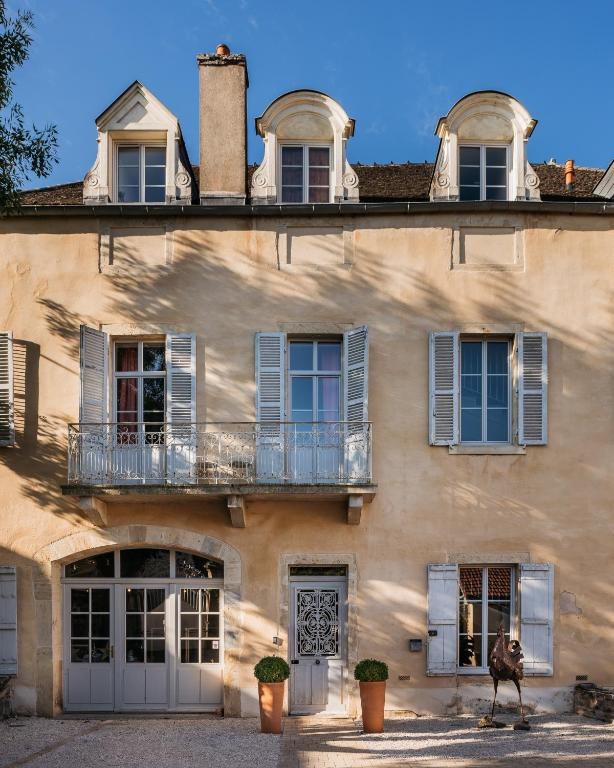
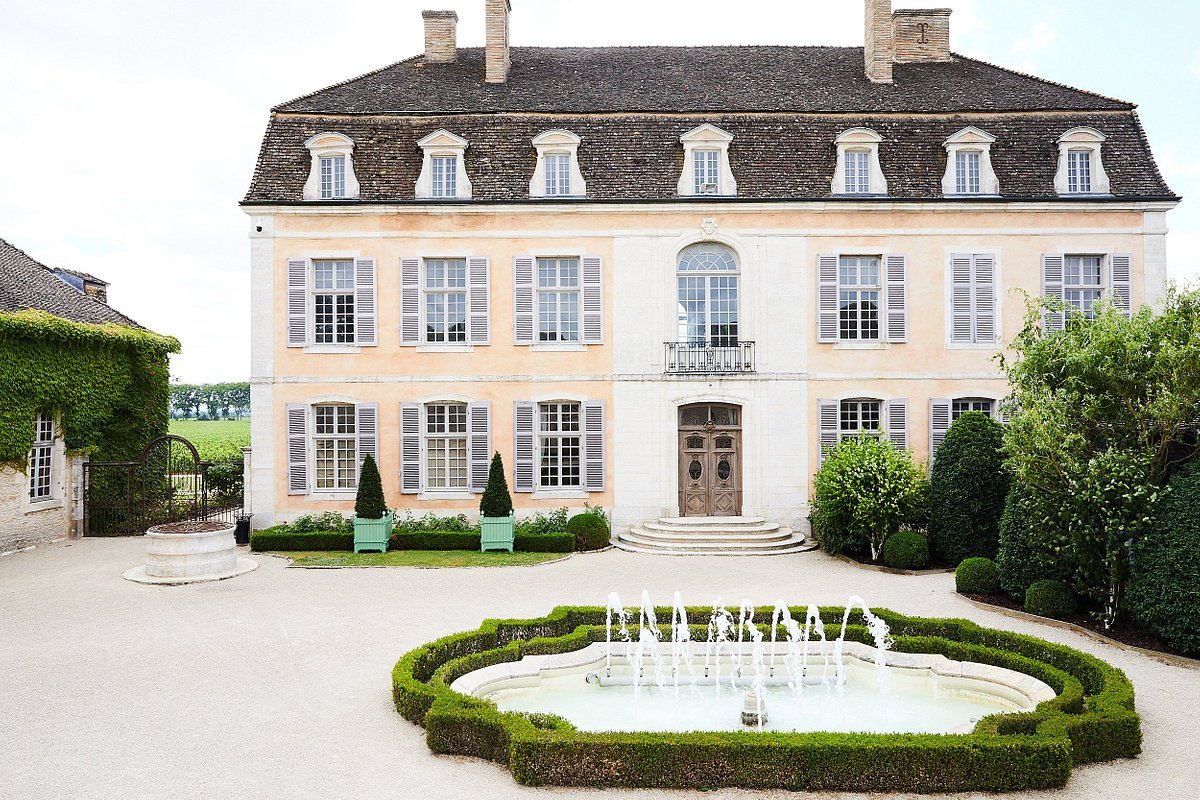
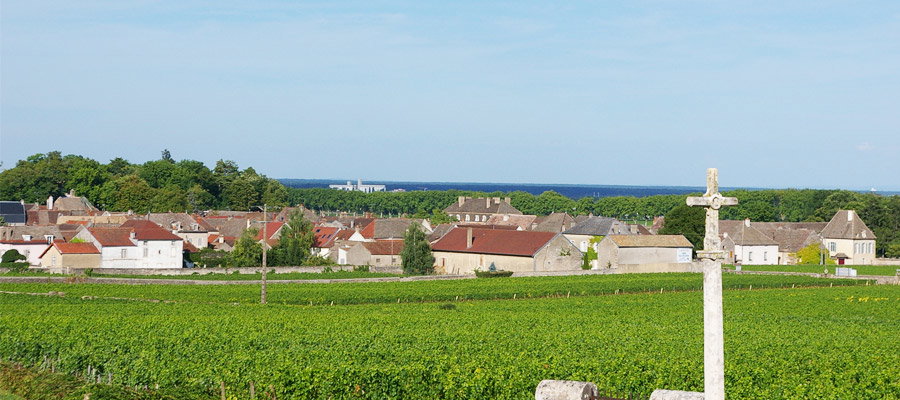
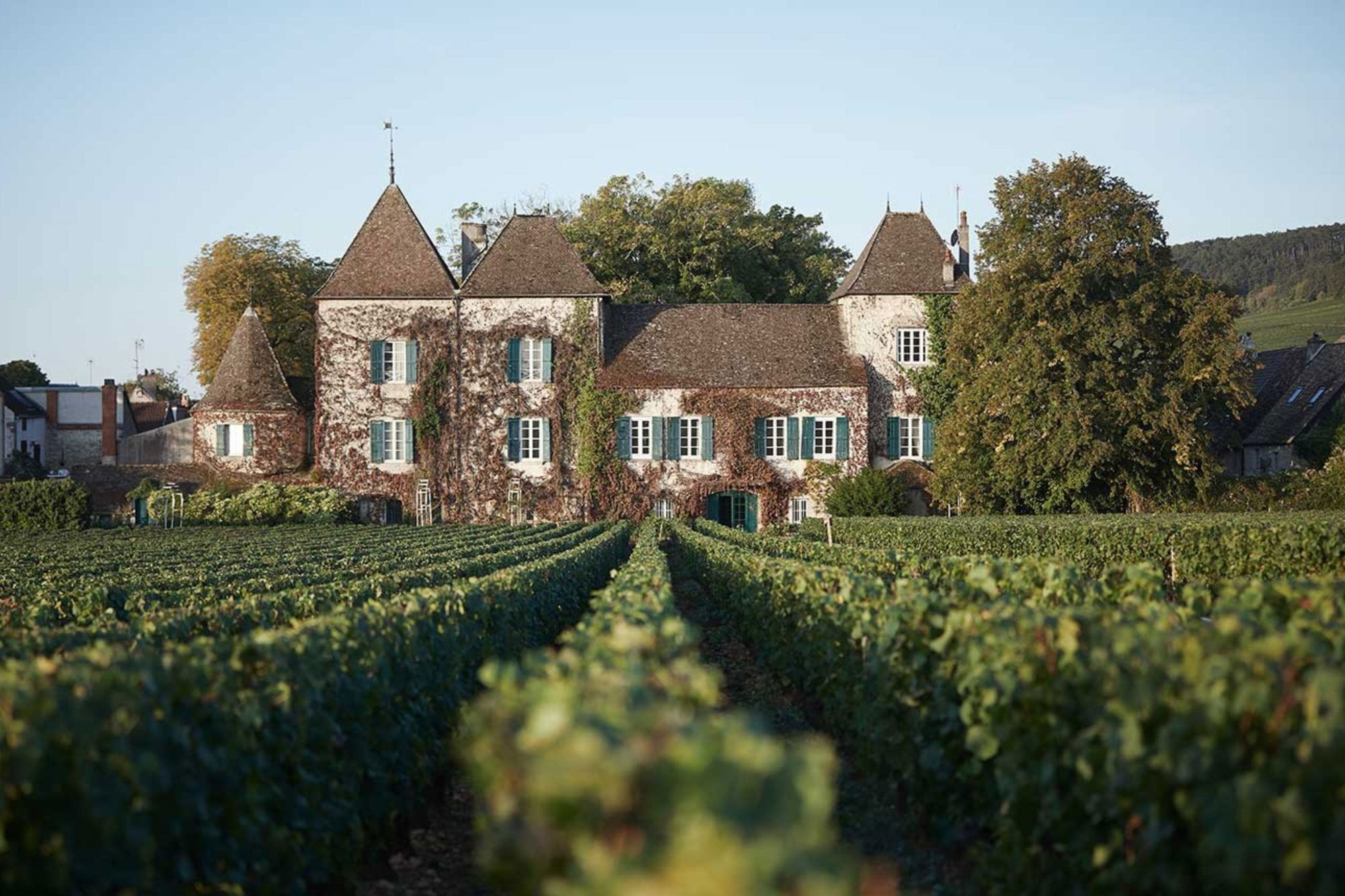
Château la Commaraine reads as a quietly authoritative Burgundian estate: stone facades, limestone walls and measured proportions that reveal age rather than ornament. The property sits architecturally adjacent to the famous premiers crus of Pommard, so the immediate impression is of a place rooted in working viticulture rather than theatrical hospitality. That restraint produces a serene, historically grounded atmosphere — a retreat for guests who prefer the composed dignity of an old domaine to flashier, destination-style spectacle. The overall effect is calm, considered and intimately tied to the land and its seasons.
Best For
This property is best for travelers who want to center their stay on Burgundy’s vineyards and history: wine-minded couples, small groups on a tasting-focused itinerary and anyone seeking a quiet, romantic escape. Because the estate is integrated with the appellation, it suits guests who prioritize walking the vines, learning about local cuveries and exploring cellars rather than a hotel that functions as a standalone leisure resort. It’s especially fitting for anniversaries, honeymoons and weekend escapes where proximity to premier cru sites is the main draw.
Stay Tips
When planning a visit, prioritize arrangements that put the vines at the heart of the stay: ask the property about guided walks of the adjacent premiers crus and whether tastings are offered on-site so you can "taste in context." Request information about cellar visits or any cuverie access, and schedule these experiences in advance during harvest or tasting seasons. Pack sturdy shoes for vineyard paths and expect a calm pace — this is a stay organized around the working logic of a domaine, not a bustling resort schedule. Confirm availability before arrival to ensure the most immersive wine-focused options.
Venue details
Ambiance
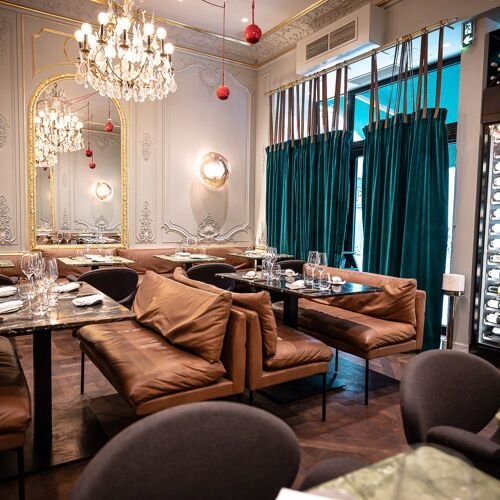
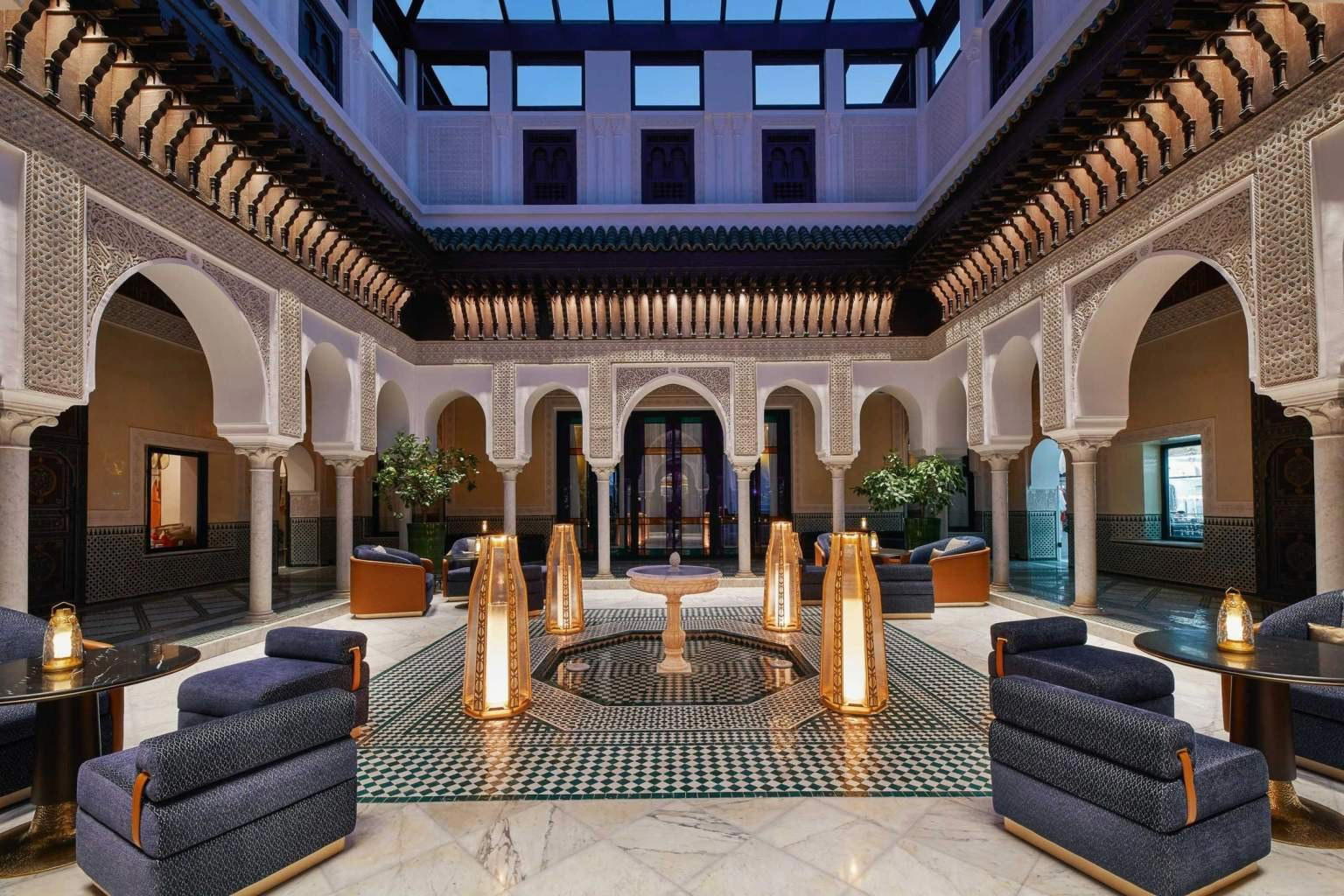
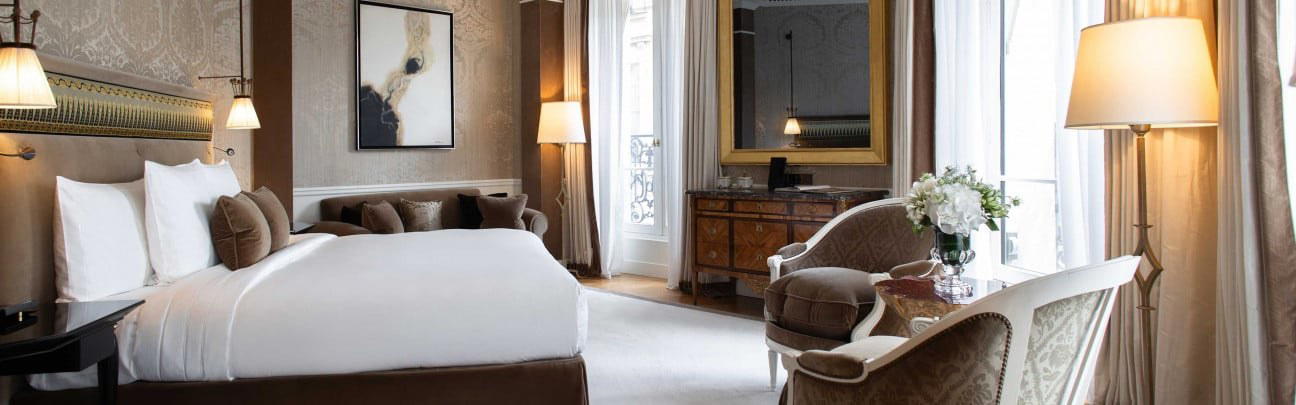
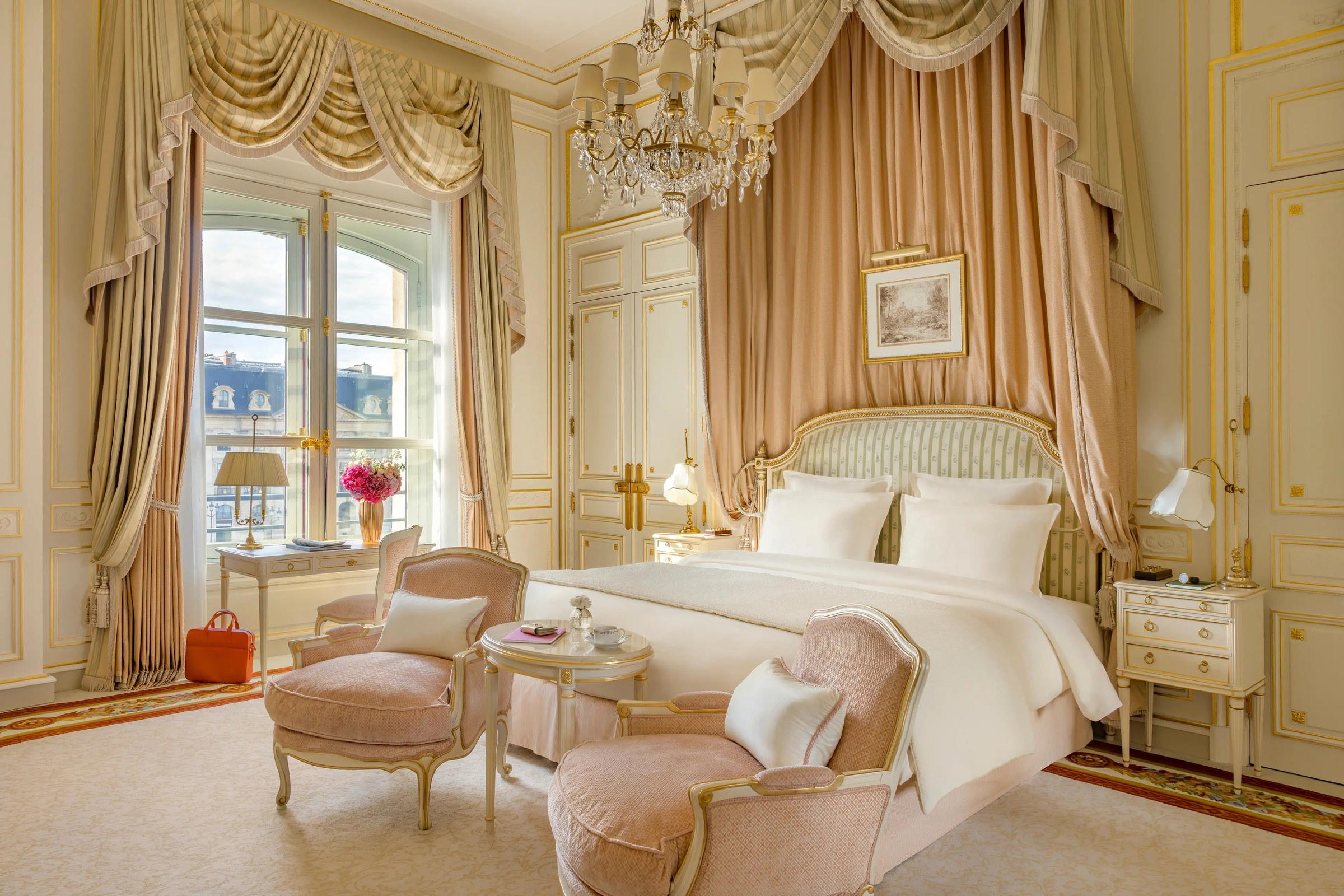
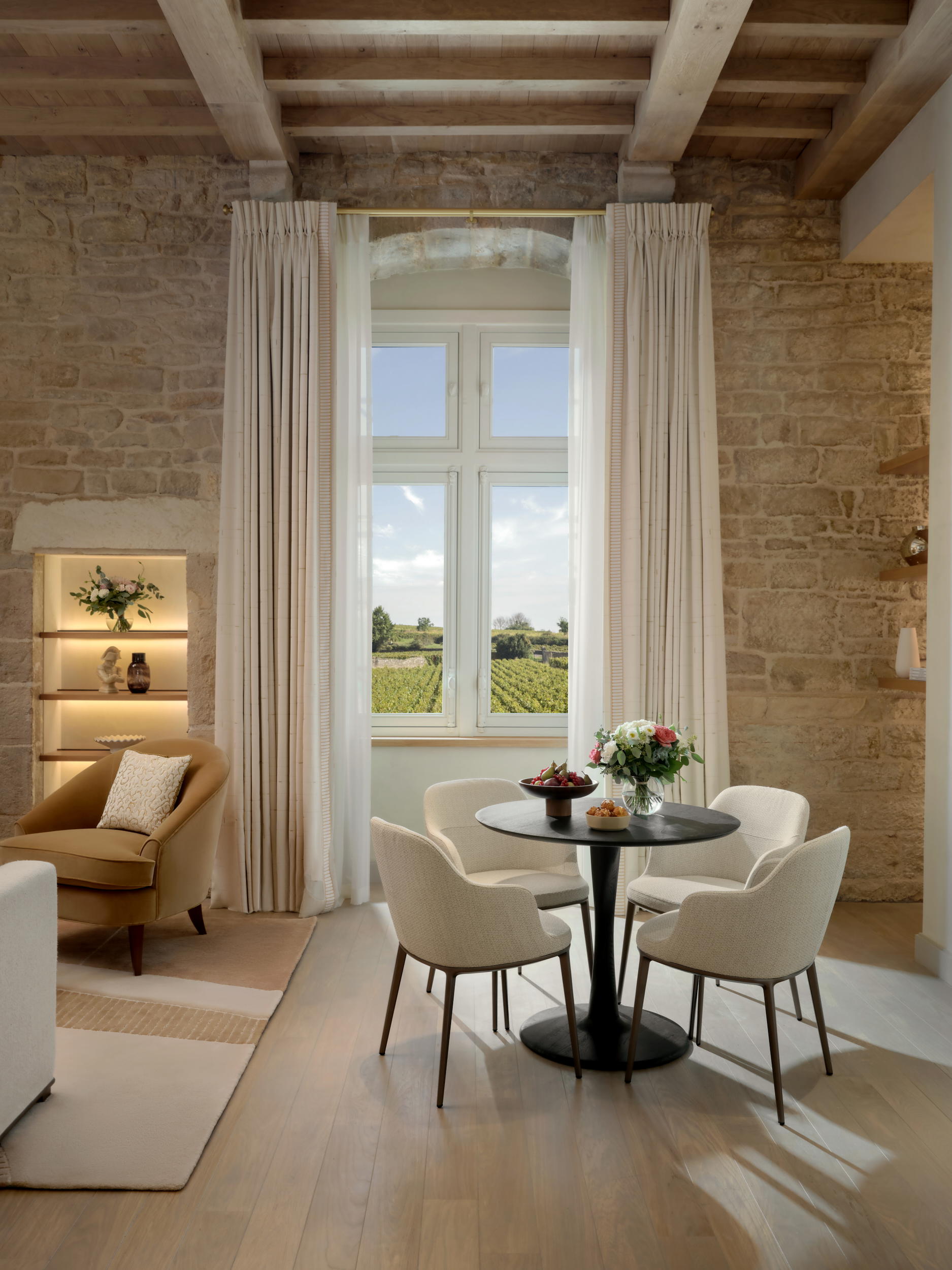
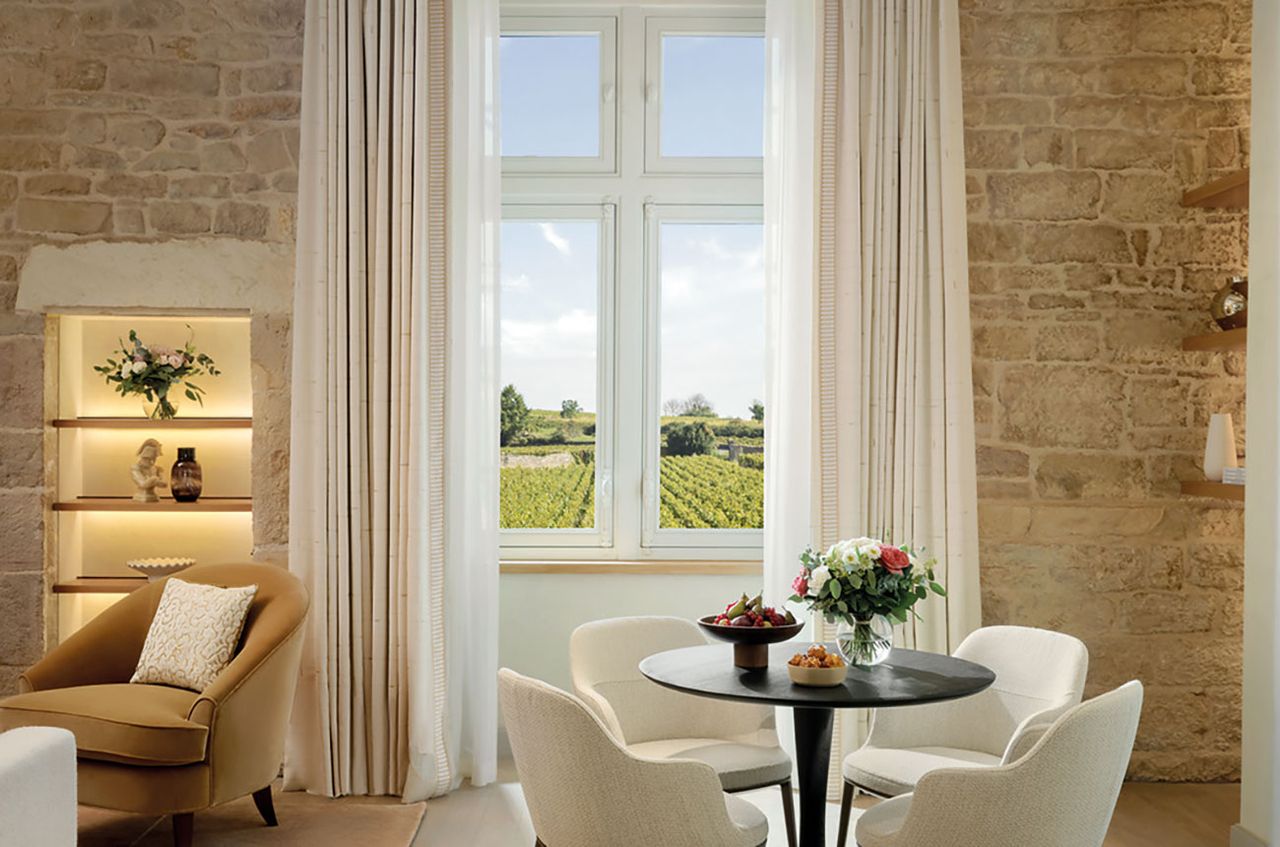
Elegant blend of historic Burgundian stonework, wood paneling in light blond tones with rose gold and sky blue accents, creating a sophisticated and immersive wine country atmosphere.
Tags
Vibe
Best For
Experience
Amenities
View
Accessibility
About the Stay
- Rooms
- 37
- Property Style
- Historic Château Blending Burgundian Heritage with Contemporary Luxury
- Design Style
- Elegant Contemporary Interiors with Wood Paneling, Light Blond Tones, Rose Gold, and Sky Blue Accents
Know before you go
Know Before You Go
- Getting there
- 24 Grande Rue, 21630 Pommard
Planning details
Location
Recognition and awards

Also consider
Also Consider
- Le Clos du Colombier, Notable alternative
- Hôtel Le Cep & Spa Marie De Bourgogne, Notable alternative
- Maison 1896, Notable alternative
- Hostellerie Cèdre & Spa, Notable alternative
- Le Clos Sainte-Marguerite, Notable alternative
Hotel context
How Château la Commaraine compares in Pommard and nearby Burgundy
Château la Commaraine is the more occasion-led choice in this set, helped by its Pommard address and Leading Hotels of the World membership. Le Clos du Colombier is the closer cross-shop for travelers who want to stay in Pommard but prefer a more intimate, village-scale hotel. If the budget decision comes down to atmosphere, choose Château la Commaraine for polish and Le Clos du Colombier for a quieter local feel.
For wellness, the comparison shifts. Hôtel Le Cep & Spa Marie De Bourgogne and Hostellerie Cèdre & Spa are more direct picks when spa time is central to the trip, because that amenity is part of their positioning. Château la Commaraine makes more sense when the wine-country address and hotel character matter more than choosing around a spa name.
Maison 1896 and Le Clos Sainte-Marguerite are better cross-shops for travelers who want Burgundy charm on a smaller scale. Booking difficulty is listed as easy for Château la Commaraine, so the decision is less about access and more about fit: splurge here for a composed Pommard base, or choose one of the smaller peers if the trip calls for lower-key ambience.
Explore Pommard
Around this place
Discover more on Pearl
Unlock the full Château la Commaraine guide in Pearl, including awards, comparisons, FAQs, planning details, and nearby places.
Compare Château la Commaraine
| Venue | Location | Awards |
|---|---|---|
| Château la Commaraine | Pommard | Leading Hotels of the World 2026 |
| Le Clos du Colombier | Pommard | No published awards |
| Hôtel Le Cep & Spa Marie De Bourgogne | Beaune | Small Luxury Hotels Member 2025 |
| Maison 1896 | Beaune | No published awards |
| Hostellerie Cèdre & Spa | Beaune | 2026 Michelin Guide New Hotels2026 Michelin 1 Key2025 Michelin Selected Hotels2025 Gault & Millau Exceptional Hotel |
| Le Clos Sainte-Marguerite | Beaune | No published awards |




How Château la Commaraine Pommard Hotel Review compares with similar nearby venues.
FAQ
Frequently Asked Questions
Is Château la Commaraine good for business travel?
Château la Commaraine is in Pommard and is a Leading Hotels of the World member for 2025. Business travelers should check meeting facilities, work amenities, and transfer details directly before booking.
How is the location of Château la Commaraine?
How is the dining at Château la Commaraine?
Do loyalty programs work at Château la Commaraine?
Château la Commaraine is a Leading Hotels of the World member for 2025. Any booking benefits, loyalty-style privileges, or program mechanics should be checked through the hotel or the relevant booking channel.
Which room category is best at Château la Commaraine?
Choose only after reviewing the hotel's current room descriptions or checking room names, sizes, views, and category details directly.