

Susafa
Polizzi Generosa
Hotel in Polizzi Generosa, Italy
 Book with Pearl
The Read
Five-Generation Agriturismo Isolation
Why go
Susafa is worth booking if the trip is built around a rural Sicilian stay rather than a restaurant-only reservation. Its Michelin 1 Key, Small Luxury Hotels of the World membership, and Mr & Mrs Smith Seal of Approval give it stronger credibility than a typical countryside hotel, but first-timers should plan around a car, advance booking, and an on-site rhythm.
About Susafa
For a first trip to Polizzi Generosa, Susafa is a recognized venue in Polizzi Generosa with a smart casual dress code. Its external recognition is the strongest reason to book, rather than focusing on cuisine, specific amenities, prices, room count, or service format.
The strongest trust signal is external recognition: Michelin awarded Susafa 1 Key in 2024, it is a Small Luxury Hotels of the World member for 2025, and it carries a Mr & Mrs Smith Seal of Approval for 2026. These distinctions make Susafa a notable option in Polizzi Generosa.
Book based on its recognition
If dining is the deciding factor, keep expectations grounded. Details regarding cuisine type, chef name, menu format, hours, or price range are not specified. Choose Susafa for its recognition and Polizzi Generosa setting, then check the venue's official channels for current dining details before relying on a meal plan.
That does not make dining irrelevant; its strengths lie more in its recognition than in specific restaurant promises. First-timers should avoid assuming a particular menu style, price point, or chef-led format from this page alone. If the trip depends on food plans, compare current information from Susafa with other dining in Polizzi Generosa before committing.
What first-timers should expect from the setting
Susafa is in Polizzi Generosa. Beyond that city-level location, specific street address, district, landmark, or access details are not provided.
Timing and logistics should be checked directly with the venue or booking platform. Seasonal advice, booking difficulty, transport needs, room types, or package details are not specified. Key details include the smart casual dress code and the recognition noted above.
For alternatives, compare Susafa with Insulae Resort, Le Calette, Le Calette N°5, Resort Fontes Episcopi, and Doric Eco Boutique Resort & Spa - Sicily. Use those comparisons to decide which property best matches the kind of stay you want, while confirming current location, facilities, pricing, and availability directly.
Planning details
- Location
- Contrada Susafa, 90028 Polizzi Generosa PA
- Website
- susafa.com
- Phone
- +39 338 960 8713
The take
The Take
The Vibe
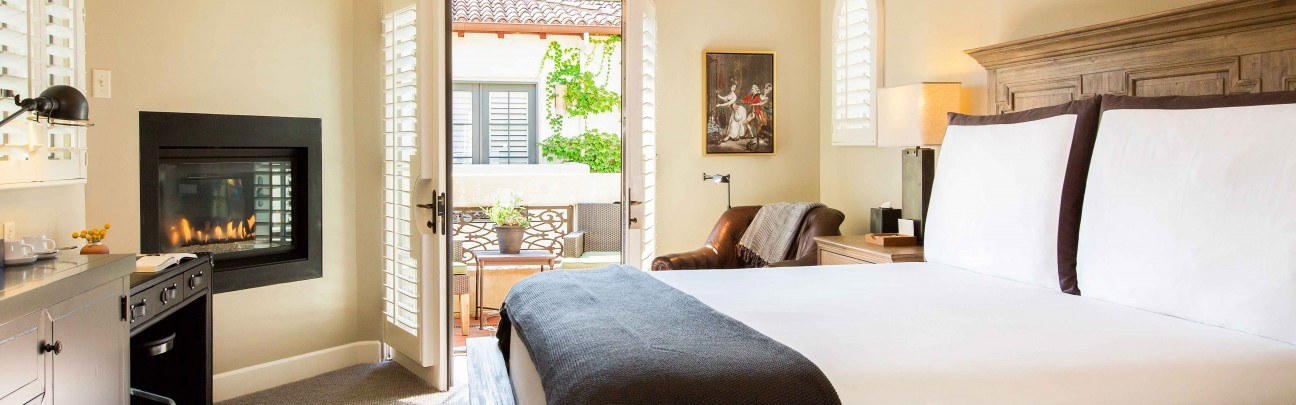
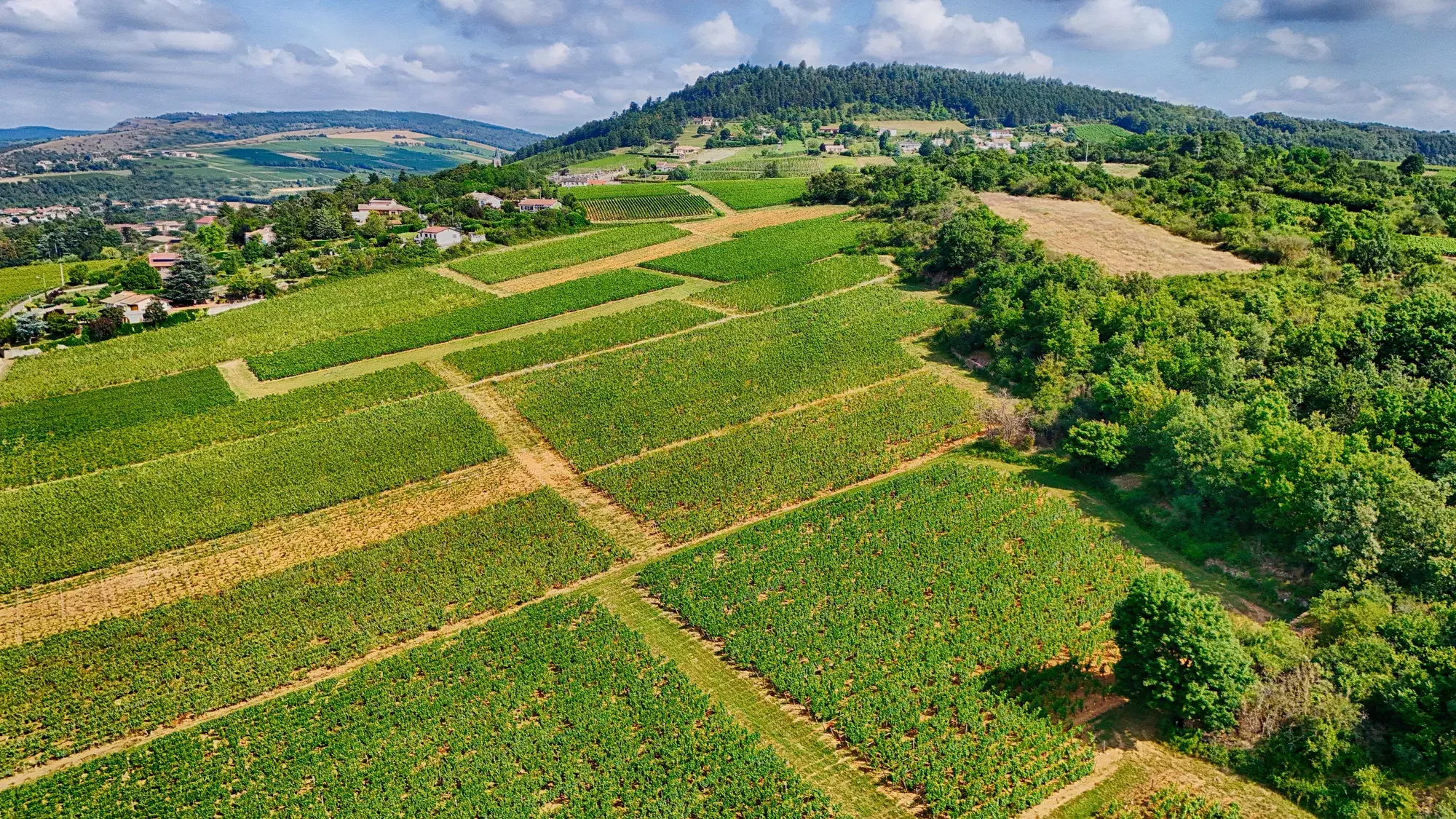
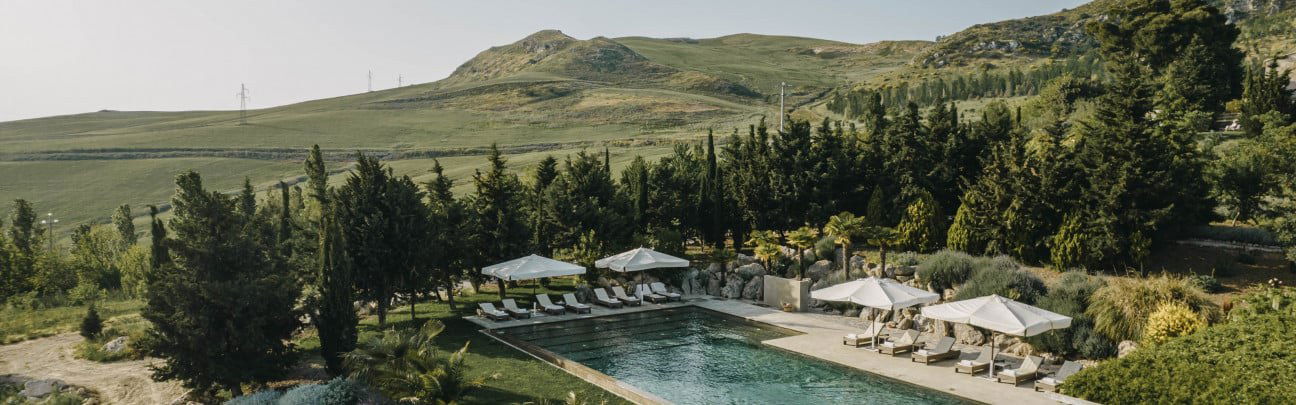
Susafa reads like a lived-in piece of Sicilian history: a 200-year-old farmhouse complex perched on a hillside of the Madonie mountains where architecture and landscape feel inseparable. The Saeli-Rizzuto family’s five-generation stewardship gives the property a continuity that resists trendy updates; original ceiling beams, antique floor tiles and worn shutters create an age-softened austerity rather than curated patina. Silence is an explicit design choice here—the pointed absence of televisions and the perfume of wild herbs mean the landscape, not distractions, sets the tone. The result is an intimate, charming and quietly sophisticated retreat for travelers who prize authenticity.
Best For
Susafa suits travelers who want to leave noise and schedules behind: couples seeking a secluded romantic getaway or honeymooners, and guests after a restorative weekend escape into the Sicilian interior. It also appeals to food-minded visitors who value measured hospitality—evidenced by the property’s Michelin Key recognition—within the context of a working agriturismo. With just 17 rooms and an emphasis on continuity and place, Susafa attracts people who appreciate slow, attentive travel and quiet mornings among rolling hills and birdsong.
Venue details
Ambiance
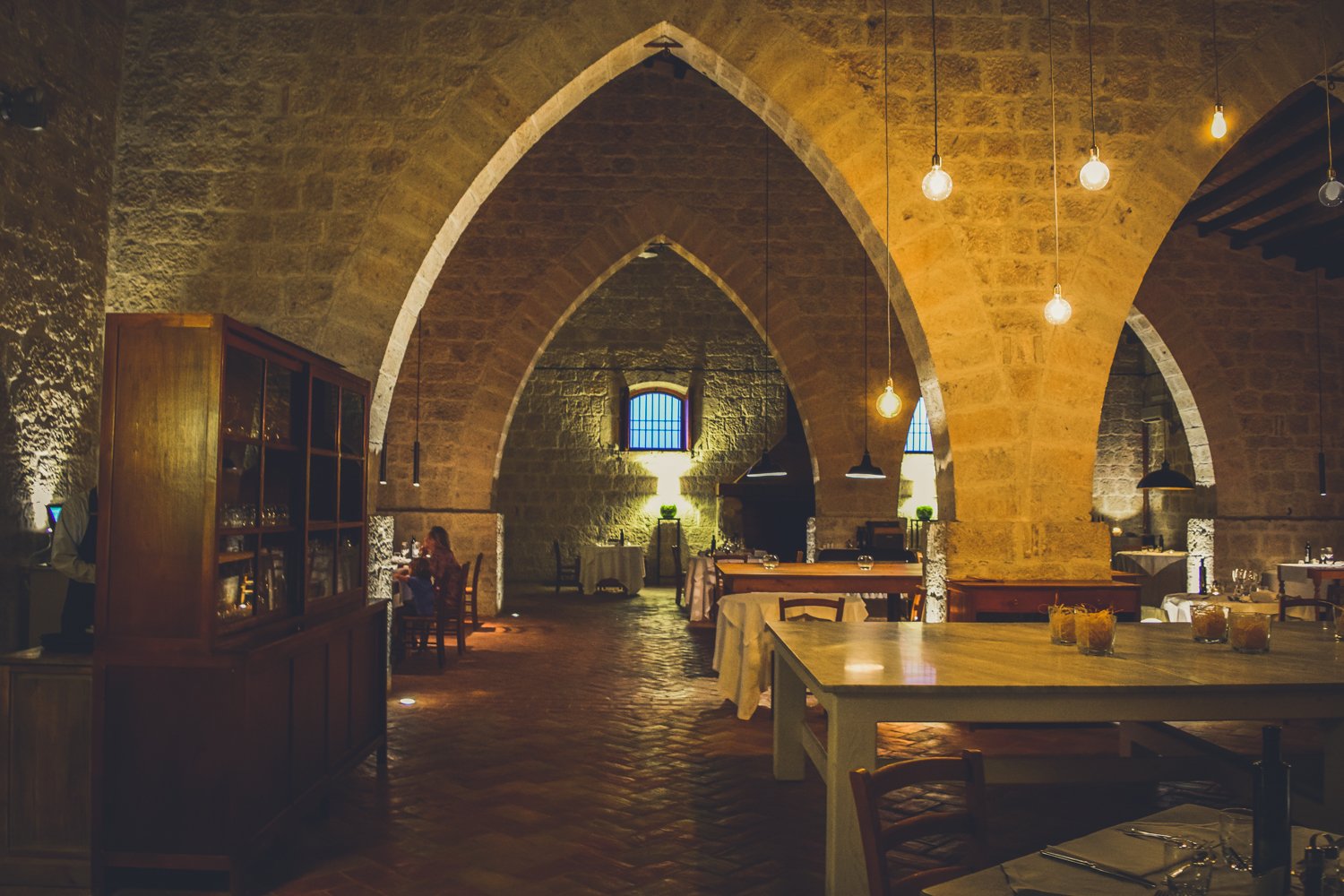
Peaceful rustic atmosphere with age-softened austerity, cozy lounge areas featuring exposed masonry, terra-cotta flooring, and a sizable fireplace, enveloped in silence and natural birdsong.
Tags
Vibe
Best For
Experience
Amenities
View
About the Stay
- Rooms
- 18
- Check-in
- 14:00
- Check-out
- 11:00
- Property Style
- Restored Historic Masseria Farmhouse Blending Traditional Sicilian Rural Life with Modern Comforts
- Design Style
- Practical Minimalism with Original Ceiling Beams, Antique Tiles, and Clean Country Luxury
Know before you go
Know Before You Go
- Getting there
- Contrada Susafa, 90028 Polizzi Generosa PA
Planning details
Location
Recognition and awards

Also consider
Where to look if Susafa is full
If the brief is still rural Sicily, check Resort Fontes Episcopi first. If the trip would work better with a stronger resort-spa angle, Doric Eco Boutique Resort & Spa - Sicily is the more natural alternative.
For travelers who decide they would rather be closer to the coast, compare Le Calette and Le Calette N°5 instead. They are better fits when the stay needs more movement beyond the hotel.
Hotel context
How It Compares
Susafa is the choice for travelers who want the hotel to define the trip: countryside, slower pacing, and less dependence on nearby restaurants or nightlife. Compared with Insulae Resort and Resort Fontes Episcopi, it has the clearest third-party luxury signals, with a Michelin 1 Key plus Small Luxury Hotels of the World membership. That makes it the stronger splurge if external recognition matters.
Le Calette and Le Calette N°5 are better cross-shops for travelers who want a coastal-feeling Sicilian stay and more movement outside the property. Susafa is less about easy roaming and more about committing to the setting. If the group wants beach energy or a livelier base, start with the Le Calette options instead.
Doric Eco Boutique Resort & Spa - Sicily is the more obvious comparison for travelers prioritizing a resort-and-spa frame. Susafa is the better fit when ambiance and rural quiet carry more weight than a facilities-led stay. Booking is marked hard, so it is not the easiest fallback; treat it as the first choice for a planned countryside occasion.
Explore Polizzi Generosa
Around this place
Discover more on Pearl
Unlock the full Susafa guide in Pearl, including awards, comparisons, FAQs, planning details, and nearby places.
Compare Susafa
| Venue | Location | Awards |
|---|---|---|
| Susafa | Polizzi Generosa | 2026 Mr & Mrs Smith Luxury HotelsMichelin 1 Key 20252025 Michelin 1 KeySmall Luxury Hotels Member 20252024 Michelin 1 Key |
| Insulae Resort | Cefalu | No published awards |
| Le Calette | Cefalu | No published awards |
| Le Calette N°5 | Cefalu | 2026 Virtuoso Luxury Hotel Collection2025 Michelin Selected HotelsSmall Luxury Hotels Member 2025 |
| Resort Fontes Episcopi | Aragona | No published awards |
| Doric Eco Boutique Resort & Spa - Sicily | Agrigento | No published awards |


How Susafa Polizzi Generosa compares with similar nearby venues.
FAQ
Frequently Asked Questions
How is the location of Susafa?
Susafa is in Polizzi Generosa. Specific street address, district, landmark, or access details are not provided, so confirm exact logistics with the venue before booking.
How does Susafa compare to other properties?
Susafa's key features include its Polizzi Generosa location, smart casual dress code, Michelin 1 Key recognition in 2024, Small Luxury Hotels of the World membership for 2025, and Mr & Mrs Smith Seal of Approval for 2026. You can also compare it with Le Calette, Le Calette N°5, Doric Eco Boutique Resort & Spa - Sicily, Resort Fontes Episcopi, and Insulae Resort, while checking each property's current details directly.
Is Susafa family-friendly?
Family-specific facilities or policies are not specified for Susafa. Confirm current room options, age policies, and services directly with the property before booking for a family stay.
When is the best time to book Susafa?
Booking window or seasonal guidance are not provided. If Susafa is important to your Polizzi Generosa plans, check current availability and terms directly with the venue or your booking platform.
Do loyalty programs work at Susafa?
Susafa is listed as a Small Luxury Hotels of the World Member for 2025 and has a Mr & Mrs Smith Seal of Approval for 2026. Points earning, redemption rules, or loyalty benefits are not specified, so confirm those details directly before booking.
How is the dining at Susafa?
Details regarding cuisine type, chef name, menu format, hours, or price range for dining at Susafa are not specified. Treat any dining plans as something to confirm through the venue's official channels before you book.