
COMO Point Yamu
Thalang, Phuket
Hotel in Phuket, Thailand
 Book with Pearl
The Read
Andaman Seclusion, COMO Precision
Why go
COMO Point Yamu is a good fit for travelers who want a quieter Phuket base and expect the hotel to carry much of the stay. The east-coast location is less convenient for nightlife and restaurant-hopping, but the 2025 Michelin 1 Key and 2026 Mr & Mrs Smith Seal of Approval give it useful credibility for a polished resort stay.
About COMO Point Yamu
COMO Point Yamu is a Phuket venue. It features a smart casual dress code, Michelin 1 Key recognition in 2025, and the Mr & Mrs Smith Seal of Approval in 2026. Guests should confirm current dining, room, service, and amenity details directly before booking.
Choose it for a Phuket stay with recognition
COMO Point Yamu is recognized with Michelin 1 Key in 2025 and the Mr & Mrs Smith Seal of Approval in 2026. These are useful trust signals for the overall venue, but they should not be stretched into claims about a particular dining format, room category, service style, or itinerary. If those details matter to your trip, check the venue's current official information before committing.
For dining, manage expectations. The dress code is smart casual. Cuisine, menu format, pricing, hours, chef details, or a specific drinks program should be confirmed directly. If food is driving the itinerary, use Phuket's wider restaurant scene for variety.
Dining works better as part of the venue plan
The dining question matters. Smart casual dress is observed; current menus, meal periods, prices, and service details should be confirmed. Before planning multiple meals around COMO Point Yamu, confirm the latest details directly with the venue.
For comparison planning in Phuket, consider COMO Point Yamu alongside Banyan Tree Phuket, Movenpick Resort Bangtao Beach, The Naka Island, a Luxury Collection Resort & Spa, The Pavilions Phuket, and Twinpalms Tented Camp Phuket. For broader trip planning, use general Phuket guides and confirm current details directly with each venue.
Quick reference: choose this if the recognition and smart casual setting fit your Phuket plans; confirm all current dining, room, service, and amenity details directly before booking.
Planning details
- Location
- 225 Tambon Pa Klok, Amphoe Thalang, Chang Wat Phuket 83110
- Website
- comohotels.com/thailand/como-point-yamu
- Phone
- +66 76 360 100
The take
The Take
The Vibe
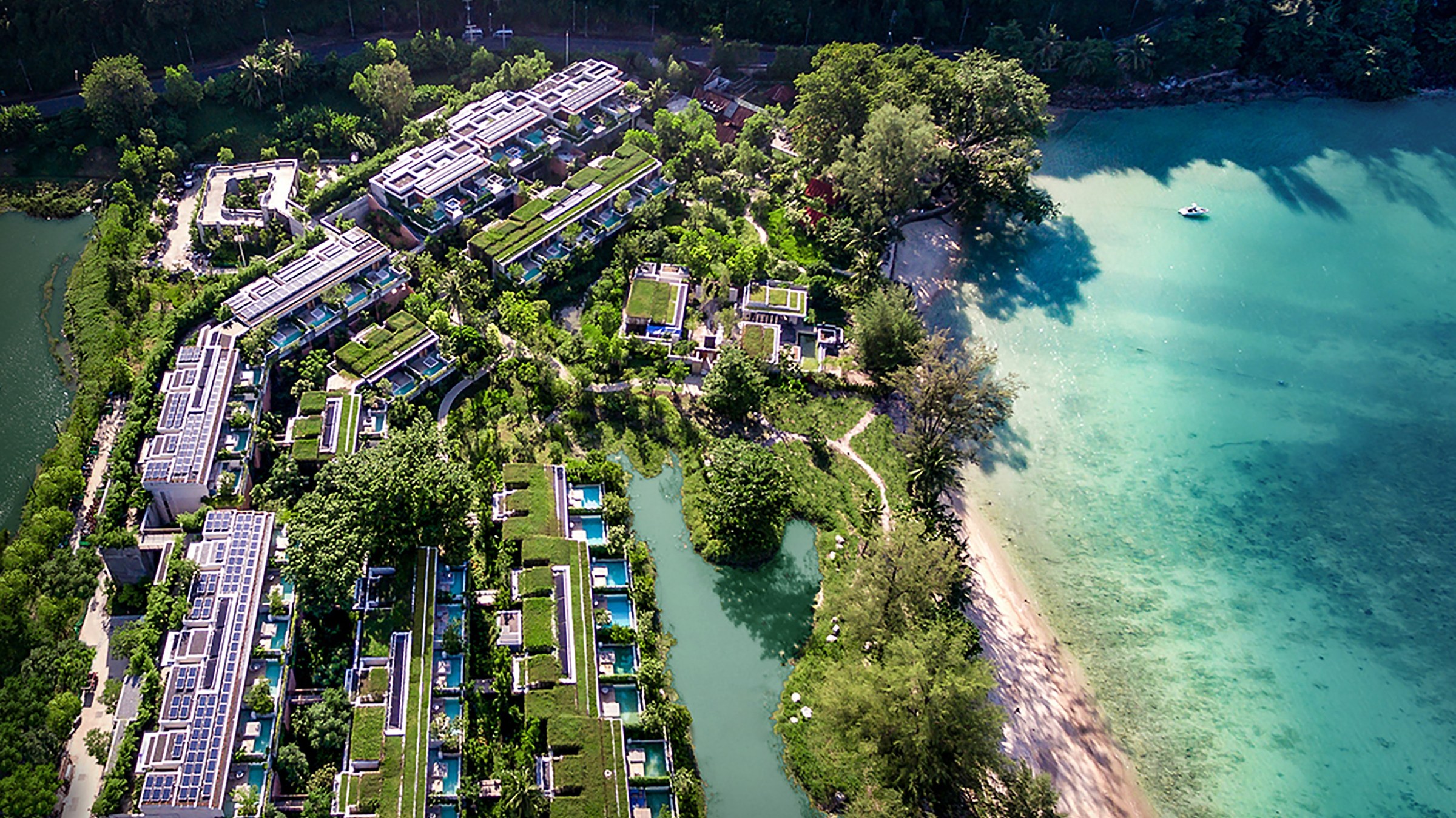
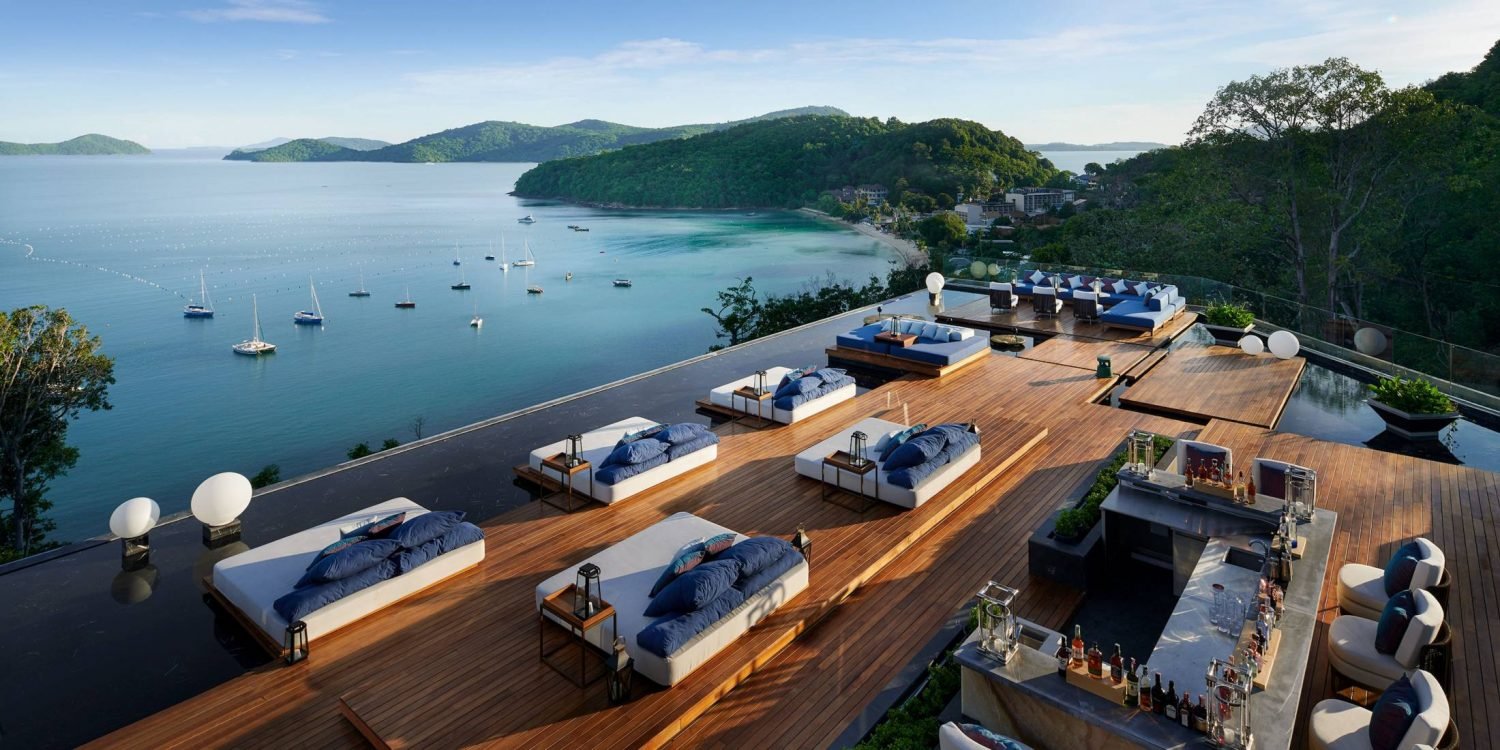
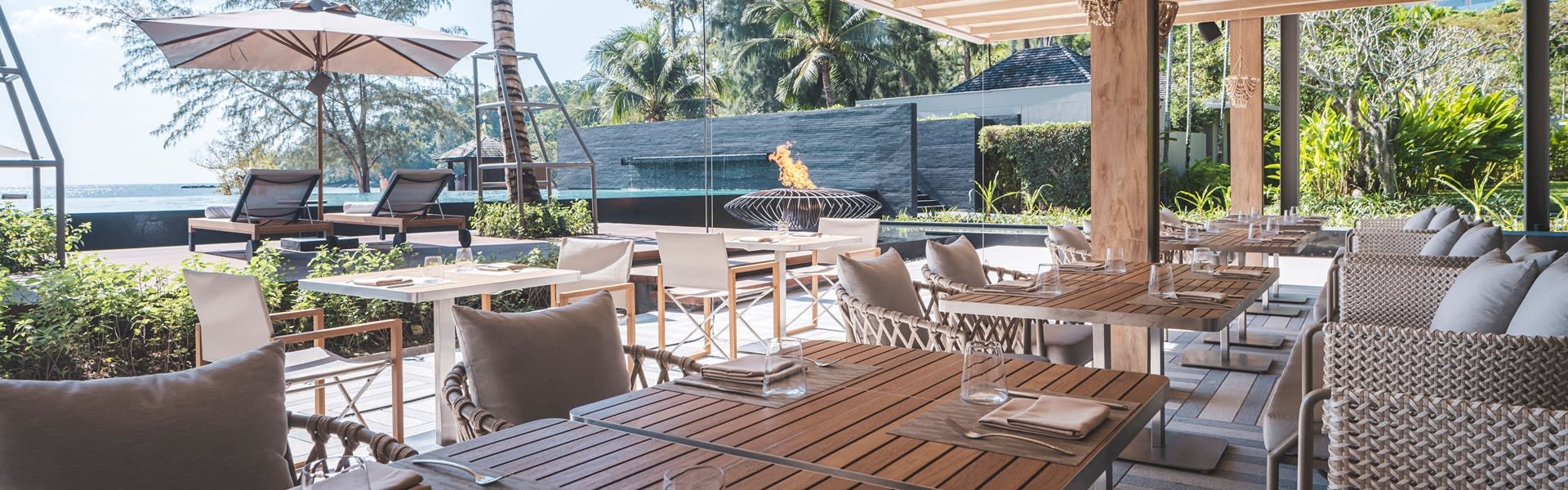
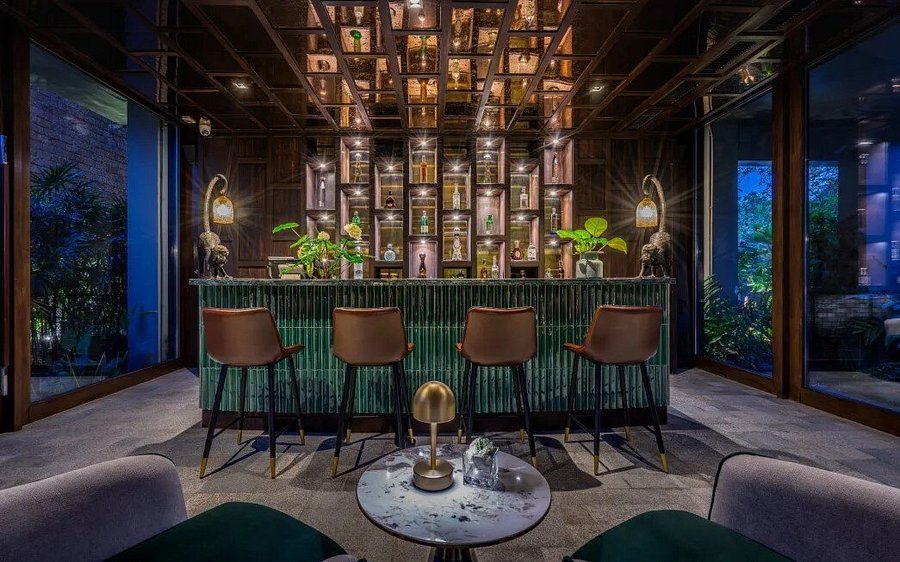
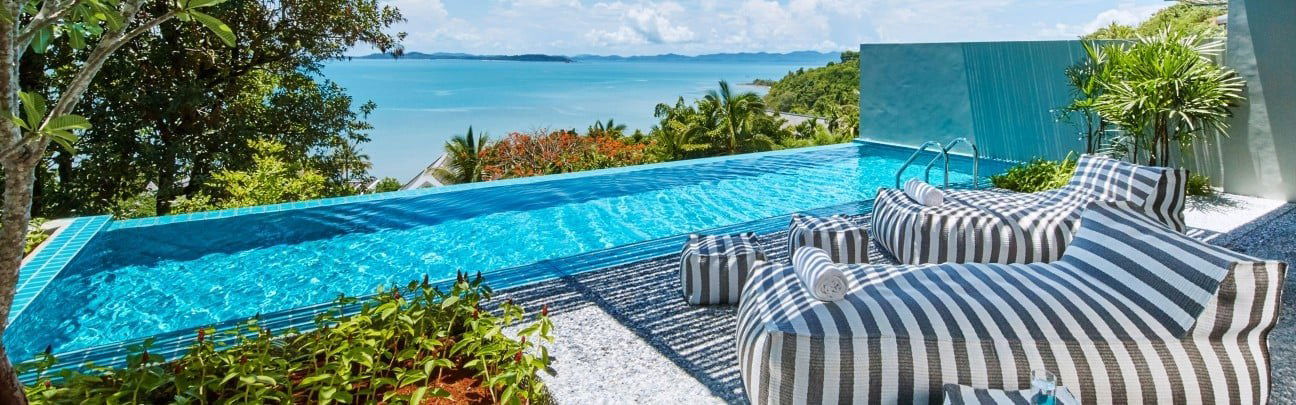
COMO Point Yamu presents a calm, modernist counterpoint to Phuket’s crowded western shore. The architecture is angular and deliberate, and Paola Navone’s interiors tilt between cool and composed rather than decorative, so the design reads as a frame for the landscape rather than a competing element. The resort’s position on Cape Yamu emphasizes geography-driven seclusion, and wellness programming is given equal weight with design, reinforcing a restful, considered atmosphere. Overall the property feels serene and intimate: contemporary in its lines but quietly focused on views and wellbeing rather than spectacle.
Best For
The hotel best serves travelers who prize seclusion, design and wellbeing. It is a strong choice for honeymooners and couples seeking a romantic getaway, and for guests booking a wellness retreat given the property’s explicit emphasis on wellness programming. The resort’s peninsula setting and expansive bay views also suit families or small private events that want distance from Phuket’s busier western coast; its geography and thoughtful interiors make it appealing for destination weddings or special occasions where privacy and a refined visual sensibility matter.
Stay Tips
Allow extra travel time: the property’s 17-mile drive from Phuket International Airport is intentionally long—the distance is part of the appeal—so plan transfers accordingly. Prioritize experiences that lean into the resort’s strengths: book spa and wellness appointments in advance, since the description highlights wellness programming as a core offering. When reserving accommodation, request rooms with views of Phang Nga Bay or the Andaman Sea to take full advantage of the panorama that the design intentionally frames.
Venue details
Ambiance
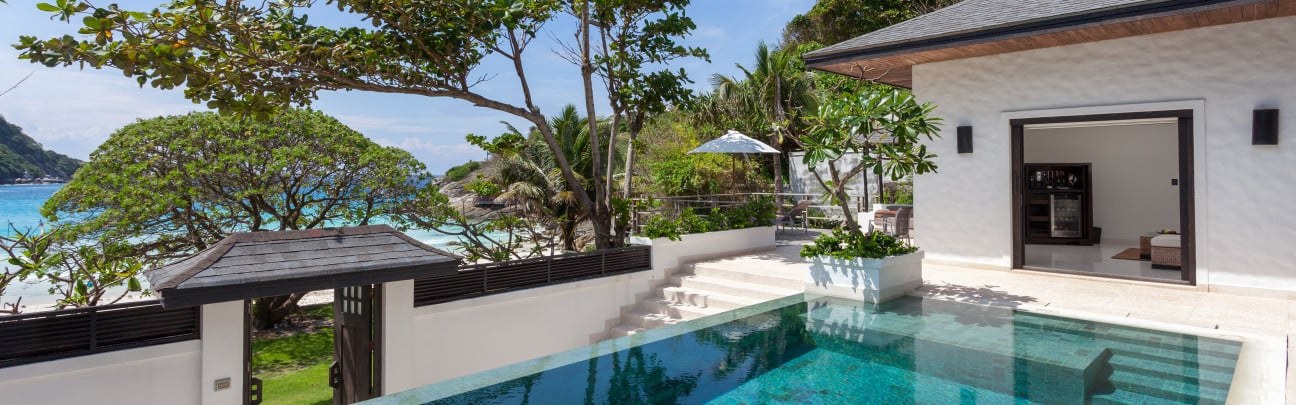
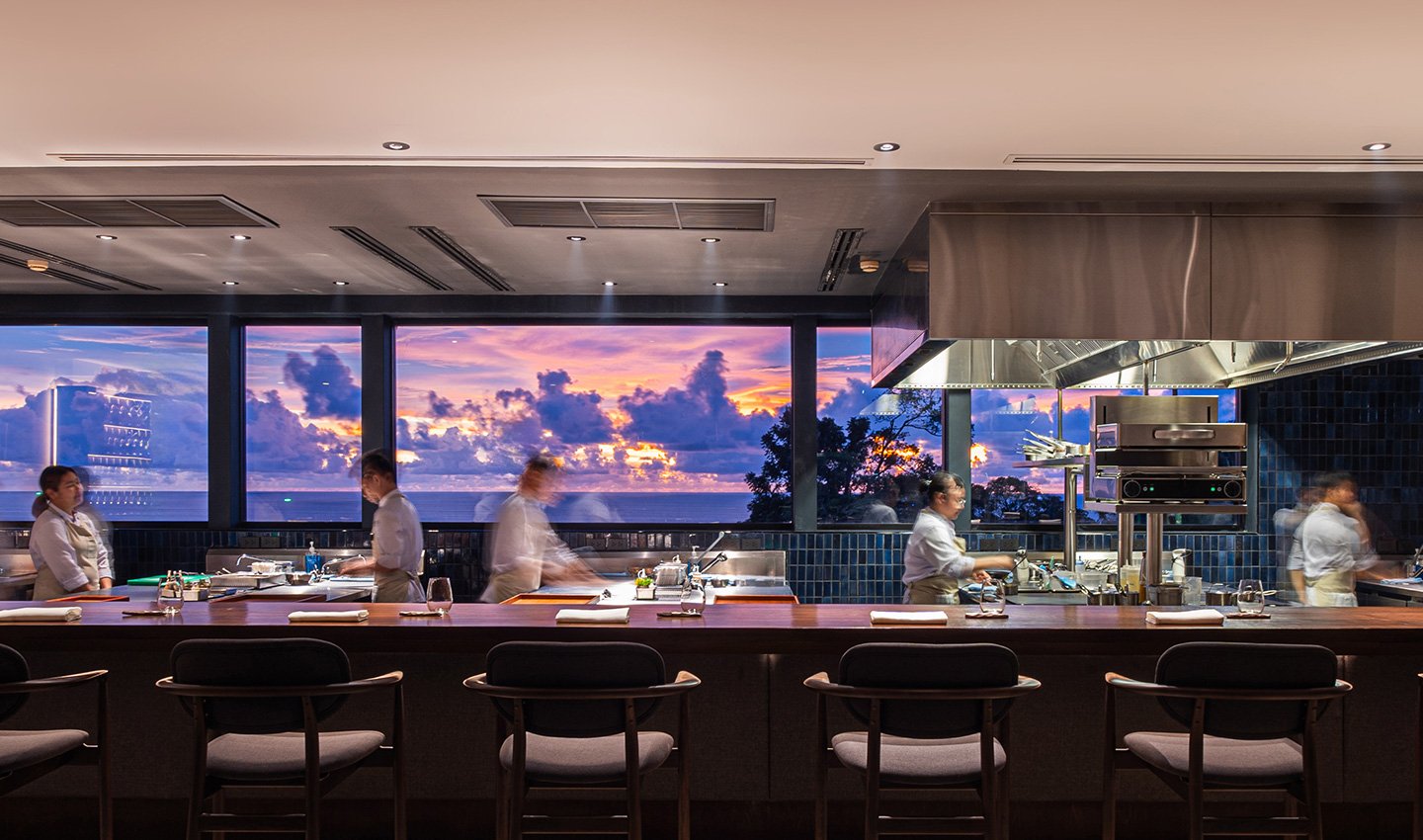
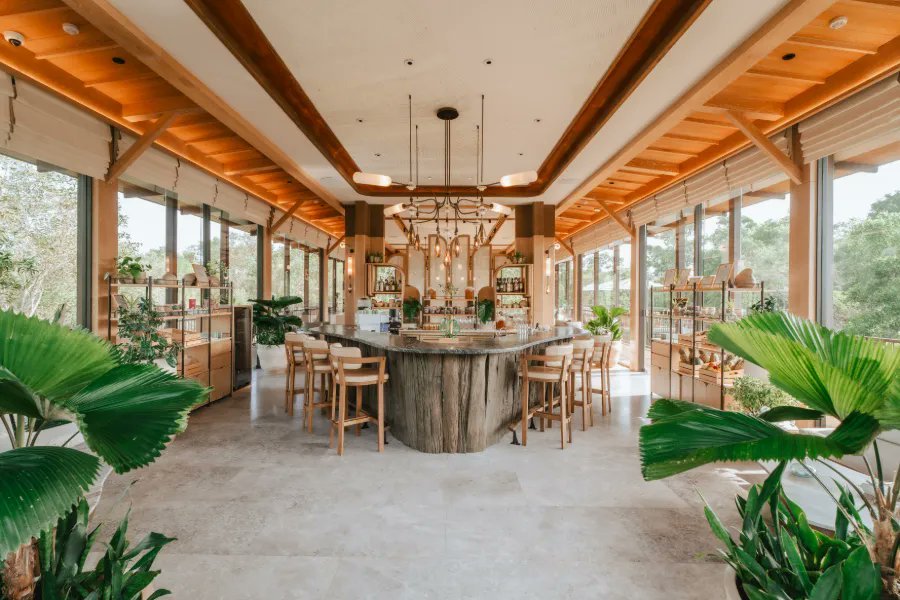
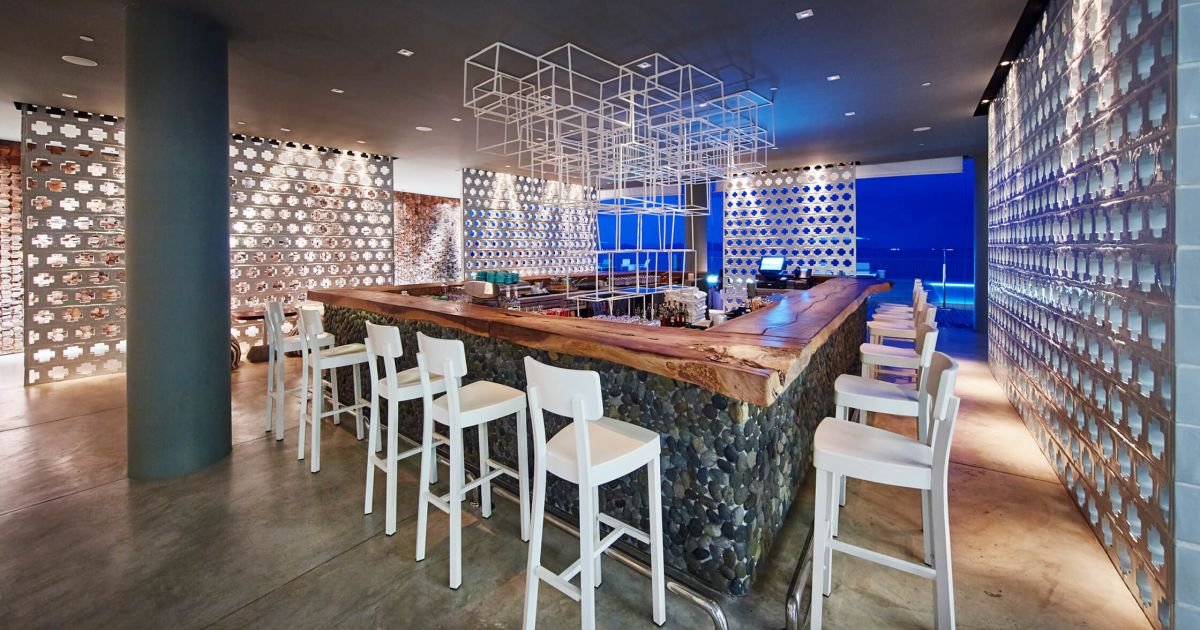
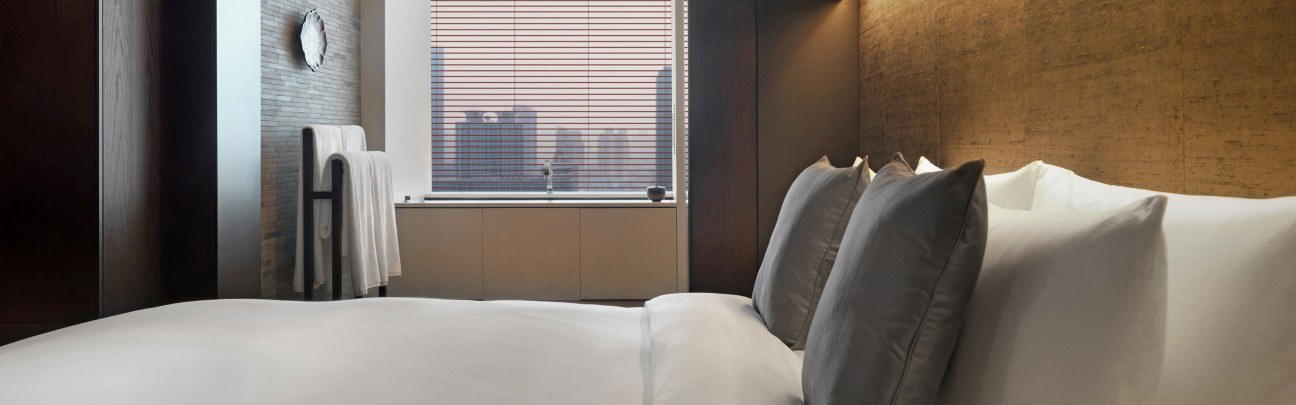
Light-filled spaces with cool sino-patterned tiles, blue accents mirroring the Andaman Sea, floor-to-ceiling windows, and serene bay views.
Tags
Vibe
Best For
Experience
Amenities
View
Accessibility
About the Stay
- Rooms
- 106
- Property Style
- Contemporary Thai Luxury Resort
- Design Style
- Blue and Turquoise Accents with Sino Patterned Tiles by Paola Navone
Know before you go
Know Before You Go
- Getting there
- 225 Tambon Pa Klok, Amphoe Thalang, Chang Wat Phuket 83110
Planning details
Location
225 Tambon Pa Klok, Amphoe Thalang, Chang Wat Phuket 83110 · Directions
Recognition and awards
Also consider
If this is not the right fit
Try Banyan Tree Phuket if the goal is a more established Phuket resort base with easier Laguna-area positioning. Try Movenpick Resort Bangtao Beach if practical beach access and value matter more than a quieter east-coast setting.
Hotel context
How it compares in Phuket
Choose COMO Point Yamu over The Pavilions Phuket if the priority is a quieter east-coast resort rhythm rather than a hillside hideaway closer to the west side. The Pavilions is the easier call for travelers who want a more flexible Phuket base; COMO Point Yamu makes more sense when the hotel itself is the plan.
Banyan Tree Phuket is the safer choice for a classic Phuket resort stay with broader name recognition and a Laguna-area location. Twinpalms Tented Camp Phuket is better for travelers chasing a more outdoors-led coastal setup. COMO Point Yamu is the calmer, design-forward alternative, but it asks more commitment to staying put.
The Naka Island, a Luxury Collection Resort & Spa is the stronger pick if the appeal is a more separated island-resort feeling. Movenpick Resort Bangtao Beach is the more practical value play for families or travelers who want Bang Tao access. COMO Point Yamu is worth the harder planning when the brief is quiet, polished, and hotel-centered.
Explore Phuket
Around this place
Discover more on Pearl
Unlock the full COMO Point Yamu guide in Pearl, including awards, comparisons, FAQs, planning details, and nearby places.
Compare COMO Point Yamu
| Venue | Location | Awards |
|---|---|---|
| COMO Point Yamu | Phuket | 2026 Mr & Mrs Smith Luxury HotelsMichelin 1 Key 20252025 Michelin 1 Key |
| The Naka Island, a Luxury Collection Resort & Spa | Naka Yai Island | 2025 Michelin 1 Key |
| The Pavilions Phuket | Phuket | 2025 Michelin 1 Key |
| Banyan Tree Phuket | Phuket | No published awards |
| Twinpalms Tented Camp Phuket | Phuket | 2025 Michelin Selected HotelsSmall Luxury Hotels Member 2025 |
| Movenpick Resort Bangtao Beach | Phuket | No published awards |


How COMO Point Yamu Phuket Review: Michelin 1 Key Hotel compares with similar nearby venues.
FAQ
Frequently Asked Questions
Do loyalty programs work at COMO Point Yamu?
Loyalty program details should be confirmed directly with the venue. COMO Point Yamu is recognized with Michelin 1 Key in 2025 and the Mr & Mrs Smith Seal of Approval in 2026.
How is the dining at COMO Point Yamu?
The dress code is smart casual. Cuisine, menu format, pricing, hours, and drinks details should be confirmed with the venue's official channels for the latest information.
What is check-in like at COMO Point Yamu?
How is the location of COMO Point Yamu?
COMO Point Yamu is in Phuket. More specific location details should be confirmed directly.
Which room category is best at COMO Point Yamu?
Room category details should be confirmed with the venue. Choose based on current rates, availability, and the room information published directly by the venue.