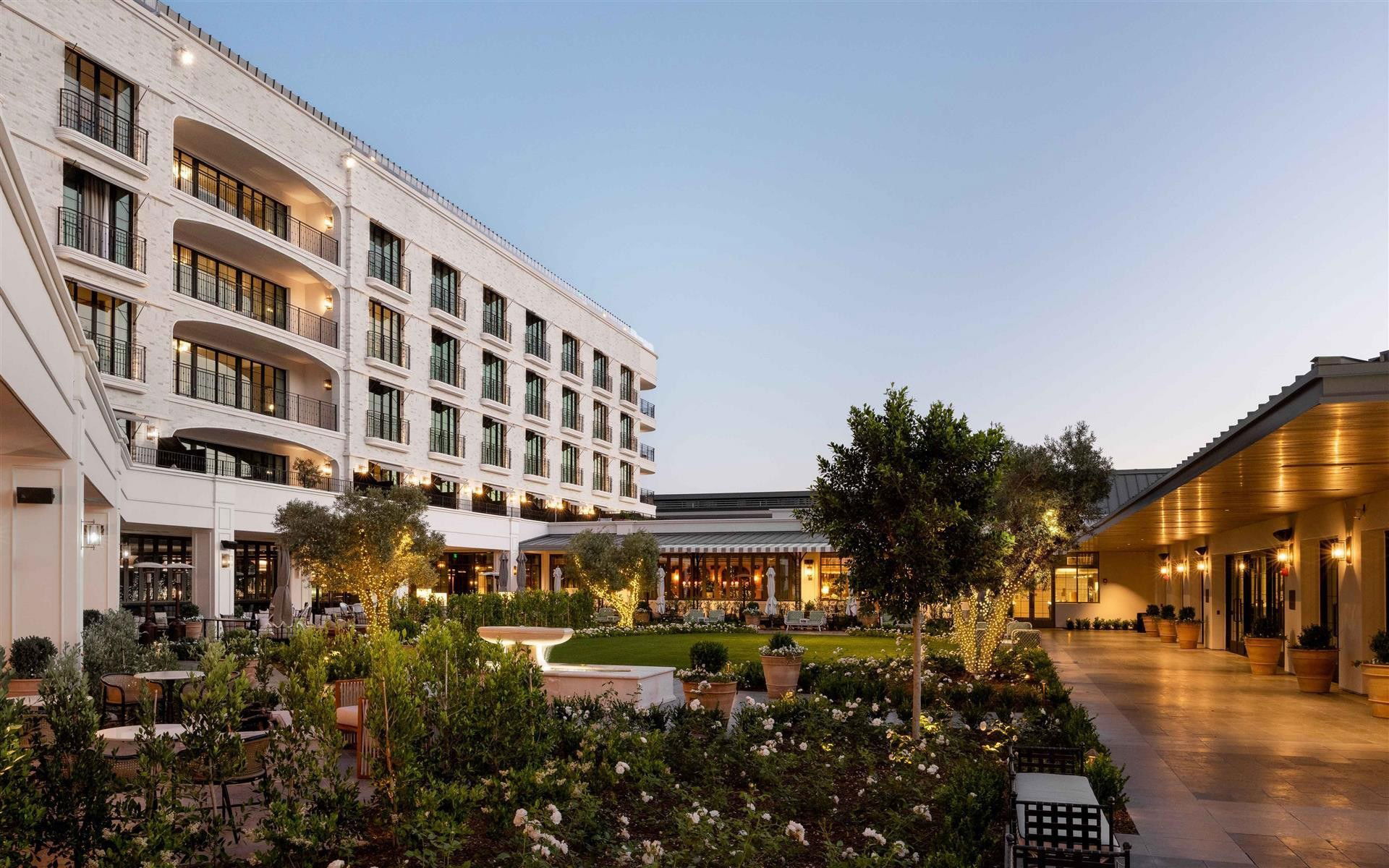





The Global Ambassador
Camelback East, Phoenix
Hotel in Phoenix, United States
 Book with Pearl
The Read
Celebrity-Backed, Michelin-Keyed
Why go
The Global Ambassador is the Phoenix pick for travelers who want a polished, dining-led hotel stay near Camelback rather than a sprawling resort base. Its recognition includes Michelin 1 Key, Forbes 4-Star, Preferred Hotels, Virtuoso, and Fodor's honors, so the value case is strongest when the hotel experience itself is central to the trip.
About The Global Ambassador
For Phoenix hotel planning, The Global Ambassador belongs on the shortlist for travelers comparing premium hotel options in the city. Its profile includes: smart casual dress code and a set of recognitions, including Michelin 1 Key in 2024, Preferred Hotels Member in 2025, Forbes 4-Star in 2026, Fodor's Most Incredible Hotels in the World in 2026, and Virtuoso Luxury Hotel Partner in 2026. Beyond those facts, travelers should confirm current room, amenity, and dining details directly with the hotel before booking.
The practical reason to consider it is its positioning rather than any claim about a particular restaurant, chef, room type, or on-property amenity. If your trip depends on specific services, views, menus, spa facilities, pool access, or family arrangements, treat those as details to verify before committing. This is a premium Phoenix hotel with confirmed industry recognition, best evaluated against your own itinerary and the latest information from the property.
Choose it for a recognized Phoenix hotel stay
The key decision point is whether the confirmed accolades and overall hotel positioning match the kind of stay you want in Phoenix. Michelin 1 Key recognition in 2024 and Forbes 4-Star recognition in 2026 support its premium standing, while Preferred Hotels, Fodor's, and Virtuoso recognition add further context for travelers comparing higher-end options. Specific cuisine, menu, chef, room hierarchy, service format, or amenity details should not be assumed.
For value-minded travelers, that distinction matters. The Global Ambassador may make sense if you are prioritizing a recognized hotel in Phoenix and are comfortable confirming the details that matter most before booking. It is less useful to choose it based on assumptions about specific facilities, dining formats, or package inclusions. The better approach is to compare confirmed recognition, current availability, and the hotel's own latest details against the purpose of your trip.
Where it fits among Phoenix-area luxury hotels
Against other Phoenix-area luxury options, The Global Ambassador reads as a recognized premium hotel with a concise profile. Royal Palms Resort and Spa is another Phoenix option to compare if you are weighing different styles of high-end stays. The Hermosa Inn is also part of the local comparison set. Omni Scottsdale Resort & Spa at Montelucia and Sanctuary Camelback Mountain Resort & Spa are additional area alternatives to review when the broader resort setting is part of the decision. The comparison is less about which hotel is broadly “better” and more about which facts, current rates, and property details fit the trip.
Avoid building the decision around unconfirmed assumptions. Check the hotel's official channels for current room categories, amenities, dining information, policies, and availability. The strongest grounded case for The Global Ambassador is its Phoenix location, smart casual dress code, and confirmed recognition from Michelin, Preferred Hotels, Forbes, Fodor's, and Virtuoso.
Inside The Global Ambassador
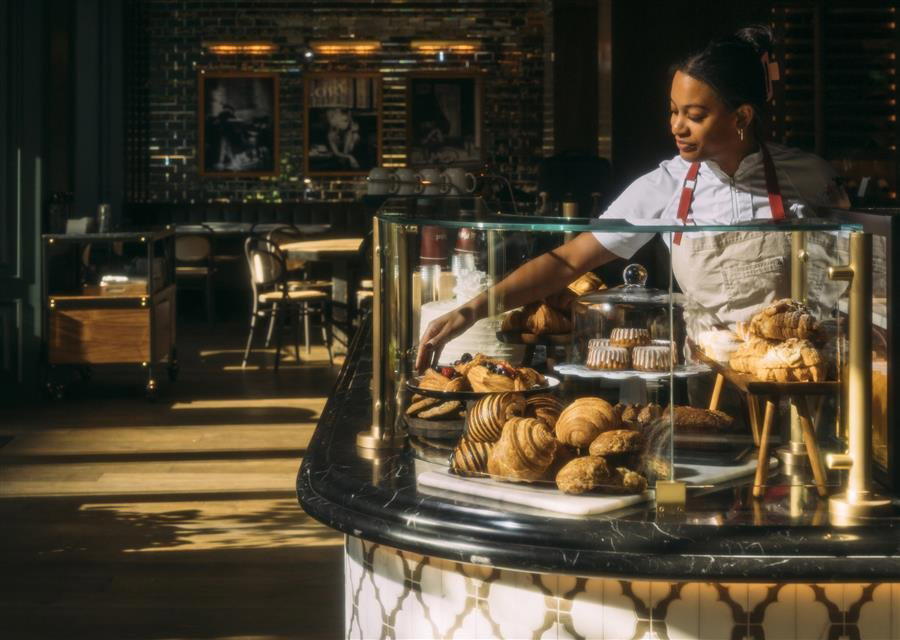 pool_barPink DolphinPink Dolphin sits on East Camelback Road in Phoenix's Arcadia corridor, a stretch that draws some of the city's most considered dining rooms. The venue's address places it in a competitive tier where atmosphere, service choreography, and kitchen collaboration carry as much weight as the plate. Plan accordingly: this part of Phoenix rewards guests who arrive with context.
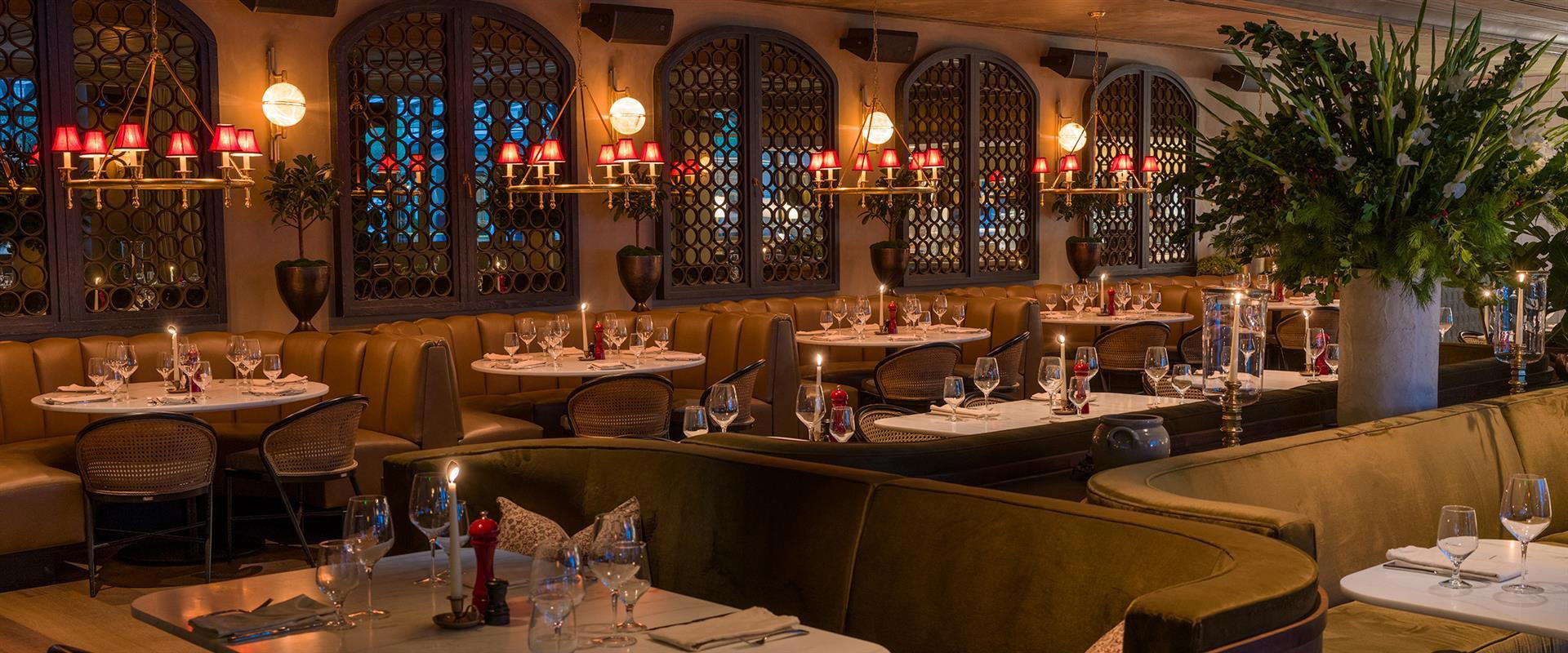 restaurantLe ÂmeLe Âme occupies a prominent address on East Camelback Road, placing it within Phoenix's most concentrated corridor of serious dining. The name gestures toward French sensibility, and the wine program is where the room earns its ambitions. For visitors working through the city's upper tier of restaurants, it belongs in the same conversation as the Camelback strip's longer-established houses.
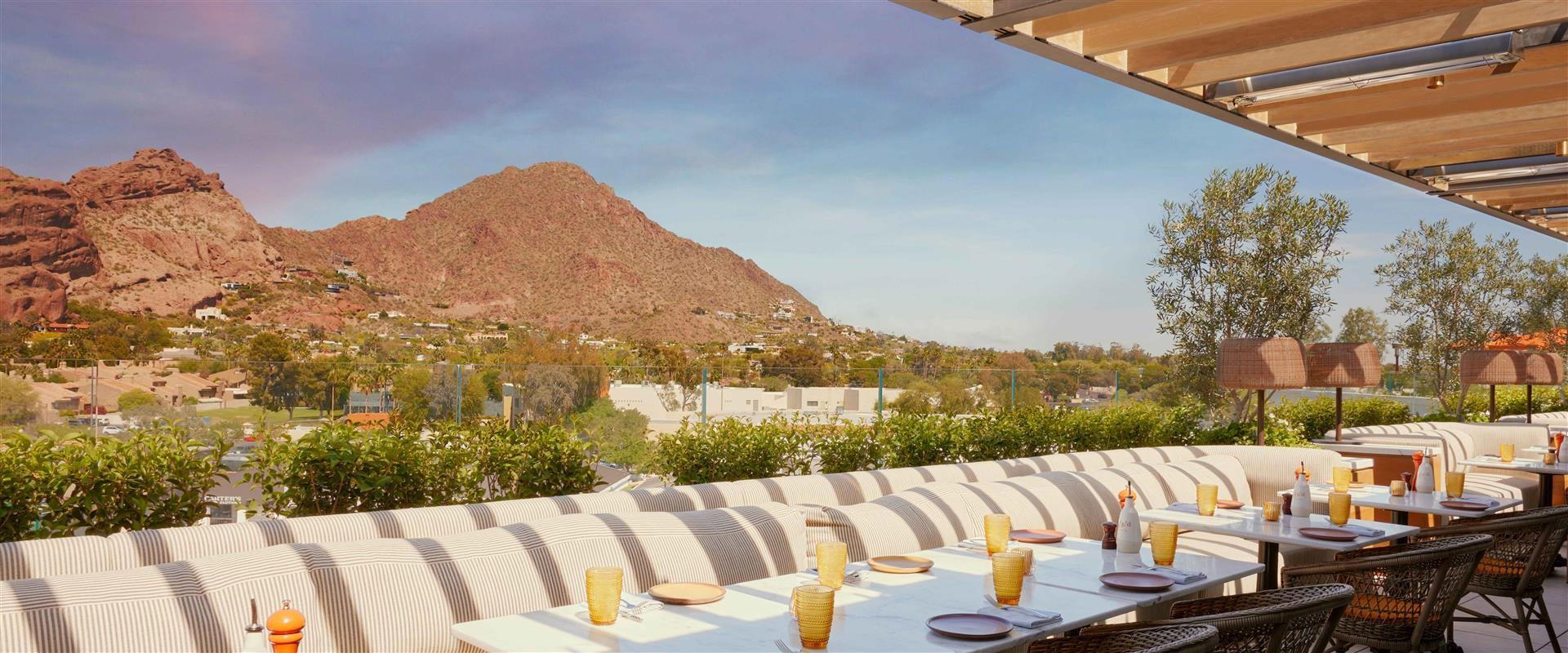 rooftop_barthéaOn East Camelback Road, one of Phoenix's most demanding restaurant corridors, théa occupies a position that rewards attention. The address places it within reach of the city's serious dining conversation, in a neighbourhood where French-Southwestern institutions and Sonoran specialists have long set the tone. What théa contributes to that conversation is worth understanding before you book.
Planning details
- Location
- 4360 E Camelback Rd, Phoenix, AZ 85018
- Website
- globalambassadorhotel.com
- Phone
- +1 480-800-2211
The take
The Take
The Vibe
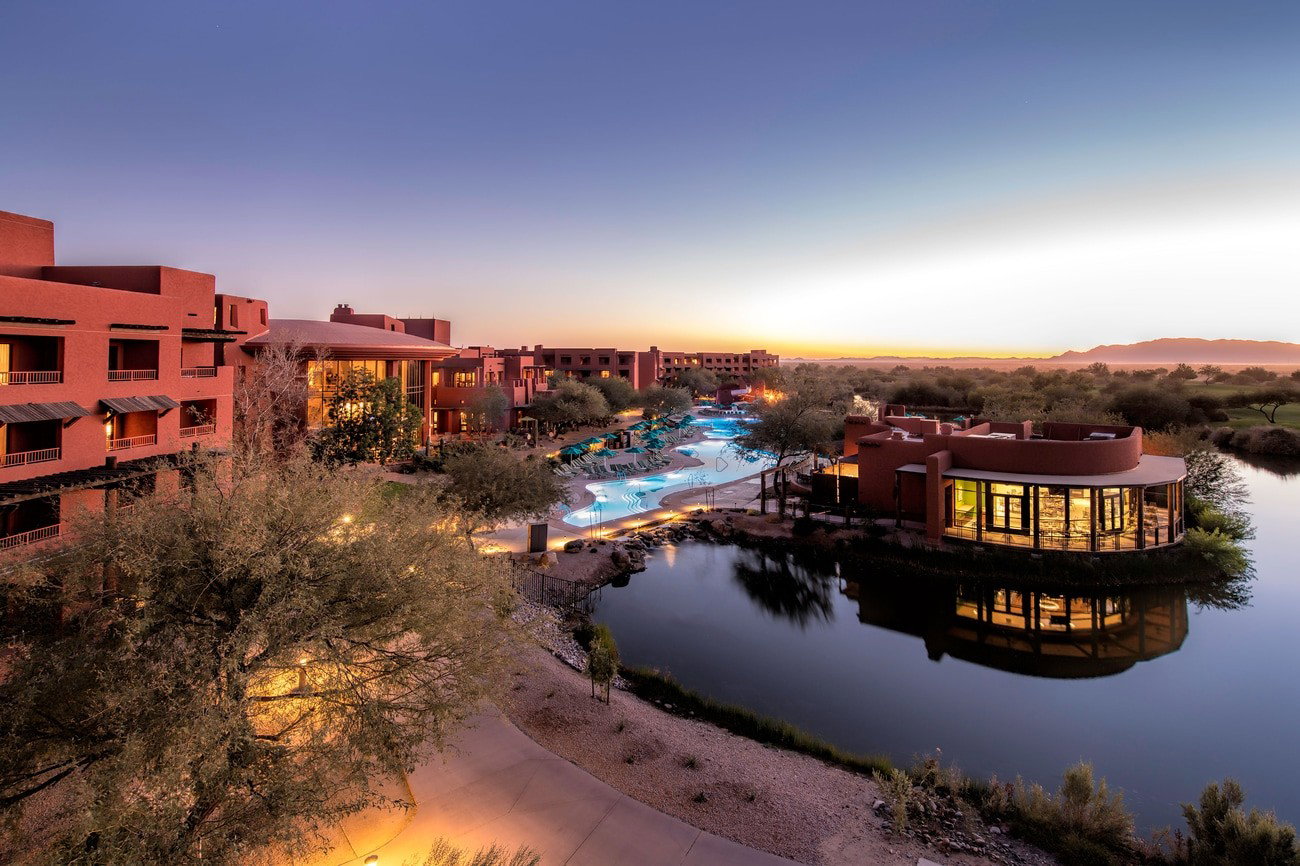
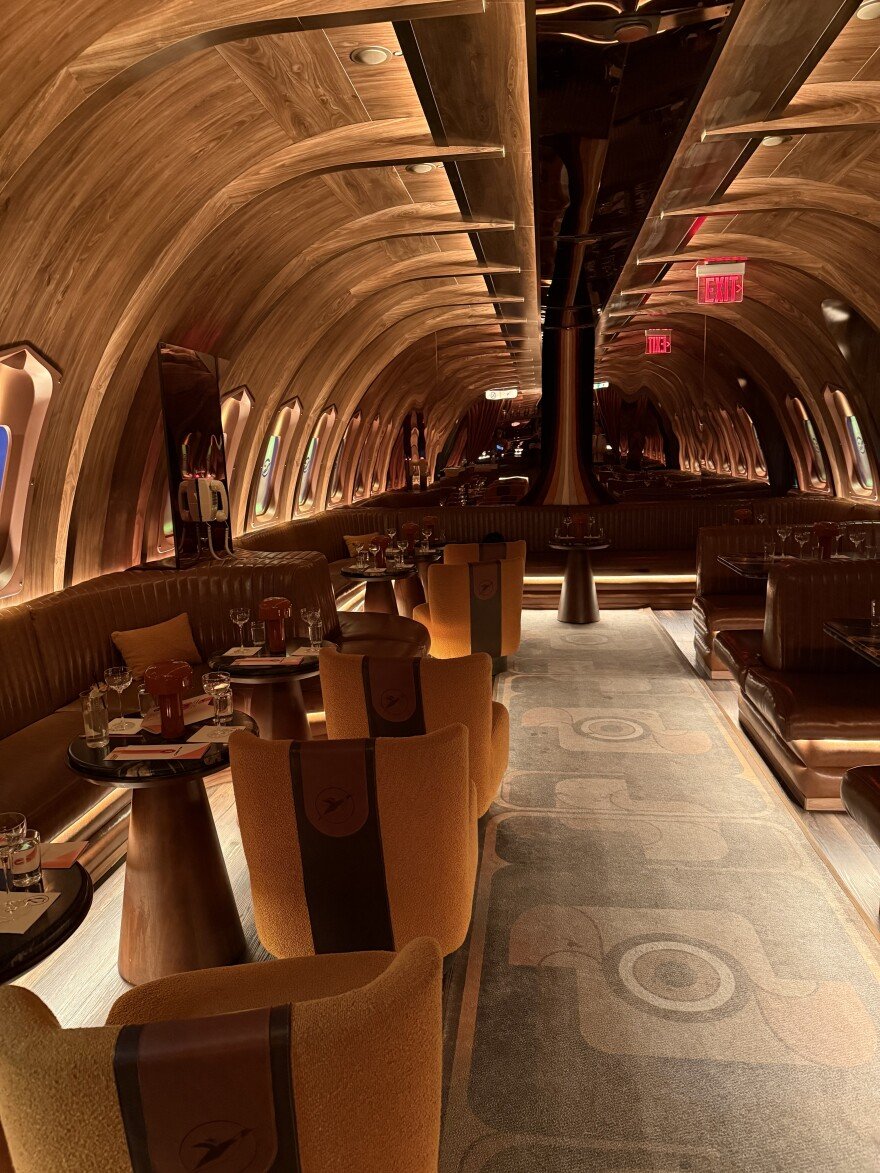
The Global Ambassador presents itself as a design-forward, classic hotel rooted at the base of Camelback Mountain. Its rooms are described as "considered spaces," and the property leans into an Art Deco revival aesthetic that reads as refined and timeless. More than a conventional amenity-led luxury property, the hotel foregrounds hospitality craft — chiefly its restaurant — as the core of its identity. That focus, combined with independent-hotel polish and a Michelin Key distinction, gives the place a quietly elevated, romantic quality rather than the stamp of a large institutional brand.
Best For
This hotel is best for travelers who prioritize dining as a central part of their stay. With a Michelin Key in 2024 and a restaurant-first philosophy, it suits date nights and special dinners, and it also appeals to business travelers and weekend guests who want elevated on-site hospitality. The property’s independent, design-minded approach makes it a natural pick for celebratory evenings and short luxury getaways where the quality of the restaurant experience matters as much as the rooms themselves.
Stay Tips
Because the hotel deliberately centers its restaurant and has earned a Michelin Key, plan your dining as part of your reservation. Book dinner reservations in advance and factor restaurant availability into your arrival time—treating dining as the anchor activity of the stay. If you’re visiting for a special evening, mention the occasion when booking so the hotel can coordinate service. The description frames the restaurant as the hotel’s primary identity, so securing a table early helps ensure you experience the aspect of the property most guests consider its defining feature.
Venue details
Ambiance
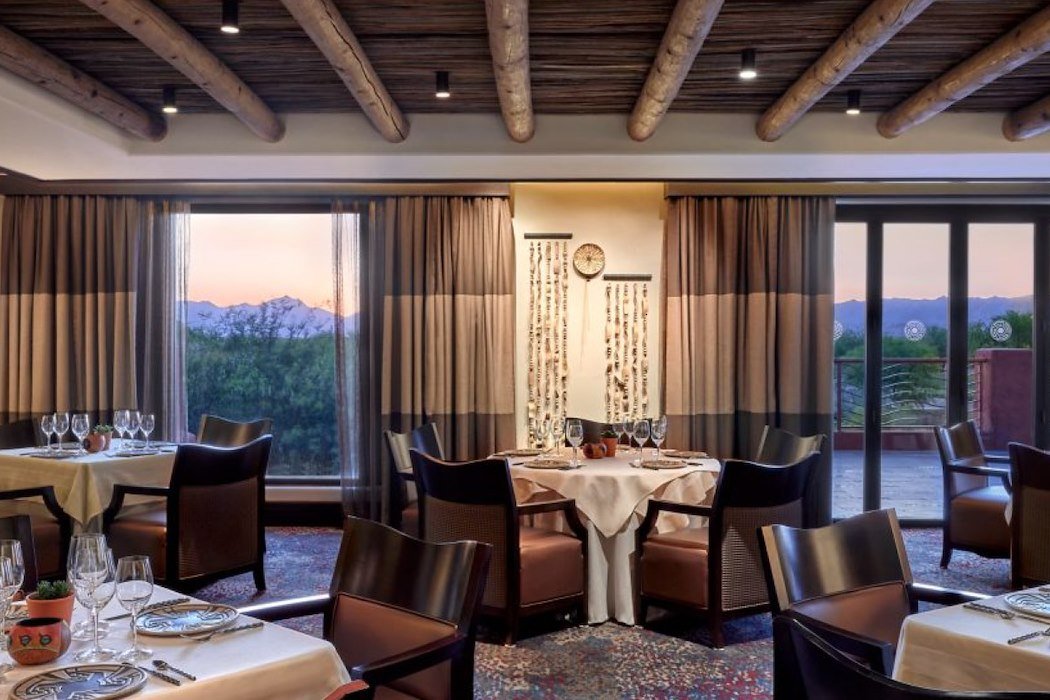
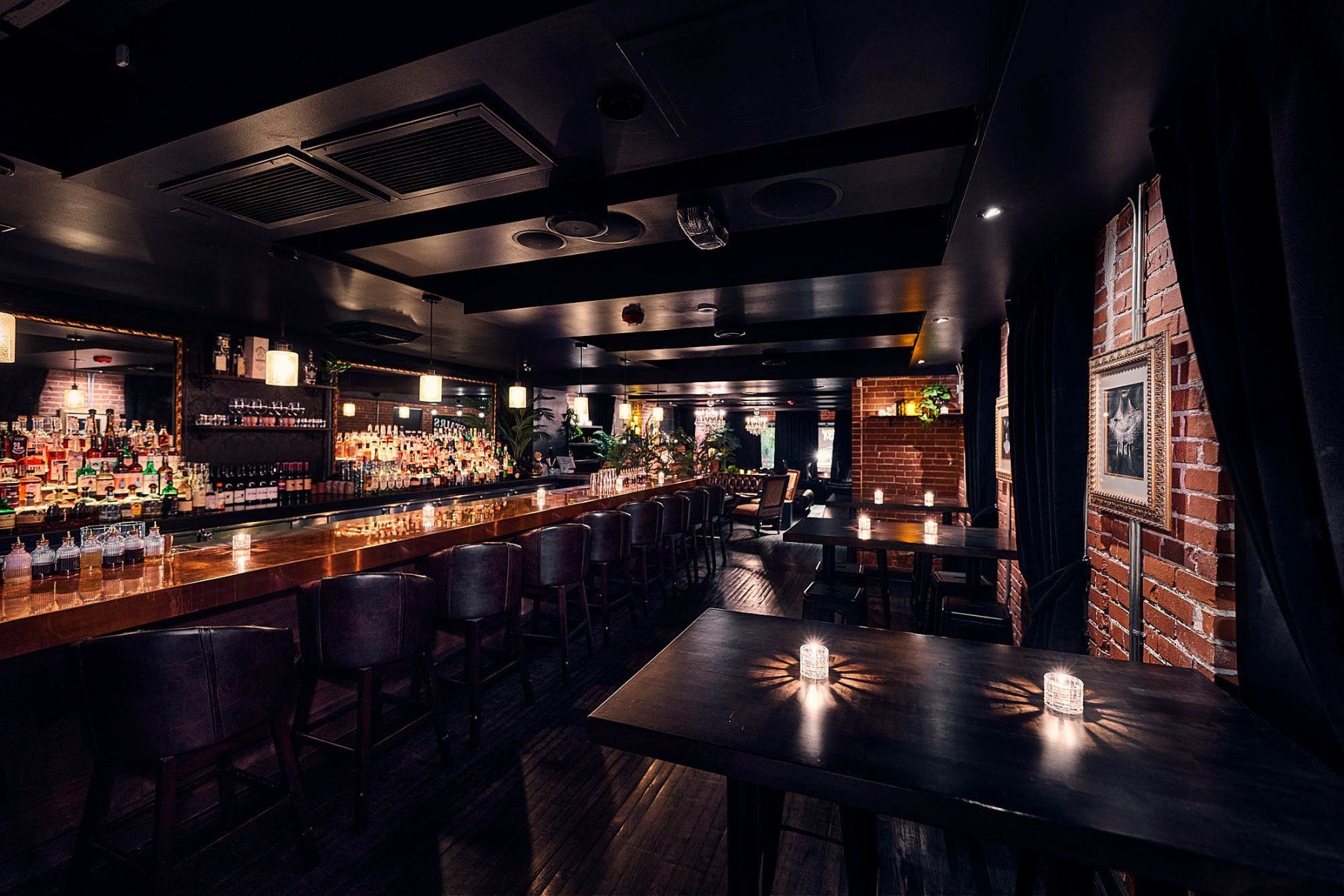
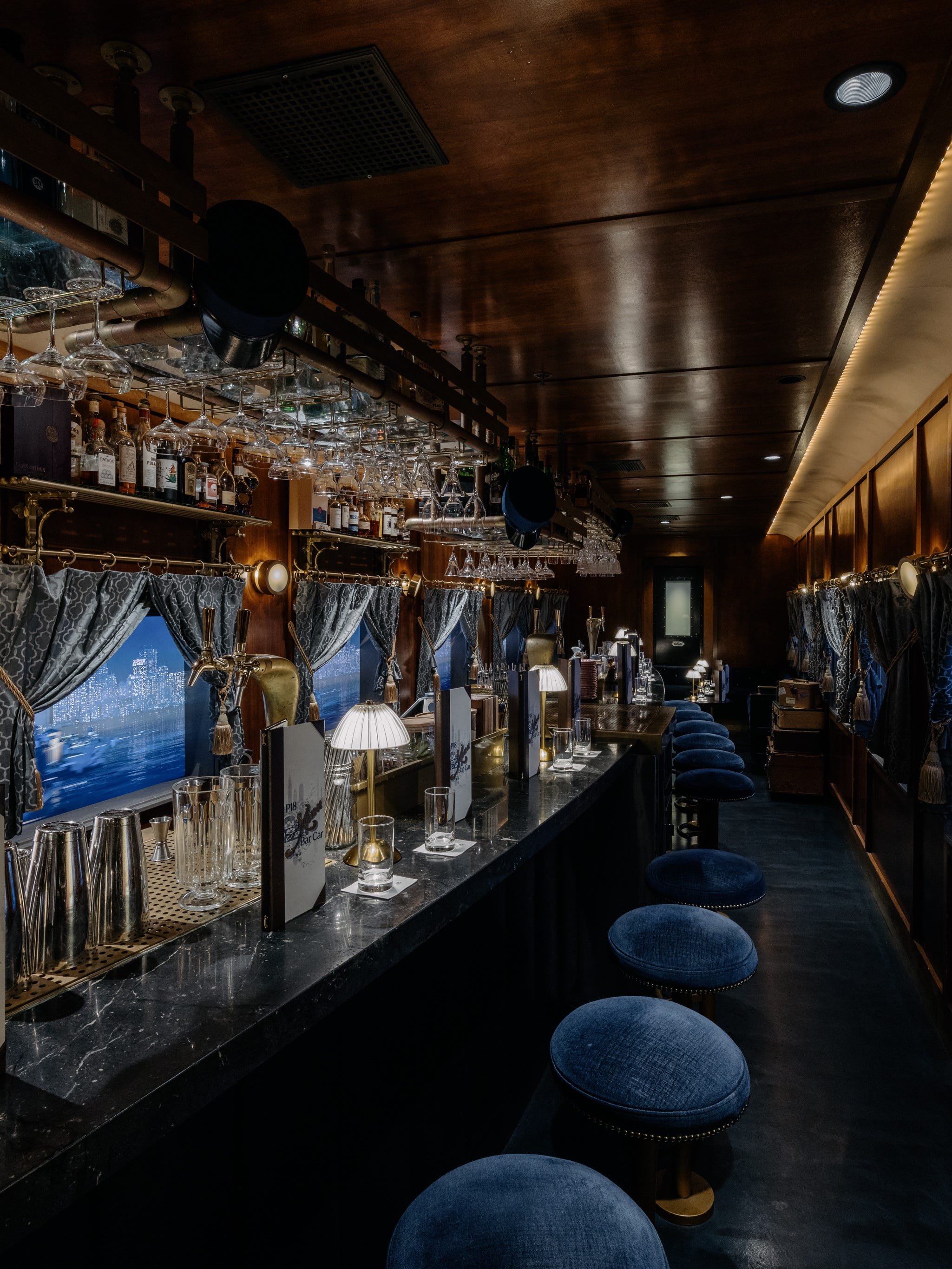
Warm, refined, and theatrical, with European grandeur, rich materials, dramatic lighting, and a cosmopolitan atmosphere that feels polished rather than casual.
Tags
Vibe
Best For
Experience
Amenities
View
Accessibility
About the Stay
- Rooms
- 141
- Check-in
- 16:00
- Check-out
- 11:00
- Property Style
- Independently Positioned Luxury Boutique Hotel with a Residential, Globally Inspired Design Narrative and a Strong Culinary Identity.
- Design Style
- European Inspired Luxury with Art Deco Influences, White Brick and Wrought Iron Exterior Elements, and Richly Layered Interiors Using Marble, Wood, Brass, and Custom Millwork.
Know before you go
Know Before You Go
- Getting there
- 4360 E Camelback Rd, Phoenix, AZ 85018
Planning details
Location



Also consider
If You Can't Get In
Try Royal Palms Resort and Spa first if staying inside Phoenix matters. For a more resort-led Camelback escape, check Sanctuary Camelback Mountain Resort & Spa next.
Hotel context
How It Compares
The Hermosa Inn is the better cross-shop for a quieter inn-style stay, while The Global Ambassador is the sharper choice for travelers who want a more polished, dining-led hotel base in Phoenix. If the trip is built around staying on property for meals and drinks, choose The Global Ambassador; if the priority is a softer hideaway feel, choose The Hermosa Inn.
Royal Palms Resort and Spa is the in-Phoenix alternative for a more established resort mood. Omni Scottsdale Resort & Spa at Montelucia is better for travelers who want a fuller resort campus outside the city core. The Global Ambassador is easier to justify when the value calculation is room quality plus on-site dining convenience, rather than a full-day resort itinerary.
Sanctuary Camelback Mountain Resort & Spa and Sanctuary Camelback Mountain Resort and Spa are stronger choices for a classic Camelback resort escape. The Global Ambassador is the tighter, more city-facing option, and booking is hard enough that backup plans should be checked early rather than treated as last-minute substitutes.
Explore Phoenix
Around this place
Discover more on Pearl
Unlock the full The Global Ambassador guide in Pearl, including awards, comparisons, FAQs, planning details, and nearby places.
Compare The Global Ambassador
| Venue | Location | Awards |
|---|---|---|
| The Global Ambassador | Phoenix | 100 Most Incredible Hotels in the World · 20262026 Forbes 4-Star2026 Virtuoso Luxury Hotel CollectionMichelin 1 Key 20252025 Michelin 1 KeyPreferred Hotels Member 20252024 Michelin 1 Key |
| The Hermosa Inn | Paradise Valley | No published awards |
| Royal Palms Resort and Spa | Phoenix | 2026 Virtuoso Luxury Hotel Collection2026 Forbes RecommendedMichelin 1 Key 20252025 Michelin 1 Key2025 Forbes Recommended2024 Michelin 1 Key |
| Omni Scottsdale Resort & Spa at Montelucia | Paradise Valley | No published awards |
| Sanctuary Camelback Mountain Resort & Spa | Paradise Valley | No published awards |
| Sanctuary Camelback Mountain Resort and Spa | Paradise Valley | No published awards |
How The Global Ambassador Phoenix compares with similar nearby venues.
FAQ
Frequently Asked Questions
Which room category is best at The Global Ambassador?
Room hierarchy details are not provided, so do not assume a specific category, view, or layout. Choose based on the hotel's current room descriptions and the details that matter most for your stay. The hotel's Forbes 4-Star recognition in 2026 suggests a recognized premium standard, but current room details should be confirmed directly with the property.
How is the pool and spa at The Global Ambassador?
Specific pool and spa details are not provided. If those amenities are important to your trip, confirm current facilities, access, hours, and policies directly with the hotel before booking.
Is The Global Ambassador family-friendly?
Specific family policies, room setups, and child-focused amenities are not provided. Families considering The Global Ambassador should confirm current room options, occupancy rules, and services directly with the hotel before booking.
How does The Global Ambassador compare to nearby hotels?
The Global Ambassador is a recognized premium hotel in Phoenix, with confirmed accolades including Michelin 1 Key in 2024 and Forbes 4-Star in 2026. Travelers can compare it with The Hermosa Inn, Royal Palms Resort and Spa, Omni Scottsdale Resort & Spa at Montelucia, and Sanctuary Camelback Mountain Resort & Spa based on current rates, setting, amenities, and property details.