


Lost Lindenberg
Pekutatan
Hotel in Pekutatan, Indonesia
 Book with Pearl
The Read
Jungle-Tower Seclusion
Price
$500–750per night
Why go
Lost Lindenberg is a strong fit for travelers who want a quieter west Bali stay with serious hotel recognition, including a Michelin 1 Key and Small Luxury Hotels of the World membership. Book it for atmosphere and retreat value; skip it if the trip needs easy access to Bali's busier dining, bar, and shopping circuits.
About Lost Lindenberg
Lost Lindenberg is a hotel in Pekutatan with a casual dress code and several confirmed hospitality recognitions. It is a recognized hotel choice in Pekutatan, while leaving many practical details to confirm directly with the property.
The verdict: consider it for a Pekutatan stay if the confirmed recognition is relevant to your planning, but do not assume details. A specific cuisine, menu format, spa program, room count, price level, transport setup, or daily schedule is not confirmed. Travelers who need those details should confirm them directly before booking.
Go for a Pekutatan stay, not a conventional checklist-driven resort base
The main decision point is whether Pekutatan fits your trip. Because the focus is on recognition and dress code rather than operational specifics, the hotel choice should be evaluated carefully against your own practical needs. If you need a trip built around many confirmed services, compare the practicalities before committing.
Recognition helps frame the decision. Lost Lindenberg has a Michelin 1 Key in 2025, Small Luxury Hotels of the World membership in 2025, a Tatler 2025 Best Hotels Asia-Pacific listing, and a Mr & Mrs Smith Seal of Approval in 2026. Those signals do not answer every operational question, but they do indicate that the property has credible hotel recognition.
The service question matters more than invented specifics
For this kind of planning, avoid assuming details. Guests should confirm arrival arrangements, meal availability, dietary needs, and any on-property facilities directly with the hotel before finalizing plans. That is especially important for travelers who need specific services confirmed in advance.
Dining should be treated as an item to verify rather than a claim to assume. No cuisine type, menu format, lunch service, bar program, or take-out and delivery service is confirmed, so the safer expectation is to ask the property for current details before booking. Travelers who want broader area research can compare other Pekutatan options generically, then confirm current details directly with each venue.
Planning details
- Location
- Banyar Yeh Kuning, Jl. Ngurah Rai, Pekutatan, Kec. Pekutatan, Kabupaten Jembrana, Bali 82262
- Website
- thelindenberg.com/en/hotels/lost/lost-lindenberg
- Phone
- +62 812-3456-6830
The take
The Take
The Vibe
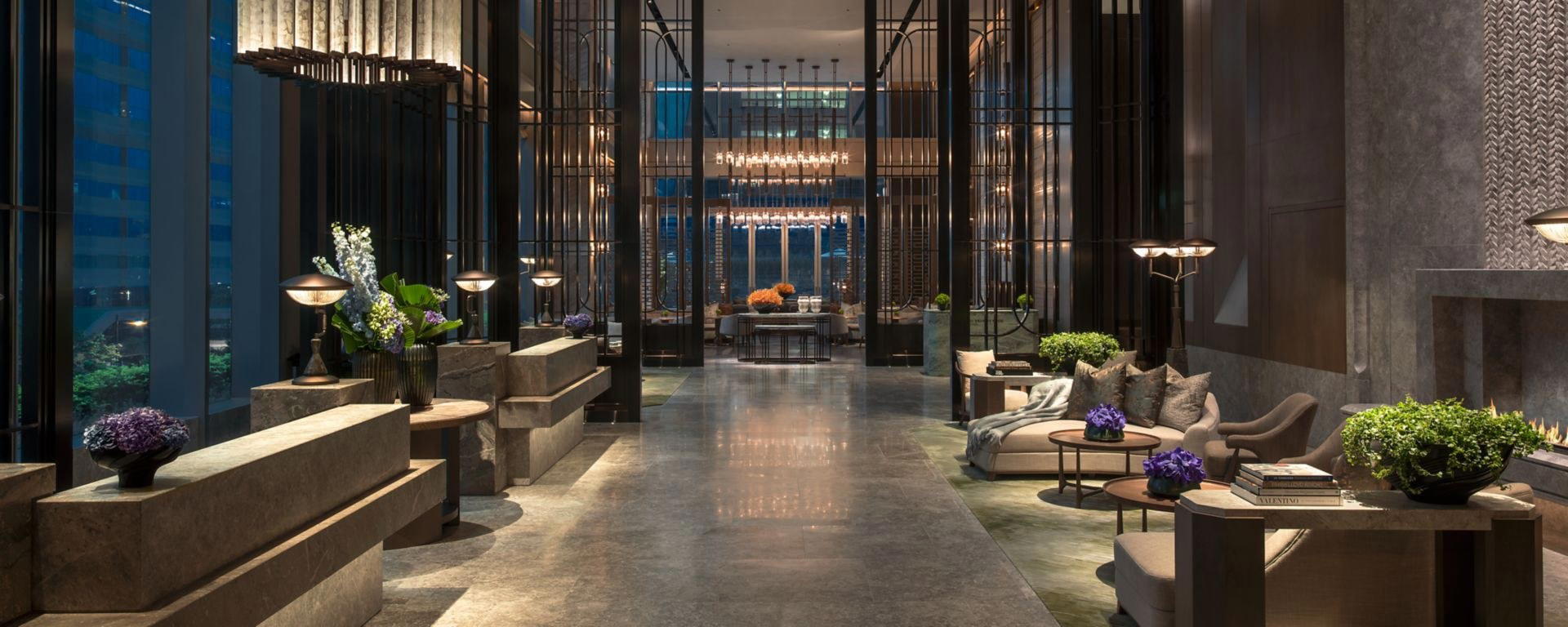
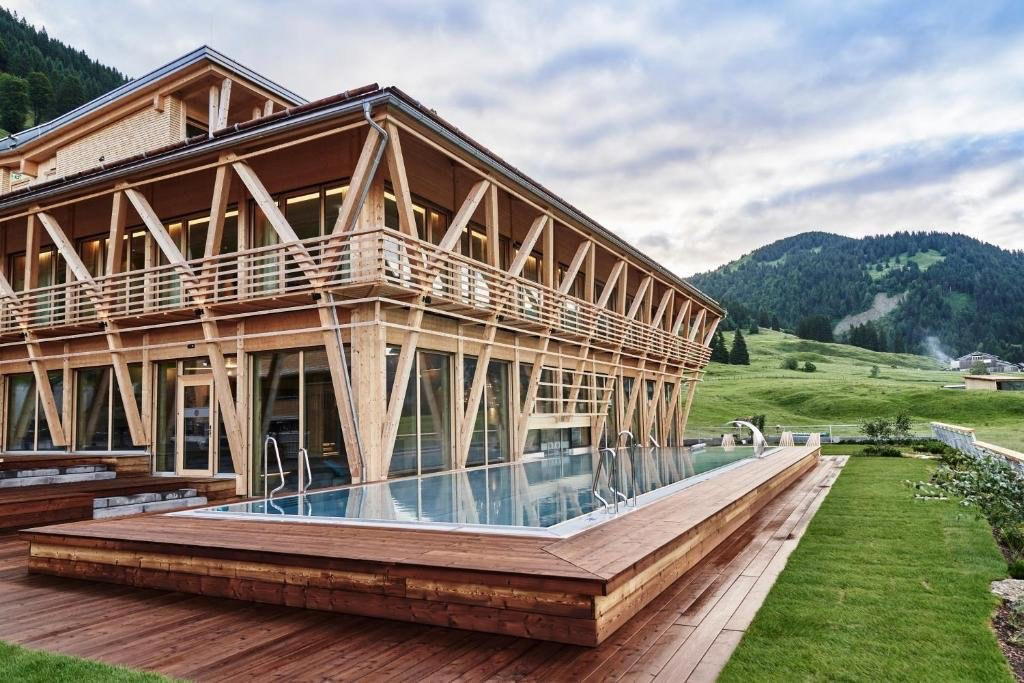
Lost Lindenberg reads as a purposefully restrained, design-first hideaway on Bali’s quieter west coast. Architects Alexis Dornier and Maximilian Jencquel stitch together treehouse-like towers and refined walkways that keep the canopy intact and the shoreline feeling immediate. With just eight rooms and a material-led approach, the property trades spectacle for quiet craft: exposed construction, tactile finishes and a low building footprint create an intimate, rustic-modern atmosphere. The result is a calm, considered hotel that foregrounds place—jungle, black lava–sand beaches and clean architectural lines—over amenity stacking, making design and remoteness the primary attractions.
Best For
This is a stay for travelers seeking a small‑scale, restorative escape rather than a full‑service resort. Couples and design-minded guests find the intimate scale and treehouse architecture especially appealing, while people after a low‑intervention weekend or honeymoon appreciate the sense of seclusion and the proximity to unspoiled coastline. The hotel’s restrained program and limited room count also suit wellness‑minded visitors who want to unwind quietly and without the crowds typical of Bali’s busier hubs.
Stay Tips
Rooms are extremely limited—only eight—so book well in advance to secure dates, particularly for weekends and high season. The property sits on Bali’s west coast; plan for a drive west from Seminyak and allow extra time for the quieter roads and remote approach. Expect a design‑led, low‑key experience rather than a large resort program; bring this expectation when arranging transfers and itineraries, and confirm arrival logistics with the hotel ahead of time.
Venue details
Ambiance
Serene and contemplative with natural materials, soft tropical lighting filtering through palm fronds, communal gathering spaces lit by sunset and bonfire glow, and the constant soundtrack of ocean waves and jungle sounds.
Tags
Vibe
Best For
Experience
Amenities
View
About the Stay
- Rooms
- 8
- Check-in
- 14:00
- Check-out
- 12:00
- Property Type
- Boutique hotel
- Property Style
- Contemporary Tropical Design Blending Traditional Balinese Architecture with Modern Minimalism, Emphasizing Natural Materials and Sustainable Construction.
- Design Style
- Modern Minimalist with Organic Elements; Handcrafted Balinese Ceramics, Natural Wood Construction, Louvered Screens, River Stones, and Contemporary Art Creating Tactile Contrast in Jungle Canopy Setting.
- Breakfast
- Included
- Pool
- Yes
- Spa
- Yes
- Families
- Welcome
- Cancellation
- Moderate
Know before you go
Know Before You Go
- Getting there
- Banyar Yeh Kuning, Jl. Ngurah Rai, Pekutatan, Kec. Pekutatan, Kabupaten Jembrana, Bali 82262
Planning details
Location
Banyar Yeh Kuning, Jl. Ngurah Rai, Pekutatan, Kec. Pekutatan, Kabupaten Jembrana, Bali 82262 · Directions

Also consider
Also Consider
- Soori Bali, Notable alternative
- Jl. Banjar Dukuh, Notable alternative
- Nirjhara, Notable alternative
- The Damai, Notable alternative
- Desa Hay, Notable alternative
Hotel context
How It Compares
Choose Lost Lindenberg if the priority is an award-backed, quiet Pekutatan stay with a harder-to-secure feel. Against Soori Bali, Nirjhara, The Damai, and Desa Hay, the safer read is not price superiority, because no comparable rate data is listed here. The clearer difference is positioning: Lost Lindenberg is the pick when Pekutatan itself is the appeal and hotel recognition carries weight in the decision.
For travelers who want a broader Bali base, the out-of-metro peers may be easier to justify depending on the itinerary. Jl. Banjar Dukuh and the other comparison stays make more sense if their locations better match planned activities. If the goal is quiet ambiance and a stay that feels removed from the island's busier hotel zones, Lost Lindenberg is the stronger fit; if the goal is simple logistics, compare the address first.
Value for money comes down to how much time will be spent on property. Guests who plan to use the hotel as the main experience should keep Lost Lindenberg high on the list. Guests who mainly need a sleep base between restaurants, bars, and sightseeing should cross-shop the peers by location before committing.
Explore Pekutatan
Around this place
Discover more on Pearl
Unlock the full Lost Lindenberg guide in Pearl, including awards, comparisons, FAQs, planning details, and nearby places.
Compare Lost Lindenberg
| Venue | Location | Awards |
|---|---|---|
| Lost Lindenberg | Pekutatan | 2026 Mr & Mrs Smith Luxury Hotels2026 Michelin 1 KeyTatler Best Hotels Asia-Pacific 2025Michelin 1 Key 20252025 Michelin 1 KeySmall Luxury Hotels Member 2025 |
| Soori Bali | Tabanan | 2026 Virtuoso Luxury Hotel Collection2026 Mr & Mrs Smith Luxury HotelsLeading Hotels of the World 20262026 Michelin 2 Keys2025 Michelin 1 Key |
| Jl. Banjar Dukuh | Tabanan | No published awards |
| Nirjhara | Tabanan | 2026 Mr & Mrs Smith Luxury Hotels2026 Michelin 1 KeyTatler Best Hotels Asia-Pacific 20252025 Michelin 1 Key |
| The Damai | Bali | No published awards |
| Desa Hay | Canggu | 2026 Michelin 1 Key2025 Michelin Selected HotelsSmall Luxury Hotels Member 2025 |




How Lost Lindenberg Pekutatan compares with similar nearby venues.
FAQ
Frequently Asked Questions
Is Lost Lindenberg good for business travel?
It may suit some travelers visiting Pekutatan, but it should not be assumed to function like a conventional business hotel. It has notable hotel recognition, including a Michelin 1 Key in 2025, but meeting facilities, business services, or transport logistics are not confirmed. Confirm practical requirements directly before booking.
How is the dining at Lost Lindenberg?
Dining details should be checked directly with the property. A cuisine type, menu format, lunch service, bar program, or dietary policy is not confirmed. The property's stronger confirmed proof points are hotel recognitions, including the Michelin 1 Key in 2025 and Small Luxury Hotels of the World membership in 2025.
Do loyalty programs work at Lost Lindenberg?
It includes Small Luxury Hotels of the World membership in 2025 and a Mr & Mrs Smith Seal of Approval in 2026. Whether that translates into specific booking benefits, points, or partner perks depends on the channel used, so confirm the terms before reserving. If you rely on a major chain loyalty program, check compatibility carefully.
Which room category is best at Lost Lindenberg?
No specific room categories are listed, so the best choice depends on what the property currently offers and what you value most. Ask Lost Lindenberg directly about room types, views, privacy, bedding, and accessibility before booking. If you are comparing broader hotel options, Soori Bali or Nirjhara may also be useful reference points.
What is check-in like at Lost Lindenberg?
Specific check-in times and procedures are not listed. The safest approach is to confirm arrival details directly with Lost Lindenberg, especially if you are arriving late or need transport coordination. Travelers comparing different settings may also look at The Damai or Desa Hay as other hotel options.
When is the best time to book Lost Lindenberg?
Book when your travel dates and required details are clear. Lost Lindenberg has enough confirmed recognition, including 2025 and 2026 hospitality credentials, that planning ahead is sensible, but exact demand patterns and availability are not listed. Check current rates, policies, and booking conditions with the property or your booking channel.
How is the pool and spa at Lost Lindenberg?
Pool and spa details are not listed, so do not assume specific facilities or treatments without checking directly. What is confirmed is the property's hotel recognition, including a Michelin 1 Key in 2025 and Small Luxury Hotels of the World membership in 2025. If those facilities are central to your trip, confirm the current offering before booking.