




Pendry Natirar
Peapack-Gladstone, Peapack
Hotel in Peapack, United States
 Book with Pearl
The Read
Royal Estate Reimagined
Why go
Pendry Natirar is a hotel on Natirar Drive in Peapack, New Jersey.
About Pendry Natirar
Pendry Natirar is a premium hotel option in Peapack with a strong recognition profile. Its accolades include Michelin 1 Key in 2025, Preferred Hotels L.V.X. Collection recognition in 2025, Esquire Best New Hotels in 2025, Tablet Hotels Best New Hotel Designs for USA & Canada in 2026, Mr & Mrs Smith Seal of Approval in 2026, and Virtuoso Luxury Hotel Partner status in 2026.
The clearest recommendation is this: consider Pendry Natirar when the hotel itself is an important part of the trip, and compare it with city options only if your plans depend more on urban access than on staying in Peapack. Conrad New York Downtown and The Ritz-Carlton New York, Battery Park are more relevant for New York stays; W Hoboken is a different city-hotel comparison.
Book for the hotel profile
Pendry Natirar stands out for its Peapack location, smart-casual dress code, and luxury-hotel recognition. It is a serious premium stay. For details on specific room types, amenities, dining formats, prices, or service, check directly.
For price bands, room inventory, suite premiums, dining details, spa details, or amenity lists, check current booking terms directly before committing. If the rate and stay dates fit your plans, the accolades give you a grounded reason to keep it on the shortlist.
Recognition helps the case: Michelin 1 Key in 2025, Tablet Hotels design recognition in 2026, and placement in the Preferred Hotels L.V.X. Collection point to a property with a strong luxury-hotel profile. Esquire, Mr & Mrs Smith, and Virtuoso recognition further support that positioning.
Timing matters more than overplanning
Timing should be handled practically: compare rates, availability, cancellation terms, and the purpose of the trip before booking. Do not assume a specific seasonal advantage, amenity schedule, or package unless confirmed for your dates.
For Peapack planning beyond the hotel, use Our full Peapack hotels guide first, then branch into Our full Peapack restaurants guide, Our full Peapack bars guide, Our full Peapack wineries guide, and Our full Peapack experiences guide. Keep comparisons clear: other Peapack options can be considered locally, while Conrad New York Downtown, The Ritz-Carlton New York, Battery Park, and W Hoboken serve different city-stay needs.
Quick reference: consider Pendry Natirar for a premium Peapack hotel stay with Michelin 1 Key and luxury-travel recognition, and choose a city peer if your plans depend more on New York or Hoboken access.
Part of
Pendry5 locations on PearlInside Pendry Natirar
Planning details
- Location
- 400 Natirar Dr, Peapack, NJ 07977
- Website
- pendry.com/natirar
- Phone
- +1 908-254-2300
The take
The Take
The Vibe
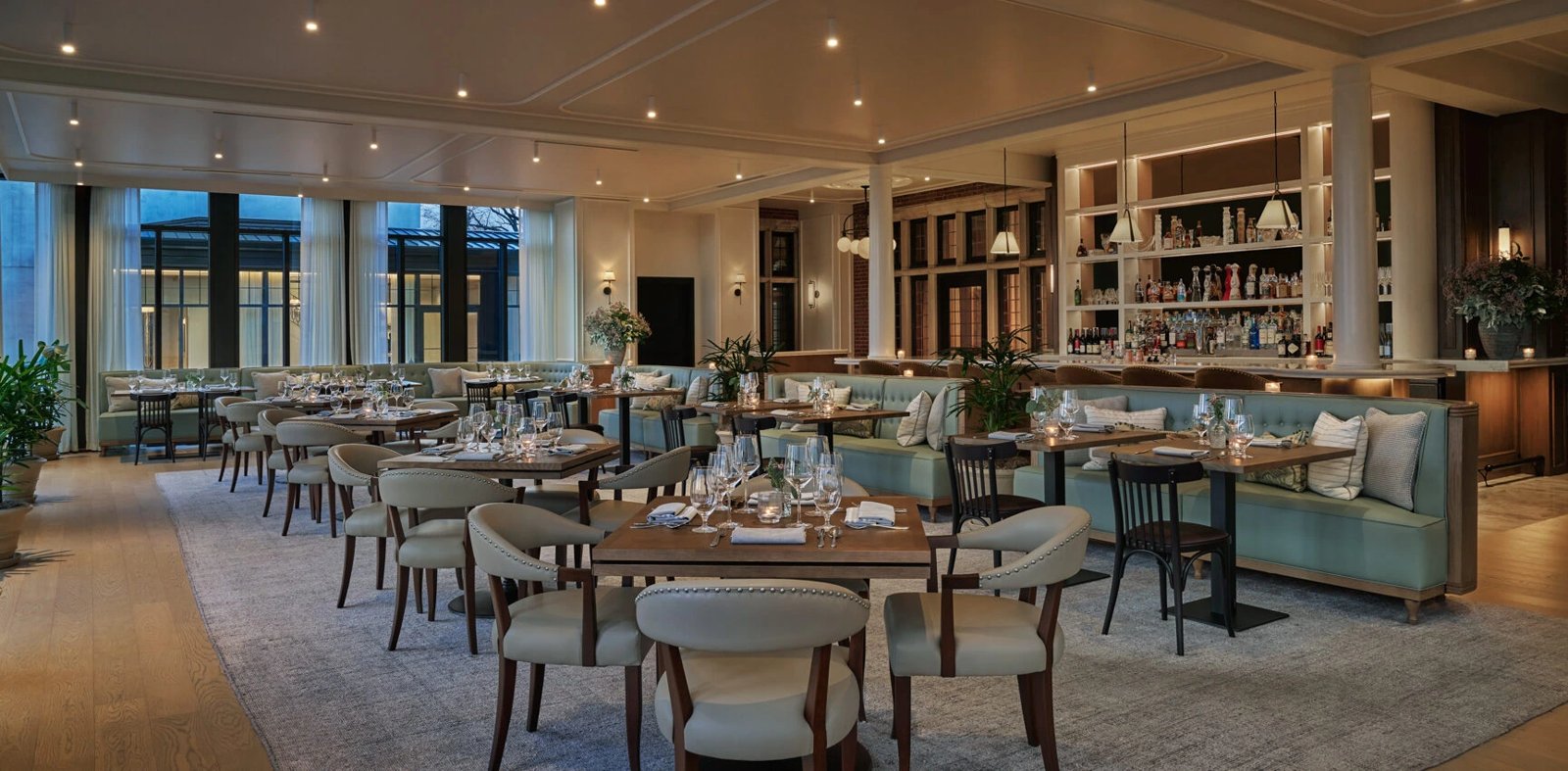
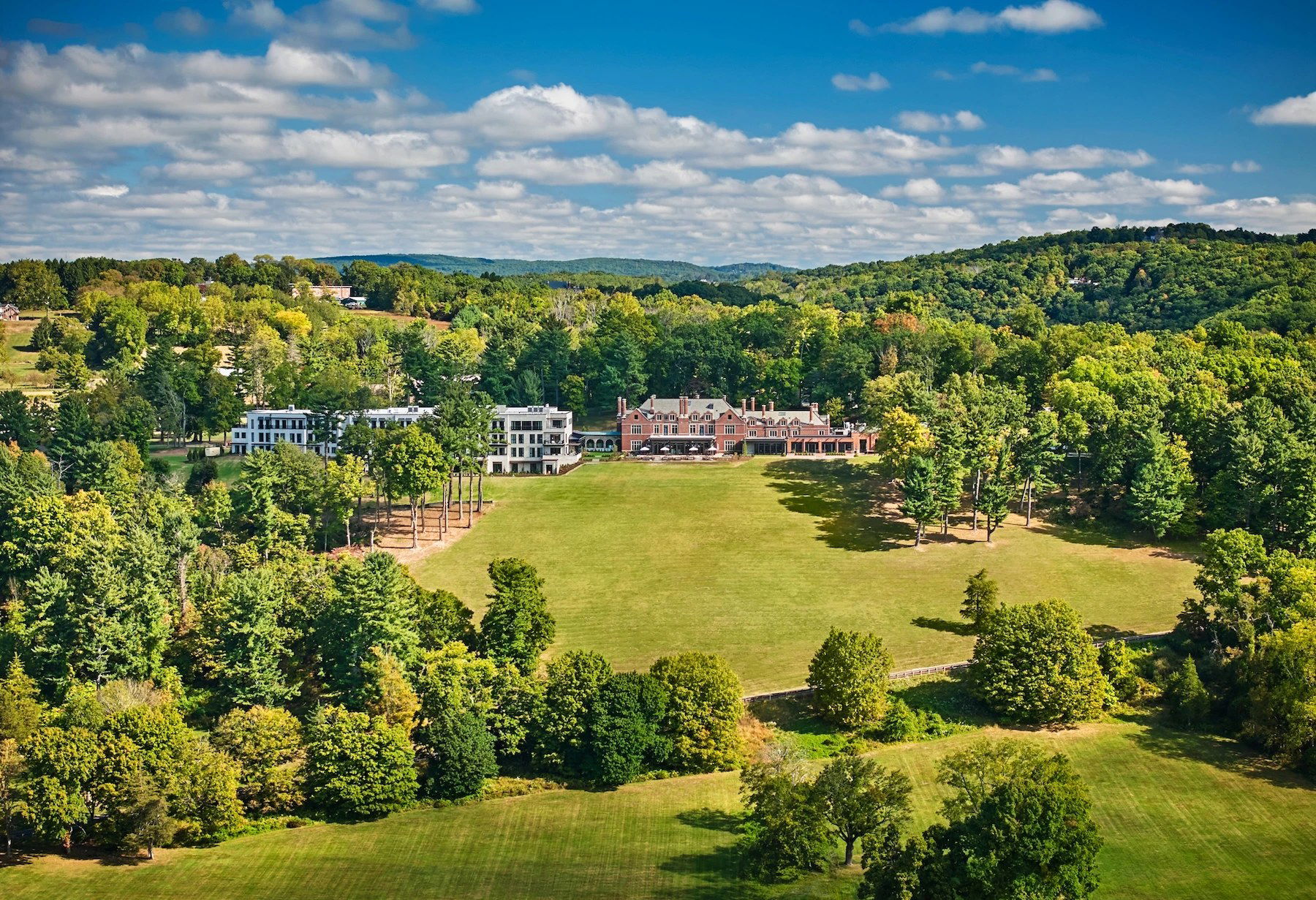
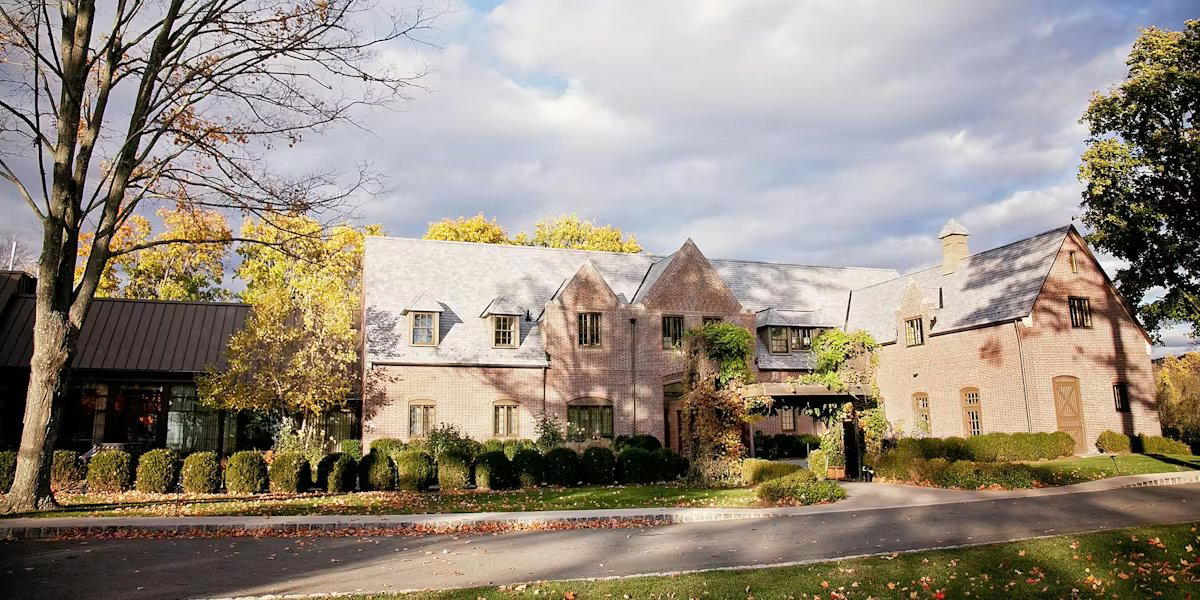
Pendry Natirar reads first as architecture: a 1912 Tudor mansion set on 500 rolling acres that establishes a country‑house tone before you unpack. The original stone gables, leaded windows and high ceilings anchor a restrained, material-forward interior language; newer wings lean into dark wood, marble and brass so the whole place reads as a single, carefully composed estate. The result is a quietly opulent, classic country-house atmosphere—historic bones enlivened by contemporary restraint—where scale and permanence underscore a refined, measured kind of luxury rather than flashy resort theatrics.
Best For
This estate hotel is best for travelers seeking a slow, restorative escape on the private edge of the Northeast—weekend retreats, romantic breaks and milestone anniversaries all fit naturally here. Its acreage and country-house architecture encourage walks across the grounds and a quieter pace than an urban property, while the mix of historic rooms and modern suites suits couples and small groups who want privacy and architectural character. Guests who prize atmosphere and thoughtful materiality over bustling nightlife will find Pendry Natirar especially well suited to a restorative, low-key stay.
Stay Tips
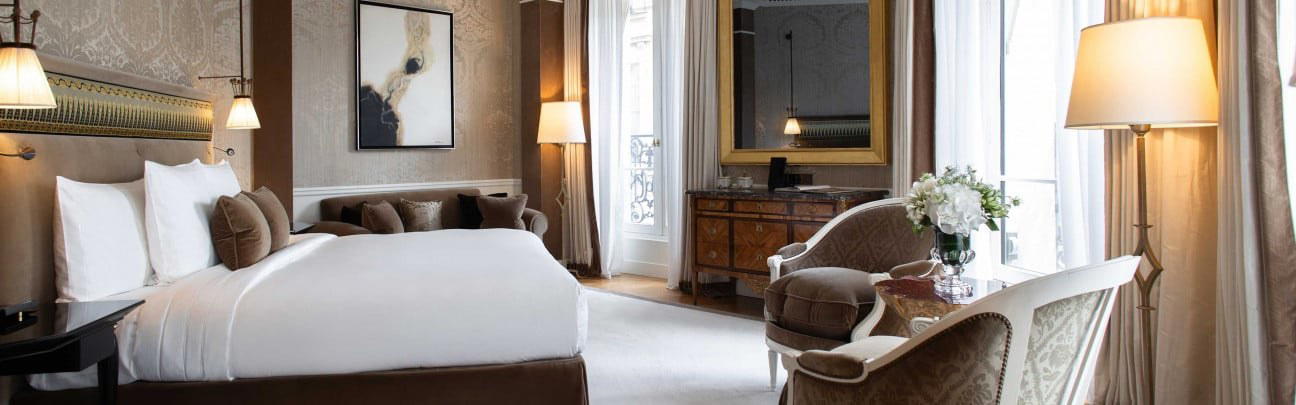
Rooms span the 1912 mansion and later guest wings, so specify where character matters: request a room in the original mansion if period details and high ceilings are a priority; choose a suite in the newer wings for a more contemporary fit-out. The hotel lists 68 guestrooms and 21 suites, so book early for weekend stays and special dates. Expect an estate setting—ask when reserving about views over the grounds or proximity to walking paths to make the most of the five hundred acres.
Venue details
Ambiance
Elegant and tranquil with warm timeless interiors, soft lighting, and a peaceful countryside atmosphere blending luxury and nature.
Tags
Vibe
Best For
Experience
Amenities
View
Accessibility
About the Stay
- Rooms
- 68
- Check-in
- 16:00
- Check-out
- 11:00
- Property Style
- Contemporary Countryside Retreat with Timeless Luxury
- Design Style
- Warm Timeless Interiors Mixing Traditional and Contemporary Country Influence
Know before you go
Know Before You Go
- Getting there
- 400 Natirar Dr, Peapack, NJ 07977
Planning details
Location
Recognition and awards



Also consider
Where to look if Pendry Natirar is full
For a quieter boutique fallback, try The George or Stockton Inn Boutique Hotel. For a city-based trip where convenience beats the retreat setting, compare Conrad New York Downtown with The Ritz-Carlton New York, Battery Park.
Hotel context
How Pendry Natirar compares with nearby luxury-hotel options
Pendry Natirar is the stronger choice for a countryside celebration, while The George and Stockton Inn Boutique Hotel are better fits for travelers who want a smaller boutique stay with less resort-style weight. The tradeoff is simple: book Pendry for a bigger occasion and more polished luxury signals; cross-shop the boutique peers if value and a lower-key stay matter more.
Against W Hoboken, Pendry is less about nightlife-adjacent energy and more about retreat time. W Hoboken makes more sense for skyline access, transit convenience, and a social hotel mood. Pendry is the better call when quiet, space, and occasion framing matter more than being close to city plans.
Compared with Conrad New York Downtown and The Ritz-Carlton New York, Battery Park, Pendry asks travelers to give up Manhattan convenience in exchange for a more retreat-driven stay. Choose the New York hotels for business access or city dining; choose Pendry when the hotel stay itself is the main event.
Explore Peapack
Around this place
Discover more on Pearl
Unlock the full Pendry Natirar guide in Pearl, including awards, comparisons, FAQs, planning details, and nearby places.
Compare Pendry Natirar
| Venue | Location | Awards |
|---|---|---|
| Pendry Natirar | Peapack | 2026 Virtuoso Luxury Hotel Collection2026 Mr & Mrs Smith Luxury HotelsTablet Hotels Design Awards 2026: Best New Hotel Designs (USA & Canada)2025 Esquire Best New HotelsMichelin 1 Key 20252025 Michelin 1 KeyPreferred Hotels L.V.X. Collection 2025 |
| The George | Montclair | No published awards |
| Stockton Inn Boutique Hotel | Stockton | No published awards |
| W Hoboken | Hoboken | No published awards |
| The Ritz-Carlton New York, Battery Park | New York City | No published awards |
| Conrad New York Downtown | New York City | 2025 Michelin Selected Hotels2025 Forbes 4-StarPearl Recommended Hotels |



How Pendry Natirar Peapack compares with similar nearby venues.
FAQ
Frequently Asked Questions
Do loyalty programs work at Pendry Natirar?
Pendry Natirar is a Virtuoso Luxury Hotel Partner and part of the Preferred Hotels L.V.X. Collection. Before booking, compare any relevant partner terms with the direct rate and terms for your dates.
How is the pool and spa at Pendry Natirar?
When is the best time to book Pendry Natirar?
Book based on current availability, rate, cancellation terms, and whether Peapack fits the purpose of your trip.
How is the location of Pendry Natirar?
Pendry Natirar is in Peapack. Treat it as a Peapack hotel option rather than a New York or Hoboken city stay.
How does Pendry Natirar compare to other hotels?
Pendry Natirar is the Peapack choice among the listed comparisons. The George and Stockton Inn Boutique Hotel are separate hotel comparisons, while W Hoboken, The Ritz-Carlton New York, Battery Park, and Conrad New York Downtown are better considered for city-focused stays.
Which room category is best at Pendry Natirar?
For room-category details, choose based on the current room descriptions, rate differences, and cancellation terms shown for your dates.
Is Pendry Natirar good for business travel?
It can be considered for business travel if Peapack fits the trip. Its Michelin 1 Key status and luxury-partner recognition support a premium positioning, but travelers who need city access may prefer Conrad New York Downtown, The Ritz-Carlton New York, Battery Park, or W Hoboken.