
Secolario - Masseria del Viverbene
Palmariggi
Hotel in Palmariggi, Italy
 Book with Pearl
Why go
Secolario - Masseria del Viverbene is worth considering for a quiet Palmariggi stay with MICHELIN Guide hotel selection recognition. Book it for the countryside hotel experience and special-occasion pacing, but confirm dining format, meal availability, and room details before treating it as a restaurant-led trip.
About Secolario - Masseria del Viverbene
Should you book Secolario - Masseria del Viverbene in Palmariggi? Details are limited, so the safest answer is: consider it if the name, location, and MICHELIN Guide hotel selection are enough to start your planning, then confirm any stay or dining specifics directly before you book.
The clear trust signal is recognition from the MICHELIN Guide hotel selection in 2025. This recognition does not include information about cuisine, chef, menu format, price, room category, or service schedule. Use the MICHELIN hotel recognition as a starting point, but do not build the trip around unconfirmed details.
Book with confirmed details, not assumptions
Secolario - Masseria del Viverbene is in Palmariggi, and the dress code is smart casual. Beyond that, specific dining formats, opening hours, room types, prices, amenities, or booking conditions are not available.
If the meal, arrival timing, or a particular facility is central to the occasion, confirm those details directly through the booking channel you use. Ask specific questions before committing: whether dining is available for your date, what format is offered, what the current rates include, and what smart casual means for your visit.
Who will get the value here
Choose this if you are specifically considering Secolario - Masseria del Viverbene in Palmariggi and value the reassurance of a MICHELIN Guide hotel selection. Be more cautious if your decision depends on a known cuisine, a published menu, a named chef, a set price, or confirmed amenities, as information about those details is not available.
For comparison, look at other dining or hotel options in Palmariggi generically, then check current details directly with each property. The important distinction is that Secolario - Masseria del Viverbene has MICHELIN Guide Hotels Selected recognition for 2025, while other specifics should be confirmed before booking.
Planning details
- Location
- località Alti Pareti, Palmariggi, Italy
- Phone
- +393758750934
The take
The Take
The Vibe
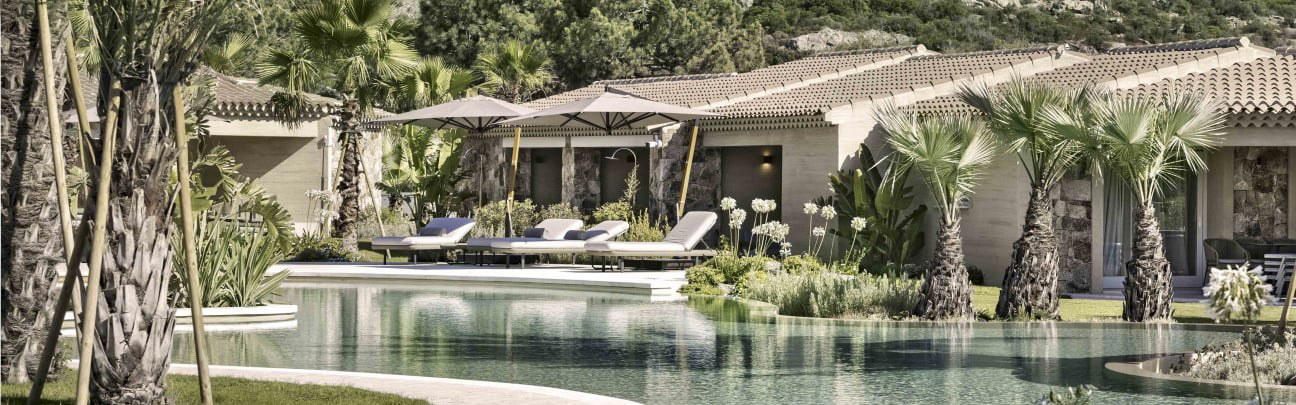
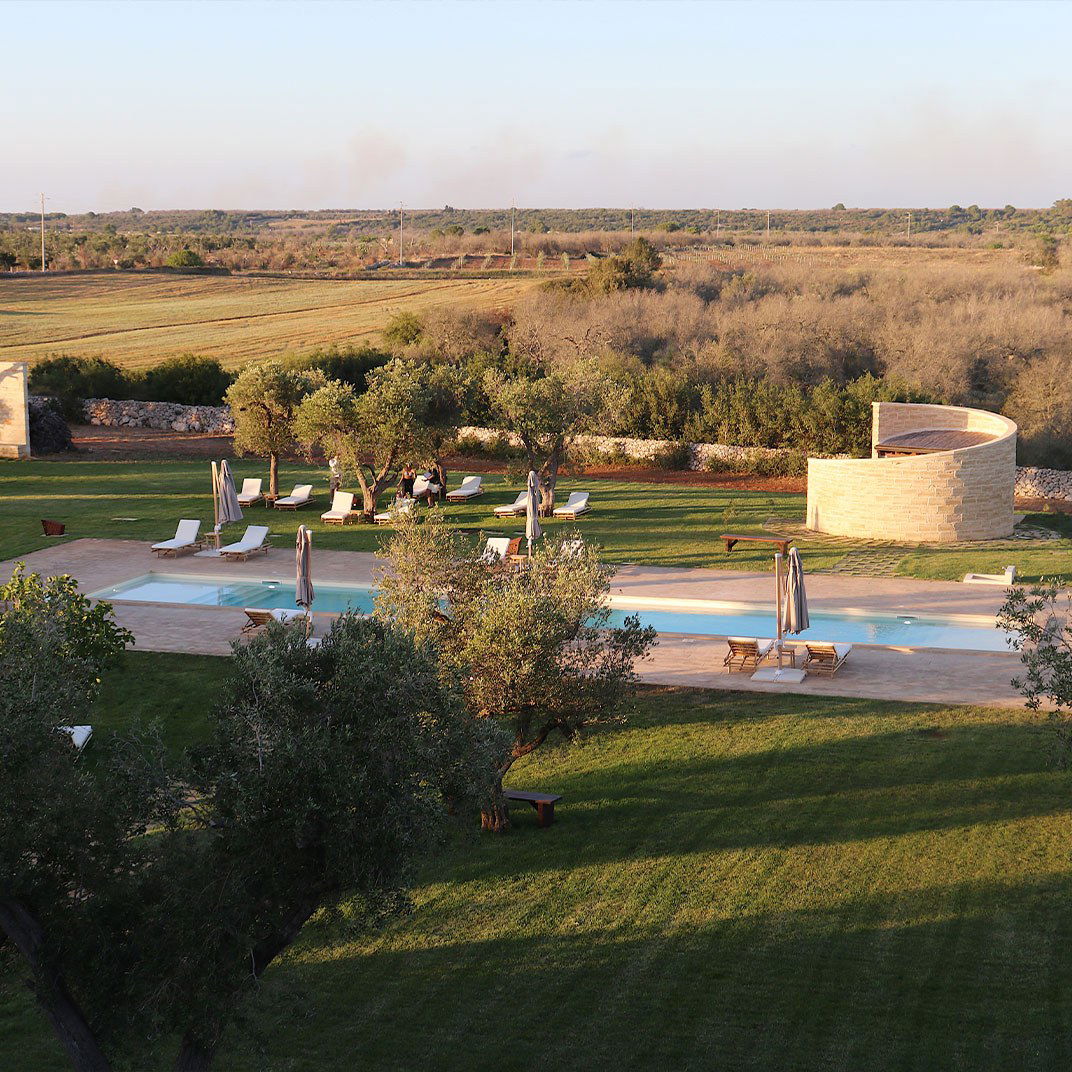
Secolario presents a deliberate, quietly restorative atmosphere rooted in Salento's working architecture. The restored masseria favors the region's pale limestone, trulli and barrel‑vaulted lamie, and the estate's layout preserves open cortile and agricultural structures rather than erasing them. Silence and thermal‑wise construction shape the experience as much as decorative choices; the property reads as an inhabited piece of vernacular architecture. Its inclusion in the 2025 Michelin Selected hotels guide signals that the careful interventions prioritize hospitality without softening the building's original character, creating a contemplative place for guests attuned to place, craft and slow rhythms.
Best For
This is a stay for travelers who prize architecture, landscape and quiet. The masseria sits amid olive groves and dry‑stone walls, so guests seeking a restorative countryside retreat and an authentic sense of place find it especially rewarding. The property's careful restoration and Michelin Selected recognition also appeal to design‑minded visitors who want considered hospitality rather than a boutique generic conversion. Expect slow mornings, long walks through the estate grounds and evenings spent inside vaulted rooms or open cortile spaces, all geared toward an unhurried, introspective stay.
Venue details
Ambiance
Quiet sobriety with thick limestone walls, natural light, Puglia-inspired craftsmanship, and serene olive grove surroundings.
Tags
Vibe
Best For
Experience
Amenities
View
Accessibility
About the Stay
- Rooms
- 20
- Check-in
- 15:00
- Check-out
- 11:00
- Property Style
- Restored Historic Apulian Masseria with Contemporary Updates Preserving Territorial Memory and Craftsmanship.
- Design Style
- Puglia Inspired with Refined Lecce Stone Furnishings, High Ceilings, and Natural Materials.
Know before you go
Know Before You Go
- Getting there
- località Alti Pareti, Palmariggi, Italy
Planning details
Location
località Alti Pareti, Palmariggi, Italy · Directions
Recognition and awards
Explore Palmariggi
Around this place
Discover more on Pearl
Unlock the full Secolario - Masseria del Viverbene guide in Pearl, including awards, comparisons, FAQs, planning details, and nearby places.
FAQ
Frequently Asked Questions
Is Secolario - Masseria del Viverbene good for business travel?
There is not enough information to judge business-travel fit. Secolario - Masseria del Viverbene is in Palmariggi and is listed in the MICHELIN Guide Hotels Selected 2025, but details such as work facilities, transport convenience, and business services should be confirmed directly.
What is check-in like at Secolario - Masseria del Viverbene?
Check-in details are not available. Confirm arrival times, late-arrival procedures, and any required booking information directly with Secolario - Masseria del Viverbene before you travel to Palmariggi.
Do loyalty programs work at Secolario - Masseria del Viverbene?
No loyalty program information is available. The recognition is the MICHELIN Guide Hotels Selected 2025 listing, not a disclosed points or membership structure.
How is the dining at Secolario - Masseria del Viverbene?
Dining specifics are not available. Cuisine type, menu format, chef, price, or service schedule are not known, so contact Secolario - Masseria del Viverbene directly if dining is important to your booking.
How is the pool and spa at Secolario - Masseria del Viverbene?
Which room category is best at Secolario - Masseria del Viverbene?
Room categories are not available. Ask Secolario - Masseria del Viverbene directly which room type best matches your priorities before confirming a stay.
How is the location of Secolario - Masseria del Viverbene?
Secolario - Masseria del Viverbene is in Palmariggi. No more specific location detail is available.