
Nixe Palace
Cala Major, Palma de Mallorca
Hotel in Palma de Mallorca, Spain
 Book with Pearl
The Read
Ponent Seafront Positioning
Price
$300–500per night
Why go
Book Nixe Palace if the trip needs Palma access with a calmer coastal base, especially for business travel that includes downtime or a celebration add-on. It is less compelling if the priority is a highly central boutique hotel, but the Preferred Hotels membership signal and easy booking profile make it a practical upscale choice.
About Nixe Palace
Nixe Palace is a venue in Palma de Mallorca with a smart casual dress code and Preferred Hotels Member (2025) recognition.
For travelers comparing options in Palma de Mallorca, Nixe Palace is best assessed on the confirmed basics: its location in Palma de Mallorca, its smart casual standard, and its Preferred Hotels membership signal. If you are choosing between Nixe Palace and another option, confirm current services and booking terms directly before committing.
A better fit for travelers who want basics first
Nixe Palace is easiest to understand as a Palma de Mallorca venue with a clear external affiliation through Preferred Hotels Member (2025). That recognition gives the venue a useful quality signal, but it should not be treated as proof of any specific service, room feature, dining format, or amenity. Guests should verify current details with the venue or booking channel before making plans around them.
If your trip depends on specific arrangements, confirm them in advance rather than relying on assumptions. For broader planning around the city, use Our full Palma de Mallorca restaurants guide, Our full Palma de Mallorca bars guide, and Our full Palma de Mallorca experiences guide to build around the visit.
Book for Palma de Mallorca and Preferred Hotels membership
The most grounded reason to consider Nixe Palace is the combination of a Palma de Mallorca base, smart casual dress code, and Preferred Hotels Member (2025) status. That recognition is not a substitute for checking the exact current terms, but it does provide a clearer reference point than an unaffiliated listing. If Preferred Hotels participation matters to your plans, confirm the eligible booking channel before you reserve.
Planning details
- Location
- Avinguda de Joan Miró, 269, Ponent, 07015 Palma, Illes Balears
- Website
- hotelmallorcanixepalace.com
- Phone
- +34 971 70 08 88
The take
The Take
The Vibe
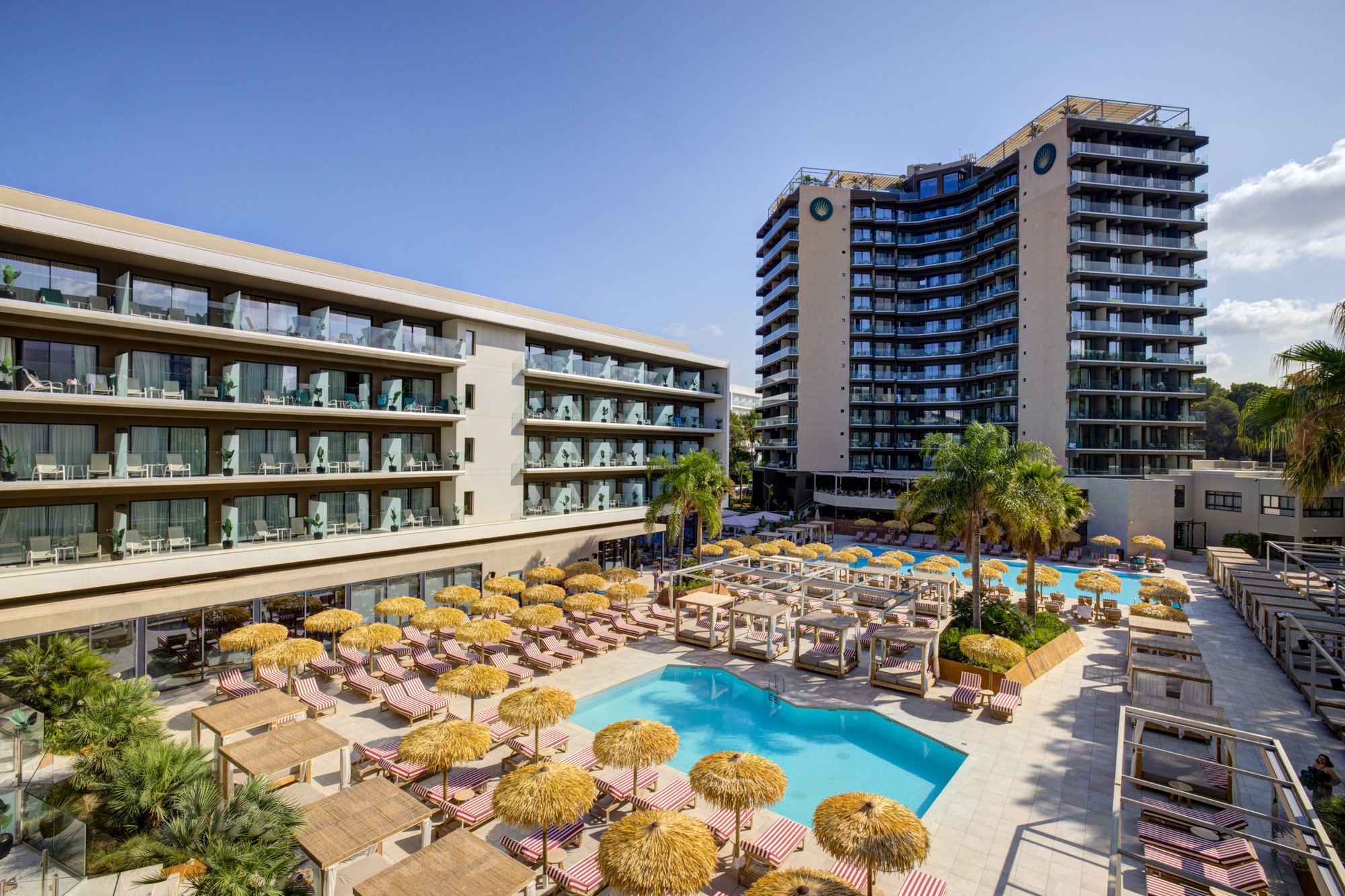
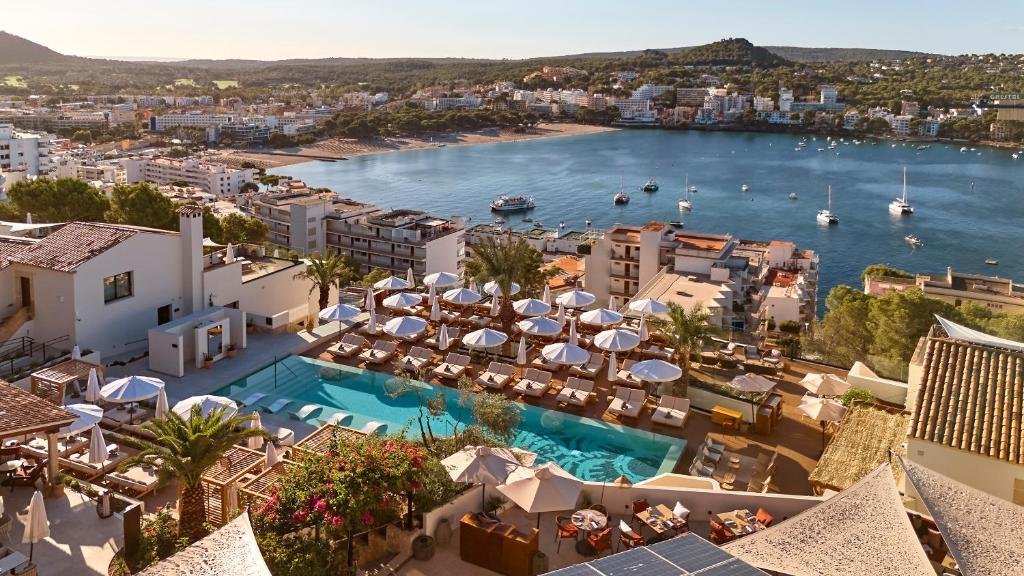
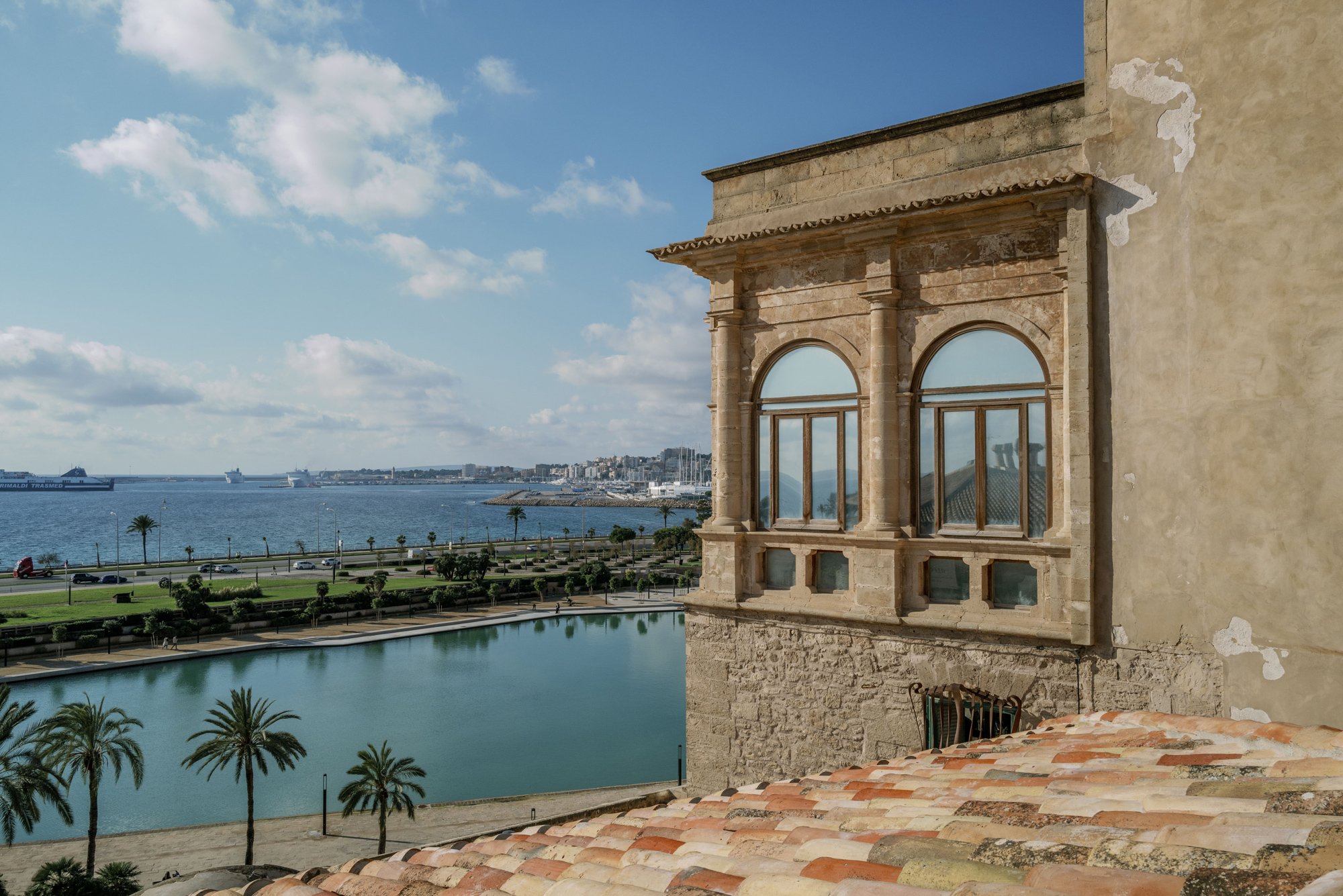
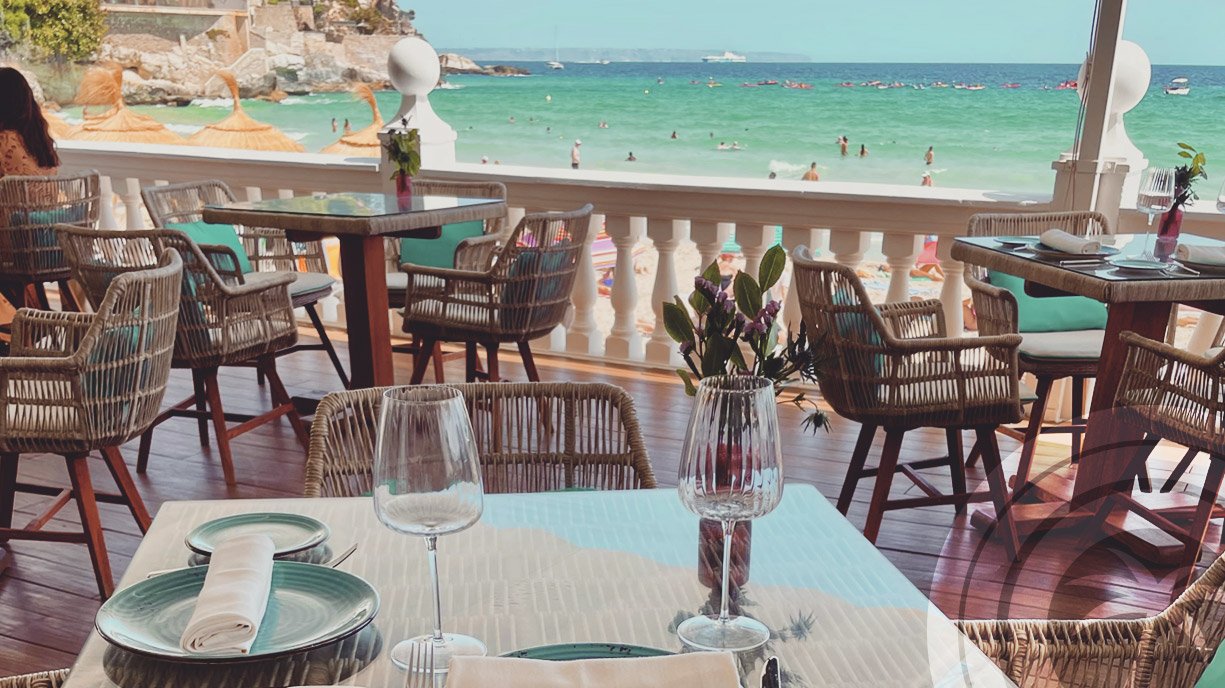
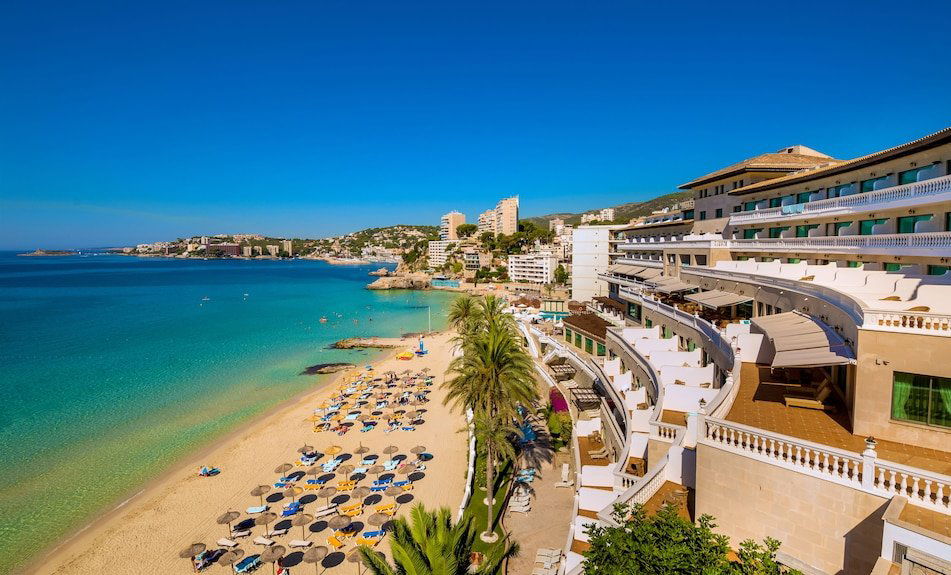
Nixe Palace sits squarely on Palma’s western seafront and reads as a mid-size, seafront hotel rather than a tucked-away boutique or a sprawling resort. The property’s scale—133 rooms—keeps it compact enough to avoid anonymous corridors while positioning it among the mid-century modernist apartment buildings that define this stretch of boulevard. The hotel’s frontage opens directly onto the bay, so the prevailing impression is of a water-facing urban property that balances seaside openness with the composed restraint of a city hotel. It feels like a considered seafront base rather than a rustic retreat or old-town hideaway.
Best For
Nixe Palace is best suited to travelers who want direct access to Palma’s bay while remaining close to the city’s streets and restaurants. As a city-adjacent, mid-size hotel it functions well as a practical base for exploring Palma properly—daytime museum and market visits, evenings in town—and for guests who prefer staying by the water without committing to full-resort scale. Its location where the city begins to give way to the residential barrio of Ponent makes it convenient for those seeking a quieter seafront setting with straightforward access to Palma’s culinary and cultural offerings.
Stay Tips
If a water-facing experience matters, request a room with a view of the Bay of Palma—frontages are described as opening directly toward the water. Take advantage of the hotel as a staging point for Palma’s evolved dining scene: sample the hotel’s restaurant offerings and then head into the city to explore market-driven and contemporary Spanish spots in the old town. Because the property occupies a mid-size footprint, guests can expect easier circulation than at a large resort—use the hotel as your hub for daytime outings and evening restaurant reservations in central Palma.
Venue details
Ambiance
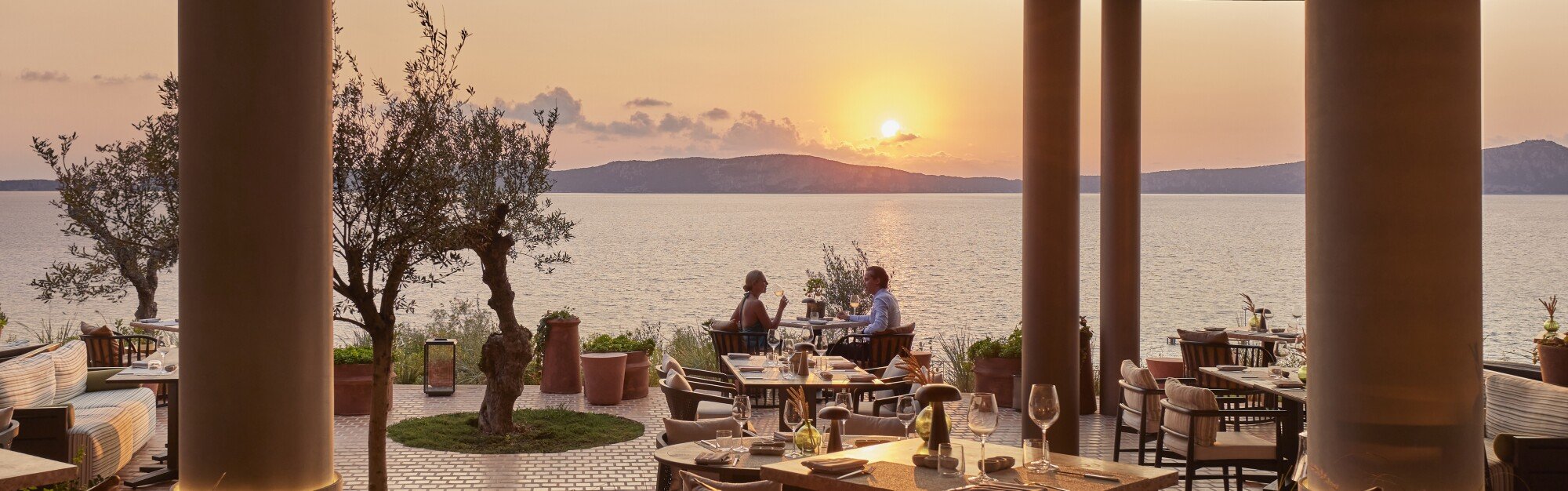
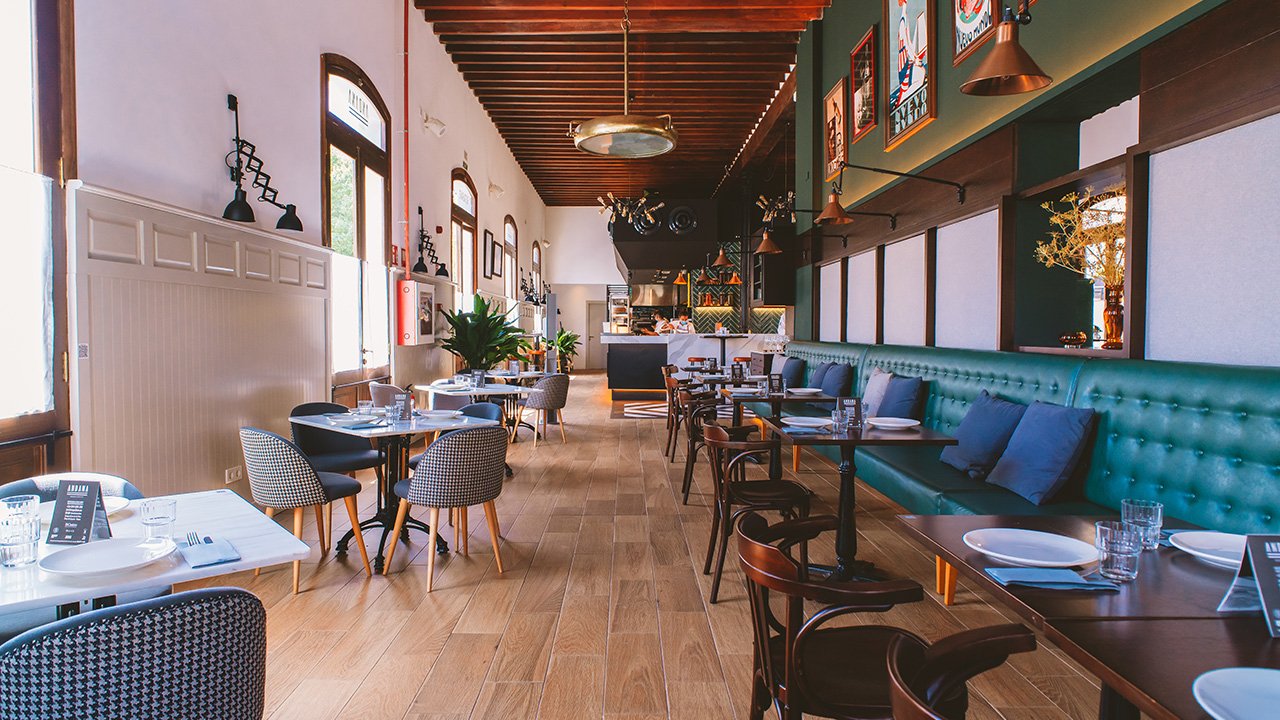
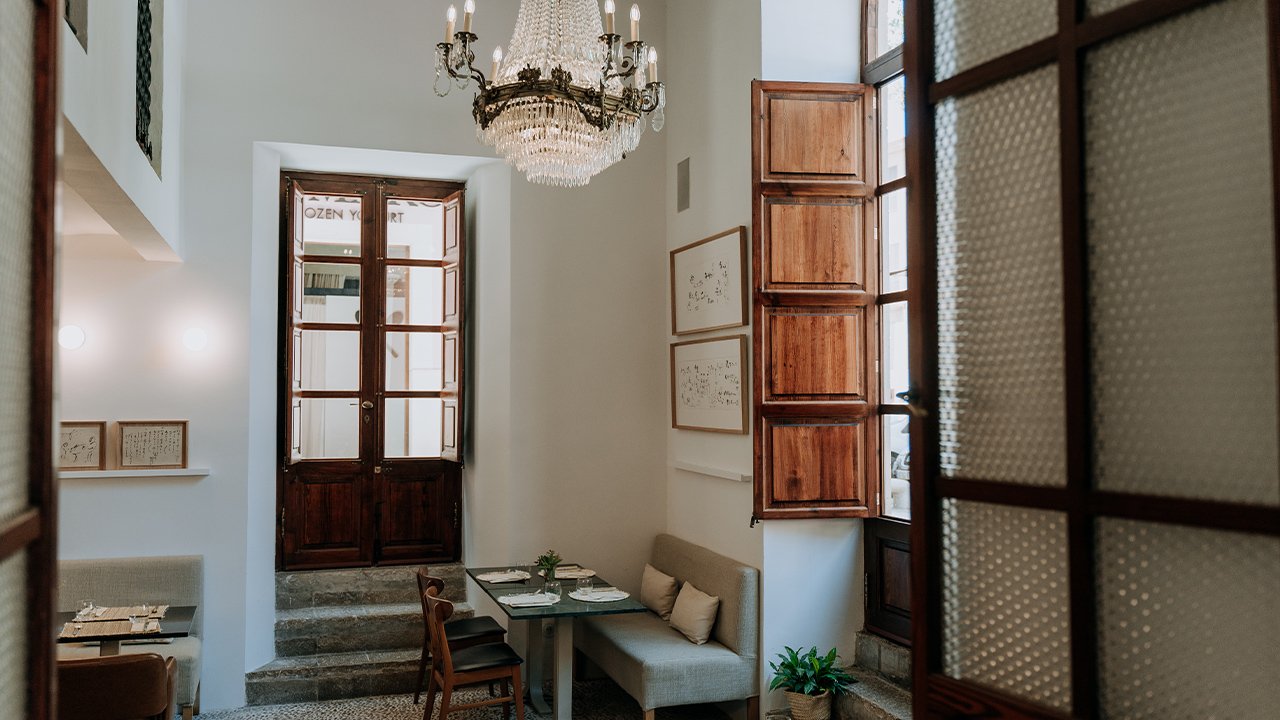
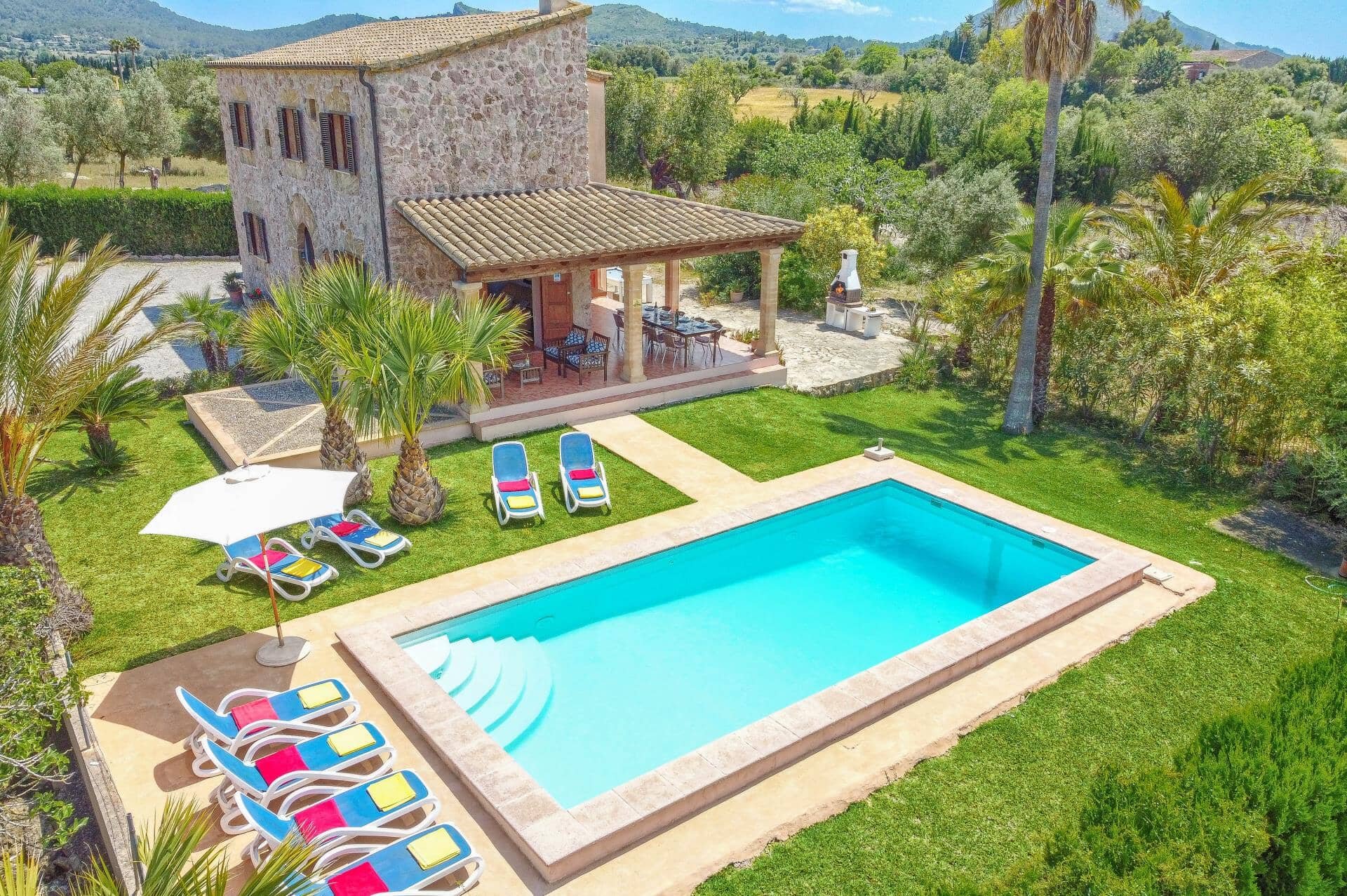
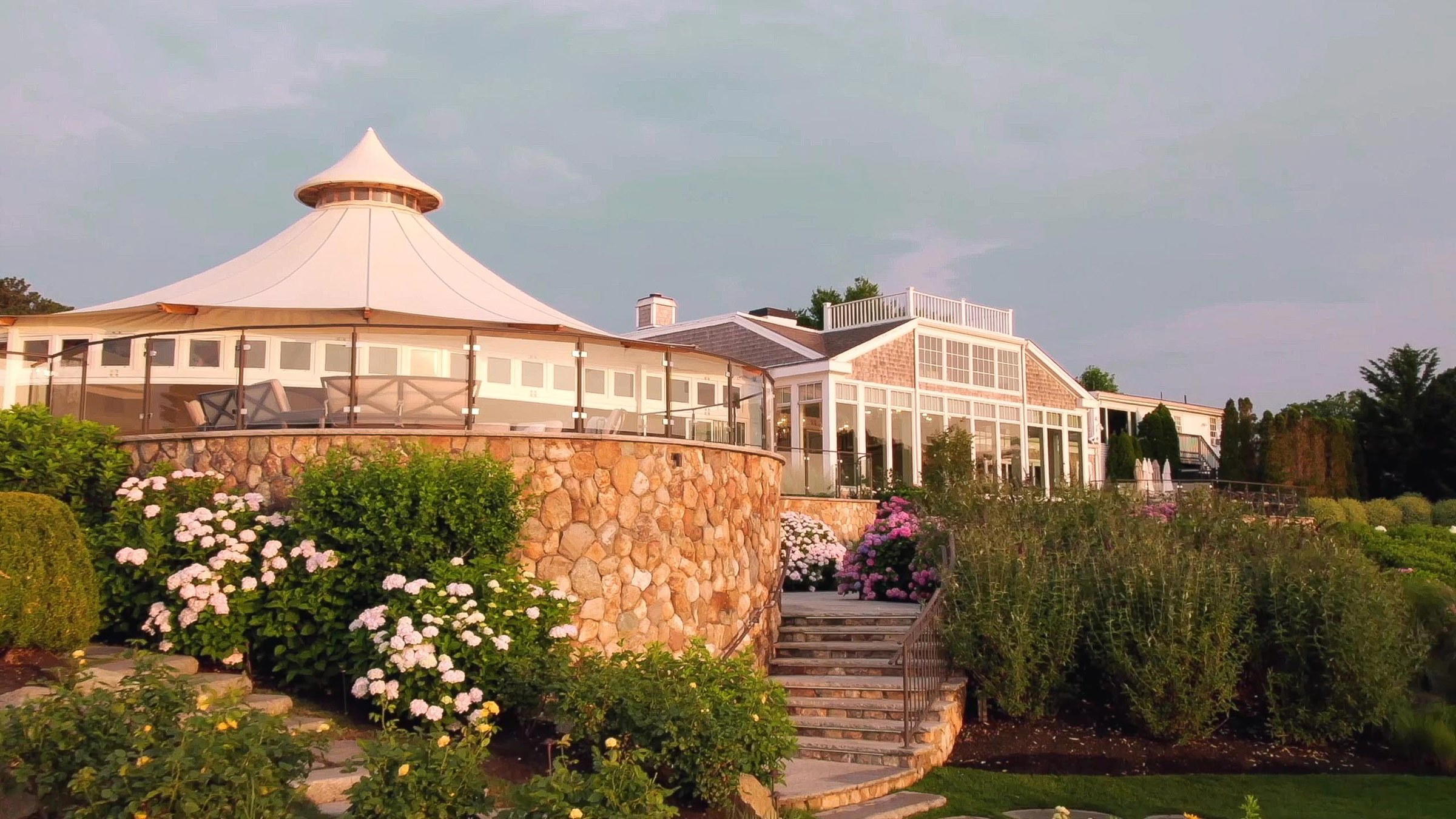
Serene and upscale with Mediterranean elegance, featuring heated sea-view terraces, garden areas, and sophisticated poolside settings with piano bar entertainment.
Tags
Vibe
Best For
Experience
Amenities
View
Accessibility
About the Stay
- Rooms
- 133
- Check-in
- 15:00
- Check-out
- 11:00
- Property Type
- Palace hotel
- Property Style
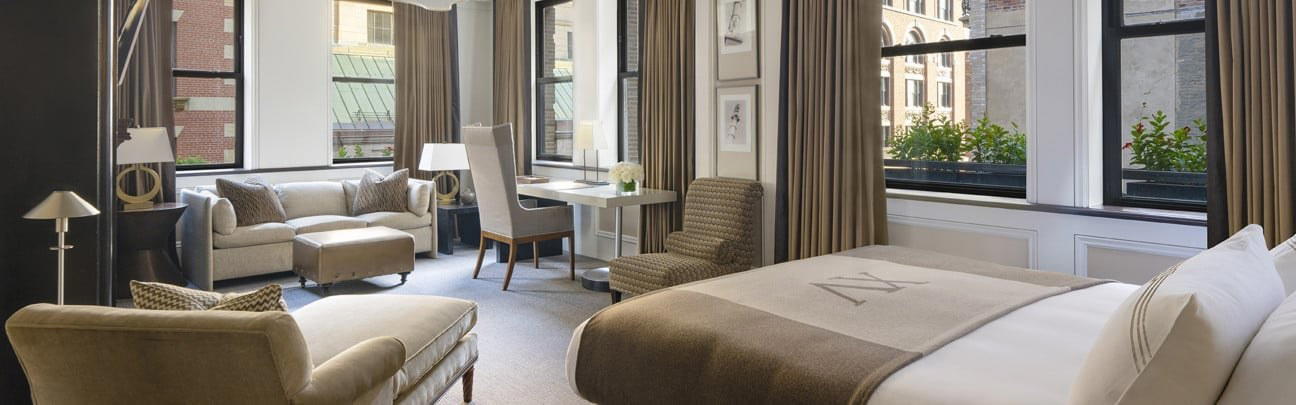
- Luxury Beachfront Palace Hotel with Mediterranean Architecture and Contemporary Wellness Focus, Positioned as an Exclusive Retreat Near the Spanish Royal Family Residence.
- Design Style
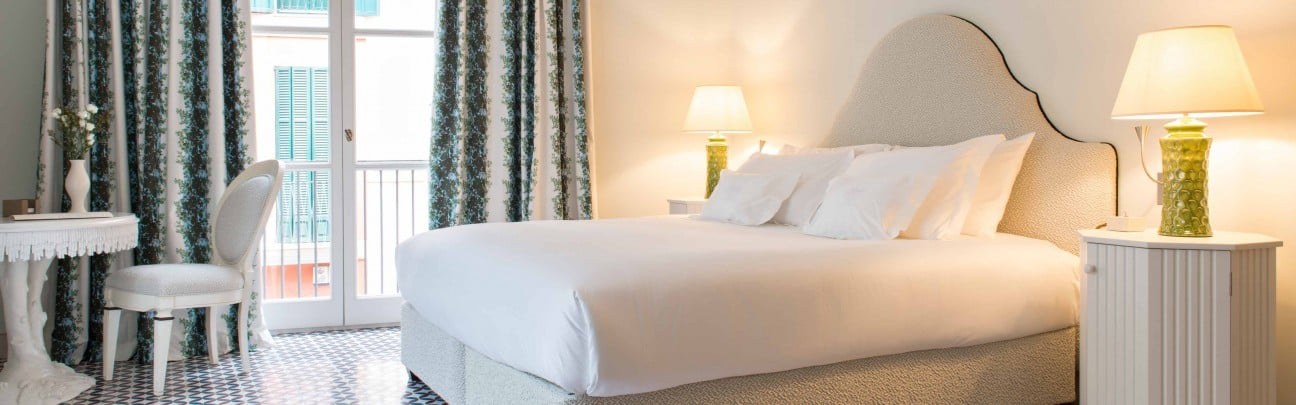
- Mediterranean Elegance with Modern Luxury Touches, Featuring Parquet Floors, Marble Bathrooms, Sea View Terraces, and Sophisticated Spa Facilities with Thermal Design Elements.
- Airport Transfer
- Available
- Pool
- Yes
- Spa
- Yes
- Families
- Welcome
- Cancellation
- Moderate
Know before you go
Know Before You Go
- Getting there
- Avinguda de Joan Miró, 269, Ponent, 07015 Palma, Illes Balears
Planning details
Location
Avinguda de Joan Miró, 269, Ponent, 07015 Palma, Illes Balears · Directions
Recognition and awards
Also consider
If this is not the right fit
For a spa-led Palma-area stay, check Hotel Hospes Maricel & SPA. For an adult-only resort mood, compare Hotel de Mar Gran Meliá - The Leading Hotels of the World - Adults only. For a more style-driven marina base, look at Portals Hills Boutique Hotel.
Hotel context
How it compares in Palma de Mallorca
Nixe Palace is the practical city-coast option in this set: easier to book, useful for Palma access, and better for travelers who want a polished base without committing to a more removed resort rhythm. Hospes Maricel and Hotel Hospes Maricel & SPA are stronger cross-shops if spa time and a more self-contained stay matter more than quick city logistics.
Choose Hotel De Mar or Hotel de Mar Gran Meliá - The Leading Hotels of the World - Adults only when the trip is adult-focused and resort-led. Those are better fits for a quieter leisure brief; Nixe Palace is the more useful pick when work meetings, Palma dinners, and coastal downtime all need to coexist.
Portals Hills Boutique Hotel is the sharper choice for a more style-forward stay near the marina scene. Book Nixe Palace instead when reliability, location balance, and an easier reservation matter more than a scene-heavy hotel personality.
Around this place
Discover more on Pearl
Unlock the full Nixe Palace guide in Pearl, including awards, comparisons, FAQs, planning details, and nearby places.
Compare Nixe Palace
| Venue | Location | Awards |
|---|---|---|
| Nixe Palace | Palma de Mallorca | Preferred Hotels Member 2025 |
| Hospes Maricel | Palma | No published awards |
| Hotel Hospes Maricel & SPA | Mallorca | No published awards |
| Hotel De Mar | Mallorca | 2026 La Liste Top HotelsLeading Hotels of the World 2026 |
| Hotel de Mar Gran Meliá - The Leading Hotels of the World - Adults only | Ses Illetes | No published awards |
| Portals Hills Boutique Hotel | Mallorca | No published awards |


How Nixe Palace Palma de Mallorca compares with similar nearby venues.
FAQ
Frequently Asked Questions
Do loyalty programs work at Nixe Palace?
The confirmed recognition here is Preferred Hotels Member (2025). If that affiliation matters to your plans, check the booking channel and current terms before reserving Nixe Palace in Palma de Mallorca.
How is the location of Nixe Palace?
Nixe Palace is in Palma de Mallorca. Specific street-address details are not included here, so confirm the exact location through the venue or your booking platform before planning transfers.
When is the best time to book Nixe Palace?
Book when your Palma de Mallorca dates are firm, especially if you need a particular booking condition. Current availability and terms should be checked directly through the venue or booking channel.
Does Nixe Palace have pool or spa facilities?
If wellness facilities are central to your decision, confirm current information directly with Nixe Palace and compare with options such as Hotel Hospes Maricel & SPA.
How is the dining at Nixe Palace?
If the meal program is a priority, check Nixe Palace's official channels for the latest details and compare with other relevant options such as Hotel De Mar or Hotel de Mar Gran Meliá - The Leading Hotels of the World - Adults only.
Which room category is best at Nixe Palace?
Choose based on your confirmed needs and the current descriptions provided by Nixe Palace or your booking channel.
Is Nixe Palace good for business travel?
Nixe Palace may suit travelers who want a Palma de Mallorca venue with Preferred Hotels Member (2025) recognition. If comparing it with Portals Hills Boutique Hotel, confirm the current location, services, and booking terms that matter most to your trip.