
Innisbrook Resort
Palm Harbor
Hotel in Palm Harbor, United States
 Book with Pearl
The Read
Wooded Golf Campus
Why go
Innisbrook Resort is the practical Palm Harbor choice for travelers who want a full resort base with easier booking conditions than the Clearwater Beach hotels. Book it for scale, staff-supported logistics, and a less beach-dependent trip; choose Sandpearl Resort, Opal Sands Resort & Spa, Hyatt Regency Clearwater Beach, or JW Marriott Clearwater Beach Resort & Spa if direct coastal positioning is the priority.
About Innisbrook Resort
Innisbrook Resort is a Palm Harbor venue with a clear signal: Preferred Hotels Member (2025). For travelers comparing resort-style stays in the area, that membership is the main confirmed recognition available here.
Beyond that, the public details are intentionally limited. The dress code is casual, and the venue is best evaluated as a Palm Harbor resort option rather than through claims about specific facilities, dining, rooms, pricing, or service formats.
Book for a Palm Harbor resort stay
If the trip is centered on Palm Harbor, Innisbrook Resort belongs on the shortlist. Travelers also comparing broader regional stays may look at Sandpearl Resort, Hyatt Regency Clearwater Beach, Opal Sands Resort & Spa, JW Marriott Clearwater Beach Resort & Spa, or Palihouse Hyde Park Village, depending on the kind of base they want.
The safest way to evaluate Innisbrook is to focus on the confirmed basics: it is in Palm Harbor, has casual dress expectations, and carries Preferred Hotels Member status for 2025. Details such as specific amenities, room categories, dining formats, rates, and schedules should be checked directly with the venue before booking.
Timing matters more than room hype for a first stay
Because details about specific room types and on-property offerings are not available in this guide, first-time guests should avoid making a decision based on assumptions. Confirm the current booking terms, room setup, and any services that matter to your trip directly with Innisbrook Resort.
Dining should also be with the venue rather than assumed. If food is the main driver, compare other Palm Harbor dining options generically, and use confirmed hotel details for the broader stay decision.
The verdict: consider Innisbrook Resort if you want a Palm Harbor resort with Preferred Hotels Member recognition. Look elsewhere if your decision depends on a specific amenity, dining format, room category, or location feature that has not been confirmed.
Planning details
- Location
- 36750 US Highway 19 North, Palm Harbor, FL 34684
- Website
- innisbrookgolfresort.com
- Phone
- +1 727-942-2000
The take
The Take
The Vibe
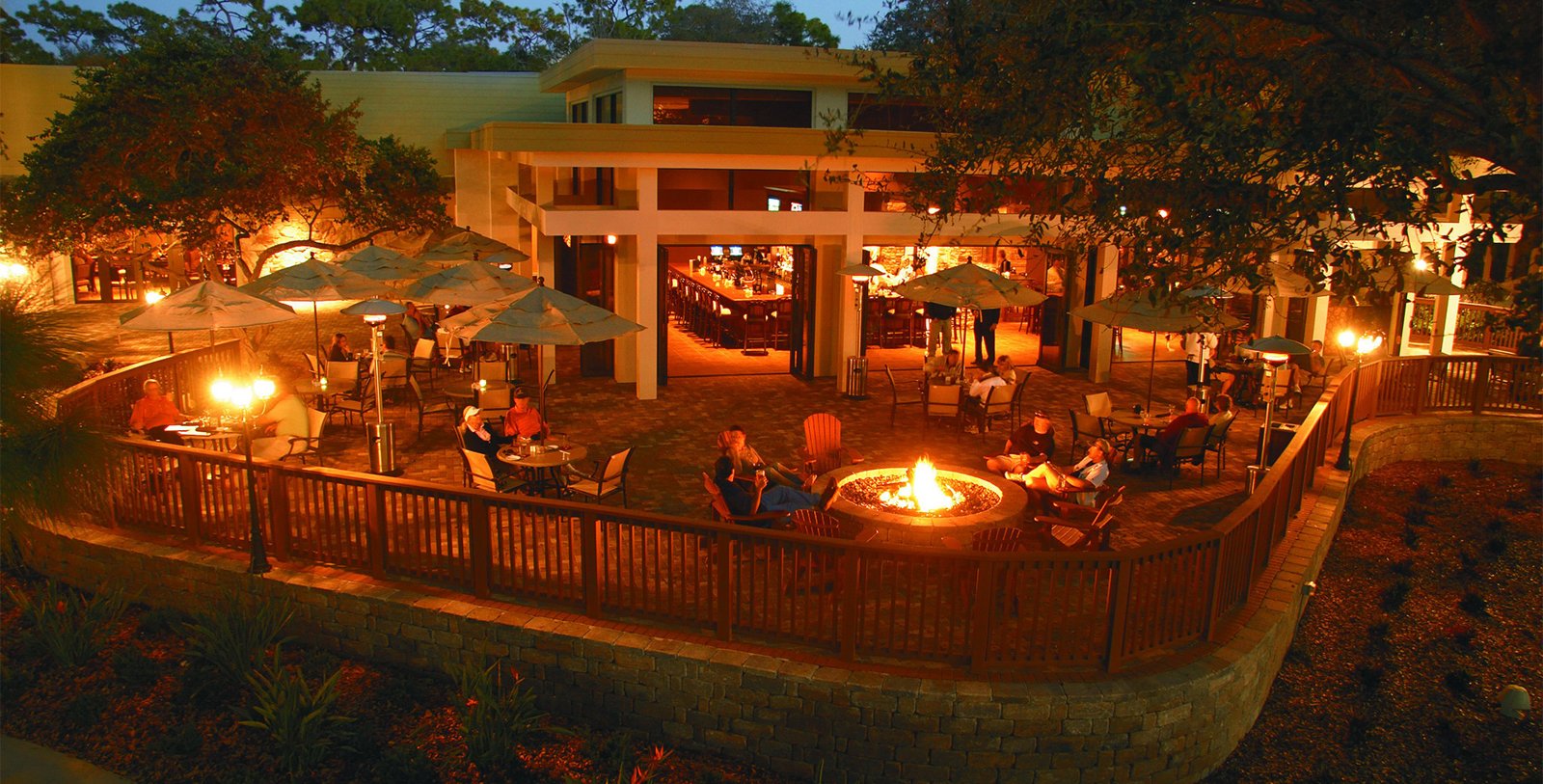
Innisbrook presents a low-key, lodge-driven character that privileges landscape over architecture. Spread across roughly 900 acres, the property threads rooms through natural ravines, dense tree cover and modest elevation changes, creating a sense of tucked-away seclusion more like Carolina hill-country than typical Florida flatland. The buildings are deliberately understated, so the site itself becomes the focal point: walking paths, wooded approaches and dispersed lodges make the resort feel intimate and residential rather than vertical and theatrical. The overall effect is quietly charming and cozy, an escape defined by terrain and trees rather than a showy lobby.
Best For
This is a property best suited to travelers seeking a getaway where grounds and outdoor setting matter. The resort’s low-density layout and lodge-style accommodations make it a natural fit for families looking for space and privacy, golf groups drawn to destination-course settings, and groups seeking a retreat-style weekend away from convention crowds. Because the development emphasizes landscape over a single monumental building, stays here center on outdoor exploration and the quiet rhythm of the grounds rather than downtown sightseeing or beachfront activity.
Venue details
Ambiance
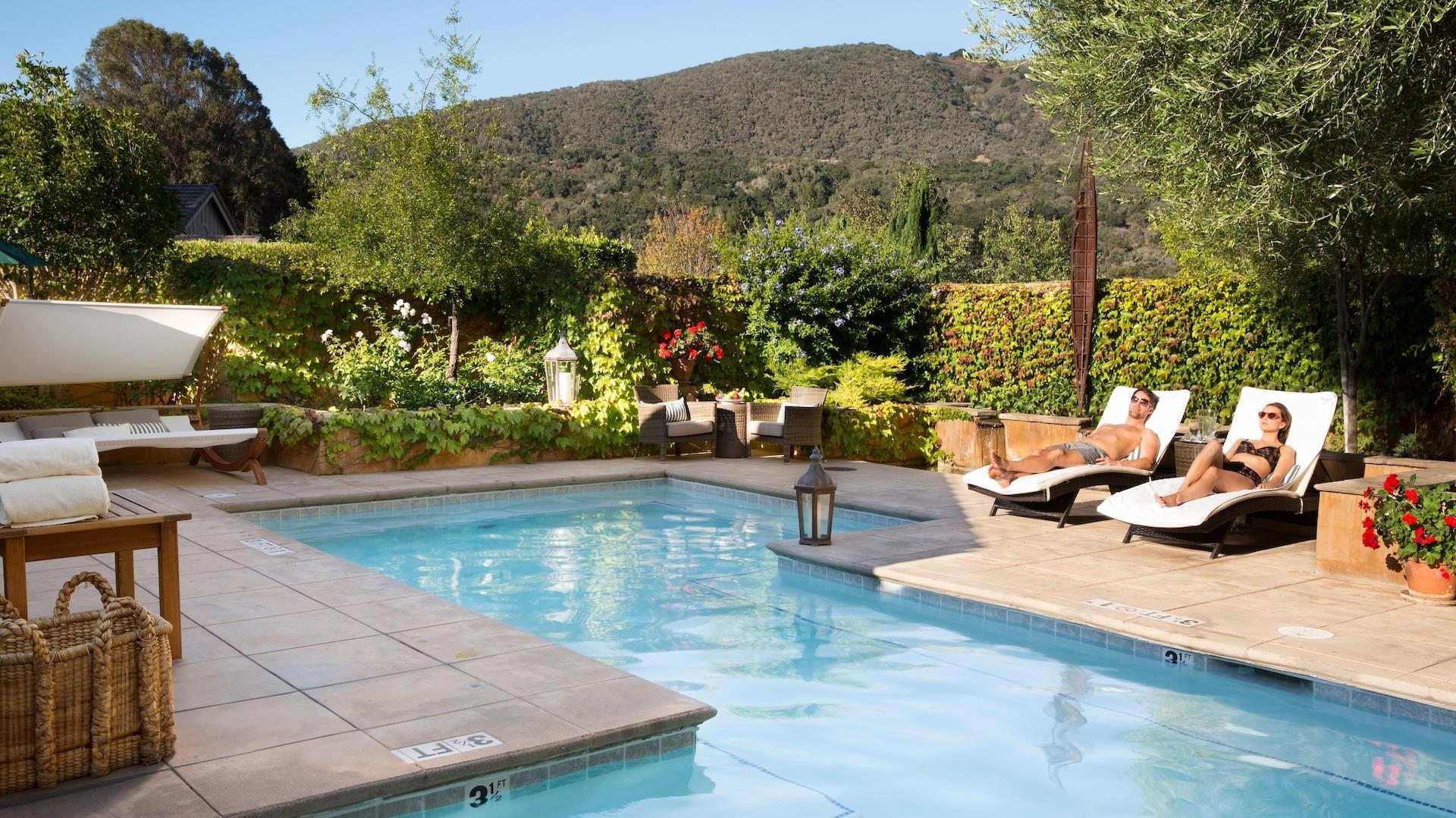
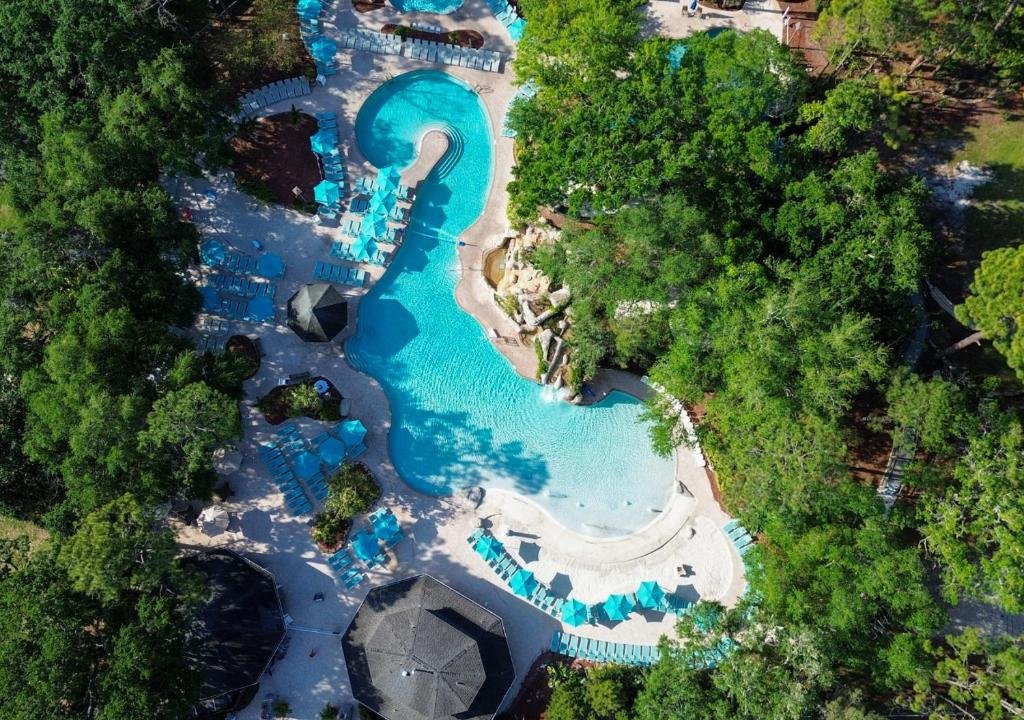
Relaxed and scenic with rolling hills, peaceful lakes, and family-friendly pool areas featuring waterslides and natural surroundings.
Tags
Vibe
Best For
Experience
Amenities
View
About the Stay
- Rooms
- 298
- Check-in
- 16:00
- Check-out
- 11:00
- Property Style
- Wooded Golf Resort with Spacious Accommodations and Extensive Recreational Facilities.
- Design Style
- Classic Resort Aesthetic with Scenic Natural Elements.
- Pool
- Yes
- Spa
- Yes
- Pets
- Allowed
- Families
- Welcome
Know before you go
Know Before You Go
- Getting there
- 36750 US Highway 19 North, Palm Harbor, FL 34684
Planning details
Location
36750 US Highway 19 North, Palm Harbor, FL 34684 · Directions
Recognition and awards
Also consider
Also Consider
- Sandpearl Resort, Notable alternative
- Hyatt Regency Clearwater Beach, Notable alternative
- Opal Sands Resort & Spa, Notable alternative
- JW Marriott Clearwater Beach Resort & Spa, Notable alternative
- Palihouse Hyde Park Village, Notable alternative
Hotel context
How Innisbrook Resort compares in the Clearwater and Palm Harbor set
Innisbrook Resort is the value-and-logistics play against the beach peers. Sandpearl Resort and Opal Sands Resort & Spa are stronger choices if the stay needs a more obvious Clearwater Beach setting and a coastal hotel atmosphere. Innisbrook makes more sense when Palm Harbor works better geographically and the guest wants resort scale without chasing the hardest beachfront booking.
Hyatt Regency Clearwater Beach is the easier comparison for travelers who want a large branded resort feel closer to the beach action, while Innisbrook is better for guests who prefer a less compressed resort environment. JW Marriott Clearwater Beach Resort & Spa is the stronger splurge if newer luxury positioning and beach proximity matter more than Palm Harbor convenience.
Palihouse Hyde Park Village is a different decision entirely: choose it for a Tampa neighborhood stay with a more compact, design-led feel. Choose Innisbrook for a resort-format trip where staff support, space, and group logistics carry more weight than city access or boutique mood.
Explore Palm Harbor
Around this place
Discover more on Pearl
Unlock the full Innisbrook Resort guide in Pearl, including awards, comparisons, FAQs, planning details, and nearby places.
Compare Innisbrook Resort
| Venue | Location | Awards |
|---|---|---|
| Innisbrook Resort | Palm Harbor | Preferred Hotels Member 2025 |
| Sandpearl Resort | Clearwater | No published awards |
| Hyatt Regency Clearwater Beach | Clearwater Beach | 2025 Conde Nast Best Resorts · #35 |
| Opal Sands Resort & Spa | Clearwater | No published awards |
| JW Marriott Clearwater Beach Resort & Spa | Clearwater Beach | 2026 Forbes RecommendedStar Wine Lists 20262025 Conde Nast Best Resorts · #392025 Michelin Selected Hotels2025 Forbes Recommended |
| Palihouse Hyde Park Village | Tampa | 2026 Michelin 1 Key2025 Michelin 1 Key2024 Michelin 1 Key |






How Innisbrook Resort Palm Harbor compares with similar nearby venues.
FAQ
Frequently Asked Questions
How is the pool and spa at Innisbrook Resort?
Is Innisbrook Resort family-friendly?
Innisbrook Resort is in Palm Harbor, has a casual dress code, and is a Preferred Hotels Member (2025). Confirm room setup, policies, and any family needs directly with the venue.
How is the location of Innisbrook Resort?
Innisbrook Resort is in Palm Harbor. If you are comparing other regional hotel options, Sandpearl Resort, Hyatt Regency Clearwater Beach, Opal Sands Resort & Spa, JW Marriott Clearwater Beach Resort & Spa, and Palihouse Hyde Park Village may also be worth reviewing, depending on your trip needs.
How does Innisbrook Resort compare to nearby hotels?
Innisbrook Resort is the Palm Harbor option in this comparison set and has Preferred Hotels Member status for 2025. Sandpearl Resort, Hyatt Regency Clearwater Beach, Opal Sands Resort & Spa, JW Marriott Clearwater Beach Resort & Spa, and Palihouse Hyde Park Village are other regional hotels to compare based on your preferred location and stay style.
Which room category is best at Innisbrook Resort?
Choose based on the space, bedding, and booking terms shown by the venue at the time of reservation, and confirm anything important directly with Innisbrook Resort.
When is the best time to book Innisbrook Resort?
If you are considering Innisbrook Resort in Palm Harbor, compare current availability, cancellation terms, and rates directly before booking.