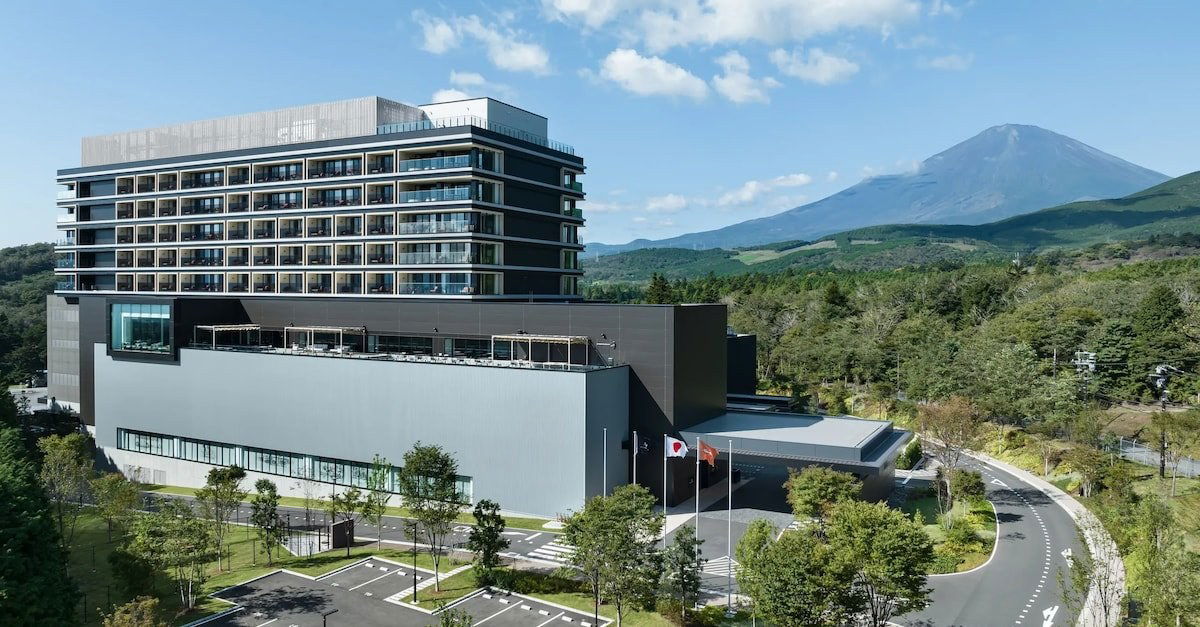

Fuji Speedway Hotel
Oyama
Hotel in Oyama, Japan
 Book with Pearl
The Read
Circuit-Side Mountain Hospitality
Why go
Fuji Speedway Hotel is worth booking for travelers who want a quieter Mount Fuji-area base with a distinctive Oyama setting, not a standard Hakone ryokan template. The Michelin 1 Key signal helps justify a serious luxury shortlist, but dining should not be the only reason to choose it unless the current restaurant setup fits the trip.
About Fuji Speedway Hotel
Fuji Speedway Hotel is a premium hotel in Oyama with a Michelin 1 Key recognition for 2025. Alongside that accolade and a smart casual dress code, it is best considered as an Oyama hotel choice for travelers who want a Michelin-recognized stay.
Choose it for a confirmed Michelin Key hotel in Oyama
The clearest quality signal is the Michelin 1 Key recognition in 2025. That supports considering Fuji Speedway Hotel in a higher-end hotel set, while still leaving room to confirm practical details directly before booking.
If the decision depends on a specific restaurant experience, room category, facility, or service, verify those details with the hotel before committing. For comparison, travelers may also look at The Hiramatsu Hotels & Resorts Sengokuhara, Gora Kadan Fuji, Hoshino Resorts KAI Sengokuhara, Fufu Hakone, or Hyatt Regency Hakone Resort and Spa, depending on the style of stay they want.
Booking logic: confirm the details that matter before you commit
Fuji Speedway Hotel makes the most sense when the priority is staying in Oyama at a hotel with a confirmed 2025 Michelin 1 Key. The dress code is smart casual, but specific claims about dining, room views, amenities, pricing, event timing, or loyalty benefits should be checked with current hotel information.
The practical verdict: consider Fuji Speedway Hotel if Oyama is the right base and a Michelin-recognized hotel is important to the trip. If the stay depends on a defined culinary format, particular wellness facilities, or a traditional hotel style, compare it carefully with Fufu Hakone, Gora Kadan Fuji, Hoshino Resorts KAI Sengokuhara, Hyatt Regency Hakone Resort and Spa, and The Hiramatsu Hotels & Resorts Sengokuhara. For broader planning, use the Oyama hotels guide and the Oyama restaurants guide before locking the itinerary.
Part of
The Unbound Collection by Hyatt30 locations on PearlPlanning details
- Location
- 645 Ōmika, Oyama, Sunto District, Shizuoka 410-1308
- Website
- hyatt.com/en-US/hotel/japan/fuji-speedway-hotel/fswub?src=corp_lclb_google_seo_fswub
- Phone
- +81 550-20-1234
The take
The Take
The Vibe
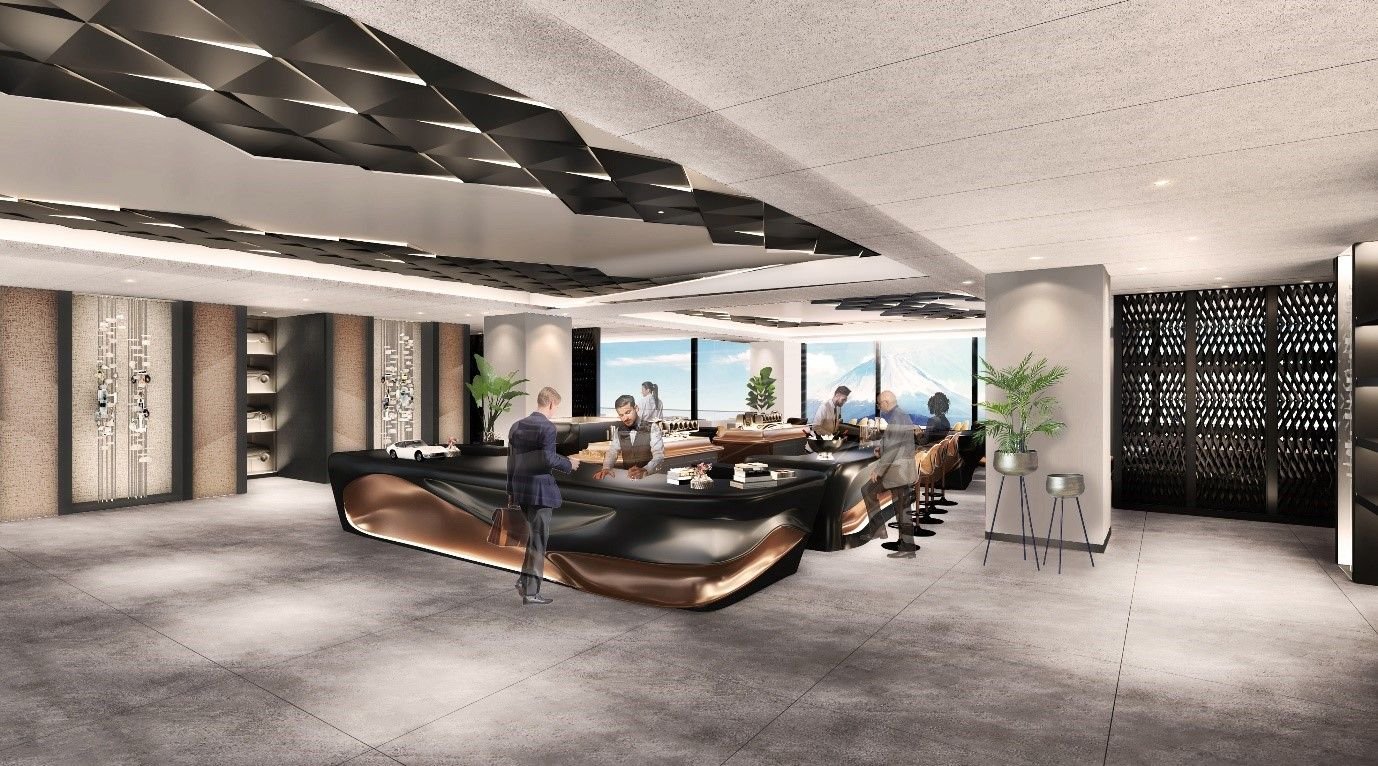
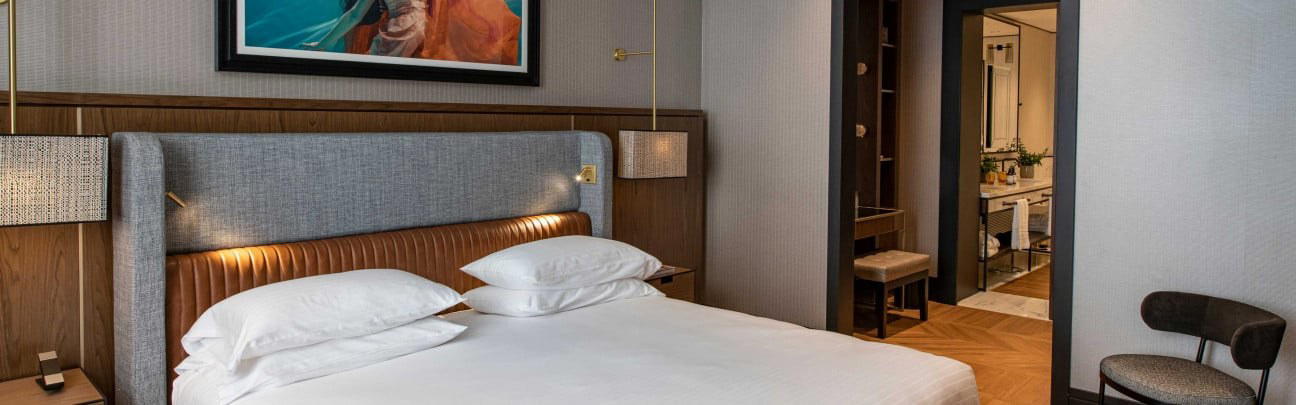
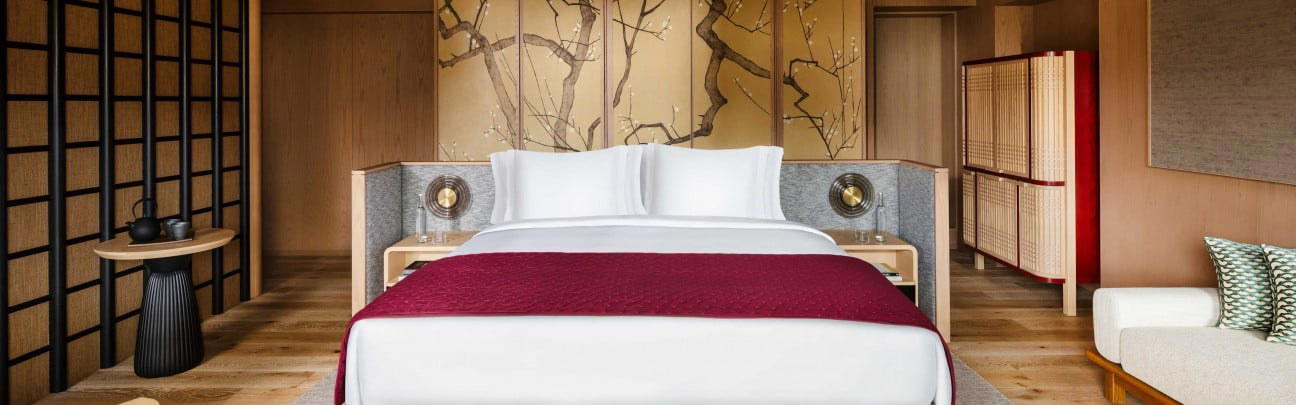
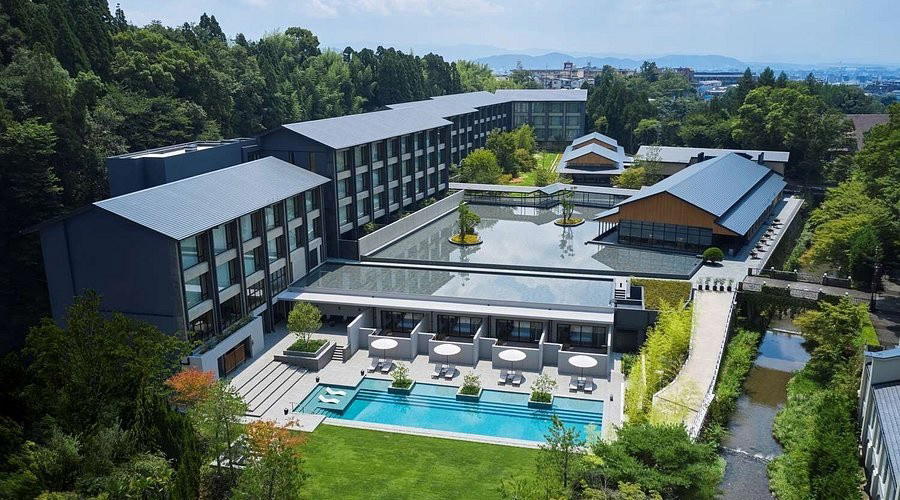
Fuji Speedway Hotel reads like a site-specific design study: architects orient each volume to the surrounding racetrack and the far-off mountain, and interiors follow with restrained, minimalist rooms. Floor-to-ceiling windows and private balconies are standard, so the building’s modern lines and carefully considered light become the dominant interior element. The setting — where motorsport infrastructure meets Honshu’s distinctive altitude light — gives the hotel a purposeful, composed atmosphere: polished and contemporary but rooted in its dramatic location rather than in generic luxury tropes.
Best For
This property suits travelers who prize a view-driven stay and thoughtful design. Couples looking for a getaway find cinematic panoramas and private balconies built into the standard room offering, while business travelers appreciate the mid-luxury positioning and straightforward, uncluttered rooms. The presence of soaking tubs and rain showers as standard fittings also makes it appealing for guests seeking comfort after a day exploring the circuit or the surrounding foothills. Its location and design logic make it a natural choice for scenic weekend escapes and work-focused stays with a strong sense of place.
Stay Tips
Book any standard room with confidence: floor-to-ceiling windows and private balconies are described as standard across the 120 rooms rather than as an upgrade, so you do not need to pay extra for the outlook that defines the property. Note the hotel’s mid-luxury pricing in the description (approximately $276 per night) and expect contemporary, minimalist rooms with soaking tubs and rain showers included. If a particular orientation matters to you, reference the view when booking, since the architecture is explicitly arranged to capture the mountain and speedway vistas.
Venue details
Ambiance
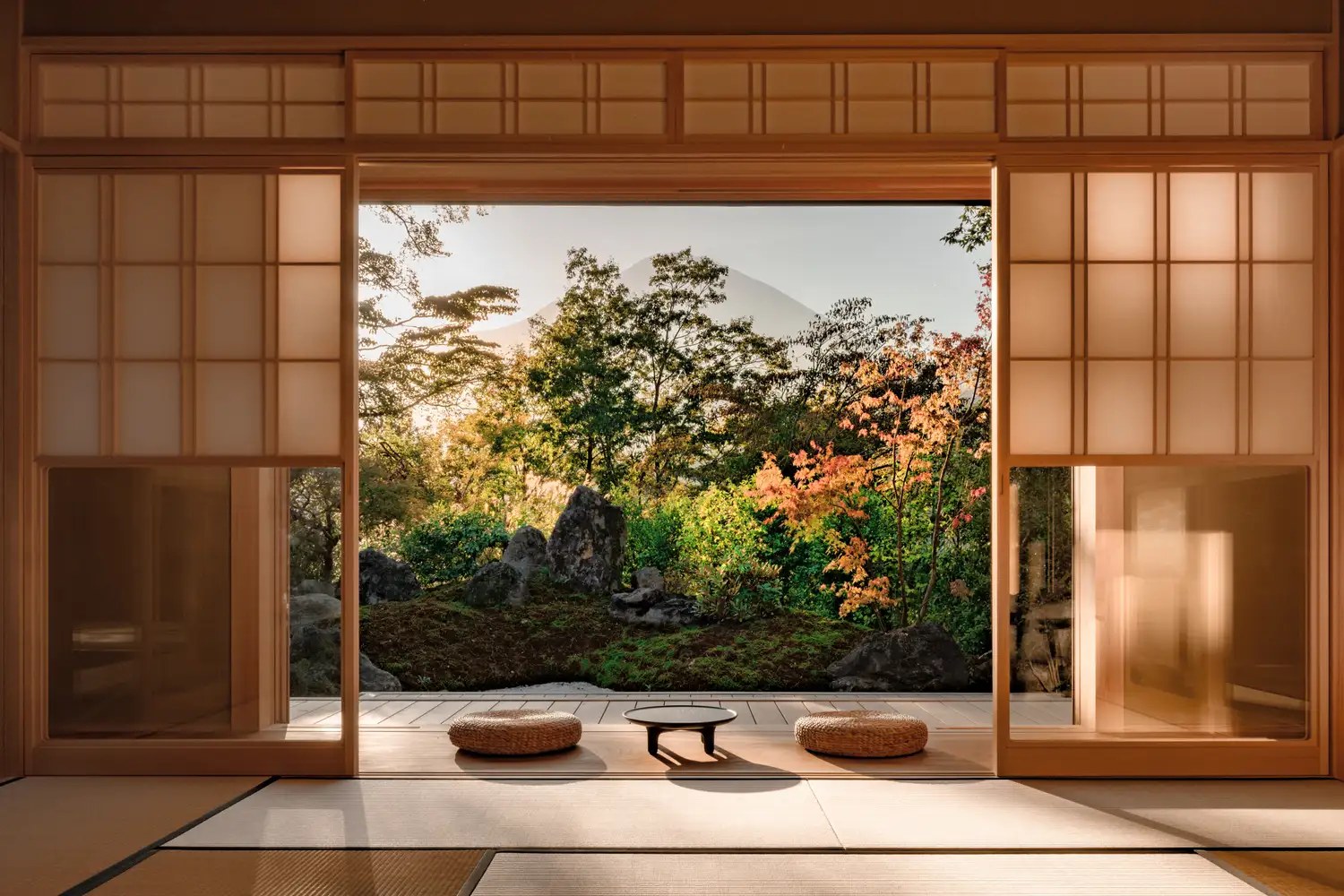
Modern minimalist design with subtle motorsport elements, soundproof rooms, elegant onsen and spa areas offering serene relaxation with Mount Fuji views.
Tags
Vibe
Best For
Experience
Amenities
View
Accessibility
About the Stay
- Rooms
- 120
- Check-in
- 15:00
- Check-out
- 12:00
- Property Style
- Motorsport Themed Luxury Resort
- Design Style
- Modern Minimalist with Motorsport Accents
Know before you go
Know Before You Go
- Getting there
- 645 Ōmika, Oyama, Sunto District, Shizuoka 410-1308
Planning details
Location
645 Ōmika, Oyama, Sunto District, Shizuoka 410-1308 · Directions
hyatt.com/en-US/hotel/japan/fuji-speedway-hotel/fswub?src=corp_lclb_google_seo_fswub
Recognition and awards
Also consider
Also Consider
- Gora Kadan Fuji, Notable alternative
- Hoshino Resorts KAI Sengokuhara, Notable alternative
- The Hiramatsu Hotels & Resorts Sengokuhara, Notable alternative
- Fufu Hakone, Notable alternative
- Hyatt Regency Hakone Resort and Spa, Notable alternative
Hotel context
Against Gora Kadan Fuji, Fuji Speedway Hotel is the better pick for travelers who want a less traditional Mount Fuji-area stay and a calmer, hotel-led atmosphere. Gora Kadan Fuji is the cleaner choice for guests who want the ryokan frame to define the trip; Fuji Speedway Hotel works better when location identity and modern hotel comfort matter more than ritual.
For a dining-led stay, The Hiramatsu Hotels & Resorts Sengokuhara is the safer cross-shop. For onsen-focused pacing, compare Hoshino Resorts KAI Sengokuhara and Fufu Hakone first. Fuji Speedway Hotel is more compelling when the stay needs to feel set apart from the usual Hakone pattern.
Hyatt Regency Hakone Resort and Spa is the practical alternative if the priority is a more familiar resort format and a potentially easier fit for mixed-age groups. Choose Fuji Speedway Hotel when the booking can be planned early and the atmosphere matters; choose Hyatt Regency Hakone Resort and Spa when convenience and predictability carry more weight.
Explore Oyama
Around this place
Discover more on Pearl
Unlock the full Fuji Speedway Hotel guide in Pearl, including awards, comparisons, FAQs, planning details, and nearby places.
Compare Fuji Speedway Hotel
| Venue | Location | Awards |
|---|---|---|
| Fuji Speedway Hotel | Oyama | 2026 Michelin 1 KeyMichelin 1 Key 20252025 Michelin 1 Key |
| Gora Kadan Fuji | Oyama | AFAR 40 Best New Hotels 20262026 Michelin Guide New Hotels2026 Conde Nast Traveler Hot List Hotels2026 Travel + Leisure It List Hotels2026 Relais Chateaux Hotels2026 Michelin 2 Keys2025 Michelin Selected Hotels |
| Hoshino Resorts KAI Sengokuhara | Hakone | No published awards |
| The Hiramatsu Hotels & Resorts Sengokuhara | Hakone | 2026 Michelin 1 Key2025 Michelin 1 Key2024 Michelin 1 Key |
| Fufu Hakone | Hakone | 2026 Michelin 1 Key2025 Michelin 1 Key2024 Michelin 1 Key |
| Hyatt Regency Hakone Resort and Spa | Hakonemachi, Ashigarashimo Gun | No published awards |






How Fuji Speedway Hotel Oyama compares with similar nearby venues.
FAQ
Frequently Asked Questions
How is the dining at Fuji Speedway Hotel?
Dining details are best confirmed directly with the hotel. The clearest confirmed trust signal is the Michelin 1 Key in 2025, which recognizes the hotel rather than a specific restaurant program.
Which room category is best at Fuji Speedway Hotel?
The best room category depends on the current room descriptions, availability, and booking terms provided by the hotel. The confirmed Michelin 1 Key recognition in 2025 supports considering it a premium stay.
How is the location of Fuji Speedway Hotel?
Fuji Speedway Hotel is in Oyama. If location is central to the trip, confirm the exact logistics and travel time directly before booking. Travelers comparing other premium stays may also consider Hoshino Resorts KAI Sengokuhara or The Hiramatsu Hotels & Resorts Sengokuhara.
When is the best time to book Fuji Speedway Hotel?
Because Fuji Speedway Hotel has a confirmed Michelin 1 Key in 2025, it is sensible to book thoughtfully and confirm current availability, rates, and cancellation terms before committing.
How is the pool and spa at Fuji Speedway Hotel?
If those facilities are important to the stay, check the hotel's current information directly before booking. For comparison, Fufu Hakone or Hyatt Regency Hakone Resort and Spa may also be worth reviewing.
Do loyalty programs work at Fuji Speedway Hotel?
Check the specific booking channel and rate terms before you commit. The Michelin 1 Key recognition in 2025 does not indicate whether points or loyalty benefits apply.
How does Fuji Speedway Hotel compare to other premium hotels?
Fuji Speedway Hotel is a Michelin 1 Key hotel in Oyama. For other premium hotel comparisons, travelers may look at Gora Kadan Fuji, Fufu Hakone, Hoshino Resorts KAI Sengokuhara, Hyatt Regency Hakone Resort and Spa, and The Hiramatsu Hotels & Resorts Sengokuhara. Choose based on current details rather than assumptions about dining, amenities, or service style.