



THE THIEF
Aker Brygge, Oslo
Hotel in Oslo, Norway
 Book with Pearl
The Read
Art-Integrated Waterfront Hospitality
Why go
Book THE THIEF if you want a polished Oslo boutique hotel where service, design, and wine recognition matter more than bargain pricing. It is a stronger fit for couples, solo travelers, and short stays where the hotel experience carries weight; compare Sommerro for a livelier hotel and Hotel Continental for a more formal grand-hotel feel.
About THE THIEF
THE THIEF is a premium Oslo hotel to consider if you want a smart-casual setting with external recognition. Its credentials include Preferred Hotels Member (2025), World Travel Awards 2025, Leading Boutique Hotel, Star Wine List (2026), and MICHELIN Guide, Hotels Selected (2025).
The clearest case for booking is the recognition profile. Those accolades give travelers a grounded reason to include THE THIEF on an Oslo shortlist. Beyond that, specifics such as pricing, room count, restaurant format, service rituals, or exact location details should be checked directly with the hotel before booking.
Book for recognized boutique-hotel positioning, not for bargain hunting
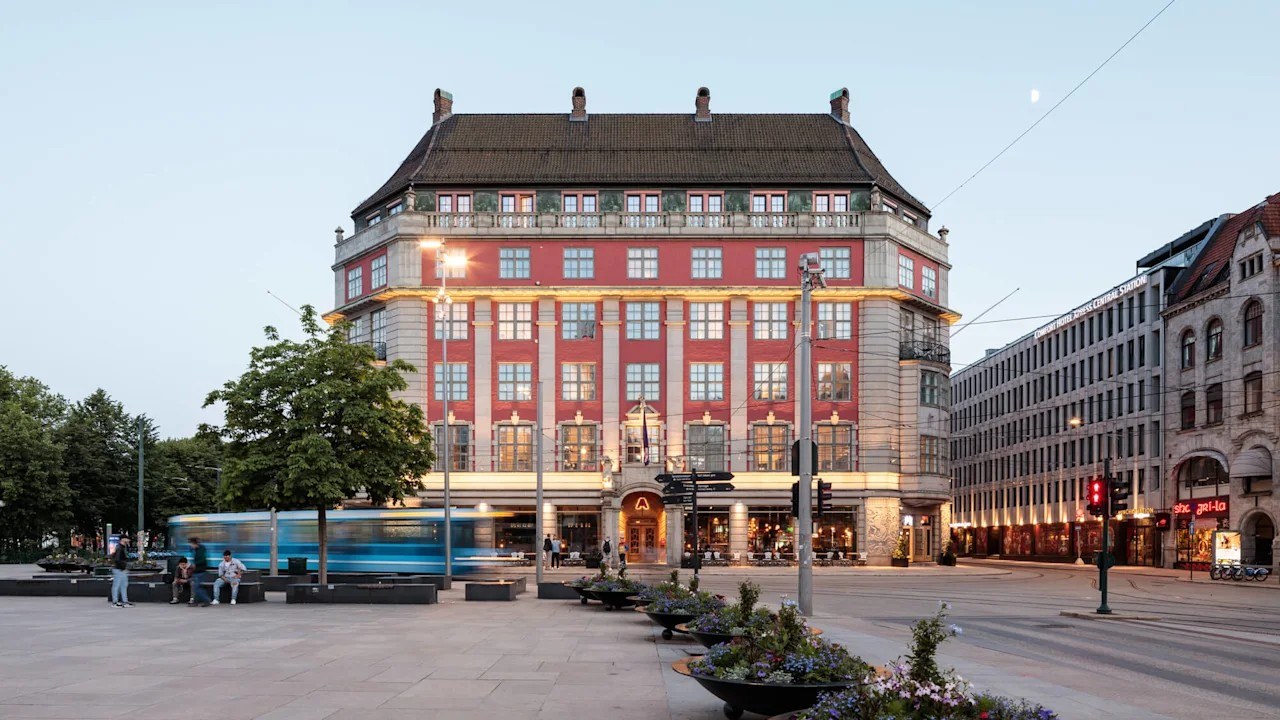
THE THIEF is best framed as a recognized boutique-hotel option in Oslo, not as an automatically lower-cost or maximum-scale choice. If you are comparing across the city, Radisson Blu Oslo Plaza, Hotel Continental, Sommerro, Amerikalinjen, and Hotel Christiania Teater are natural alternatives to review alongside it.
For a value-seeker, the question is whether the recognition matters enough for the trip. The answer may be yes if you specifically want THE THIEF's boutique-hotel positioning and accolades. It may be less compelling if your decision is driven mainly by rate, room type, loyalty economics, or a specific location requirement that should be checked directly.
Where it fits among Oslo hotel choices
THE THIEF sits in an Oslo hotel set that can also include Sommerro, Amerikalinjen, Hotel Christiania Teater, Hotel Continental, and Radisson Blu Oslo Plaza. Keep the comparison focused: rather than overstating differences in atmosphere, scale, amenities, or exact convenience, use THE THIEF's recognition as the main differentiator.
The recommendation is therefore specific: consider THE THIEF for a smart-casual Oslo stay with Preferred Hotels, World Travel Awards, Star Wine List, and MICHELIN Guide hotel-selection recognition. Compare it against the other Oslo options if price, loyalty benefits, room category, or exact location will decide the booking. For wider trip planning, use Our full Oslo hotels guide, then layer in Our full Oslo restaurants guide and Our full Oslo bars guide if the stay is built around eating and drinking.
Planning details
- Location
- Landgangen 1, 0252 Oslo
- Website
- thethief.com
- Phone
- +47 24 00 40 00
The take
The Take
The Vibe
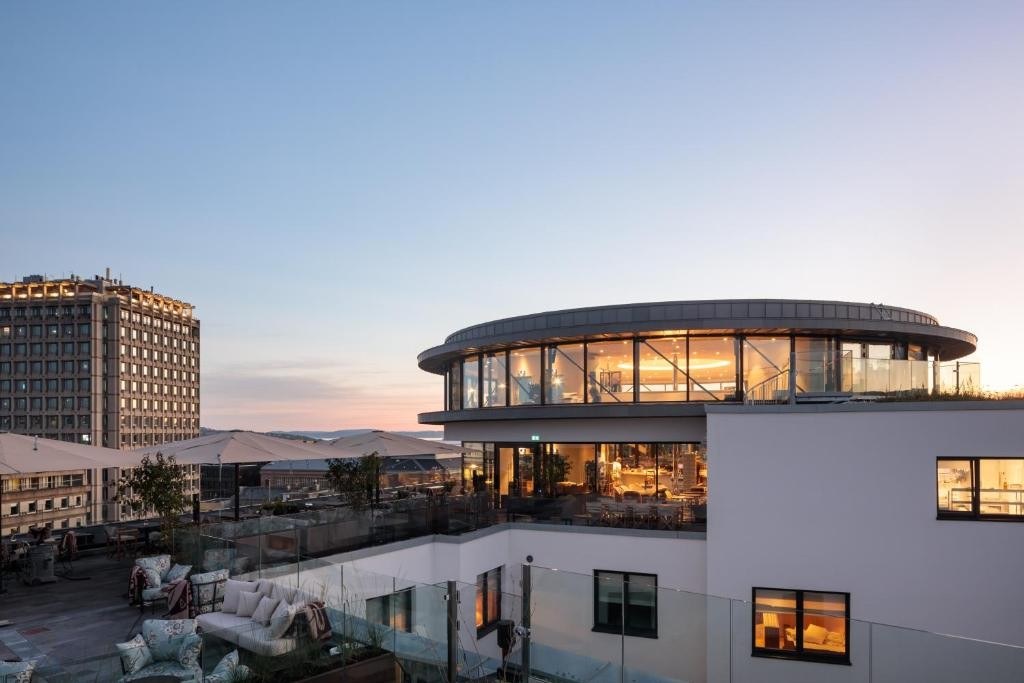
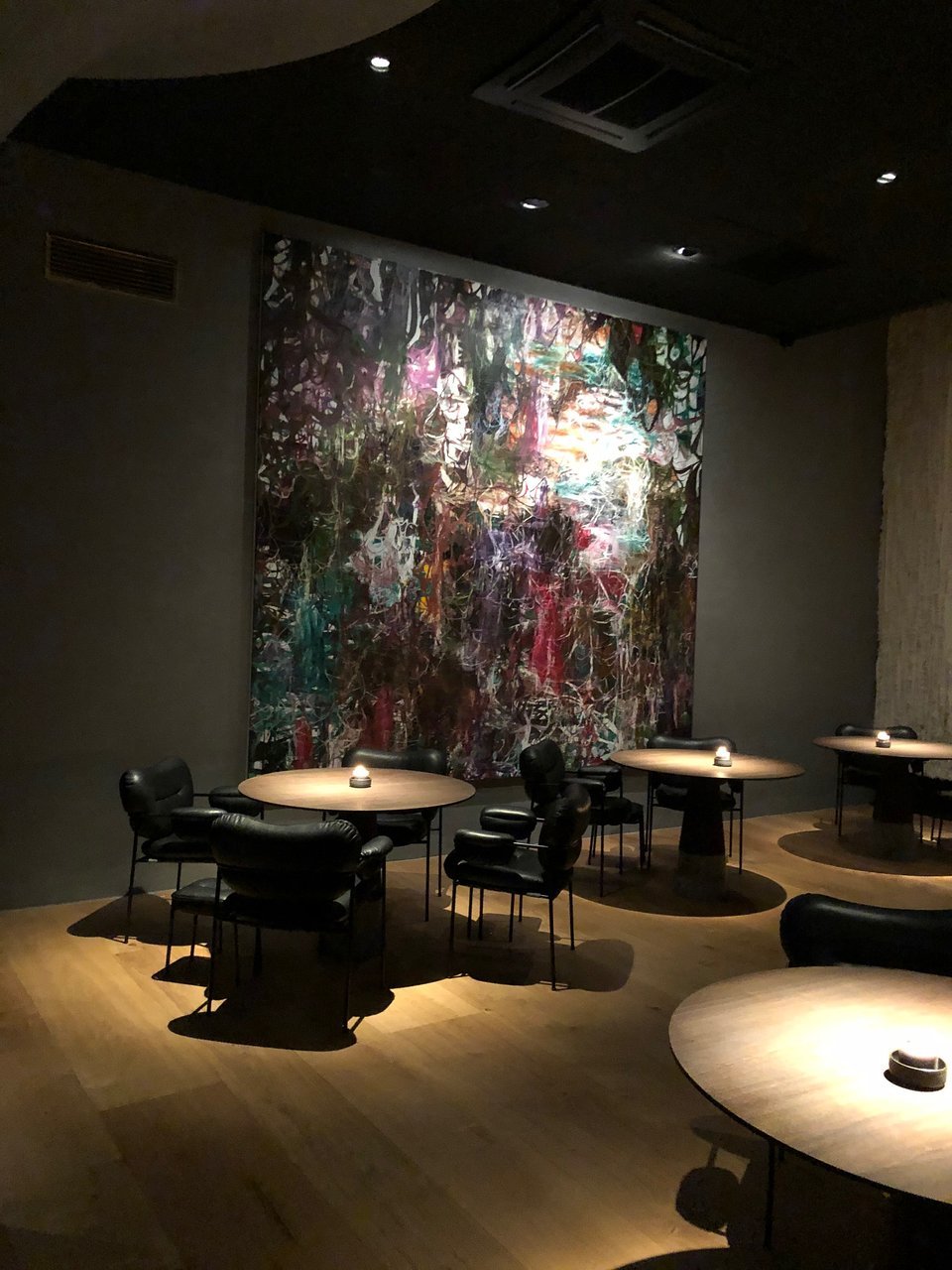
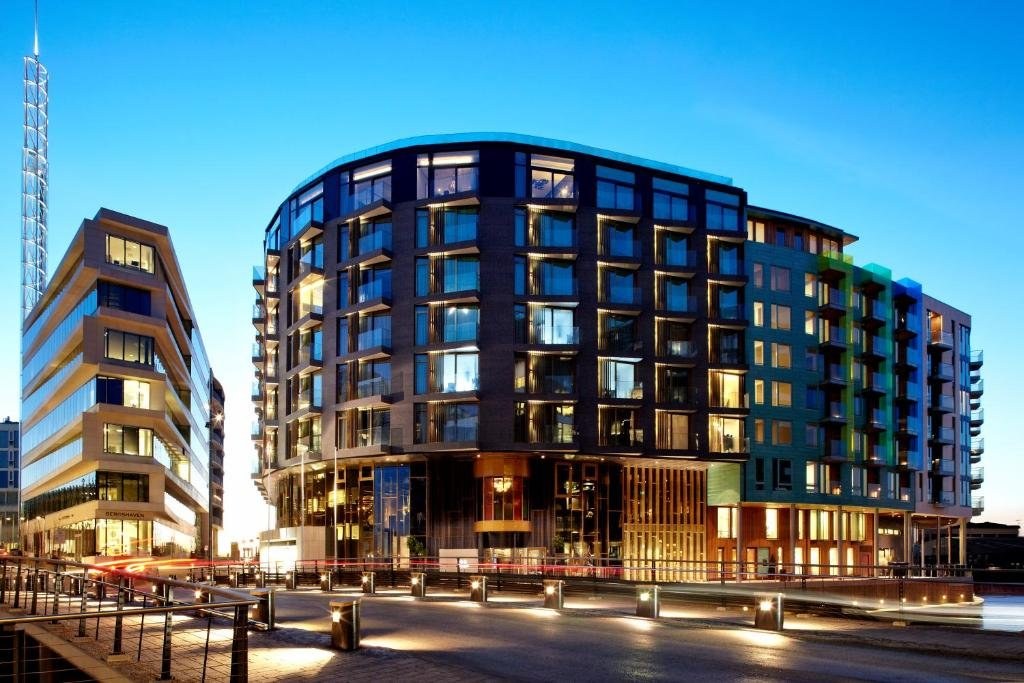
The Thief reads like a restrained, art-forward waterside retreat. As a boutique, design-conscious hotel with 114 rooms and a World Travel Awards title, it leans into curated atmosphere over scale. The setting on a narrow spit at Aker Brygge means the Oslofjord and a neighbouring contemporary art museum are constant companions; light off the water and carefully programmed art offerings shape the guest experience. Language about a 'quieter register' and 'deliberate quiet' underscores a calm, restorative tone—this is hospitality that privileges decompression, thoughtful design and intimate scale rather than bustling city-center energy.
Best For
The Thief is best for travellers seeking a restorative, design-led stay. Art lovers and guests who prioritise waterfront views and quiet will find the location and programming especially rewarding. It's well suited to wellness-focused breaks where recovery and decompression matter, and it also works for couples on a romantic or anniversary escape who want boutique ambiance rather than hotel convention. Business travellers who prefer a premium, independent property to a large conference hotel will also appreciate the quieter, service-driven environment.
Venue details
Ambiance
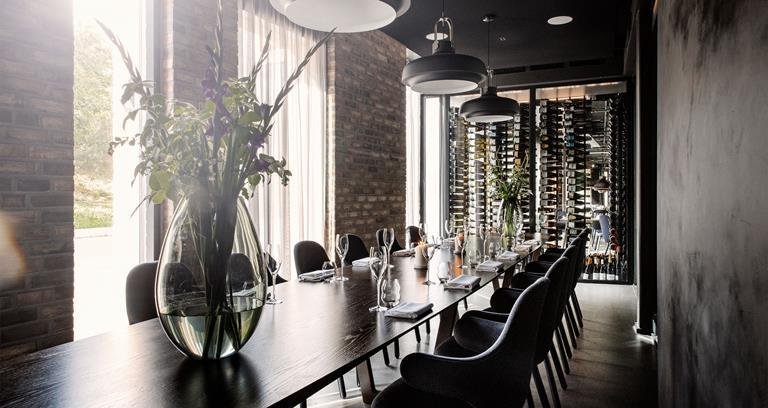
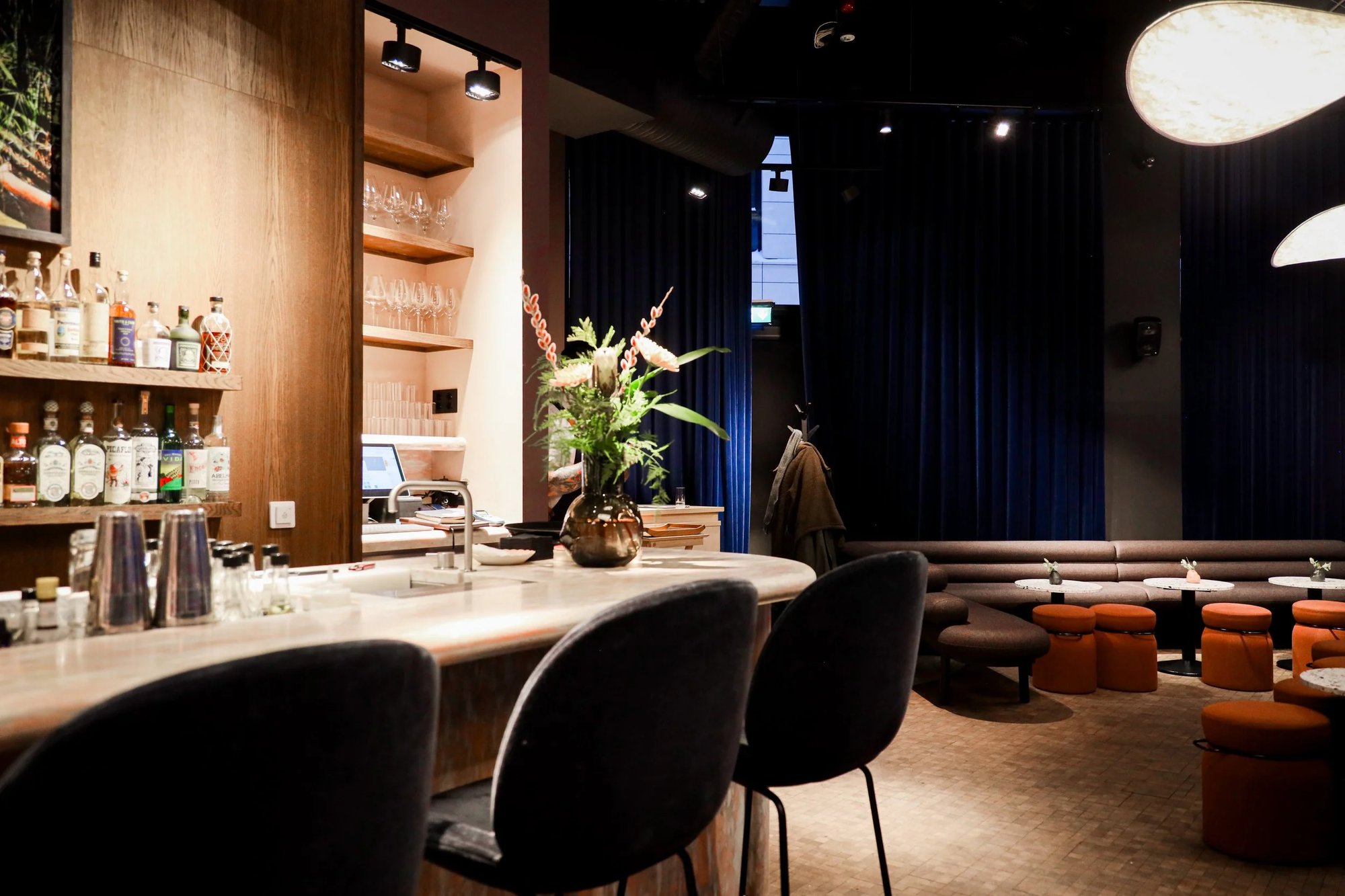
Luxurious and modern with warm, inviting atmosphere; public spaces resemble high-end design magazine spreads with curated contemporary art; rooms feature designer furnishings, floor-to-ceiling windows, and Nordic-inspired spa aesthetic with natural materials like slate and moss.
Tags
Vibe
Best For
Experience
Amenities
View
Accessibility
About the Stay
- Rooms
- 116
- Check-in
- 15:00
- Check-out
- 11:00
- Property Style
- Contemporary Luxury Boutique Hotel Positioned as a Lifestyle Destination Combining Scandinavian Design with International Wellness Culture.
- Design Style
- Modern Nordic with Curated Contemporary Art Throughout; Minimalist Elegance with Warm Textures, Dark Wood, Neutral Tones, Designer Furnishings, and Floor to Ceiling Windows; Spa Areas Inspired by Norwegian Nature with Slate, Moss, and Characteristic Nordic Light.
Know before you go
Know Before You Go
- Getting there
- Landgangen 1, 0252 Oslo
Planning details
Location


Also consider
Where to look if this is not the fit
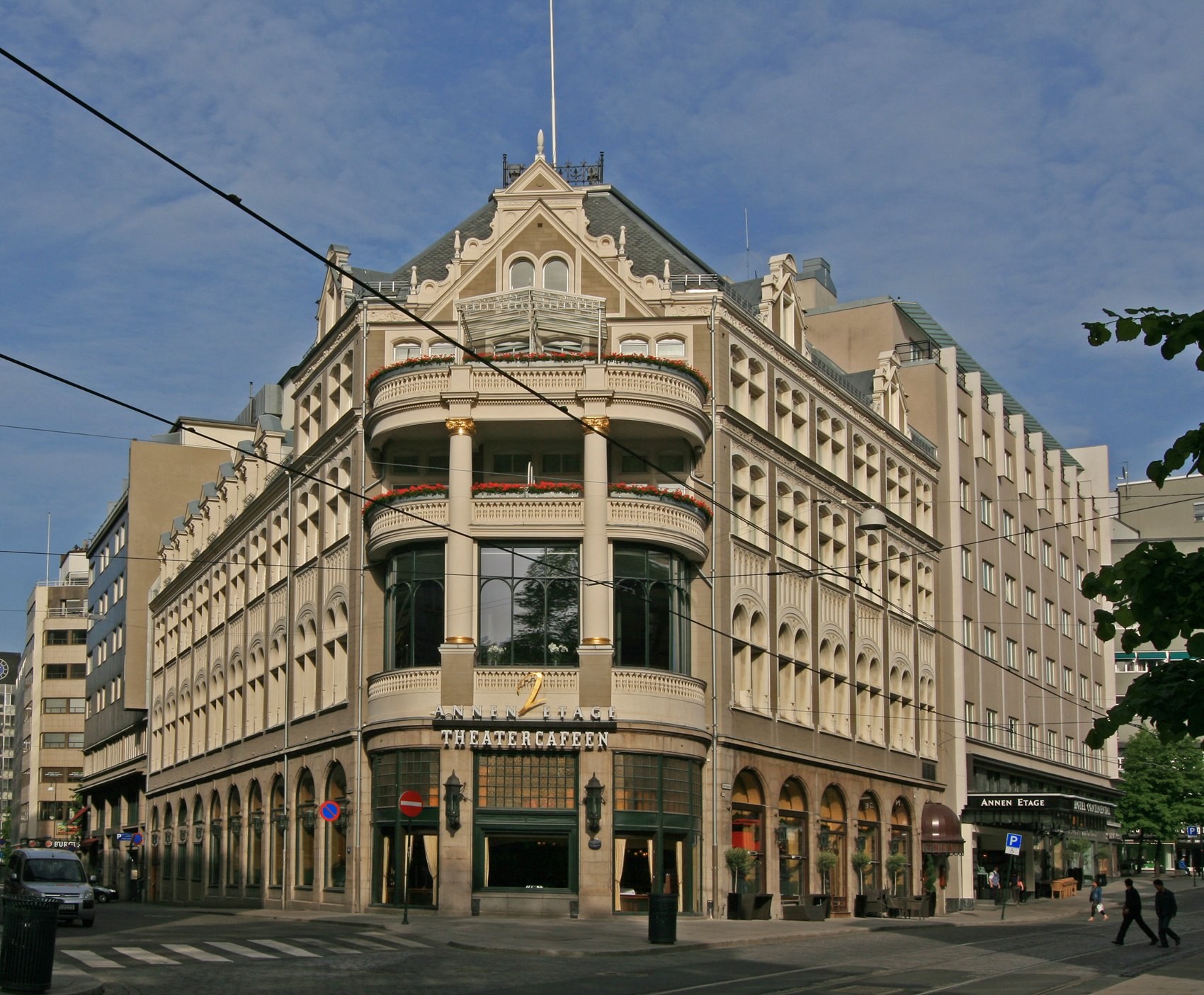
Choose Sommerro if you want a livelier Oslo hotel with more of a destination feel. Choose Hotel Continental if the priority is a more traditional luxury stay with a formal rhythm.
For a more practical central base, compare Amerikalinjen before committing. It is the cleaner alternative when location and movement around Oslo matter more than a quieter boutique profile.
Hotel context
How it compares in Oslo
THE THIEF is the boutique-service pick in this set: better for travelers who want a more contained, design-led stay than a large hotel machine. Sommerro is the stronger choice for a more social, activity-heavy hotel mood, while Hotel Continental is the safer option for guests who prefer formal, classic-hotel polish.
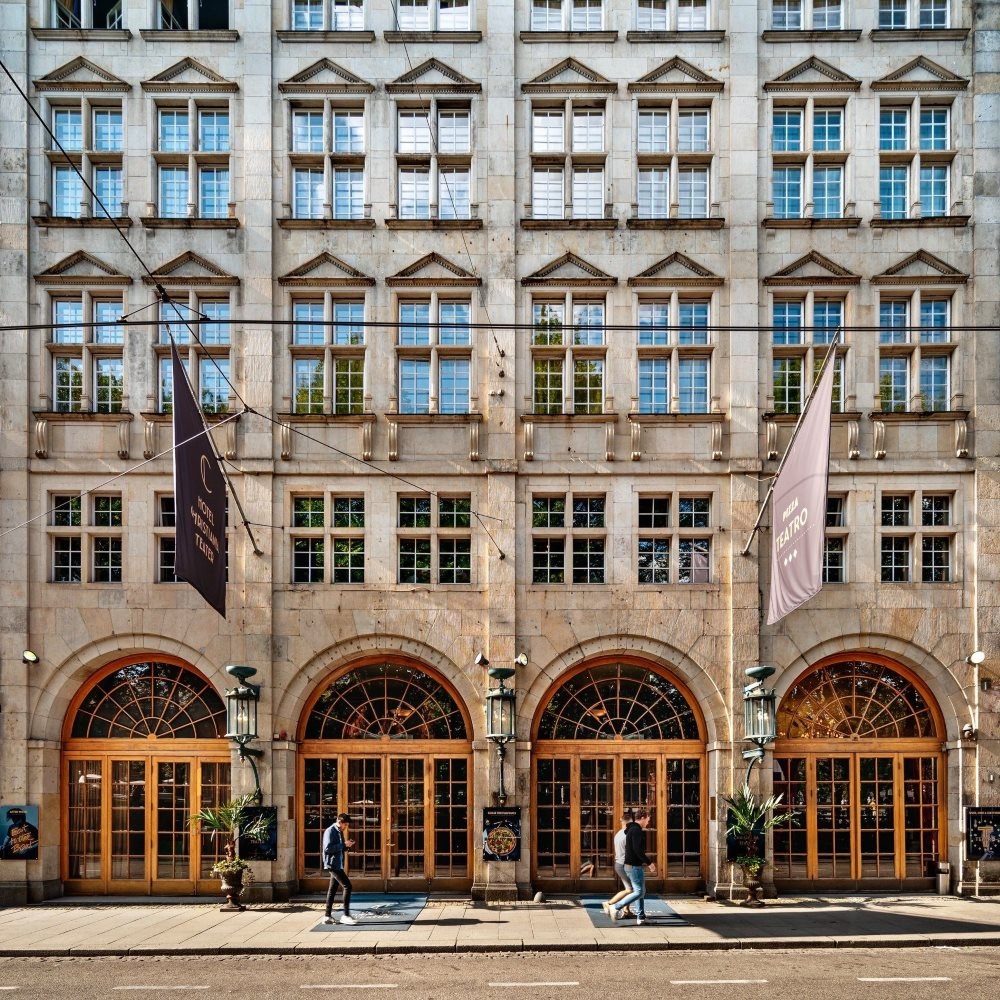
For value and convenience, Amerikalinjen and Hotel Christiania Teater are the more direct cross-shops if location drives the decision. THE THIEF earns its place when the hotel itself is part of the trip rather than just a central bed.
If booking ease and scale matter more than ambiance, Radisson Blu Oslo Plaza is the practical alternative. Choose THE THIEF for a more personal stay; choose Radisson Blu Oslo Plaza when infrastructure, room availability, and a larger-hotel setup matter more.
Explore Oslo
Around this place
Discover more on Pearl
Unlock the full THE THIEF guide in Pearl, including awards, comparisons, FAQs, planning details, and nearby places.
Compare THE THIEF
| Venue | Location | Awards |
|---|---|---|
| THE THIEF | Oslo | Star Wine Lists 2026World Travel Awards 20252025 Michelin Selected HotelsPreferred Hotels Member 2025 |
| Sommerro | Oslo | 2026 Virtuoso Luxury Hotel Collection2025 Forbes Recommended2025 Michelin 1 KeyPreferred Hotels Preferred Residences 2025 |
| Hotel Continental | Oslo | 2026 Virtuoso Luxury Hotel CollectionLeading Hotels of the World 20262025 Michelin 1 Key |
| Hotel Christiania Teater | Oslo | No published awards |
| Amerikalinjen | Oslo | 2026 Forbes Recommended2026 White Guide Nordic Hotels - Very Fine Level2026 La Liste Top Hotels2025 Michelin 1 Key2025 Forbes RecommendedPreferred Hotels Member 2025 |
| Radisson Blu Oslo Plaza | Oslo | No published awards |






How THE THIEF Oslo compares with similar nearby venues.
FAQ
Frequently Asked Questions
Is THE THIEF family-friendly?
Treat THE THIEF as a premium Oslo hotel with smart-casual positioning and MICHELIN Guide, Hotels Selected (2025) recognition, then check directly with the hotel if family requirements are important. Sommerro is another Oslo option to compare.
How is the dining at THE THIEF?
The key dining-related signal is Star Wine List (2026) recognition. Check current hotel information before making dining plans around restaurants, menus, chefs, cuisine, dietary accommodations, or service format. If dining is central to the trip, compare THE THIEF with other Oslo hotels and the wider Oslo restaurant scene.
How is the location of THE THIEF?
THE THIEF is in Oslo. Confirm the exact location directly before booking if address, neighborhood, landmarks, or convenience are important. Radisson Blu Oslo Plaza is another Oslo hotel to compare when location and logistics are major factors.
What is check-in like at THE THIEF?
THE THIEF is a Preferred Hotels Member (2025) and has World Travel Awards 2025, Leading Boutique Hotel recognition. If arrival timing, early check-in, or special handling matters, confirm directly with the hotel.
How does THE THIEF compare to other Oslo hotels?
Choose THE THIEF if its boutique-hotel recognition and smart-casual positioning fit the trip. Sommerro, Hotel Continental, Hotel Christiania Teater, Amerikalinjen, and Radisson Blu Oslo Plaza are reasonable Oslo alternatives to compare, especially if price, loyalty benefits, room type, or exact location will drive the decision.
Do loyalty programs work at THE THIEF?
THE THIEF is a Preferred Hotels Member (2025), so it makes sense to check current program participation, booking channel rules, and any benefits before reserving. Compare current points, elite benefits, redemption terms, and overall value against the other Oslo hotels you are considering.