
Azumi Setoda
Setoda, Onomichi
Hotel in Onomichi, Japan
 Book with Pearl
The Read
Merchant Estate Revival
Why go
Azumi Setoda is the pick for a slower Setouchi stay rather than a convenience-first Onomichi base. Its Michelin 1 Key recognition and Mr & Mrs Smith Seal of Approval make it a credible splurge for travellers who want the hotel itself to carry the trip, especially on a return visit to the area.
About Azumi Setoda
Azumi Setoda is a premium hotel in Onomichi. Its clearest reason to consider it is hotel recognition: Michelin 1 Key recognition in 2024 and a Mr & Mrs Smith Seal of Approval in 2026.
That makes Azumi Setoda a credible choice for travelers comparing notable stays in and around Onomichi, especially if the hotel itself is an important part of the trip. If convenience, itinerary style, or dining plans are the deciding factors, use our full Onomichi hotels guide and our full Onomichi restaurants guide to compare options before booking.
Choose it for a recognized Onomichi stay
Azumi Setoda is best framed as a hotel to consider for its accolades in Onomichi. Travelers weighing it against Hotel Cycle should decide based on the kind of stay they want and the practical details available at the time of booking.
Where the hotel fits after a first Onomichi trip
For travelers returning to Onomichi, Azumi Setoda can make sense as a more deliberate hotel choice because its recognition gives it a strong profile. Ryokan Onomichi Nishiyama is another Onomichi option to compare if the stay style matters as much as the location. Azumi Setoda is the pick when its hotel credentials are the main reason to book.
Planning details
- Location
- 269 Setodachō Setoda, Onomichi, Hiroshima 722-2411
- Website
- azumi.co/setoda
- Phone
- +81 845-23-7911
The take
The Take
The Vibe
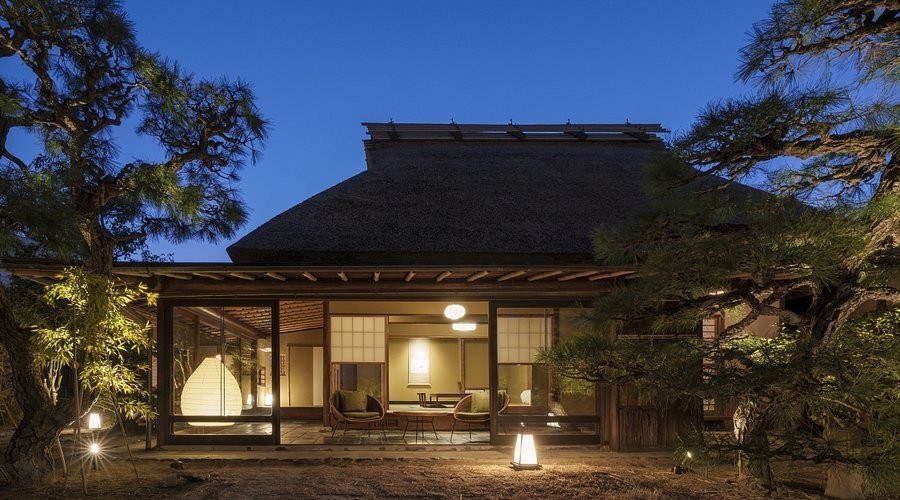
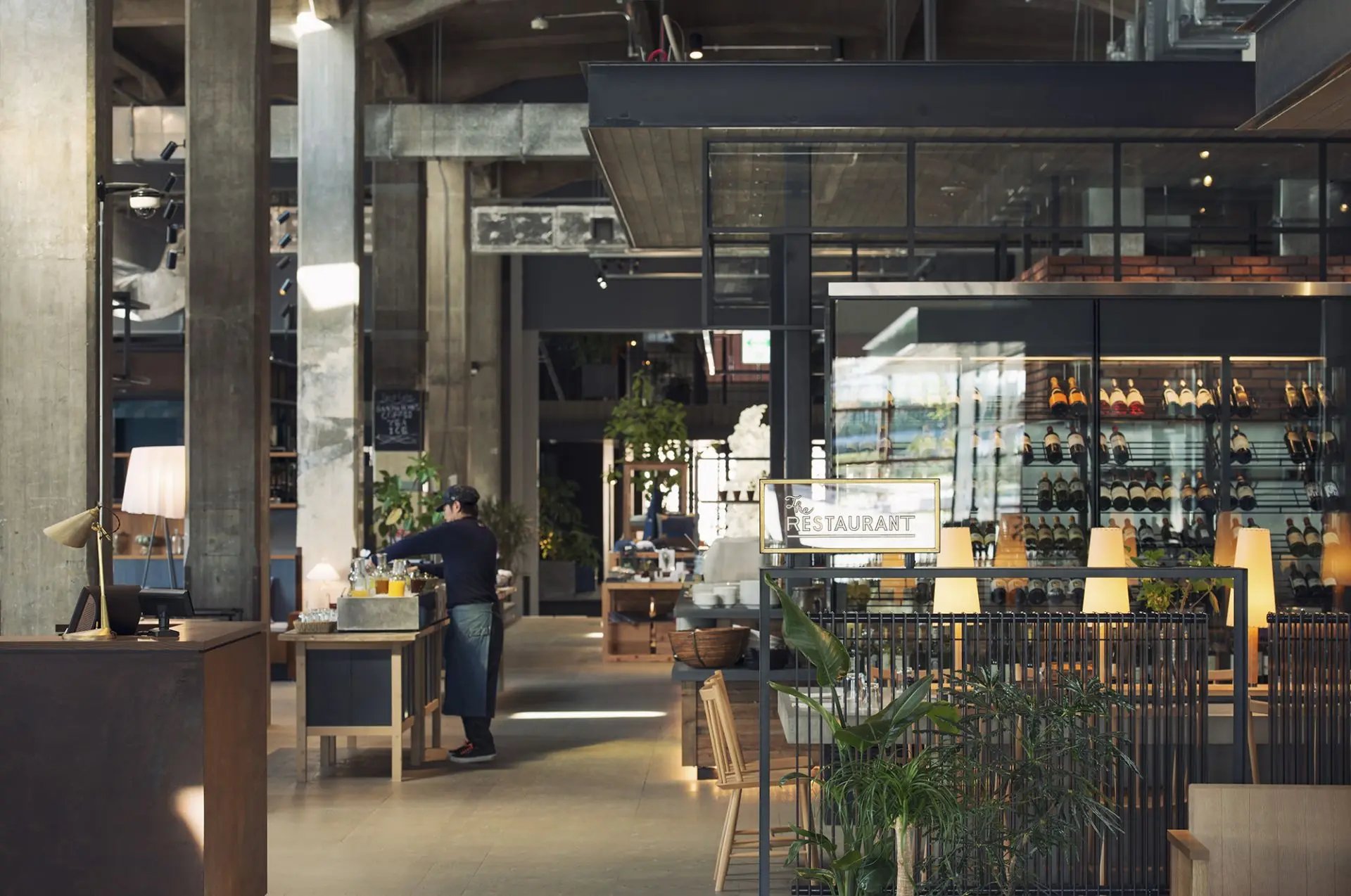
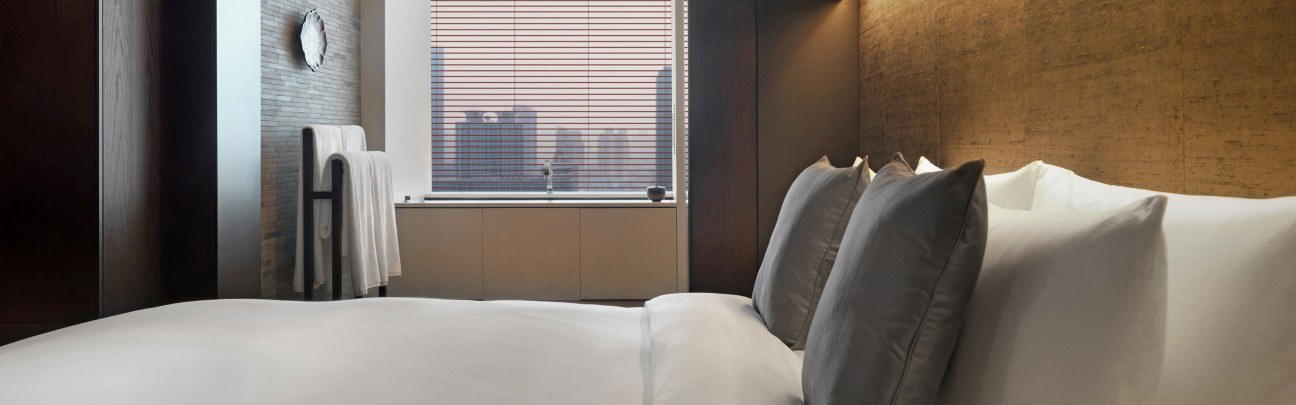
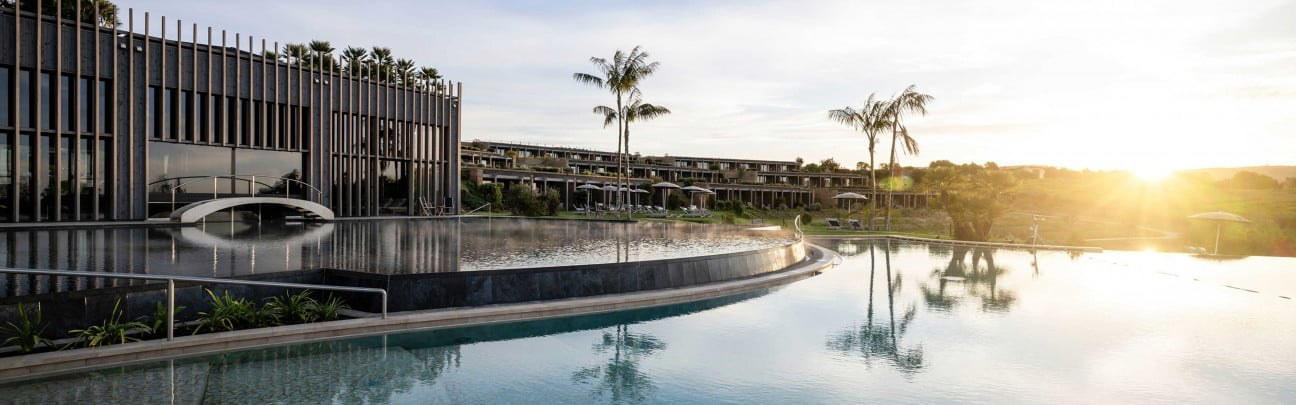
Azumi Setoda reads as a quietly authoritative island estate that prioritizes restoration and material honesty. Kyoto architect Shiro Miura leaves timber beams exposed and arranges rooms around the quality of incoming light, so the property feels like a curated exercise in spatial restraint rather than a conventional resort. Shared spaces are designed to encourage movement through the grounds, and the estate’s 140-year provenance is legible in the architecture and atmosphere. The result is a design-forward, heritage-minded hotel where subtlety and tactility define the experience more than flashy amenities.
Best For
Azumi Setoda suits travelers who value architecture, place, and quiet over amenity-driven stays. It rewards visitors willing to make the trip by ferry or bridge to Ikuchijima and those interested in thoughtful restoration and material craft. Design-minded guests, couples seeking an understated romantic escape, and solo travelers looking for contemplative time on an island estate will find the property especially appealing. The hotel is framed less as a full-service resort and more as a carefully composed environment for experiencing provenance and light.
Stay Tips
Prioritize logistics when booking—arriving by ferry or bridge is part of the experience—then choose a room with attention to daylight, since rooms are organized around incoming light. Expect fewer overt amenities and more architectural detail: the stay is about circulation through shared spaces and appreciating restored heritage rather than expecting an extensive services menu. Allow time to wander the estate grounds and communal areas to get the full effect of the property’s restorative design approach.
Venue details
Ambiance
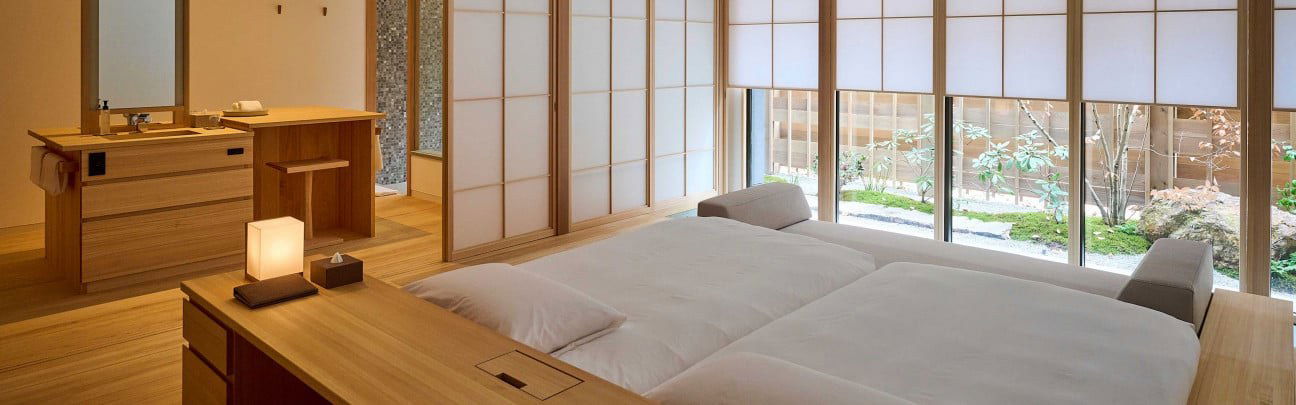
Calm, light-filled spaces with minimalist interiors, exposed beams, pale wood, washi paper, and serene courtyard gardens creating a Zen-like peaceful retreat.
Tags
Vibe
Best For
Experience
Amenities
View
About the Stay
- Rooms
- 22
- Check-in
- 16:00
- Check-out
- 12:00
- Property Style
- Restored Traditional Japanese Ryokan in a 140 Year Old Merchant Estate
- Design Style
- Minimalist Japanese with Sukiya Elements, Pale Wood, Shoji Screens, and Granite Floors
Know before you go
Know Before You Go
- Getting there
- 269 Setodachō Setoda, Onomichi, Hiroshima 722-2411
Planning details
Location
Recognition and awards
Also consider
Where to look if this is not the right fit
If the island location feels inconvenient, cross-shop Hotel Cycle for a more practical Onomichi stay. If the goal is ryokan atmosphere closer to town, Ryokan Onomichi Nishiyama is the cleaner alternative.
Hotel context
How Azumi Setoda compares in and around Onomichi
Choose Azumi Setoda when the stay itself matters more than access. Compared with Hotel Cycle, it is less convenient for a quick Onomichi stop but better suited to a slower Setouchi itinerary with a stronger sense of retreat. Hotel Cycle is the easier call for transit, bikes, and a city-adjacent plan.
Ryokan Onomichi Nishiyama is the closer ryokan-style alternative for travellers who want traditional lodging without committing to Setoda as the centre of the trip. Itomachi Hotel 0 reads as the more sustainability-minded out-of-metro choice, while Azumi Setoda is the stronger fit for recognition-led hotel credibility.
For a broader regional splurge, SETOUCHI RETREAT by Onko Chishin competes more directly on getaway mood. Hilton Hiroshima is the practical backup for loyalty-program travellers or anyone needing urban infrastructure, but it is not the same type of Setouchi stay.
Explore Onomichi
Around this place
Discover more on Pearl
Unlock the full Azumi Setoda guide in Pearl, including awards, comparisons, FAQs, planning details, and nearby places.
Compare Azumi Setoda
How it compares
Azumi Setoda is the stronger choice for travellers making Setoda the point of the trip. Hotel Cycle is better for a short Onomichi stop, Ryokan Onomichi Nishiyama is better for staying closer to the city, and Hilton Hiroshima is better for predictable urban logistics.
Against SETOUCHI RETREAT by Onko Chishin and Itomachi Hotel 0, the decision is about mood and routing. Pick Azumi Setoda for island calm with recognised hotel credentials; pick the alternatives when the itinerary sits outside Onomichi or needs a different regional base.
FAQ
Frequently Asked Questions
How is the location of Azumi Setoda?
Azumi Setoda is in Onomichi. Travelers should confirm arrival details directly before booking. If you are comparing Onomichi logistics, Hotel Cycle is another option to review.
Is Azumi Setoda family-friendly?
Families should confirm room setup and policies directly with the hotel before booking. Hilton Hiroshima may be worth comparing for travelers who prefer a larger city-hotel context.
What is check-in like at Azumi Setoda?
Azumi Setoda does have Michelin 1 Key recognition, but travelers should confirm timing and logistics directly with the hotel. Itomachi Hotel 0 is another hotel to compare if practical arrival details are a priority.
Which room category is best at Azumi Setoda?
Choose based on the current room descriptions provided at booking and confirm any important details directly with the hotel. Ryokan Onomichi Nishiyama is another Onomichi stay to compare if the room style is central to the decision.
How does Azumi Setoda compare to nearby hotels?
Azumi Setoda stands out for Michelin 1 Key recognition in 2024 and a Mr & Mrs Smith Seal of Approval in 2026. Hotel Cycle and Ryokan Onomichi Nishiyama are other Onomichi options to compare, while Hilton Hiroshima and SETOUCHI RETREAT by Onko Chishin may be useful broader regional references depending on the trip.
Do loyalty programs work at Azumi Setoda?
Choose it for its hotel recognition rather than assuming points or status perks. If loyalty benefits are a priority, Hilton Hiroshima is a more obvious chain-hotel comparison to investigate.