
Sitatunga Private Island
Duba Concession, Okavango Delta
Hotel in Okavango Delta, Botswana
 Book with Pearl
The Read
Island-Based River Safari
Price
$2,500+per night
Why go
Sitatunga Private Island is the pick for travellers who want a quieter, privacy-first Okavango Delta stay rather than a busier safari lodge circuit. The 2026 Relais & Châteaux recognition is the key trust signal; cross-shop Duba Plains Camp, Little Mombo Camp, Sanctuary Chief's Camp, and Xigera Safari Lodge if you want a more established before committing.
About Sitatunga Private Island
Sitatunga Private Island is a venue in the Okavango Delta. It is best evaluated on its core positioning rather than assumptions about format, dining, activities, rooms, or service style.
It holds a Relais & Châteaux Award (2026). The dress code is casual. Travellers should confirm current operating details directly with the property before making plans.
Choose it for an Okavango Delta stay
Sitatunga Private Island may be worth considering if your plans are centred on the Okavango Delta and you are comfortable checking the latest details directly before booking. Its simple positioning is a named Okavango Delta venue with casual dress and a 2026 Relais & Châteaux recognition.
Avoid choosing it based on assumptions about cuisine, room categories, activities, pricing, hours, transfers, or amenities. Treat the official property team as the source for current logistics and inclusions.
Who should choose a peer instead
If you want to compare other named Okavango Delta options before deciding, consider Duba Concession, Duba Plains Camp, Little Mombo Camp, Sanctuary Chief's Camp, and Xigera Safari Lodge. Sitatunga Private Island remains the relevant choice to investigate when the name, Okavango Delta location, casual dress code, and 2026 Relais & Châteaux recognition match what you are looking for.
Quick reference: prioritise it for: Sitatunga Private Island, Okavango Delta, casual dress, and Relais & Châteaux Award (2026).
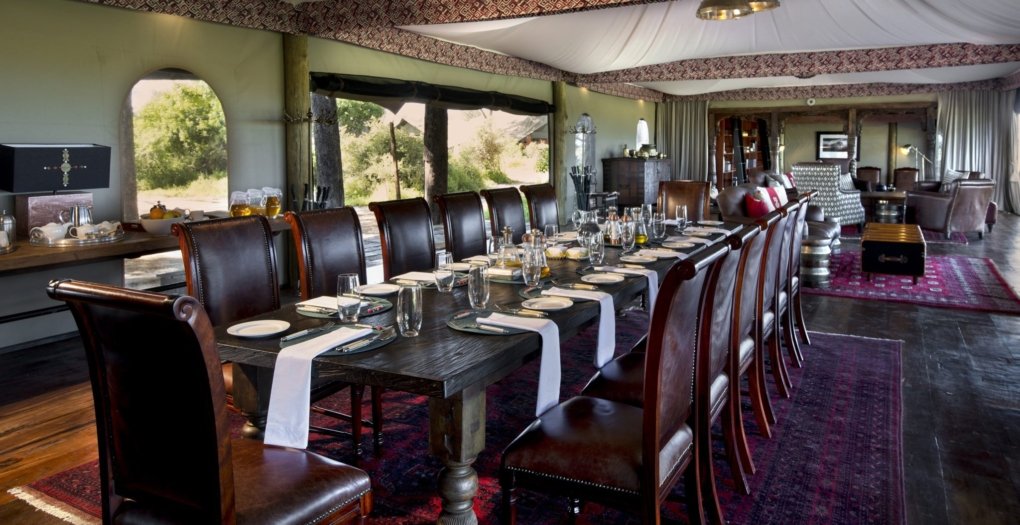
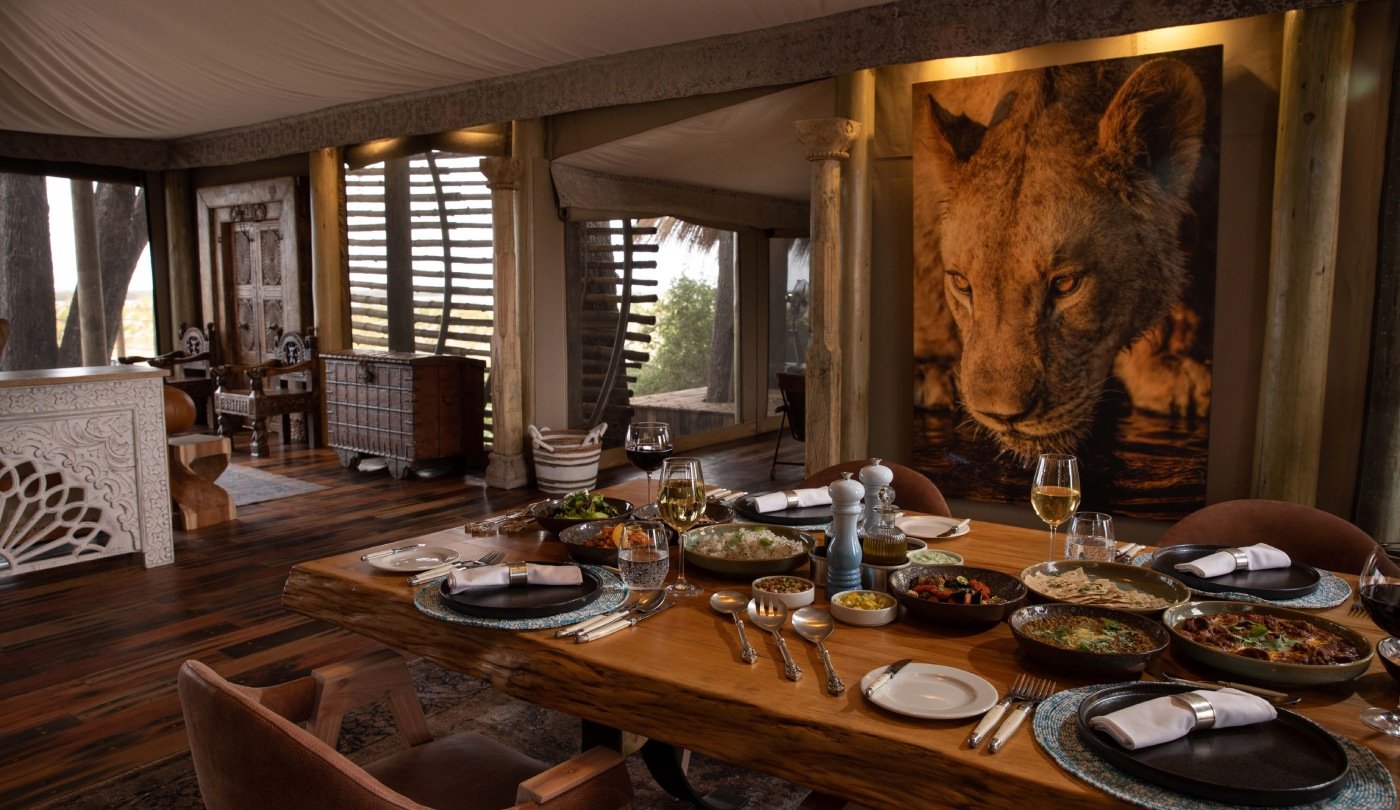
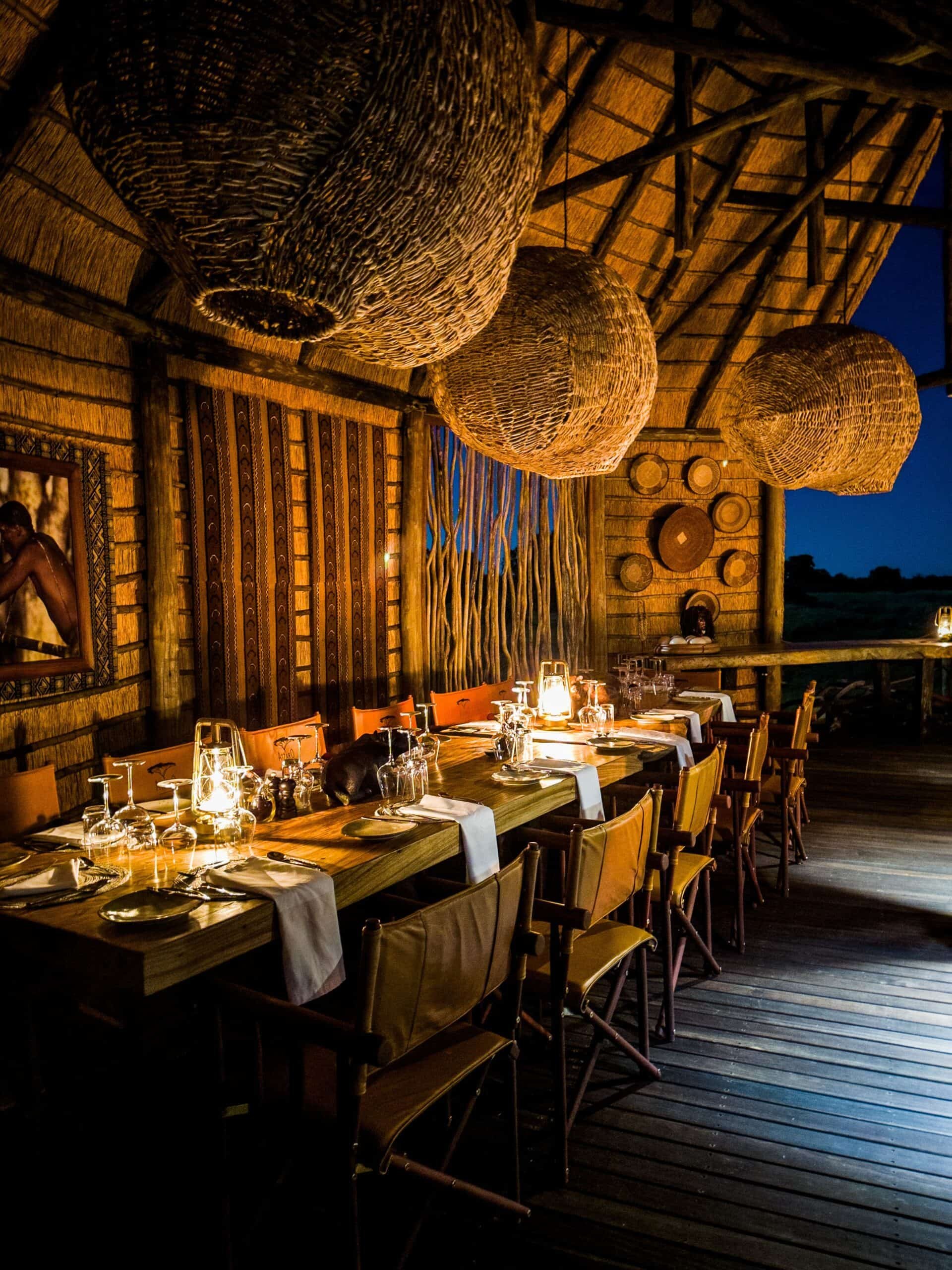
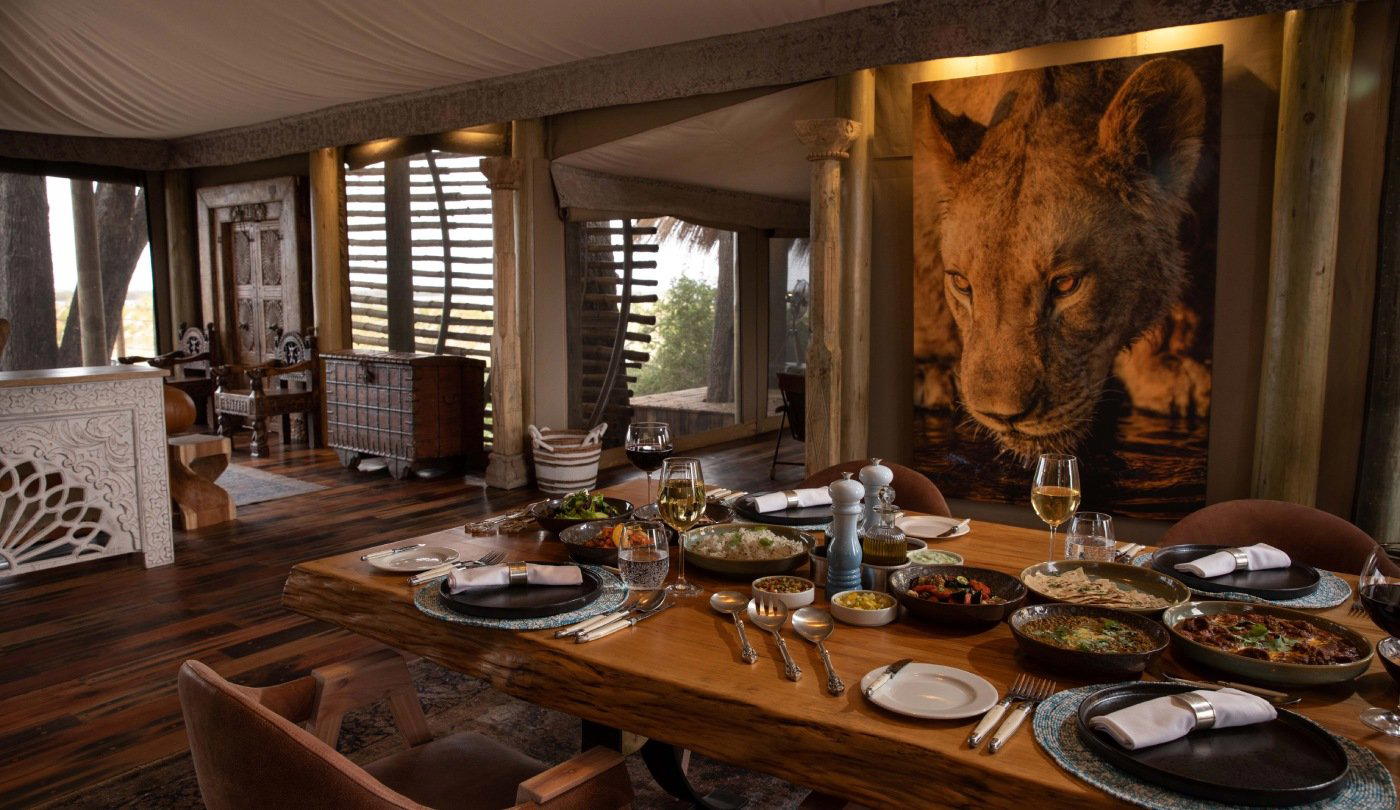
Inside Sitatunga Private Island
Planning details
- Location
- Sitatunga Private Reserve, Okavango Delta
- Website
- greatplainsconservation.com
- Phone
- +44 203 150 1062
The take
The Take
The Vibe
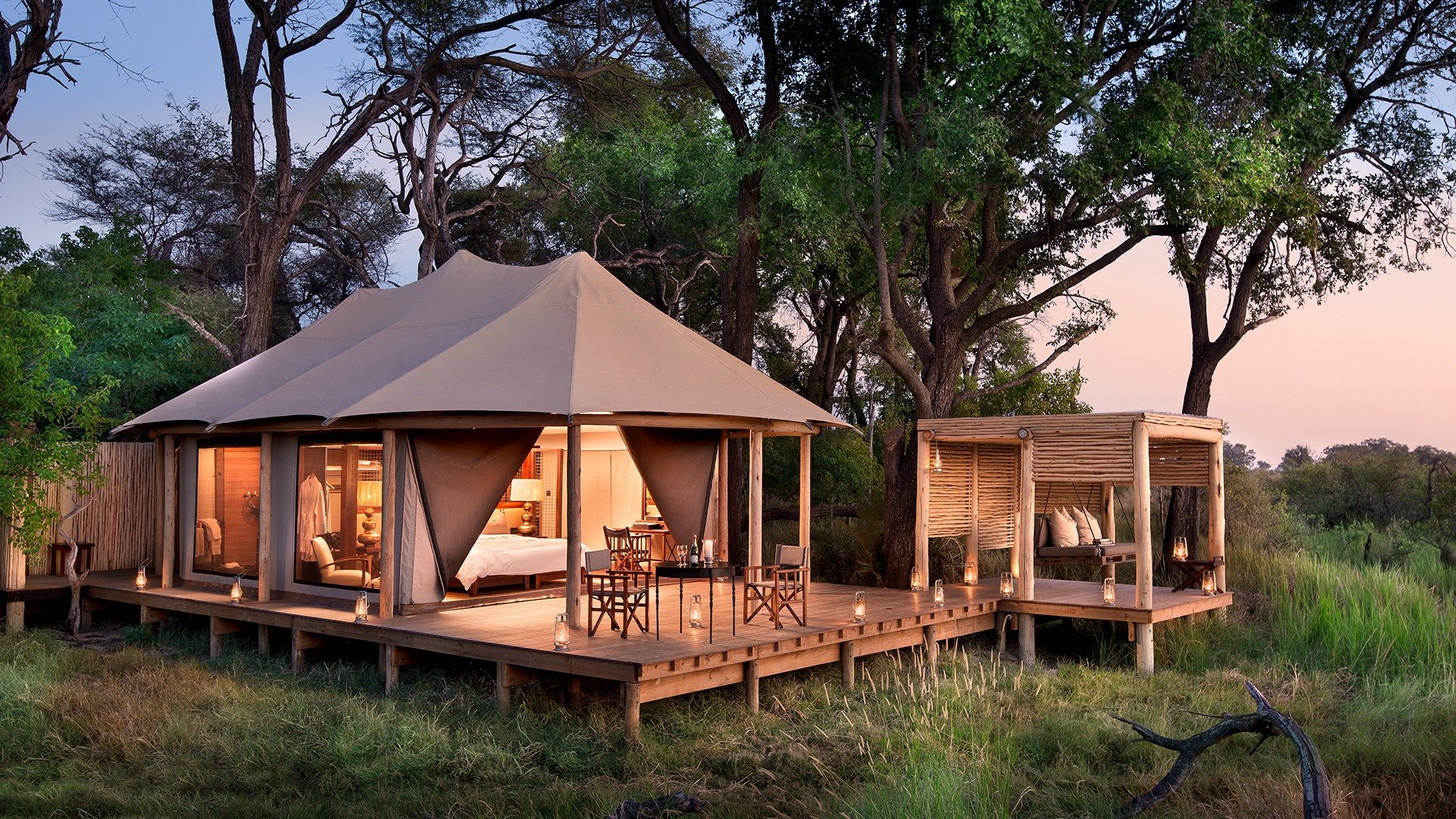
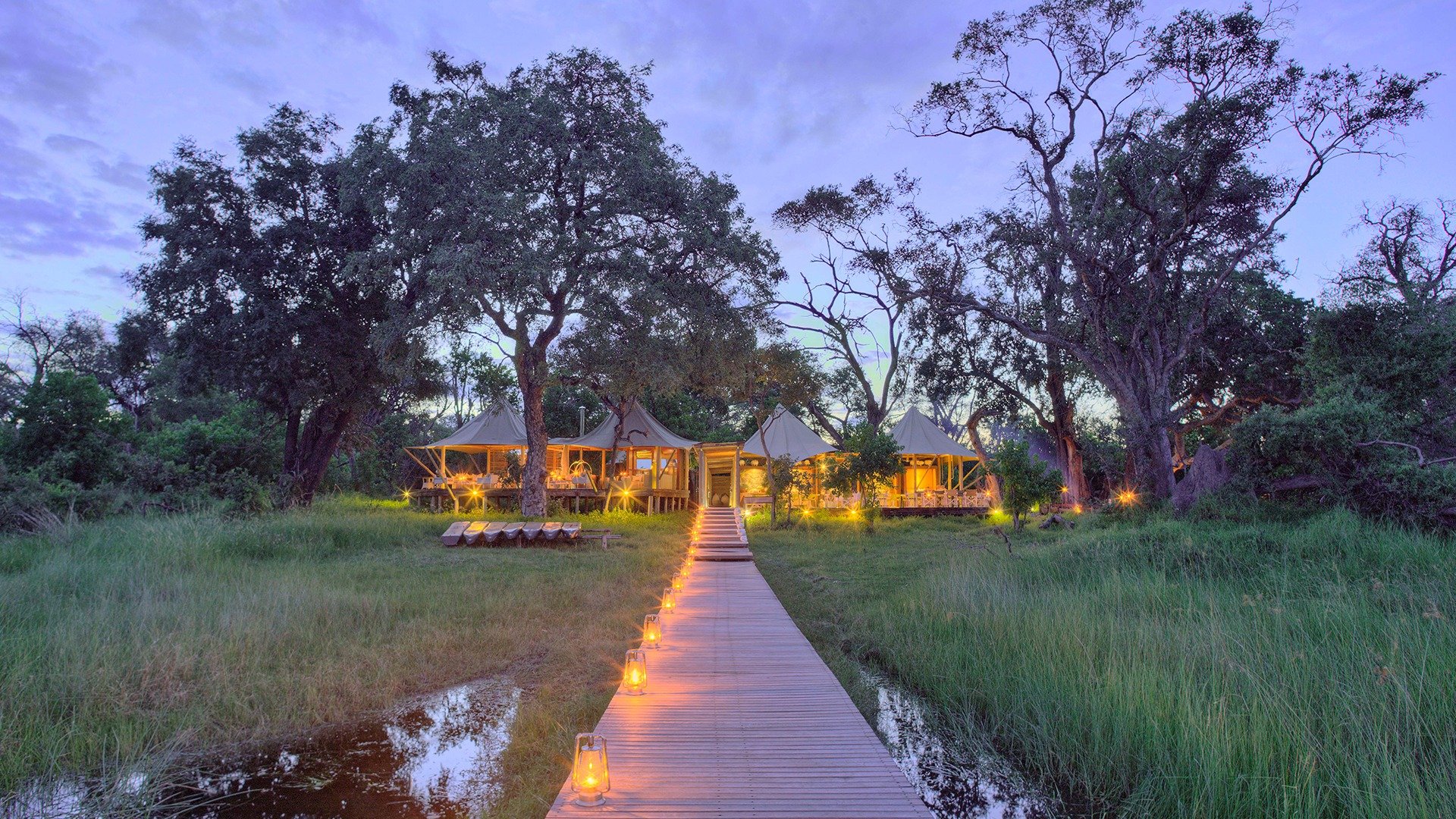
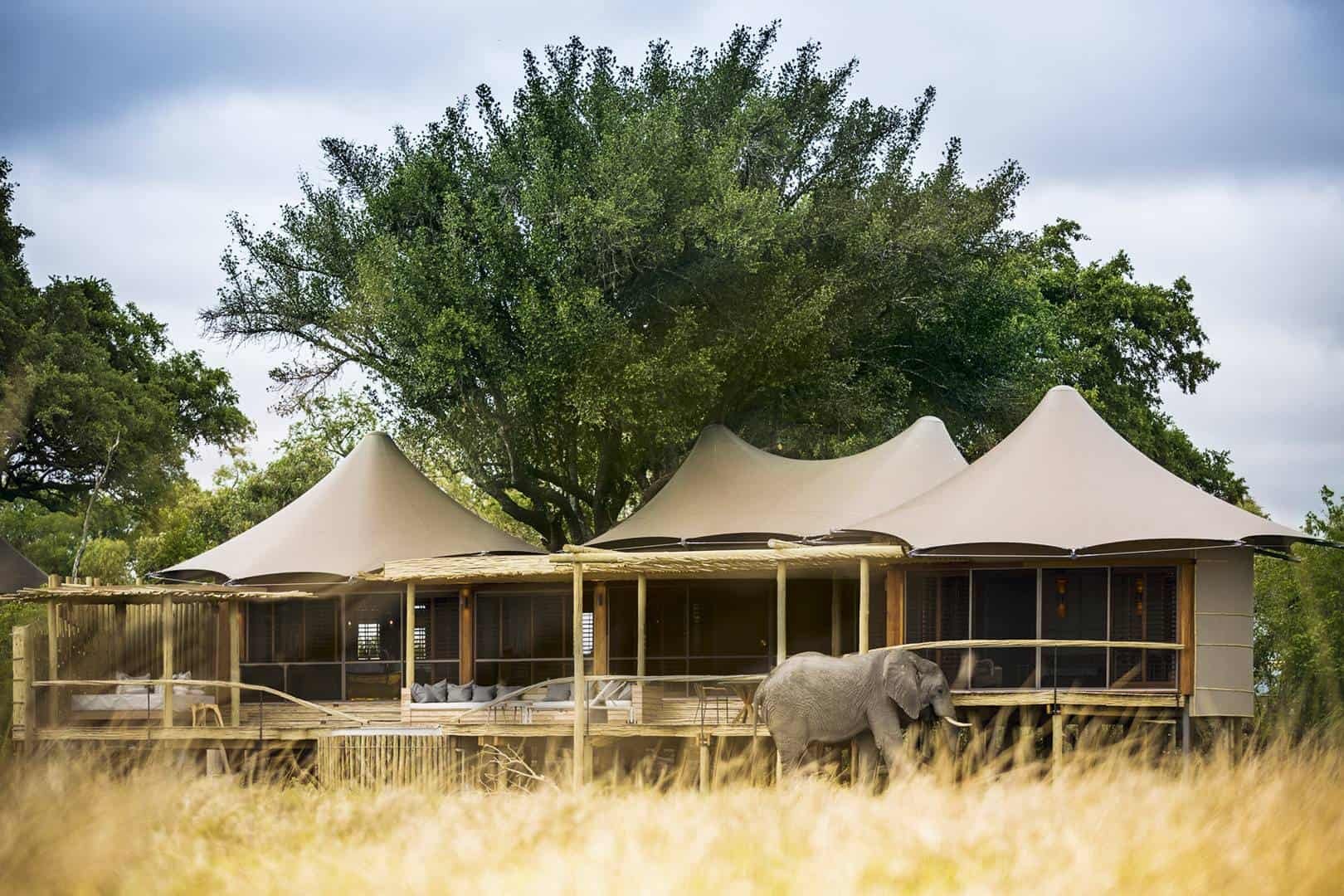
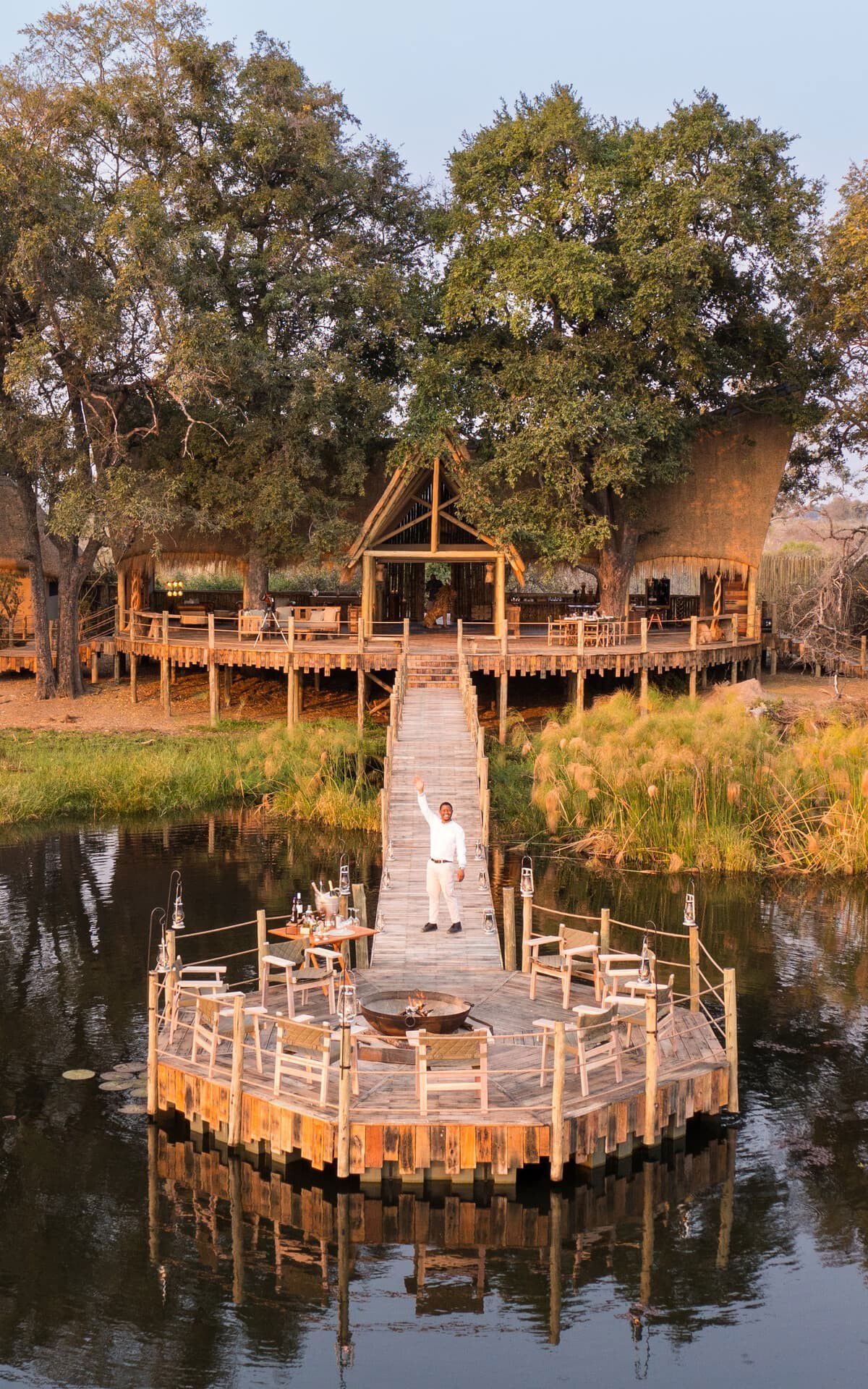
Sitatunga Private Island presents a quietly refined bush experience where the boundary between room and environment dissolves. The writing emphasizes a slower, more intimate encounter with wildlife and the sensory details — papyrus at dusk, proximity to channels and waterways — that define the place. Structures are ecodesigned to minimize footprint, so the camp reads as an extension of the island rather than an imposition. That low-key luxury feels serene and discreet: guests trade urban trappings for close attention to light, water and movement, which gives the camp a hidden-gem quality within the broader Okavango landscape.
Best For
This property suits travelers seeking intimacy and immersion in nature: think honeymoons, romantic getaways, anniversaries and wellness-focused escapes. The island’s low unit counts and private-island setting make it ideal for couples or small groups who prize solitude and close wildlife encounters. Activities are measured in mokoro strokes and boat minutes, not road distances, so the rhythm of days centers on gentle, place-based experiences rather than busy safari circuits. Guests who want to disconnect and feel wholly embedded in the Delta’s seasonal waterways will find the island particularly rewarding.
Stay Tips
Plan logistics around access and seasonality: the camp is reachable only by light aircraft or by water, and the Okavango itself changes shape with the seasons. Factor transfer times and the prevailing water levels into your travel day, and expect a different pace of movement — boat minutes and mokoro strokes replace road kilometres. Because the camp keeps unit counts intentionally low, availability can be limited; confirm transfers and dates in advance. Pack for close encounters with nature and variable conditions on and around the waterways.
Venue details
Ambiance
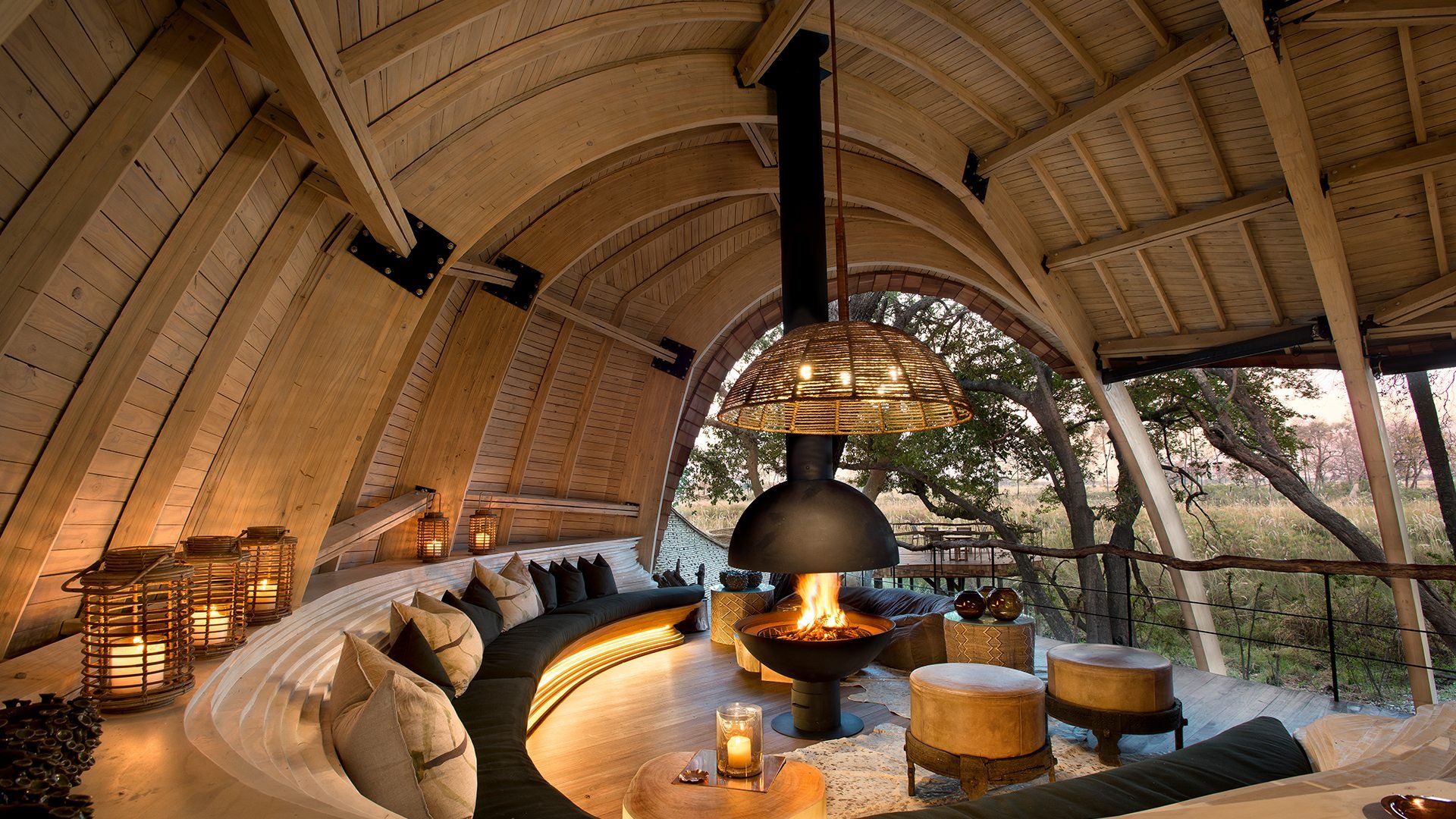
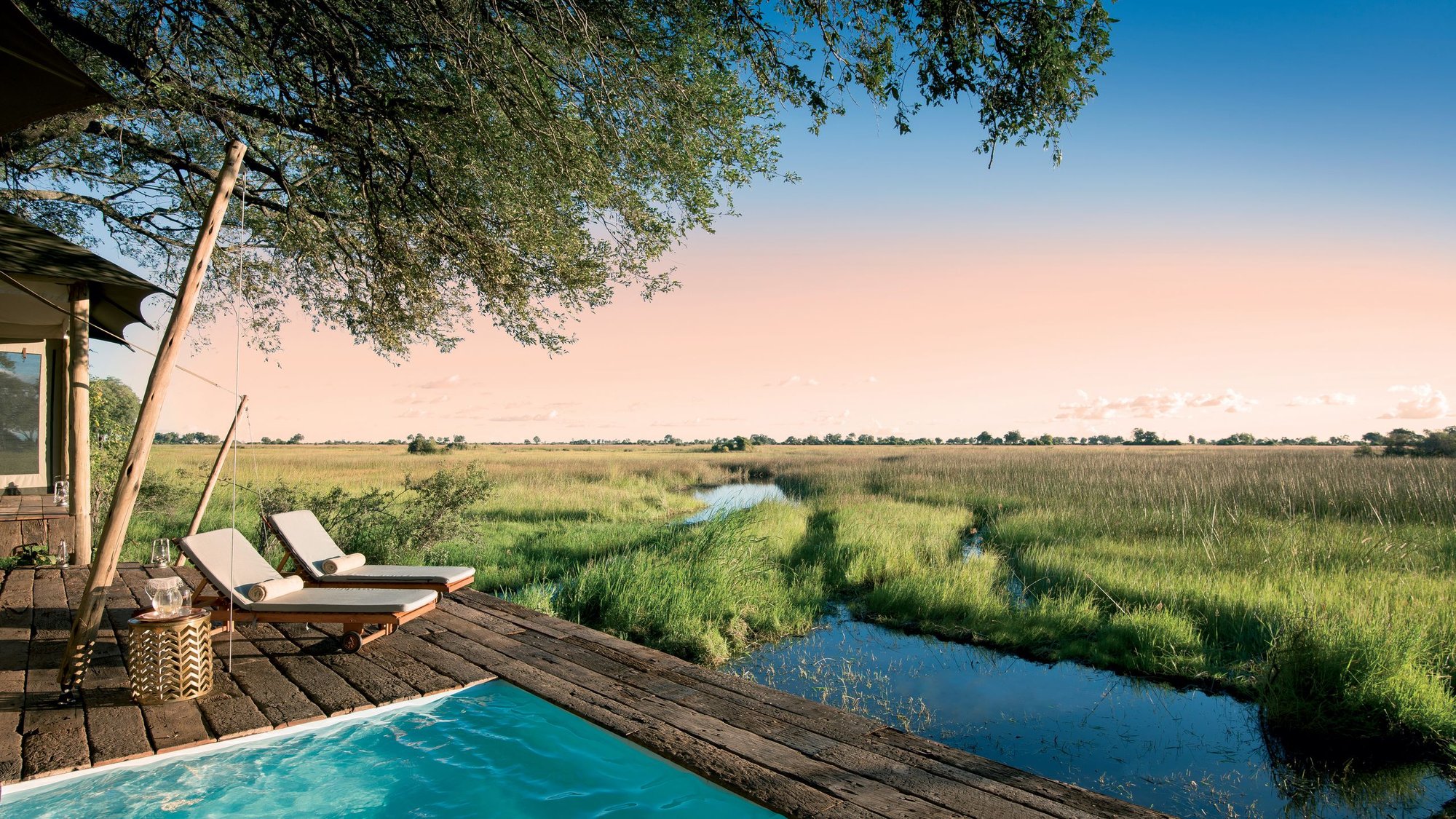
Tranquil and relaxing with natural misty greens and light-bleached woods evoking the delta's serene waterways, featuring open wooden structures and floating decks under African skies.
Tags
Vibe
Best For
Experience
Amenities
View
About the Stay
- Rooms
- 3
- Check-in
- 15:00
- Check-out
- 11:00
- Property Type
- Eco-lodge
- Property Style
- Eco Friendly Luxury Safari Camp with Understated Elegance
- Design Style
- Inspired by Traditional Fishing Baskets Using Recycled Materials, Misty Greens and Light Woods
- Breakfast
- Included
- Airport Transfer
- Available
- Pool
- Yes
- Cancellation
- Strict
Know before you go
Know Before You Go
- Getting there
- Sitatunga Private Reserve, Okavango Delta
Planning details
Location
Recognition and awards

Also consider
Good alternatives if this is not the right fit
Choose Xigera Safari Lodge if the group wants a more design-forward luxury lodge with a broader amenity feel. Choose Sanctuary Chief's Camp if the priority is a more familiar safari-lodge setup rather than a private-island stay.
Hotel context
How Sitatunga Private Island compares in the Okavango Delta
Sitatunga Private Island is the privacy-led choice in this set. Against Duba Plains Camp and Duba Concession, it reads as more secluded and stay-focused, while the Duba options are better cross-shops for travellers who want a better-known safari name in the Delta and a more classic camp comparison.
Little Mombo Camp and Sanctuary Chief's Camp are the safer alternatives for travellers who want a more familiar luxury-safari frame. Choose Sitatunga Private Island when ambiance and separation are the point; choose those peers when the group wants a less niche Delta decision.
Xigera Safari Lodge is the sharper cross-shop for travellers comparing design-forward luxury and a more amenity-driven stay. Sitatunga Private Island is easier to justify for a quieter, private-reserve trip where the setting carries the value; Xigera is the one to compare if the group wants a more visibly high-design lodge experience.
Explore Okavango Delta
Around this place
Discover more on Pearl
Unlock the full Sitatunga Private Island guide in Pearl, including awards, comparisons, FAQs, planning details, and nearby places.
Compare Sitatunga Private Island
| Venue | Location | Awards |
|---|---|---|
| Sitatunga Private Island | Okavango Delta | 2026 Relais Chateaux Hotels2025 Relais Chateaux Award |
| Duba Plains Camp | Okavango Delta | No published awards |
| Duba Concession | Okavango Delta | No published awards |
| Little Mombo Camp | Okavango Delta | 2026 La Liste Top Hotels |
| Sanctuary Chief's Camp | Moremi Game Reserve | 2026 La Liste Top HotelsWorld Travel Awards 2025 |
| Xigera Safari Lodge | Moremi Game Reserve | No published awards |


How Sitatunga Private Island Okavango Delta compares with similar nearby venues.
FAQ
Frequently Asked Questions
How is the location of Sitatunga Private Island?
What is check-in like at Sitatunga Private Island?
Contact Sitatunga Private Island directly for current arrival instructions, timing, and any transfer requirements in the Okavango Delta.
How does Sitatunga Private Island compare to nearby venues?
Use Sitatunga Private Island as one Okavango Delta option to compare with Duba Concession, Duba Plains Camp, Little Mombo Camp, Sanctuary Chief's Camp, and Xigera Safari Lodge. The key points for Sitatunga Private Island are its Okavango Delta location, casual dress code, and Relais & Châteaux Award (2026).
Is Sitatunga Private Island good for business travel?
Which room category is best at Sitatunga Private Island?
Ask the property directly which option best fits your needs before booking.
Do loyalty programs work at Sitatunga Private Island?
The venue holds a Relais & Châteaux Award (2026). Confirm any benefits or booking privileges directly with the property.