
Numazu Club
Senbongorin, Numazu
Hotel in Numazu, Japan
 Book with Pearl
The Read
Sukiya Retreat Precision
Price
$300–500per night
Why go
Numazu Club is worth considering if the goal is a quieter, recognition-backed stay in Numazu rather than a facilities-heavy resort. The Michelin 1 Key signal helps justify planning around it, but travelers who need clear spa, pool, loyalty, or room-category detail should compare regional alternatives before committing.
About Numazu Club
Numazu Club is a venue in Numazu with a Michelin 1 Key from 2024. Details are limited, so evaluate it based on its Numazu location, Michelin recognition, and a smart-casual dress code. That combination gives the listing a narrow but useful frame: it is not a place to assess from a long inventory of published features, but from the reliability of the few details that can be stated with confidence.
That makes the decision less about a long checklist of amenities and more about whether a Michelin-recognized stay in Numazu fits the trip. Travelers who need detailed confirmation on facilities, room types, rates, dining, or arrival logistics should check the venue's official channels before committing. In practice, that means treating the details as a starting point rather than a complete booking brief. The Michelin 1 Key may be enough to make Numazu Club a serious contender, but it should not replace direct confirmation of anything that will affect comfort, timing, or expectations on arrival.
Book for a Numazu stay with Michelin recognition
Numazu Club belongs on the shortlist if the goal is to stay in Numazu and the Michelin 1 Key distinction is meaningful to the trip. For broader planning, use Our full Numazu hotels guide alongside Our full Numazu restaurants guide, especially if dining will drive the itinerary. The most useful way to read this venue is as a focused option: its strength is the combination of place and recognition, not an extensively documented set of inclusions.
Because details are limited, avoid assuming specific facilities, services, room categories, or meal formats unless confirmed directly by the venue. If those details will determine whether the stay is worth it, confirm them before booking. This is especially important for travelers who plan tightly, compare several properties side by side, or need certainty before arranging the rest of a trip around one hotel choice. A smart-casual dress code is the other practical detail to keep in mind, since it suggests packing and presentation should be considered, even when other operational details require direct confirmation.
Who should book, and who should cross-shop
Book if the priority is a Numazu base with a Michelin 1 Key and you are comfortable verifying practical details directly. This is the clearest fit for travelers who value the Michelin signal and are willing to do the final due diligence with the venue rather than relying on a broad public description. Cross-shop if the trip depends on specific amenities, loyalty benefits, room features, dining services, or other operational details that are not available. In that case, the absence of detail is not a minor footnote; it is central to the booking decision.
For a Numazu-first trip, Numazu Club is notable because of its recognition. For a broader regional search, compare it with options such as Fujisan Mishima Tokyu Hotel, Asaba, Pearl Star Hotel Atami, Atami Izusan Karaku, and The Hiramatsu Hotels & Resorts Sengokuhara without assuming they serve the same type of stay. The point of comparison should be fit, not just status: Numazu Club has the Michelin 1 Key and a Numazu setting, while any alternative should be checked on its own terms and against the practical needs of the itinerary.
Planning details
- Location
- Senbongōrin-1907-8 Hon, Numazu, Shizuoka 410-0849
- Website
- numazu-club.com
- Phone
- +81 55-954-6611
The take
The Take
The Vibe
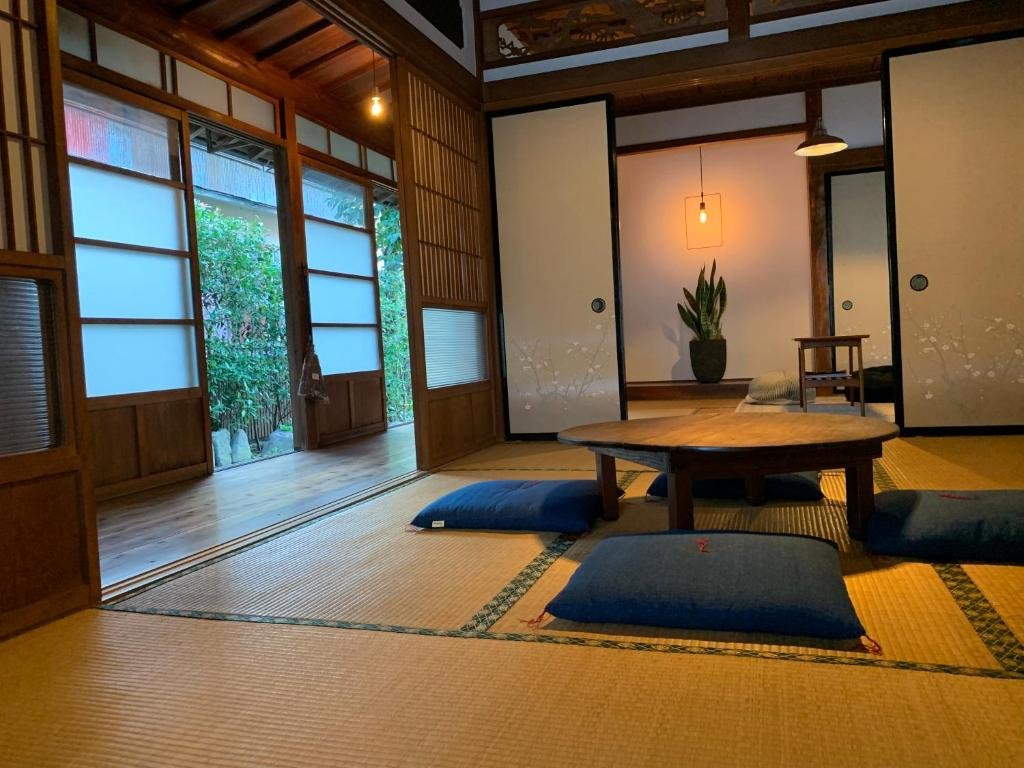
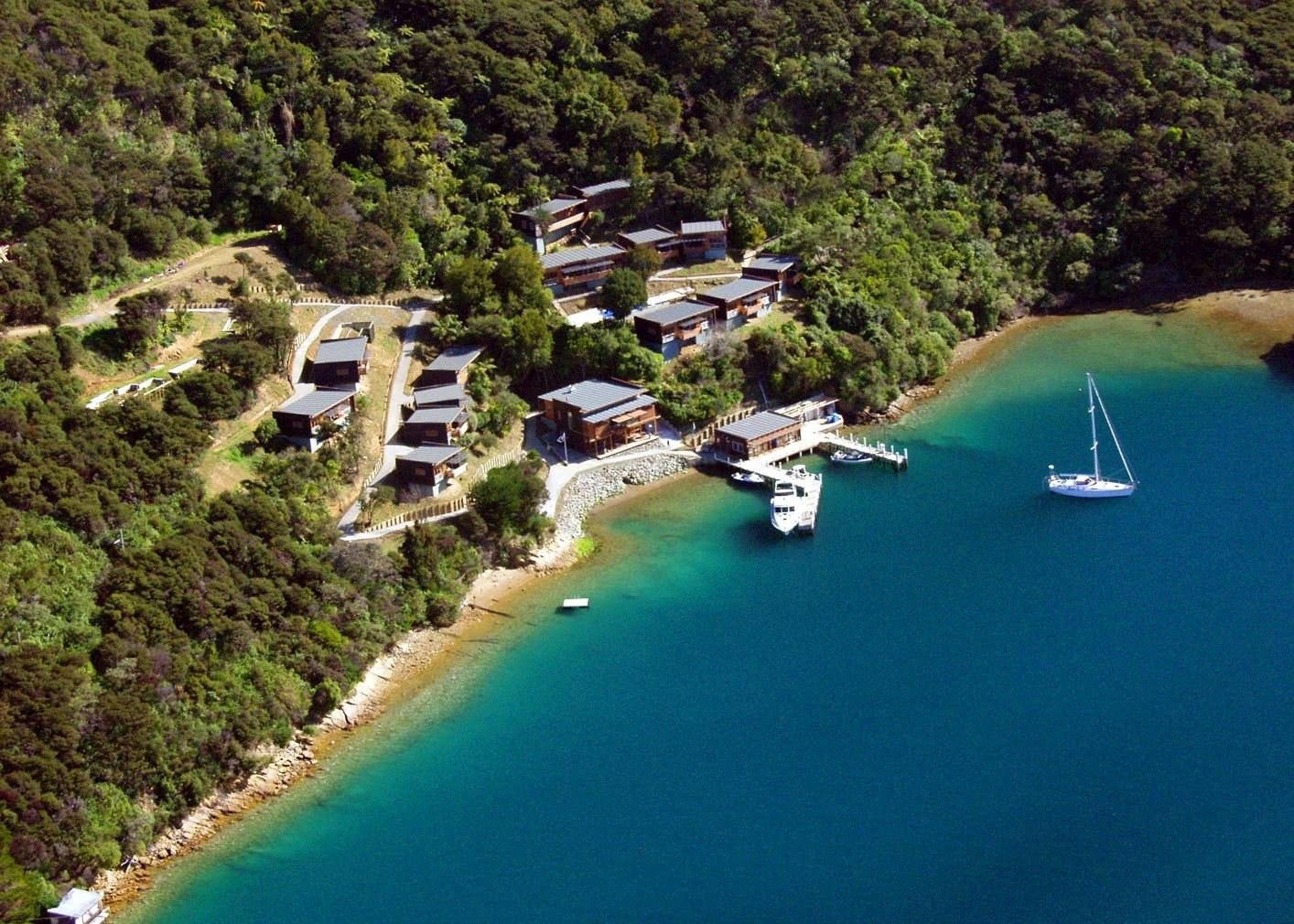
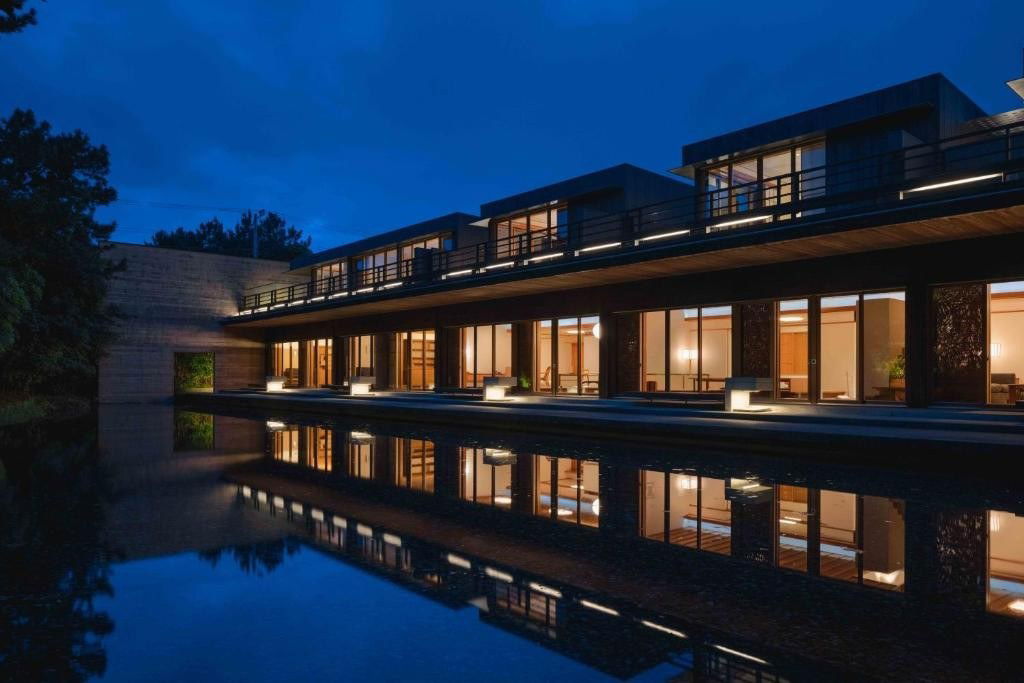
Numazu Club foregrounds architecture as the primary attraction: an original 1907 sukiya teahouse paired with a 2006 guesthouse built using traditional wood-and-clay techniques. The sukiya tradition drives every choice here—subdued surfaces, concealed joints, tatami floors, sliding paper panels and low-slung furniture create interiors that privilege proportion and material over ornament. Floor-to-ceiling windows turn the single garden into a composed view, and hinoki soaking tubs add a sensory, tactile note without calling attention away from the overall restraint. The result is a quietly powerful, historically grounded stay for those who appreciate disciplined design and contemplative calm.
Best For
This small, eight-room property is best for travelers who prioritize architecture, quiet reflection and an intimate scale. The sukiya aesthetic and the emphasis on natural materials make Numazu Club especially well suited to romantic getaways, anniversary stays and wellness-minded retreats where slow ritual and restorative bathing matter. Garden-facing rooms and deep hinoki tubs invite solitary reading, meditative mornings and low-key shared moments rather than nightlife or bustling socializing. Guests seeking design-minded hospitality and immersive traditional craft will find the setting particularly rewarding.
Stay Tips
Read up on sukiya before arrival and set expectations for a restrained, minimal aesthetic rather than modern hotel spectacle—the description itself recommends understanding the style ahead of time. Book early: the property operates at an intimate scale with only eight rooms, so availability is limited. If a view matters, request a garden-facing room; the copy highlights floor-to-ceiling windows that frame the garden as a composed view. Note the presence of deep hinoki soaking tubs and plan for a slow, restorative stay rather than activities or late-night programming.
Venue details
Ambiance
Serene and contemplative with natural light, verdant garden views through floor-to-ceiling windows, tatami flooring, and low minimalist furniture evoking timeless ryokan elegance.
Tags
Vibe
Best For
Experience
Amenities
View
About the Stay
- Rooms
- 8
- Check-in
- 15:00
- Check-out
- 11:00
- Property Type
- Boutique hotel
- Property Style
- Restored Historic Teahouse with Modern Ryokan Villa
- Design Style
- Timeless Sukiya Style with Natural Wood, Tatami, and Minimalist Curves
- Spa
- Yes
Know before you go
Know Before You Go
- Getting there
- Senbongōrin-1907-8 Hon, Numazu, Shizuoka 410-0849
Planning details
Location
Recognition and awards
Also consider
Also Consider
- Fujisan Mishima Tokyu Hotel, Notable alternative
- Asaba, Notable alternative
- Pearl Star Hotel Atami, Notable alternative
- Atami Izusan Karaku, Notable alternative
- The Hiramatsu Hotels & Resorts Sengokuhara, Notable alternative
Hotel context
How Numazu Club compares nearby
Numazu Club is the pick for travelers who want to stay in Numazu itself and value a smaller, recognition-backed hotel. Fujisan Mishima Tokyu Hotel is the more practical cross-shop if the trip needs easier rail positioning around Mishima rather than a quieter Numazu base.
For a more traditional high-comfort Japanese stay, compare against Asaba. For coastal resort energy, Pearl Star Hotel Atami and Atami Izusan Karaku are stronger alternatives if Atami works better for the itinerary. Expect the decision to come down to location and preferred atmosphere rather than a simple price comparison.
The Hiramatsu Hotels & Resorts Sengokuhara is the better cross-shop for travelers willing to leave the Numazu area for a more destination-led hotel stay. Numazu Club makes more sense when Numazu is the anchor; the others make more sense when the hotel is meant to carry more of the trip.
Explore Numazu
Around this place
Discover more on Pearl
Unlock the full Numazu Club guide in Pearl, including awards, comparisons, FAQs, planning details, and nearby places.
Compare Numazu Club
| Venue | Location | Awards |
|---|---|---|
| Numazu Club | Numazu | 2026 Michelin 1 KeyMichelin 1 Key 20252025 Michelin 1 Key2024 Michelin 1 Key |
| Fujisan Mishima Tokyu Hotel | Mishima | Preferred Hotels Member 2025 |
| Asaba | Izu | 2026 Relais Chateaux Hotels2026 La Liste Top Hotels2026 Michelin 3 KeysTatler Best Hotels Asia-Pacific 20252025 Michelin 3 Keys2025 Relais Chateaux Award2024 Michelin 2 Keys |
| Pearl Star Hotel Atami | Atami | No published awards |
| Atami Izusan Karaku | Atami | 2026 Michelin 1 Key2025 Michelin 1 Key2024 Michelin 1 Key |
| The Hiramatsu Hotels & Resorts Sengokuhara | Hakone | 2026 Michelin 1 Key2025 Michelin 1 Key2024 Michelin 1 Key |







How Numazu Club compares with similar nearby venues.
FAQ
Frequently Asked Questions
How is the location of Numazu Club?
Numazu Club is in Numazu. Use the venue's official channels for current arrival and access details.
What is check-in like at Numazu Club?
Which room category is best at Numazu Club?
Room-category details are not available. Choose only after checking the venue's official channels for the current room list and inclusions.
Do loyalty programs work at Numazu Club?
How does Numazu Club compare to regional hotels?
Numazu Club is a Michelin 1 Key venue in Numazu. For comparison, travelers can also look at Fujisan Mishima Tokyu Hotel, Asaba, Pearl Star Hotel Atami, Atami Izusan Karaku, and The Hiramatsu Hotels & Resorts Sengokuhara as regional options, while confirming each property's details separately.