
Hotel in Noto, Italy
Masseria della Volpe
500Pearl PointsCountry-house value

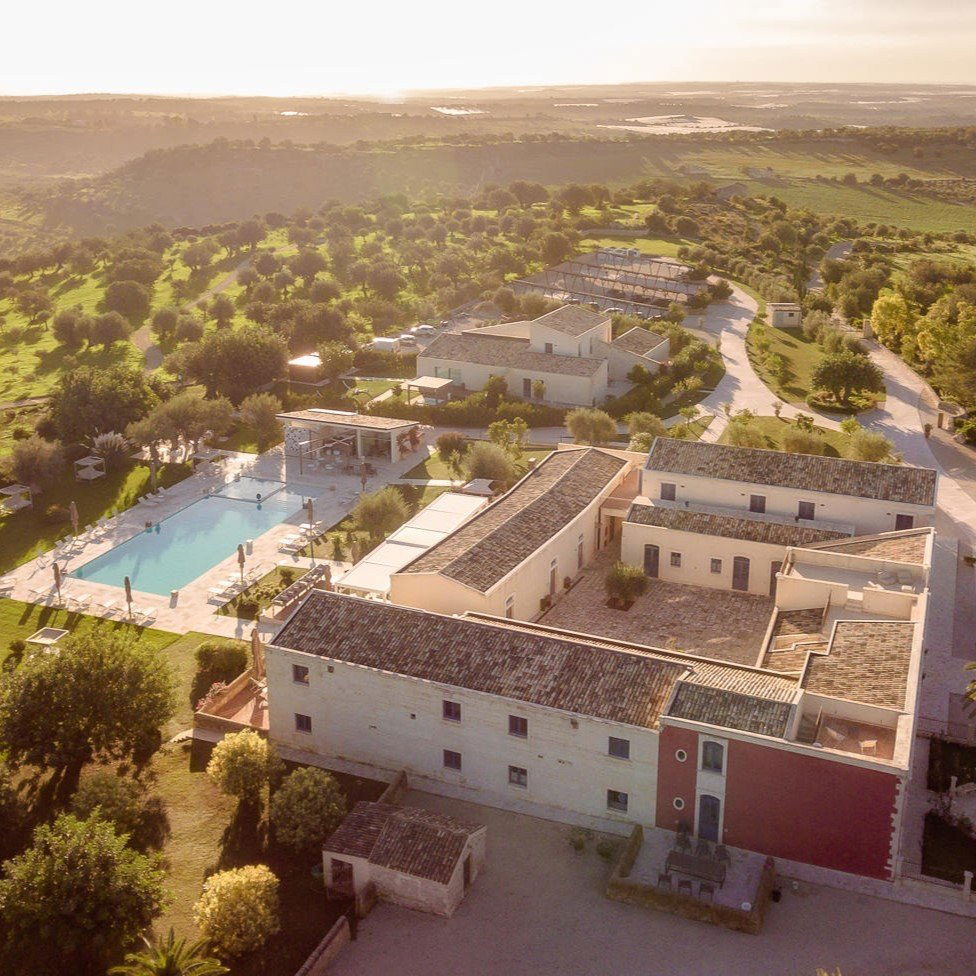
About Masseria della Volpe
Book Masseria della Volpe if you want a countryside Noto stay with more breathing room than an in-town hotel. Its Michelin 1 Key recognition makes it a serious special-occasion option, but travelers who want to walk everywhere should cross-shop Q92 Noto Hotel or Seven Rooms Villadorata instead.
Masseria della Volpe is a hotel in Noto with a confirmed Michelin 1 Key recognition for 2025. That is the central verified fact to hold onto when considering it: the property has been acknowledged within Michelin's hotel selection, and that recognition gives it a clear place on a shortlist for travelers who are looking beyond purely generic accommodation. Beyond that accolade and a smart-casual dress code, however, the verified information here is intentionally limited. It is therefore best to avoid assuming a specific service style, dining format, room setup, property layout, or on-site amenity mix without checking the hotel directly. In practical terms, treat the recognition as a useful signal, not as a substitute for current, trip-specific confirmation.
Use this page as a grounded starting point rather than a full operational profile. The value here is in separating what is confirmed from what still needs to be checked, especially for a stay where small details can meaningfully shape the experience. If the exact location within Noto, room category, dining arrangements, family suitability, or transport logistics matter to the trip, confirm those details with the property before booking. That extra step is particularly important if the stay is tied to a fixed itinerary, a special occasion, or a narrow set of expectations around comfort, privacy, meals, or movement around the area. A hotel can be compelling on recognition alone, but the right fit still depends on the specifics of the actual stay.
Pick this for confirmed recognition, then verify the trip details
The strongest verified hook is the Michelin 1 Key recognition in 2025. That makes Masseria della Volpe a relevant option for travelers comparing notable stays in and around Noto, because the Key gives the hotel a defined point of distinction in a crowded planning landscape. It can help bring the property into focus for travelers who are already filtering for hotels with a recognized level of character or hospitality. Still, the recognition does not by itself confirm a particular room type, resort setup, restaurant program, or occasion package. It should not be read as a guarantee of any specific configuration beyond the fact of the recognition itself.
The confirmed dress code is smart casual. That is a useful baseline for packing and for setting expectations around the general tone of the stay, but it remains a broad category rather than a detailed operating guide. For anything more specific, including arrival timing, meal arrangements, accessibility, children's policies, or special-occasion planning, rely on the venue's current official information. Those are the details most likely to affect whether the hotel suits a particular traveler, date, or style of trip. If you need certainty, contact the property directly rather than relying on inference from the Michelin Key or from the smart-casual note alone.
Where it sits among Noto hotel options
For comparison, travelers may also look at Hotel Il San Corrado di Noto, Country House Villadorata, Seven Rooms Villadorata, Q92 Noto Hotel, and Zahir Country House. Placing Masseria della Volpe alongside these names is most useful as an early-stage planning exercise: it gives you a set of Noto hotel options to compare, while leaving room for the verified details to do the real work. The best choice will depend on the details you verify for your dates, including location preferences, availability, and the kind of stay you want. Some travelers will prioritize the confirmed recognition; others will need more certainty around logistics before deciding. For a broader view of the area, use our full Noto hotels guide; restaurant planning should sit alongside it via our full Noto restaurants guide.
Frequently Asked Questions
How does Masseria della Volpe compare to nearby hotels?
Masseria della Volpe is a Michelin 1 Key hotel in Noto. If you are comparing options, also look at Hotel Il San Corrado di Noto, Seven Rooms Villadorata, Q92 Noto Hotel, Country House Villadorata, and Zahir Country House, then confirm the current details that matter for your stay.
Is Masseria della Volpe family-friendly?
Family-specific details are not verified here. If you are travelling with children, confirm room setup, policies, and any relevant services directly with Masseria della Volpe before booking.
Do loyalty programs work at Masseria della Volpe?
Loyalty-program details are not verified here. Check the venue's official channels for the latest information before planning a stay around points, status benefits, or rewards earning.
When is the best time to book Masseria della Volpe?
The verified information does not include booking windows, seasonality, or availability patterns. If your dates are fixed, contact the hotel or booking channel directly to confirm current availability and terms.
How is the dining at Masseria della Volpe?
Dining details are not verified here. The confirmed dress code is smart casual, but guests should check the venue's official channels for current information on meals, reservations, and any restaurant arrangements.
Location
Contrada Casale, 96017 Noto SR
Noto, Italy
Compare Masseria della Volpe
Comparison notes
Choose Masseria della Volpe over Q92 Noto Hotel or Seven Rooms Villadorata when space, quiet, and a country-house setting matter more than walkability. Choose the in-town hotels when the plan is restaurant-led and you do not want to manage drives.
Hotel Il San Corrado di Noto is the stronger comparison for a fuller resort stay. Country House Villadorata and Zahir Country House are the better backups when the goal is rural Noto rather than a palazzo-style base.
Where to look if it is full
If the target is a comparable countryside stay, check Country House Villadorata first, then Zahir Country House. If the real need is easier access to Noto's center, switch to Q92 Noto Hotel or Seven Rooms Villadorata.
How Masseria della Volpe compares in Noto
Masseria della Volpe is the better choice if the trip needs countryside calm and a stronger retreat feeling than a town-center base. Hotel Il San Corrado di Noto is the more obvious pick for guests who want a larger resort-style stay, while Country House Villadorata is the closest cross-shop for travelers who like the rural Noto format but want to compare atmosphere before committing.
For city access, Q92 Noto Hotel and Seven Rooms Villadorata are easier choices. They make more sense for short stays built around restaurants, late walks, and quick sightseeing. Choose Masseria della Volpe when the hotel itself is meant to carry more of the trip.
Zahir Country House is another practical backup if rural Noto availability is tight. For a celebration stay, Masseria della Volpe has the stronger recognition signal thanks to its Michelin 1 Key, but the better booking depends on whether you want a retreat outside town or a simpler base for exploring Noto on foot.
Recognized By

Explore Noto
Save or rate Masseria della Volpe on Pearl
Keep this venue in your Pearl passport, rate it after you visit, and track it alongside every other place you collect.