
Muwa Niseko
Hirafu Upper Village, Niseko
Hotel in Niseko, Japan
 Book with Pearl
The Read
Powder-Country Onsen Seclusion
Why go
Muwa Niseko is worth shortlisting if the hotel is part of the trip, not just a bed near the slopes. Its Michelin 1 Key recognition gives it a stronger luxury signal than many Niseko stays, but value depends on the rate gap versus nearby peers and how much you will use the wellness-focused downtime.
About Muwa Niseko
Muwa Niseko is a hotel in Niseko with a Michelin 1 Key from 2024.
Use the Michelin 1 Key as a helpful signal, not as a substitute for checking the details that matter for your stay. If you are comparing Muwa Niseko with other Niseko hotels, confirm current room types, inclusions, policies, and rates directly before booking.
Worth it if the recognition matters to you
The strongest reason to consider Muwa Niseko is its Michelin 1 Key recognition in 2024. That makes it a notable Niseko hotel, but specific questions about amenities, family fit, wellness facilities, dining, or access should be checked directly before booking.
For a broader shortlist, use Our full Niseko hotels guide and compare Muwa Niseko with other named options such as Sansui Niseko, Setsu Niseko, The Vale Niseko, and Kimamaya by Odin. The right choice should come down to the current details for your dates.
Planning details
- Location
- 3-chōme-10-1 Nisekohirafu 1 Jō, Kutchan, Abuta District, Hokkaido 044-0080
- Website
- muwaniseko.com
- Phone
- +81 136-23-0955
The take
The Take
The Vibe
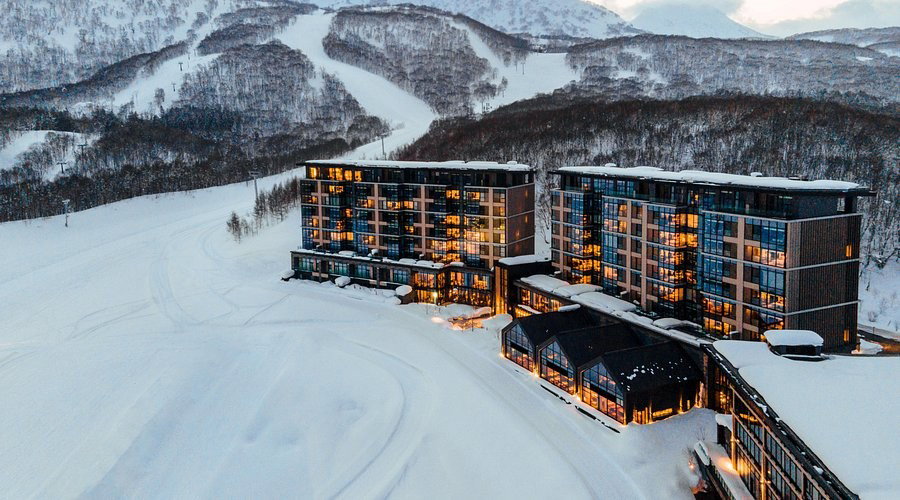
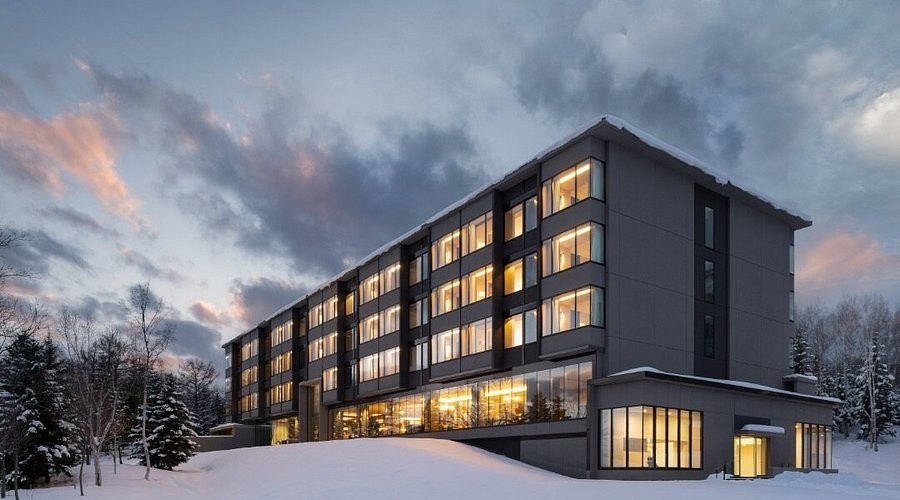
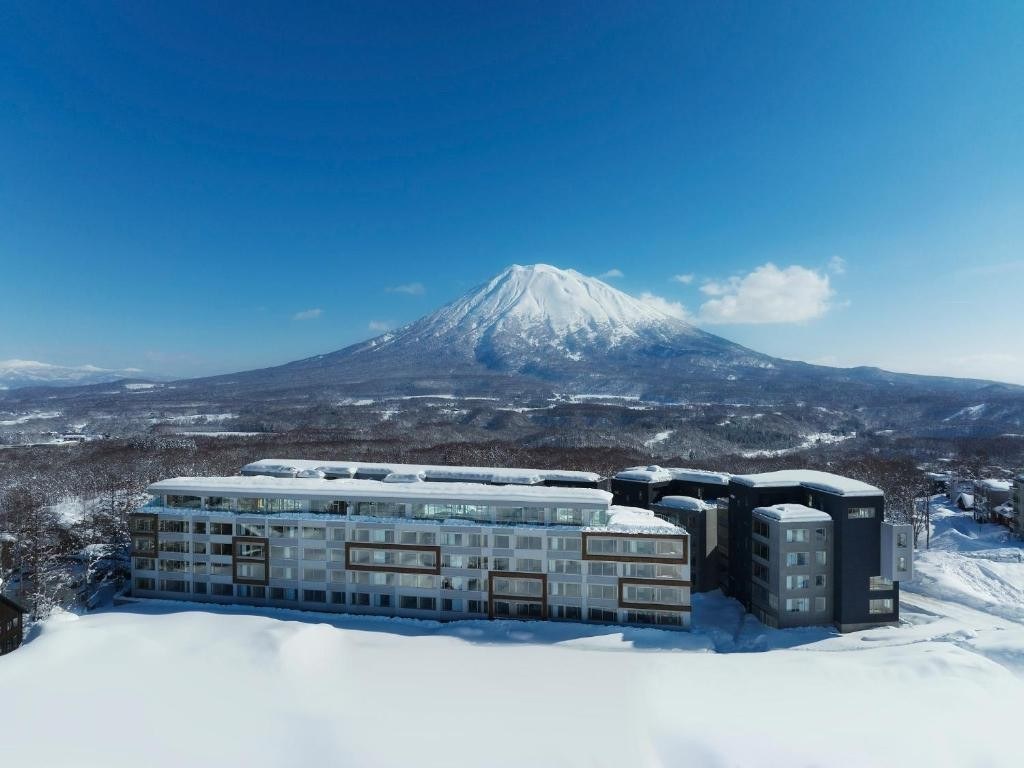
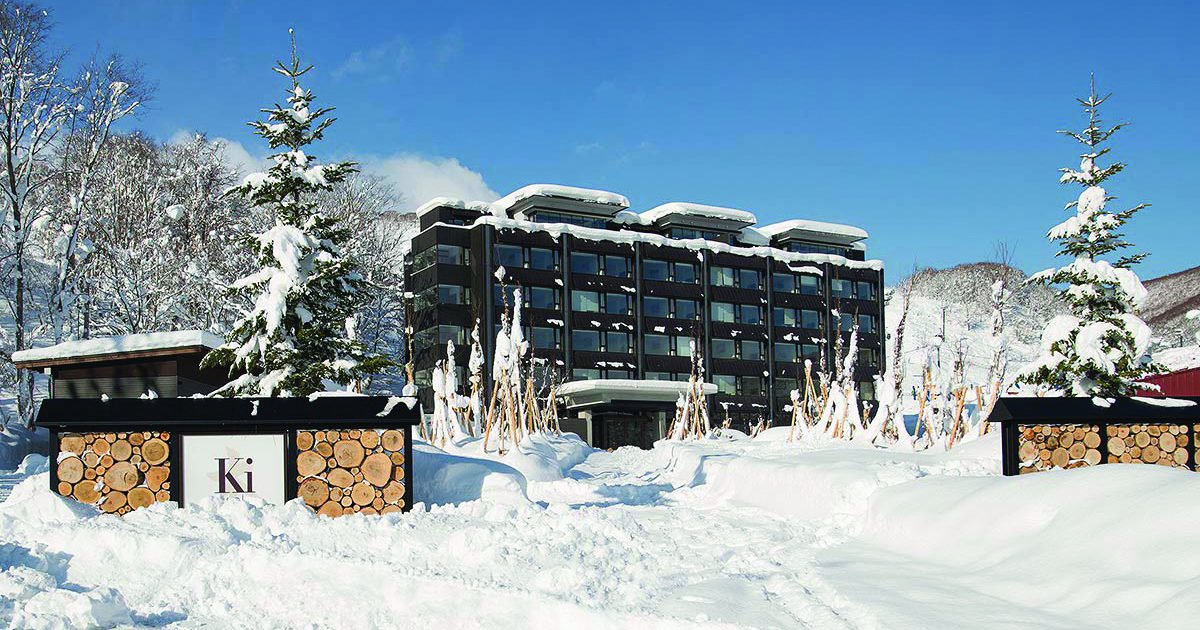
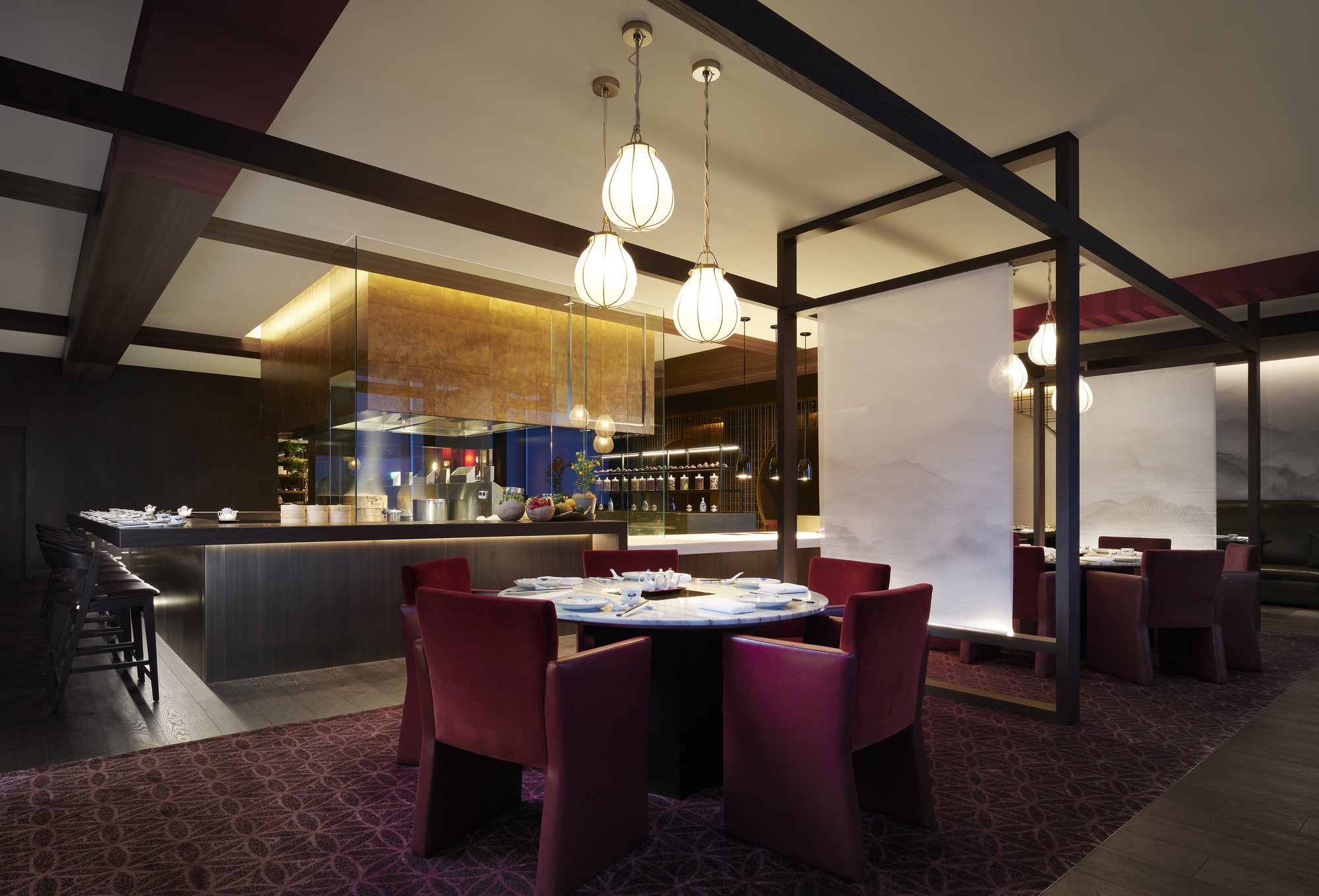
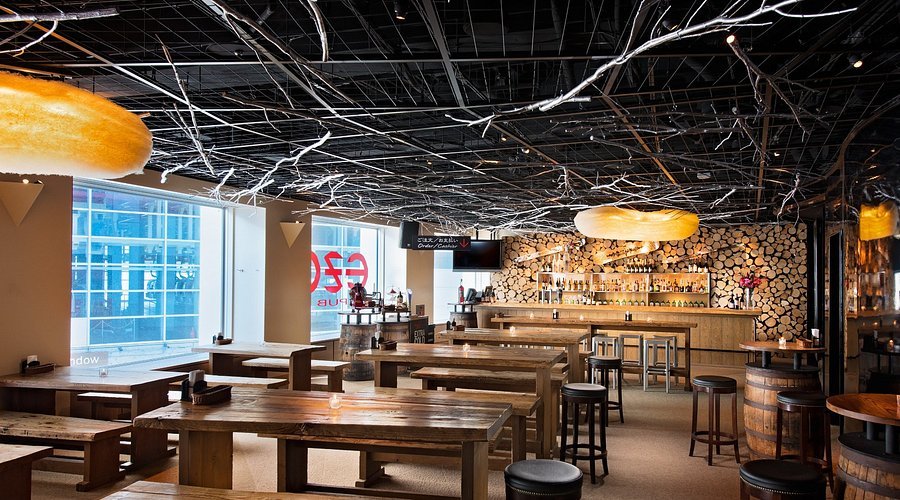
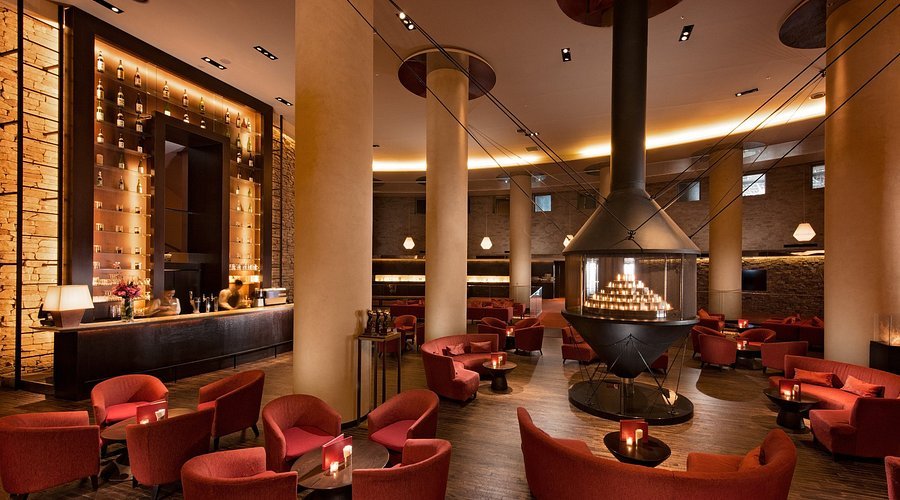
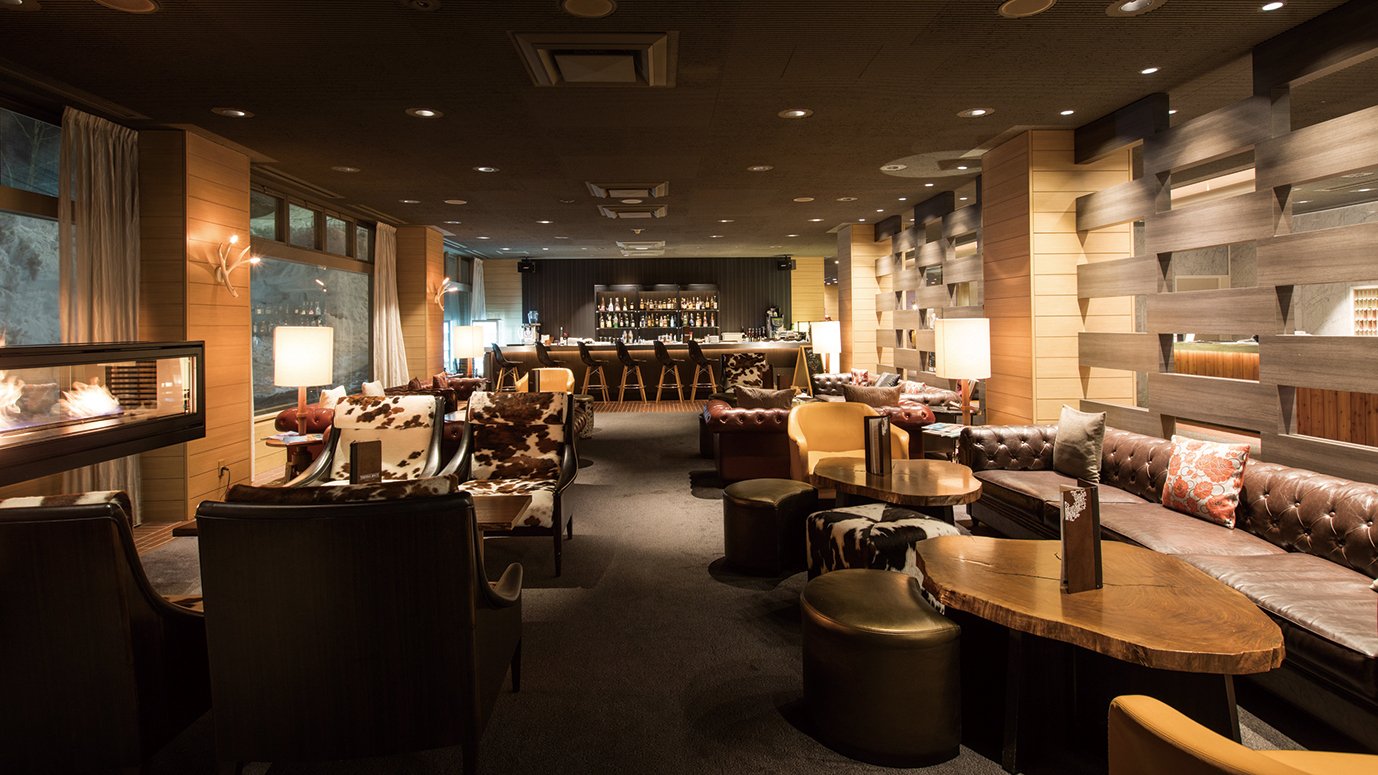
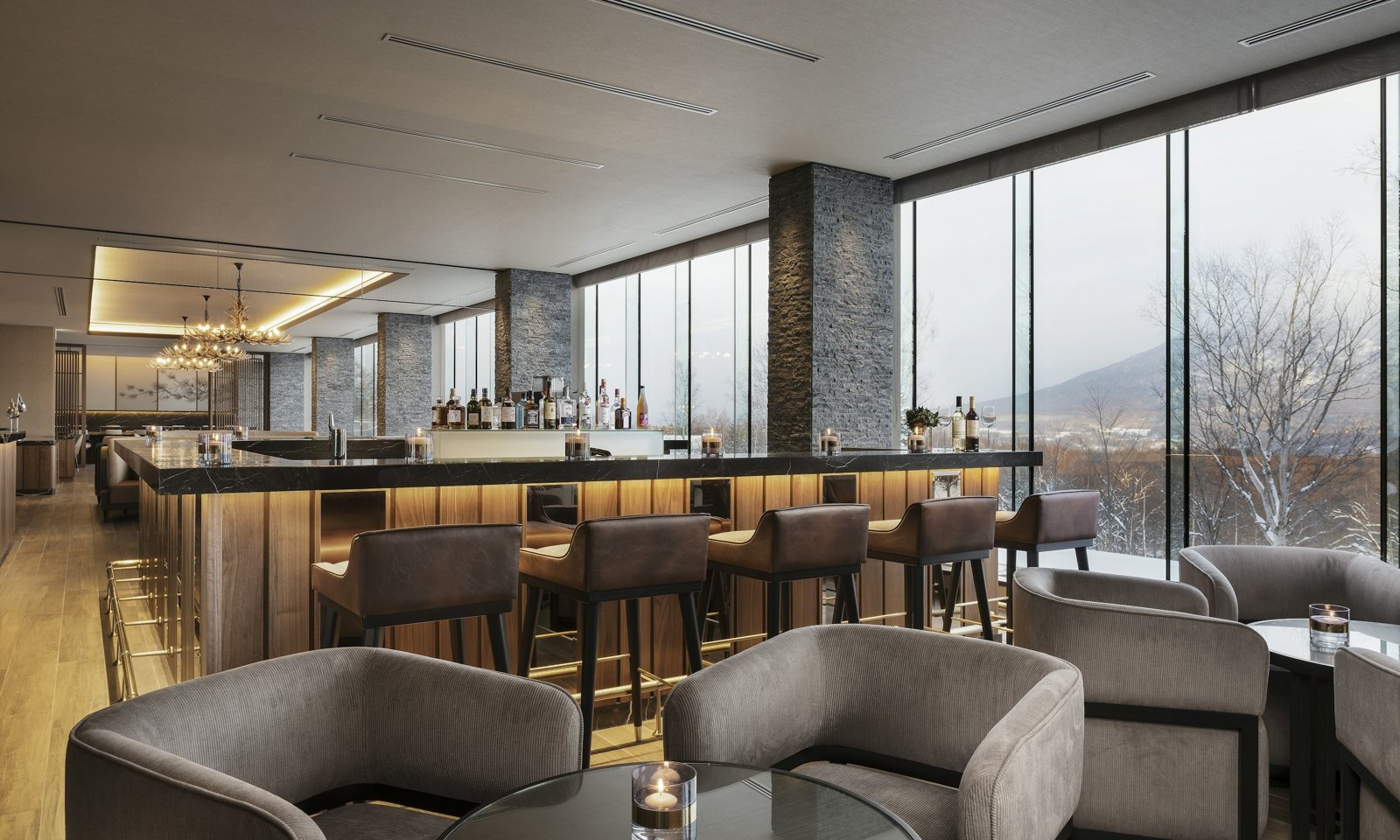
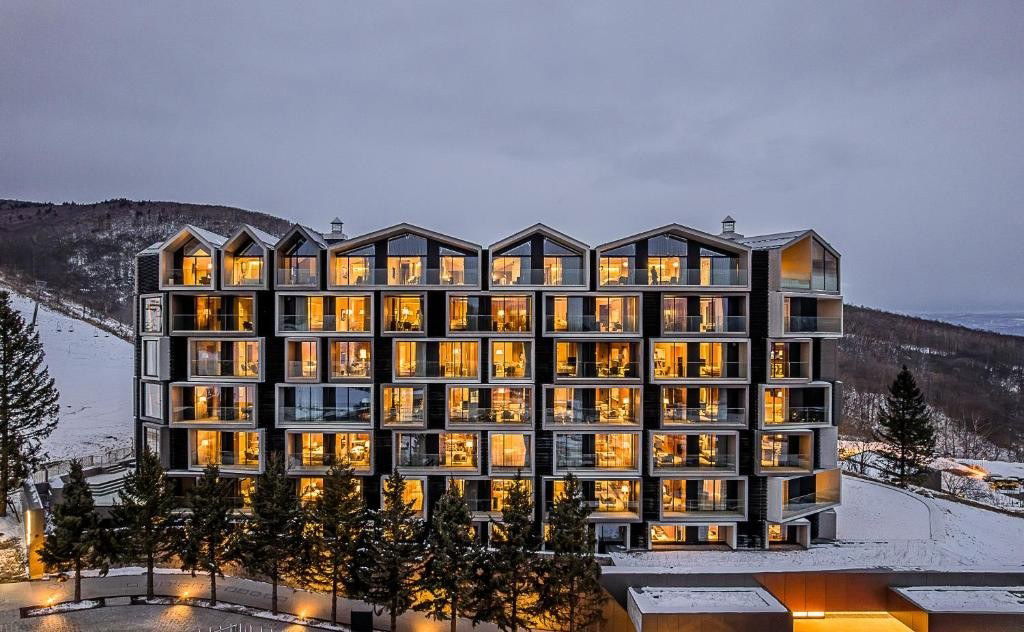
Muwa Niseko presents a restrained, design-forward expression of alpine lodging that privileges silence and measured materiality. The building reads as stacked modernist volumes, and the interiors lean on a limited palette—blonde timber, abstracted headboards and geometric light fixtures—that signals considered restraint rather than maximalist decoration. The property treats stillness as an amenity: quiet is deliberate, architecture is thoughtful, and finishes feel curated for calm. Overall, Muwa feels like a sophisticated, serene base for experiencing Niseko’s mountains, where architecture and interior choices underscore a composed, design-led atmosphere rather than spectacle.
Best For
Muwa Niseko suits travelers who plan to linger. Many room configurations include full kitchens and in-room laundry, so the hotel functions well for multi‑week stays, families and groups who want a base rather than a one‑night stop. Its quiet, design-led environment also appeals to couples seeking a low‑key romantic getaway and to guests focused on recovery and wellness after skiing: the emphasis on stillness and measured design makes it a restorative place to return to after days on the slopes. Located in Hirafu, it sits squarely within Niseko’s ski resort set.
Stay Tips
Think like a resident rather than a transient guest: if you plan an extended stay, book a room configuration that specifically lists a full kitchen and in‑room laundry to make the most of longer visits. Reserve early for peak winter weeks—Niseko is a highly contested ski market, and the description frames the property within a competitive set of high‑demand openings. Expect a quiet, design-focused experience; if you prioritize nightlife or full‑service resort amenities, confirm what the property offers before booking since the narrative centers on stillness and residential functionality.
Venue details
Ambiance
Calming minimalist design with neutral tones, wood and glass partitions creating spacious light-filled rooms, focused on relaxation and wellness.
Tags
Vibe
Best For
Experience
Amenities
View
Accessibility
About the Stay
- Rooms
- 113
- Property Style
- Luxury Ski in Ski Out Apartments with Wellness Focus
- Design Style
- Minimalist Japanese Modern with Wood Textures and Panoramic Windows
Know before you go
Know Before You Go
- Getting there
- 3-chōme-10-1 Nisekohirafu 1 Jō, Kutchan, Abuta District, Hokkaido 044-0080
Planning details
Location
3-chōme-10-1 Nisekohirafu 1 Jō, Kutchan, Abuta District, Hokkaido 044-0080 · Directions
Recognition and awards
Also consider
Also Consider
- Sansui Niseko, Notable alternative
- Setsu Niseko, Notable alternative
- The Vale Niseko, Notable alternative
- Kimamaya by Odin, Notable alternative
- Kimamaya by Odin, Notable alternative
Hotel context
How Muwa Niseko compares in Niseko
Choose Muwa Niseko over Sansui Niseko, Setsu Niseko, The Vale Niseko, and Kimamaya by Odin when the priority is a luxury stay with external recognition. The Michelin 1 Key is the clearest differentiator here, so it is the safer splurge when the rate is in the same band as those peers.
Setsu Niseko is the first cross-shop for travelers who want another full-service Niseko option and do not need the Key signal to make the booking feel justified. The Vale Niseko and Sansui Niseko are useful checks if availability or rate discipline matters more than award recognition.
If the trip calls for a smaller-feeling stay, compare against Kimamaya by Odin. For a wellness-leaning, higher-polish base, Muwa Niseko is the more convincing pick; for a simpler Niseko stay, the may deliver better value if pricing spreads widen.
Explore Niseko
Around this place
Discover more on Pearl
Unlock the full Muwa Niseko guide in Pearl, including awards, comparisons, FAQs, planning details, and nearby places.
Compare Muwa Niseko
| Venue | Location | Awards |
|---|---|---|
| Muwa Niseko | Niseko | Michelin 1 Key 20252025 Michelin 1 Key2024 Michelin 1 Key |
| Sansui Niseko | Kutchan | 2025 Michelin 1 Key2024 Michelin 1 Key |
| Setsu Niseko | Niseko | 2025 Michelin 1 Key2024 Michelin 1 Key |
| The Vale Niseko | Kutchan | 2026 Forbes Recommended2025 Forbes Recommended |
| Kimamaya by Odin | Niseko Hokkaido | No published awards |
| Kimamaya by Odin | Kutchan | No published awards |

How Muwa Niseko compares with similar nearby venues.
FAQ
Frequently Asked Questions
Which room category is best at Muwa Niseko?
Choose based on the current room descriptions, capacity, and policies shown by the hotel or booking platform for your dates.
What is check-in like at Muwa Niseko?
Is Muwa Niseko family-friendly?
How is the pool and spa at Muwa Niseko?
Do loyalty programs work at Muwa Niseko?
How does Muwa Niseko compare to nearby hotels?
Muwa Niseko's key distinction is its Michelin 1 Key recognition in 2024. For comparison, consider other Niseko hotel options such as Sansui Niseko, Setsu Niseko, The Vale Niseko, and Kimamaya by Odin, then check current rates, room details, and policies for your dates.