






Hôtel du Couvent
Nice Historique, Nice
Hotel in Nice, France
 Book with Pearl
The Read
Cloistered Riviera Conversion
Why go
Book Hôtel du Couvent for a special-occasion Nice stay where the hotel's atmosphere is part of the point. Its Michelin 1 Key and World's 50 Best Hotels #27 recognition make it a serious luxury pick, but value is strongest for couples or polished business trips rather than travelers who only need a convenient base.
About Hôtel du Couvent
In Nice, Hôtel du Couvent is best framed as a high-end hotel choice for travelers who want the property itself to matter, not just a place to sleep. The details support a polished positioning: the dress code is smart casual, and the hotel has confirmed recognition from several luxury-hotel lists and guides.
The case for booking is strongest if ambiance and hotel character are central to the trip. This is not necessarily the practical choice for travelers who mainly want extra space or the simplest possible base in the city. The recognition profile helps justify considering it for a premium stay: Michelin 1 Key in 2025, World's 50 Best Hotels #27 in 2025, Gault & Millau Exceptional Hotel in 2025 with 5pts, AFAR Best New Hotels in 2025, Virtuoso Luxury Hotel Partner for 2026, and Forbes Soon To Be Rated for 2026 all point to a hotel being assessed in a serious luxury-hotel context.
A special-occasion stay in Nice, not a generic Riviera playbook
The value question is simple: book here when the room and overall hotel atmosphere are part of the plan. If the hotel is just a place to sleep between time out in Nice, the premium may be harder to defend. For a date weekend, anniversary, or polished work trip, Hôtel du Couvent makes the most sense when the stay itself is central to the itinerary.
That hotel-first character is the main reason to choose it over a more conventional Nice luxury stay. Readers cross-shopping Anantara Plaza Nice should think in terms of mood and priorities rather than assuming the same kind of trip. Hôtel La Pérouse may suit a different style of Nice stay; Hôtel du Couvent makes more sense when the property's atmosphere and recognition profile are the main draw.
Book for the hotel experience first, then plan Nice around it
Because the property sits at the higher end of Nice's hotel conversation, the smartest strategy is to treat it like the anchor of the trip rather than a replaceable bed for the night. Travelers should check current booking channels before committing, since available terms can change the value equation. That matters here because the confirmed recognition profile already gives the hotel a clear luxury positioning.
If the dates are flexible, build the trip around the room you want instead of forcing this into a fixed itinerary. For travelers who cannot make the dates work, the city has credible alternatives: L'Abeille - Boutique Apartments is a different fit, while Mama Shelter Nice is another option to compare. For broader planning, use Our full Nice hotels guide and pair the stay with Our full Nice restaurants guide, Our full Nice bars guide, and Our full Nice experiences guide.
Part of
Luxury Collection87 locations on PearlInside Hôtel du Couvent
Planning details
- Location
- 1 Rue Honoré Ugo, 06300 Nice
- Website
- marriott.com/en-us/hotels/ncehc-hotel-du-couvent-a-luxury-collection-hotel-nice-france/overview/?scid=f2ae0541-1279-4f24-b197-a979c79310b0
- Phone
- +33 4 12 05 55 60
The take
The Take
The Vibe
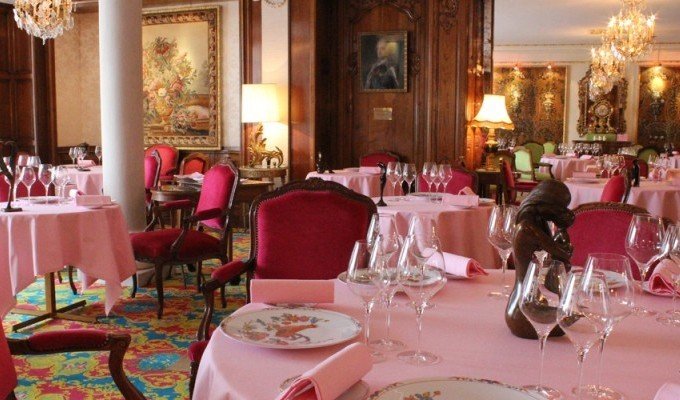
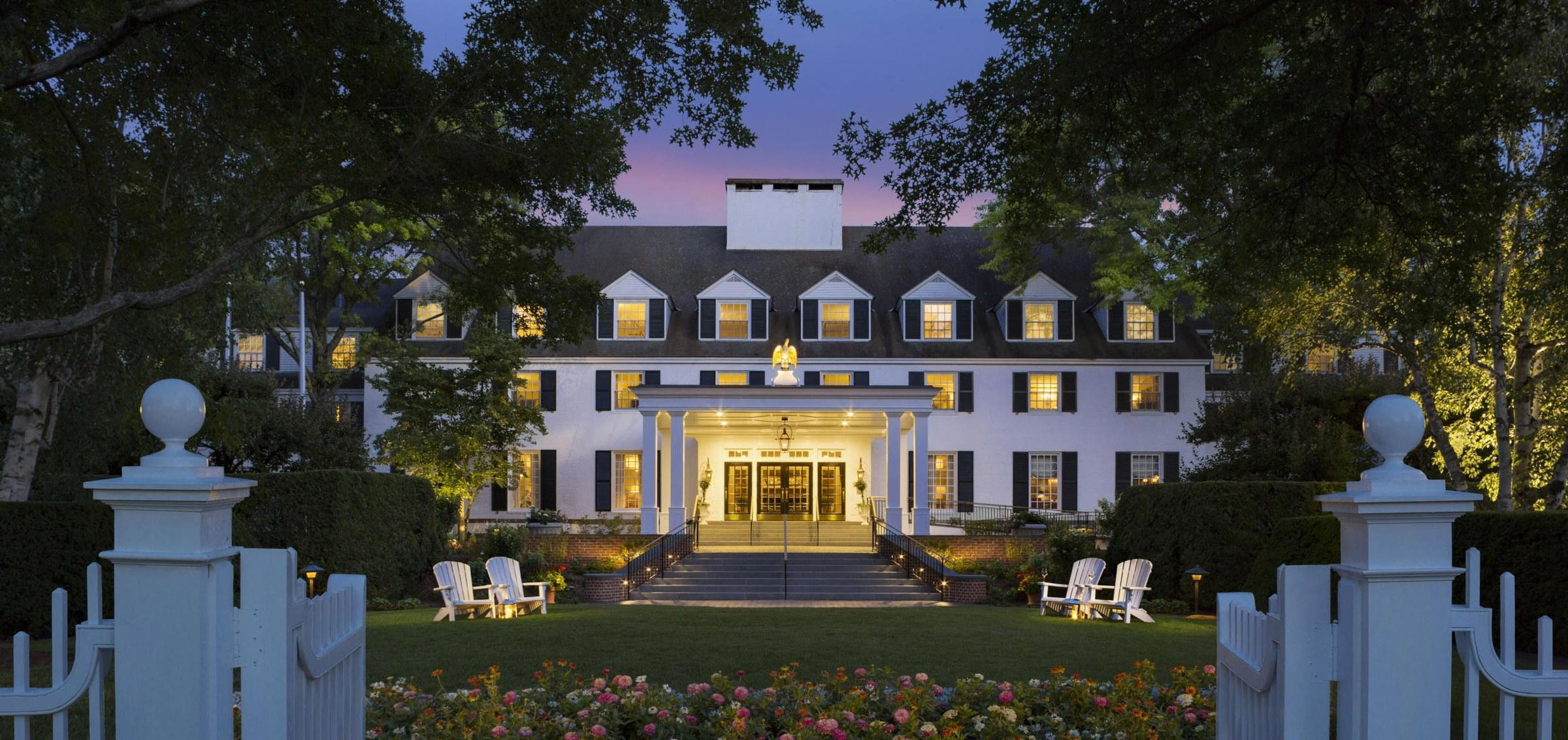
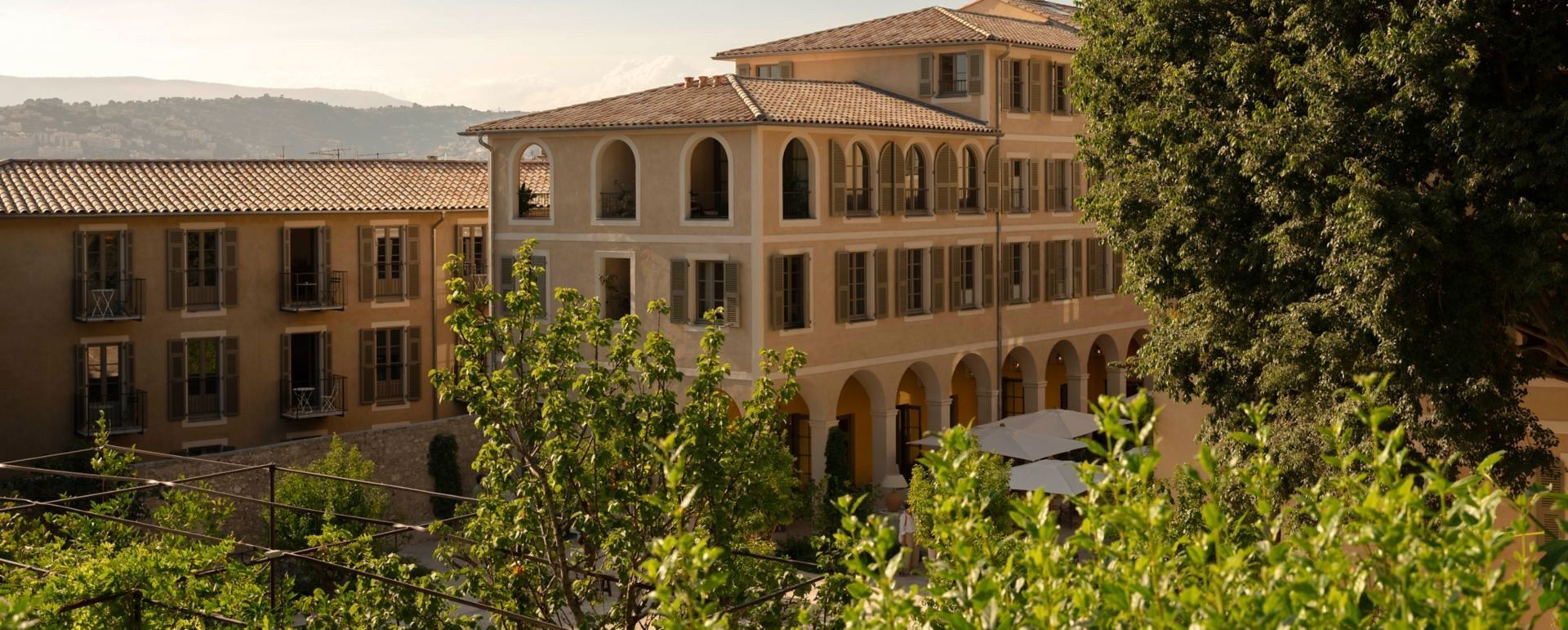
Hôtel du Couvent feels less like a hotel and more like a carefully repurposed historic house of restraint. Set in a 17th-century convent with a cloister of stone arches and proportioned gardens, the property foregrounds silence and architectural order over theatrical glamour. Design choices and programming lean into that collected quiet: public spaces are compact and deliberately unhurried, a guinguette cafe provides informal daytime life, and the overall effect is intimate and refined rather than ostentatious. The result is a serene, historic refuge in Old Town Nice where atmosphere and heritage dominate the guest experience.
Best For
This hotel is best for travelers who prize architecture, calm, and thoughtful service over high‑volume amenities. Couples looking for a quietly romantic stay, visitors seeking a wellness‑leaning retreat and older travelers who appreciate heritage conversions find the setting especially fitting. The property’s small‑scale, unhurried service and its cloistered gardens make it well suited to anniversary weekends or a contemplative stop while exploring Old Town and Castle Hill. It’s a place to slow down, linger in the courtyard and let the city’s quieter rhythms set the pace.
Stay Tips
Plan ahead: the hotel trades on a measured, small‑scale character, so reserve spa treatments and dining windows at the guinguette cafe in advance. Allow extra time for on‑site relaxation rather than trying to compress many activities into a single day—the property emphasizes unhurried programming and courtyard life. When booking, request rooms that reference the cloister or garden to maximize the building’s historic atmosphere. Expect a quietly ceremonial arrival rather than a conventional lobby bustle; factor that into travel timing and pick‑up arrangements.
Venue details
Ambiance
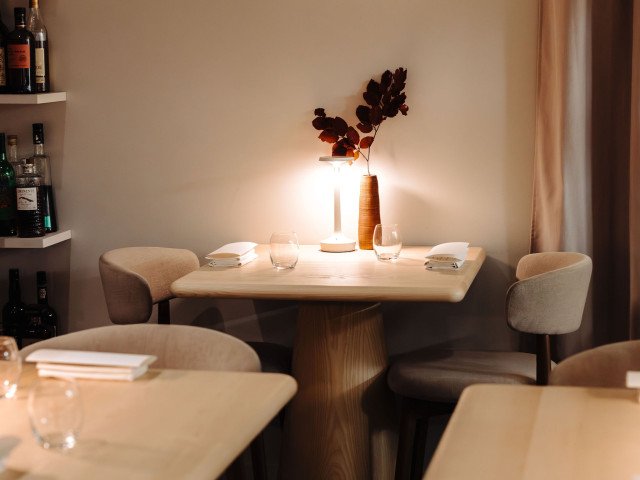
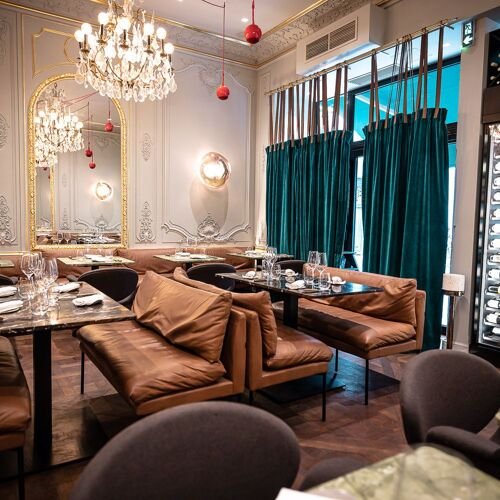
Tranquil and elegant with tasteful decor, lush gardens, and a peaceful atmosphere praised for its quiet escape from city bustle.
Tags
Vibe
Best For
Experience
Amenities
View
Accessibility
About the Stay
- Rooms
- 88
- Check-in
- 15:00
- Check-out
- 12:00
- Property Style
- Renovated Historic Convent Blending Monastic Serenity with Luxury
- Design Style
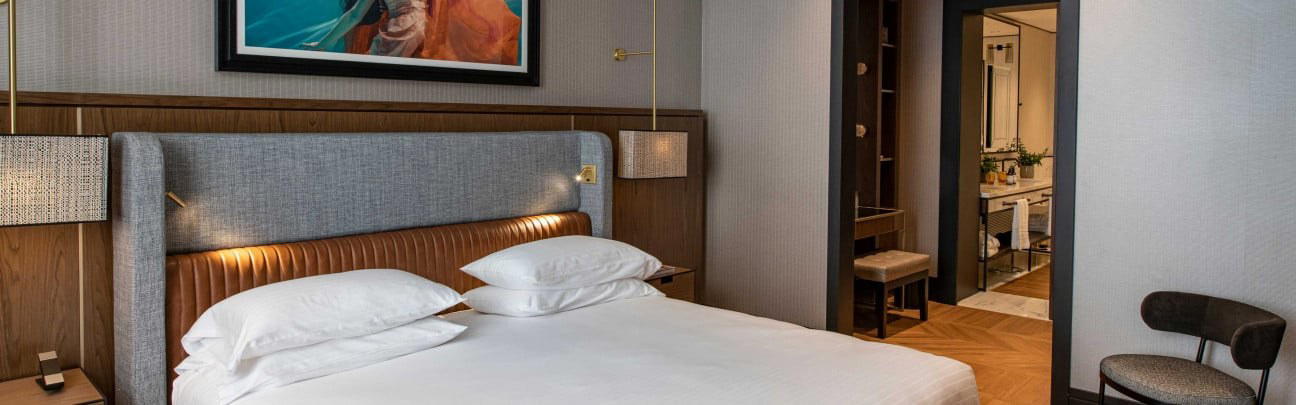
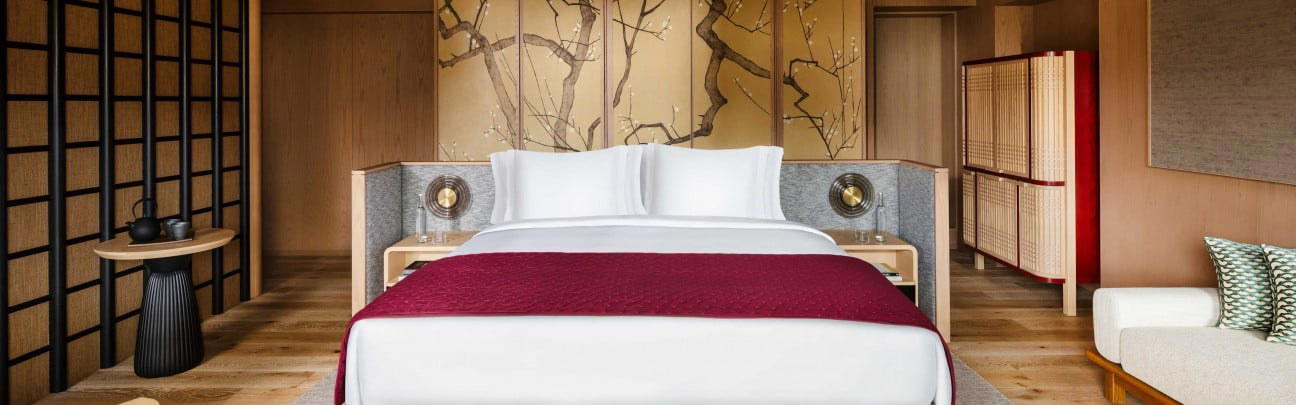
- Restrained Elegance with High Ceilings, Regional Furniture, and Natural Elements
Know before you go
Know Before You Go
- Getting there
- 1 Rue Honoré Ugo, 06300 Nice
Planning details
Recognition and awards





Also consider
If Hôtel du Couvent is unavailable
Try Hôtel La Pérouse if the celebration needs a stronger Riviera-view angle, or Anantara Plaza Nice if the priority is a polished central hotel with a more familiar luxury setup. For longer stays or travelers who want more independence, L'Abeille - Boutique Apartments is the smarter fallback.
Hotel context
How Hôtel du Couvent compares in Nice
Choose Hôtel du Couvent when the stay itself needs to feel occasion-worthy. Against Hôtel La Pérouse, the decision is atmosphere versus Riviera outlook: La Pérouse is the clearer fit for travelers prioritizing coastal views, while Hôtel du Couvent is the stronger choice for a quieter Old Town mood and a more retreat-like stay.
Anantara Plaza Nice is the safer grand-hotel option for guests who want a central, polished base with a more conventional luxury feel. L'Abeille - Boutique Apartments is better for longer stays, families, or travelers who want apartment independence over hotel service. Maison Albar - Le Victoria sits closer to the classic upscale city-hotel lane, while Hôtel du Couvent is more compelling when design, calm, and recognition matter.
For a lower-pressure, more casual Nice stay, Mama Shelter Nice is the easier alternative. It will suit travelers who care less about luxury-hotel credentials and more about a relaxed, contemporary base. If the trip is an anniversary, milestone birthday, or high-stakes weekend, Hôtel du Couvent is the splurge candidate; if the trip is mainly about sleeping well between city plans, cross-shop first.
Explore Nice
Around this place
Discover more on Pearl
Unlock the full Hôtel du Couvent guide in Pearl, including awards, comparisons, FAQs, planning details, and nearby places.
Compare Hôtel du Couvent
| Venue | Location | Awards |
|---|---|---|
| Hôtel du Couvent | Nice | 2026 World’s 50 Best Hotels 1-50 · #382026 Forbes Soon To Be Rated2026 Virtuoso Luxury Hotel Collection2026 Vogue Best Hotels on the South of France Coast2026 Michelin 1 Key2025 World’s 50 Best Hotels · #272025 AFAR Best New Hotels2025 Michelin 1 KeyMichelin 1 Key 2025 |
| Hôtel La Pérouse | Nice | 2026 Vogue Best Hotels on the South of France Coast2026 La Liste Top Hotels2025 Michelin Selected HotelsSmall Luxury Hotels Member 2025 |
| L'Abeille - Boutique Apartments | Nice | No published awards |
| Anantara Plaza Nice | Nice | 2026 Virtuoso Luxury Hotel Collection2025 Michelin Selected Hotels2025 Gault & Millau Exceptional Hotel |
| Maison Albar - Le Victoria | Nice | 2026 Michelin 1 Key2025 Esquire Best New HotelsWorld Luxury Hotel Awards 20252025 Michelin Selected Hotels2025 Gault & Millau Exceptional HotelPreferred Hotels L.V.X. Collection 2025 |
| Mama Shelter Nice | Nice | No published awards |








How Hôtel du Couvent Nice compares with similar nearby venues.
FAQ
Frequently Asked Questions
What is check-in like at Hôtel du Couvent?
Hôtel du Couvent is in Nice. check-in specifics are not available here, so travelers should confirm timing and arrival details directly with the hotel before booking.
When is the best time to book Hôtel du Couvent?
If your dates are fixed, compare current availability before committing. If your timing is flexible, consider Hôtel du Couvent alongside other options such as Hôtel La Pérouse or Mama Shelter Nice.
What is Hôtel du Couvent known for?
Hôtel du Couvent is known here as a high-end hotel in Nice with confirmed recognition including Michelin 1 Key in 2025, World's 50 Best Hotels #27 in 2025, Gault & Millau Exceptional Hotel in 2025 with 5pts, and AFAR Best New Hotels in 2025. The dress code is smart casual.