
Beau-Rivage Hotel
Esplanade du Mont-Blanc, Neuchâtel
Hotel in Neuchâtel, Switzerland
 Book with Pearl
The Read
Belle Époque Lakefront Precision
Why go
A strong Neuchâtel pick for travelers who want a calm, polished lakeside base rather than a scene-driven stay. The 2026 Relais & Châteaux recognition gives it a credible luxury signal, and easy booking makes it practical for business trips or short city overnights.
About Beau-Rivage Hotel
Consider Beau-Rivage Hotel when the trip is centered on Neuchâtel and you want to evaluate a hotel with a smart-casual dress code and a Relais Chateaux Award (2026). Travelers with trip-critical needs around room types, facilities, service formats, prices, hours, or dining details should check those directly before booking.
Beau-Rivage Hotel is in Neuchâtel. Use that as a starting point, not as a substitute for checking practical details such as arrival arrangements, amenities, accessibility, or restaurant availability.
A Neuchâtel hotel for smart-casual stays
For business travel or leisure travel, Beau-Rivage Hotel may be worth considering if Neuchâtel is the required base and a smart-casual setting suits the trip. If booking difficulty, meeting facilities, workspace quality, room count, or business services matter to the stay, confirm those details directly with the property.
The Relais Chateaux Award (2026) is the main trust signal. That does not automatically determine whether the hotel is the right choice for every guest. Travelers comparing options can also look at Hotel Palafitte in Neuchâtel, or consider broader Swiss alternatives such as Hotel Bellevue Palace Bern, Hotel Schweizerhof Bern, Lausanne Palace and Spa, and La Maison d'à Côté depending on the city and itinerary.
Where it fits in a Neuchâtel itinerary
Use this hotel when Neuchâtel itself is the destination and Beau-Rivage Hotel matches the level of formality you want. Readers building a broader local plan can pair the stay with our full Neuchâtel restaurants guide, our full Neuchâtel bars guide, our full Neuchâtel wineries guide, and our full Neuchâtel experiences guide. For hotel-only planning, our full Neuchâtel hotels guide is the right next comparison.
The booking verdict is deliberately narrow: choose Beau-Rivage Hotel if a Neuchâtel stay, smart-casual context, and Relais Chateaux Award (2026) are enough to make it a fit. If your decision depends on specific wellness facilities, dining formats, prices, loyalty benefits, or family amenities, verify those details directly before committing.
Inside Beau-Rivage Hotel
Planning details
- Location
- Esp. du Mont-Blanc 1, 2000 Neuchâtel
- Website
- beau-rivage-hotel.ch
- Phone
- +41 32 723 15 15
The take
The Take
The Vibe
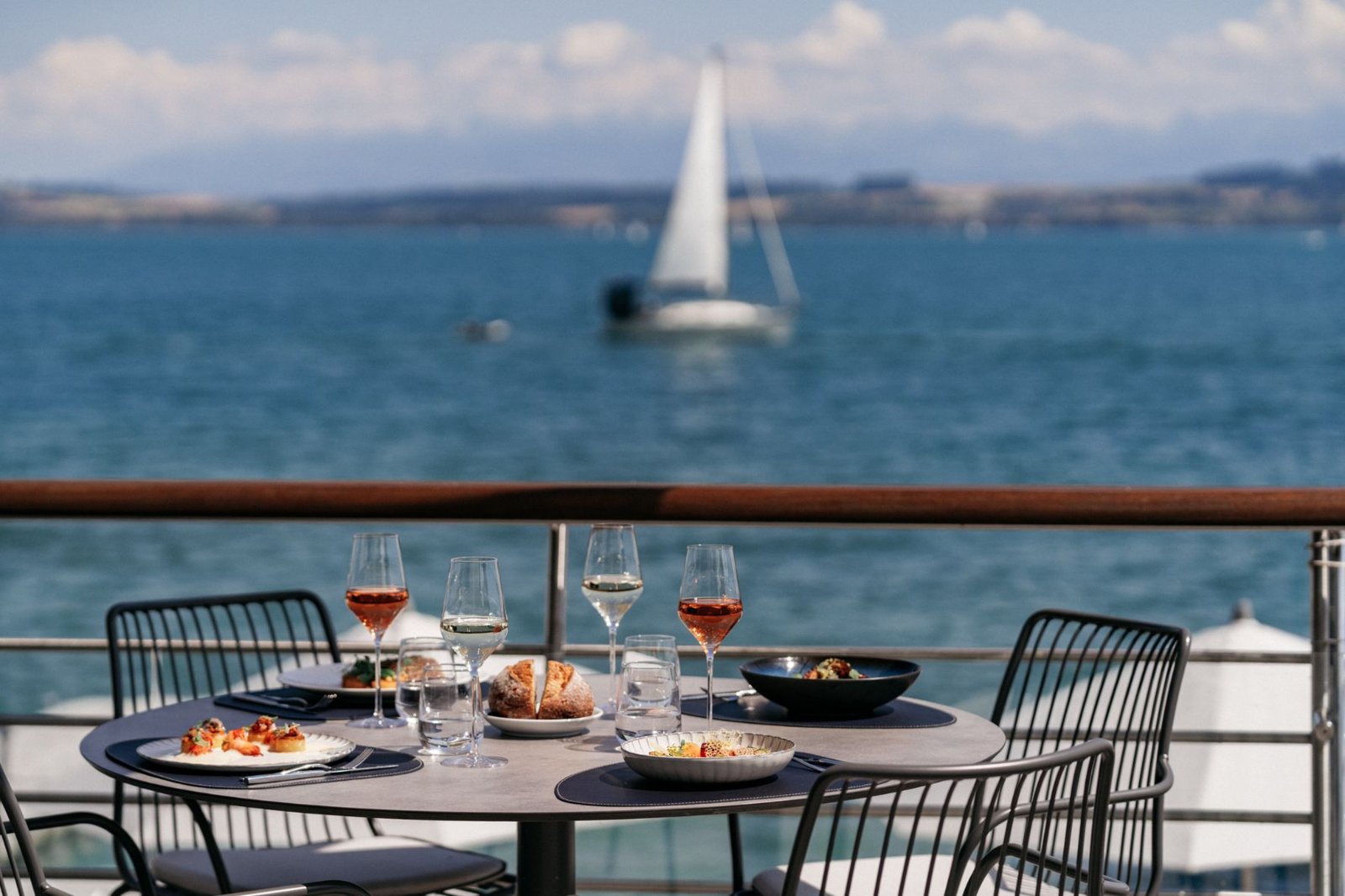
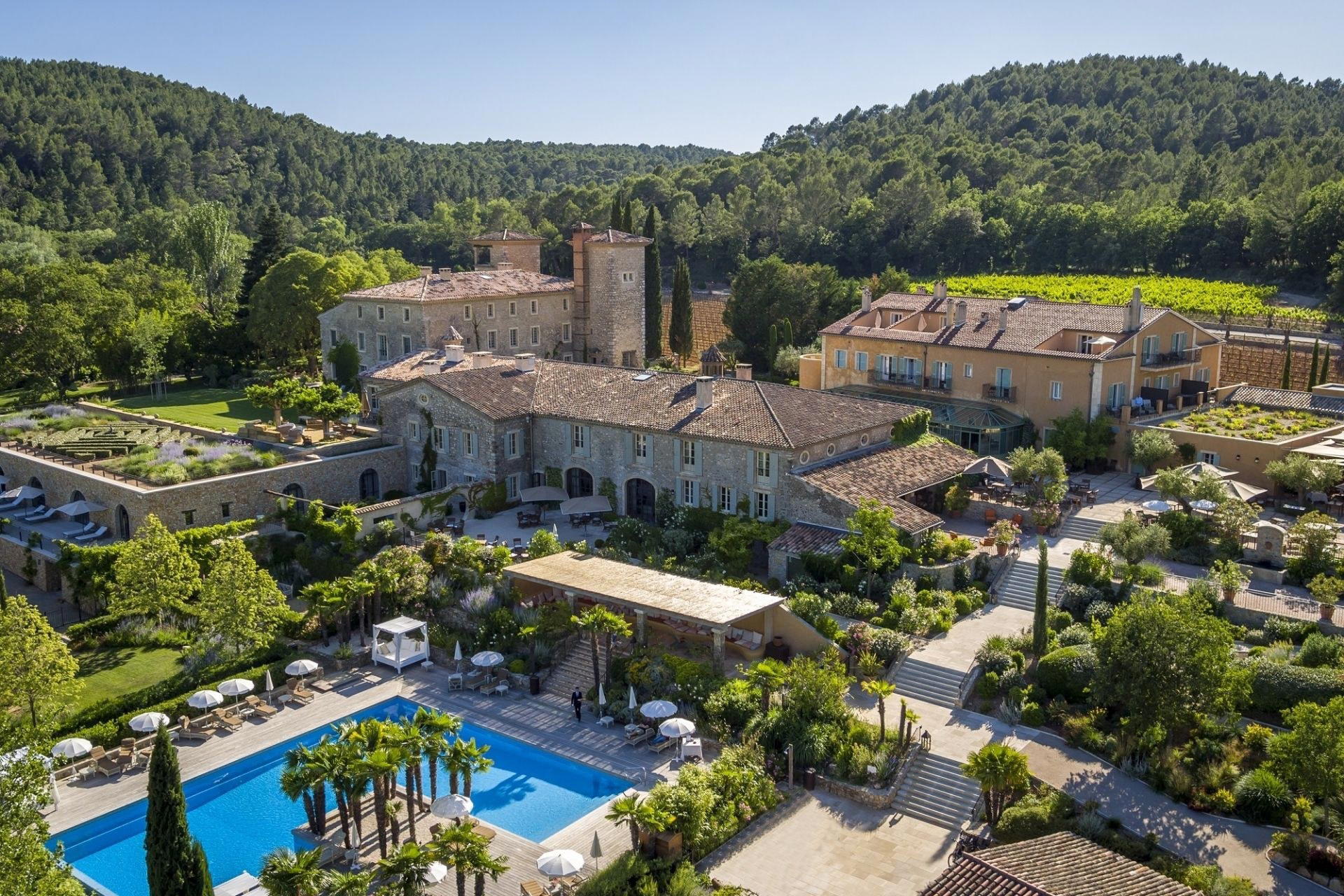
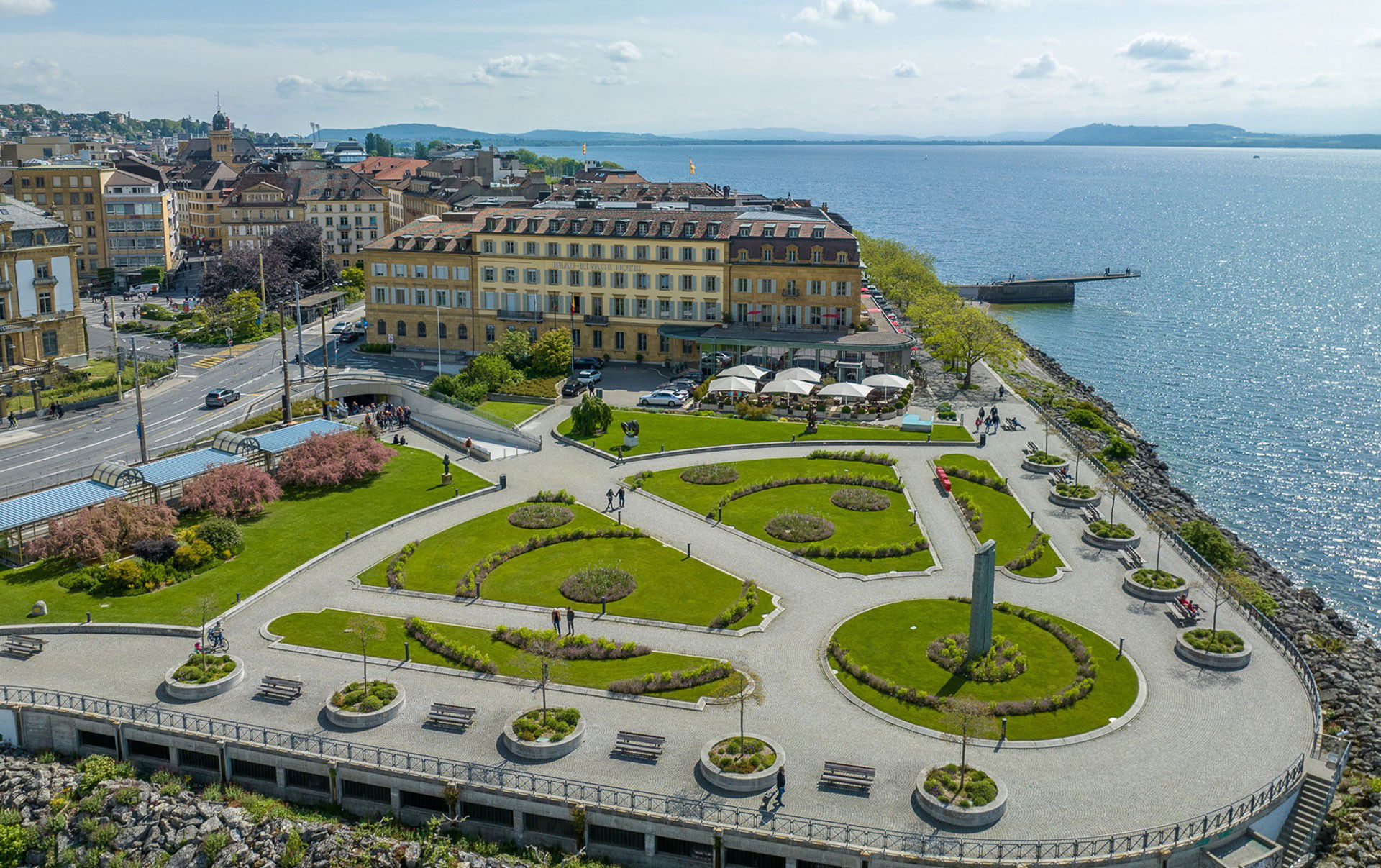
The Beau-Rivage Hotel registers as a historic Belle Époque lakeside address that reads more like local heritage than a global luxury brand. Its nineteenth-century fabric—symmetrical facades, high ceilings and arched windows—anchors the property in a classical hotel tradition. The building’s contained, regional identity and position on Neuchâtel’s esplanade create a measured, quietly elegant atmosphere: guests feel perched at the meeting point of sandstone old-town streets and the open lake panorama beyond. The overall effect is one of restrained grandeur, where period authenticity and a lakeside setting define the guest experience.
Best For
This hotel is well suited to travelers who prize architecture, calm lakefront settings and a quietly refined stay. It works particularly well for couples seeking a romantic escape or anniversary retreat, and for honeymooners looking for understated Belle Époque charm. The property also appeals to business travelers who prefer a tranquil base—Neuchâtel’s watchmaking commerce and civic gravitas are part of the context—and to families wanting a heritage hotel that sits steps from the old town and the lakeside esplanade.
Stay Tips
When booking, prioritize rooms that face the lake: the description highlights arched windows arranged to look out over the water and the hotel’s location 'directly on the lake edge.' Because the property emphasizes a contained, regional identity rather than a large international scale, consider reserving early in peak season to secure a preferred room. Note the hotel’s proximity to the sandstone old town and plan time to walk the esplanade to appreciate the architecture and panorama.
Venue details
Ambiance
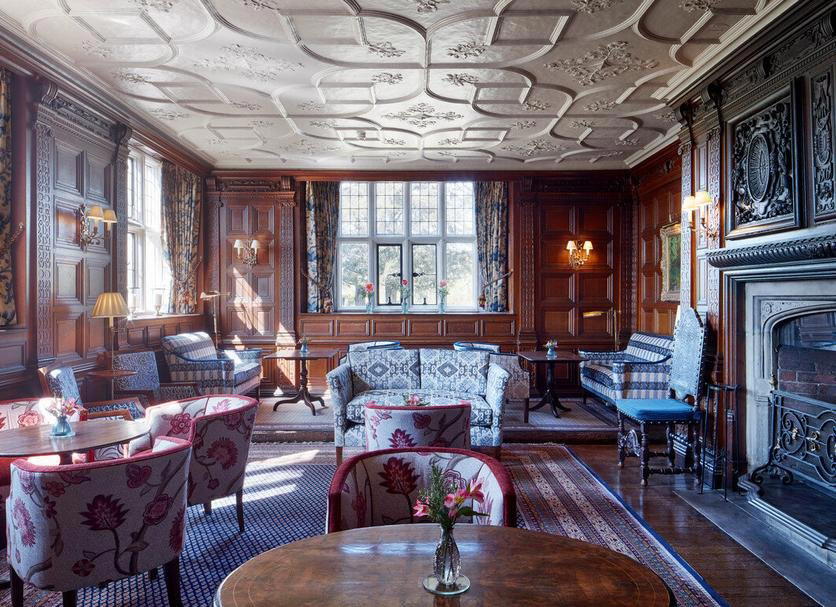
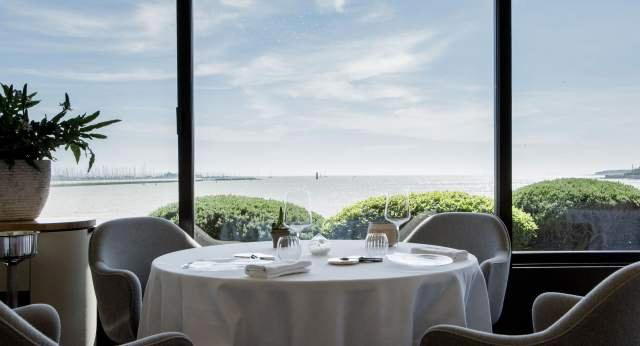
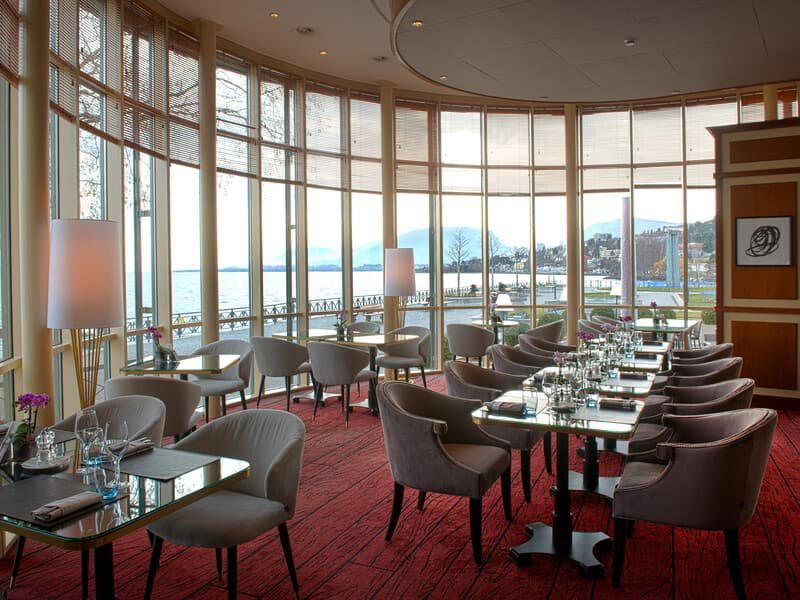
Refined and peaceful with elegant décor, spacious rooms, and attentive service; guests consistently praise the quiet atmosphere, comfortable bedding, and memorable lake views from dining areas and select rooms.
Tags
Vibe
Best For
Experience
Amenities
View
Accessibility
About the Stay
- Rooms
- 66
- Check-in
- 15:00
- Check-out
- 12:00
- Property Style
- Elegant Luxury Hotel in a Beautifully Restored 19th Century Lakefront Building, Member of Relais & Châteaux and Swiss Deluxe Hotels, Blending Historic Charm with Modern Amenities.
- Design Style
- Refined and Sophisticated with Spacious Rooms Decorated in Classic Style, Some Featuring Private Balconies with Lake Views; Emphasis on Comfort, Quality Furnishings, and Attention to Detail.
Know before you go
Know Before You Go
- Getting there
- Esp. du Mont-Blanc 1, 2000 Neuchâtel
Planning details
Location
Recognition and awards

Also consider
Also Consider
- Hotel Palafitte, Notable alternative
- Hotel Schweizerhof Bern, Notable alternative
- Hotel Bellevue Palace Bern, Notable alternative
- La Maison d'à Côté, Notable alternative
- Lausanne Palace and Spa, Notable alternative
Hotel context
How it compares
In Neuchâtel, Beau-Rivage Hotel is the better fit for a composed city stay, while Hotel Palafitte is the stronger choice if the trip is built around a more distinctive lake setting. Pick Beau-Rivage for business pacing and a central-feeling base; pick Hotel Palafitte when the room experience matters more than town access.
Against the Bern options, Hotel Schweizerhof Bern and Hotel Bellevue Palace Bern make more sense when meetings, rail links, or government and corporate schedules pull the trip toward the capital. They are out-of-metro for Neuchâtel, so they are not substitutes for a local overnight; they are better if Bern is the real base and Neuchâtel is a side visit.
Lausanne Palace and Spa is the better cross-shop for travelers who want a fuller city-luxury stay with spa emphasis, while La Maison d'à Côté reads more like a quieter out-of-metro alternative. Beau-Rivage is the practical answer when the decision is specifically Neuchâtel, easy booking, and a more formal atmosphere.
Explore Neuchâtel
Around this place
Discover more on Pearl
Unlock the full Beau-Rivage Hotel guide in Pearl, including awards, comparisons, FAQs, planning details, and nearby places.
Compare Beau-Rivage Hotel
| Venue | Location | Awards |
|---|---|---|
| Beau-Rivage Hotel | Neuchâtel | 2026 Relais Chateaux Hotels2025 Relais Chateaux Award |
| Hotel Palafitte | Neuchâtel | 2025 Michelin 1 KeyPreferred Hotels Member 2025 |
| Hotel Schweizerhof Bern | Bern | 2026 Virtuoso Luxury Hotel Collection2026 La Liste Top HotelsLeading Hotels of the World 2026Michelin 1 Key 20252025 Michelin 1 Key |
| Hotel Bellevue Palace Bern | Bern | 2026 Virtuoso Luxury Hotel CollectionLeading Hotels of the World 20262025 Michelin 2 Keys2024 Michelin 2 Keys |
| La Maison d'à Côté | Pontarlier | No published awards |
| Lausanne Palace and Spa | Lausanne | 2026 Virtuoso Luxury Hotel Collection2026 La Liste Top HotelsLeading Hotels of the World 20262025 Michelin 2 Keys2024 Michelin 2 Keys |






How Beau-Rivage Hotel Neuchâtel compares with similar nearby venues.
FAQ
Frequently Asked Questions
Is Beau-Rivage Hotel family-friendly?
What is check-in like at Beau-Rivage Hotel?
Do loyalty programs work at Beau-Rivage Hotel?
How is the pool and spa at Beau-Rivage Hotel?
How does Beau-Rivage Hotel compare to other options?
Beau-Rivage Hotel is a Neuchâtel option with a Relais Chateaux Award (2026) and a smart-casual dress code. Travelers can also compare it with Hotel Palafitte in Neuchâtel, or with Hotel Bellevue Palace Bern, Hotel Schweizerhof Bern, Lausanne Palace and Spa, and La Maison d'à Côté when considering stays or dining in other cities.