
Nasu Mukunone
Nasu
Hotel in Nasu, Japan
 Book with Pearl
The Read
Forest-Immersed Stillness
Why go
Nasu Mukunone is worth shortlisting for a quiet, room-led stay in Nasu, especially if you care more about atmosphere than big-resort infrastructure. Its Michelin 1 Key recognition is the main trust signal, but value depends on the exact room and inclusions you can secure before booking.
About Nasu Mukunone
Nasu Mukunone is a Nasu stay with one clear accolade: Michelin 1 Key (2024). The safest booking approach is to review the room, rate, inclusions, and property details available during booking rather than assuming a particular resort format, dining program, room setup, or facilities list.
The booking case is therefore direct but narrow: consider Nasu Mukunone if you specifically want a Michelin-recognized stay in Nasu and the available room, rate, and inclusion details match your trip. If you need a clearer picture of amenities, dining, loyalty benefits, or service style before committing, compare the full terms carefully before booking.
Book for the Michelin recognition, then confirm the practical details
Nasu Mukunone is easiest to assess as a Nasu stay with Michelin 1 Key recognition. The dress code is smart casual, but details such as room categories, meal format, facilities, and inclusions should be checked directly in the booking flow or with the property before you decide.
The location in Nasu also changes the comparison. This is not a central-city hotel where the room is just a base. The stay needs to make sense for your Nasu itinerary, so the specific details matter more than broad assumptions. Travelers building a broader route should use Our full Nasu hotels guide for lodging context, then check the rest of their plans before assuming the hotel will cover every part of the itinerary.
Value depends on whether Nasu Mukunone fits your trip
For a Nasu-focused trip, Nasu Mukunone is best compared with other stays according to the details available at booking. Kita Onsen(株)北温泉旅館 is another Nasu option to consider, while The Ritz-Carlton, Nikko, Fufu Nikko, Bettei Senjuan, and Kinugawa Keisui may be useful comparisons for travelers considering a wider regional hotel search.
The verdict: book if a Michelin 1 Key stay in Nasu is the goal and the specific booking details match what you are paying for. If you need transparent amenities, loyalty mechanics, or a fuller facilities picture, compare alternatives first and only come back here if Nasu Mukunone's details justify the choice.
Planning details
- Location
- 2294-3 Takakuotsu, Nasu, Nasu District, Tochigi 325-0303
- Website
- mukunone.jp
- Phone
- +81 287-73-8122
The take
The Take
The Vibe
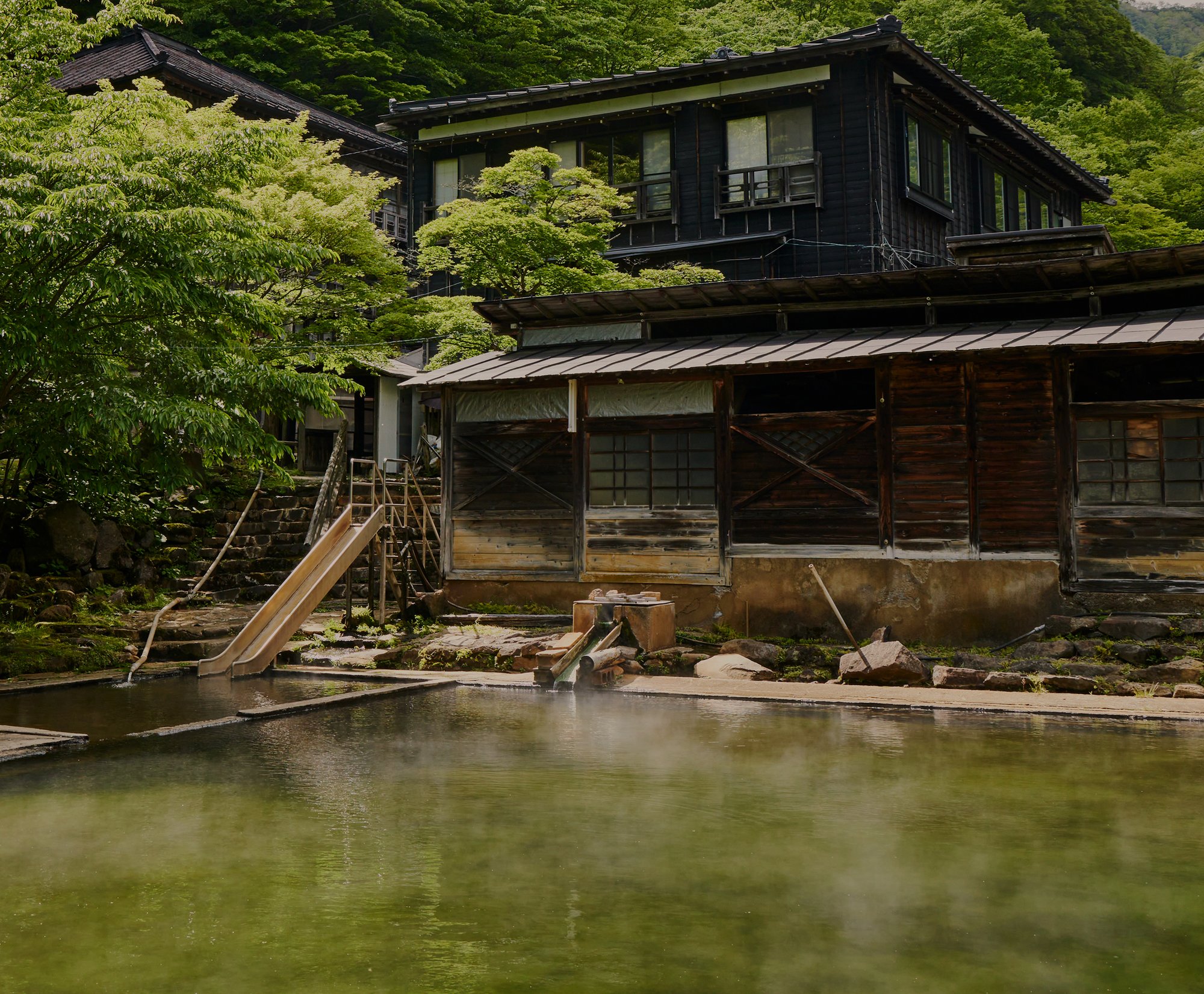
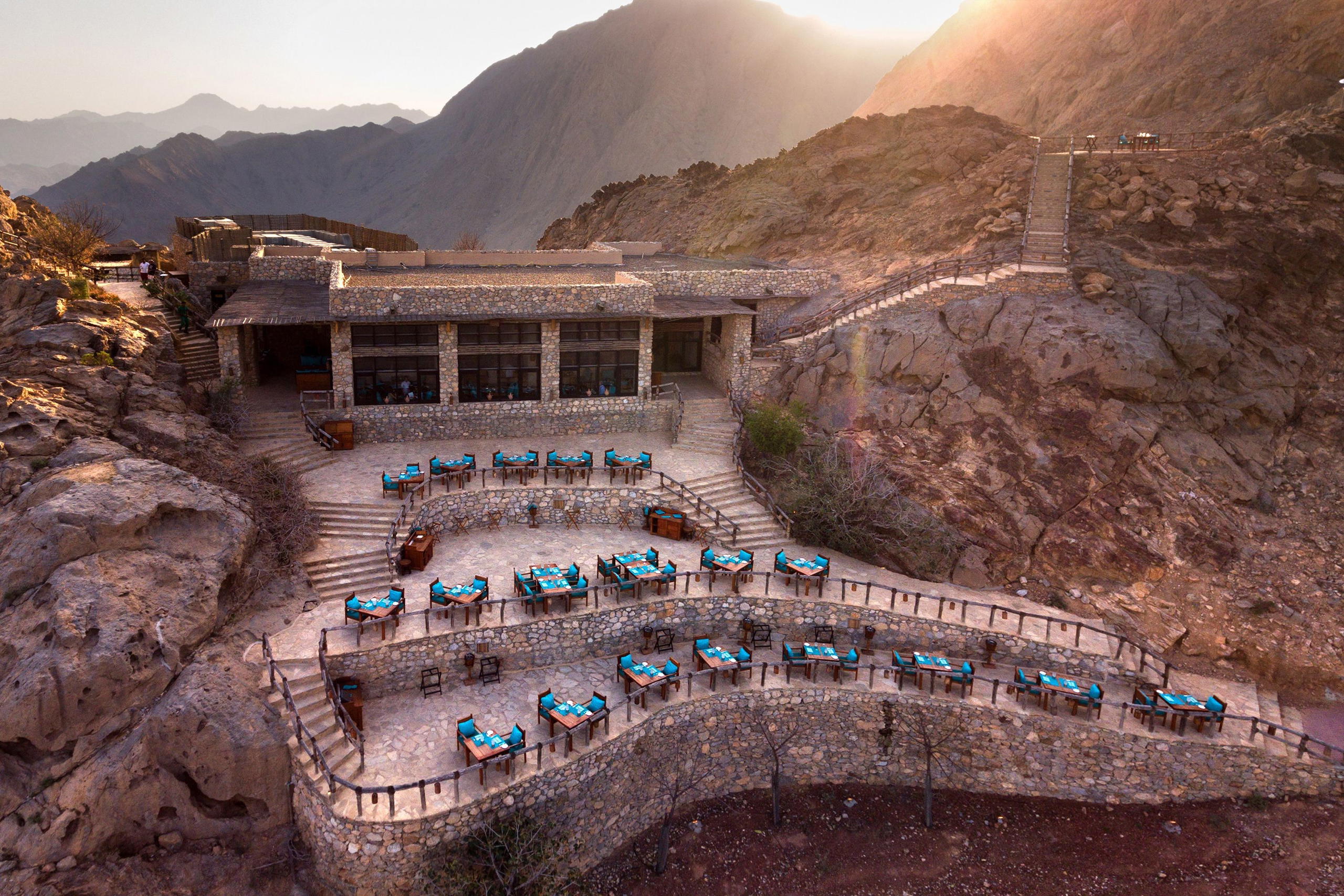
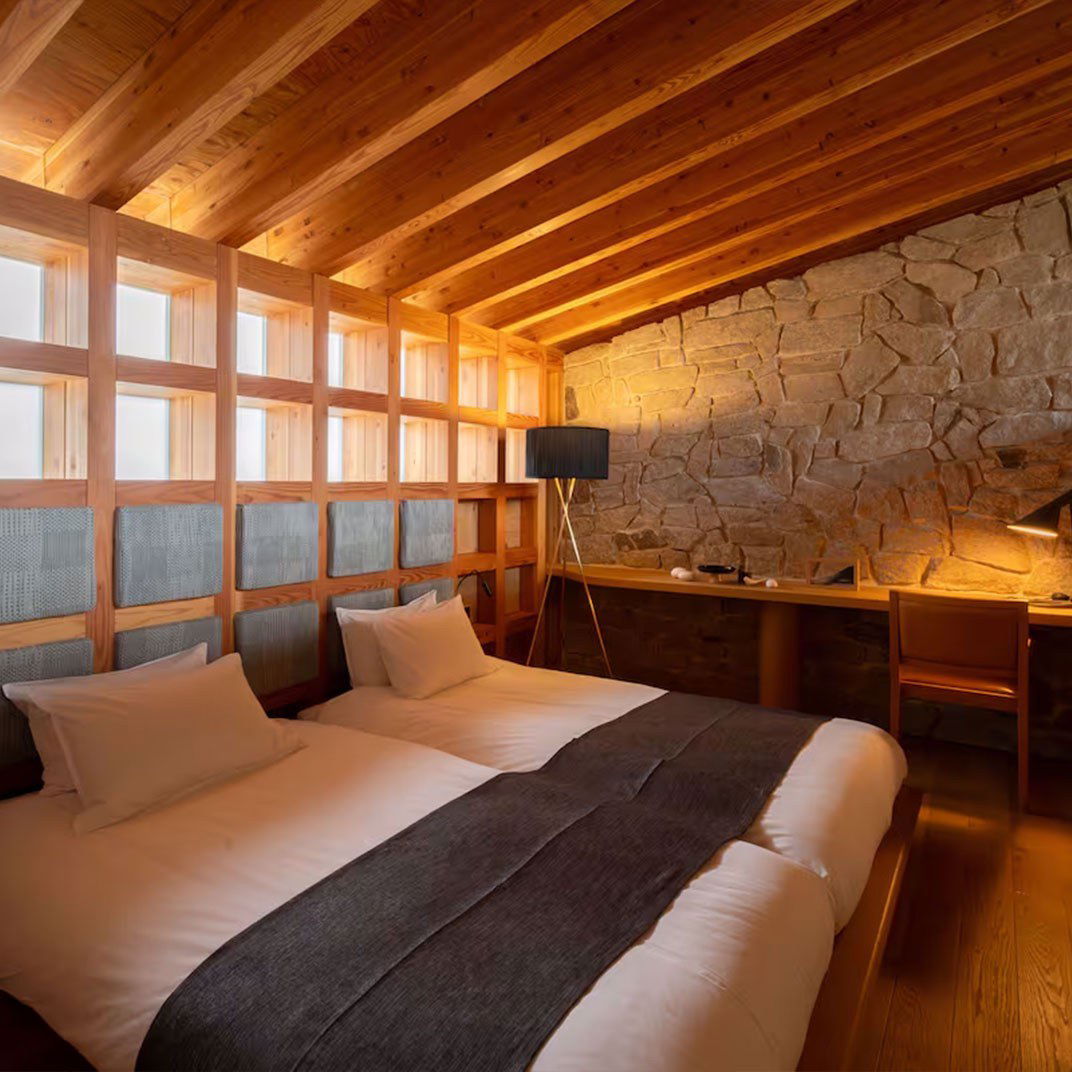
Nasu Mukunone presents a disciplined, serene hospitality rooted in forest and craft. Approached through beeches and cedars, the auberge reads as an extension of the plateau rather than an intrusion on it. Architecture uses weathered local joists and arranged outdoor water gardens to slow the pace, inviting contemplative walking and quiet attention. At just 15 rooms the place feels deliberately small and curated: the house-scale dining programme and the architecture work in tandem so that the experience reads as a single, refined gesture. The result is quietly sophisticated, measured, and deeply attuned to its woodland setting.
Best For
This auberge suits travelers who prize quiet, food-forward retreats. The 15-room scale and the property's emphasis on stillness make it ideal for couples seeking a focused romantic getaway and for guests who come specifically for the dining — critics and culinary-minded travelers will appreciate the Michelin recognition. The calm grounds and water garden also appeal to those pursuing a restorative, wellness-oriented stay or intimate anniversary escapes. Because the property integrates accommodation and an exacting kaiseki programme, it rewards guests who want a slow, curated multi-sensory hotel experience rather than a busy, activity-packed vacation.
Stay Tips
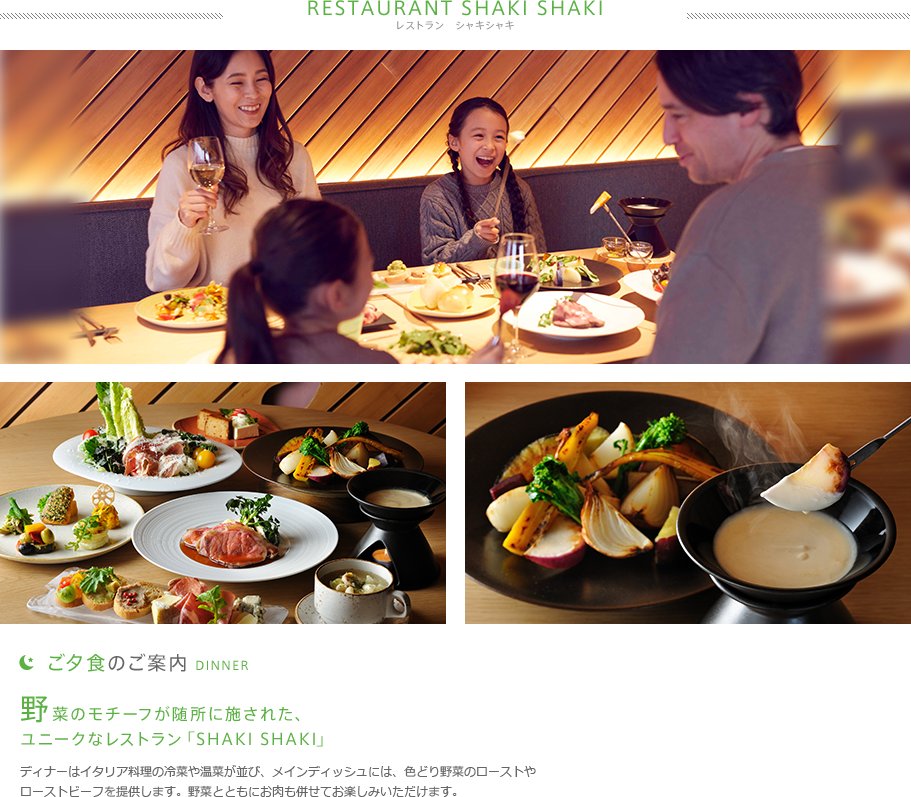
Dining is central here: the property treats its kitchen as co-equal with the accommodation, and the text highlights a kaiseki discipline and seasonal approach. Book dining in advance and confirm availability at the time of reservation — the dining room is oriented to house guests and operates at a deliberate scale. Expect a multi-course, seasonally driven menu and make dietary restrictions known ahead of arrival. Reservations and clear communication with the hotel help ensure the culinary programme aligns with your visit, especially during peak travel periods for the Nasu plateau.
Venue details
Ambiance
Serene and peaceful atmosphere with natural light from the surrounding water garden and forest, fostering deep relaxation and harmony with nature.
Tags
Vibe
Best For
Experience
Amenities
View
Accessibility
About the Stay
- Rooms
- 15
- Check-in
- 15:00
- Check-out
- 10:00
- Property Style
- Contemporary Nature Integrated Resort with Auberge Suite Villas and B&b Options
- Design Style
- Minimalist Modern Architecture Blending Seamlessly with Forest and Water Garden
Know before you go
Know Before You Go
- Getting there
- 2294-3 Takakuotsu, Nasu, Nasu District, Tochigi 325-0303
Planning details
Location
Recognition and awards
Also consider
Where to Look If Dates Do Not Work
If Nasu Mukunone is unavailable, start with The Ritz-Carlton, Nikko for a more predictable luxury-hotel stay with stronger brand infrastructure. It is the better fallback for travelers who want service consistency and fewer unknowns.
For a more ryokan-leaning alternative, check Fufu Nikko or Bettei Senjuan. If the appeal is specifically old onsen character within Nasu, Kita Onsen(株)北温泉旅館 is the sharper backup.
Hotel context
How It Compares
Nasu Mukunone is the stronger fit if you want a quieter Nasu stay with a more polished feel than Kita Onsen(株)北温泉旅館. Kita Onsen is the better call for travelers who want an older onsen-inn atmosphere and are less concerned with contemporary comfort. If value means character per yen, Kita Onsen has the clearer appeal; if value means a calmer, more refined retreat, Nasu Mukunone is the safer pick.
Compared with the Nikko options, the decision is less about geography and more about service expectations. The Ritz-Carlton, Nikko is the safer choice for travelers who want brand polish and a more predictable luxury-hotel framework. Fufu Nikko is better for a ryokan-style luxury stay with a clearer premium-resort rhythm, while Kinugawa Keisui suits travelers looking beyond Nasu for a hot-spring-focused escape.
Bettei Senjuan is the cross-shop for guests who want a more established high-end ryokan mood and are willing to travel outside the immediate Nasu area. Nasu Mukunone is the one to prioritize when the trip is specifically built around Nasu and the room itself carries the value. Booking is hard, so have at least one Nikko backup ready if dates are fixed.
Explore Nasu
Around this place
Discover more on Pearl
Unlock the full Nasu Mukunone guide in Pearl, including awards, comparisons, FAQs, planning details, and nearby places.
Compare Nasu Mukunone
| Venue | Location | Awards |
|---|---|---|
| Nasu Mukunone | Nasu | Michelin 1 Key 20252025 Michelin 1 Key2024 Michelin 1 Key |
| Kita Onsen(株)北温泉旅館 | Nasu | No published awards |
| Kinugawa Keisui | Nikko | 2026 Michelin 1 Key2025 Michelin 1 Key |
| Fufu Nikko | Nikko | 2026 Michelin 2 Keys2025 Michelin 2 Keys2024 Michelin 2 Keys |
| The Ritz-Carlton, Nikko | Nikko | 2026 Forbes 5-Star2026 Virtuoso Luxury Hotel Collection2026 La Liste Top Hotels2026 Michelin 2 Keys2025 Michelin 2 Keys2025 Conde Nast Hotels Gold List2024 Michelin 2 Keys |
| Bettei Senjuan | Minakami | 2026 Relais Chateaux Hotels2026 Michelin 1 Key2025 Michelin 1 Key2025 Relais Chateaux Award2024 Michelin 1 Key |







How Nasu Mukunone compares with similar nearby venues.
FAQ
Frequently Asked Questions
How is the dining at Nasu Mukunone?
Dining should be checked directly before booking, including meal format, cuisine, and any restaurant program. The clearest signal is the Michelin 1 Key (2024), which recognizes the stay rather than proving a stand-alone dining draw. If dining is the main priority, confirm the meal details directly before booking.
How is the location of Nasu Mukunone?
Nasu Mukunone is in Nasu. That makes it relevant for travelers planning a Nasu stay, while travelers comparing a wider regional hotel route may also look at Fufu Nikko or The Ritz-Carlton, Nikko.
Do loyalty programs work at Nasu Mukunone?
A chain loyalty program, points redemption, or elite-night benefits should not be assumed. If those matter, confirm the booking channel and benefits directly, or compare with larger branded hotels such as The Ritz-Carlton, Nikko.
How does Nasu Mukunone compare to nearby hotels?
It makes sense for travelers who want a Michelin 1 Key stay in Nasu and are comfortable confirming the practical details before booking. Kita Onsen(株)北温泉旅館 is another Nasu option; Fufu Nikko, The Ritz-Carlton, Nikko, Bettei Senjuan, and Kinugawa Keisui are broader regional comparisons rather than Nasu-specific alternatives.
What is check-in like at Nasu Mukunone?
Check-in style and arrival process should be confirmed directly before booking. Confirm arrival timing, luggage handling, and any special instructions directly before booking, especially if you are arriving in a group or on a tight schedule.
How is the pool and spa at Nasu Mukunone?
Specific pool or spa facilities should not be assumed. Do not book on the assumption that those amenities are available unless they are confirmed in your booking path or directly by the property.