


Ananda in the Himalayas
Narendra Nagar
Hotel in Narendra Nagar, India
 Book with Pearl
The Read
Palace-Rooted Ayurvedic Retreat
Why go
Ananda in the Himalayas is the right Narendra Nagar choice for a special-occasion wellness retreat, not a quick city-style stopover. Its palace-estate setting and recognition from Robb Report, Tatler, Virtuoso, and Mr & Mrs Smith make it a safer luxury pick when the stay itself is the point. Choose it over more transit-friendly hotels if privacy and retreat structure matter more than convenience.
About Ananda in the Himalayas
Ananda in the Himalayas is a Narendra Nagar venue with a notable recognition profile. For travelers comparing premium stays in the broader region, it stands out most on the basis of its published luxury-hotel and wellness-retreat recognition.
The main distinction is its awards and recognition profile. Robb Report placed Ananda in the Himalayas at #35 on The 50 Greatest Luxury Hotels on Earth list in 2025. Tatler listed it in Best Hotels Asia-Pacific in 2025 and also named it Best Wellness Retreat in 2025. It is also listed as a Virtuoso Luxury Hotel Partner for 2026 and has a Mr & Mrs Smith Seal of Approval for 2026. Those are strong reasons to treat it as a serious premium retreat option in Narendra Nagar.
Book it when the trip is built around slowing down
The recognition supports positioning Ananda in the Himalayas as a wellness-led luxury choice rather than simply another hotel listing in Narendra Nagar. Tatler's 2025 Best Wellness Retreat recognition is the clearest public signal for that use case, while Robb Report's 2025 global luxury-hotel ranking adds broader luxury context.
Before booking, check room types, treatment menus, dining formats, prices, transfer details, and operating schedules directly. The venue carries notable luxury and wellness recognition, and the dress code is smart casual.
The practical trade-off is location versus retreat value
Use Narendra Nagar as the location reference. Check the specific address, neighborhood, landmarks, arrival logistics, and setting details directly before planning.
For a quick reference, consider Ananda in the Himalayas when luxury and wellness recognition in Narendra Nagar matters to the trip. Compare it with other premium regional options such as Gateway Dehradun, Kinwani House by Aalia Collection, Six Senses Vana, Taj Rishikesh Resort & Spa, Uttarakhand, and The Claridges Nabha Residence Mussoorie based on the exact location, facilities, and booking terms you need.
Planning details
- Location
- The Palace Estate, Narendra Nagar, Uttarakhand 249175
- Website
- anandaspa.com
- Phone
- +91 80 6975 0000
The take
The Take
The Vibe
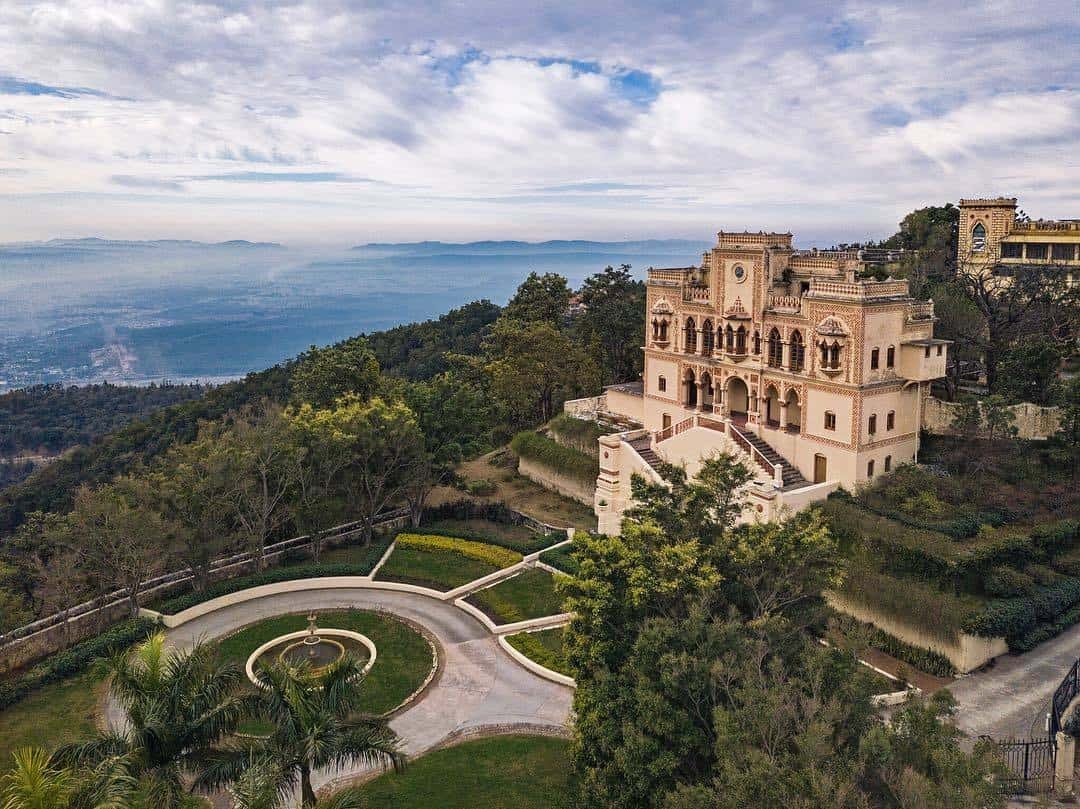
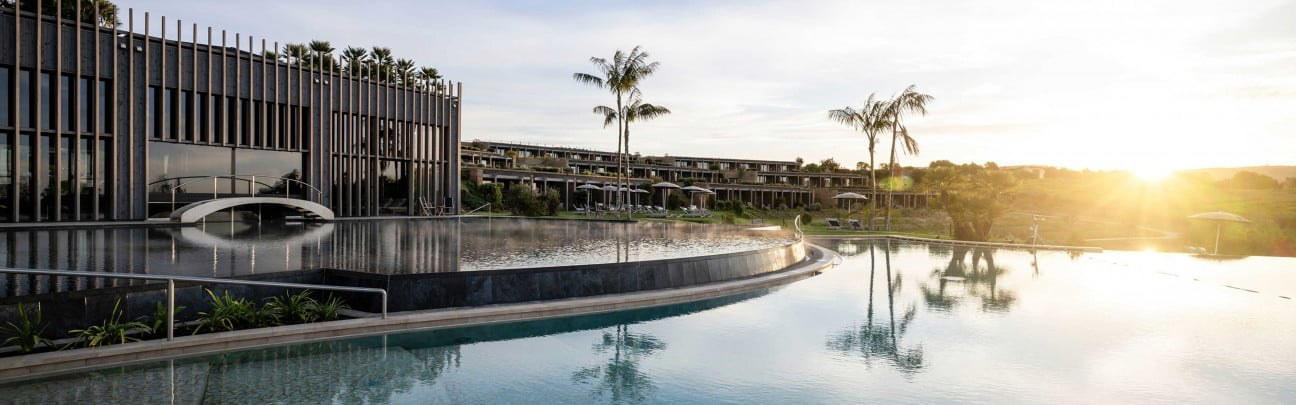
Ananda in the Himalayas reads as a quietly authoritative wellness destination that foregrounds architecture and landscape as part of the therapeutic programme. Set across a 100‑acre Himalayan ridgeline with views down to the Ganges, the estate centres on a preserved 19th‑century Viceregal Palace that sits alongside purpose‑built spa pavilions and contemporary guest wings. That deliberate architectural tension—historic palace fabric integrated into the accommodation rather than used as a mere lobby set piece, plus a 25,000‑square‑foot spa—creates a calm, measured atmosphere. The property positions itself as a destination retreat rather than a hotel with an added spa, a stance reinforced by industry recognition.
Best For
Ananda is best for travellers seeking an immersive, programmatic wellness stay or a secluded romantic escape. It is particularly well suited to guests who value architectural authenticity — for example, those who want to experience the Viceregal Suite within the preserved palace — and to couples on honeymoon or celebrating an anniversary. The emphasis on stillness, the ridgeline setting and the valley views toward the Ganges make the property a fit for visitors after quiet, restorative time rather than urban nightlife. Overall, it appeals to serious wellness travellers who prioritise pacing and programme over conventional hotel leisure.
Stay Tips
Plan logistics around the transfer: the estate is a 50‑minute drive from Dehradun Airport and the approach (through sal forest up the ridgeline) is part of the arrival experience. If you want palace provenance, request availability of the Viceregal Suite to stay within the original 19th‑century building rather than the contemporary wings. Given the property's positioning as a destination retreat and the prominence of its 25,000‑square‑foot spa and pavilion infrastructure, enquire and book wellness programmes and spa pavilion treatments in advance to secure preferred dates and times.
Venue details
Ambiance
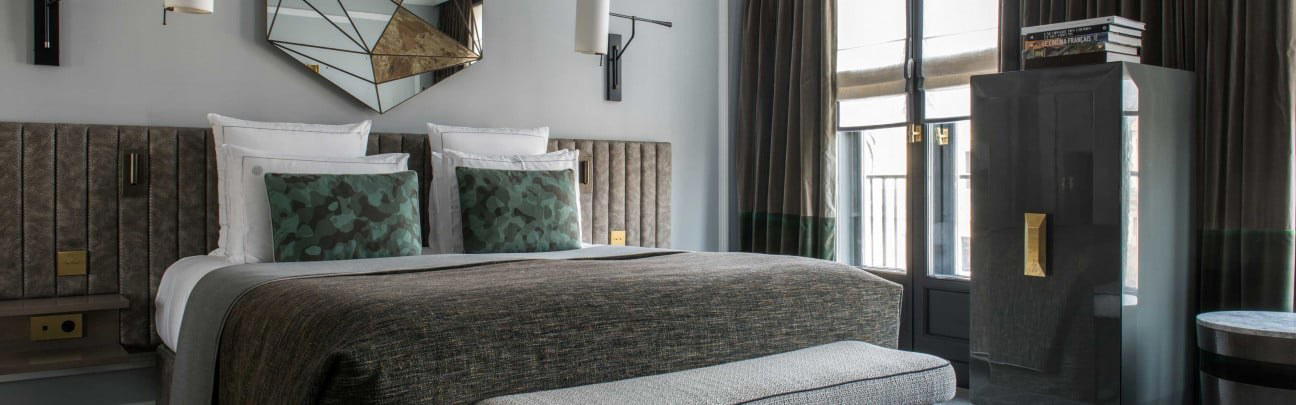
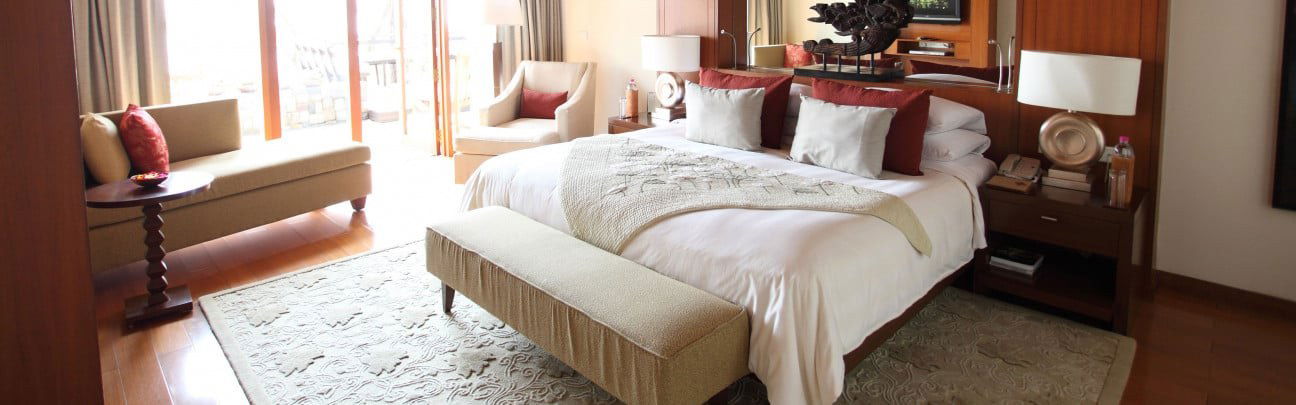
Serene and peaceful with natural light, lush gardens, and valley/river views from rooms and grounds.
Tags
Vibe
Best For
Experience
Amenities
View
Accessibility
About the Stay
- Rooms
- 78
- Check-in
- 14:00
- Check-out
- 12:00
- Property Style
- Historic Palace Estate Turned Wellness Resort
- Design Style
- Traditional Indian with Opulent Period Furnishings
Know before you go
Know Before You Go
- Getting there
- The Palace Estate, Narendra Nagar, Uttarakhand 249175
Planning details
Location


Also consider
Where to look if this is not the right fit
For a wellness-focused alternative with easier Dehradun positioning, cross-shop Six Senses Vana. For a resort stay with a stronger Rishikesh river orientation, look at Taj Rishikesh Resort & Spa, Uttarakhand.
Hotel context
How Ananda in the Himalayas compares
Six Senses Vana is the closest cross-shop for guests who want a serious wellness-led stay, while Ananda in the Himalayas is the better fit if the palace-estate setting and Narendra Nagar hillside atmosphere are central to the occasion. Choose Six Senses Vana if Dehradun access matters more; choose Ananda if the trip is meant to feel more removed from routine.
Taj Rishikesh Resort & Spa, Uttarakhand is the more obvious pick for travelers who want a resort stay tied closely to the Rishikesh river setting. Ananda is stronger for a retreat-first stay where wellness credibility and privacy carry the decision. Kinwani House by Aalia Collection is better for a more intimate house-style stay, but it does not have the same awards signal.
Gateway Dehradun is the practical alternative if ease, access, and a simpler hotel base matter more than ambiance. The Claridges Nabha Residence Mussoorie makes more sense for guests who want a hill-station mood rather than a wellness retreat. For a celebration built around slowing down, Ananda is the clearer splurge; for movement-heavy trips, the peers are easier to justify.
Explore Narendra Nagar
Around this place
Discover more on Pearl
Unlock the full Ananda in the Himalayas guide in Pearl, including awards, comparisons, FAQs, planning details, and nearby places.
Compare Ananda in the Himalayas
| Venue | Location | Awards |
|---|---|---|
| Ananda in the Himalayas | Narendra Nagar | 2026 Virtuoso Luxury Hotel Collection2026 Mr & Mrs Smith Luxury Hotels2025 Robb Report The 50 Greatest Luxury Hotels on Earth · #35Tatler Best Hotels Asia-Pacific 2025 |
| Kinwani House by Aalia Collection | Rishikesh | Preferred Hotels Member 2025 |
| Taj Rishikesh Resort & Spa, Uttarakhand | Rishikesh | 2025 Michelin 1 Key |
| Gateway Dehradun | Dehradun | No published awards |
| Six Senses Vana | Dehradun | 2026 Forbes Recommended2026 Mr & Mrs Smith Luxury Hotels2026 Robb Report The 50 Greatest Luxury Hotels on EarthWorld Travel Awards 20252025 Michelin 1 Key |
| The Claridges Nabha Residence Mussoorie | Mussoorie | Preferred Hotels Member 2025 |




How Ananda in the Himalayas compares with similar nearby venues.
FAQ
Frequently Asked Questions
When is the best time to book Ananda in the Himalayas?
Book when the stay can be planned around Ananda in the Himalayas as a recognized luxury and wellness retreat in Narendra Nagar. Its recognition includes Robb Report The 50 Greatest Luxury Hotels on Earth #35 (2025) and Tatler Best Wellness Retreat (2025).
Is Ananda in the Himalayas good for business travel?
For a business-focused stay, check meeting amenities, transfer convenience, and work-oriented services directly. If those details matter, compare the practical requirements directly with alternatives such as Gateway Dehradun before booking.
What is check-in like at Ananda in the Himalayas?
Do loyalty programs work at Ananda in the Himalayas?
The recognition includes Virtuoso Luxury Hotel Partner (2026) and Mr & Mrs Smith Seal of Approval (2026). For specific loyalty benefits, booking-channel perks, or program rules, check the relevant program terms before reserving.
Which room category is best at Ananda in the Himalayas?
Choose only after checking current room categories, views, sizes, and pricing directly with Ananda in the Himalayas.
How does Ananda in the Himalayas compare to regional hotels?
Ananda in the Himalayas has luxury and wellness recognition, including Tatler Best Wellness Retreat (2025). For comparison, travelers may also look at Gateway Dehradun, Kinwani House by Aalia Collection, Six Senses Vana, Taj Rishikesh Resort & Spa, Uttarakhand, and The Claridges Nabha Residence Mussoorie, using current location, facilities, and booking details to decide.
How is the location of Ananda in the Himalayas?
Ananda in the Himalayas is in Narendra Nagar. Check the specific address or landmark details before travel.