
Masseria Donna Menga
Nardò
Hotel in Nardò, Italy
 Book with Pearl
The Read
Salento Stone Retreat
Why go
Masseria Donna Menga is worth shortlisting if you want a quieter Nardò base and can make the rate work outside peak summer. Its Leading Hotels of the World membership is the main quality signal, while booking difficulty is easy. Choose it over town stays if calm and space matter more than walking to dinner.
About Masseria Donna Menga
Masseria Donna Menga is a Nardò venue. It is in Nardò, the dress code is smart casual, and it is listed as a Leading Hotels of World Member for 2025. Beyond these facts, confirm current booking details, inclusions, and arrival logistics directly before committing.
Worth booking when the details fit your trip
The clearest case for Masseria Donna Menga is for travelers who want a Nardò venue and value its 2025 Leading Hotels of World Member status. That recognition is useful context, but it should not be treated as a substitute for checking the current services, booking terms, and practical details that matter for your dates.
Because dining details are not available, do not book on the assumption of a specific restaurant format, cuisine, menu, or meal service. Treat food planning as something to confirm directly with the venue. For travelers planning meals around town, pair the decision with other Nardò dining research; for a wider trip plan, compare the current details of any venues you are considering.
Choose it if its profile suits your priorities
Compared with Casa a Corte and Palazzo Tafuri, the decision should come down to the current booking details, availability, and the kind of Nardò visit you want. Information on exact setting, amenities, or service format is not available, so avoid assuming those differences without checking the latest venue information.
Against Masseria Corsano, the practical comparison is similarly date-specific: look at live availability, inclusions, and terms. If Masseria Donna Menga is being considered alongside alternatives, the Leading Hotels of World membership is a useful point for guests comparing venue profiles.
Know Before You Go
- Location: Nardò.
- Dress code: Smart casual.
- Recognition: Leading Hotels of World Member in 2025.
- Confirm before booking: Current booking details, dining options, inclusions, arrival timing, and terms.
- Dining plan: Do not assume a specific cuisine, menu, or meal service without checking directly with the venue.
Planning details
- Location
- Strada Donna Domenica, 73048 Nardò LE
- Website
- masseriadonnamenga.com
- Phone
- +39 0833 215453
The take
The Take
The Vibe
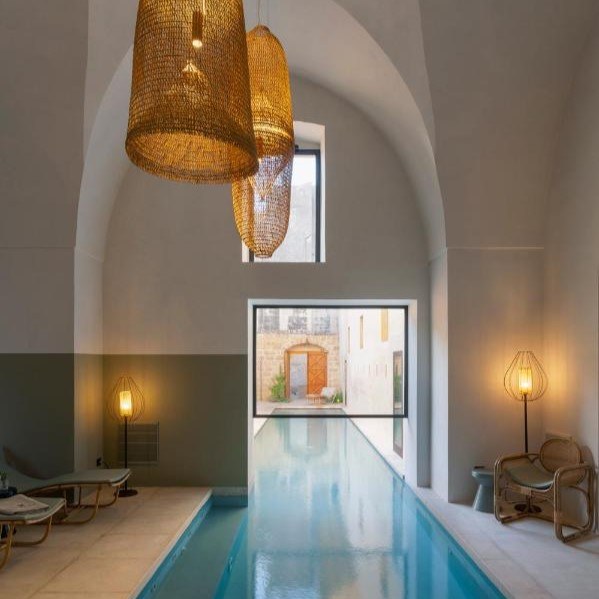
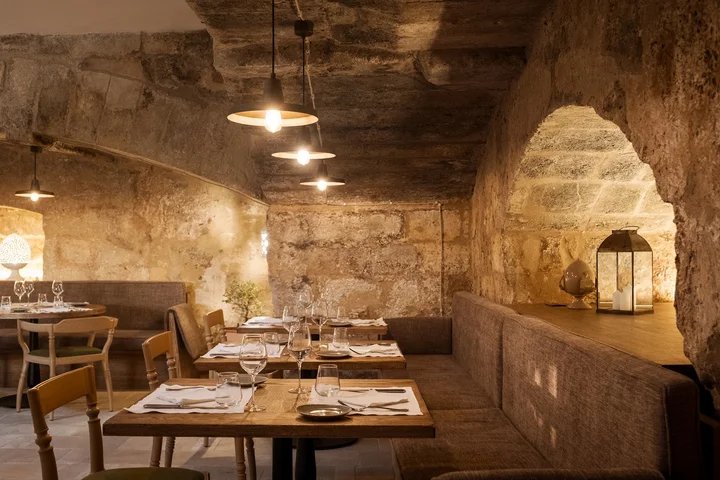
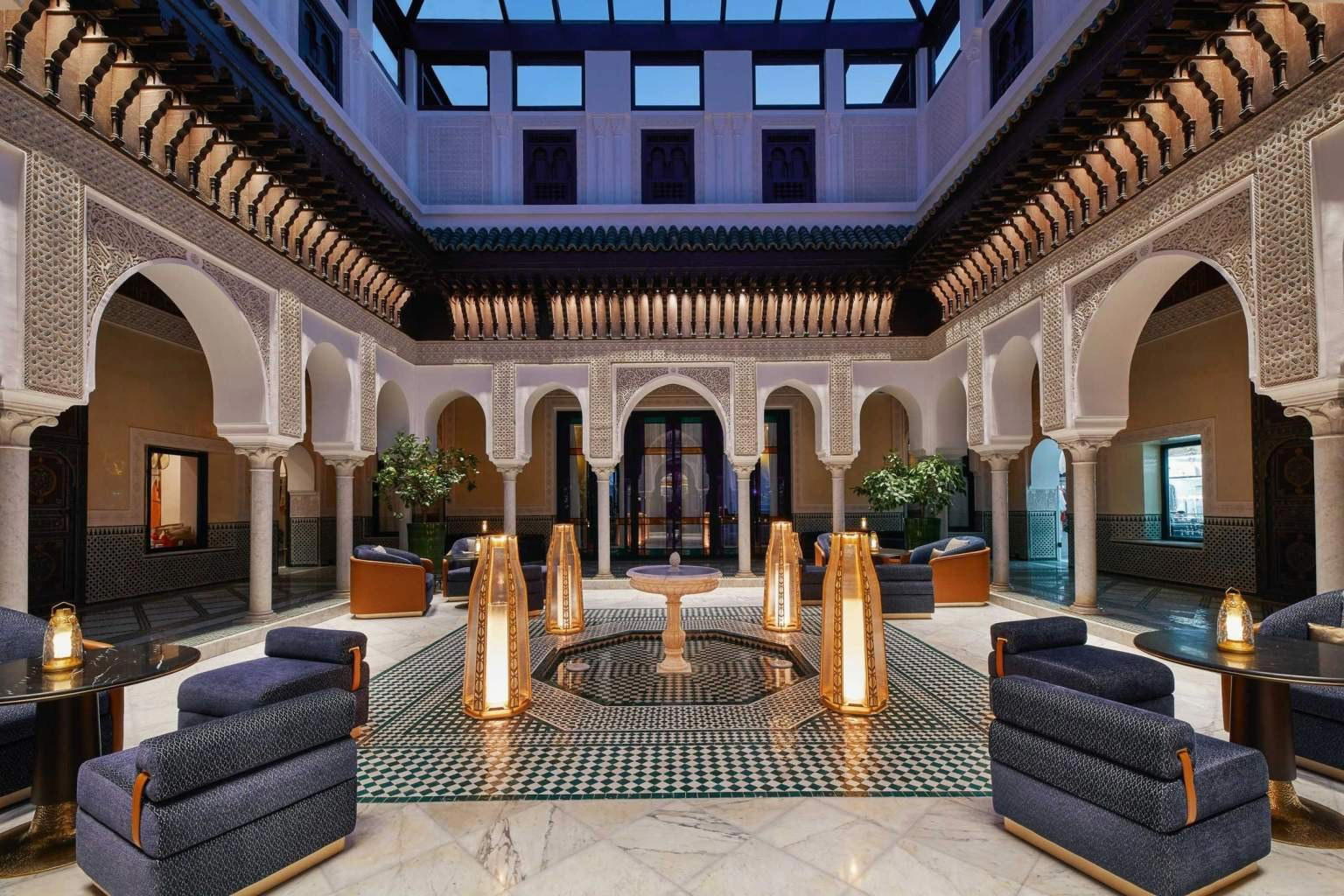
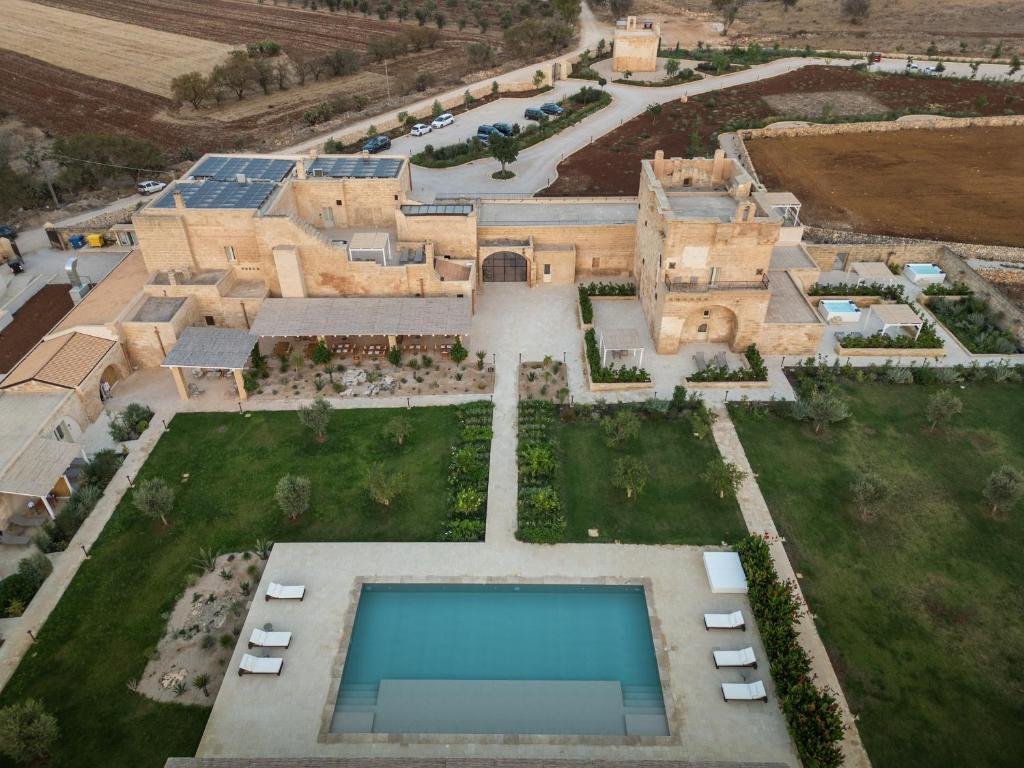
Masseria Donna Menga celebrates the austere logic of Salento architecture: thick limestone walls, small exterior openings and an inward-facing central courtyard sculpt a setting that privileges shade, coolness and material honesty. The property reads as a carefully reworked working estate rather than a polished resort, so the experience feels quietly refined and steeped in history. Arriving here foregrounds texture and light — the flat late-afternoon glow across olive groves and dry-stone walls is a recurring motif — and the masseria’s restrained restoration keeps the atmosphere intimate and soothing rather than theatrical.
Best For
This masseria suits travelers seeking a low-key, architecture-forward escape: couples on a romantic getaway or honeymoon, guests pursuing a restorative wellness retreat, and anyone looking for a relaxed weekend escape. The setting rewards slow movement and quiet observation — wandering the nearby Baroque streets of Nardò and lingering in the central courtyard are natural pastimes. Because the property leans toward the original scale and spirit of a working estate, it appeals to visitors who prefer authenticity and calm over resort-scale programming.
Stay Tips
Plan arrival and exploration around late afternoon: the description highlights extraordinary late-afternoon light across the agricultural landscape, which is ideal for courtyard time and photographs. Explore Nardò on foot — the town’s seventeenth-century cathedral square and compact street pattern are described as rewarding walking rather than driving. Expect a property that favors restrained, estate-style hospitality over large resort amenities; book accordingly if you want a quieter, more intimate stay rooted in the local agricultural setting.
Venue details
Ambiance
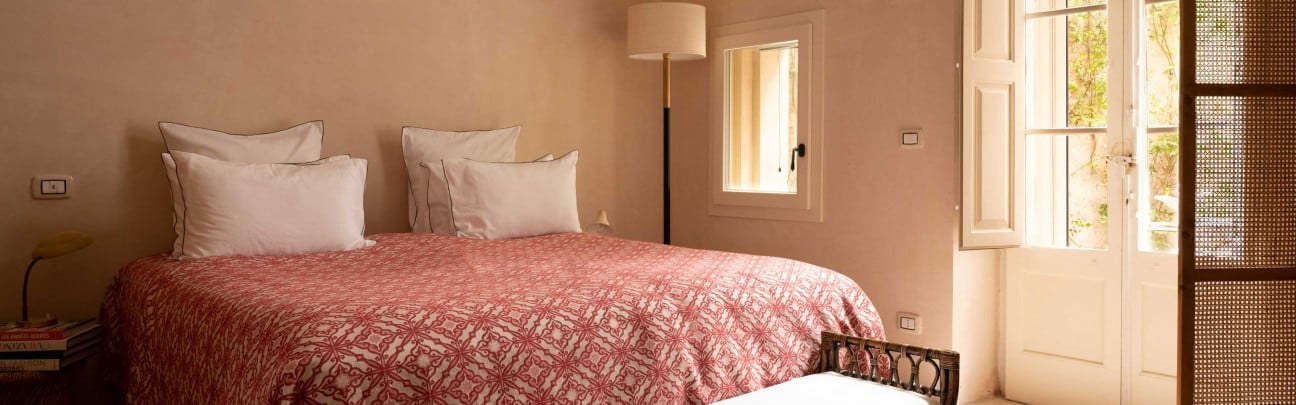
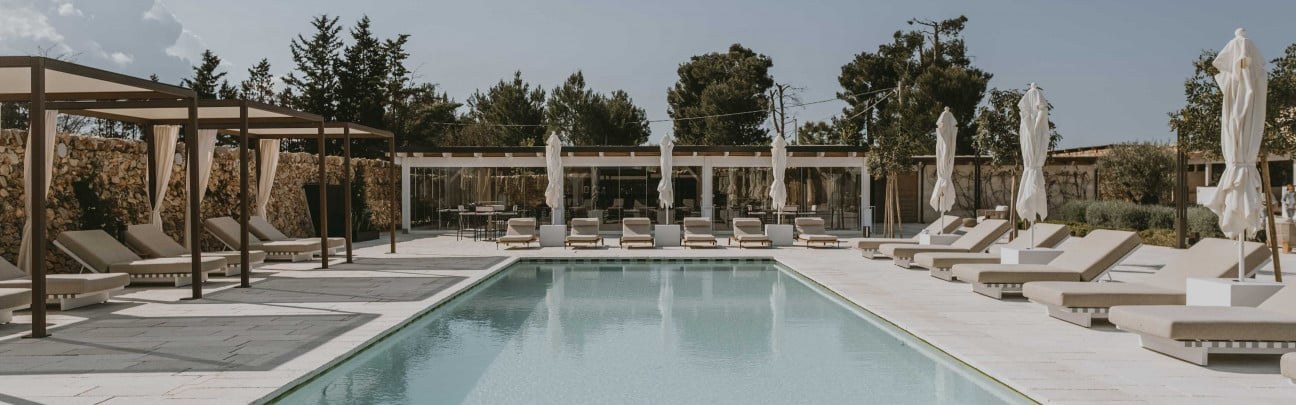
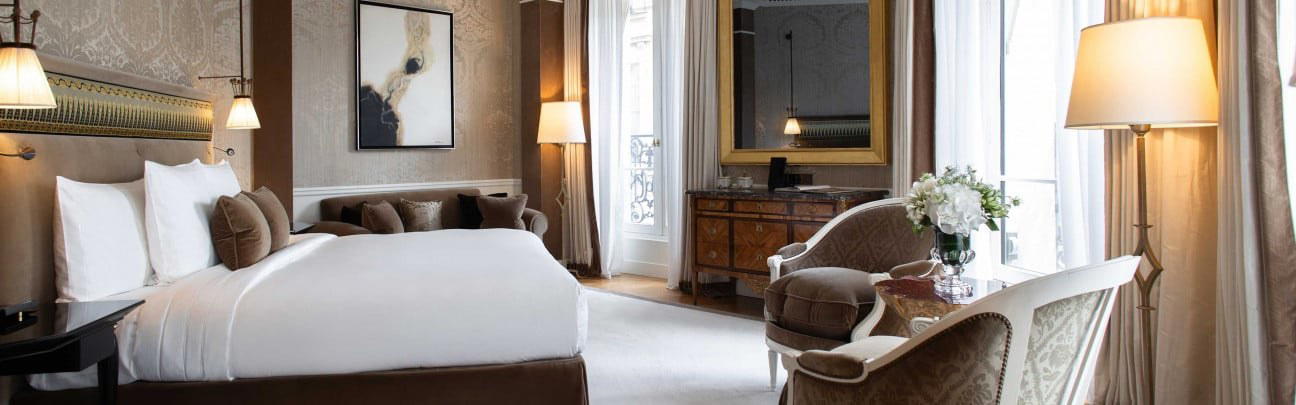
Peaceful and elegant with natural light in stylish rooms, lush gardens, and a tranquil poolside atmosphere praised for silence and attention to detail.
Tags
Vibe
Best For
Experience
Amenities
View
Accessibility
About the Stay
- Rooms
- 0
- Check-in
- 14:30
- Check-out
- 11:00
- Property Type
- Boutique hotel
- Property Style
- Historic Masseria Blending Essentiality and Elegance in Puglia Countryside
- Design Style
- Authentic Minimalist with Local Craftsmanship and Pure Spirit
- Breakfast
- Included
- Airport Transfer
- Available
- Pool
- Yes
- Spa
- Yes
- Cancellation
- Moderate
Know before you go
Know Before You Go
- Getting there
- Strada Donna Domenica, 73048 Nardò LE
Planning details
Location
Recognition and awards

Also consider
Where to Look If This Is Full
Try Masseria Corsano first if the goal is another countryside-style stay near Nardò. For a more town-focused alternative, compare Palazzo Tafuri or Casa a Corte.
Hotel context
How It Compares
Among Nardò options, Masseria Donna Menga is the countryside-leaning choice for travelers prioritizing calm, space, and an easier booking path. Casa a Corte and Palazzo Tafuri make more sense if the trip depends on being closer to the town rhythm, especially for evenings built around restaurants and bars.
For a similar masseria-style search, compare live rates against Masseria Corsano. If pricing is close, Masseria Donna Menga's Leading Hotels of the World membership gives it a clearer trust signal; if the gap is large, Masseria Corsano may be the better value depending on room category and inclusions.
Masseria Antonio Augusto and Castle Elvira sit outside the immediate Nardò set, so use them for a broader Salento comparison rather than a like-for-like neighborhood choice. Pick them only if the wider location works better for the itinerary.
Explore Nardò
Around this place
Discover more on Pearl
Unlock the full Masseria Donna Menga guide in Pearl, including awards, comparisons, FAQs, planning details, and nearby places.
Compare Masseria Donna Menga
| Venue | Location | Awards |
|---|---|---|
| Masseria Donna Menga | Nardò | Leading Hotels of the World 2026 |
| Masseria Antonio Augusto | Leverano | No published awards |
| Masseria Corsano | Nardò | No published awards |
| Casa a Corte | Nardò | No published awards |
| Palazzo Tafuri | Nardò | No published awards |
| Castle Elvira | Trepuzzi | 2026 Mr & Mrs Smith Luxury HotelsSmall Luxury Hotels Member 2025 |

How Masseria Donna Menga Nardò compares with similar nearby venues.
FAQ
Frequently Asked Questions
How is the dining at Masseria Donna Menga?
Dining specifics are not available. Do not assume a particular cuisine, menu, service style, or meal period; confirm current dining arrangements directly with Masseria Donna Menga before booking. If dining matters most, compare plans with other options, including Casa a Corte or Palazzo Tafuri.
What is check-in like at Masseria Donna Menga?
How does Masseria Donna Menga compare to other venues?
Choose Masseria Donna Menga if its Nardò location, smart casual dress code, and 2025 Leading Hotels of World Member status fit your trip. Compare current availability, inclusions, and terms with Casa a Corte, Palazzo Tafuri, Masseria Antonio Augusto, Masseria Corsano, and Castle Elvira before committing.
How is the location of Masseria Donna Menga?
Masseria Donna Menga is in Nardò. A street address, neighborhood, landmark position, or exact setting is not available, so confirm practical location details directly with the venue if they are important to your plans.
When is the best time to book Masseria Donna Menga?
Booking-window guidance is not available. Check live availability and terms for your dates, and compare them with options such as Masseria Antonio Augusto and Masseria Corsano if you are still deciding.
Which option is best at Masseria Donna Menga?
Category-level details are not available. Choose based on the current descriptions, inclusions, and policies shown for your dates, and confirm any important features directly with the venue before booking.