
BYAKU Narai
Narai-juku, Narai
Hotel in Narai, Japan
 Book with Pearl
The Read
Edo-Era Adaptive Preservation
Why go
BYAKU Narai is worth planning around if the goal is a quiet, high-intent Nagano stay rather than a standard business hotel. Its Michelin 1 Key recognition gives it a credible luxury signal, but hard booking difficulty and limited structured detail make it better for celebrations, retreats, and slow travel than last-minute corporate logistics.
About BYAKU Narai
BYAKU Narai is a venue in Narai with Michelin 1 Key recognition in 2024. It is best considered when Narai and the Michelin 1 Key distinction are the relevant decision points.
A Narai venue with Michelin 1 Key recognition
BYAKU Narai's clearest trust signal is its Michelin 1 Key recognition in 2024. That supports positioning it as a notable venue in Narai.
The dress code is smart casual. For dining-led or event-led trips, confirm any meal, timing, or hosting expectations directly with the property during planning. Readers comparing options can also look at other dining in Narai generically rather than assuming a specific cuisine or menu format here.
Confirm trip-critical details before booking
BYAKU Narai is best assessed on the facts that are clear: it is in Narai, it has Michelin 1 Key recognition for 2024, and the dress code is smart casual.
For broader comparison, travelers may also consider other options such as Hotel Keyforest Hokuto, Matsumoto Jujo, Tobira Onsen Myojinkan, or Wanosato, depending on the route and purpose of the trip. Taniya can be considered separately for dining comparisons. Do not assume these are all in Narai; compare each based on its own location and details.
Planning details
- Location
- 551 Narai, Shiojiri, Nagano 399-6303
- Website
- byaku.site
- Phone
- +81 264-34-3001
The take
The Take
The Vibe
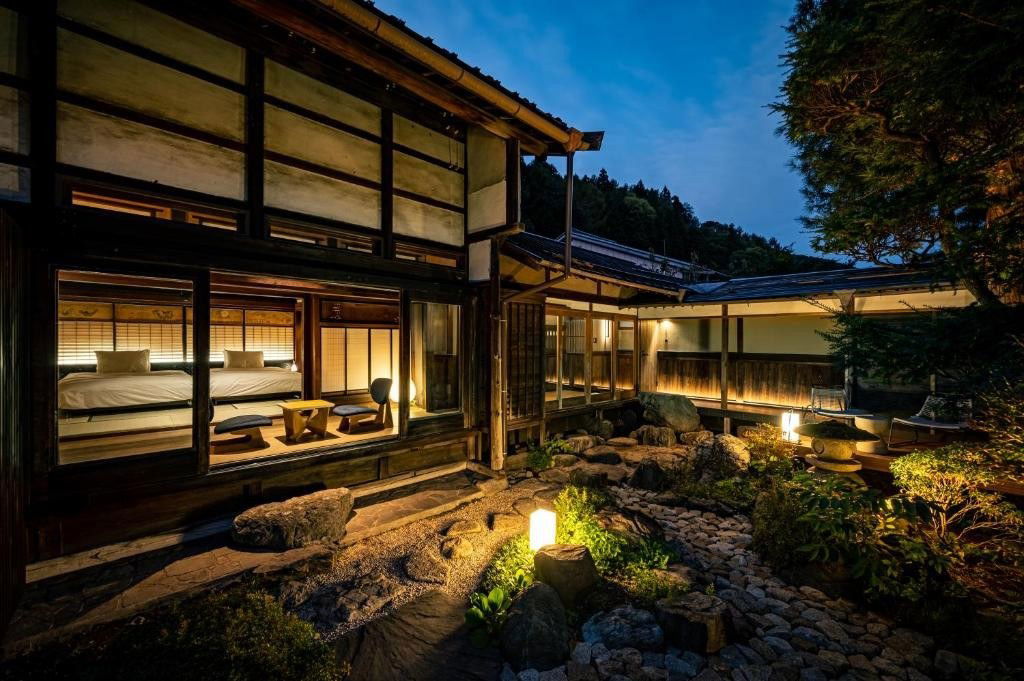
BYAKU Narai foregrounds architecture and place over typical hotel theatrics. The property stitches together a former sake brewery, an Edo-era guesthouse and a salvaged temple wing, so each corner bears its original scale and material logic. Interiors favor preservation and modest craft interventions, producing quiet, considered spaces that feel like a lived-in neighbourhood rather than a single branded block. Design-minded travelers encounter high ceilings, compressed traditional proportions and unexpected spatial shifts as part of the stay; the result is a tranquil, historically rooted retreat for those who prefer texture and provenance to slick uniformity.
Best For
This hotel suits travelers who want to slow down and explore Narai-juku's historic streetscape. It is especially appropriate for couples and design-minded visitors seeking a quiet, intimate escape—honeymooners and anniversary guests will find the reclaimed buildings and preserved interiors especially evocative. The property's emphasis on adaptive reuse also makes it rewarding for anyone interested in architectural history or traditional Japanese townscapes. Because the experience centers on place and craft rather than typical resort amenities, it works best for guests who plan to spend time wandering the main street and absorbing the town's Edo-period character.
Stay Tips
When booking, think about spatial preference: the description highlights distinct building types (a sake brewery with generous ceiling heights, a compressed Edo-era guesthouse and a temple fragment with different scale), so request a room in the component that fits your taste if the hotel allows. Expect a hospitality experience oriented around preservation and craft rather than an extensive amenity list—pack accordingly and plan to explore the town. Because the property reads like multiple linked buildings, confirm arrival logistics and room location in advance to anticipate transfers between wings.
Venue details
Ambiance
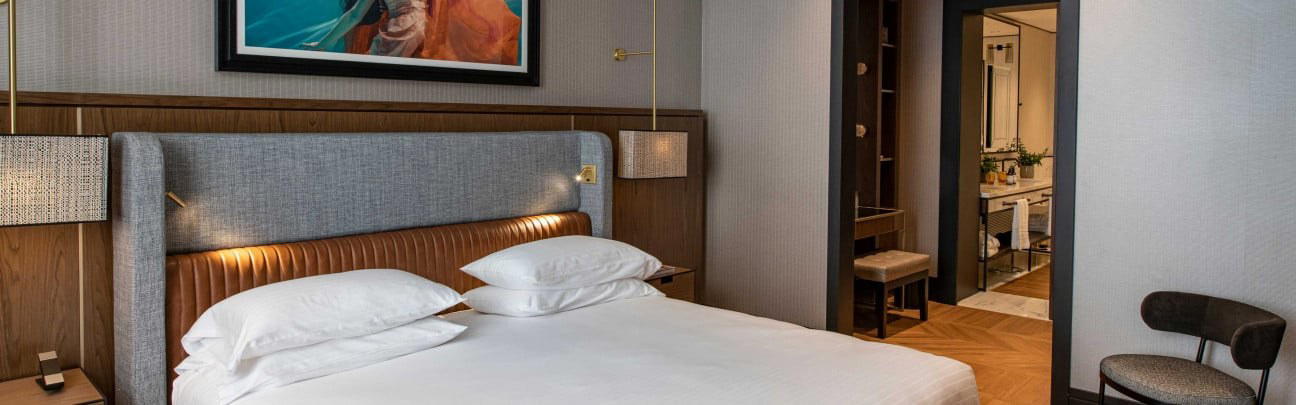
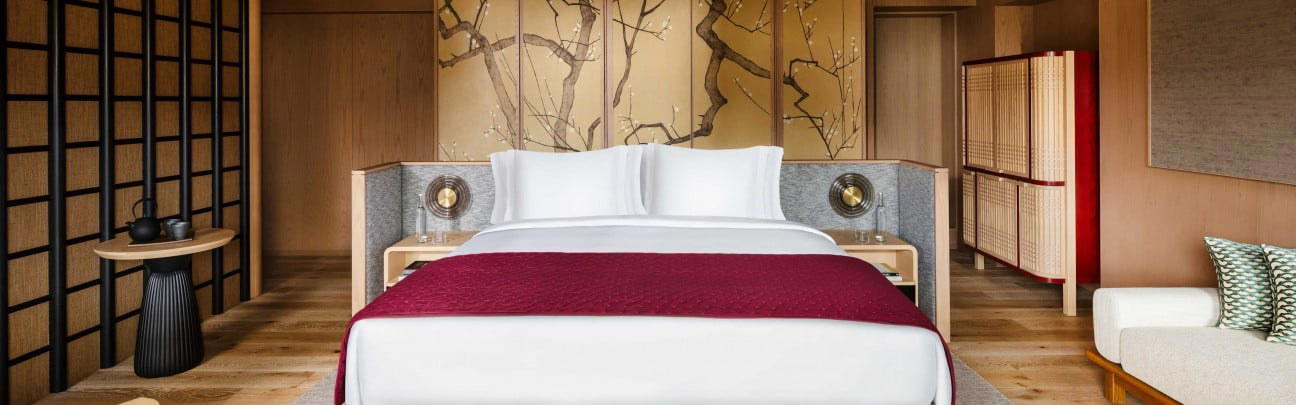
Serene and elegant with traditional Japanese craftsmanship, high beamed ceilings, wood floors, and a peaceful atmosphere blending history and modern luxury.
Tags
Vibe
Best For
Experience
Amenities
View
About the Stay
- Rooms
- 16
- Check-in
- 15:00
- Check-out
- 11:00
- Property Style
- Restored Edo Era Ryokan with Traditional Japanese Elegance and Modern Comforts
- Design Style
- Classic Japanese Minimalist with High End Craftsmanship
Know before you go
Know Before You Go
- Getting there
- 551 Narai, Shiojiri, Nagano 399-6303
Planning details
Location
Recognition and awards
Also consider
Also Consider
- Tobira Onsen Myojinkan, Notable alternative
- Matsumoto Jujo, Notable alternative
- Hotel Keyforest Hokuto, Notable alternative
- Taniya, Notable alternative
- Wanosato, Notable alternative
Hotel context
How it compares with nearby ryokan-style and design stays
BYAKU Narai is the clearest choice if the priority is staying in Narai itself with a quieter, place-driven feel. Tobira Onsen Myojinkan is the better fit for travelers who want an onsen-led stay outside the immediate Narai setting, while Matsumoto Jujo is more practical if Matsumoto access matters more than post-town atmosphere.
For design-first travelers, Hotel Keyforest Hokuto is the cross-shop to consider before committing here. It makes more sense when the trip is built around contemporary architecture and a destination-hotel mood. BYAKU Narai is the stronger call when the stay needs to feel tied to Narai rather than simply rural Japan.
Taniya and Wanosato are better comparison points for travelers who want traditional hospitality cues and a slower pace. If booking difficulty is the deciding factor, check those before giving up on the trip. If the purpose is a special occasion in Narai specifically, BYAKU Narai remains the first place to try.
Explore Narai
Around this place
Discover more on Pearl
Unlock the full BYAKU Narai guide in Pearl, including awards, comparisons, FAQs, planning details, and nearby places.
Compare BYAKU Narai
| Venue | Location | Awards |
|---|---|---|
| BYAKU Narai | Narai | 2026 Michelin 1 Key2025 Michelin 1 KeyMichelin 1 Key 20252024 Michelin 1 Key |
| Tobira Onsen Myojinkan | Matsumoto | No published awards |
| Matsumoto Jujo | Matsumoto | No published awards |
| Hotel Keyforest Hokuto | Hokuto | No published awards |
| Taniya | Takayama | No published awards |
| Wanosato | Takayama-shi | 2026 Michelin 1 Key2025 Michelin 1 Key2024 Michelin 1 Key |

How BYAKU Narai compares with similar nearby venues.
FAQ
Frequently Asked Questions
What is check-in like at BYAKU Narai?
How is the dining at BYAKU Narai?
BYAKU Narai should be considered primarily as a Michelin 1 Key venue in Narai. Confirm dining expectations through the venue's official channels. Taniya can be considered separately when comparing dining options.
Do loyalty programs work at BYAKU Narai?
The key value signal here is BYAKU Narai's Michelin 1 Key recognition in 2024. If points or chain benefits are essential, compare the trip with other options such as Hotel Keyforest Hokuto based on their own current terms.
When is the best time to book BYAKU Narai?
How is the pool and spa at BYAKU Narai?
Do not book on the assumption that specific wellness facilities are offered unless the property confirms them. Tobira Onsen Myojinkan may be worth comparing separately based on its own current details.
Which room category is best at BYAKU Narai?
Choose only after checking the property's current room information and matching it to the purpose of the trip.
Is BYAKU Narai family-friendly?
Families should confirm suitability directly with BYAKU Narai. Wanosato or Matsumoto Jujo may also be considered separately, depending on route, space needs, and current policies.