
Sataa Resort Nan
Tha Nao, Phu Phiang, Nan
Hotel in Nan, Thailand
 Book with Pearl
Why go
Sataa Resort Nan is worth considering if the priority is a quiet Nan stay with a softer pace outside the city-center hotel feel. Its MICHELIN Guide Hotels Selected recognition gives it a useful trust signal, but choose the room category by space needs rather than status, especially if pricing varies by date.
About Sataa Resort Nan
Sataa Resort Nan is a hotel in Nan with one recognition: it is listed as MICHELIN Guide, Hotels Selected (2025). For specific claims about room types, services, location details within Nan, dining, transport convenience, or on-property facilities, guests should confirm directly with the property or their booking platform.
If you are considering Sataa Resort Nan, confirm current room categories, rates, amenities, meal options, policies, and arrival logistics directly with the property or your booking platform before making plans.
Choose the room by space needs, not status
The safest booking approach is practical: compare the live room descriptions at the time of booking and choose the option that matches your bed setup, space needs, cancellation terms, and budget. Do not assume that a higher category is better value without checking what it actually includes.
Who should book, and who should look elsewhere
Sataa Resort Nan may be worth considering if you want a hotel in Nan with a MICHELIN Guide Hotels Selected (2025) listing. Travelers who need specific services, accessibility details, dining arrangements, business facilities, family amenities, or transport convenience should verify those points before booking. For broader trip planning, compare current options in Nan and build the stay around specific details rather than assumptions.
Planning details
- Location
- Sataa Resort Nan 222 Moo4, Tha Nao, Phu Phiang, Nan, Thailand
- Phone
- +66 54 059 710
The take
The Take
The Vibe
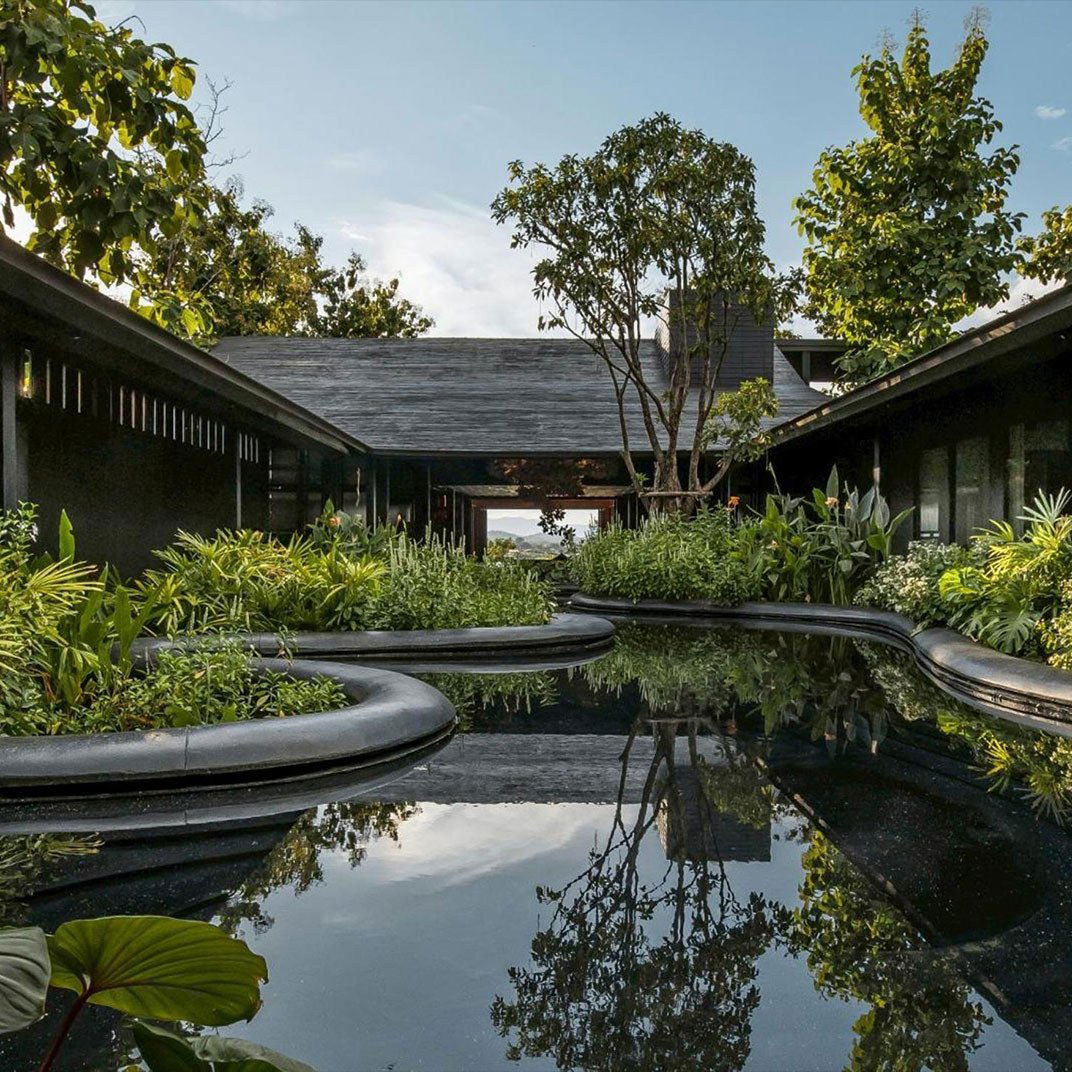
Sataa Resort Nan reads as a quietly design-forward retreat rooted in Northern Thai craft and landscape. It deliberately positions itself away from the urban centre, favouring spatial restraint, vernacular materials and local traditions over the full-service international model. That aesthetic and operational choice gives the property an intimate, rustic character: modest scale, careful detailing and a palpable relationship to rice paddies, low slopes and forested ridgelines. Michelin recognition underlines a level of care and curation, but the overall tone remains understated and land-focused rather than overtly branded or flashy.
Best For
The resort suits travelers seeking a tranquil, design-led escape from Thailand’s more trafficked destinations. It is especially apt for couples or solo travelers after a quiet, intimate stay anchored in landscape and local craft, and for anyone looking to slow down in a less developed corner of the north. The property’s Michelin Selected status signals attentive hospitality for those who value considered service without large-scale resort programming. It also works well as a base for short exploratory trips into surrounding rice-paddy landscapes and nearby cultural sites.
Stay Tips
Plan logistics around the resort’s peripheral location: approaches are along rural roads in Phu Phiang district and the property sits outside Nan’s urban core. Allow extra travel time if you’re coming from the city and book ahead, as accommodation options in the province are limited compared with Chiang Mai or Chiang Rai. Expect a quieter, land-oriented experience rather than an extensive amenity roster; reservations and itinerary coordination with the resort will help you make the most of local excursions and the property’s intimate scale.
Venue details
Ambiance
Quiet, modern, and design-forward, with a rural escape feel in Nan River valley surroundings.
Tags
Vibe
Best For
Experience
Amenities
View
About the Stay
- Rooms
- 27
- Check-in
- 14:00
- Check-out
- 12:00
- Property Style
- Design Resort
- Design Style
- Modern Suites Using Traditional Thai Materials and Craftsmanship; Resort Design with a Quiet, Rural Aesthetic.
Know before you go
Know Before You Go
- Getting there
- Sataa Resort Nan 222 Moo4, Tha Nao, Phu Phiang, Nan, Thailand
Planning details
Location
Sataa Resort Nan 222 Moo4, Tha Nao, Phu Phiang, Nan, Thailand
Recognition and awards
Explore Nan
Around this place
Discover more on Pearl
Unlock the full Sataa Resort Nan guide in Pearl, including awards, comparisons, FAQs, planning details, and nearby places.
FAQ
Frequently Asked Questions
Which room category is best at Sataa Resort Nan?
Choose based on the live booking details: bed setup, space, cancellation terms, and price. Sataa Resort Nan has a MICHELIN Guide Hotels Selected (2025) listing, but for specific room-category advantages, guests should check directly with the property.
Is Sataa Resort Nan family-friendly?
If you are traveling with children, confirm room capacity, bedding, meal options, policies, and any relevant facilities directly before booking Sataa Resort Nan in Nan.
Is Sataa Resort Nan good for business travel?
Before booking, confirm the practical details you need, such as workspace, connectivity, transport logistics, check-in timing, and any business-related services.
When is the best time to book Sataa Resort Nan?
Book when your Nan travel dates are firm and the live rate, cancellation policy, and room details work for your trip.
How does Sataa Resort Nan compare to nearby hotels?
Sataa Resort Nan is listed as MICHELIN Guide, Hotels Selected (2025). For a fair comparison with other Nan hotels, check current rates, room details, amenities, and location needs at the time of booking.