
Seal Cove Inn
Moss Beach
Hotel in Moss Beach, United States
 Book with Pearl
The Read
Cedar-Grove Coastal Retreat
Price
$300–500per night
Why go
Seal Cove Inn is the Moss Beach choice for a quieter coastal stay rather than a full resort setup. Its Small Luxury Hotels of the World membership gives it a credible quality signal, but value-seekers should compare rates against Beach House Half Moon Bay and The Ritz-Carlton, Half Moon Bay before committing.
About Seal Cove Inn
Seal Cove Inn is a Moss Beach lodging option and a Small Luxury Hotels of the World member for 2025. It is a useful choice for travelers comparing Moss Beach stays against other named hotel options.
Choose it for a Moss Beach stay with a SLH signal
The strongest point for Seal Cove Inn is its Small Luxury Hotels of the World membership in 2025. That makes it relevant for travelers specifically considering a Moss Beach lodging choice with a recognized hospitality affiliation.
Consider the practical details that matter most when booking a hotel, such as on-site dining, check-in style, family facilities, business amenities, rates, or room configuration, before making a final decision.
Use regional comparisons to decide the right fit
For comparison, consider Seal Cove Inn alongside Beach House Half Moon Bay, The Ritz-Carlton, Half Moon Bay, Home2 Suites by Hilton San Francisco Airport North, Canyon Ranch Woodside, and Rosewood Sand Hill. These are useful reference points for deciding whether Moss Beach is the right base for the trip.
Quick reference: book Seal Cove Inn when you specifically want to consider a Moss Beach stay with Small Luxury Hotels of the World membership; cross-shop the other named properties when location, brand, or trip purpose points you elsewhere.
Planning details
- Location
- 221 Cypress Ave, Moss Beach, CA 94038
- Website
- sealcoveinn.com
- Phone
- +1 650-728-4114
The take
The Take
The Vibe
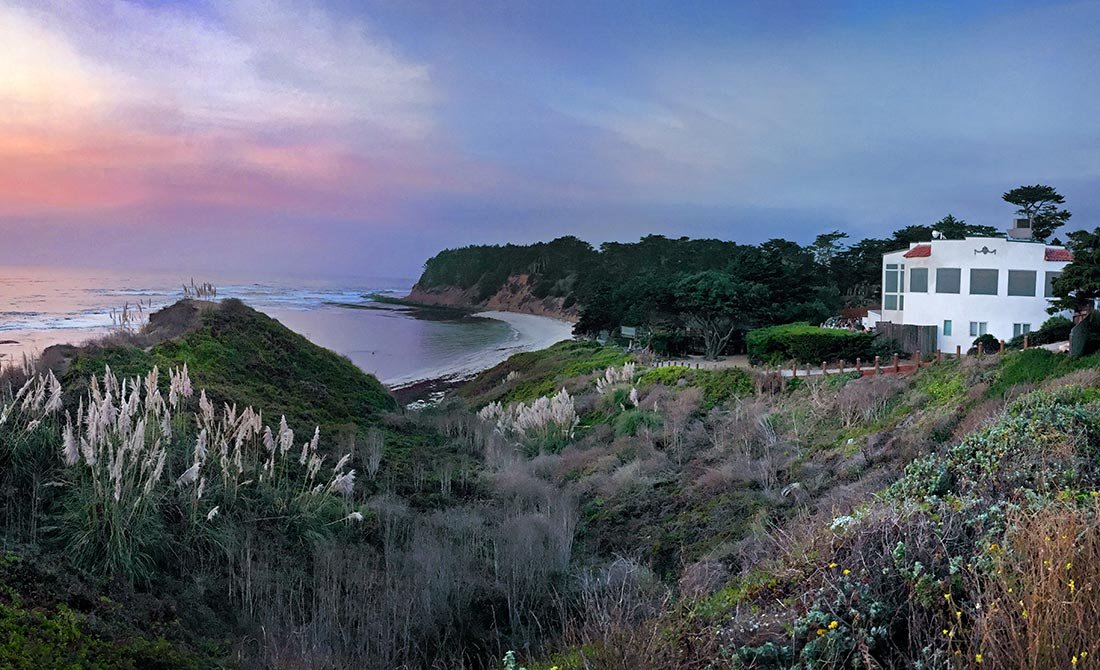
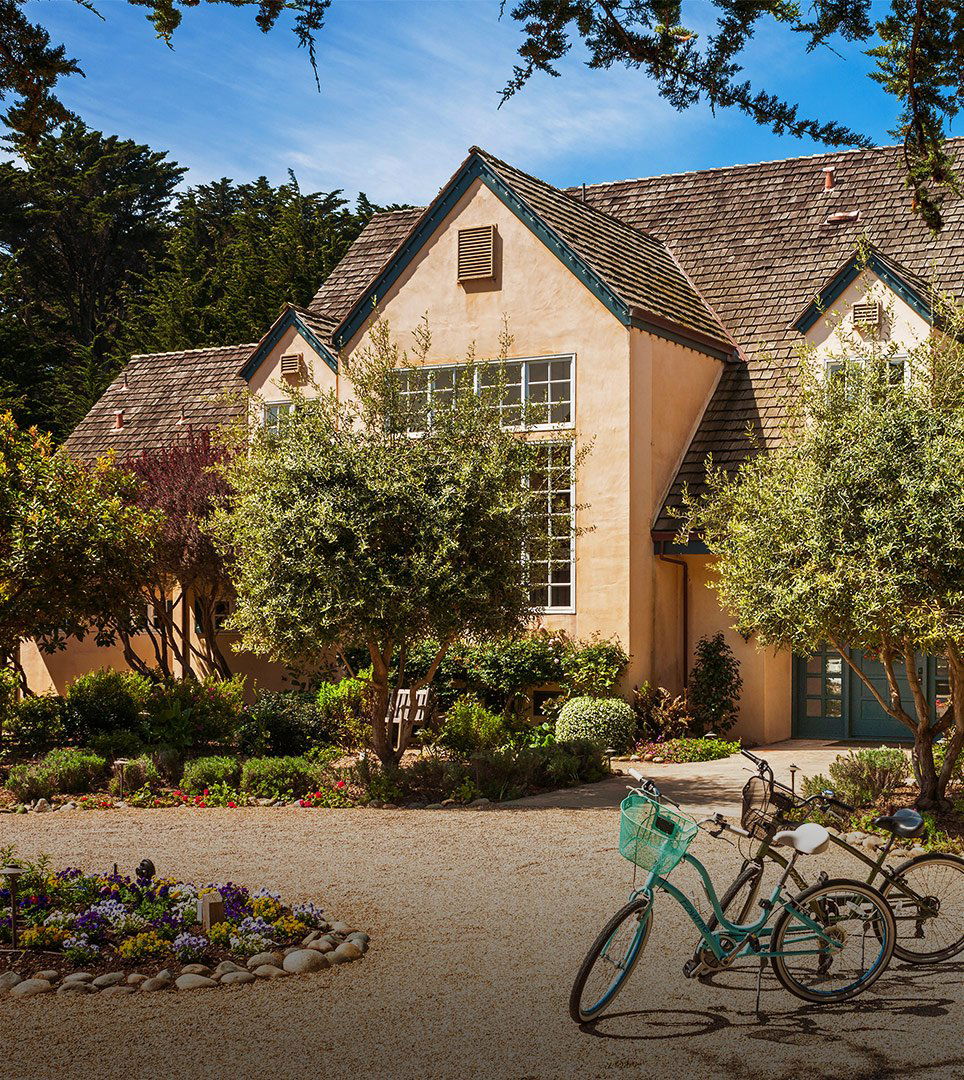
Seal Cove Inn presents a restrained, sensory-first coastal aesthetic that privileges place over performance. Set in a fragrant cedar grove above the Pacific, the inn leans on natural elements (wood construction, pitched rooflines and the movement of wind through trees) to create a quietly composed retreat. The property explicitly resists flashy resort gestures: no infinity pools or loud lobby bars, and instead trusts the shoreline, the scent of cedar and the calls of seals to set the mood. The result is an intimate, low-key hideaway that foregrounds atmosphere and a close relationship with the coastal landscape.
Best For
The inn is ideal for travelers seeking a low-density, quietly atmospheric coastal escape rather than a busy resort scene. It draws weekend arrivals from nearby San Francisco who want a counterpoint to urban density: people who value restful seaside walks, cedar-scented air and understated architecture integrated with its setting. Small-scale and atmosphere-forward, the property suits couples and solo travelers looking for a contemplative coastal stay, and anyone who prefers the subtle pleasures of place over engineered social spaces.
Stay Tips
Because Seal Cove Inn is explicitly small-scale and attracts weekend visitors from San Francisco, book early for weekend stays. Expect a quieter, less commercialized experience: the property is deliberately not a social-media-style resort, and the description warns against expecting loud bars or large amenity stacks. Pack layers for Pacific wind and cool coastal conditions, with wind moving through the tree canopy and a coastal environment surrounding the property.
Venue details
Ambiance
Warm, peaceful coastal retreat with serene gardens, soft lighting from fireplaces, and a homey, luxurious atmosphere.
Tags
Vibe
Best For
Experience
Amenities
View
Accessibility
About the Stay
- Rooms
- 11
- Check-in
- 15:00
- Check-out
- 11:00
- Property Type
- Boutique hotel
- Property Style
- European Style Boutique B&b on Ocean Bluffs
- Design Style
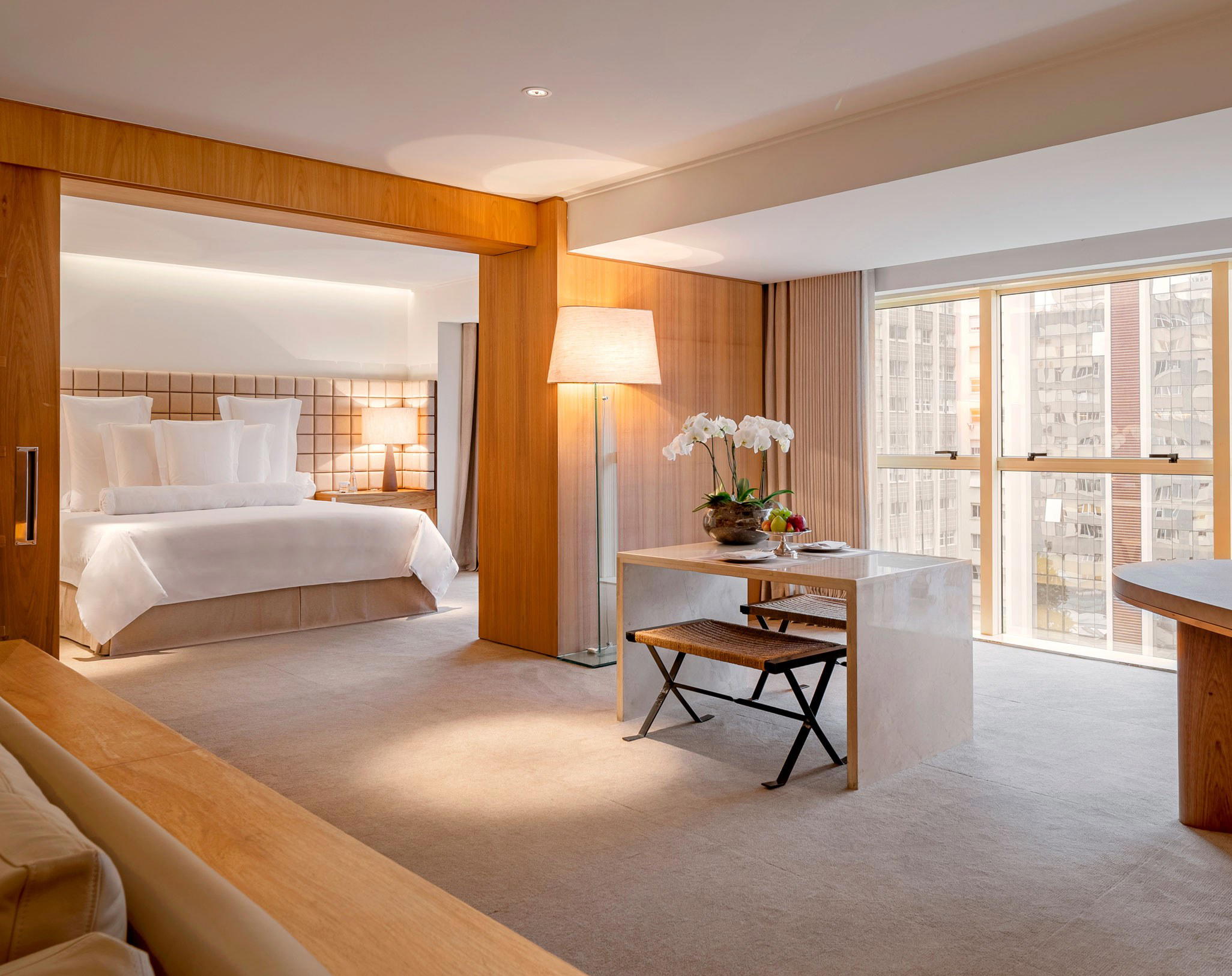
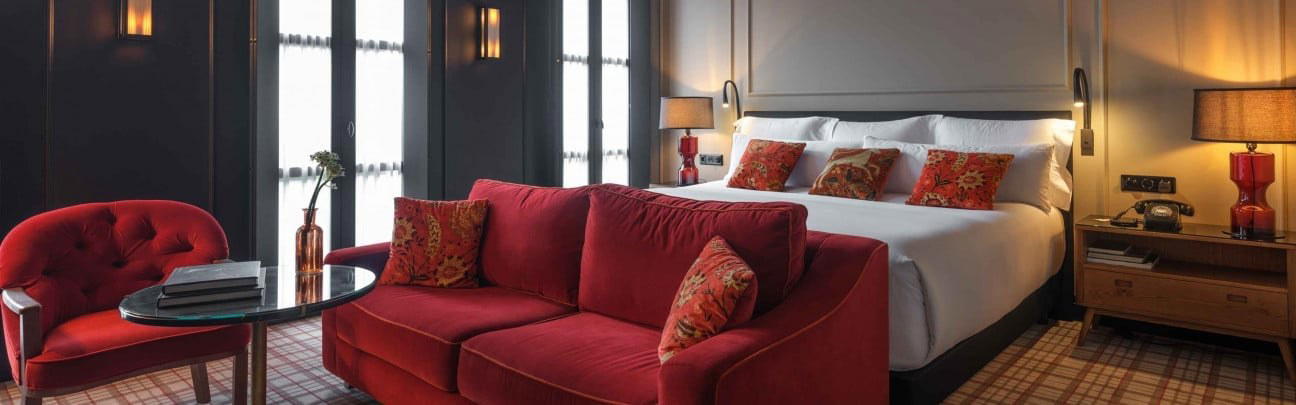
- Contemporary with Romantic Touches, Antique Style Furnishings, and Local Art
- Breakfast
- Included
- Cancellation
- Moderate
Know before you go
Know Before You Go
- Getting there
- 221 Cypress Ave, Moss Beach, CA 94038
Planning details
Location
Recognition and awards

Also consider
Good Alternatives If This Is Full
Try Beach House Half Moon Bay first if the trip still needs a coastal setting and a softer hotel feel. Choose The Ritz-Carlton, Half Moon Bay if the budget allows and the stay needs broader resort services.
Hotel context
How It Compares
Seal Cove Inn is the better fit if the goal is a smaller Moss Beach stay with less resort activity around you. The Ritz-Carlton, Half Moon Bay is the splurge pick for travelers who want a bigger service machine and resort atmosphere, while Beach House Half Moon Bay is the closer cross-shop for a coastal hotel feel without going fully formal.
For pure value and simpler booking, Home2 Suites by Hilton San Francisco Airport North makes more sense for airport access and utility, but it gives up the coastal mood. Canyon Ranch Woodside and Rosewood Sand Hill are better for wellness or Silicon Valley polish, not a Moss Beach coastal base.
Explore Moss Beach
Around this place
Discover more on Pearl
Unlock the full Seal Cove Inn guide in Pearl, including awards, comparisons, FAQs, planning details, and nearby places.
Compare Seal Cove Inn
| Venue | Location | Awards |
|---|---|---|
| Seal Cove Inn | Moss Beach | Small Luxury Hotels Member 2025 |
| Beach House Half Moon Bay | Half Moon Bay | No published awards |
| The Ritz-Carlton, Half Moon Bay | Half Moon Bay | 2026 Forbes 5-Star2026 Virtuoso Luxury Hotel CollectionStar Wine Lists 20262026 La Liste Top Hotels2025 Michelin Selected Hotels2025 Forbes 5-Star |
| Home2 Suites by Hilton San Francisco Airport North | South San Francisco | No published awards |
| Canyon Ranch Woodside | Woodside | No published awards |
| Rosewood Sand Hill | San Jose | 2026 Virtuoso Luxury Hotel Collection2026 Forbes 5-StarStar Wine Lists 20262026 La Liste Top Hotels2026 Michelin 1 Key2025 Michelin Selected Hotels2025 Forbes 5-Star |






How Seal Cove Inn Moss Beach compares with similar nearby venues.
FAQ
Frequently Asked Questions
Is Seal Cove Inn family-friendly?
Family-specific facilities and services may vary. Seal Cove Inn can be considered as a Moss Beach lodging option. For a different type of comparison, Home2 Suites by Hilton San Francisco Airport North may be worth checking as part of a broader hotel search.
How does Seal Cove Inn compare to other hotels?
Seal Cove Inn is a Moss Beach option with Small Luxury Hotels of the World membership in 2025. Beach House Half Moon Bay and The Ritz-Carlton, Half Moon Bay are useful Half Moon Bay comparisons, while Canyon Ranch Woodside, Rosewood Sand Hill, and Home2 Suites by Hilton San Francisco Airport North provide broader regional reference points.
Is Seal Cove Inn good for business travel?
Business-travel details such as meeting space, work amenities, or corporate services should be confirmed directly. Seal Cove Inn may still be considered for a Moss Beach stay. Home2 Suites by Hilton San Francisco Airport North is another comparison point for travelers prioritizing airport-area practicality.
What is check-in like at Seal Cove Inn?
Seal Cove Inn is in Moss Beach and is a Small Luxury Hotels of the World member for 2025. Confirm arrival timing, access instructions, and any front-desk details directly with the property before travel.