
Relais Castello di Morcote
Morcote
Hotel in Morcote, Switzerland
 Book with Pearl
The Read
Convent-to-Vineyard Conversion
Why go
Choose Relais Castello di Morcote for a quieter Lake Lugano celebration stay rather than a convenience-first city hotel. Its 2025 Michelin 1 Key recognition supports the splurge, but the main reason to book is the Morcote setting: better for couples and special occasions than business-heavy Lugano itineraries.
About Relais Castello di Morcote
Relais Castello di Morcote is a hotel in Morcote with a Michelin 1 Key recognition for 2025. To assess it, focus directly and narrowly: choose it if you specifically want to stay in Morcote and value the Michelin Key signal as part of your hotel shortlist; compare Lugano hotels if you need a different base, a broader urban setting, or simply want to understand how a Morcote stay fits against other nearby options. The case is not about building a long list of presumed amenities. It is about location, recognition, and whether those two points match the trip you are planning.
The dress code is smart casual, which gives at least one clear practical cue for how to pack and how to frame the stay. Beyond the 2025 Michelin 1 Key and the Morcote location, specific claims about room categories, dining format, facilities, pricing, or services should be checked directly with the property before booking. That is especially important if any one detail would materially affect the trip.
Choose it for Morcote, not for presumed amenities
The clearest reason to consider Relais Castello di Morcote is its Morcote setting, supported by the Michelin 1 Key recognition in 2025. If Morcote is where you want to be, it belongs on the shortlist, because the address itself is the most concrete part of the choice. In that scenario, the hotel's appeal is straightforward: it gives travelers a Morcote base with a Michelin Key marker attached, which is a useful signal when narrowing a field of possible stays.
That does not mean every other aspect should be inferred. If your trip depends on particular hotel facilities, dining arrangements, transport logistics, or room features, confirm those details directly before committing. This is the difference between using the available facts well and stretching them too far. A traveler who is flexible may be comfortable starting from the Morcote location and the 2025 recognition, while a traveler with specific requirements should make those requirements explicit before booking. For broader planning around the area, use our full Morcote hotels guide, then cross-check dining in our full Morcote restaurants guide if the trip is built around meals.
Relais Castello di Morcote makes the most sense when the Morcote address and the Michelin 1 Key recognition are central to the choice. Those are the strongest anchors, and they keep the decision clean. If the aim is to stay in Morcote and you appreciate the reassurance of a Michelin Key listing, the hotel has a clear reason to be considered. It is less useful to judge it against larger hotels on assumptions about facilities or services, because that kind of comparison can quickly become speculative.
For travelers comparing bases, the practical question is whether they want Morcote specifically or a Lugano hotel instead. That is the real fork in the decision. Morcote should be chosen because the location suits the trip; Lugano should remain in the comparison set if the traveler is still deciding on the broader base. Relais Castello di Morcote has a 2025 Michelin 1 Key; for everything else, verify current details with the property before booking. Treated this way, the hotel is easiest to evaluate: a Morcote stay with a Michelin Key signal, best assessed by focusing on its known features.
Inside Relais Castello di Morcote
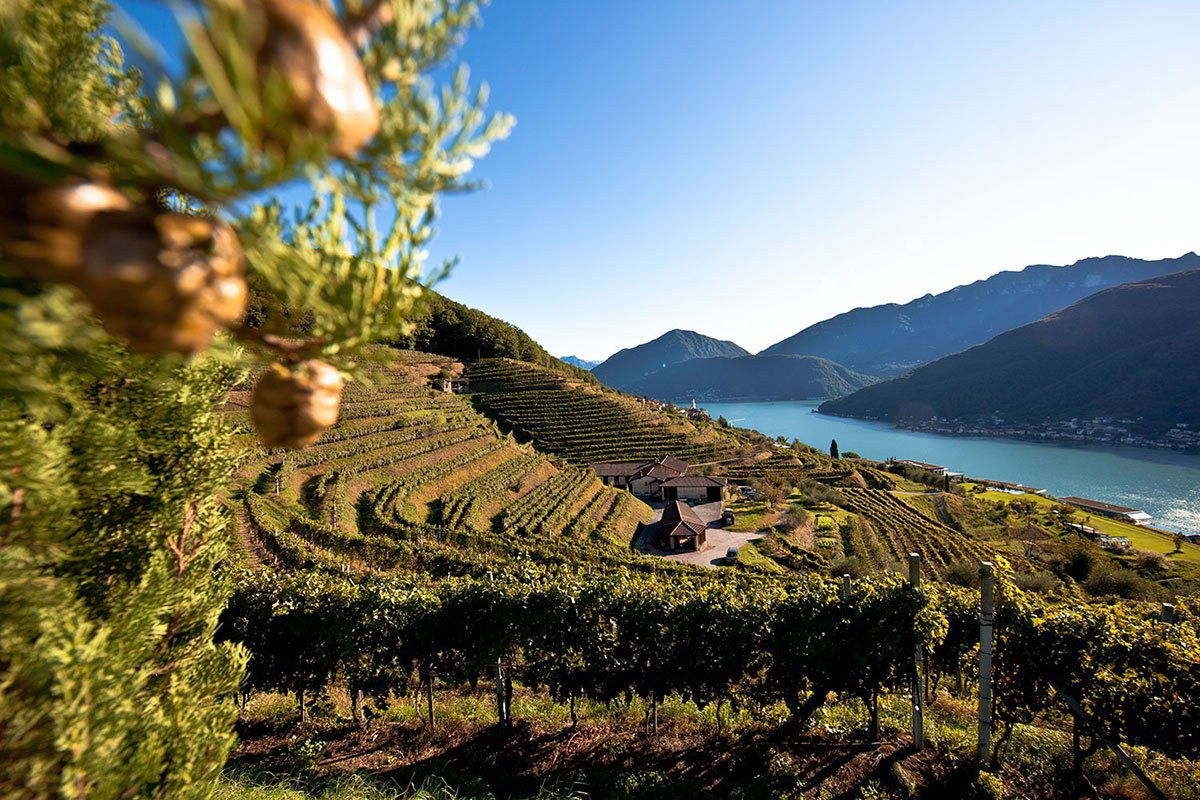
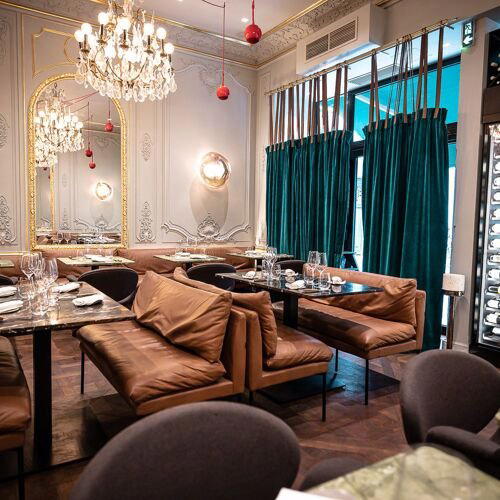 restaurantLa SorgenteA Michelin Plate-recognised restaurant in the car-free village of Vico Morcote, La Sorgente draws its produce directly from its own biodynamic farm, vegetables, olive oil, and wines among them. Meals served beneath a pergola overlooking Lake Lugano sit at a price point well below what the setting and sourcing rigour might suggest. The open ravioli with rabbit ragù is the dish to order.
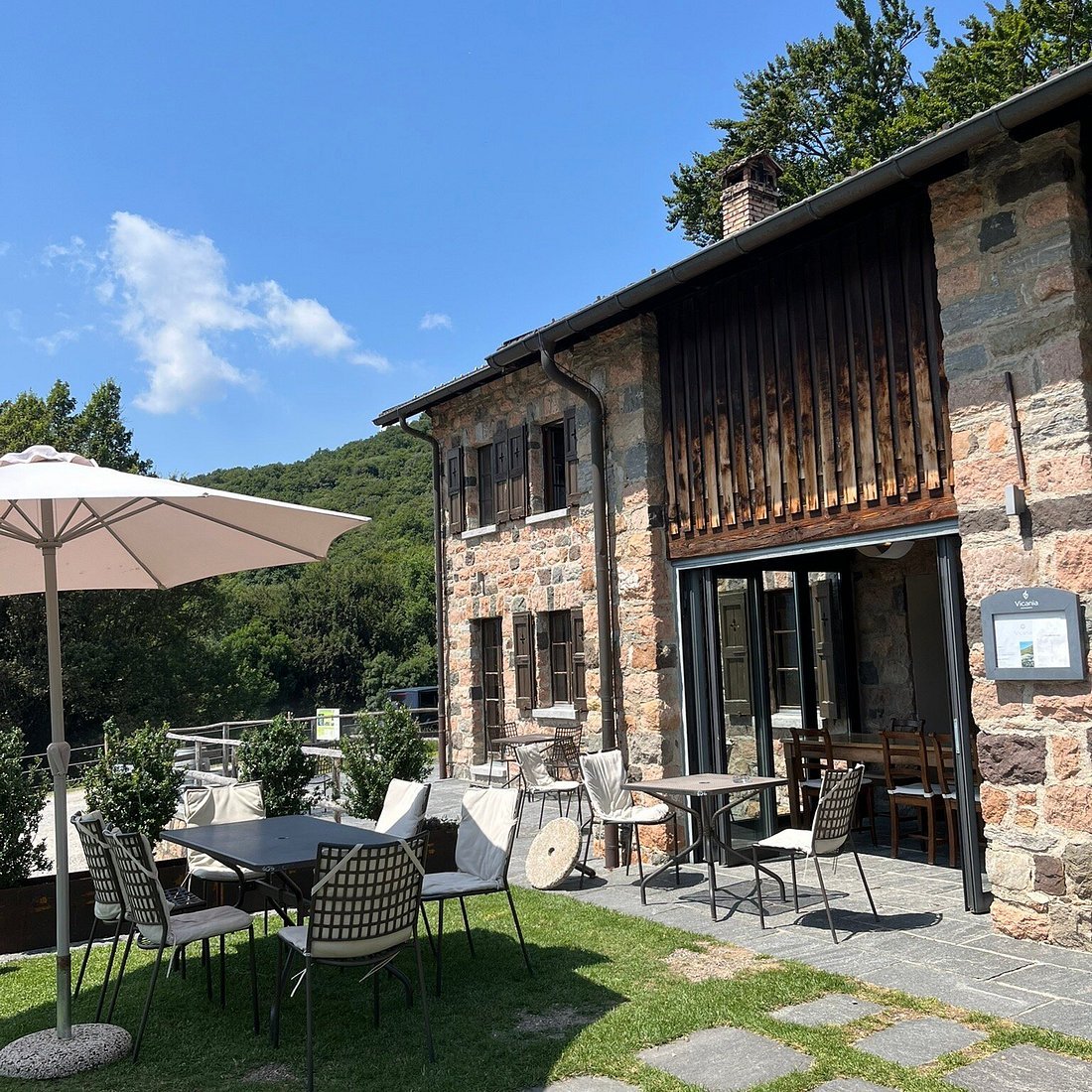
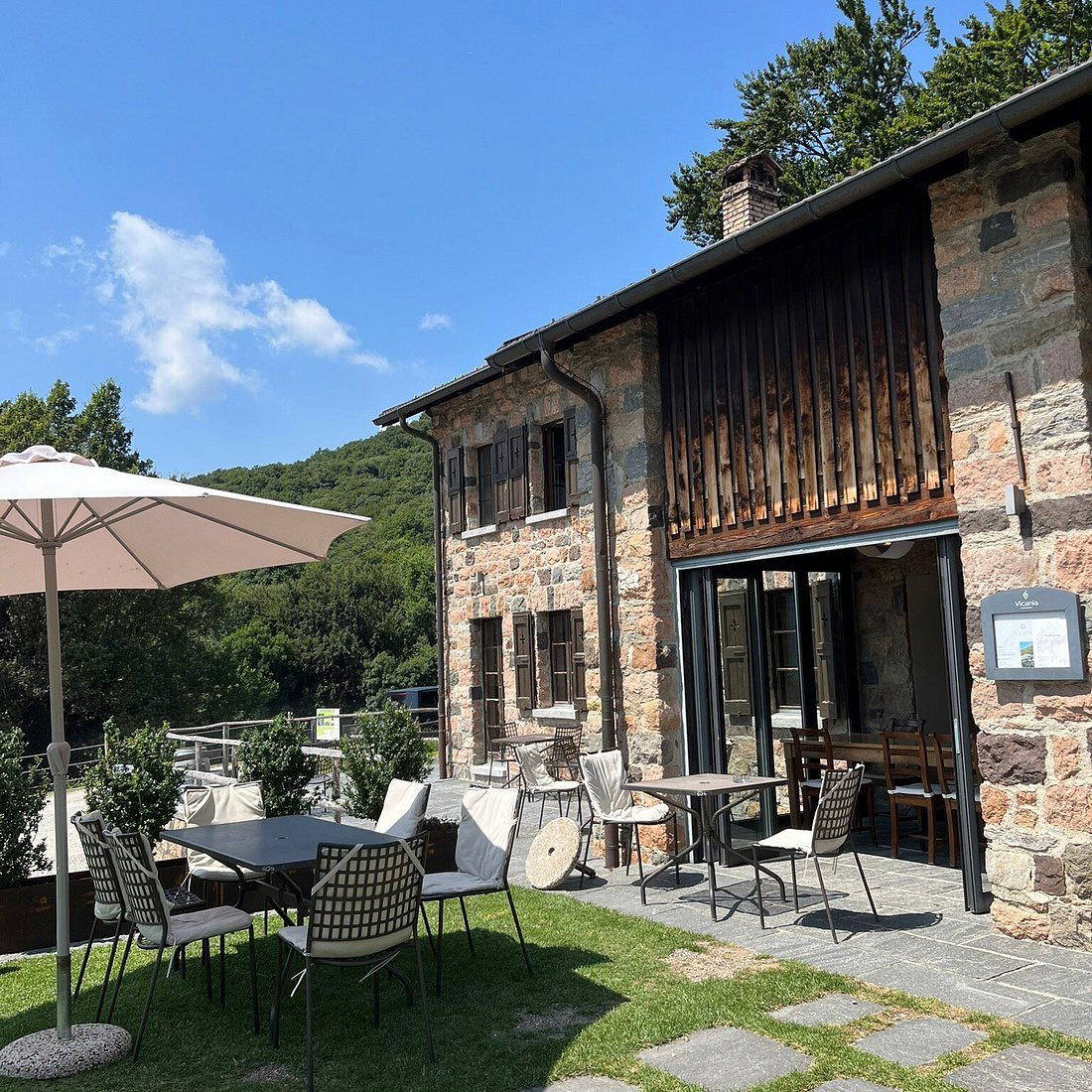 restaurantVicaniaMorcote sits at the southern tip of Lake Lugano, where the Italian-Swiss border has shaped a culinary identity distinct from the rest of Switzerland. Vicania occupies that intersection, drawing on the Ticino region's produce traditions and its position within a village recognized as one of Switzerland's most architecturally preserved lakeside settlements. For travelers moving through the Swiss-Italian corridor, it represents a considered stop in a town that rewards that kind of attention.
Planning details
- Location
- Portich da Sura 18, 6921 Vico Morcote
- Website
- relaiscastellodimorcote.ch
- Phone
- +41 91 980 22 52
The take
The Take
The Vibe
Relais Castello di Morcote reads like a quiet architectural secret: a 17th‑century convent carefully converted into a 12‑room rural retreat where the building itself shapes the guest experience. The write‑up emphasizes Ticino’s Italian soul — stone lanes, terracotta roofs and a cadence of conversation that feels southern European — and the hotel leans into that heritage rather than flashy amenity play. The result is a calm, design‑led refuge that favors intimacy and atmosphere over scale: rooms and common spaces feel rooted in history, composed with restraint, and oriented toward slow, contemplative stays.
Best For
This property suits travelers seeking an intimate, historically rich escape rather than a full‑service resort. It’s ideal for couples on a romantic getaway or honeymoon, design‑minded guests who appreciate thoughtful conversions of old buildings, and anyone who values quiet and scenic character over busy hotel programming. The setting above the lakefront places you in a small Ticinese village with a distinct southern European flavor, so it also appeals to visitors who want a relaxed base for exploring Morcote and the shores of Lake Lugano.
Stay Tips
With only a dozen rooms, availability can be limited; book well in advance, especially for weekends and peak season. The property emphasizes its architecture and low guest count rather than large, on‑site amenities, so temper expectations for big‑scale facilities. Note that the relais sits uphill from the lakefront and village headland, so consider arrival logistics and ask the hotel about transfers or luggage assistance if mobility is a concern. When reserving, mention any preferences for quieter room locations or historic features so the small team can accommodate them where possible.
Venue details
Ambiance
Tranquil and romantic with soundproofed rooms, beautiful lighting in individually decorated spaces featuring worn wood and rich textiles, and a cozy guest lounge.
Tags
Vibe
Best For
Experience
Amenities
View
Accessibility
About the Stay
- Rooms
- 12
- Check-in
- 15:00
- Check-out
- 11:00
- Property Style
- Historic Boutique Relais in a Renovated 17th Century Convent
- Design Style
- Rustic Chic with Modern Designer Touches, Worn Wood, Rich Textiles, and Award Winning Decor
Know before you go
Know Before You Go
- Getting there
- Portich da Sura 18, 6921 Vico Morcote
Planning details
Location
Recognition and awards
Also consider
Also Consider
- THE VIEW Lugano, Notable alternative
- Villa Principe Leopoldo, Notable alternative
- Splendide Royal Lugano, Notable alternative
- LuganoDante Boutique & Lifestyle Hotel, Notable alternative
- Grand Hotel Villa Castagnola, Notable alternative
Hotel context
How It Compares
Relais Castello di Morcote is the stronger pick if Morcote itself is the reason for the trip: quieter, more village-led, and better suited to a celebration stay than a city-base itinerary. THE VIEW Lugano is the better cross-shop for travelers who want a Lugano address with a more resort-like feel, while this hotel makes more sense when ambiance matters more than immediate city access.
Villa Principe Leopoldo, Splendide Royal Lugano, and Grand Hotel Villa Castagnola are safer choices for travelers who want the reassurance of established Lugano luxury hotels. Pick those if service breadth, classic hotel infrastructure, and easier city logistics matter more than the smaller Morcote setting.
LuganoDante Boutique & Lifestyle Hotel is the practical alternative if value, centrality, and ease are higher priorities than romance. Relais Castello di Morcote is the more atmospheric choice; LuganoDante is the cleaner decision for a short stay where the hotel is a base rather than the main event.
Explore Morcote
Around this place
Discover more on Pearl
Unlock the full Relais Castello di Morcote guide in Pearl, including awards, comparisons, FAQs, planning details, and nearby places.
Compare Relais Castello di Morcote
| Venue | Location | Awards |
|---|---|---|
| Relais Castello di Morcote | Morcote | Michelin 1 Key 20252025 Michelin 1 Key |
| THE VIEW Lugano | Lugano | 2026 Forbes 4-Star2025 Michelin 1 Key2025 Forbes RecommendedSmall Luxury Hotels Member 2025 |
| Villa Principe Leopoldo | Lugano | 2026 Virtuoso Luxury Hotel Collection2026 Relais Chateaux Hotels2025 Michelin 2 Keys2025 Relais Chateaux Award2024 Michelin 2 Keys |
| Splendide Royal Lugano | Lugano | 2026 Virtuoso Luxury Hotel CollectionLeading Hotels of the World 20262025 Michelin 1 Key |
| LuganoDante Boutique & Lifestyle Hotel | Lugano | No published awards |
| Grand Hotel Villa Castagnola | Lugano | 2025 Michelin Selected HotelsSmall Luxury Hotels Member 2025 |







How Relais Castello di Morcote compares with similar nearby venues.
FAQ
Frequently Asked Questions
Which room category is best at Relais Castello di Morcote?
How is the location of Relais Castello di Morcote?
Relais Castello di Morcote is in Morcote. If you are deciding between Morcote and Lugano, choose based on which base fits your trip better and verify any transport or access details directly before booking.
Do loyalty programs work at Relais Castello di Morcote?
Details on loyalty-program participation are not available. Relais Castello di Morcote is in Morcote, has a smart casual dress code, and holds a Michelin 1 Key for 2025.
How is the pool and spa at Relais Castello di Morcote?
Information on pool and spa facilities is not provided. If those facilities matter to your stay, check the current offering directly with Relais Castello di Morcote before booking.
When is the best time to book Relais Castello di Morcote?
How does Relais Castello di Morcote compare to nearby hotels?
Relais Castello di Morcote is the Morcote option and has a Michelin 1 Key for 2025. If you prefer a Lugano base, compare it with THE VIEW Lugano, Villa Principe Leopoldo, Splendide Royal Lugano, LuganoDante Boutique & Lifestyle Hotel, or Grand Hotel Villa Castagnola.