
Château d'Artigny
Montbazon
Hotel in Montbazon, France
 Book with Pearl
The Read
Coty-Era Loire Grandeur
Why go
Château d'Artigny is worth considering for a special-occasion Loire Valley stay where the château setting matters as much as the room. The strongest reason to book is the Montbazon address and Gault & Millau Exceptional Hotel recognition; compare room inclusions carefully if dining, spa, or family logistics are the deciding factors.
About Château d'Artigny
Château d'Artigny in Montbazon is a hotel with a smart casual dress code and Gault & Millau Exceptional Hotel recognition for 2025. Check facilities, cuisine, room types, prices, and services directly before booking. Use the Montbazon hotels guide if you need to compare practical details before committing.
A château stay to consider carefully
Book Château d'Artigny if the name and Montbazon location are central to the stay. It may suit a planned hotel booking where the property itself matters more than a purely functional overnight. If the trip depends on a specific amenity, compare current room details and inclusions before booking.
The Gault & Millau Exceptional Hotel recognition for 2025 is a strong quality cue. Treat that as a quality cue for the overall hotel experience rather than a promise about any individual facility. If cuisine, room categories, spa details, or exact rate positioning matter, the safer booking logic is to choose it for Château d'Artigny itself, then confirm live room types, policies, and inclusions before booking.
Who should book, and who should cross-shop
Travelers considering a Montbazon hotel with Gault & Millau recognition may find Château d'Artigny a strong candidate. The smart casual dress code also points to a stay where guests should plan for polished, but not overly formal, presentation. Families, business travelers, and practical stopover guests should confirm the room setup, services, and inclusions directly before treating it as the default choice.
If the trip needs dining and other plans layered around the hotel, start with the Montbazon restaurants guide and other Montbazon planning resources. Château d'Artigny makes the most sense when its Montbazon location and hotel recognition match the kind of stay you want, rather than when specific amenities are the deciding factor.
Quick reference: choose Château d'Artigny for a Montbazon hotel stay with Gault & Millau Exceptional Hotel recognition; cross-shop if exact dining, wellness, family setup, or rate inclusions will decide the booking.
Planning details
- Location
- Château d'Artigny, 92 Rue de Monts, 37250 Montbazon
- Website
- chateauartigny.com
- Phone
- +33 2 47 34 30 30
The take
The Take
The Vibe
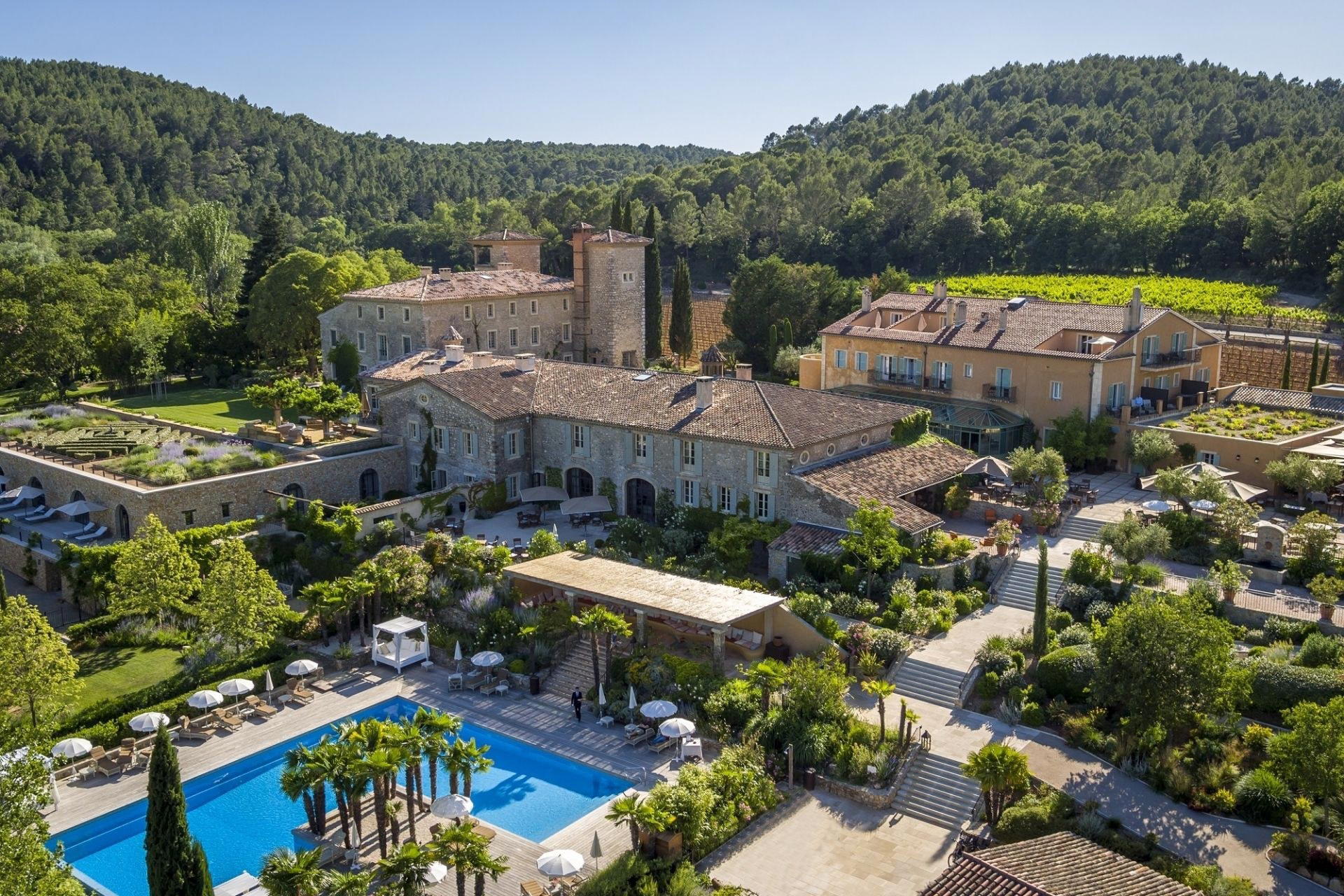
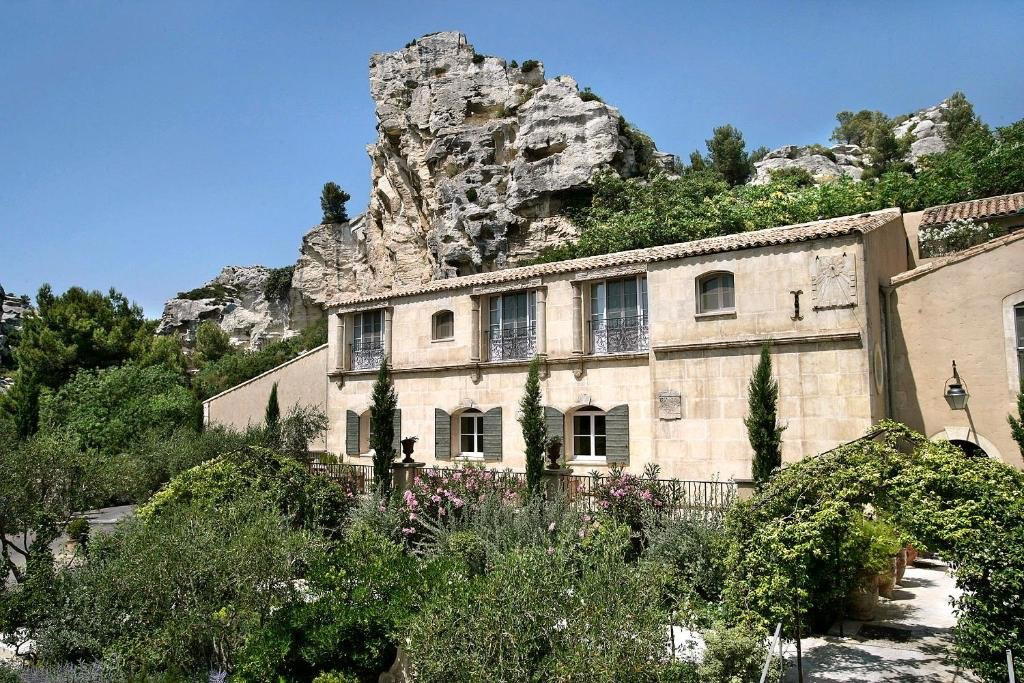
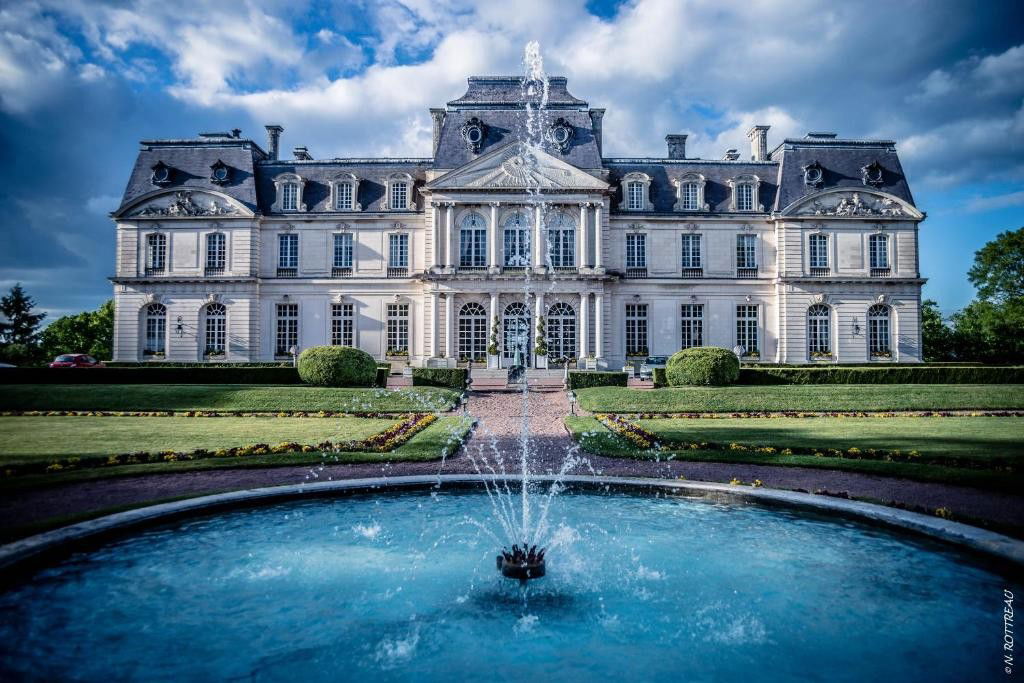
Château d'Artigny presents itself as a purpose-built grand château rather than a patched-together conversion. Its early twentieth-century classical French architecture — colonnaded stone facades, a formal forecourt and steeply pitched roofs — is the property’s organizing idea. Interiors are generous and ceremonial, with high ceilings and tall windows that frame the Indre valley and the formal gardens. Approaching along the estate drive feels deliberately theatrical: you arrive at an edifice designed to be seen. The overall effect is stately and composed, suited to guests who appreciate architecture and the disciplined geometry of traditional French estate planning.
Best For
This is a hotel for travelers who value architecture and formal ceremony as much as comfort. The property’s scale and design make it especially well suited to private events and ceremonies, and its place in the Loire’s upper tier of château-hotels makes it a logical choice for special occasions and celebration stays. Guests seeking scenic garden and valley views—rooms with tall windows face those landscapes—find the setting especially rewarding. Award recognition signals a high standard of presentation that complements anniversary, honeymoon and other milestone visits.
Stay Tips
If you are planning a ceremony or private reception, mention events when you inquire: the château was intentionally scaled for reception and ceremony and is organized to move guests through the building. When reserving accommodation, request a room oriented toward the valley or formal gardens to maximize the framed views through the tall windows. For special events, contact the hotel’s events team directly to discuss how the property’s formal spaces and grounds can be configured for your needs.
Venue details
Ambiance
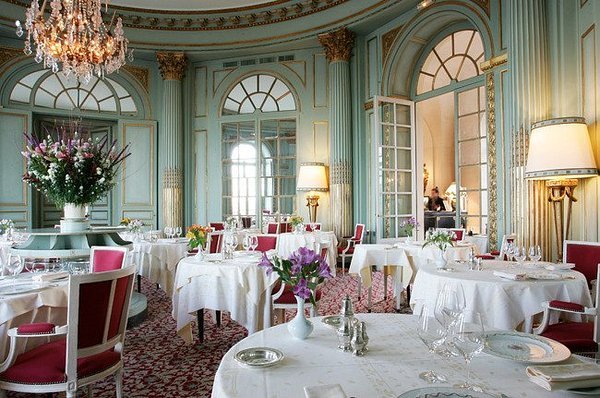
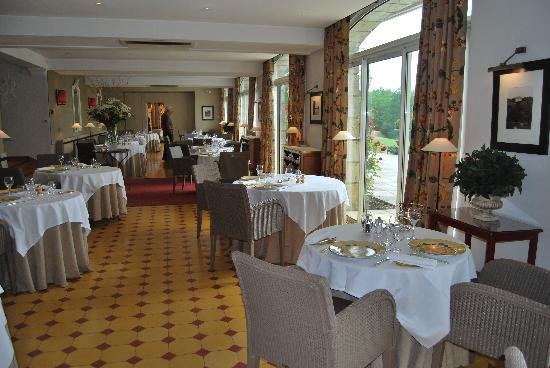
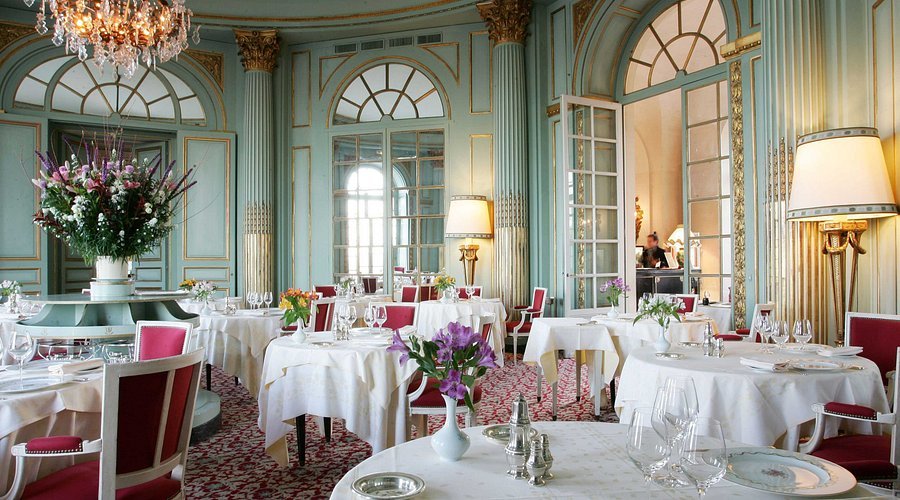
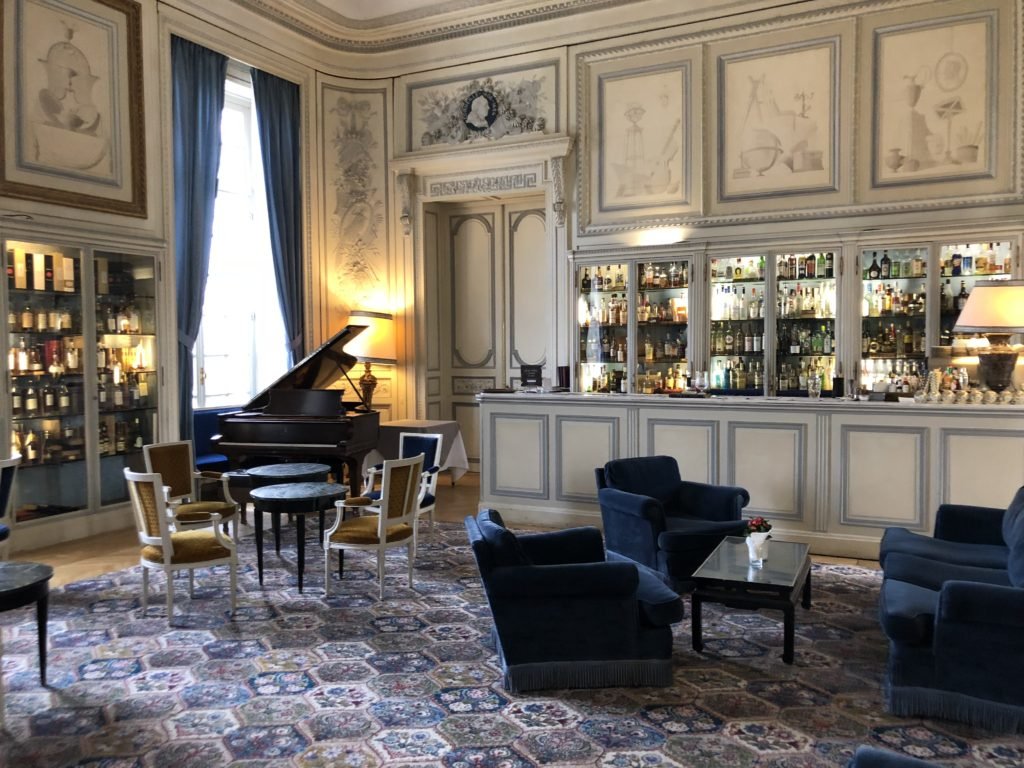
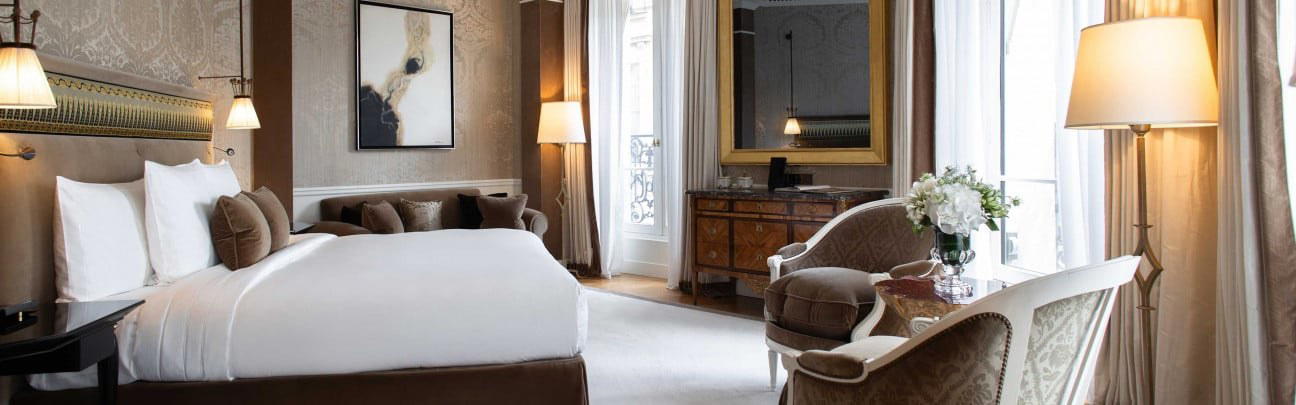
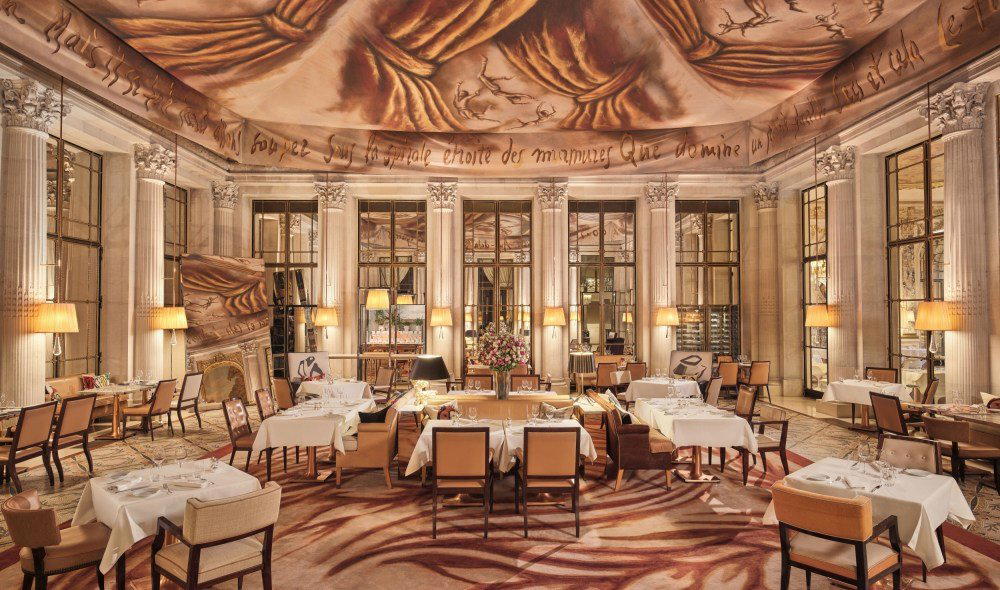
Refined and enchanting atmosphere with elegant lighting, marble decor, wood paneling, and trompe-l'œil frescoes in a luxurious, historic setting.
Tags
Vibe
Best For
Experience
Amenities
View
Accessibility
About the Stay
- Rooms
- 50
- Check-in
- 15:00
- Check-out
- 12:00
- Property Type
- Heritage hotel
- Property Style
- Belle Époque Château in Classic 18th Century French Style with Formal Symmetry and Grandeur.
- Design Style
- Opulent Baroque Inspired with Marble, Woodwork, Frescoes, and Trompe L'œil Paintings.
- Pool
- Yes
- Spa
- Yes
- Pets
- Allowed
- Families
- Welcome
Know before you go
Know Before You Go
- Getting there
- Château d'Artigny, 92 Rue de Monts, 37250 Montbazon
Planning details
Location
Recognition and awards

Also consider
Also Consider
- Loire Valley Lodges, Notable alternative
- LABE, Notable alternative
- Les Hautes Roches, Notable alternative
- Au Charme Rabelaisien, Notable alternative
- Château Louise de La Vallière, Notable alternative
Hotel context
How it compares for a Loire Valley stay
Château d'Artigny is the safer choice if the trip needs a formal château setting near Montbazon and a stronger occasion feel than a simple overnight base. Loire Valley Lodges is the better cross-shop for travelers who want a more nature-led stay, while Les Hautes Roches is the more relevant alternative if the setting and sense of place matter more than a classic château mood.
LABE and Au Charme Rabelaisien make more sense for readers prioritizing smaller-scale hospitality or easier value checks. Château d'Artigny is the one to favor when the address should feel like part of the celebration, not just a base for the Loire Valley.
If the budget allows a more overtly grand country-house stay, compare it directly with Château Louise de La Vallière. For booking ease, check all five side by side before locking dates; the better pick will come down to whether the trip needs château formality, nature, dining access, or a quieter small-hotel scale.
Explore Montbazon
Around this place
Discover more on Pearl
Unlock the full Château d'Artigny guide in Pearl, including awards, comparisons, FAQs, planning details, and nearby places.
Compare Château d'Artigny
| Venue | Location | Awards |
|---|---|---|
| Château d'Artigny | Montbazon | 2025 Gault & Millau Exceptional Hotel |
| Loire Valley Lodges | Esvres-sur-Indre | 2026 Mr & Mrs Smith Luxury Hotels2026 Michelin 1 Key2025 Michelin 1 Key2024 Michelin 1 Key |
| LABE | Tours | No published awards |
| Les Hautes Roches | Rochecorbon | 2025 Michelin Selected Hotels2025 Relais Chateaux Award |
| Au Charme Rabelaisien | Amboise | No published awards |
| Château Louise de La Vallière | Reugny | 2026 Virtuoso Luxury Hotel Collection2026 Relais Chateaux Hotels2026 Michelin 1 Key2025 Michelin Selected Hotels2025 Gault & Millau Exceptional Hotel2025 Relais Chateaux Award |





How Château d'Artigny Montbazon compares with similar nearby venues.
FAQ
Frequently Asked Questions
How is the pool and spa at Château d'Artigny?
Do loyalty programs work at Château d'Artigny?
If loyalty-program benefits matter, check booking terms directly before choosing Château d'Artigny. A key quality cue is the Gault & Millau Exceptional Hotel recognition for 2025.
When is the best time to book Château d'Artigny?
If the stay is tied to a fixed travel date in Montbazon, compare live availability and cancellation terms before booking.
How is the dining at Château d'Artigny?
Château d'Artigny's recognition is for the hotel, so guests choosing it for food should check current dining options directly and compare other Montbazon dining separately.
Is Château d'Artigny family-friendly?
How does Château d'Artigny compare to nearby hotels?
Choose Château d'Artigny if you want a Montbazon hotel with Gault & Millau Exceptional Hotel recognition and a smart casual dress code. For alternatives, compare it with Château Louise de La Vallière, Les Hautes Roches, Au Charme Rabelaisien, Loire Valley Lodges, and LABE based on current availability, setting, and inclusions.
Which room category is best at Château d'Artigny?
Pick a category only after checking current room descriptions, inclusions, and policies for Château d'Artigny in Montbazon.