
Il Melograno
Monopoli
Hotel in Monopoli, Italy
 Book with Pearl
The Read
Whitewashed Masseria Living
Why go
Il Melograno is the calmer Monopoli choice for a celebration or business stay outside the busiest old-town flow. Its 2025 Small Luxury Hotels of the World membership gives it a useful quality signal, but choose it for privacy and a retreat feel rather than guaranteed sea-edge convenience or a data-led spa program.
About Il Melograno
Il Melograno is a Monopoli venue with one clear quality signal: it is listed as a Small Luxury Hotels of the World member for 2025. Beyond that, details are limited, so consider it when you want Il Melograno specifically, and avoid relying on assumptions about facilities, dining, pricing, room types, or location details beyond Monopoli.
For planning, compare it with other named options only at a high level. Don Ferrante, La Peschiera, Grotta Palazzese, Masseria Almadava, and Masseria Le Torri may all appear in the same broader trip-planning conversation, but Il Melograno should be judged on its details rather than on presumed amenities or service style.
Choose it for a Monopoli stay with an SLH signal
The strongest point is Il Melograno's Small Luxury Hotels of the World membership for 2025. That is a useful marker for travelers who prefer a recognized hotel collection when choosing where to stay in Monopoli.
Specific room categories, facilities, menus, prices, opening hours, or booking difficulty are not provided. If those details matter to the trip, confirm them directly with the venue before booking. If the trip is mainly about dining around the city, use Our full Monopoli restaurants guide to plan meals separately.
Wellness angle: do not book on facility claims
Do not treat Il Melograno as a spa-led or pool-led choice. The SLH membership supports a general premium-hotel signal, but it does not specify a wellness program, treatment menu, or facilities list.
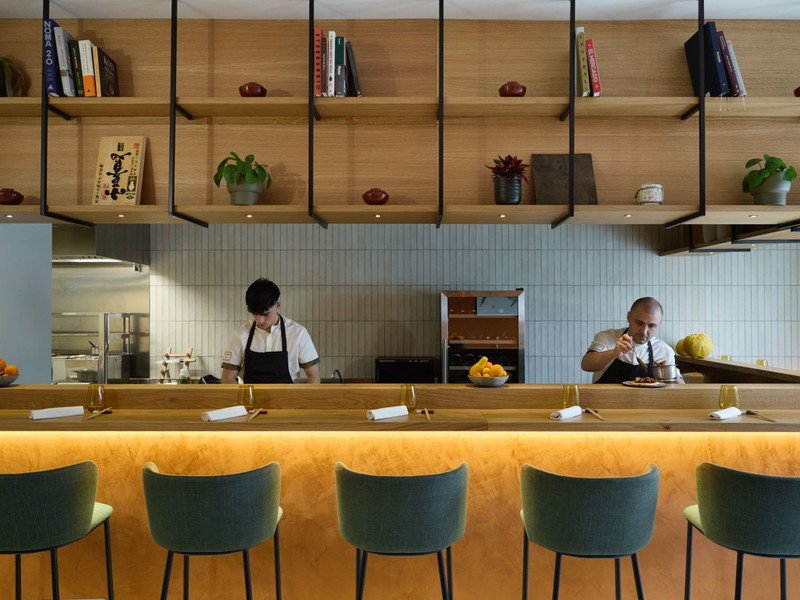
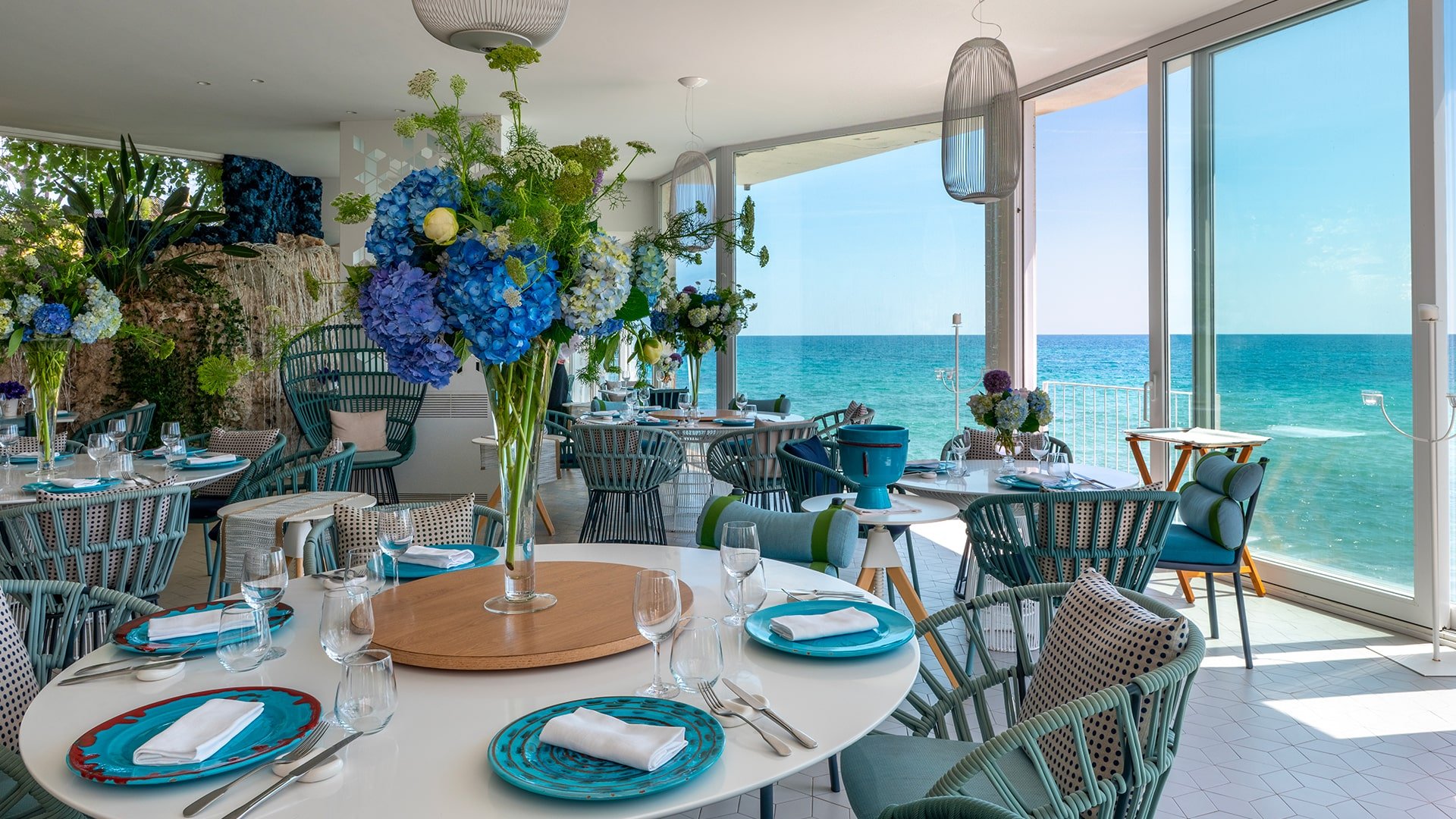
Dining should be treated the same way. Specific cuisine, menu format, chef, price point, or service schedule are not provided. If dining is central to the stay, check the venue's official channels and build the rest of the itinerary through other Monopoli dining options.
Know Before You Go
- Location: Monopoli.
- Recognition: Small Luxury Hotels of the World member, 2025.
- Dress code: Smart casual.
- Confirm before booking: room categories, facilities, dining details, prices, and current availability.
Planning details
- Location
- Contrada Torricella, 345, 70043 Monopoli BA
- Website
- melograno.com
- Phone
- +39 080 690 9030
The take
The Take
The Vibe
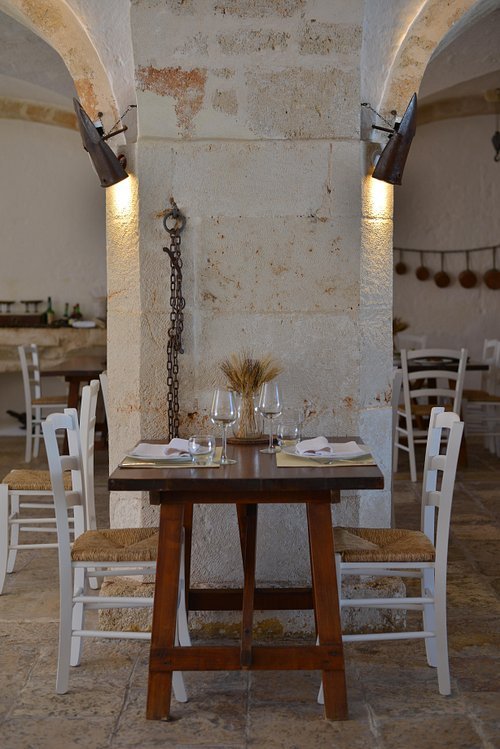
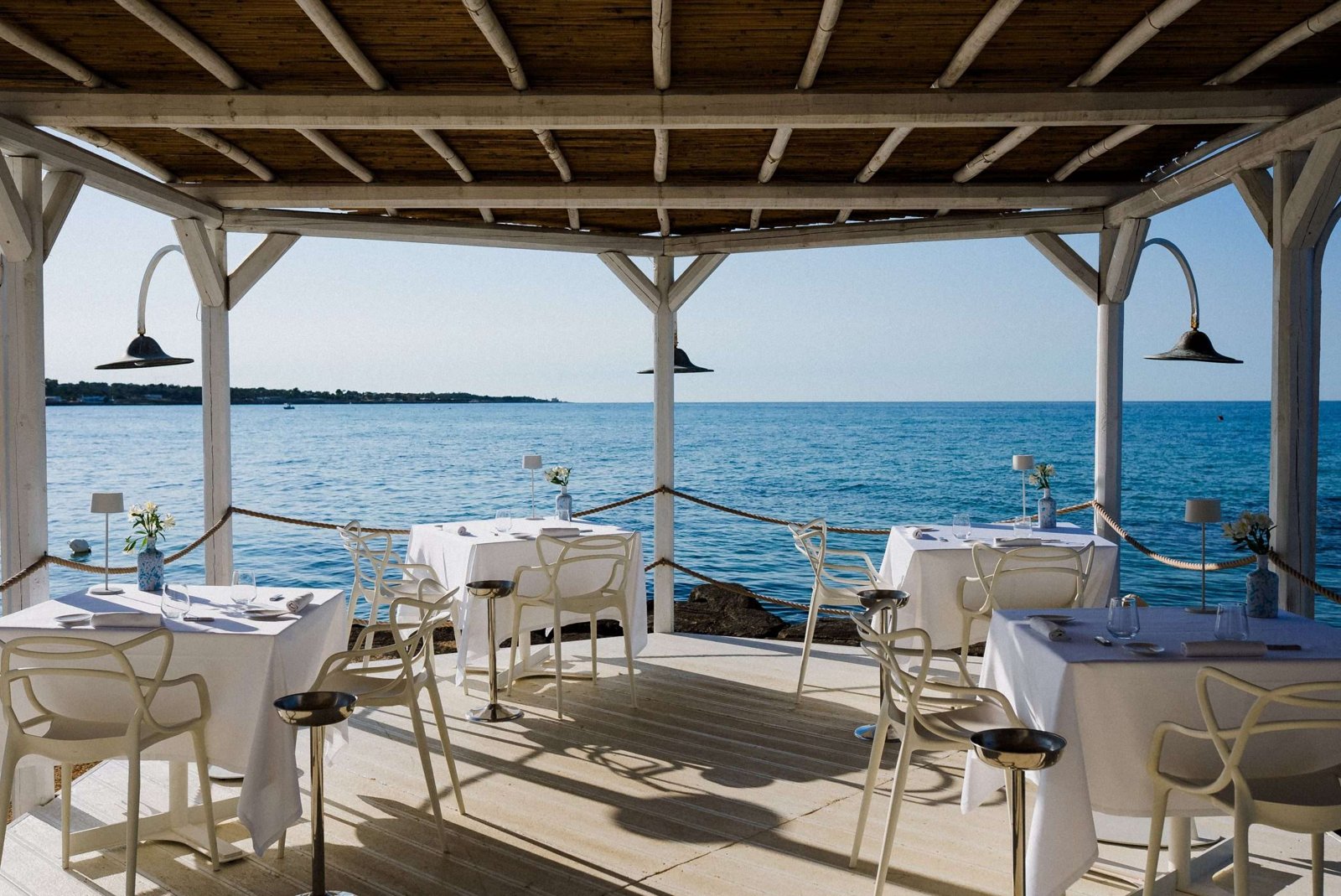
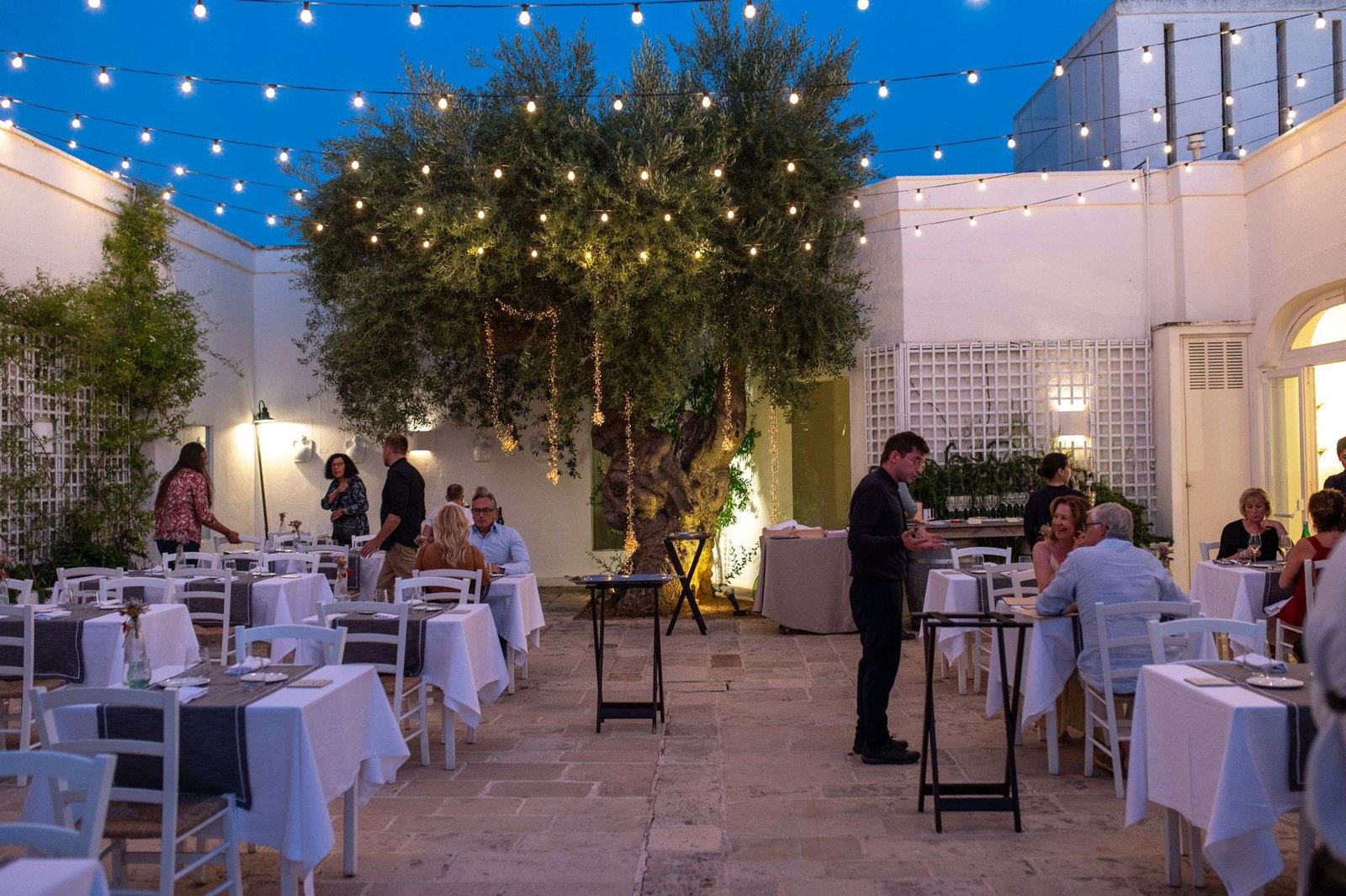
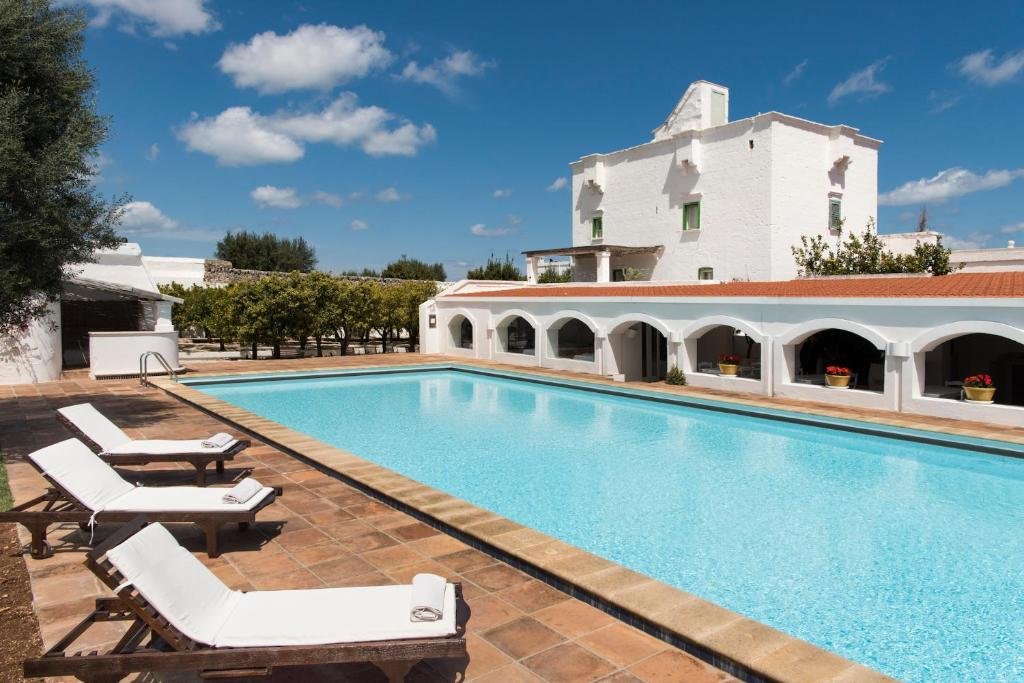
Il Melograno reads like an argument for the masseria as architectural object: stone walls, climbing vines and centuries-old olive trees take precedence over staged design. The conversion treats what the building already communicates as the main attraction, so outdoor stone courtyards furnished with antique seating form a sequence of independent rooms. The effect is quietly powerful and deliberately restrained — not a resort bolted onto history but a place where rustic materiality and botanical layering feel accrued over time. Guests encounter a serene, historic property that privileges atmosphere, landscape and the slow presence of olive trees.
Best For
This is a stay for travelers who prize architectural authenticity and quiet, restorative time in the Puglian countryside. Positioned outside Monopoli along the Contrada Torricella, the property appeals to visitors who prefer an intimate masseria over large-scale resorts and who want to be surrounded by olive groves, climbing vines and layered outdoor courtyards. It suits couples and solo travelers seeking a calm, design-focused escape and anyone drawn to historic agrarian landscapes rather than high‑scale amenities.
Stay Tips
Prioritize rooms and moments that engage with the outdoor courtyards and gardens: the property repeatedly highlights stone courtyards, antique seating and botanical layering as primary features. Plan time to wander the estate grounds and sit in the outdoor rooms, since much of the experience is garden- and courtyard‑based rather than built around large indoor public spaces. Keep expectations aligned with a smaller, architecture-forward masseria rather than a full-scale resort with extensive additions.
Venue details
Ambiance
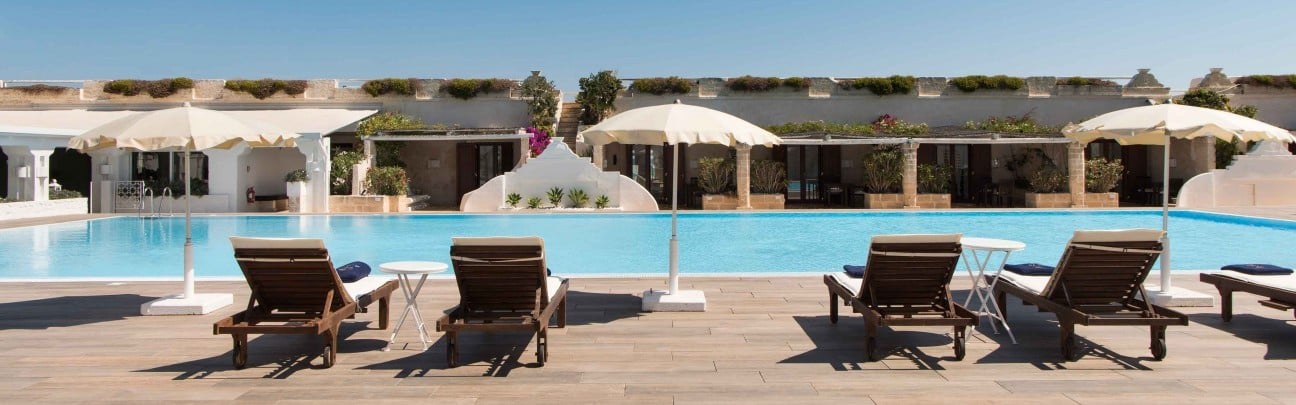
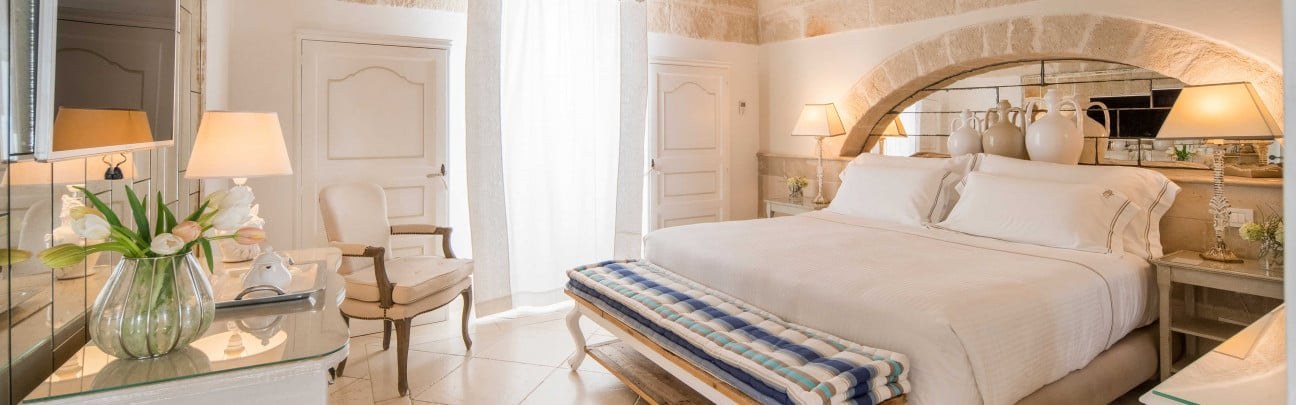
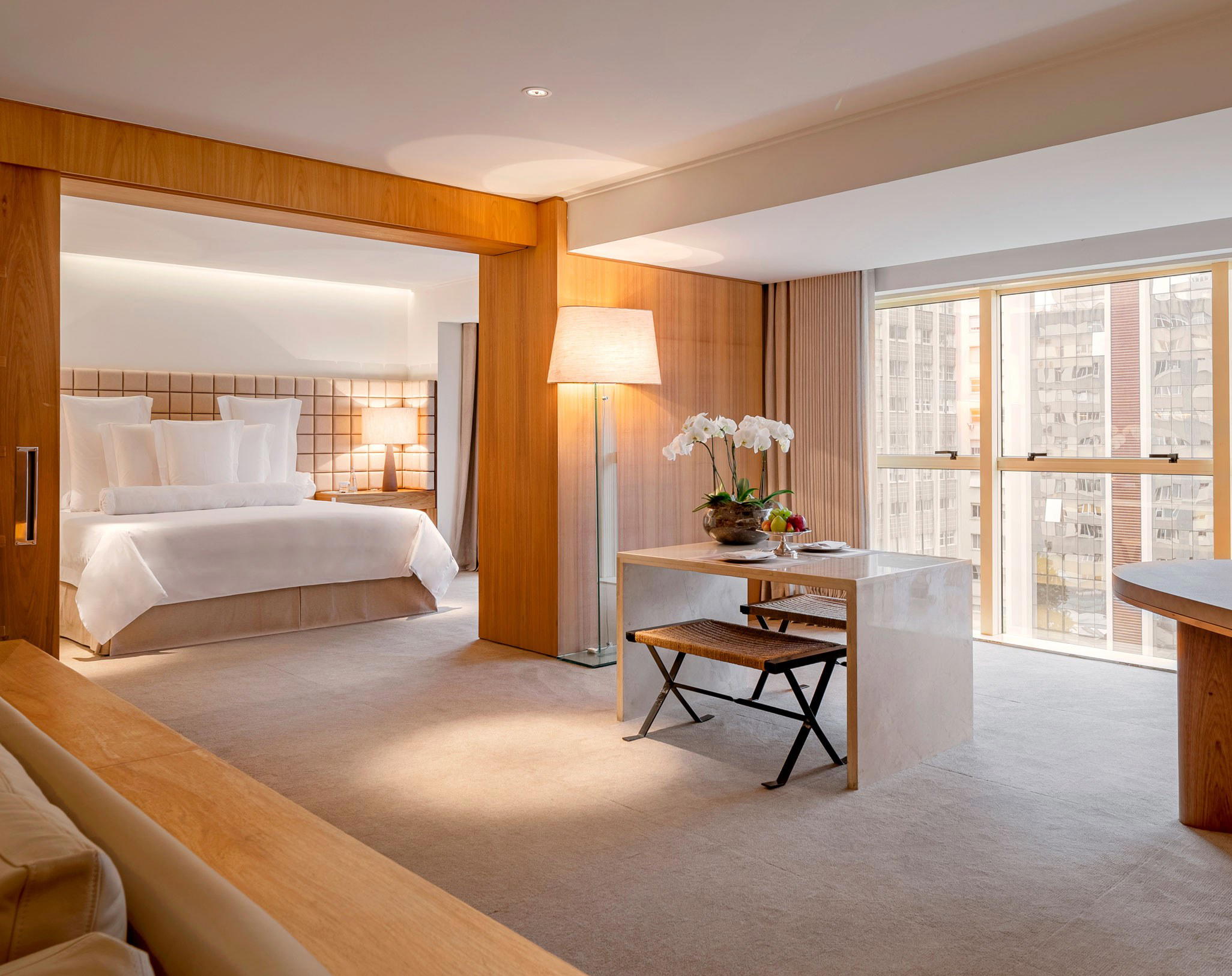
Tranquil and peaceful atmosphere surrounded by olive groves, with spacious soundproofed rooms and a relaxing spa and pool setting praised for its serene environment.
Tags
Vibe
Best For
Experience
Amenities
View
Accessibility
About the Stay
- Rooms
- 40
- Check-in
- 15:00
- Check-out
- 12:00
- Property Type
- Heritage hotel
- Property Style
- Renovated 17th Century Apulian Masseria with Moorish Outbuildings Amid Olive Groves
- Design Style
- Timeless Elegant with Individually Furnished Rooms
- Breakfast
- Included
- Airport Transfer
- Available
- Pool
- Yes
- Spa
- Yes
- Pets
- Allowed
- Families
- Welcome
Know before you go
Know Before You Go
- Getting there
- Contrada Torricella, 345, 70043 Monopoli BA
Planning details
Location
Recognition and awards

Also consider
Cross-shop if this is not the right fit
If central Monopoli matters more than quiet, cross-shop Don Ferrante. If the trip needs a stronger coastal feel, cross-shop La Peschiera.
For travelers widening the search beyond Monopoli, consider 1477 Reichhalter in Lana, A.D. 1768 Boutique Hotel in Ragusa Ibla, Adler Historic Guesthouse in Brixen, Aethos Monterosa in Champoluc, Aethos Saragano in Saragano, and Agritur La Dolce Mela in Vallelaghi for different versions of small-property Italy.
Outside Italy, reference points include !Xaus Lodge in Dawid Kruiper.Here Baa Atoll Maldives in Baa Atoll, and "Róże i Zen" Apartamenty. Pokoje Gościnne in Torun.
Hotel context
How It Compares
Choose Il Melograno over Don Ferrante if the trip calls for a quieter countryside-style base and easier logistics around availability. Don Ferrante is the sharper pick for travelers who want central Monopoli atmosphere and short walks; Il Melograno is better for couples or business travelers who prefer separation from the evening crowd.
La Peschiera is the more obvious call when water-facing ambiance is the main reason for booking. Il Melograno makes more sense when the stay is about privacy and a slower setting. Against Masseria Almadava and Masseria Le Torri, the decision is about confidence: Il Melograno has the clearer recent luxury-hotel signal through its 2025 Small Luxury Hotels of the World membership.
Grotta Palazzese is the more dramatic special-occasion play, especially for travelers prioritizing setting over calm. Il Melograno is the less theatrical but more relaxed choice, and likely easier to fit into a Monopoli itinerary when the goal is a polished base rather than a single scene-driven moment.
Explore Monopoli
Around this place
Discover more on Pearl
Unlock the full Il Melograno guide in Pearl, including awards, comparisons, FAQs, planning details, and nearby places.
Compare Il Melograno
| Venue | Location | Awards |
|---|---|---|
| Il Melograno | Monopoli | Small Luxury Hotels Member 2025 |
| Don Ferrante | Monopoli | No published awards |
| La Peschiera | Monopoli | 2026 Mr & Mrs Smith Luxury HotelsSmall Luxury Hotels Member 2025 |
| Masseria Almadava | Polignano a Mare | No published awards |
| Grotta Palazzese | Polignano | No published awards |
| Masseria Le Torri | Polignano a Mare | No published awards |
How Il Melograno Monopoli compares with similar nearby venues.
FAQ
Frequently Asked Questions
Is Il Melograno good for business travel?
It may suit travelers considering a premium stay in Monopoli, but specific business-travel facilities are not detailed. Its quality signal is Small Luxury Hotels of the World membership for 2025. Confirm practical needs directly with the venue before booking.
When is the best time to book Il Melograno?
Booking timing and availability patterns are not provided. If your dates are important, contact the venue or booking channel directly and confirm current availability for Monopoli.