

Kinsterna Hotel
Agios Stefanos, Monemvasía
Hotel in Monemvasía, Greece
 Book with Pearl
Why go
Kinsterna Hotel is worth booking if the Monemvasía trip is about a retreat-style stay rather than constant access to the old town. Its MICHELIN Guide Hotels 2 Keys recognition and Virtuoso Luxury Hotel Partner status make it a stronger fit for travelers who value hotel credentials, potential upgrade strategy, and a slower Peloponnese base.
About Kinsterna Hotel
Kinsterna Hotel is a Monemvasía hotel with two clear luxury signals: MICHELIN Guide Hotels 2 Keys for 2025 and Virtuoso Luxury Hotel Partner status for 2026. Those recognitions are the strongest reasons to put it on a shortlist for a premium stay in Monemvasía.
Before booking, check the hotel directly for current rates, inclusions, room details, facilities, dining arrangements, and any booking-channel benefits. The dress code is smart casual.
Book for recognition, then check the stay details
The clearest case for Kinsterna Hotel is its external hotel recognition. MICHELIN's 2025 Hotels 2 Keys places it among hotels singled out by the guide, and its 2026 Virtuoso Luxury Hotel Partner status is another marker for travelers comparing premium hotels.
The timing decision should be based on your travel plans
If your Monemvasía dates are fixed, check availability and booking terms early rather than relying on assumptions about seasonality, demand, or room categories. The hotel's premium positioning is supported by its MICHELIN and Virtuoso recognition, while pricing and availability should be checked directly for your dates.
For a wider premium-hotel comparison, you can also look at Amanzoe, 100 Rizes Seaside Resort, KaSeas Boutique Hotel, Euphoria Retreat, or Poseidonion Grand Hotel Spetses. Compare them by location, inclusions, booking terms, and the kind of trip you are planning.
Planning details
- Location
- Agios Stefanos
- Website
- kinsternahotel.gr
- Phone
- +30 27320-66300
The take
The Take
The Vibe
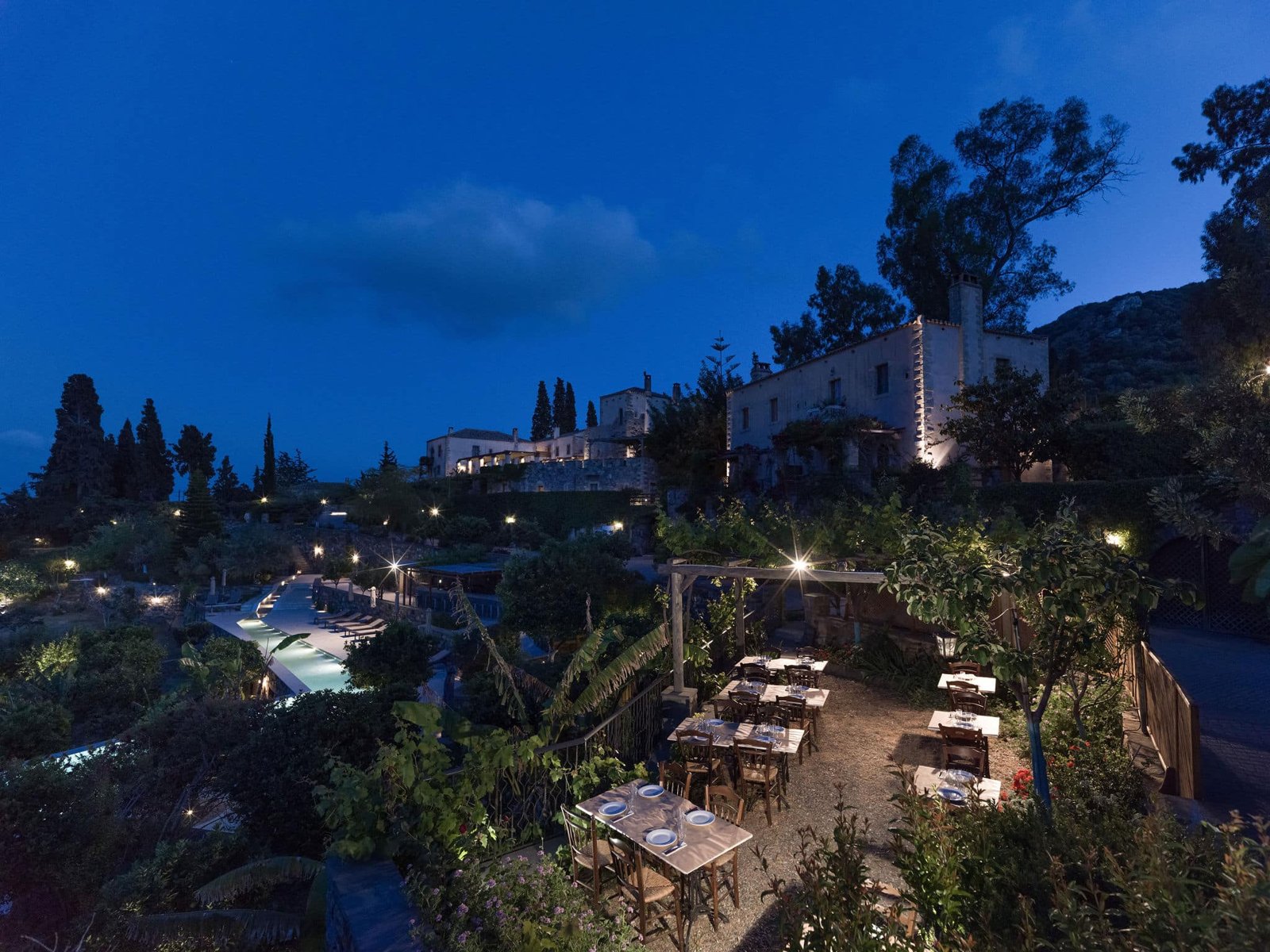
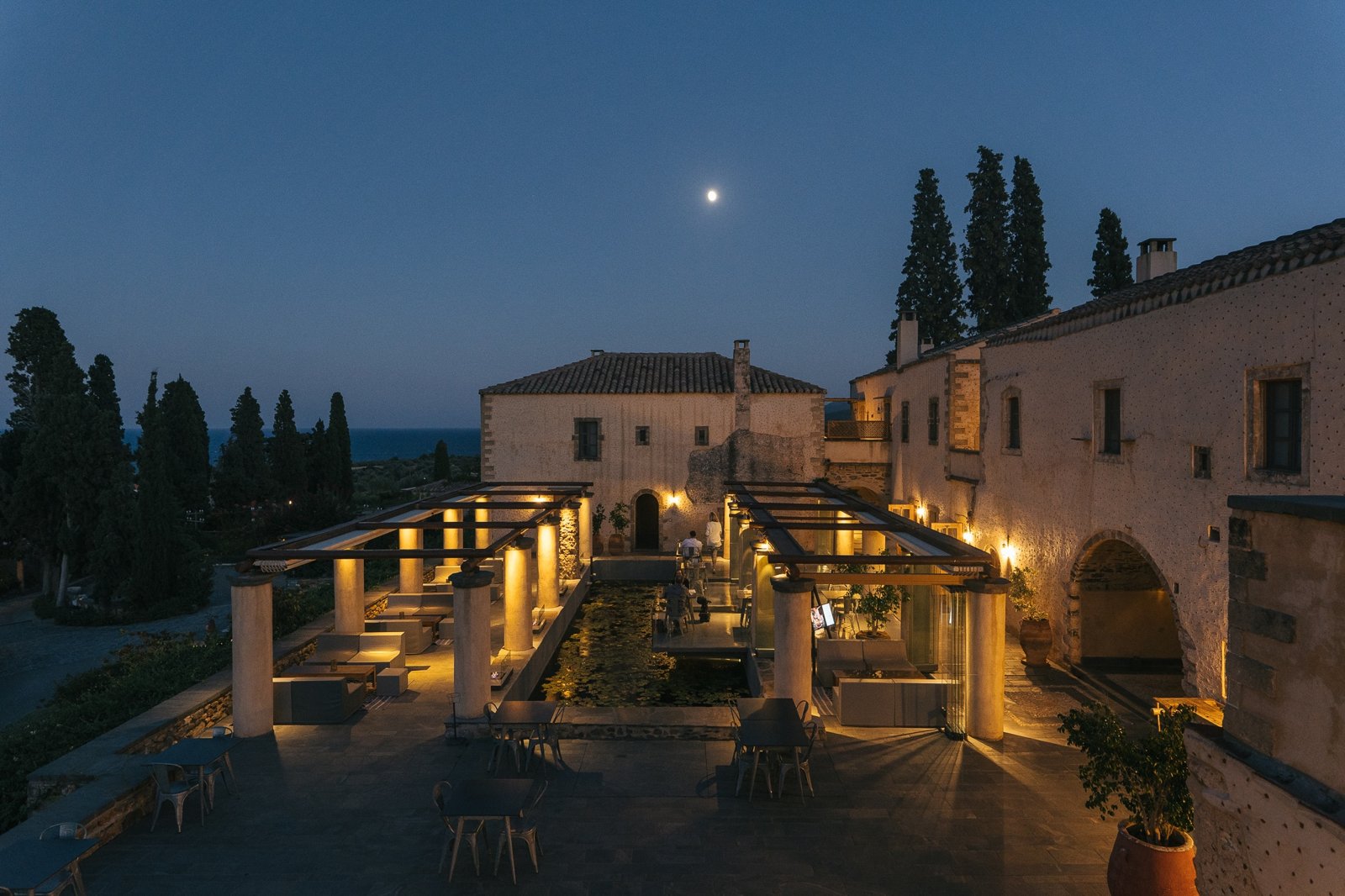
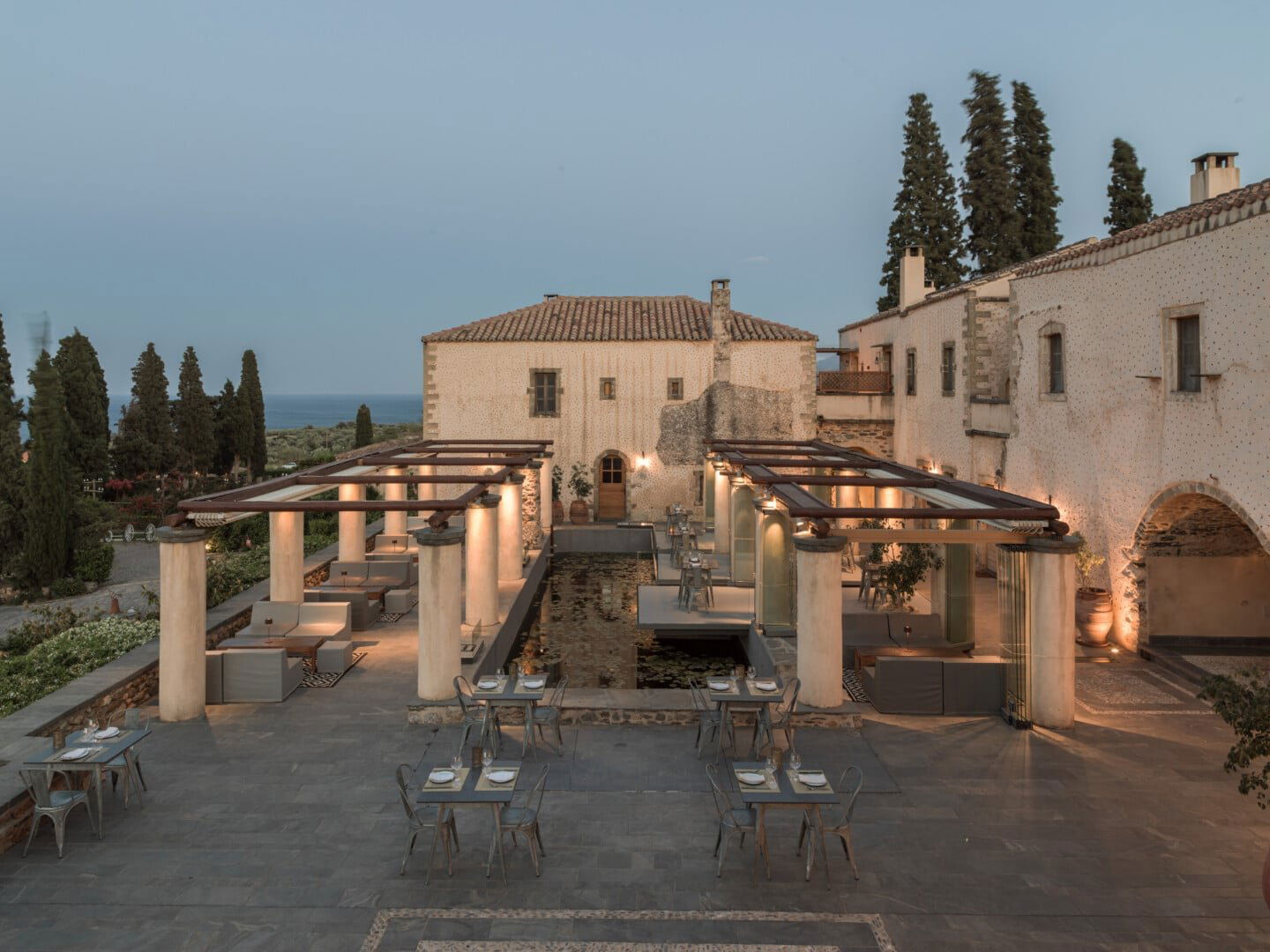
Kinsterna presents as an honest, time-worn estate where medieval stonework and vaulted interiors remain legible beneath careful restoration. The hotel emphasizes fabric and place over theatrical design, so the atmosphere feels grounded and quietly storied rather than slick. Across working vineyards and olive groves the property foregrounds agricultural life; that practical, lived-in character makes the setting feel rustic and calm, with classical architectural bones that read as both resilient and charming. The overall effect is a serene, heritage-forward retreat that privileges authenticity and contemplative pace.
Best For
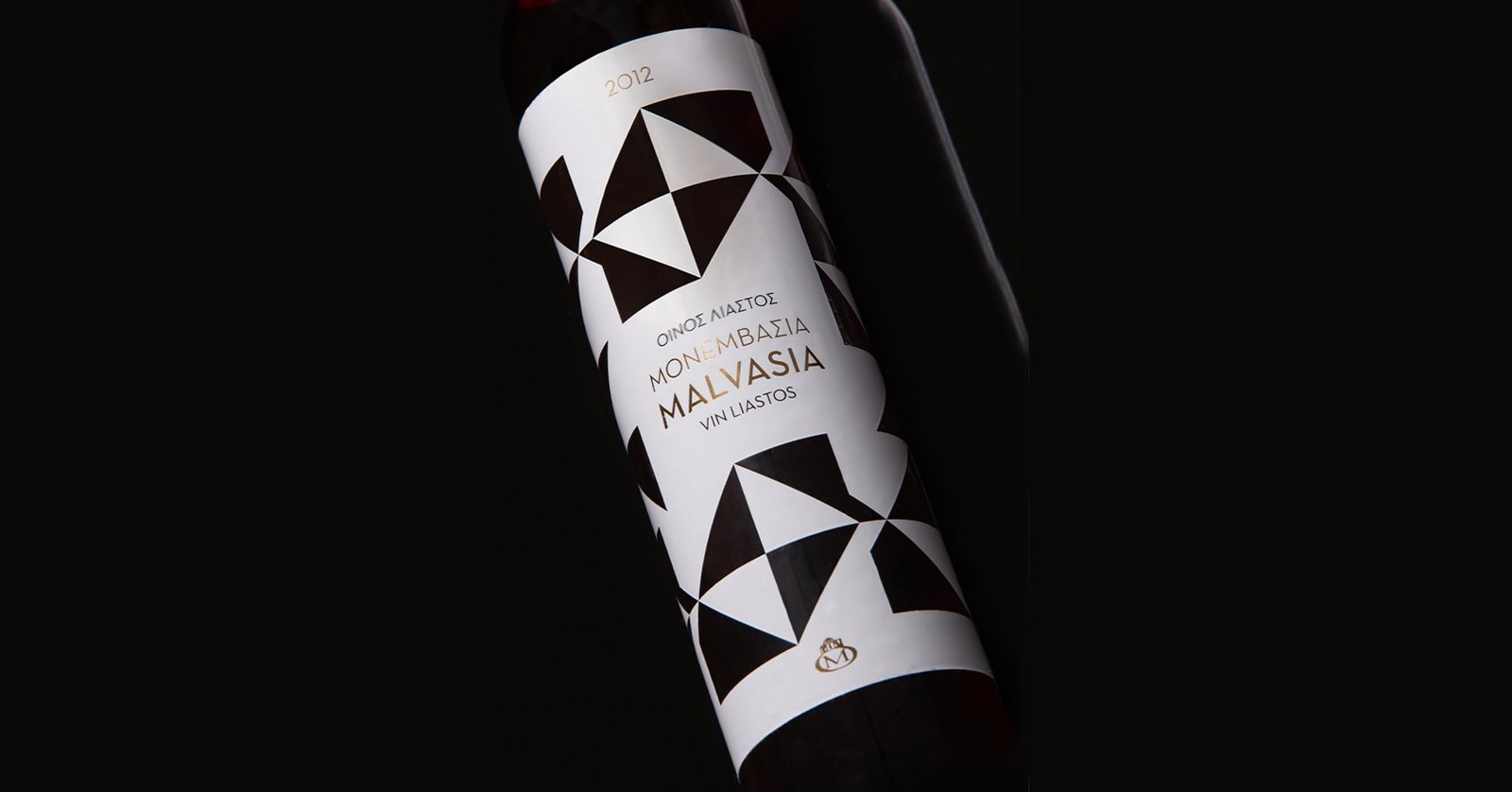
Kinsterna suits travelers who prize history, craftsmanship and immersive agricultural experiences. Couples seeking a romantic, low-key escape find the preserved Byzantine architecture and five-star hospitality especially appealing, while guests interested in hands-on food and wine moments can join harvest and production activities on the estate. The property also works well for anyone wanting a restorative, slow-paced stay—those looking for authenticity rather than resort spectacle—making it a natural choice for anniversaries, honeymoons or multi-day cultural getaways in the Peloponnese.
Stay Tips
Plan ahead for estate activities: harvest participation, bread-making workshops and other hands-on programs are offered by the property, so contact the hotel in advance to confirm availability and sign up. Because many experiences are seasonal and capacity may be limited, booking activities and any guided estate tours alongside your room reservation helps secure spots. Expect a working-rural setting—comfortable shoes and practical daywear are sensible for vineyard and olive-grove activities. Check with the hotel concierge about transfer logistics from Agios Stefanos if you need assistance arranging arrival and departure.
Venue details
Ambiance
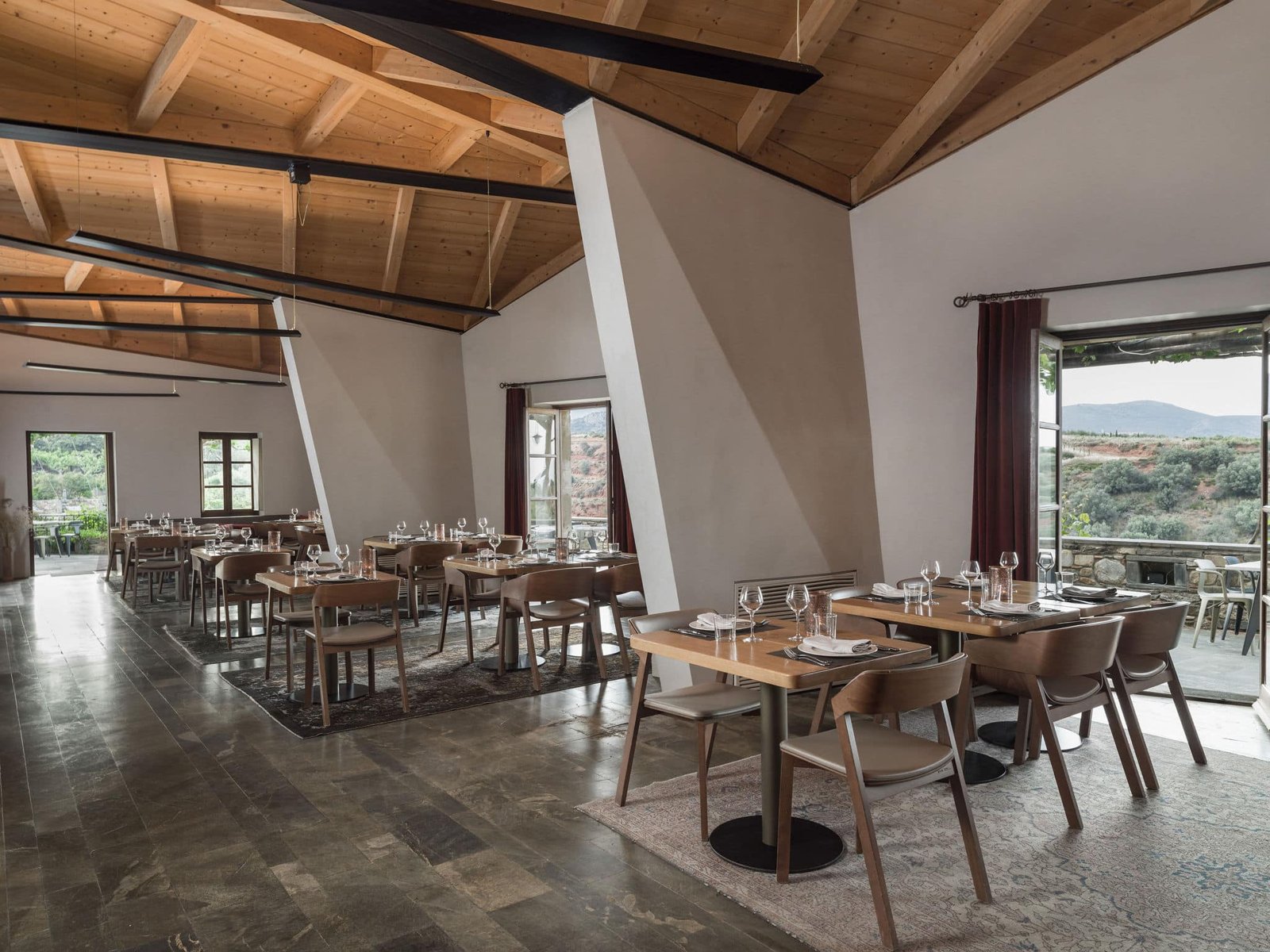
Tranquil and elegant with natural lighting, historic stone elements, lush gardens, and a serene atmosphere praised for its peace and sophistication.
Tags
Vibe
Best For
Experience
Amenities
View
Accessibility
About the Stay
- Rooms
- 50
- Check-in
- 15:00
- Check-out
- 11:00
- Property Style
- Restored Byzantine Mansion with Modern Eco Luxury
- Design Style
- Historic Elegant with Individual Stone and Vaulted Features
Know before you go
Know Before You Go
- Getting there
- Agios Stefanos
Planning details
Location
Recognition and awards

Also consider
If Kinsterna Hotel is not available
Try Amanzoe if the budget can stretch and the goal is a more expansive Peloponnese resort stay. Try Euphoria Retreat if wellness is the main reason for the trip.
Hotel context
How Kinsterna Hotel compares in the Monemvasía set
Choose Kinsterna Hotel over 100 Rizes Seaside Resort or KaSeas Boutique Hotel if hotel recognition and a retreat-style Monemvasía base matter more than a simpler coastal or boutique stay. The MICHELIN 2 Keys and Virtuoso status make Kinsterna the safer luxury pick when the trip is built around the property itself.
Poseidonion Grand Hotel Spetses is the better comparison for travelers who want a grand-hotel feel tied to island-town movement, while Euphoria Retreat is the clearer choice if wellness programming is the reason for travel. Kinsterna sits between those poles: more destination-hotel than simple base, less single-purpose than a dedicated retreat.
Amanzoe is the cross-shop for a bigger splurge and a more rarefied Peloponnese resort plan. Kinsterna is the more Monemvasía-specific decision; Amanzoe is the broader luxury-resort decision. If dates are tight, compare availability across both rather than waiting for one preferred room type to open.
Explore Monemvasía
Around this place
Discover more on Pearl
Unlock the full Kinsterna Hotel guide in Pearl, including awards, comparisons, FAQs, planning details, and nearby places.
Compare Kinsterna Hotel
| Venue | Location | Awards |
|---|---|---|
| Kinsterna Hotel | Monemvasía | 2026 Virtuoso Luxury Hotel Collection2026 Michelin 2 KeysMichelin 2 Keys 20252025 Michelin 2 Keys |
| 100 Rizes Seaside Resort | Gytheio | Small Luxury Hotels Member 2025 |
| KaSeas Boutique Hotel | Gerolimenas | No published awards |
| Poseidonion Grand Hotel Spetses | Spetses | No published awards |
| Euphoria Retreat | Mystras | 2026 Virtuoso Luxury Hotel CollectionMichelin 1 Key 20252025 Michelin 1 KeySmall Luxury Hotels Member 2025 |
| Amanzoe | Porto Heli | 2026 Virtuoso Luxury Hotel Collection2026 Mr & Mrs Smith Luxury Hotels2026 La Liste Top Hotels2026 Michelin 2 Keys2025 Michelin 2 KeysAman Hotels |





How Kinsterna Hotel Monemvasía compares with similar nearby venues.
FAQ
Frequently Asked Questions
How does Kinsterna Hotel compare to other hotels?
Kinsterna Hotel stands out for its recognition: MICHELIN Guide Hotels 2 Keys for 2025 and Virtuoso Luxury Hotel Partner status for 2026. If you are also considering options such as 100 Rizes Seaside Resort or KaSeas Boutique Hotel, compare location, rates, inclusions, and booking terms before deciding.
Is Kinsterna Hotel good for business travel?
It may be worth considering for a Monemvasía stay, but business travelers should ask the hotel about workspaces, meeting options, connectivity, and transport needs.
When is the best time to book Kinsterna Hotel?
Book when your Monemvasía dates and cancellation needs are clear. The hotel has MICHELIN Guide and Virtuoso recognition; check rates, availability, and booking terms directly for your dates.
How is the location of Kinsterna Hotel?
Do loyalty programs work at Kinsterna Hotel?
Kinsterna Hotel has Virtuoso Luxury Hotel Partner status for 2026. Check the booking channel and hotel terms for any benefits available for your dates.