


Esmé Miami Beach
Art Deco Historic District, Miami
Hotel in Miami, United States
 Book with Pearl
The Read
Bohemian-Luxe Compound
Why go
Esmé Miami Beach is a strong pick for a design-led South Beach stay when location and atmosphere matter more than resort scale. It suits couples, celebration weekends, and Miami Beach-focused business trips; choose the room tier based on usable space rather than upgrade labels.
About Esmé Miami Beach
Esmé Miami Beach is a Miami venue with Michelin 1 Key recognition in 2024 and Preferred Hotels membership in 2025. These confirmed points make it worth considering for travelers who value hotel recognition and network affiliation.
If a Michelin 1 Key property is important to your shortlist, Esmé Miami Beach belongs in the conversation. If you need detailed information on services, room features, dining, or on-property facilities, confirm those directly before booking.
Choose the room tier for space, not status
Choose the room tier that clearly meets your space needs and confirm the specifics through the booking channel before committing.
For business travel, confirm corporate-hotel setup, meeting facilities, and work-focused amenities directly. Treat Esmé Miami Beach as a Miami hotel option with Michelin 1 Key recognition and Preferred Hotels membership, then confirm any work-trip requirements directly.
The right guest is planning around Miami, not extras
Book Esmé Miami Beach if its confirmed recognition fits the kind of Miami stay you are planning. The confirmed facts support interest from travelers who value a Michelin 1 Key hotel and Preferred Hotels membership, and they do not establish specific claims about service style, dining, amenities, room layouts, or location beyond Miami.
The Michelin 1 Key recognition gives the hotel a useful quality signal. Preferred Hotels membership is also a relevant confirmed fact for travelers comparing properties within that network, though any specific benefits should be checked against the booking channel and rate rules.
Quick reference: consider Esmé Miami Beach for a Miami stay backed by Michelin 1 Key recognition and Preferred Hotels membership; confirm room, service, dining, and amenity details directly before booking; follow the smart casual dress code where applicable.
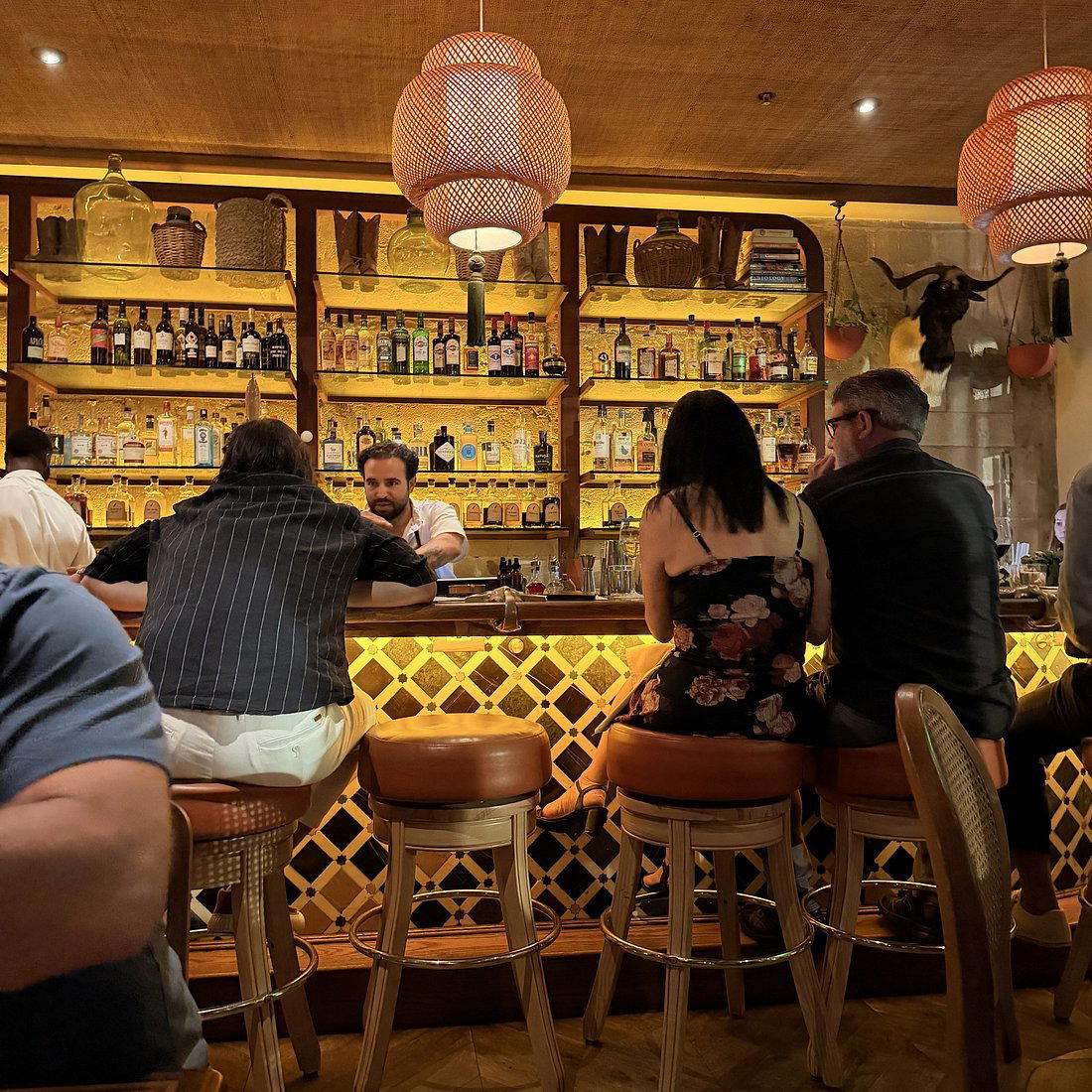
Inside Esmé Miami Beach
Planning details
- Location
- 1438 Washington Ave, Miami Beach, FL 33139
- Website
- esmehotel.com
- Phone
- +1 305-809-8050
The take
The Take
The Vibe
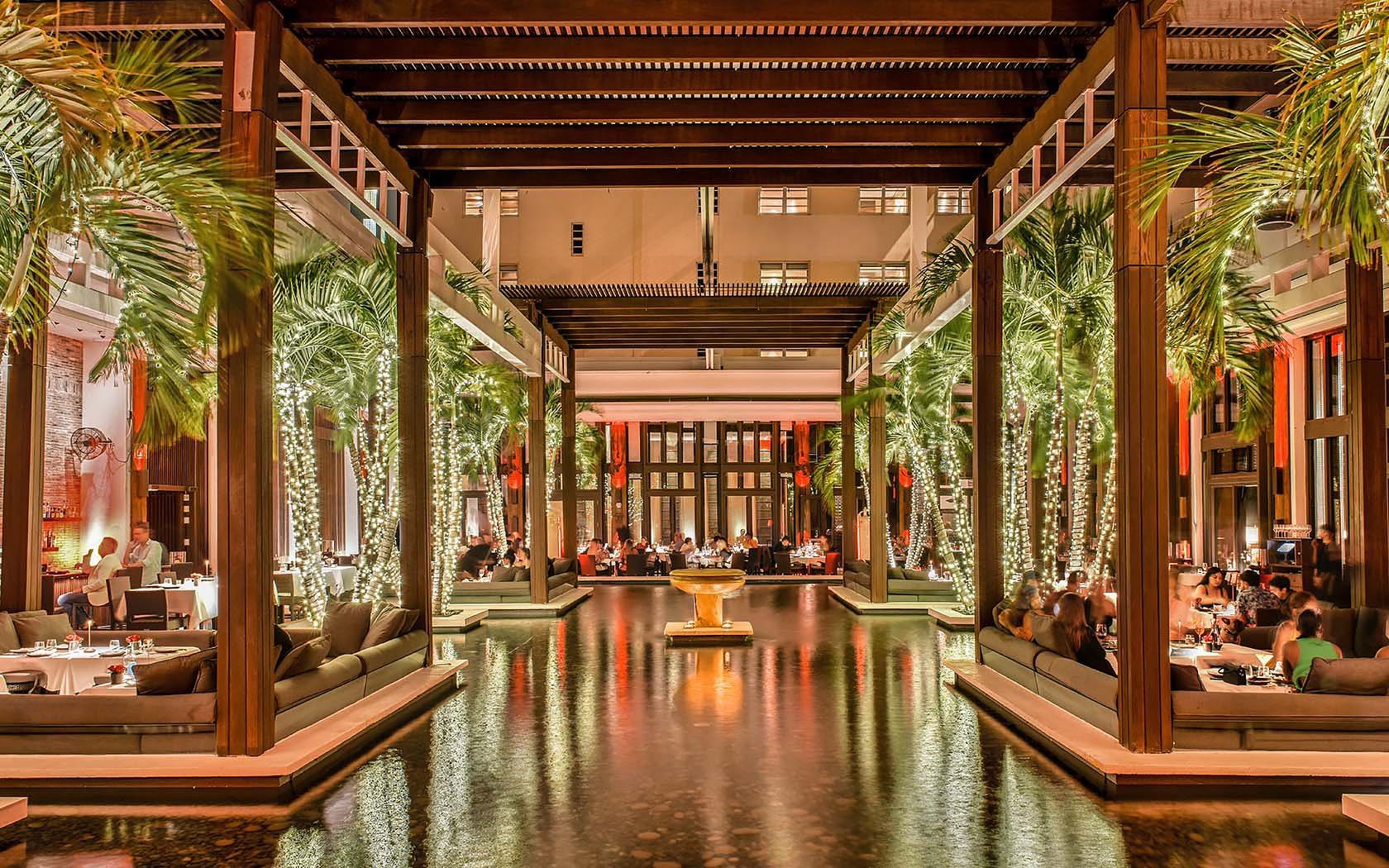
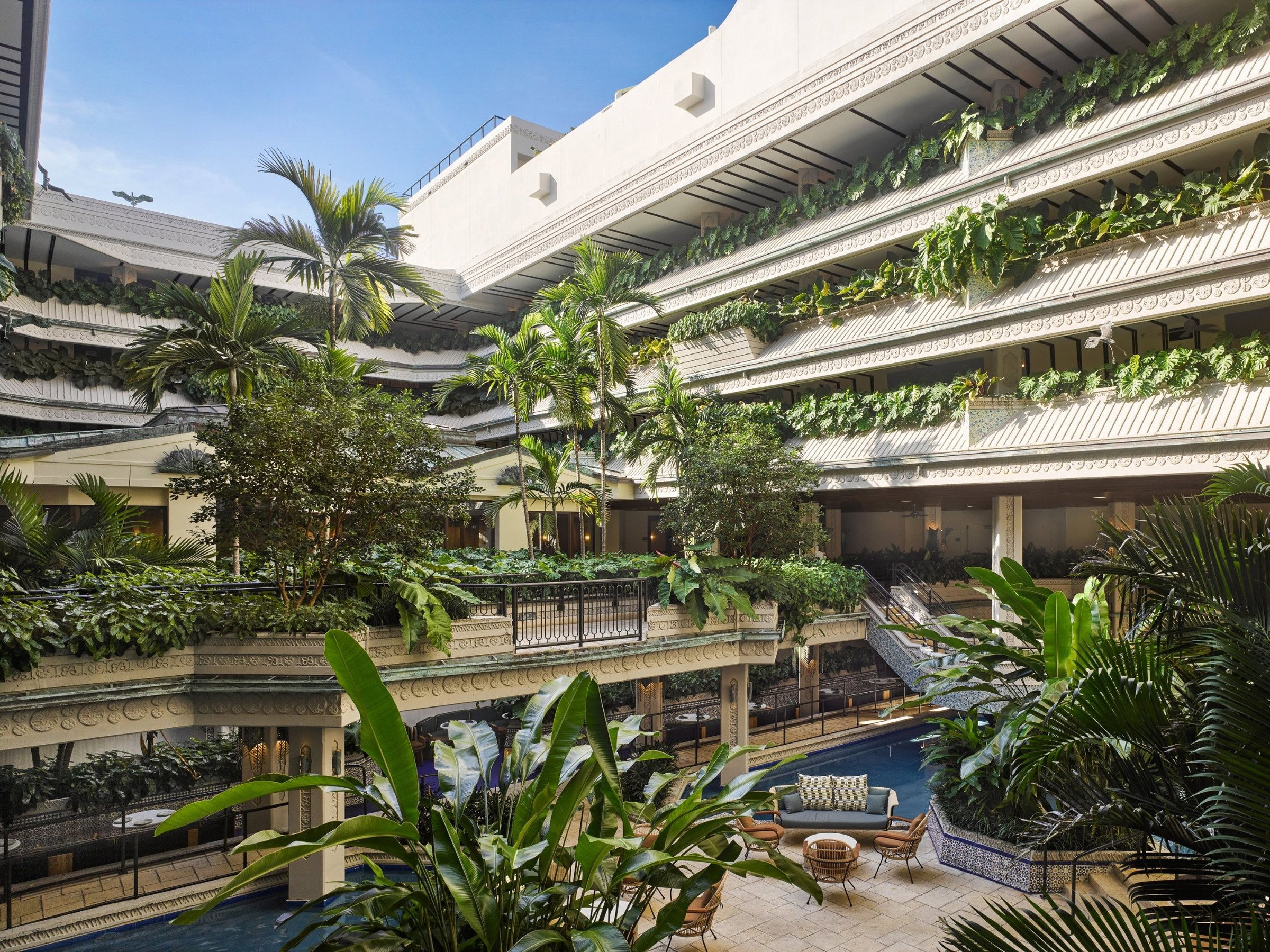
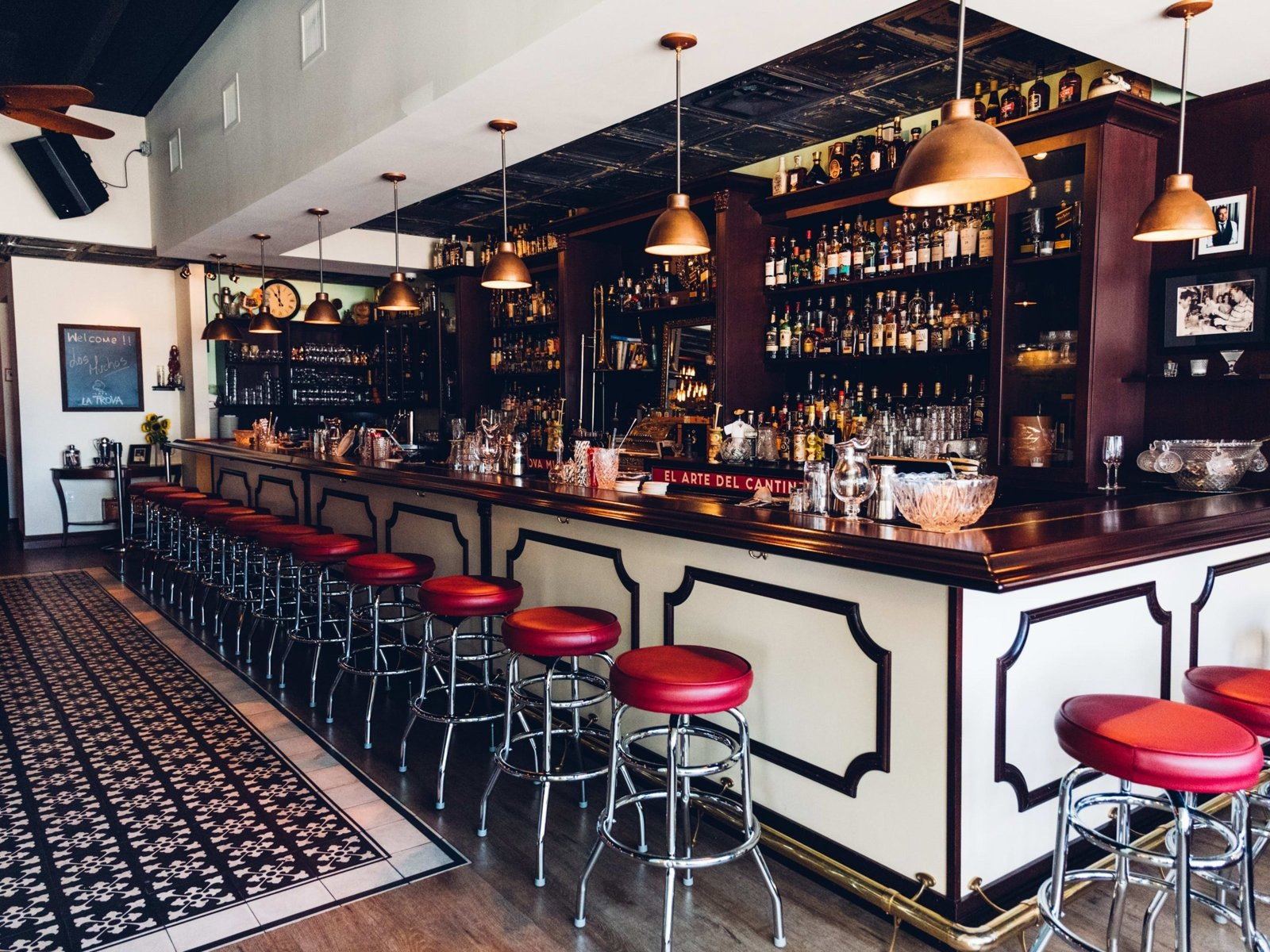
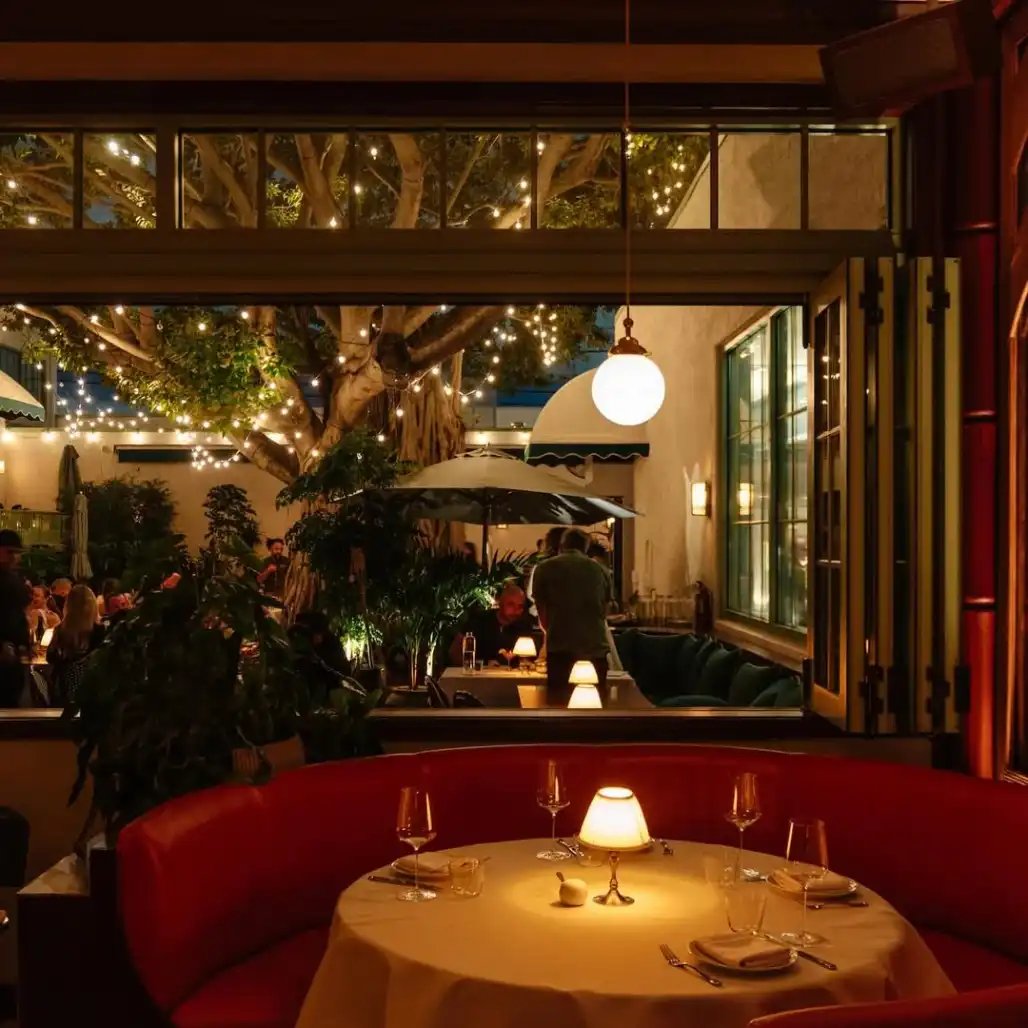
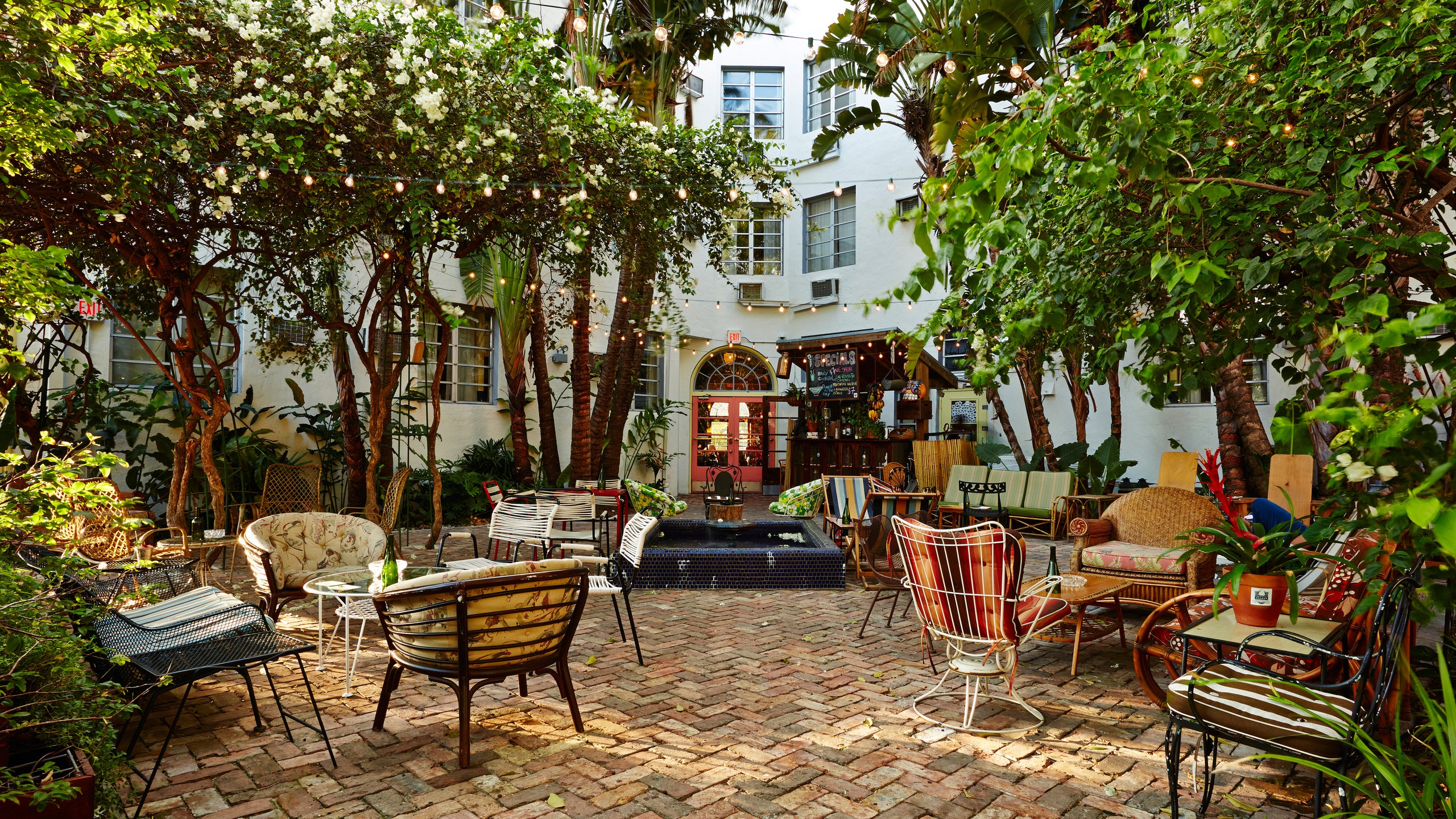
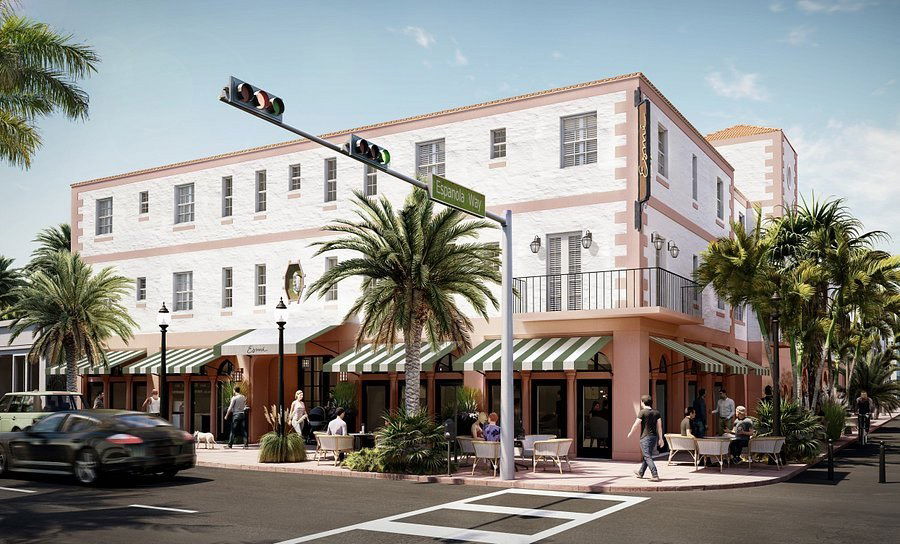
Esmé Miami Beach positions itself as a quieter, inward-facing boutique on Washington Avenue, favoring atmosphere over spectacle. The hotel's Spanish‑Mediterranean design and bohemian‑luxe interiors read warm and slightly retro, deliberately diverging from the mid‑century modern default found elsewhere in South Beach. With 145 rooms and a starting rate that undercuts some of the more ostentatious neighbors, Esmé feels approachable while remaining design-forward. The property is intimate rather than theatrical; its energy is turned inward, attracting guests who appreciate subtle, textured interiors and a calm, neighborhood‑centered stay rather than the pool‑deck pageantry of Collins Avenue hotels.
Best For
Esmé is best for travelers seeking a quiet, design‑minded base in South Beach—think romantic getaways, honeymoons and weekend escapes where atmosphere matters more than loud social scene. Its placement one block west of Collins Avenue and on the corner of Española Way gives it neighborhood texture without high visibility, and the 2024 Michelin Key recognition signals quality at a more accessible price point (the property lists a $119 starting rate). The hotel suits guests who prefer relaxed, intimate lodging and warm, retro‑tinged interiors over scene-driven spectacle.
Venue details
Ambiance
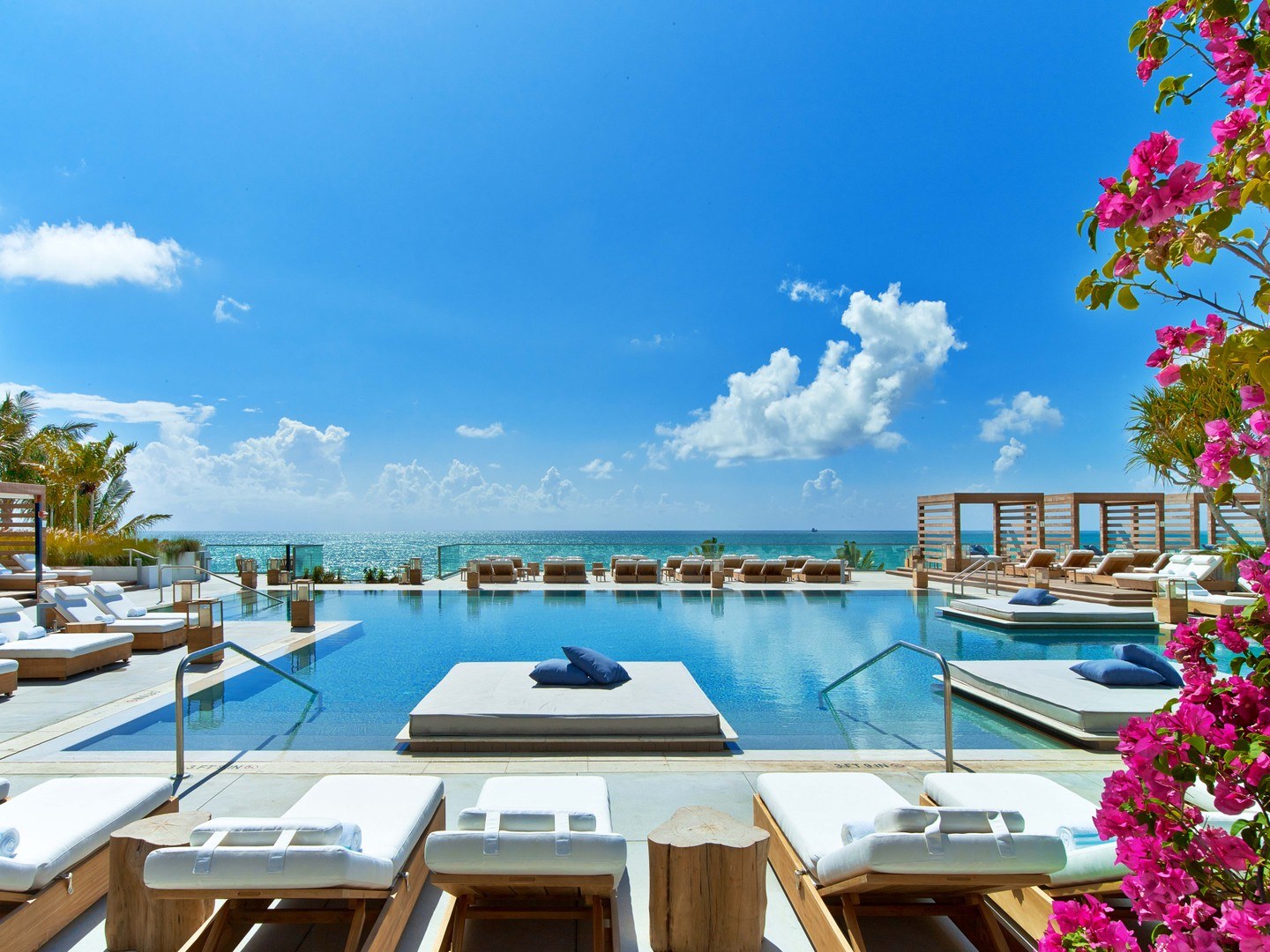
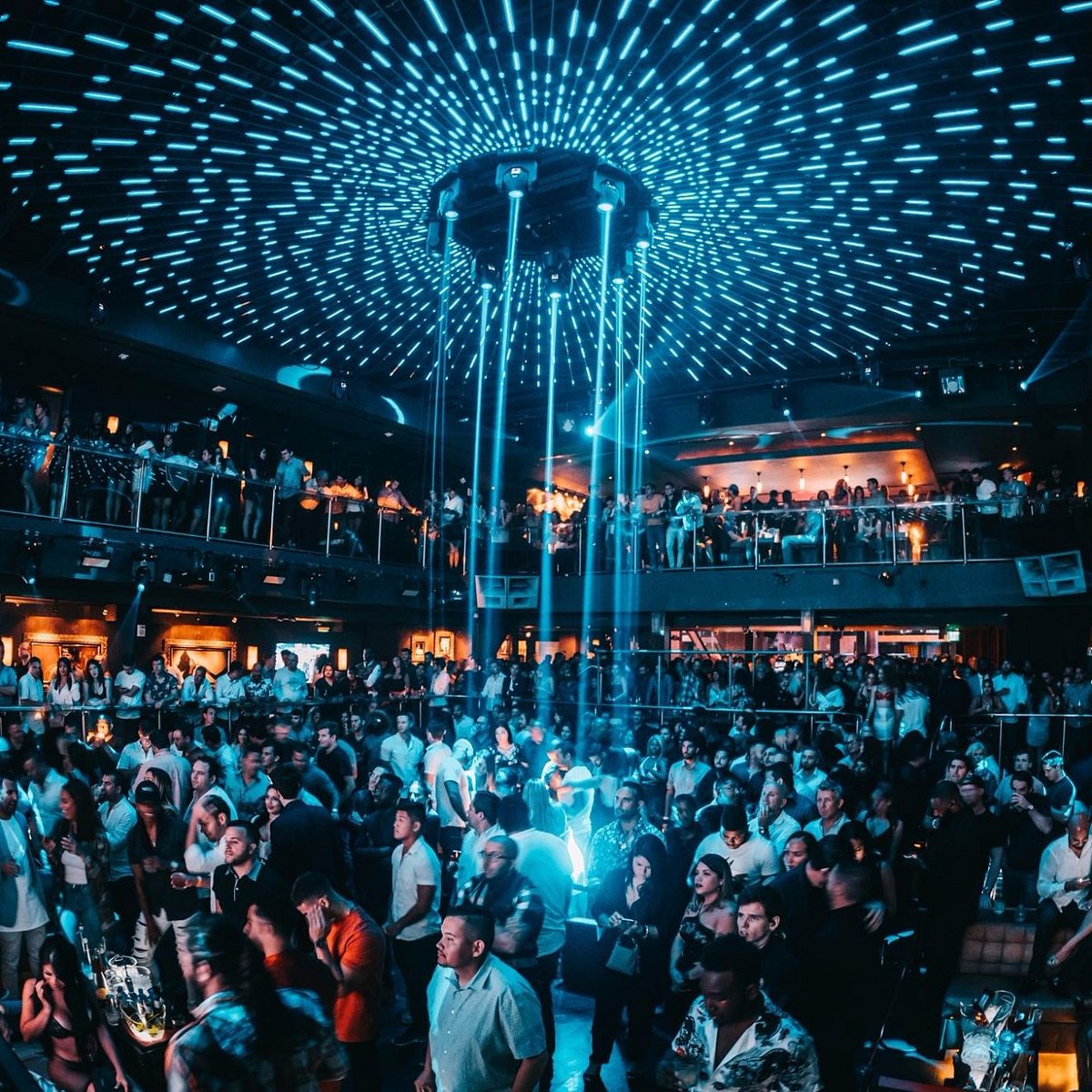
Sophisticated and stylish with soundproofed rooms, premium bedding, and a vibrant yet relaxed atmosphere highlighted by the exclusive rooftop pool and lounge.
Tags
Vibe
Best For
Experience
Amenities
View
Accessibility
About the Stay
- Rooms
- 140
- Check-in
- 15:00
- Check-out
- 11:00
- Property Style
- Luxury Boutique Hotel in a Historic 1920s Building Renovated with Modern Elegance.
- Design Style
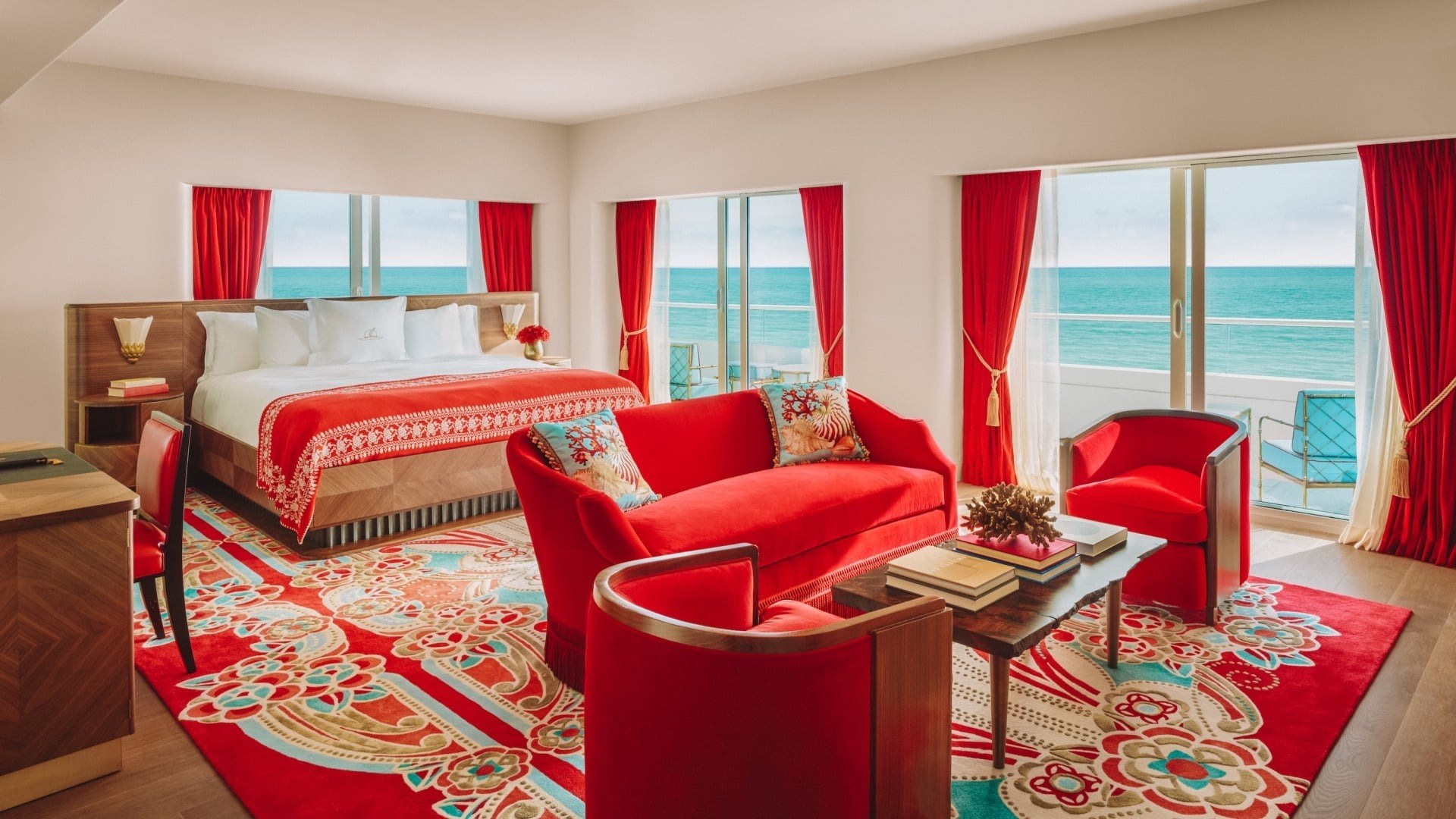
- Contemporary Minimalist with Art Deco Influences, Featuring Stylish Interiors, Premium Linens, and Grown Alchemist Amenities.
Know before you go
Know Before You Go
- Getting there
- 1438 Washington Ave, Miami Beach, FL 33139
Planning details
Location
Recognition and awards

Also consider
Also Consider
- The Roof at Esme Hotel, Notable alternative
- Donatella Boutique Hotel, Notable alternative
- Betsy, Notable alternative
- Betsy - South Beach, Notable alternative
- Hyatt Centric South Beach Miami, Notable alternative
Hotel context
How it compares in South Beach
Compared with Betsy and Betsy - South Beach, Esmé Miami Beach is the better fit for travelers who want a more compact, design-led stay close to the Washington Avenue side of South Beach. Betsy is the safer choice for guests who prefer a more established hotel feel and a broader South Beach classic-hotel mood; Esmé is better when the priority is intimacy, style, and a celebration base that does not feel like a large resort.
Hyatt Centric South Beach Miami is the more practical cross-shop for loyalty-driven travelers and straightforward business use. Pick Hyatt Centric if points, predictability, or a cleaner corporate-hotel rhythm matter. Pick Esmé Miami Beach if the trip is more personal and the hotel's atmosphere is part of the reason for going.
Donatella Boutique Hotel belongs in the same boutique conversation, while The Roof at Esme Hotel is more relevant as a nearby hotel-adjacent social option than a direct room-for-room substitute. If Esmé is hard to secure, start with Betsy for a more established South Beach stay or Hyatt Centric for easier practical logistics.
Explore Miami
Around this place
Discover more on Pearl
Unlock the full Esmé Miami Beach guide in Pearl, including awards, comparisons, FAQs, planning details, and nearby places.
Compare Esmé Miami Beach
| Venue | Location | Awards |
|---|---|---|
| Esmé Miami Beach | Miami | 2026 Vogue Best Hotels in MiamiMichelin 1 Key 20252025 Michelin 1 KeyPreferred Hotels Member 20252024 Michelin 1 Key |
| The Roof at Esme Hotel | Miami Beach | No published awards |
| Donatella Boutique Hotel | Miami | No published awards |
| Betsy | Miami | 2026 Vogue Best Hotels in Miami2024 Michelin 1 Key |
| Betsy - South Beach | Miami | No published awards |
| Hyatt Centric South Beach Miami | Miami | No published awards |
How Esmé Miami Beach in Miami: Michelin 1 Key Hotel Guide compares with similar nearby venues.
FAQ
Frequently Asked Questions
When is the best time to book Esmé Miami Beach?
If Esmé Miami Beach is important to your Miami plans because of its Michelin 1 Key recognition or Preferred Hotels membership, compare rates and availability early and confirm the terms of the rate you choose.
Is Esmé Miami Beach good for business travel?
It may still be worth considering for a Miami stay if the Michelin 1 Key recognition and Preferred Hotels membership matter to you, but confirm any work-trip requirements directly. Travelers comparing another hotel option may also look at Hyatt Centric South Beach Miami.
How is the location of Esmé Miami Beach?
Esmé Miami Beach is in Miami. If location is central to the trip, confirm the exact address and travel times directly before booking. Other comparison options may include Betsy - South Beach, Betsy, Donatella Boutique Hotel, Hyatt Centric South Beach Miami, and The Roof at Esme Hotel.
Do loyalty programs work at Esmé Miami Beach?
Preferred Hotels membership is a confirmed signal for Esmé Miami Beach. Any specific earning, redemption, upgrade, or benefit details should be confirmed through the booking channel and program terms. Compared with Hyatt Centric South Beach Miami, the decision may come down to which hotel network better fits your travel preferences.
How is the dining at Esmé Miami Beach?
Dining details should be confirmed directly rather than as the basis for booking. If food and drink are a major part of the trip, compare other options, including The Roof at Esme Hotel where relevant.
Which room category is best at Esmé Miami Beach?
Choose based on the space, bed type, cancellation rules, and inclusions shown by your booking channel, and confirm anything important directly with the property before booking.
How is the pool and spa at Esmé Miami Beach?
If those amenities are important, check directly before booking and compare with other Miami hotel options, including Hyatt Centric South Beach Miami if you want another hotel to evaluate.