

Volga
Cuauhtemoc, Mexico City
Hotel in Mexico City, Mexico
 Book with Pearl
The Read
Art-Integrated Brutalism
Why go
Volga is worth considering for a design-led Mexico City stay near Reforma, especially for a date weekend, anniversary, or business trip where a smaller hotel feels more appropriate than a large luxury flag. Compare it closely with St. Regis, Four Seasons, and Sofitel if loyalty benefits, broader facilities, or predictable upgrade paths matter more than boutique atmosphere.
About Volga
Volga is a Mexico City hotel to consider when a smart-casual, polished stay is the priority. It is located in Mexico City, features a smart casual dress code, and holds recognition including Michelin 1 Key (2025), Preferred Hotels L.V.X. Collection (2025), and the Mr & Mrs Smith Seal of Approval (2026). Travelers should confirm current room types, facilities, policies, and services directly before booking.
Because the public decision often comes down to fit, compare Volga with other Mexico City options by what matters most for the trip: recognition, location within the city, brand preference, and the level of hotel support you want. Keep the comparison practical rather than assuming specific amenities or service formats.
A Mexico City stay for special occasions
The case for Volga is strongest when the trip calls for a polished Mexico City hotel with recognition. Michelin 1 Key (2025), Preferred Hotels L.V.X. Collection (2025), and the Mr & Mrs Smith Seal of Approval (2026) give travelers useful signals, but they should not replace checking the latest details that matter to a specific stay.
For a first Mexico City visit, the decision is about what kind of hotel profile you want. A property such as The St. Regis Mexico City or Four Seasons Hotel Mexico City may be part of the same shortlist for travelers comparing recognized hotels in the city. Volga is a relevant choice for guests who specifically want to evaluate it on its accolades, smart casual positioning, and Mexico City setting.
Value depends on how much loyalty matters
The value question is not just nightly rate. Volga belongs on the shortlist for travelers who are weighing recognition and overall trip fit rather than assuming a particular loyalty-program outcome. If a corporate travel policy, brand preference, or points strategy is driving the stay, compare it closely with Sofitel Mexico City Reforma, Marquis Reforma, and Galeria Plaza Reforma before committing.
For celebration travel, ask less “which hotel has more features?” and more “which hotel fits the trip?” Volga makes sense to evaluate when the hotel choice is part of the occasion, but the exact room, facilities, and service details should be checked directly. Travelers building a broader itinerary can cross-check hotel options in Our full Mexico City hotels guide, then pair the stay with meals from Our full Mexico City restaurants guide and late-night plans from Our full Mexico City bars guide.
The practical verdict: choose Volga if its Mexico City setting, smart casual profile, and recognition match the trip. Compare it with other Mexico City hotels if loyalty benefits, brand standards, or specific facilities are the deciding factors.
Planning details
- Location
- Río Volga 105, Cuauhtémoc, 06500 Ciudad de México, CDMX
- Website
- hotelvolga.mx
- Phone
- +52 55 9037 5134
The take
The Take
The Vibe
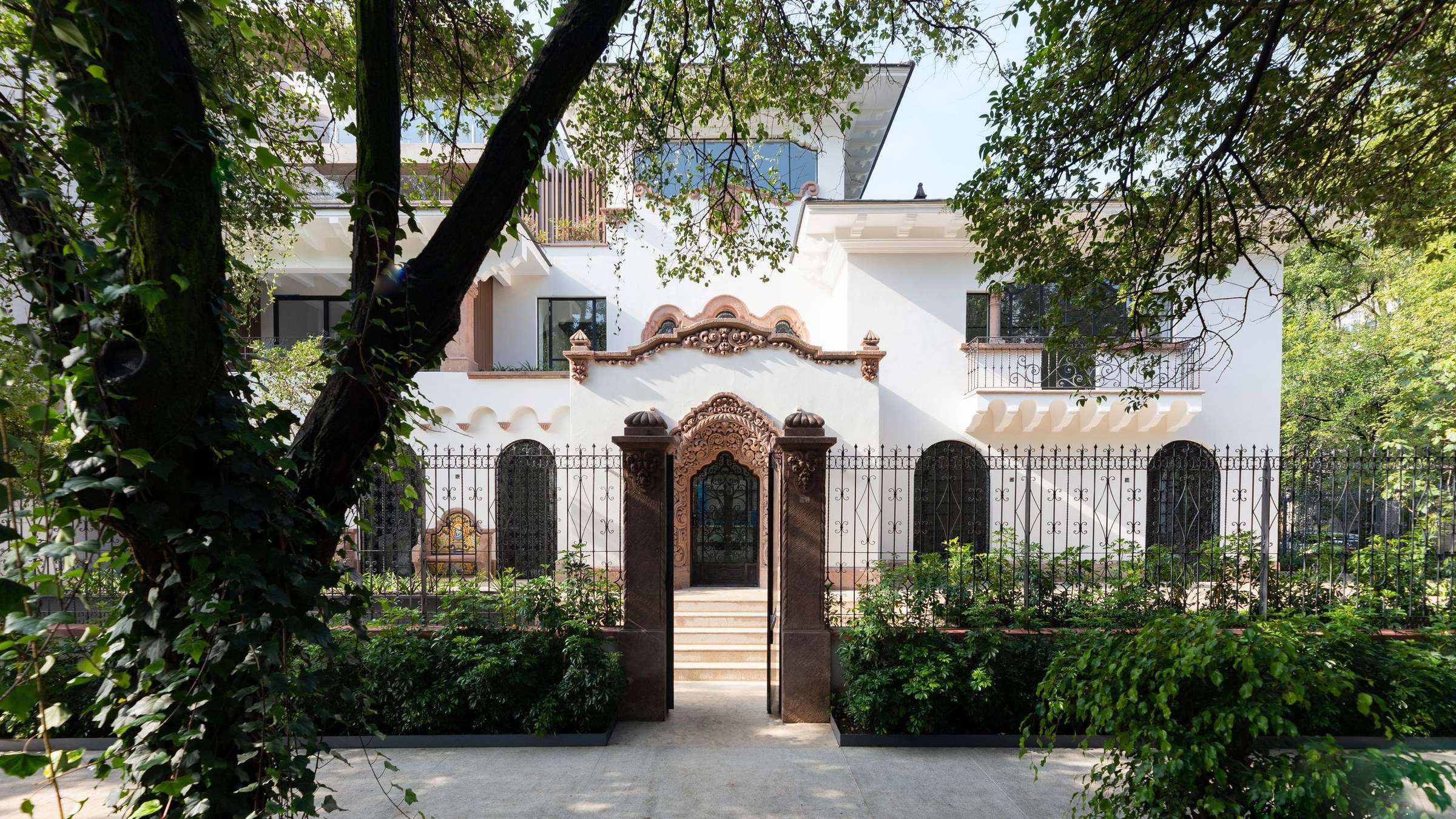
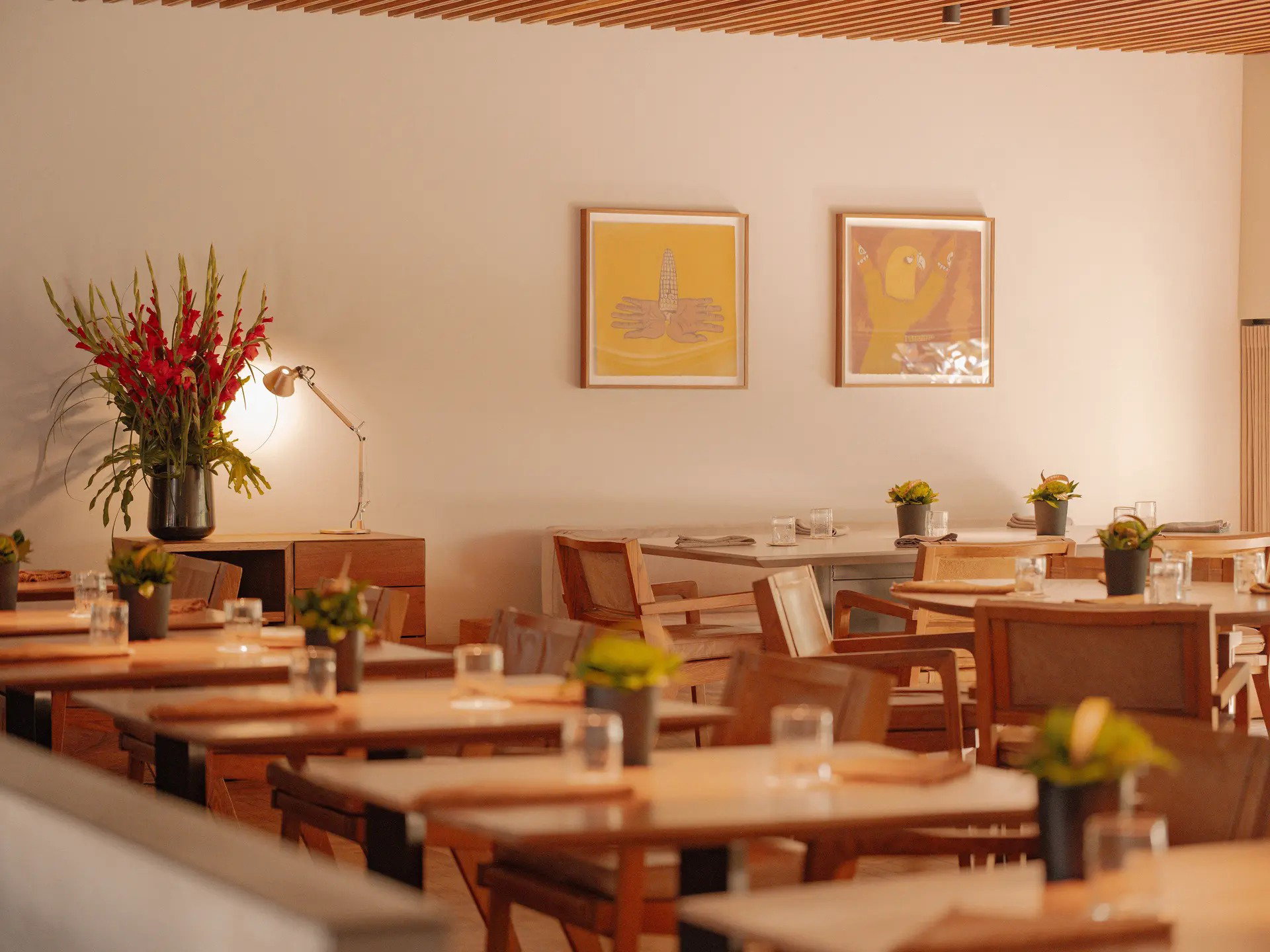
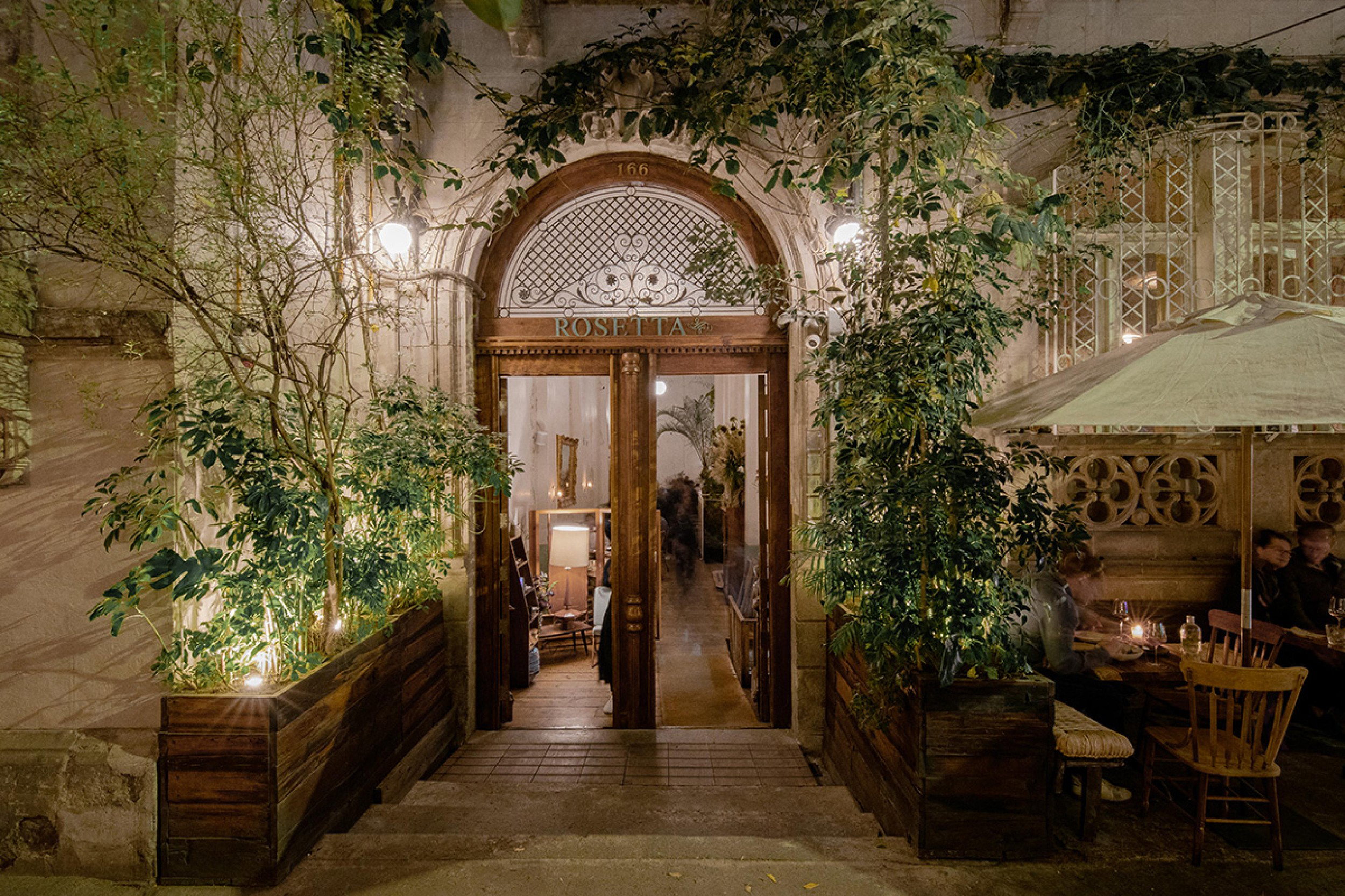
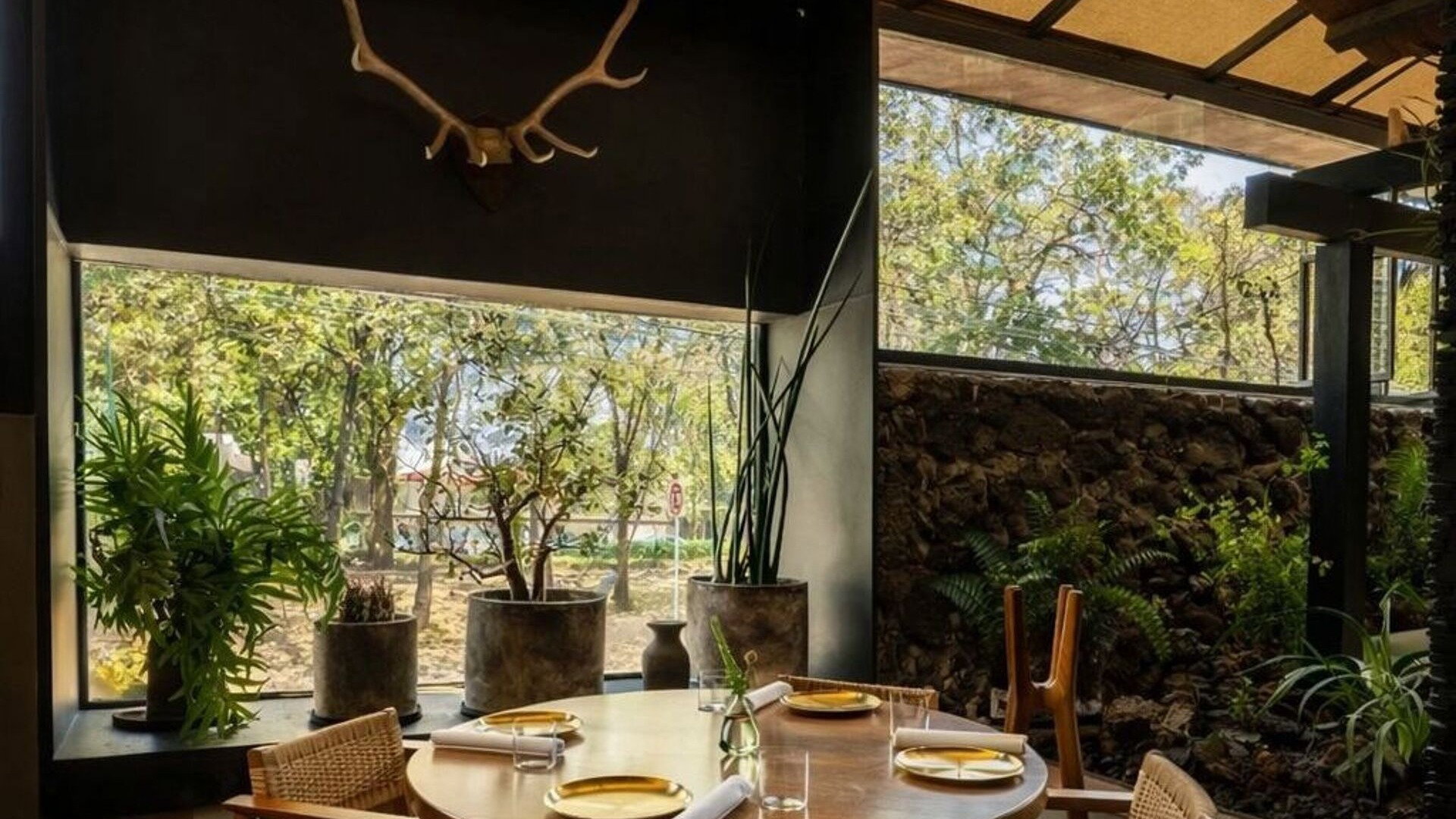
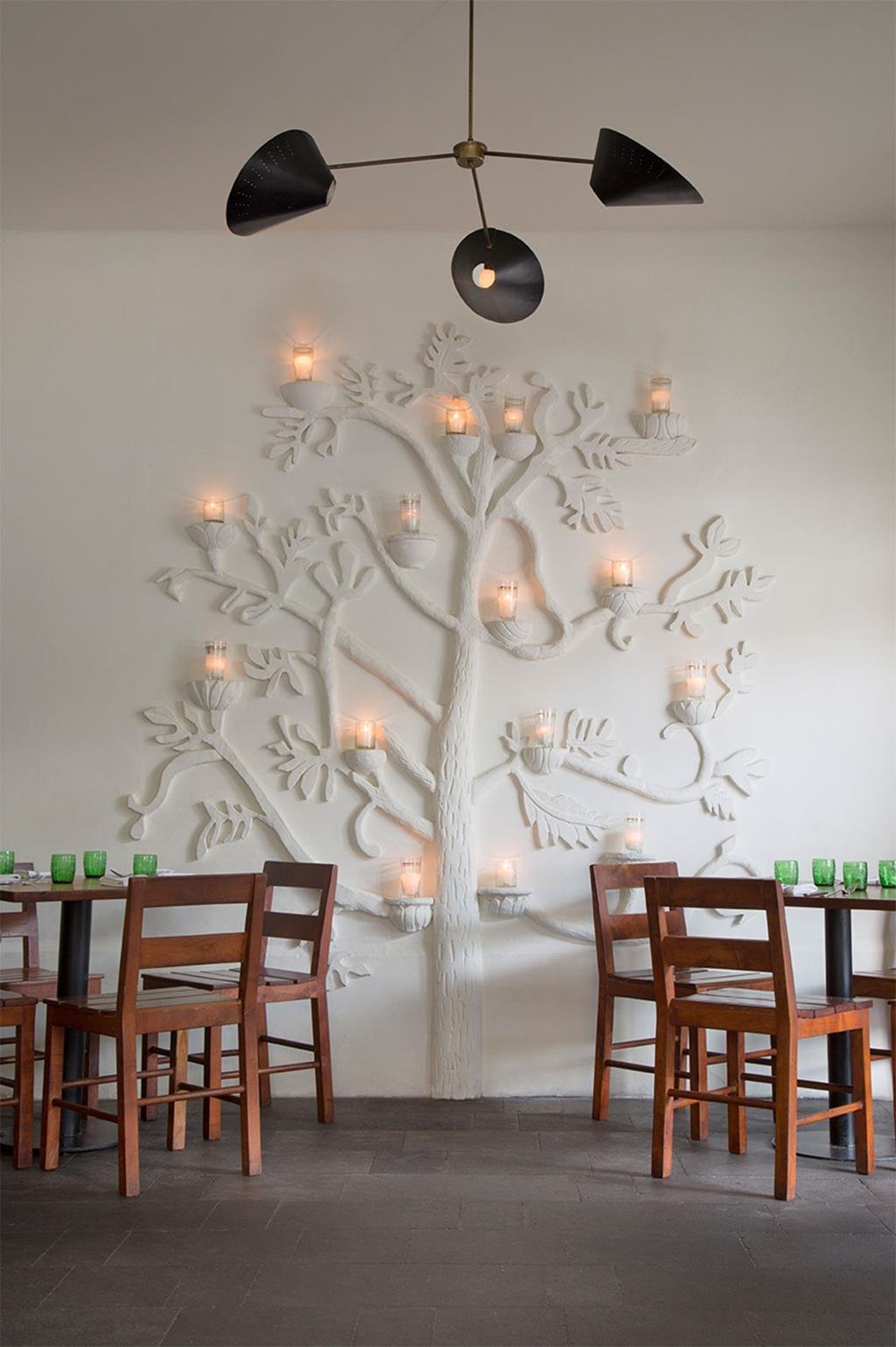
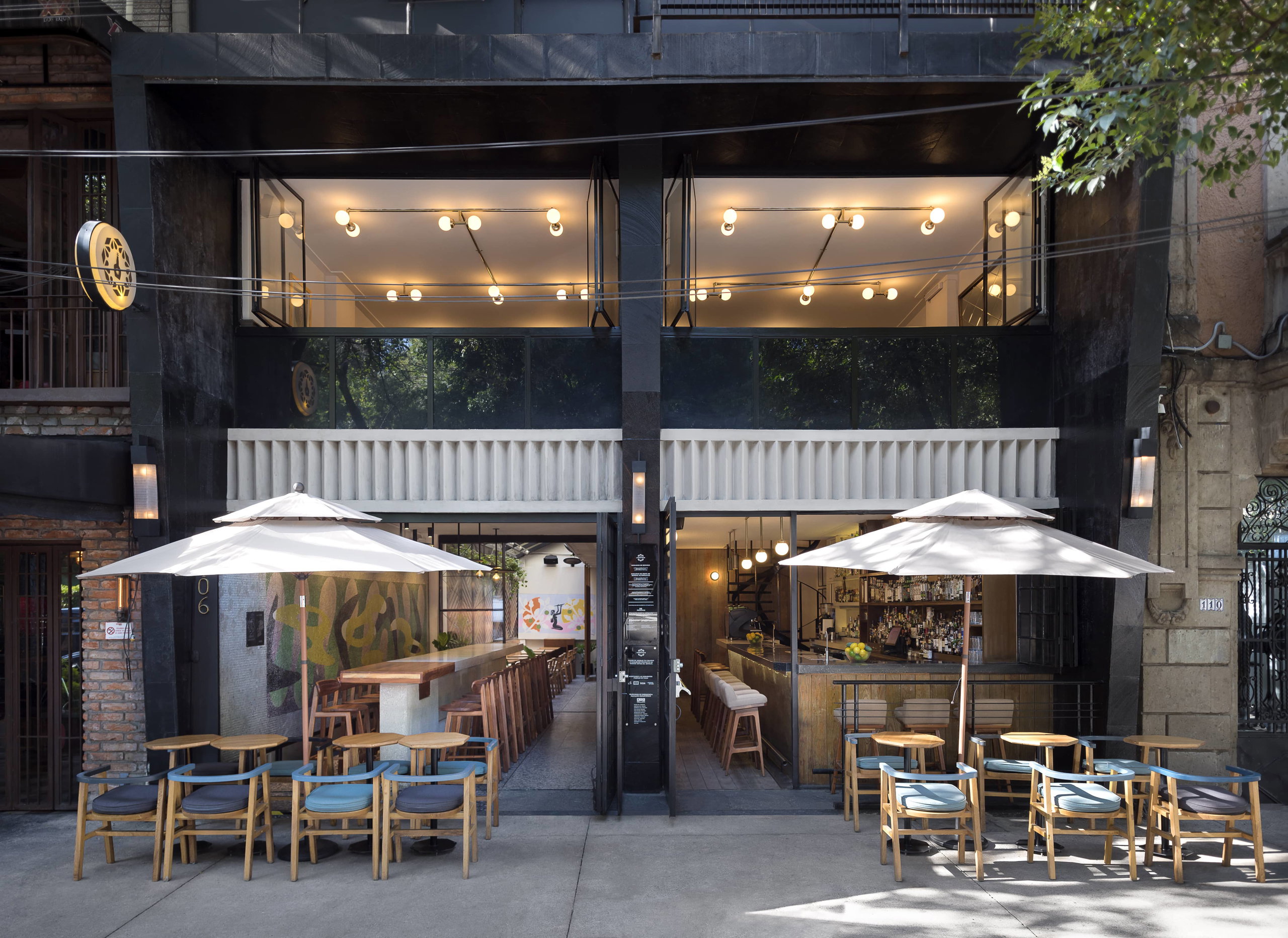
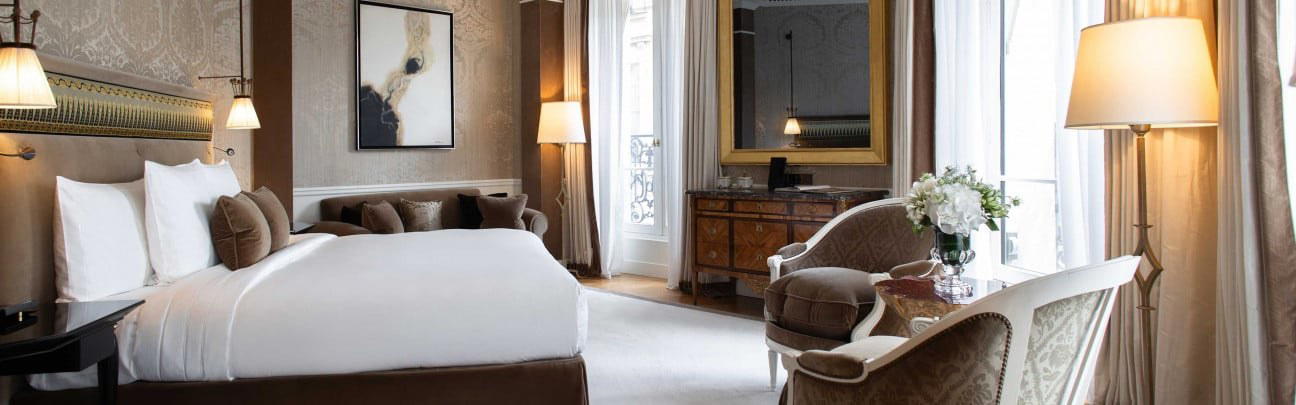
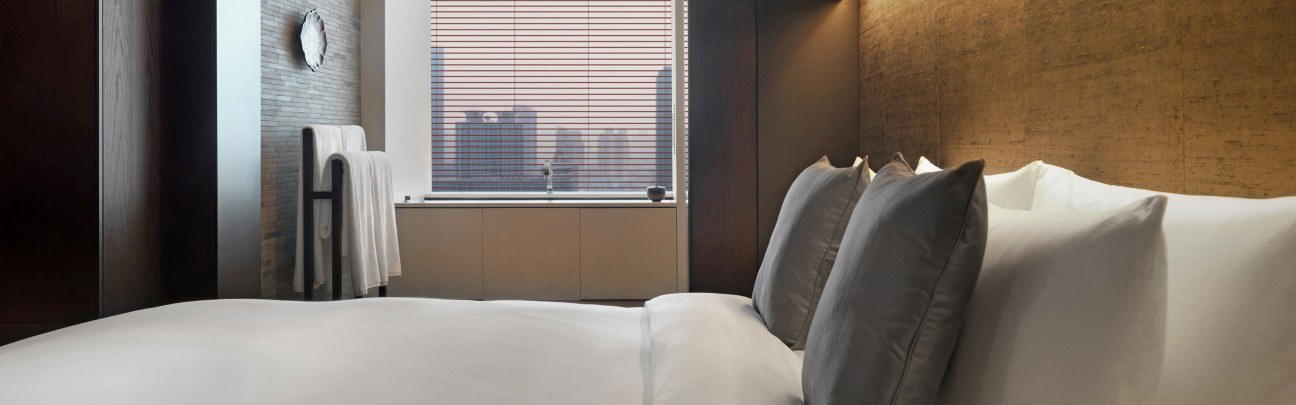
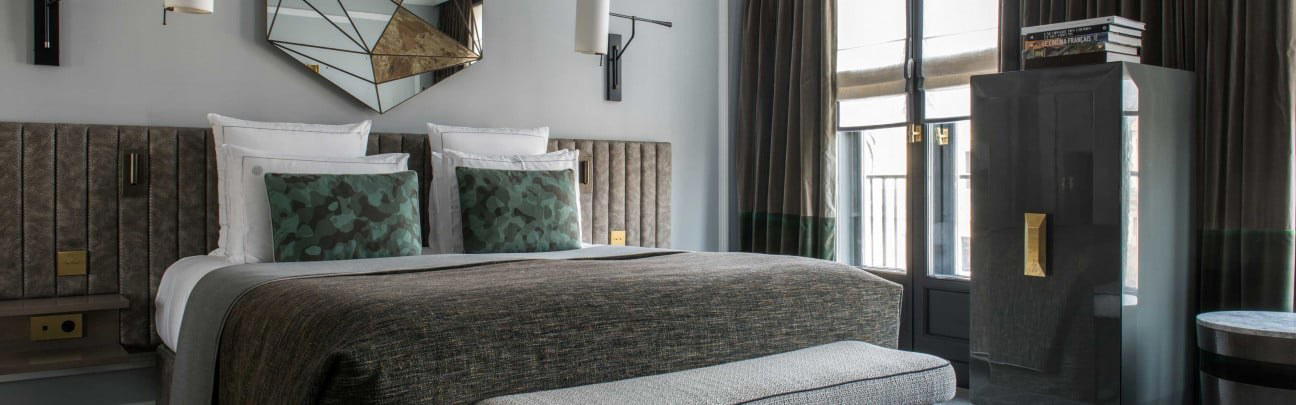
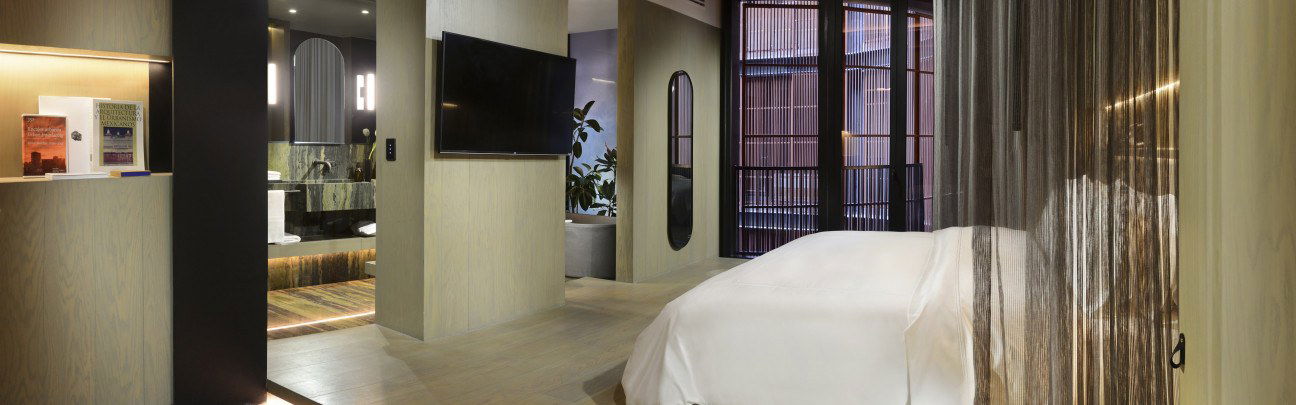
Volga reads like a conscious rejoinder to the glass-and-lobby towers of Reforma: a concrete, almost Brutalist posture softened by a planted atrium that prioritizes light and restraint. Interiors feel spare and deliberate rather than decorative, the result is cinematic—Tarkovsky is invoked for a reason—and quietly theatrical. The hotel leans into architectural identity and cultural programming, positioning itself among the city’s design-led independents. That combination of structural honesty and an interior garden courtyard gives Volga a focused, minimalist calm: it’s less about polish and more about atmosphere, an urban retreat for people who notice construction, composition and curated restraint.
Best For
Volga suits travelers who prize architecture, design and a quieter residential base steps from Reforma. Its location offers proximity to the city’s business and cultural arteries without the immediate bustle of big-brand towers, making it a sensible choice for business travelers who want near-Reforma convenience with a more thoughtful hotel experience. The hotel’s curated, art-forward identity also works well for romantic getaways and weekend escapes driven by cultural programming and neighborhood exploration. In short, Volga is for guests who prioritize creative programming, pared-back design and a calm, considered atmosphere rather than conventional chain hotel trappings.
Venue details
Ambiance
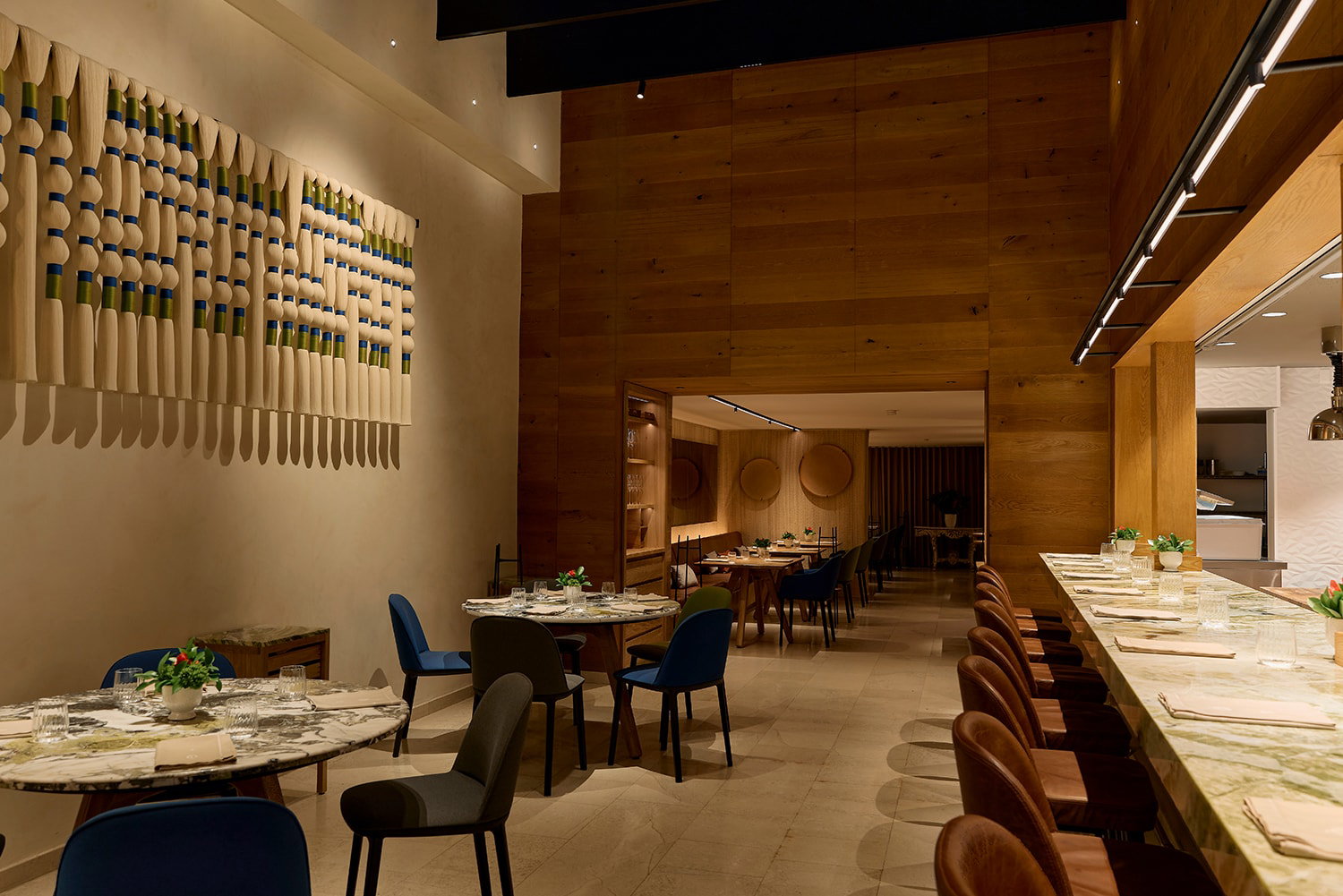
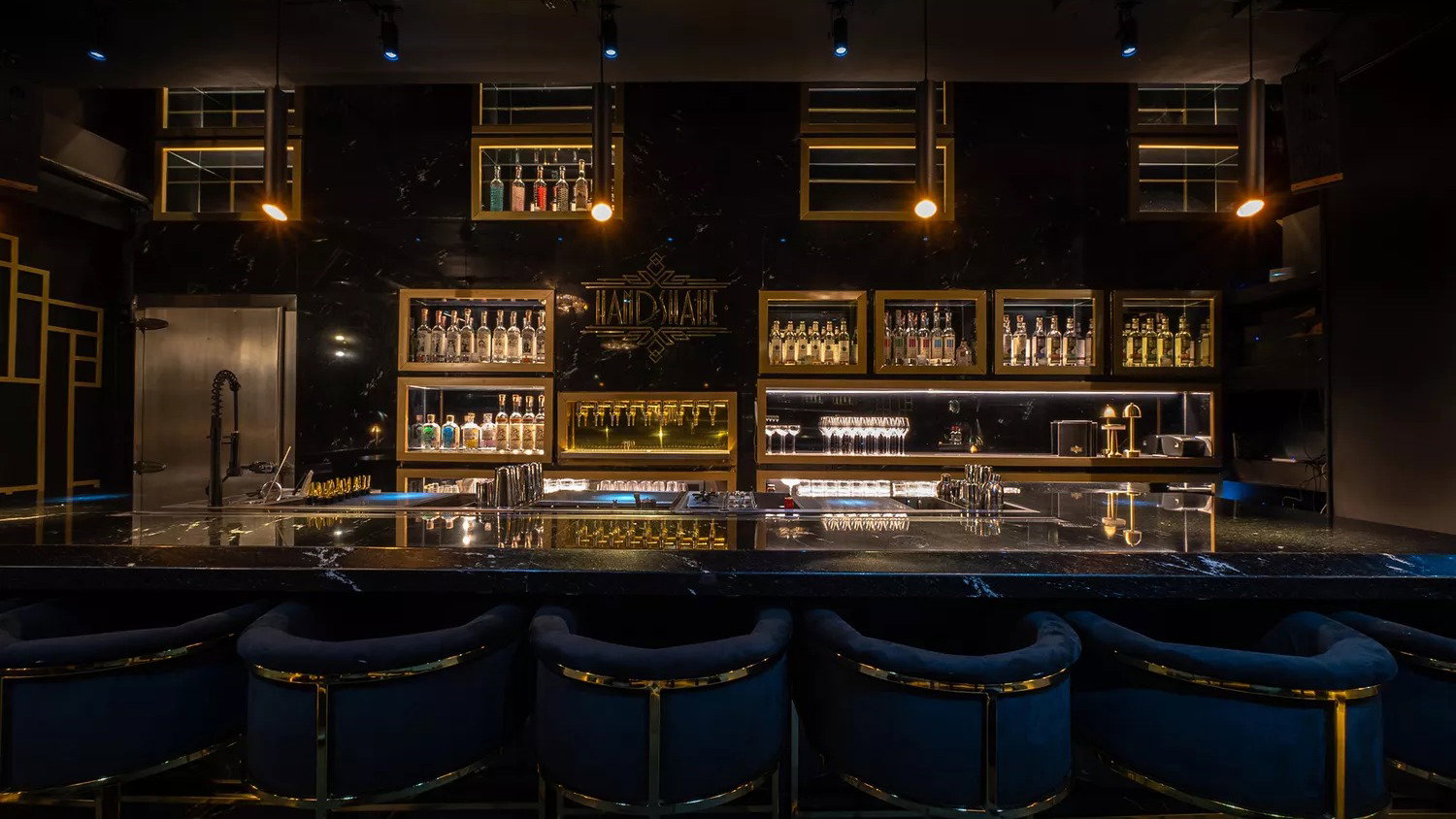
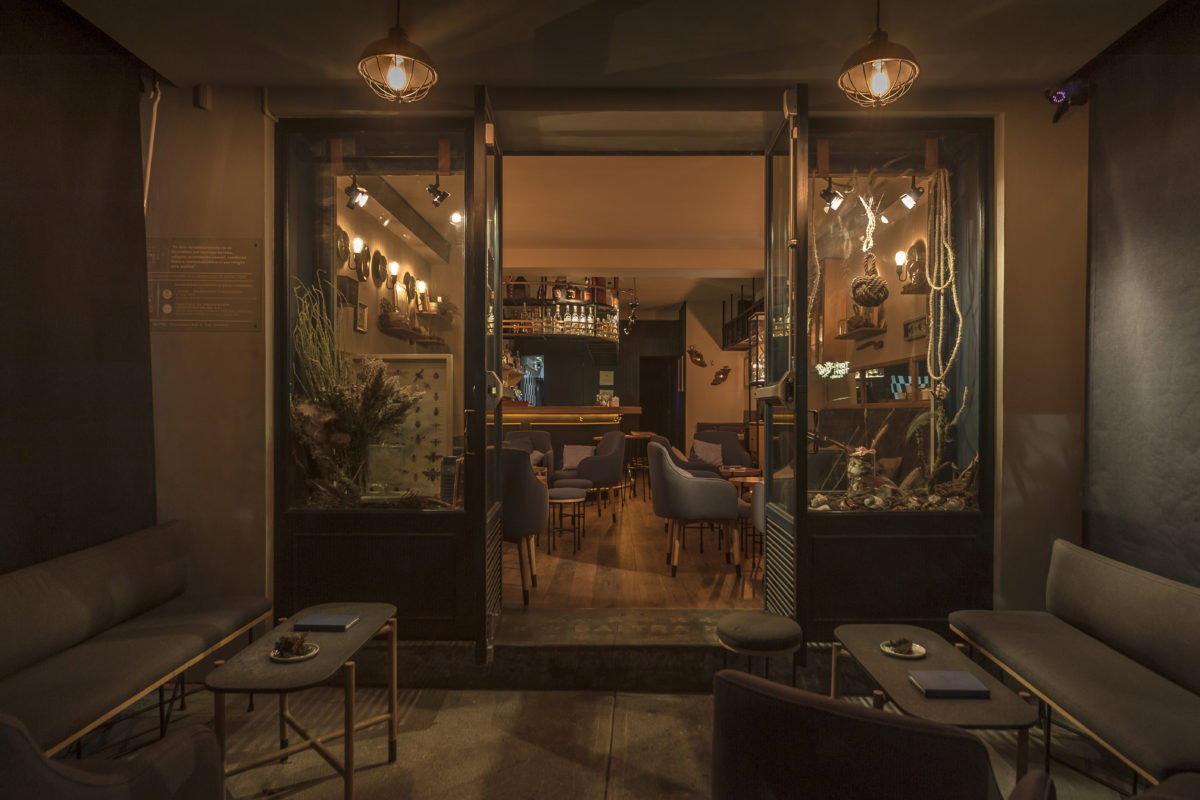
Sophisticated and modern with immersive lighting, artwork, and lively evening entertainment from speakeasy bar and rooftop, though some noise reported.
Tags
Vibe
Best For
Experience
Amenities
Accessibility
About the Stay
- Rooms
- 50
- Property Style
- Sophisticated Brutalist Design with Contemporary Mexican Influences
- Design Style
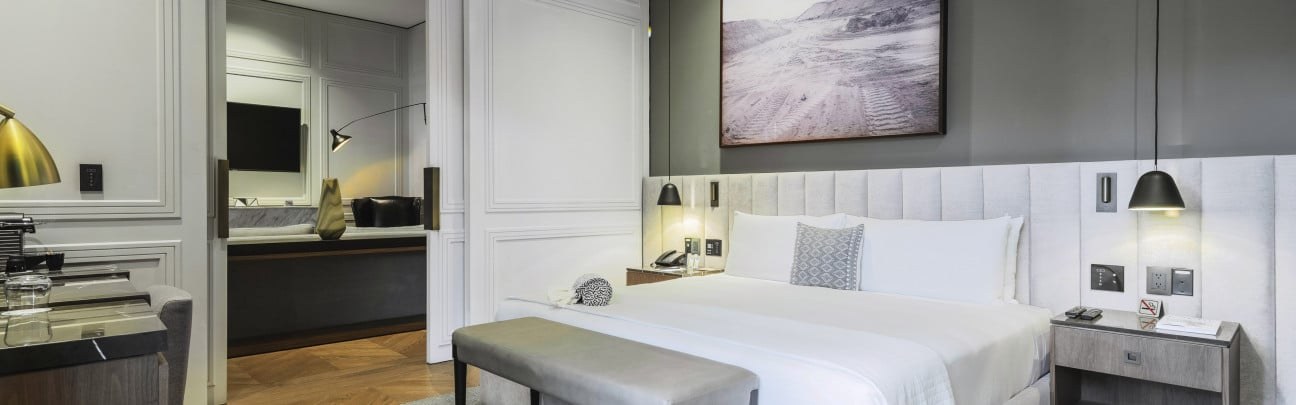
- Modern Minimalist with Individual Furnishings and Artwork
Know before you go
Know Before You Go
- Getting there
- Río Volga 105, Cuauhtémoc, 06500 Ciudad de México, CDMX
Planning details
Location
Recognition and awards
Also consider
Also Consider
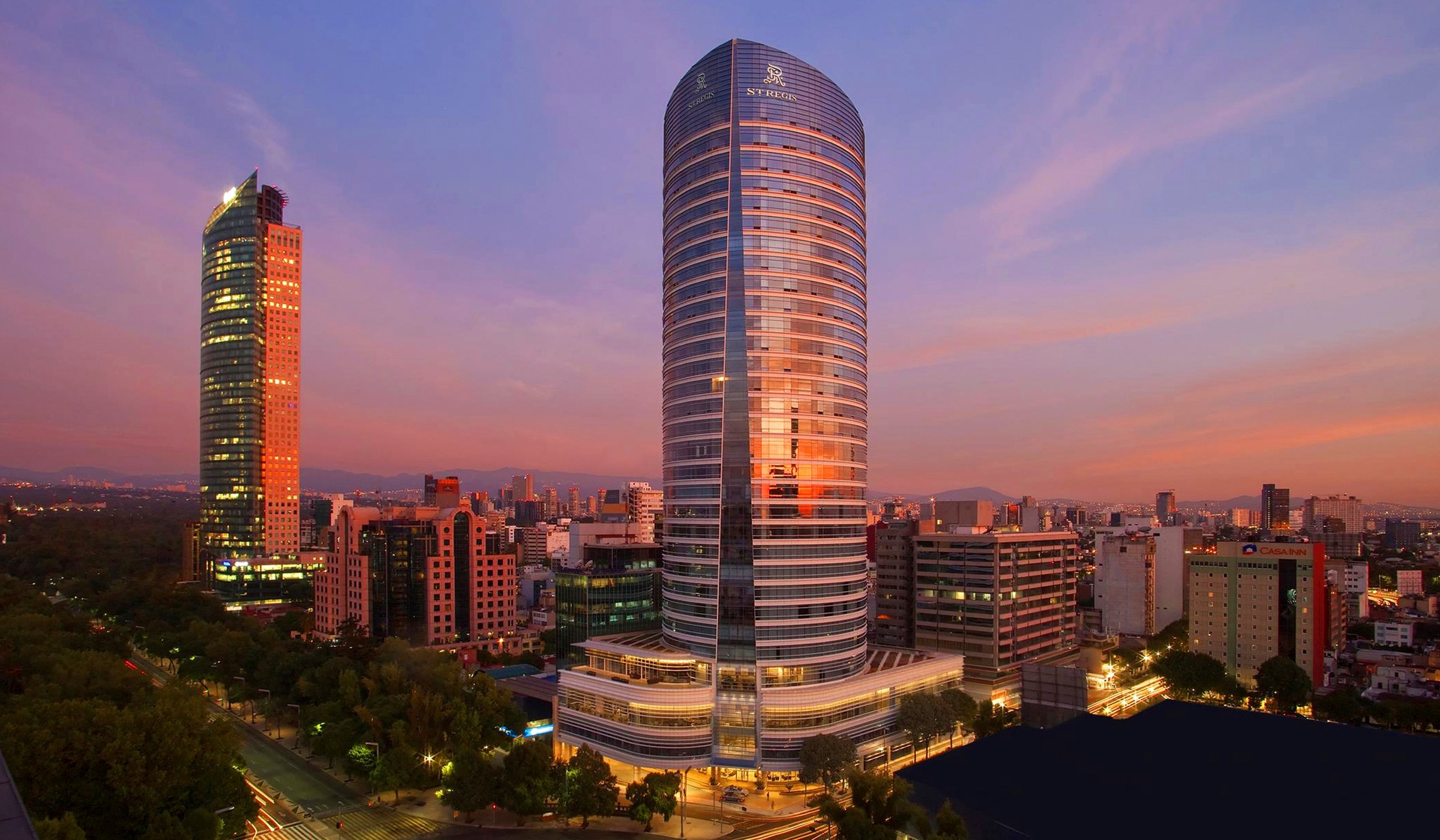
- The St. Regis Mexico City, Notable alternative
- Galeria Plaza Reforma, Notable alternative
- Marquis Reforma, Notable alternative
- Sofitel Mexico City Reforma, Notable alternative
- Four Seasons Hotel Mexico City, Notable alternative
Hotel context
How Volga compares in Mexico City
Volga is the boutique-leaning choice in this Reforma-area set. The St. Regis Mexico City and Four Seasons Hotel Mexico City are better fits for travelers who want a larger luxury operation, more familiar service rhythms, and stronger brand-backed upgrade logic. Volga is the better call when the stay is more about atmosphere than a full-service hotel machine.
Sofitel Mexico City Reforma and Marquis Reforma sit closer to the classic Reforma hotel decision: polished, practical, and easier to frame for business travel. Choose them if the trip needs predictable facilities and a more conventional large-hotel setup. Choose Volga if the hotel should feel more personal and less corporate.
Galeria Plaza Reforma is the value-conscious comparison point for travelers who want the area without paying for a more design-led stay. If the room is mainly a base between meetings, meals, and neighborhood time, Galeria Plaza may make more sense. If the hotel itself is part of the occasion, Volga is the stronger shortlist entry.
Explore Mexico City
Around this place
Discover more on Pearl
Unlock the full Volga guide in Pearl, including awards, comparisons, FAQs, planning details, and nearby places.
Compare Volga
| Venue | Location | Awards |
|---|---|---|
| Volga | Mexico City | 2026 Mr & Mrs Smith Luxury HotelsMichelin 1 Key 20252025 Michelin 1 KeyPreferred Hotels L.V.X. Collection 2025 |
| The St. Regis Mexico City | Mexico City | 2026 Virtuoso Luxury Hotel Collection2026 Forbes 4-StarAAA Diamonds Top 10 Hotels 20262026 La Liste Top Hotels2025 Michelin Selected Hotels2025 Forbes 4-Star2025 AAA 5 Diamond Hotel |
| Galeria Plaza Reforma | Mexico City | Preferred Hotels Member 2025 |
| Marquis Reforma | Mexico City | Leading Hotels of the World 2026 |
| Sofitel Mexico City Reforma | Mexico City | 2026 Virtuoso Luxury Hotel Collection2025 Michelin 1 Key |
| Four Seasons Hotel Mexico City | Mexico City | 2026 Forbes 4-Star2026 Vogue Best Hotels in Mexico City2026 La Liste Top Hotels2025 Forbes 4-Star2025 AAA 5 Diamond HotelFour Seasons Hotels |









How Volga Mexico City compares with similar nearby venues.
FAQ
Frequently Asked Questions
How does Volga compare to other hotels?
Choose Volga if you want a Mexico City hotel with recognition, including Michelin 1 Key (2025), Preferred Hotels L.V.X. Collection (2025), and the Mr & Mrs Smith Seal of Approval (2026). The St. Regis Mexico City, Four Seasons Hotel Mexico City, Galeria Plaza Reforma, and Marquis Reforma are other Mexico City options to compare depending on your budget, brand preference, and trip needs.
When is the best time to book Volga?
Book when the rate, room type, and cancellation terms fit your plans. For specific demand patterns and seasonal booking advice, check current availability directly before committing.
Is Volga family-friendly?
Volga can be considered as a Mexico City hotel, but specific family policies, room configurations, and child-focused services need to be confirmed directly. For family trips, confirm the current setup directly and compare it with The St. Regis Mexico City and Four Seasons Hotel Mexico City if those are also on your shortlist.
Do loyalty programs work at Volga?
Volga has recognition including Michelin 1 Key (2025), Preferred Hotels L.V.X. Collection (2025), and the Mr & Mrs Smith Seal of Approval (2026). For specific earning, redemption, upgrade, or elite-benefit details, confirm current loyalty terms directly before booking.
How is the location of Volga?
Which room category is best at Volga?
The best room category depends on your budget, trip length, and the current room descriptions available at booking. Compare the latest options directly before choosing.
How is the pool and spa at Volga?
Pool and spa details should be confirmed directly. If those facilities are important to the trip, confirm the current setup directly with Volga and compare other Mexico City hotels, including Four Seasons Hotel Mexico City and The St. Regis Mexico City, based on their latest listed facilities.