

Brick Hotel
Roma Norte, Mexico City
Hotel in Mexico City, Mexico
 Book with Pearl
The Read
Anglo-Mexican Heritage Conversion
Why go
Brick Hotel is a strong Roma Norte choice for a design-led Mexico City stay, especially for celebrations where location and boutique scale matter. Compare suite pricing carefully: the upgrade is worth considering if the room will be part of the occasion, but standard rooms make more sense for restaurant-heavy itineraries.
About Brick Hotel
Brick Hotel is a Mexico City hotel with a smart casual dress code and recognized distinctions: Michelin 1 Key in 2025, Small Luxury Hotels of the World membership in 2025, and a Mr & Mrs Smith Seal of Approval in 2026. Those facts make it an option to consider for travelers who want a recognized hotel stay in the city.
For the best booking approach, confirm the current room categories, rates, and inclusions directly before committing. Treat the recognitions as useful context, then make the final decision based on the exact dates, room type, and cancellation terms available for your trip.
Book it for a recognized Mexico City hotel stay
Brick Hotel is in Mexico City. For planning beyond the room, pair it with Our full Mexico City restaurants guide, Our full Mexico City bars guide, and Our full Mexico City experiences guide.
The main tradeoff is that only a limited set of details is confirmed here. If you are comparing hotels, keep the focus on concrete factors rather than assumptions about neighborhood, facilities, room size, or on-property services. Other Mexico City options to consider include Hotel Parian, Nima Local House hotel, La Valise Mexico City, Roso Guest House, and Colima 71 - Casa de Arte Hotel.
The recognized distinctions matter more than unconfirmed details
For special occasions or business travel, confirm the current room category, rate, and cancellation policy before booking. If the hotel is being considered for a specific kind of stay, such as a celebration, work trip, or short city visit, the safest approach is to ask directly about the room and services you need rather than relying on assumptions.
Recognition helps reduce risk: the hotel carries a Michelin 1 Key from 2025, Small Luxury Hotels of the World membership from 2025, and a Mr & Mrs Smith Seal of Approval from 2026. That does not automatically make it the right booking for every traveler, but it does give the property a clearer profile than an unreviewed hotel listing. For a broader scan, use Our full Mexico City hotels guide and compare against other Mexico City hotel options before committing.
Keep the decision specific to the kind of trip you are planning. Brick Hotel is best evaluated as a recognized Mexico City hotel; for other destinations or more self-contained escapes, compare properties separately on their own details and booking terms.
Planning details
- Location
- C. Orizaba 95, Roma Nte., Cuauhtémoc, 06700 Cuauhtémoc, CDMX
- Website
- brickhotel.com.mx
- Phone
- +52 55 9155 7610
The take
The Take
The Vibe
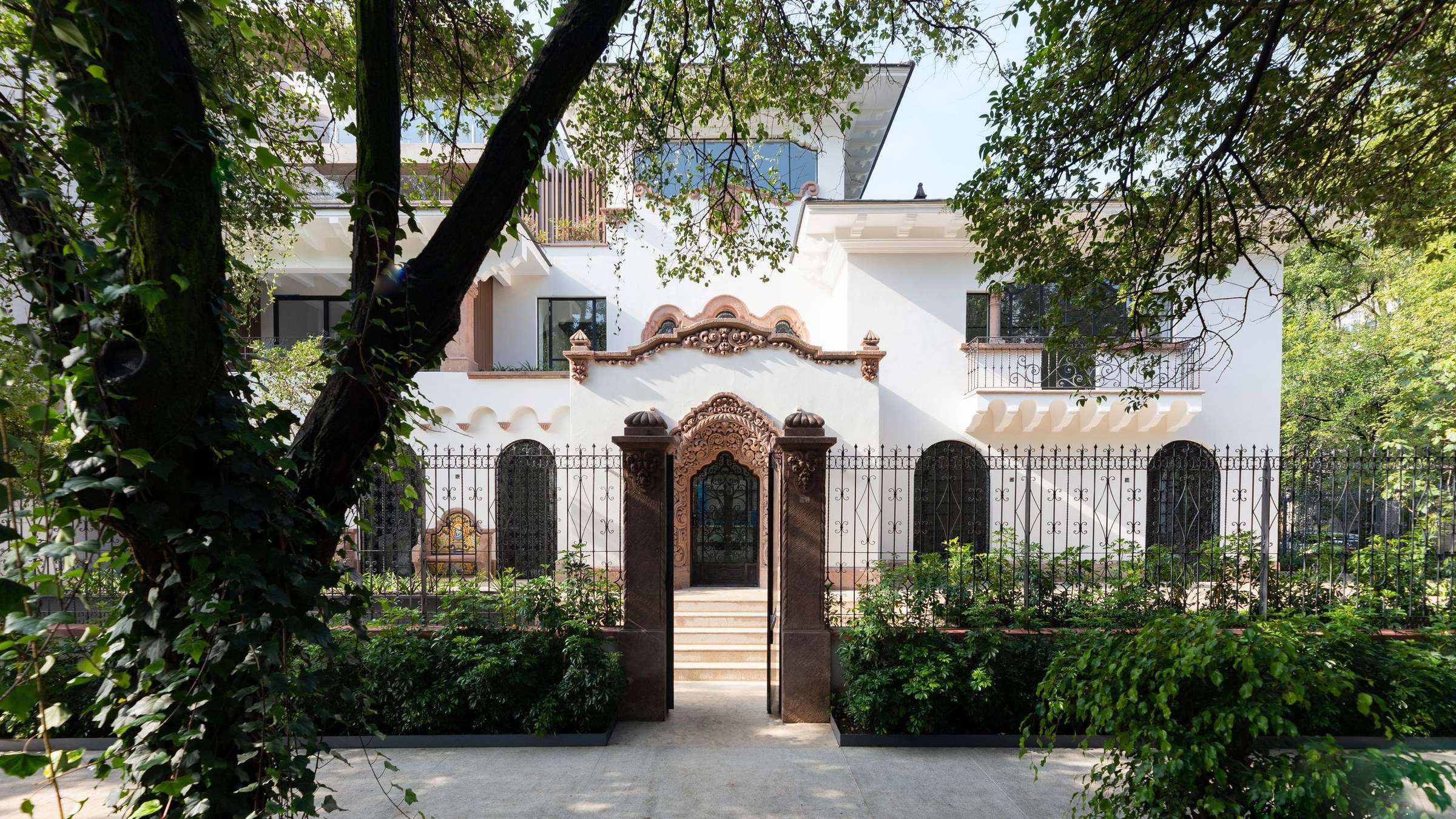
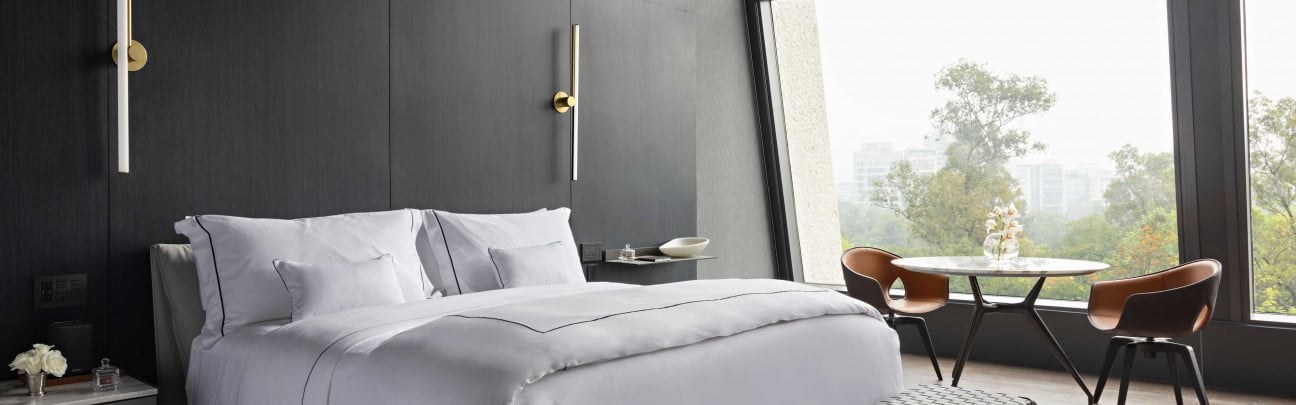
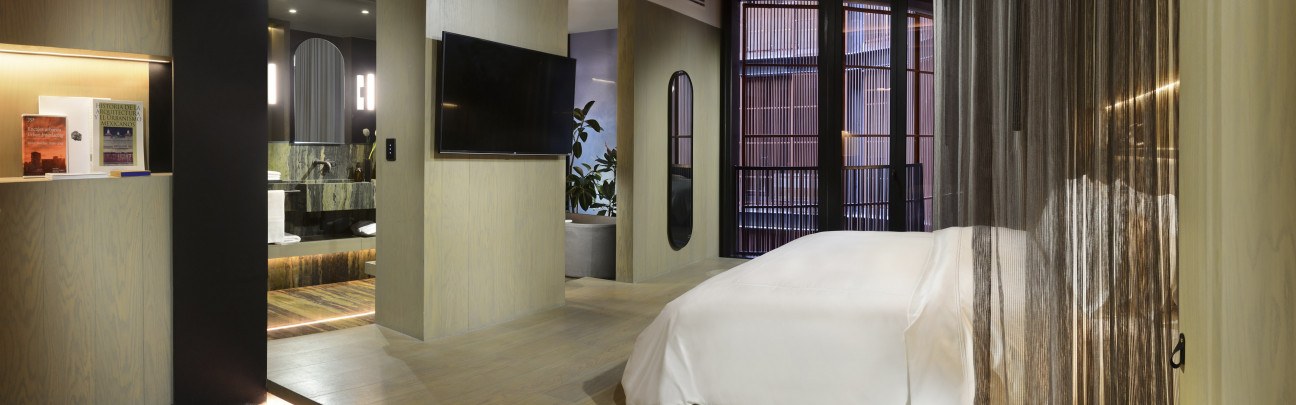
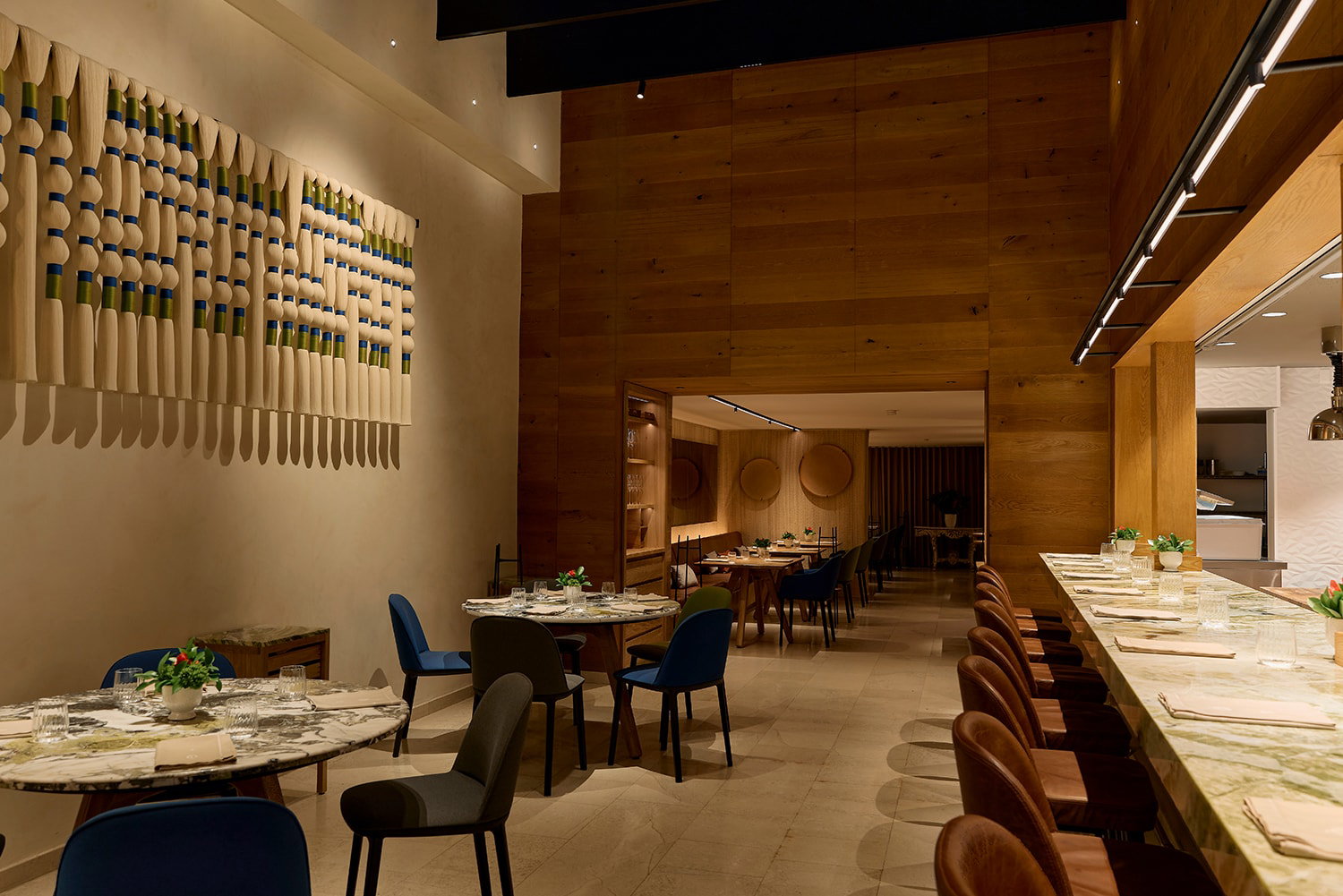
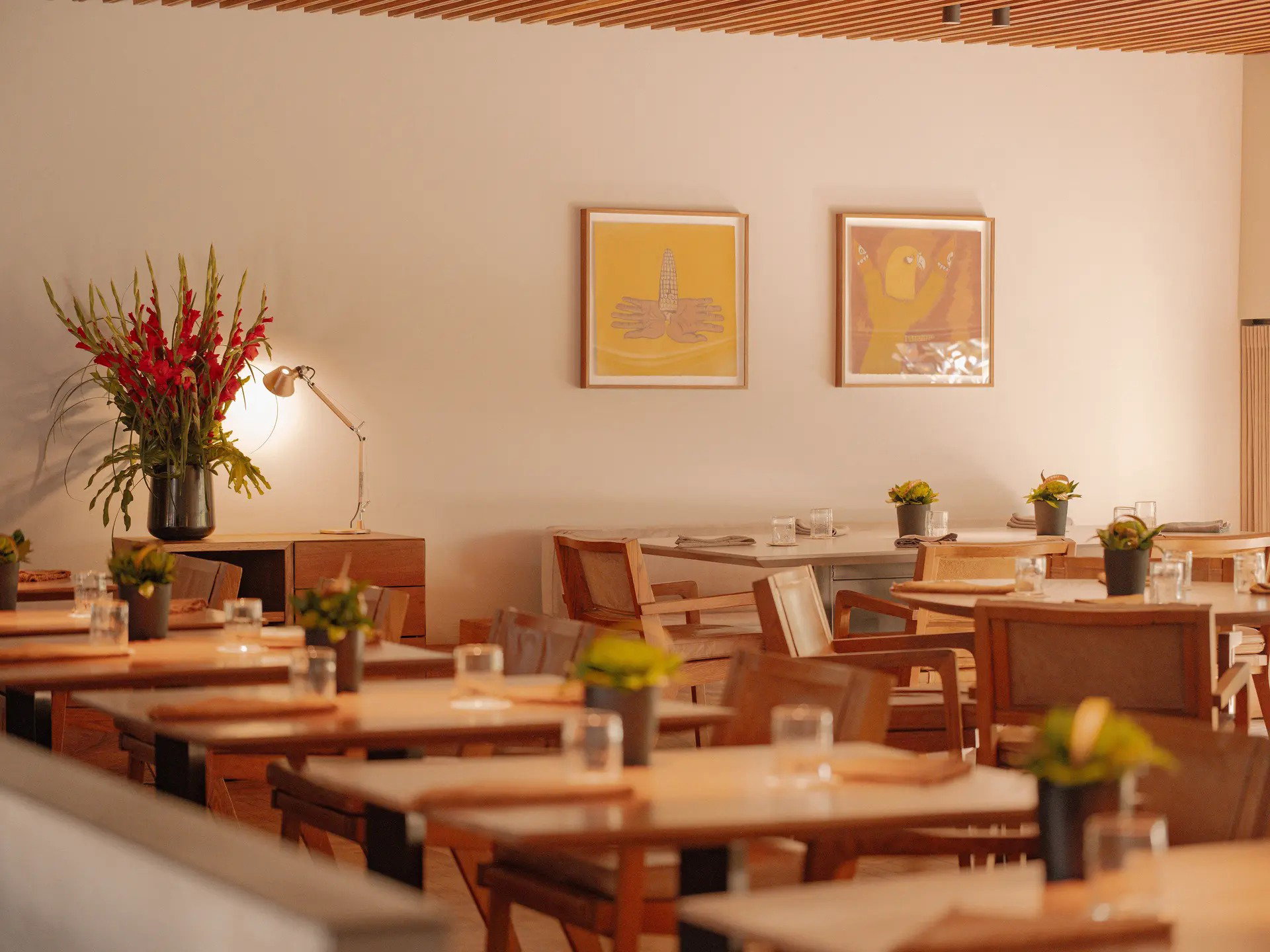
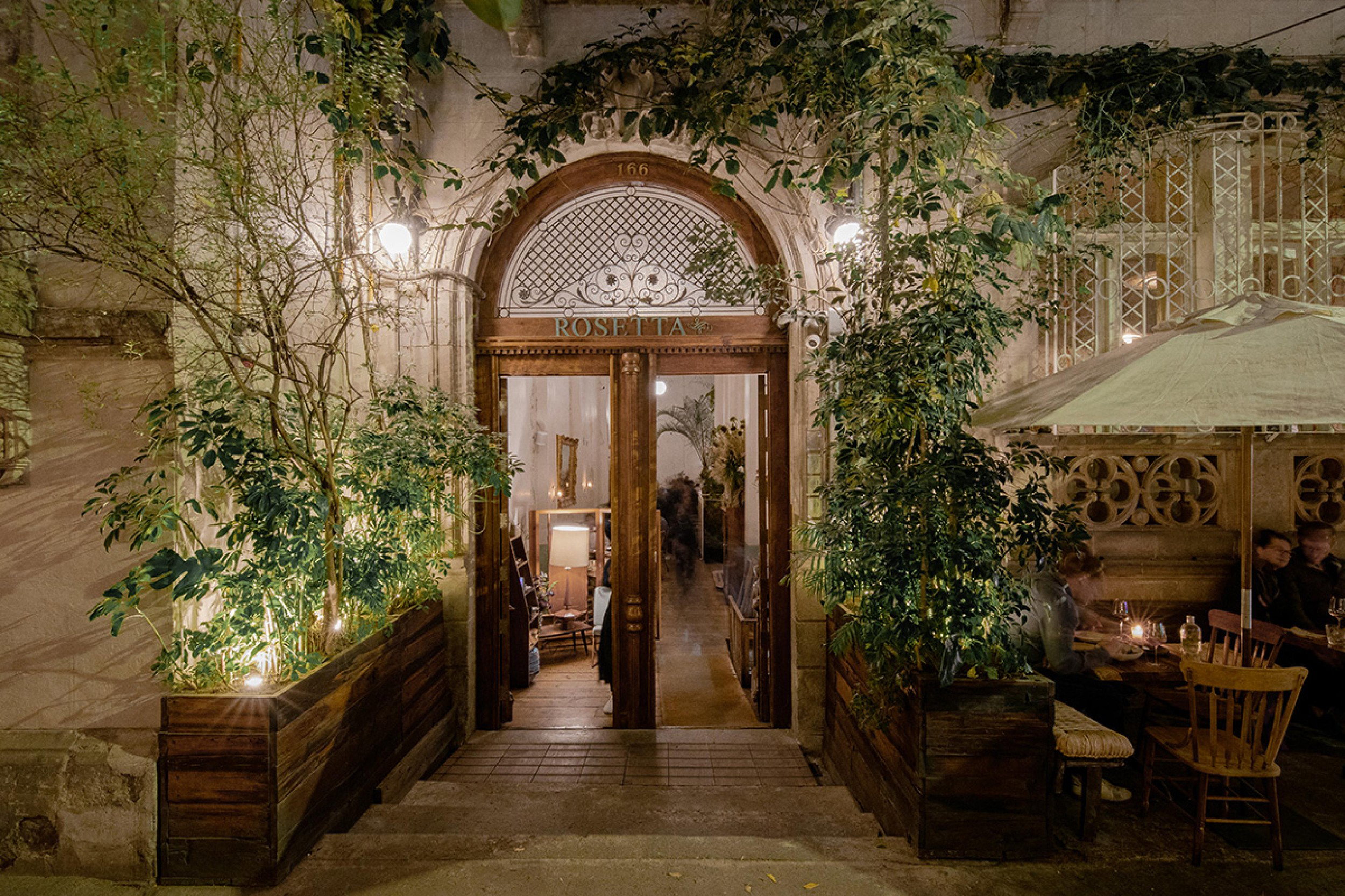
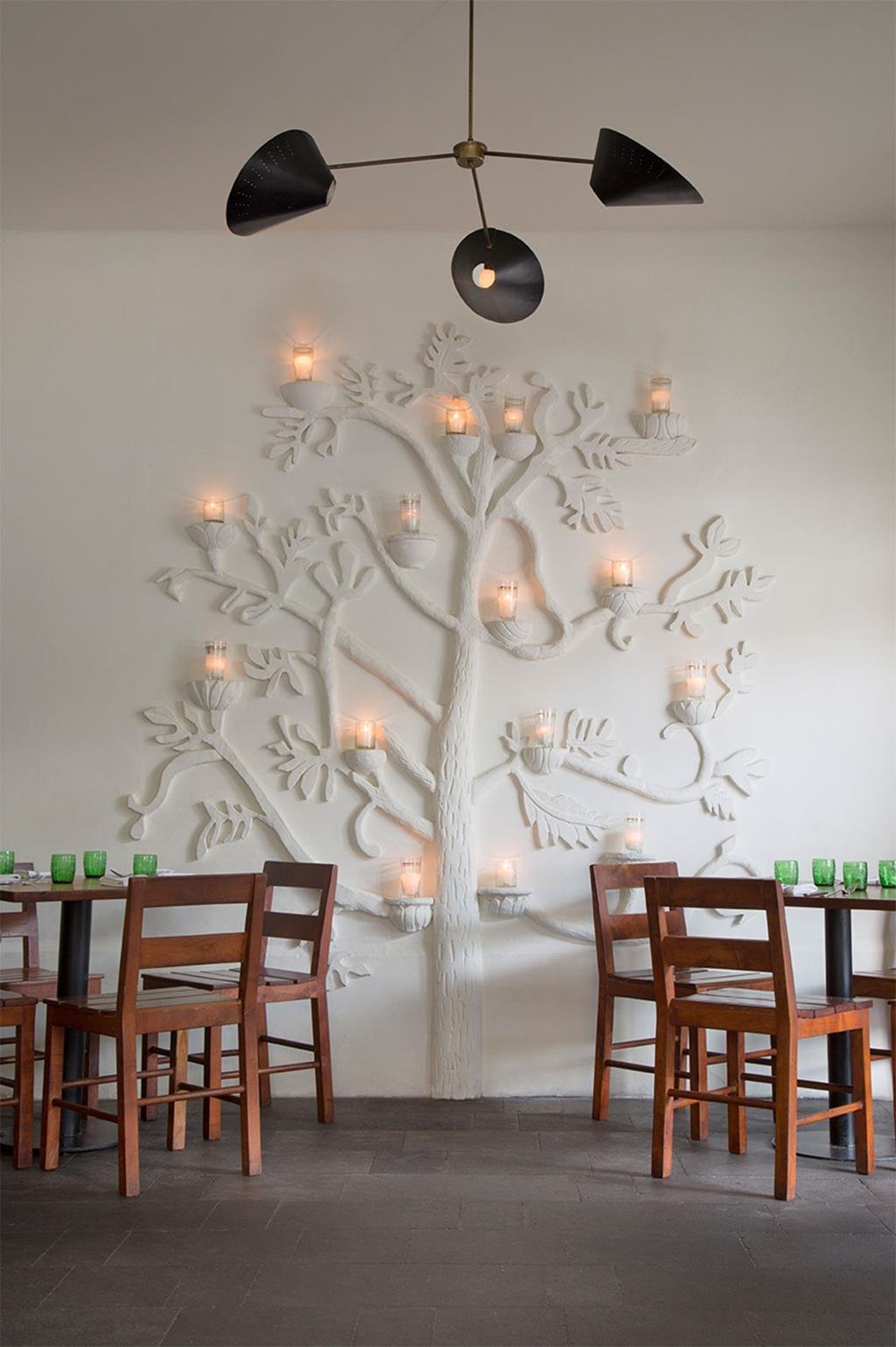
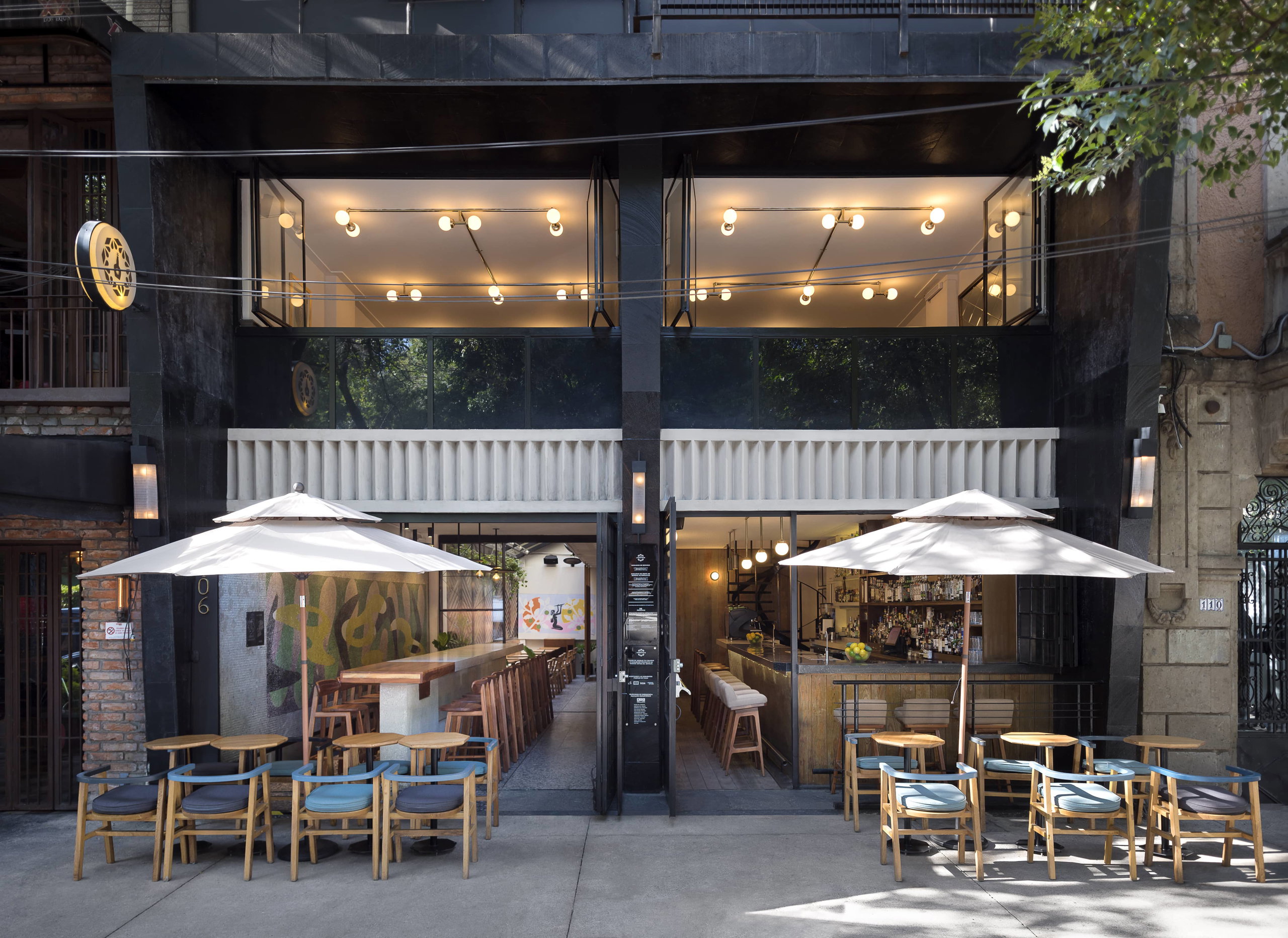
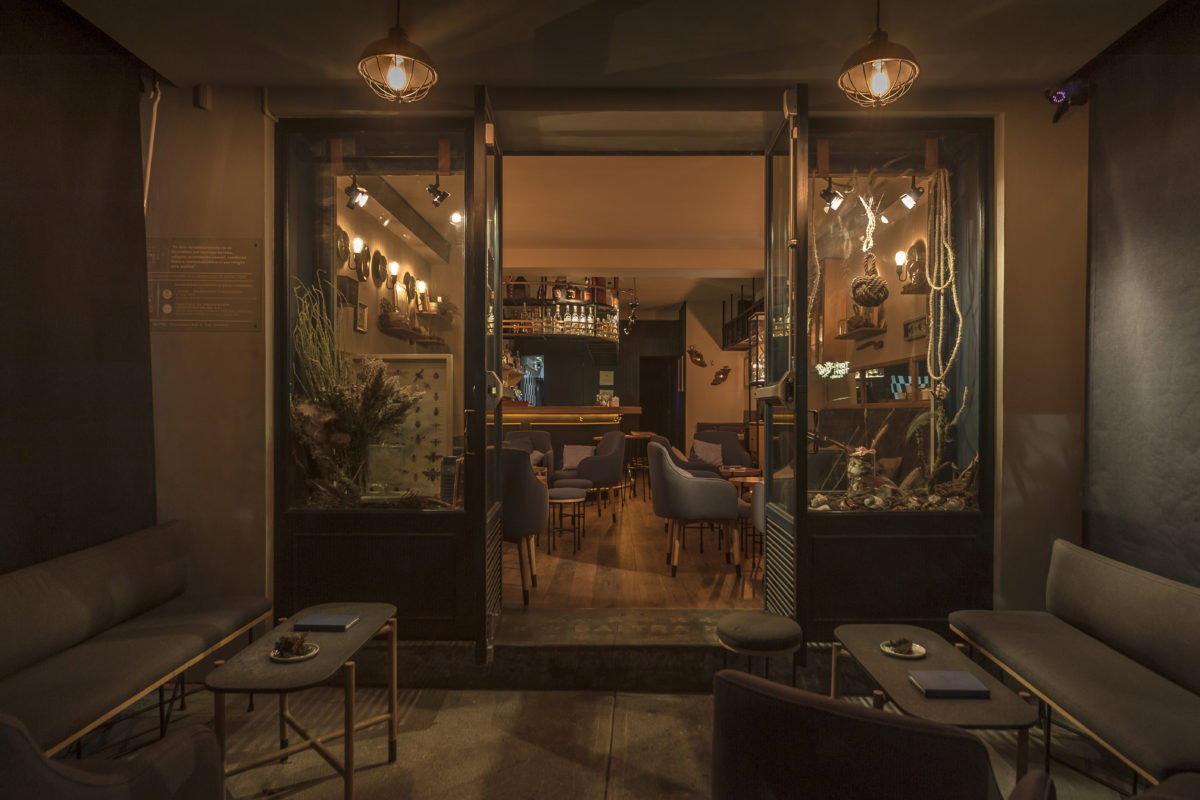
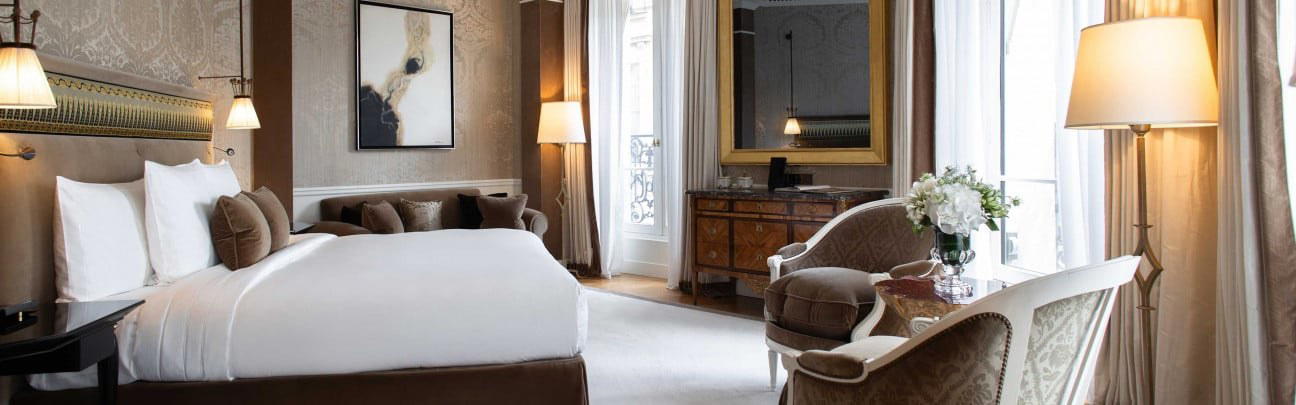
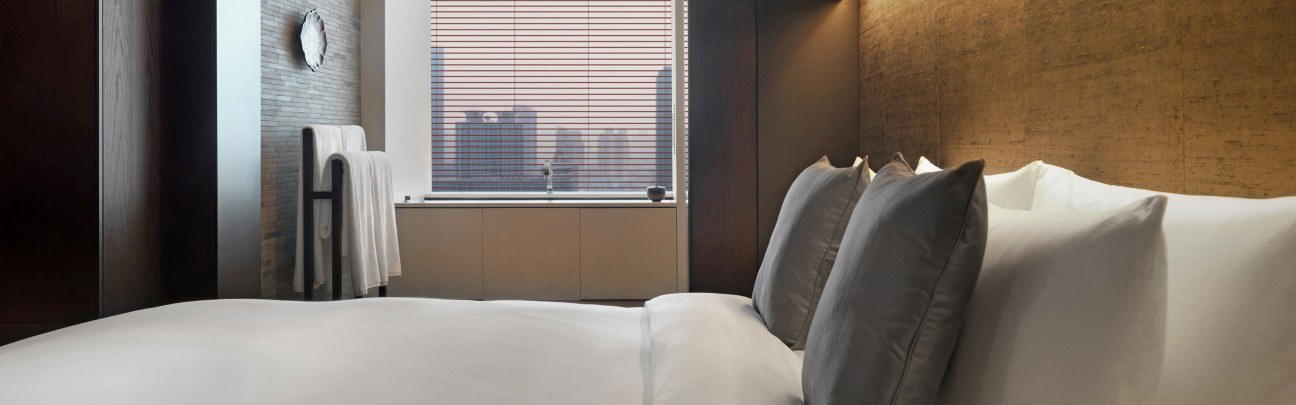
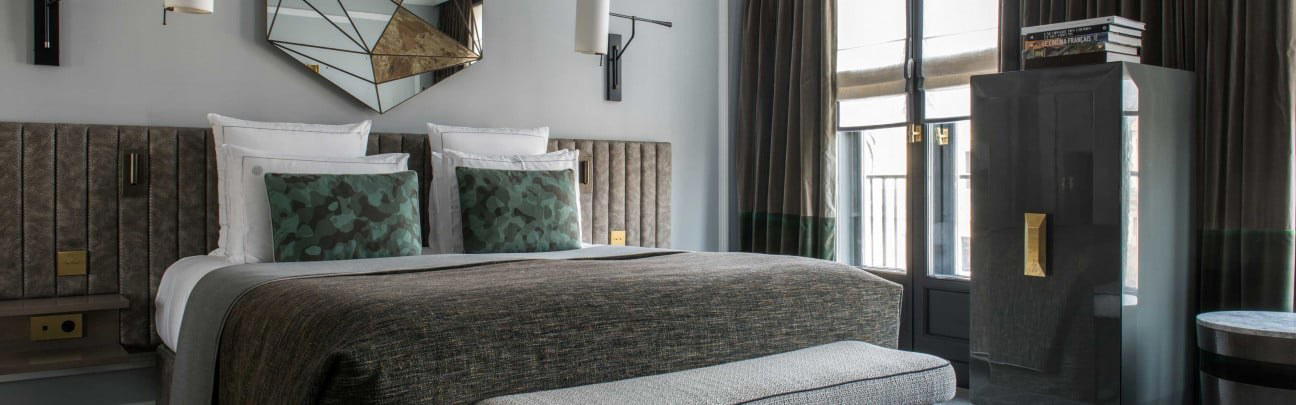
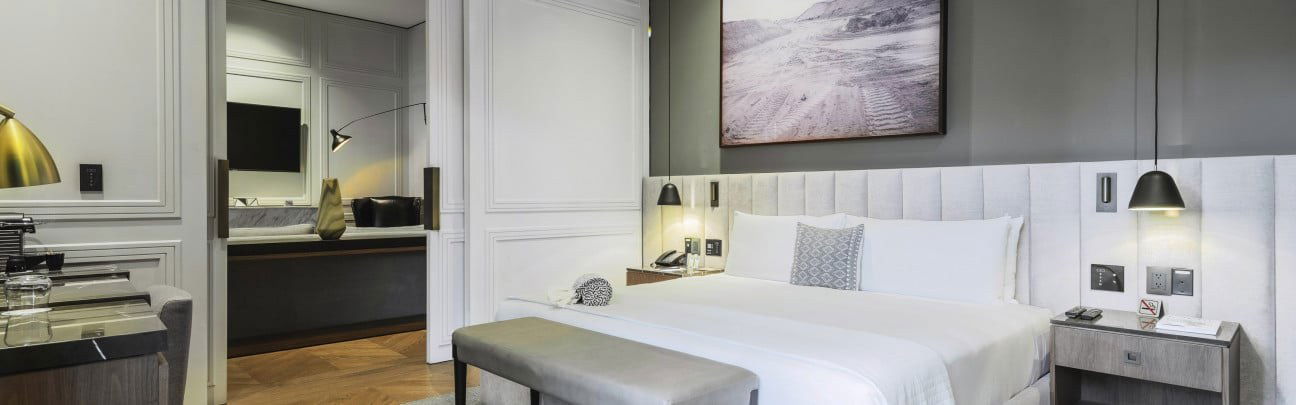
Brick Hotel reads like a small museum of early-20th-century ambition repurposed for contemporary comfort. The building’s Belle Époque provenance—bricks and ceramic tiles shipped from England—gives the property a palpable historical weight, even as the interiors pursue restraint: a neutral palette, parquet floors, Deco-influenced mirrors and floor-to-ceiling windows that place natural light at center stage. The restoration treats the structure as repatriation rather than ornamented revival, so rooms and public spaces feel quietly composed and measured. The overall effect is a historic shell made calm and intentional, where period details are balanced by modern, understated design.
Best For
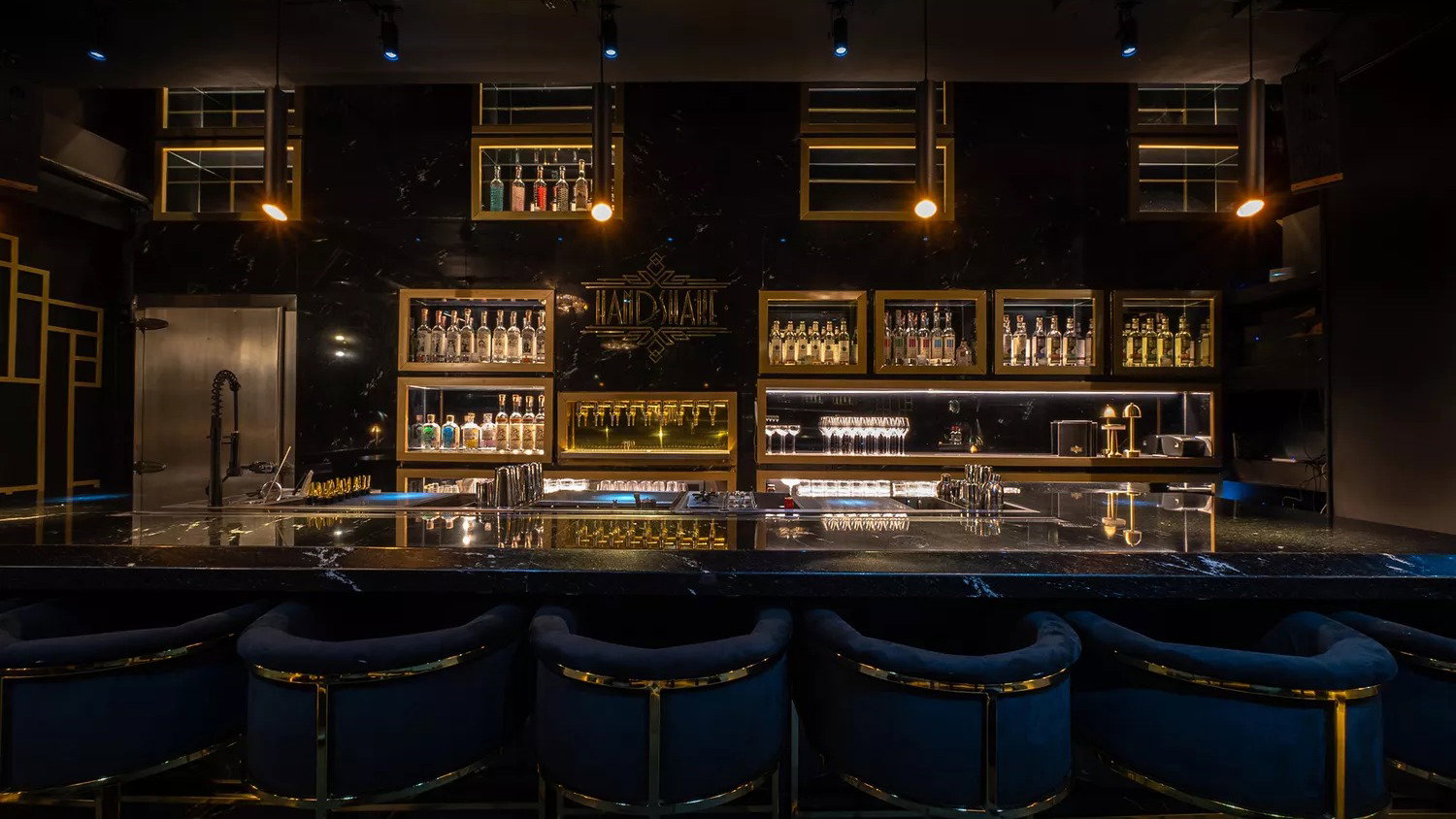
Brick Hotel suits travelers who prize small-scale luxury with the service and amenities of larger properties. With just 17 rooms and a rate around $967, it caters to guests seeking an elevated weekend escape, a romantic getaway or a business trip with boutique character. The property’s amenity stack—on-site spa, gym and multiple food-and-drink venues—positions it closer to full-service luxury hotels while retaining the intimacy of a restored Roma Norte residence. Guests looking for design-forward historic surroundings and a quiet, composed stay will find this a fitting choice.
Stay Tips
Note that Brick Hotel is a compact, 17-room luxury property with an upper-end nightly rate cited at about $967; availability can be limited by the small room count. The hotel emphasizes design-led interiors—look for rooms with floor-to-ceiling windows if natural light matters to you. The property includes a spa, a gym and multiple food-and-drink venues on site, so plan for on-site amenity use when budgeting your stay. The description frames the hotel as a high-end entrant in Roma Norte’s small-luxury segment, so expect a refined, full-service hotel experience rather than a minimalist or budget option.
Venue details
Ambiance
Sophisticated and inviting atmosphere with stylish design, comfortable lighting, and a sensual lobby vibe praised for its warmth and attention to detail.
Tags
Vibe
Best For
Experience
Amenities
Accessibility
About the Stay
- Rooms
- 17
- Check-in
- 15:00
- Check-out
- 13:00
- Property Style
- Restored Belle Époque Mansion with Modern Luxury Updates
- Design Style
- Sophisticated Blend of Authentic Historic and Avant Garde Elements
Know before you go
Know Before You Go
- Getting there
- C. Orizaba 95, Roma Nte., Cuauhtémoc, 06700 Cuauhtémoc, CDMX
Planning details
Location
C. Orizaba 95, Roma Nte., Cuauhtémoc, 06700 Cuauhtémoc, CDMX · Directions

Also consider
Also Consider
- Hotel Parian, Notable alternative
- Nima Local House hotel, Notable alternative
- La Valise Mexico City, Notable alternative
- Roso Guest House, Notable alternative
- Colima 71 - Casa de Arte Hotel, Notable alternative
Hotel context
How it compares with Roma Norte boutique peers
Choose Brick Hotel if vetted recognition and a central Roma Norte address matter more than chasing the lowest rate. Its Michelin 1 Key and boutique-hotel affiliations give it a stronger quality signal than many small properties, which is useful for anniversary trips or first-time Mexico City stays where risk matters. Hotel Parian and Roso Guest House are the comparison points to check when value is the main concern, especially if the trip is light on in-room time.
Nima Local House hotel and La Valise Mexico City are better cross-shops for travelers who want the stay to feel more residential and intimate. Brick Hotel is the safer pick when the brief is polished boutique hotel with stronger external validation; those two are stronger candidates when atmosphere and small-house character matter more than formal recognition.
Colima 71 - Casa de Arte Hotel is the one to compare if design and neighborhood feel are driving the decision. For hard-to-book dates, check all five peers before settling for a room category that does not fit the trip. If Brick Hotel only has entry-level rooms left and the stay is a celebration, a better room at La Valise Mexico City, Nima Local House hotel, or Colima 71 - Casa de Arte Hotel may be the smarter booking.
Explore Mexico City
Around this place
Discover more on Pearl
Unlock the full Brick Hotel guide in Pearl, including awards, comparisons, FAQs, planning details, and nearby places.
Compare Brick Hotel
| Venue | Location | Awards |
|---|---|---|
| Brick Hotel | Mexico City | 2026 Mr & Mrs Smith Luxury HotelsMichelin 1 Key 20252025 Michelin 1 KeySmall Luxury Hotels Member 2025 |
| Hotel Parian | Mexico City | No published awards |
| Nima Local House hotel | Mexico City | 2026 Mr & Mrs Smith Luxury Hotels2025 Michelin 1 Key |
| La Valise Mexico City | Mexico City | 2026 Vogue Best Hotels in Mexico City2025 Michelin 1 KeySmall Luxury Hotels Member 2025 |
| Roso Guest House | Mexico City | Small Luxury Hotels Member 2025 |
| Colima 71 - Casa de Arte Hotel | Mexico City | 2026 Vogue Best Hotels in Mexico City2026 Mr & Mrs Smith Luxury Hotels2025 Michelin 1 Key |

How Brick Hotel Mexico City compares with similar nearby venues.
FAQ
Frequently Asked Questions
When is the best time to book Brick Hotel?
Check availability for your travel dates directly with Brick Hotel in Mexico City. If your trip depends on staying there, confirm the current room options, rates, and cancellation terms before booking.
Which room category is best at Brick Hotel?
Choose the room category only after checking the current options, rates, and inclusions directly. Specific room types and room features depend on what the hotel is offering for your dates.
How does Brick Hotel compare to other hotels?
Brick Hotel is an option to consider if you want a recognized hotel in Mexico City. Hotel Parian, Nima Local House hotel, La Valise Mexico City, Roso Guest House, and Colima 71 - Casa de Arte Hotel are other Mexico City options to compare using each property's current details.
What is check-in like at Brick Hotel?
How is the location of Brick Hotel?
Do loyalty programs work at Brick Hotel?
Check your own program rules before booking. The recognized distinctions here are Michelin 1 Key status, Small Luxury Hotels of the World membership, and a Mr & Mrs Smith Seal of Approval, but specific earning, redemption, or loyalty benefits are not stated.
Is Brick Hotel good for business travel?
It can be worth considering for a business trip to Mexico City, but confirm the services you need directly before booking.