
Palais Gentile
centro storico (old town), Matino
Hotel in Matino, Italy
 Book with Pearl
Why go
Palais Gentile is a good Matino pick for travelers who want a calm boutique base in Salento with credible hotel recognition, including the Mr & Mrs Smith Seal of Approval and MICHELIN Guide Hotels selection. Families should book only after confirming room setup and child logistics, since the known strengths point more to atmosphere than resort-style infrastructure.
About Palais Gentile
Should you book Palais Gentile in Matino? Consider it if you want a Matino stay with external recognition. Palais Gentile has the Mr & Mrs Smith Seal of Approval for 2026, was selected in the MICHELIN Guide Hotels in 2025, and has a casual dress code.
Those signals can help with shortlisting.
A Matino stay with limited practical detail
For families, Palais Gentile is a Matino stay with recognized hotel credentials, but it does not establish a resort-style family program or specific family amenities. It may suit travelers who are comfortable confirming practical needs before they commit.
Parents traveling with babies, toddlers, older relatives, or larger groups should ask the property directly about room arrangements, arrival logistics, meals, accessibility, and any other non-negotiables. The recognition supports Palais Gentile as a credible shortlist option, but it is not a guarantee of particular services.
For broader trip planning, start with Matino itself, then cross-check food and downtime around town through current official sources and local guidance.
Where it fits against other options
Consider Palais Gentile alongside Palazzo Piccinno if Matino is central to the decision and external recognition matters. Compare it with Il Giardino Grande - Dimora in Salento and Critabianca if you are weighing other stays.
For travelers also considering bases beyond Matino, Castello di Ugento Hotel and Palazzo del Corso are natural comparison points. Palais Gentile is worth considering when Matino itself is part of the appeal and the decision can rest on its recognition rather than on assumptions about facilities or service format.
Planning details
- Location
- Via Gentile, 20, 73046 Matino LE, Italy
- Website
- palaisgentile.com
- Phone
- +39 324 892 0774
The take
The Take
The Vibe
Palais Gentile reads as an architectural proposition: a heavy-limestone palazzo that prefers carved portals and wrought-iron balconies to bright signage. The experience is rooted in Baroque detail and piano nobile proportions, so the building itself becomes the primary presence. Streets in Matino quiet by midday, and the hotel operates as a quieter argument in Salento’s interior: an intimate, composed place where the materiality of stone and the cadence of shadow and relief set the tone. Visitors encounter a calm, historically grounded atmosphere rather than the bustle of seaside resort life.
Best For
This hotel suits travelers who prize architecture and a quietly concentrated local experience over resort-style facilities. It is for people looking to explore deep Salento away from the coast: those intrigued by Baroque facades, internal courtyards and the slow rhythms of a small inland town. Given its placement in the Michelin Hotels & Stays selection, it also appeals to guests seeking distinctive, design-forward stays rather than volume-driven amenities. Expect a calm base for cultural wandering and an intimate sense of place.
Stay Tips
Look for the palazzo’s stone presence rather than prominent signage: the property ‘announces itself through stone,’ so the façade is the clearest landmark. Matino sits roughly ten kilometres from the Ionian coast near Gallipoli, so plan transfers if you’re arriving from seaside towns. Also account for the town’s rhythm, streets quiet by midday in summer, when scheduling arrivals or daytime explorations. The hotel emphasizes architectural character and experiential specificity, so prioritize timing and logistics over expectations of large-scale resort services.
Venue details
Ambiance
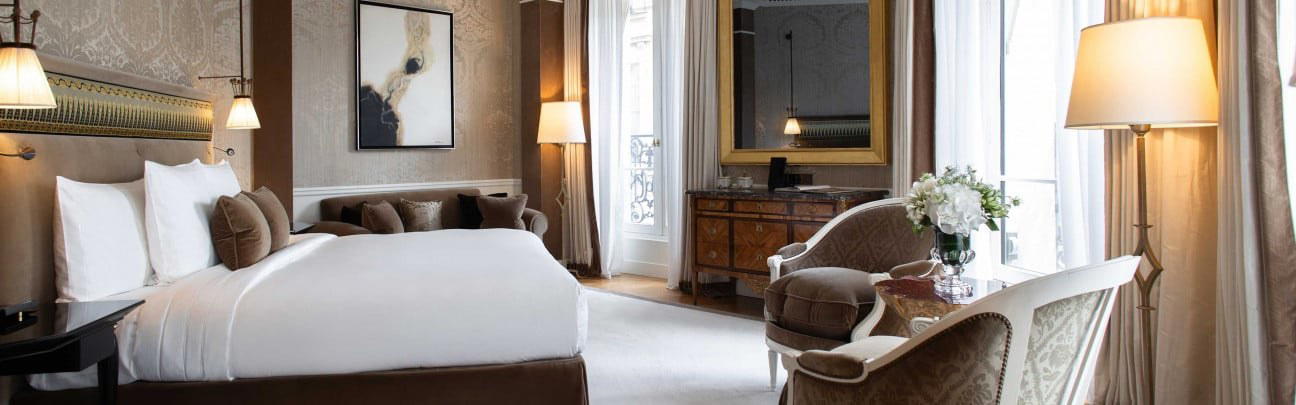
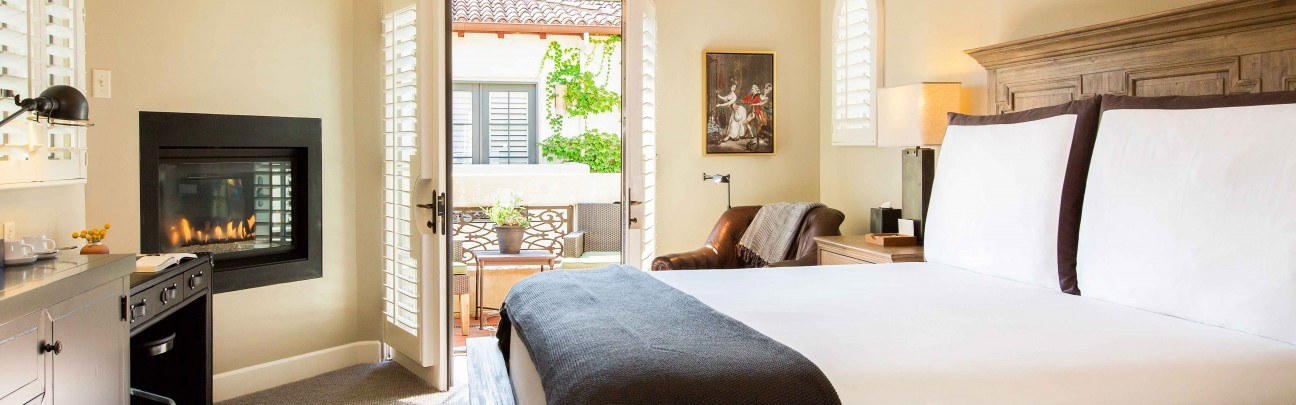
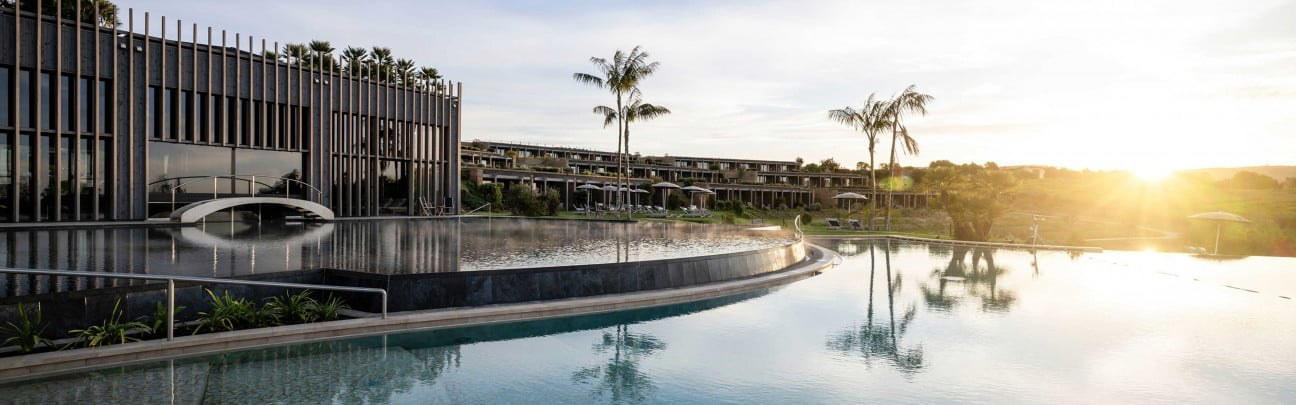
Serene and sophisticated with whitewashed walls, original patterned floor tiles, high ceilings, and soft natural light; rooftop terrace provides peaceful sunset views over the medieval village.
Tags
Vibe
Best For
Experience
Amenities
View
About the Stay
- Rooms
- 5
- Check-in
- 15:00
- Check-out
- 11:00
- Property Type
- Boutique hotel
- Property Style
- Pared Back Palazzo with Slow Living Ethos; Authentically Restored Family Retreat Emphasizing Simplicity and Local Craftsmanship.
- Design Style
- Puglian Vernacular with Original Architectural Elements (stone Arches, Bold Patterned Tiles, High Ceilings) Paired with Curated Vintage Furnishings and Locally Made Artworks.
- Breakfast
- Included
- Airport Transfer
- Available
- Pool
- Yes
- Spa
- Yes
- Pets
- Allowed
- Families
- Welcome
- Cancellation
- Moderate
Know before you go
Know Before You Go
- Getting there
- Via Gentile, 20, 73046 Matino LE, Italy
Planning details
Location
Recognition and awards
Also consider
Also Consider
- Palazzo Piccinno, Notable alternative
- Il Giardino Grande - Dimora in Salento, Notable alternative
- Critabianca, Notable alternative
- Castello di Ugento Hotel, Notable alternative
- Palazzo del Corso, Notable alternative
Hotel context
How Palais Gentile Compares
Palais Gentile is the safer shortlist choice if awards and curation matter: it carries the Mr & Mrs Smith Seal of Approval and a MICHELIN Guide Hotels selection, which gives it a stronger trust signal than the nearby peers listed here. Palazzo Piccinno is the closest comparison for travelers who want another palazzo-style stay, but Palais Gentile has clearer external recognition.
For families, the decision is more practical than romantic. Il Giardino Grande - Dimora in Salento may suit guests who want a dimora with more emphasis on outdoor space, while Critabianca is the better cross-shop for a quieter Salento alternative. Palais Gentile is easier to justify when the group wants Matino specifically and does not need a resort setup.
If the trip can shift beyond Matino, compare against Castello di Ugento Hotel for a more formal hotel choice and Palazzo del Corso for a busier palazzo-hotel feel. Palais Gentile remains the pick for a slower town base with stronger recognition signals.
Explore Matino
Around this place
Discover more on Pearl
Unlock the full Palais Gentile guide in Pearl, including awards, comparisons, FAQs, planning details, and nearby places.
Compare Palais Gentile
| Venue | Location | Awards |
|---|---|---|
| Palais Gentile | Matino | 2026 Mr & Mrs Smith Luxury Hotels2025 Michelin Selected Hotels |
| Palazzo Piccinno | Parabita | No published awards |
| Il Giardino Grande - Dimora in Salento | Parabita | No published awards |
| Critabianca | Cutrofiano | 2026 Michelin 1 Key2025 Michelin 1 Key2024 Michelin 1 Key |
| Castello di Ugento Hotel | Ugento | 2026 Mr & Mrs Smith Luxury Hotels2026 La Liste Top Hotels2025 Michelin Selected Hotels |
| Palazzo del Corso | Gallipoli | No published awards |



How Palais Gentile Matino compares with similar nearby venues.
FAQ
Frequently Asked Questions
How does Palais Gentile compare to other hotels?
Choose Palais Gentile if you want a Matino stay with external recognition, including MICHELIN Guide Hotels Selected (2025) and Mr & Mrs Smith Seal of Approval (2026). Compare it with Palazzo Piccinno if you are focused on Matino. Castello di Ugento Hotel is another useful comparison point for travelers considering stays beyond Matino.
How is the dining at Palais Gentile?
Dining details are not available, so avoid choosing Palais Gentile based on assumed restaurant or meal service. The stronger case for Palais Gentile is its hotel recognition: MICHELIN Guide Hotels Selected (2025) and Mr & Mrs Smith Seal of Approval (2026). If dining is a main priority, compare your options and check each venue's official channels for the latest details.
When is the best time to book Palais Gentile?
Book when your Matino dates are fixed and after you have confirmed any practical details that matter to your trip. Its recognition makes Palais Gentile a credible shortlist option, but specific booking patterns, seasonal demand, and availability are not available.
What is check-in like at Palais Gentile?
Plan to confirm arrival times, access, luggage arrangements, parking, and any accessibility needs directly with Palais Gentile before travel. If you prefer to compare other hotel options, Palazzo del Corso is another name to review.
Do loyalty programs work at Palais Gentile?
Loyalty-program details are not available, so do not choose this stay for points or status benefits unless the property confirms them directly. Palais Gentile makes more sense if you care about the Matino location and its recognition from MICHELIN Guide Hotels Selected (2025) and Mr & Mrs Smith Seal of Approval (2026).