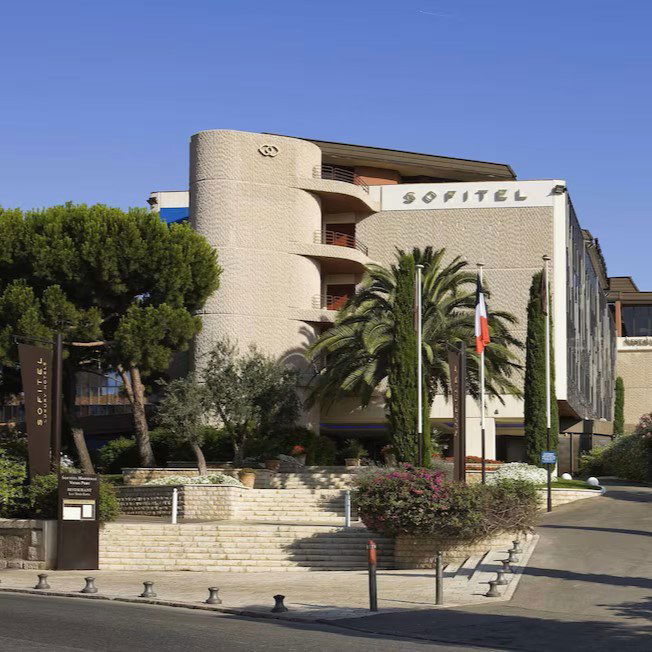

Sofitel Marseille Vieux Port
Vieux Port, Marseille
Hotel in Marseille, France
 Book with Pearl
The Read
Price
$200–300per night
Why go
Book Sofitel Marseille Vieux Port for a polished Marseille stay where the old-port setting is the point. It suits couples, celebrations, and business travelers who value location and loyalty upside; rate-check carefully if the trip is more about beach time, design character, or family logistics.
About Sofitel Marseille Vieux Port
Sofitel Marseille Vieux Port is a Marseille hotel with a clear quality signal: it is listed in the MICHELIN Guide as Hotels Selected for 2025. Beyond that recognition and a smart casual dress code, specific details are limited, so it is best considered as a conservative planning note rather than a full amenity-by-amenity review.
The safest reason to keep it on a Marseille shortlist is the combination of the Sofitel Marseille Vieux Port name, the MICHELIN Guide hotel selection, and the city setting. For readers comparing across the city, start with our full Marseille hotels guide, then use the broader planning pages for Marseille restaurants, Marseille bars, Marseille wineries, and Marseille experiences.
Book for a recognized Marseille hotel, not for specific details
Sofitel Marseille Vieux Port is in Marseille, has a smart casual dress code, and appears in the MICHELIN Guide hotel selection for 2025. Claims about exact room features, views, dining formats, facilities, service rituals, pricing, or neighborhood advantages should be checked directly with the hotel before you book.
Pricing details vary, so treat value as a live rate-check decision. If the quote is competitive with other Marseille hotel options, the MICHELIN Guide hotel selection gives this property a useful quality signal. If the rate is materially higher, the decision should depend on details you confirm directly, rather than on assumptions about amenities or location advantages.
Planning details to confirm before booking
Before committing, confirm the details that matter for your trip directly with Sofitel Marseille Vieux Port or your booking channel. That includes room type, cancellation terms, arrival timing, included services, and any dining or wellness plans you expect to use. The dress code is smart casual, but other practical policies should not be assumed.
If you are comparing Sofitel Marseille Vieux Port with other Marseille hotels, keep the comparison general unless you have current, property-specific details in front of you. It is a recognized hotel in Marseille, but avoid making claims about superiority on price, design, family features, business facilities, or dining without property-specific details.
Who should choose something else
Choose another Marseille option if your decision depends on a specific feature, such as a particular room view, restaurant style, spa facility, family setup, meeting space, or exact price point. Sofitel Marseille Vieux Port remains a credible Marseille hotel to investigate, but the final decision should be based on current details confirmed at booking.
Planning details
- Location
- 36 boulevard Charles Livon, Marseille, France
- Phone
- +33 4 91 15 59 55
The take
The Take
The Vibe
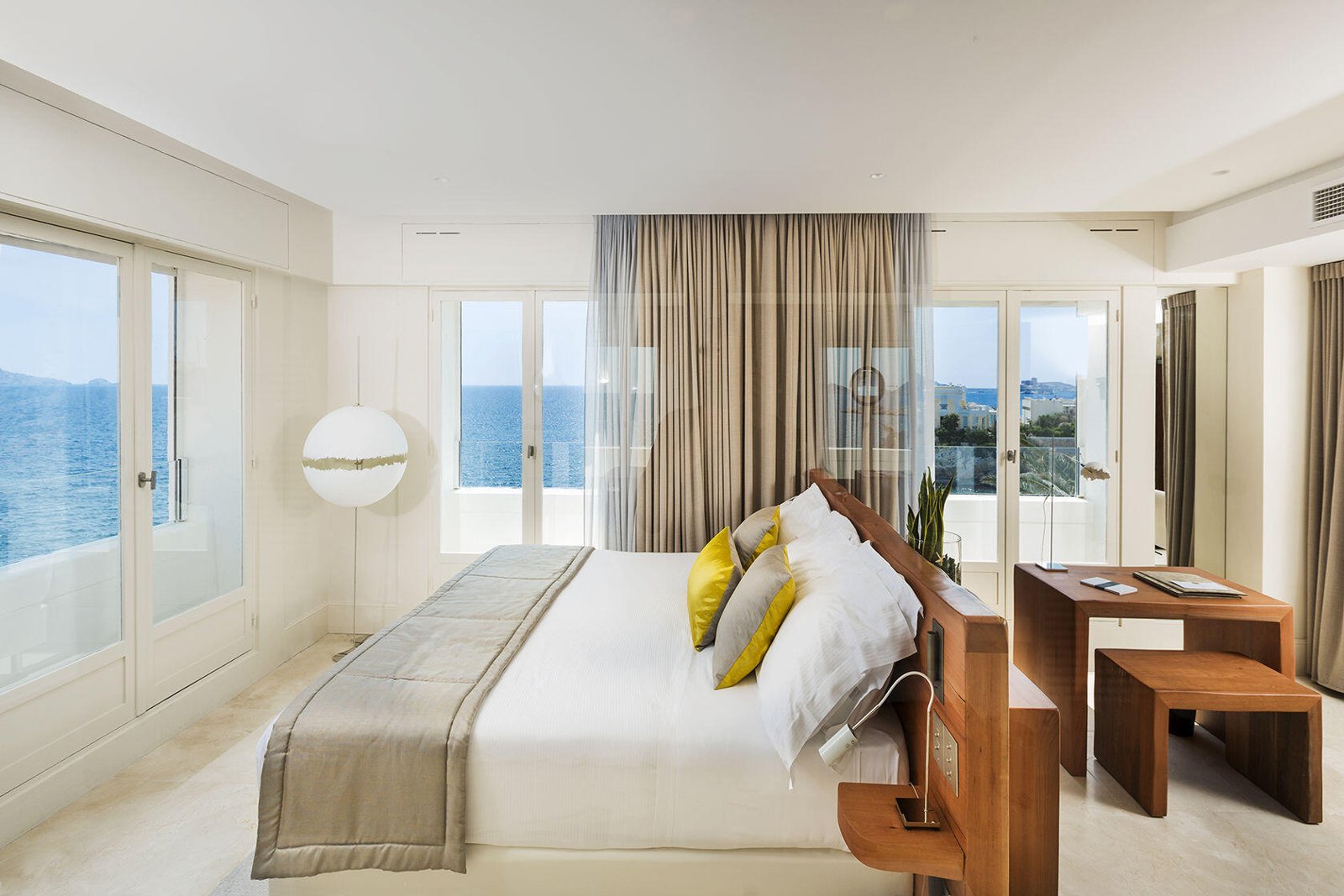
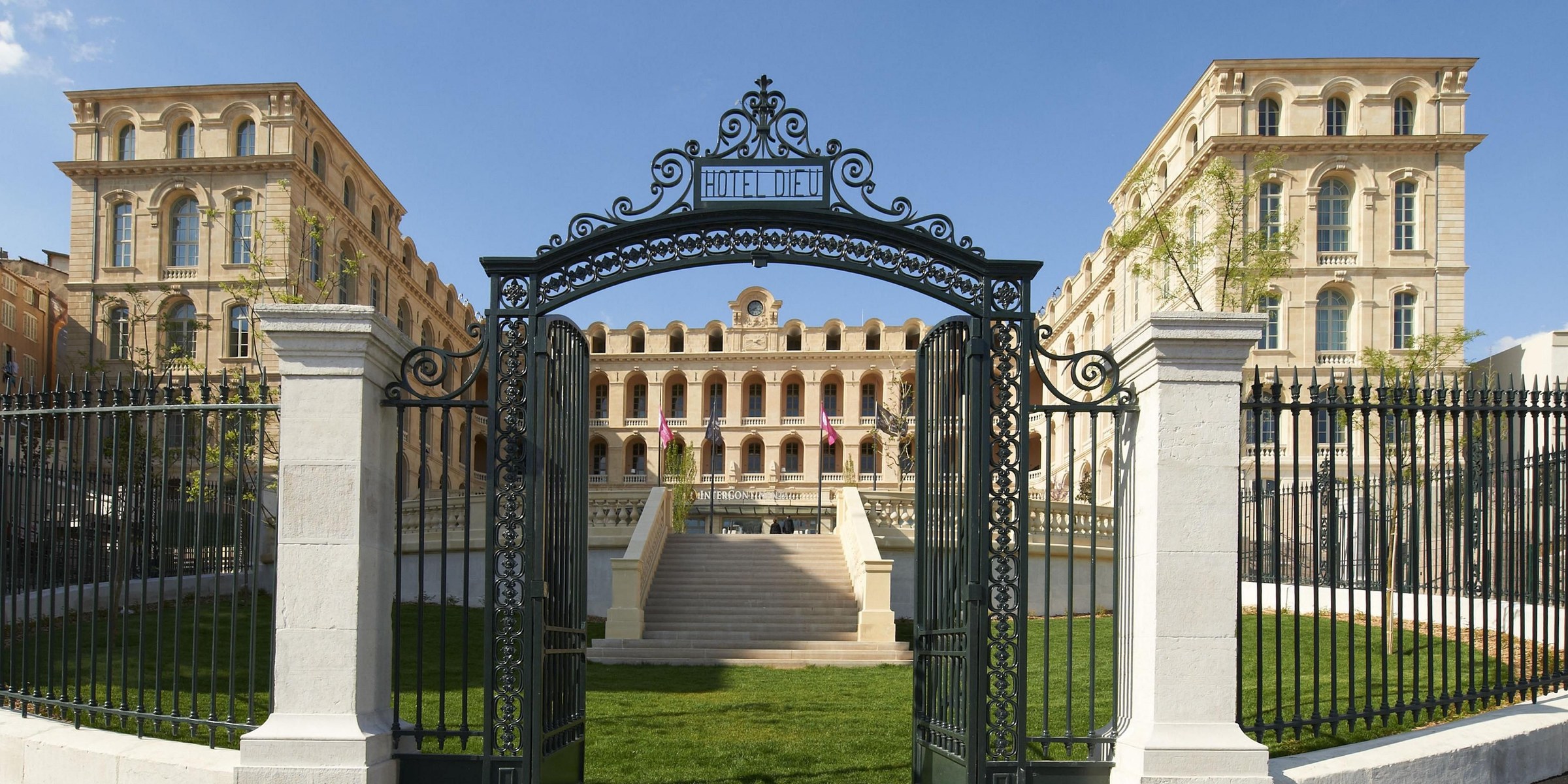
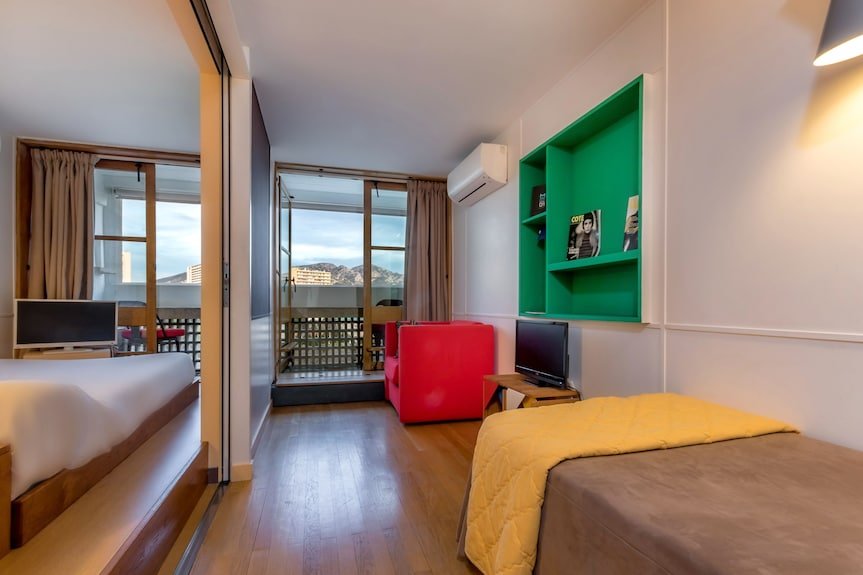
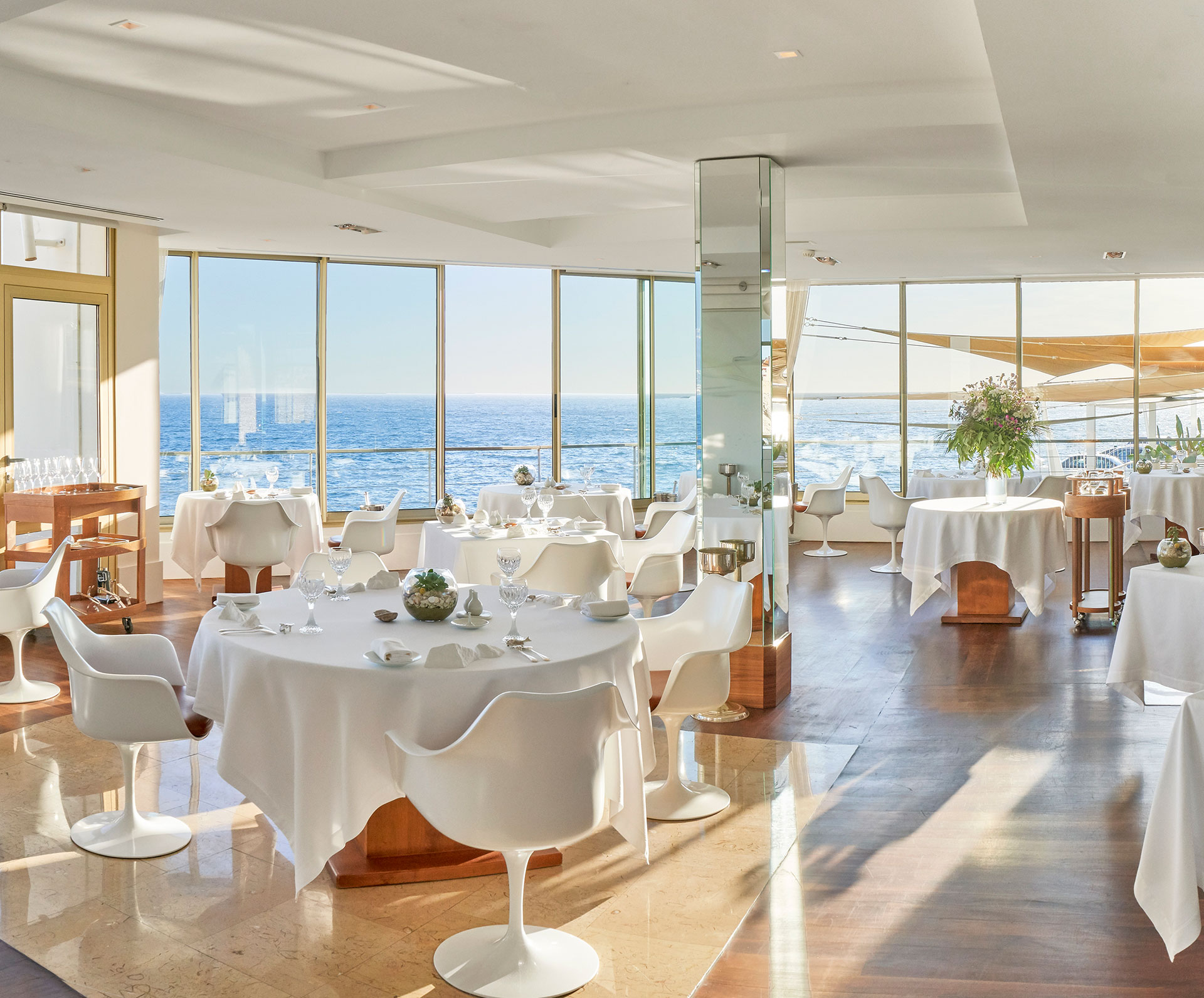
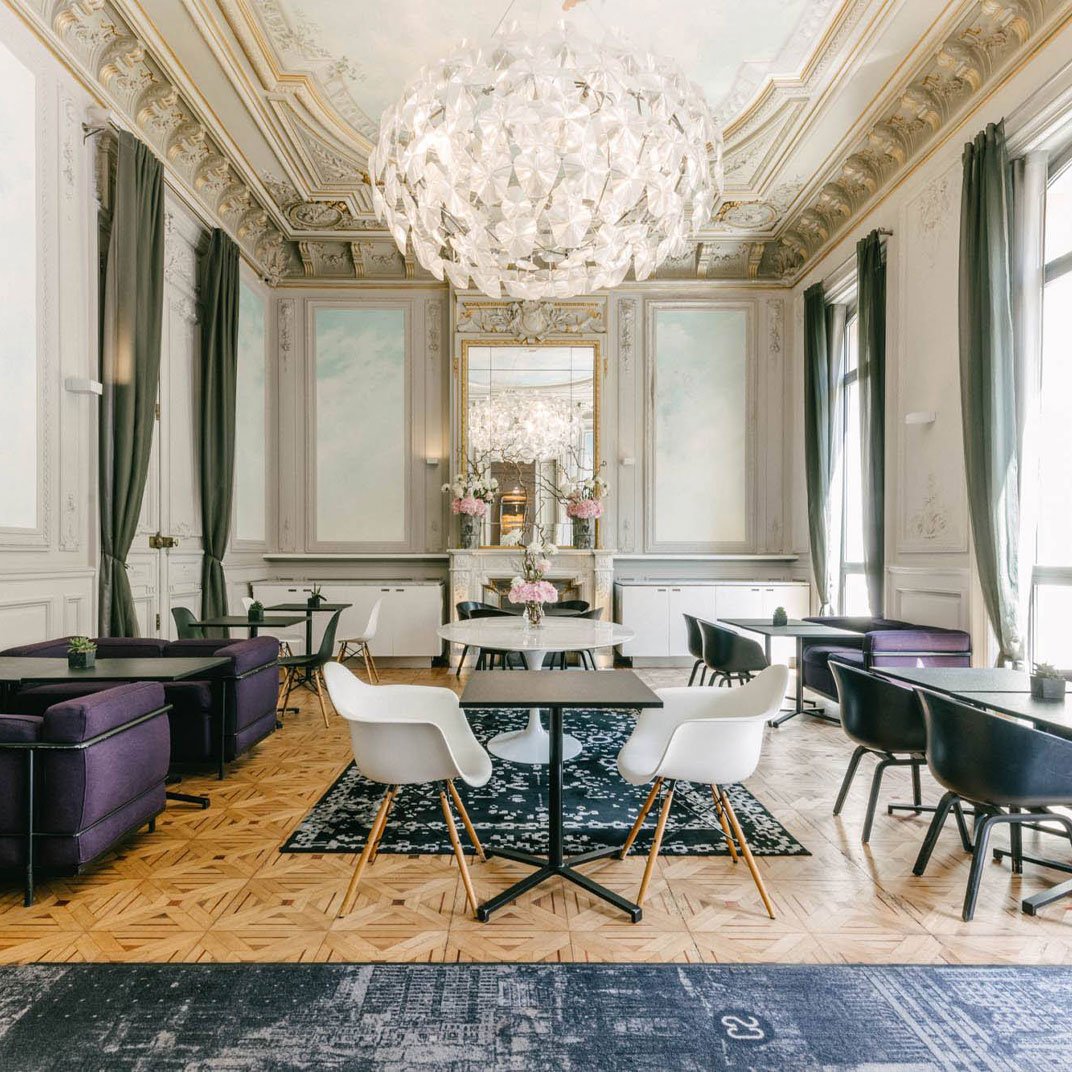
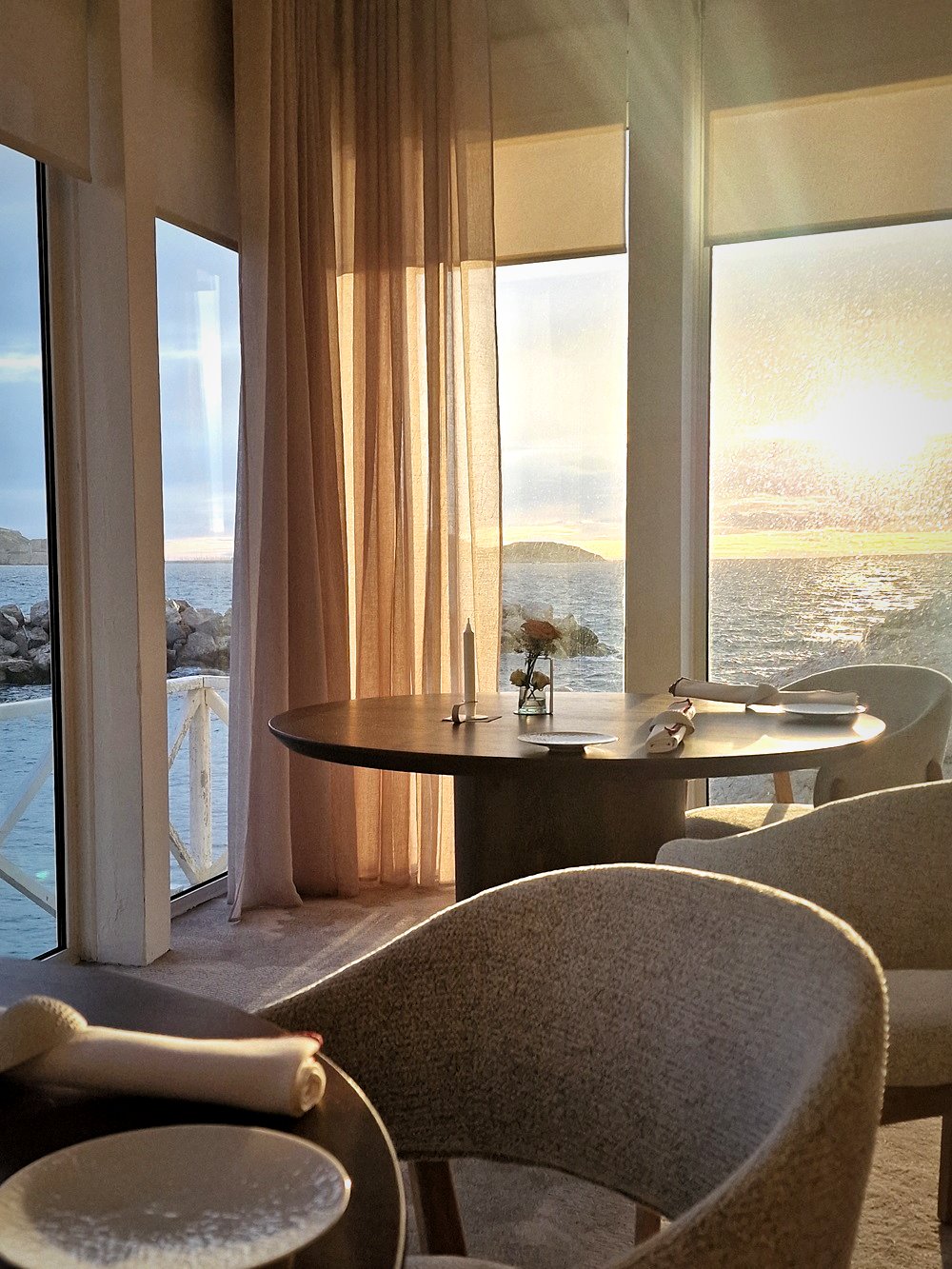
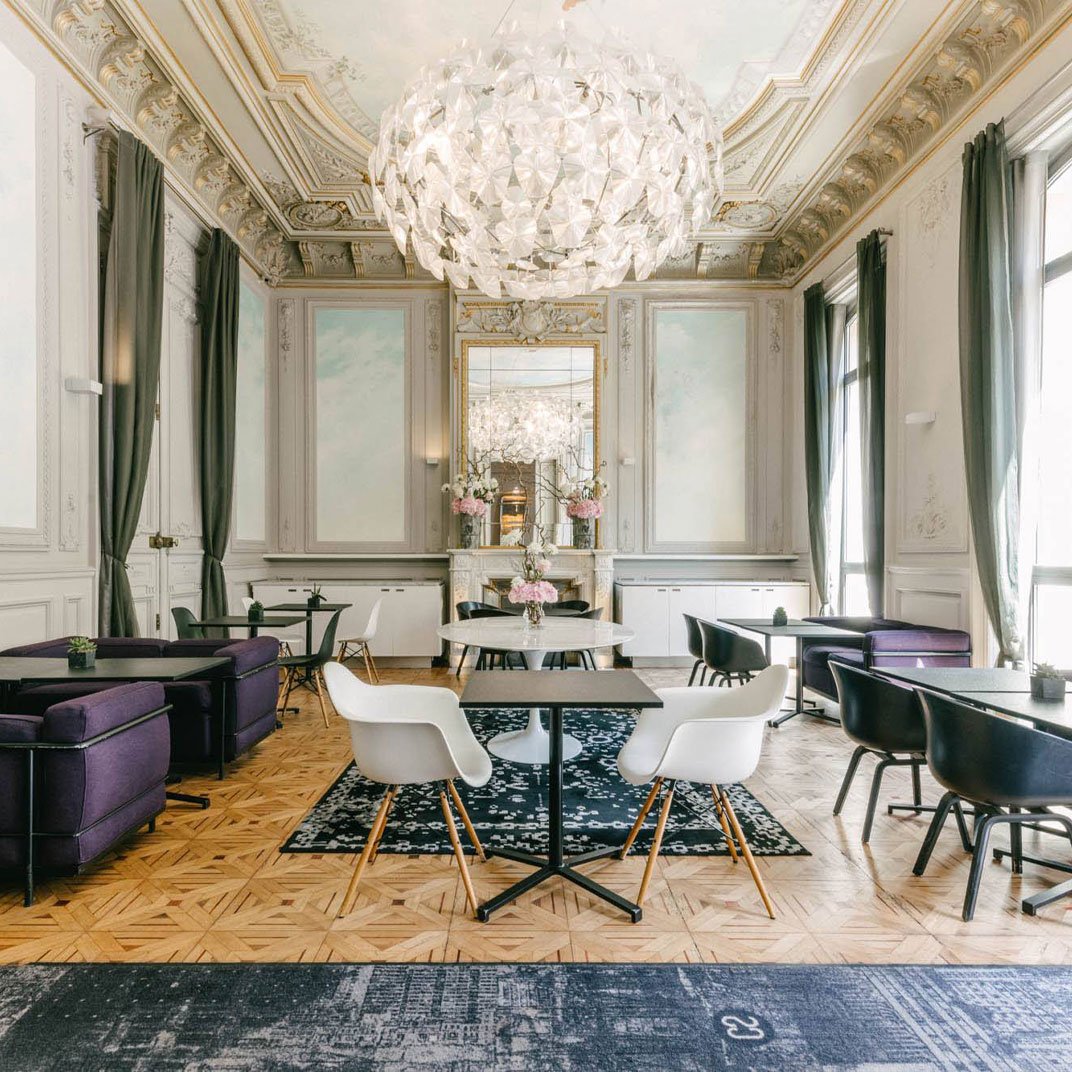
The Sofitel Marseille Vieux Port presents as a high‑end international flagship anchored to one of the city’s best addresses. It reads less like a generic chain property and more like a design‑minded hotel thanks to the brand’s L’Oeuvre Unique programme, which commissions art and specific material choices for prestige locations. The property leans into its harbour setting: rooms are configured toward the water, and public vistas celebrate the working quays and the Basilique Notre‑Dame de la Garde on the skyline. A recent Michelin Selected designation underscores a level of quality that differentiates the hotel from standard volume offerings.
Best For
This is a straightforward pick for travellers who want to be based on the Vieux Port: romantic couples seeking harbour views, business visitors who need a reliable, upscale chain property with a prominent address, and weekend escape seekers looking to trade city bustle for seaside panoramas. The hotel’s emphasis on design and curated art commissions also makes it suitable for guests who care about contemporary French hotel style. Location and view are the primary draws—guests book this hotel to sleep above the port and take in Marseille’s maritime skyline.
Venue details
Ambiance
Refined marine-inspired atmosphere with soothing blues, seashell motifs, and elegant lighting enhanced by panoramic port vistas.
Tags
Vibe
Best For
Experience
Amenities
View
Accessibility
About the Stay
- Rooms
- 134
- Check-in
- 16:00
- Check-out
- 12:00
- Property Type
- Design hotel
- Property Style
- Nautical Luxury Inspired by a Lavish Yacht with Marine Themed Decor.
- Design Style
- Contemporary Marine Elegance Featuring Blues, Seashells, Pebbles, and Clean Lines.
- Pool
- Yes
- Spa
- Yes
- Pets
- Allowed
- Families
- Welcome
- Cancellation
- Moderate
Know before you go
Know Before You Go
- Getting there
- 36 boulevard Charles Livon, Marseille, France
Planning details
Location
36 boulevard Charles Livon, Marseille, France · Directions
Recognition and awards
Explore Marseille
Around this place
Discover more on Pearl
Unlock the full Sofitel Marseille Vieux Port guide in Pearl, including awards, comparisons, FAQs, planning details, and nearby places.
FAQ
Frequently Asked Questions
What is check-in like at Sofitel Marseille Vieux Port?
Specific details regarding the check-in process, arrival ritual, or check-in time are not available. Confirm those details directly with Sofitel Marseille Vieux Port or your booking channel before arrival. The hotel is in Marseille and is listed in the MICHELIN Guide Hotels Selected for 2025.
Is Sofitel Marseille Vieux Port family-friendly?
Specific details regarding family facilities, room setups, or child-focused services are not available. It may still be worth considering for a Marseille stay, but families should confirm room configuration, policies, and any needed services directly before booking.
Do loyalty programs work at Sofitel Marseille Vieux Port?
Details regarding loyalty-program benefits, upgrade rules, or eligible booking channels are not available. If loyalty value matters to your stay, check the current terms directly with Sofitel Marseille Vieux Port or the relevant booking platform before you reserve.
Is Sofitel Marseille Vieux Port good for business travel?
Sofitel Marseille Vieux Port is a recognized hotel in Marseille, with a MICHELIN Guide Hotels Selected listing for 2025. However, details regarding meeting facilities, business services, or workspace are not available, so business travelers should verify those needs directly before booking.