
The Himalayan
Old Manali, Manali
Hotel in Manali, India
 Book with Pearl
The Read
Price
$100–200per night
Why go
The Himalayan is worth shortlisting for a special-occasion Manali stay if atmosphere and boutique character matter more than chain benefits or resort scale. Its World Travel Awards 2025 Leading Boutique Hotel recognition is the clearest trust signal; cross-shop Sitara Himalaya for another Manali option, or Wildflower Hall and Oberoi Sukhvilas if a larger resort setup matters more.
About The Himalayan
For a stay in Manali, The Himalayan is best approached as a boutique-hotel choice, with its Manali setting, smart-casual dress code, and World Travel Awards 2025 recognition as a Leading Boutique Hotel standing out most clearly. Travelers should confirm current room, amenity, dining, and booking details directly before making plans.
That makes the decision relatively direct: shortlist The Himalayan if you want a Manali stay with boutique-hotel recognition behind it, and focus on your current quote, availability, and confirmed inclusions when deciding.
A boutique Manali stay for atmosphere-first trips
The useful way to think about this hotel is occasion match. If the trip is built around a special stay in Manali, The Himalayan has a clear argument, reinforced by its World Travel Awards 2025 Leading Boutique Hotel recognition. That award is the strongest trust signal here, and it puts the property in the conversation for travelers who want a boutique hotel rather than a conventional stopover.
That said, this is not the pick for every trip. If the priority is comparing exact nightly value, room categories, amenities, or dining inclusions before committing, those details should be checked directly with the hotel or your booking channel. If you are still deciding between different styles of stay, compare it with options such as Wildflower Hall, Shimla in the Himalayas or The Oberoi Sukhvilas Spa Resort, New Chandigarh before deciding.
Who should book it, and who should cross-shop
Book here if Manali itself is the point of the trip and you want a hotel with boutique-hotel recognition. The smart-casual dress code is useful to know when planning the stay, but other practical details should be confirmed directly before arrival.
Cross-shop Sitara Himalaya if you are comparing another stay, or consider Amaya if your trip does not need to be centered on Manali. For broader planning, Manali coverage can help you compare hotels and round out the trip with other local options.
Bottom line: choose this for a boutique Manali stay with a clearly confirmed 2025 World Travel Awards signal. Choose another hotel if the decision depends on amenities, loyalty mechanics, dining inclusions, or other specifics that need to be confirmed before booking.
Planning details
- Location
- 65VJ+VR5 Kullu Valley, Hadimba Temple Rd, Siyal, Manali, Himachal Pradesh 175131, India
- Website
- thehimalayan.com
- Phone
- +91 1902 250 777
The take
The Take
The Vibe
The Himalayan presents as a quietly sophisticated boutique hotel that leans on setting and service rather than scale. Positioned on Hadimba Temple Road and removed from Mall Road’s bustle, it cultivates a calm, intimate register—the kind of property that feels composed and measured in a dramatic mountain valley. Industry recognition as Himachal Pradesh’s Leading Boutique Hotel in 2025 underscores that positioning: this is hospitality that privileges thoughtful service and a strong sense of place over weekend‑traffic volume. Travelers who value atmosphere, attentive staff and a serene hill‑station context will find the hotel’s tone consistent and assured.
Best For
This property is best suited to travelers seeking a serene hill‑station base—romantic getaways, relaxed weekend escapes and family stays where proximity to local landmarks matters. Its location near Hadimba Temple and deliberate distance from the noisier Mall Road make it an appealing choice for guests who prefer pace and privacy. Because the hotel deliberately emphasizes setting and service depth, it works well for visitors who plan to spend time on the property as much as exploring the valley; the award recognition signals a level of polish that complements leisurely exploration of the surrounding Kullu landscape.
Stay Tips
Reserve time for the hotel's own dining: the copy makes clear that the 'food programme carries particular weight' in this altitude context and that weather often makes leaving the property inconvenient. Expect the hotel to provide the primary on‑site meal options, so book dinner in advance when possible and factor in restaurant service when planning evenings. Also lean on the front desk for local orientation—its location on Hadimba Temple Road positions the hotel near a major attraction while offering a quieter base than Mall Road.
Venue details
Ambiance
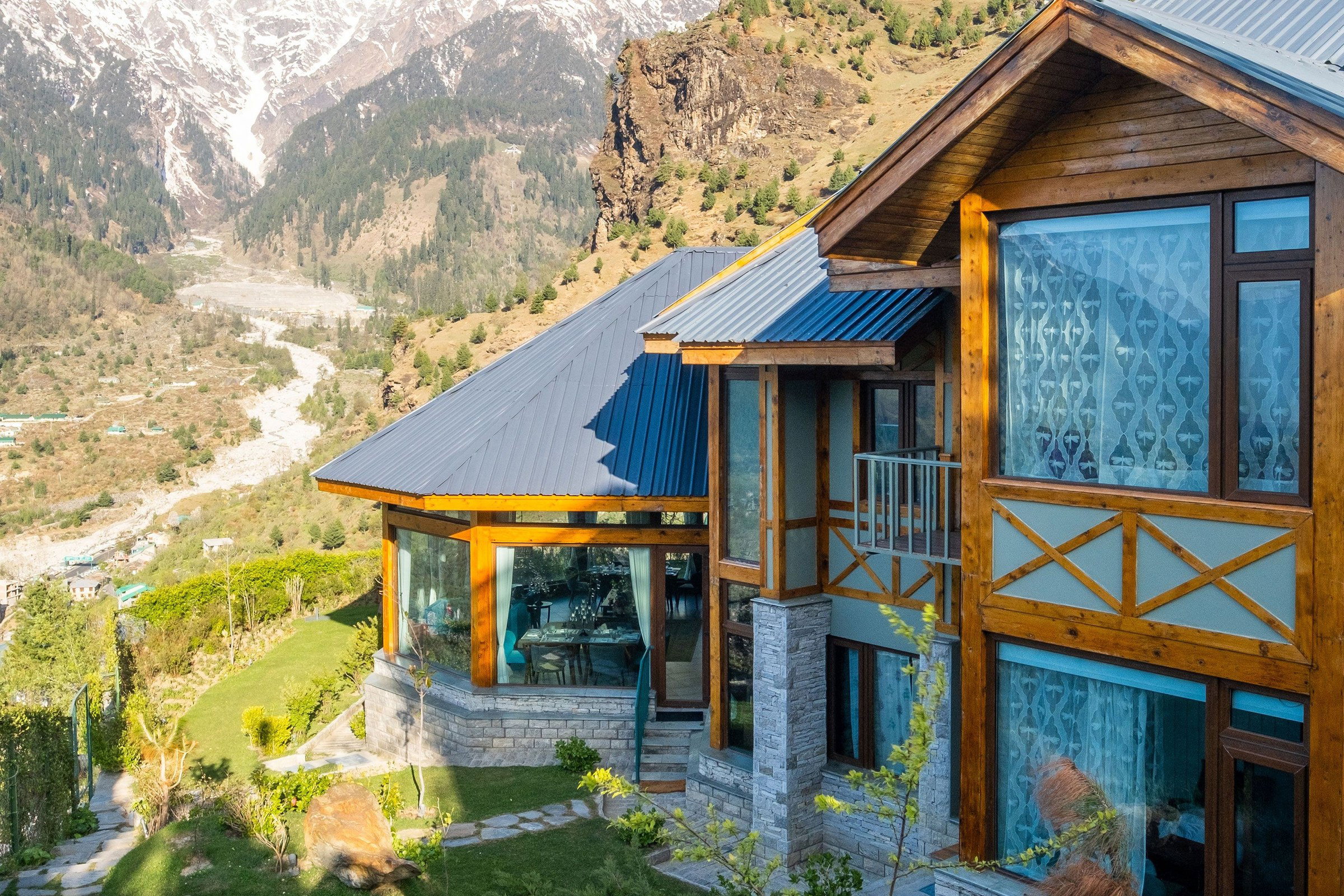
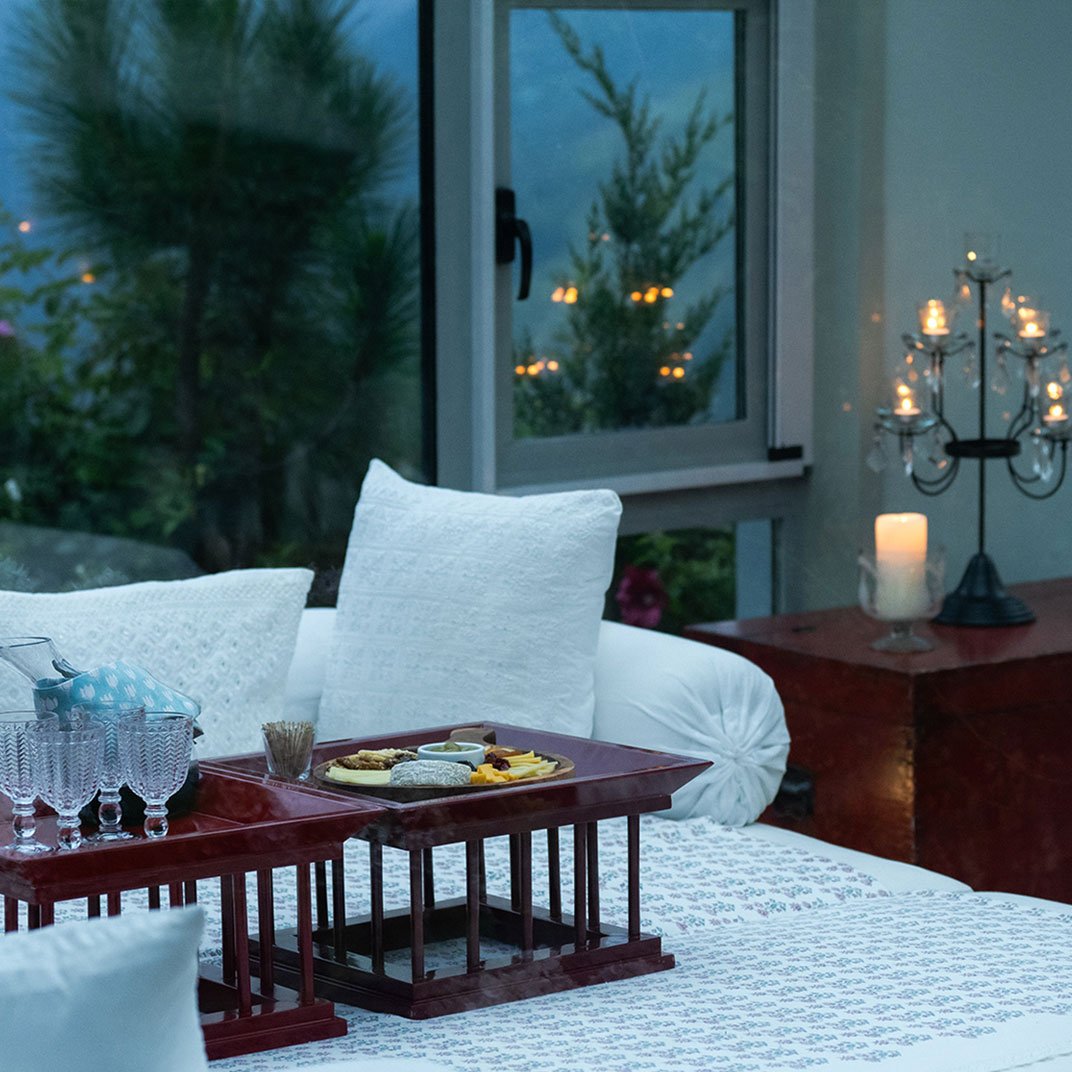
Tranquil mountain retreat with lush gardens, sunny terrace, and soothing snow-capped mountain views, praised for peaceful and relaxing atmosphere.
Tags
Vibe
Best For
Experience
Amenities
View
Accessibility
About the Stay
- Rooms
- 24
- Check-in
- 14:00
- Check-out
- 12:00
- Property Type
- Boutique hotel
- Property Style
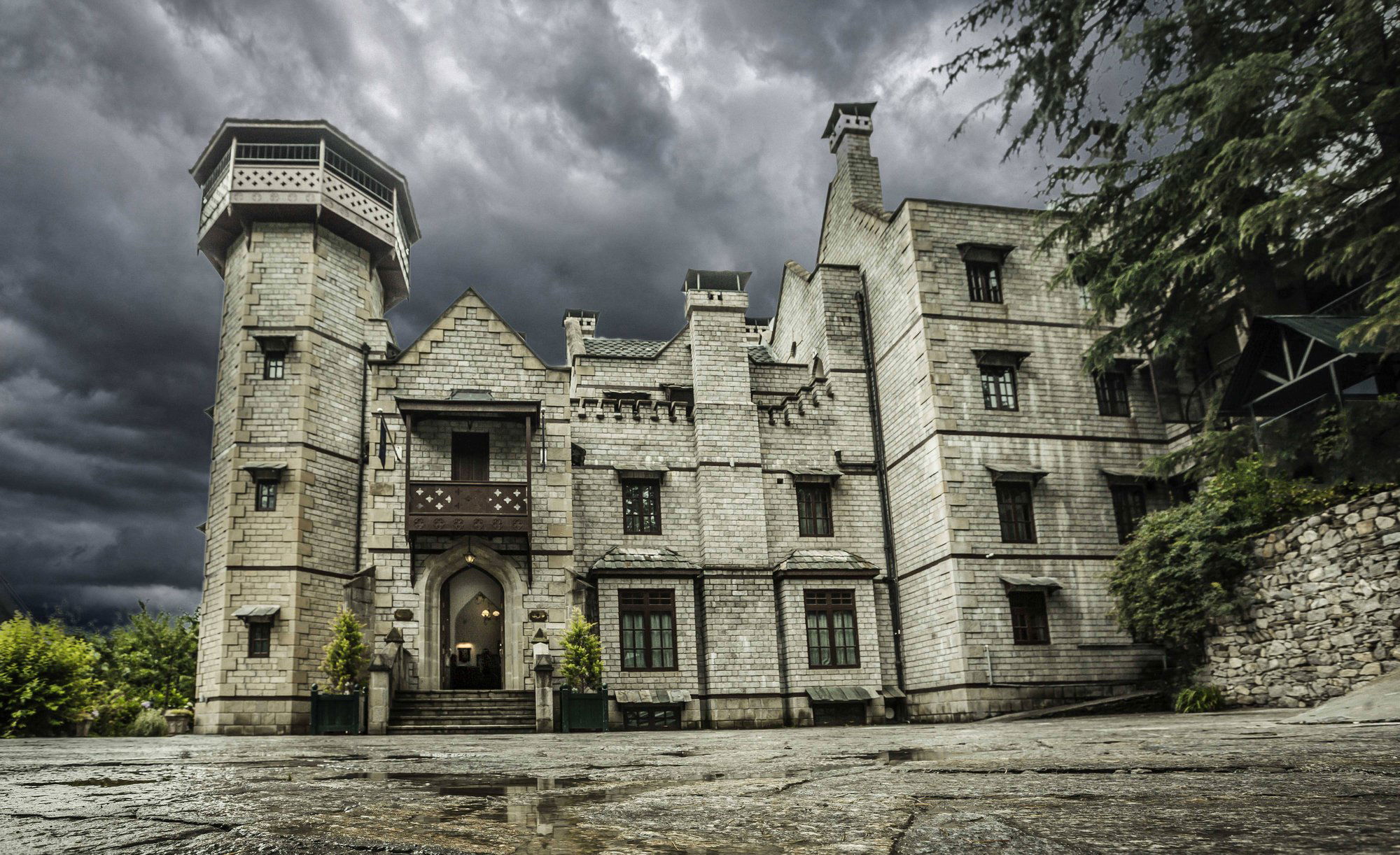
- Victorian Gothic Revival Castle Resort
- Design Style
- Opulent Heritage with Antique Furnishings and Fireplaces
- Breakfast
- Included
- Airport Transfer
- Available
- Pool
- Yes
- Families
- Welcome
Know before you go
Know Before You Go
- Getting there
- 65VJ+VR5 Kullu Valley, Hadimba Temple Rd, Siyal, Manali, Himachal Pradesh 175131, India
Planning details
Location
65VJ+VR5 Kullu Valley, Hadimba Temple Rd, Siyal, Manali, Himachal Pradesh 175131, India · Directions
Recognition and awards

Also consider
Also Consider
- Sitara Himalaya, Notable alternative
- Wildflower Hall, Shimla in the Himalayas, Notable alternative
- Chapslee, Notable alternative
- Amaya, Notable alternative
- The Oberoi Sukhvilas Spa Resort, New Chandigarh, Notable alternative
Hotel context
How The Himalayan compares in Manali and beyond
Against Sitara Himalaya, The Himalayan is the more award-backed choice on the information available, with World Travel Awards 2025 Leading Boutique Hotel recognition giving it a clearer boutique-hotel signal. Sitara Himalaya is the more direct Manali cross-shop if the goal is simply to stay in town and compare availability; choose The Himalayan when the occasion calls for a more atmosphere-led stay.
Wildflower Hall, Shimla in the Himalayas, Chapslee, and Amaya are better comparisons for travelers open to leaving Manali. Wildflower Hall and Amaya make more sense when the trip is about a destination-hotel escape rather than access to Manali itself. Chapslee is the one to consider if heritage atmosphere matters more than being in the Kullu Valley.
The Oberoi Sukhvilas Spa Resort, New Chandigarh is the clearer pick for guests who want a larger resort and spa-driven stay. The Himalayan is listed with easy booking difficulty, so it is the lower-friction choice for a Manali-based celebration, especially when location and boutique ambiance matter more than resort breadth.
Explore Manali
Around this place
Discover more on Pearl
Unlock the full The Himalayan guide in Pearl, including awards, comparisons, FAQs, planning details, and nearby places.
Compare The Himalayan
| Venue | Location | Awards |
|---|---|---|
| The Himalayan | Manali | World Travel Awards 2025 |
| Sitara Himalaya | Manali | 2026 Relais Chateaux Hotels2026 Michelin 2 Keys2025 Michelin 2 Keys2025 Relais Chateaux Award |
| Wildflower Hall, Shimla in the Himalayas | Shimla | 2025 Conde Nast Best Resorts · #14 |
| Chapslee | Shimla | No published awards |
| Amaya | Solan | Small Luxury Hotels Member 2025 |
| The Oberoi Sukhvilas Spa Resort, New Chandigarh | New Chandigarh | 2026 La Liste Top Hotels |






How The Himalayan Manali compares with similar nearby venues.
FAQ
Frequently Asked Questions
How is the pool and spa at The Himalayan?
Pool and spa details should be confirmed directly with the hotel before booking. The confirmed trust signal is The Himalayan's World Travel Awards 2025 recognition as a Leading Boutique Hotel.
Is The Himalayan family-friendly?
Families considering The Himalayan should confirm room setup, policies, amenities, and any child-related requirements directly before booking. The confirmed basics are that it is in Manali, has a smart-casual dress code, and carries 2025 boutique-hotel recognition.
How is the location of The Himalayan?
The location is Manali. Specific street, neighborhood, landmark, and address details should be checked directly through the hotel or your booking channel. If you are comparing a different hotel style, Wildflower Hall, Shimla in the Himalayas is a separate option to consider.
Do loyalty programs work at The Himalayan?
Loyalty-program participation should be before booking, especially if points earning, status benefits, or redemption options matter. The Himalayan makes the most sense when you are considering it for a boutique Manali stay rather than for a program benefit. If loyalty mechanics matter, compare with another hotel such as The Oberoi Sukhvilas Spa Resort, New Chandigarh.
How does The Himalayan compare to other hotels?
The Himalayan is the pick if you want a Manali hotel with World Travel Awards 2025 Leading Boutique Hotel recognition. Sitara Himalaya is a natural comparison if you are weighing another option, while Wildflower Hall, Shimla in the Himalayas, Chapslee, Amaya, and The Oberoi Sukhvilas Spa Resort, New Chandigarh are better treated as broader alternatives rather than identical local substitutes.