

Palacio Solecio
Centro Historico, Málaga
Hotel in Málaga, Spain
 Book with Pearl
The Read
Andalusian Palace Conversion
Price
$200–300per night
Why go
Palacio Solecio is the Málaga choice for a polished Centro stay with historic atmosphere and strong recognition from Small Luxury Hotels of the World, Mr & Mrs Smith, and the MICHELIN Guide hotel selection. It suits couples, anniversaries, and short city breaks better than beach-first or resort-style trips.
About Palacio Solecio
For a Málaga stay, Palacio Solecio is best assessed through a narrow but useful set of signals. The property is in Málaga, carries smart casual dress guidance, and has several hotel-recognition markers that place it in a curated luxury-hotel context.
Before booking, confirm practical details such as street address, neighborhood, room count, facilities, restaurant details, family policy, rates, and service inclusions directly with the hotel or booking channel. Cross-shop it against other Málaga options according to your trip style, budget, and preferred location within the city.
A Málaga hotel with notable recognition
The strongest case for Palacio Solecio is its recognition profile. The hotel is a Small Luxury Hotels of the World member for 2025, has the Mr & Mrs Smith Seal of Approval for 2026, and is selected in the MICHELIN Guide hotel listings for 2025. Those signals do not guarantee a specific room category, amenity, or service interaction, but they do indicate that the property sits in a more curated hotel category than a purely functional stay.
Expectations should still be set carefully. Review facilities, dining, building history, and service format directly if those details are important to your stay. Choose it if those recognition signals and a Málaga base fit your trip, then confirm the practical details that matter most before committing.
Value depends on your own trip priorities
The smart value test is not a fixed nightly number. Compare Palacio Solecio with other Málaga hotels based on the full shape of your trip: where you want to spend time, how much you value the recognition, and whether the dress code and hotel positioning suit the occasion.
For a special-occasion stay, verify the room category, cancellation terms, and any included benefits before booking. Direct comparison with other hotels can be useful, but avoid assuming inclusions such as dining credits, upgrades, family services, or specific amenities unless they are stated by the property or booking channel.
Who should cross-shop it
Cross-shop Cristine Bedfor Málaga, Gran Hotel Miramar, Ilunion Malaga Hotel, and Vincci Larios Diez if you are comparing different Málaga hotel styles. Hotel Ocean House Costa del Sol, Affiliated by Melia can also be part of the wider Costa del Sol comparison set if your decision is between a Málaga stay and a different coastal hotel base.
For planning around the stay, use broader Málaga hotel research first, then add meals and drinks from Our full Málaga restaurants guide. For any on-property restaurant, bar, or service details, use current official sources.
Planning details
- Location
- C. Granada, 61, Distrito Centro, 29015 Málaga
- Website
- palaciosolecio.com
- Phone
- +34 952 22 20 00
The take
The Take
The Vibe
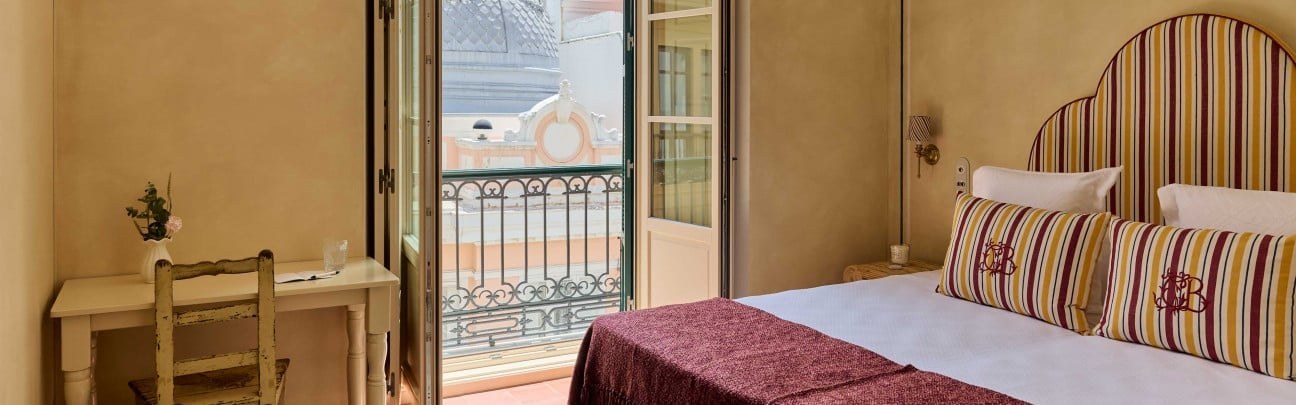
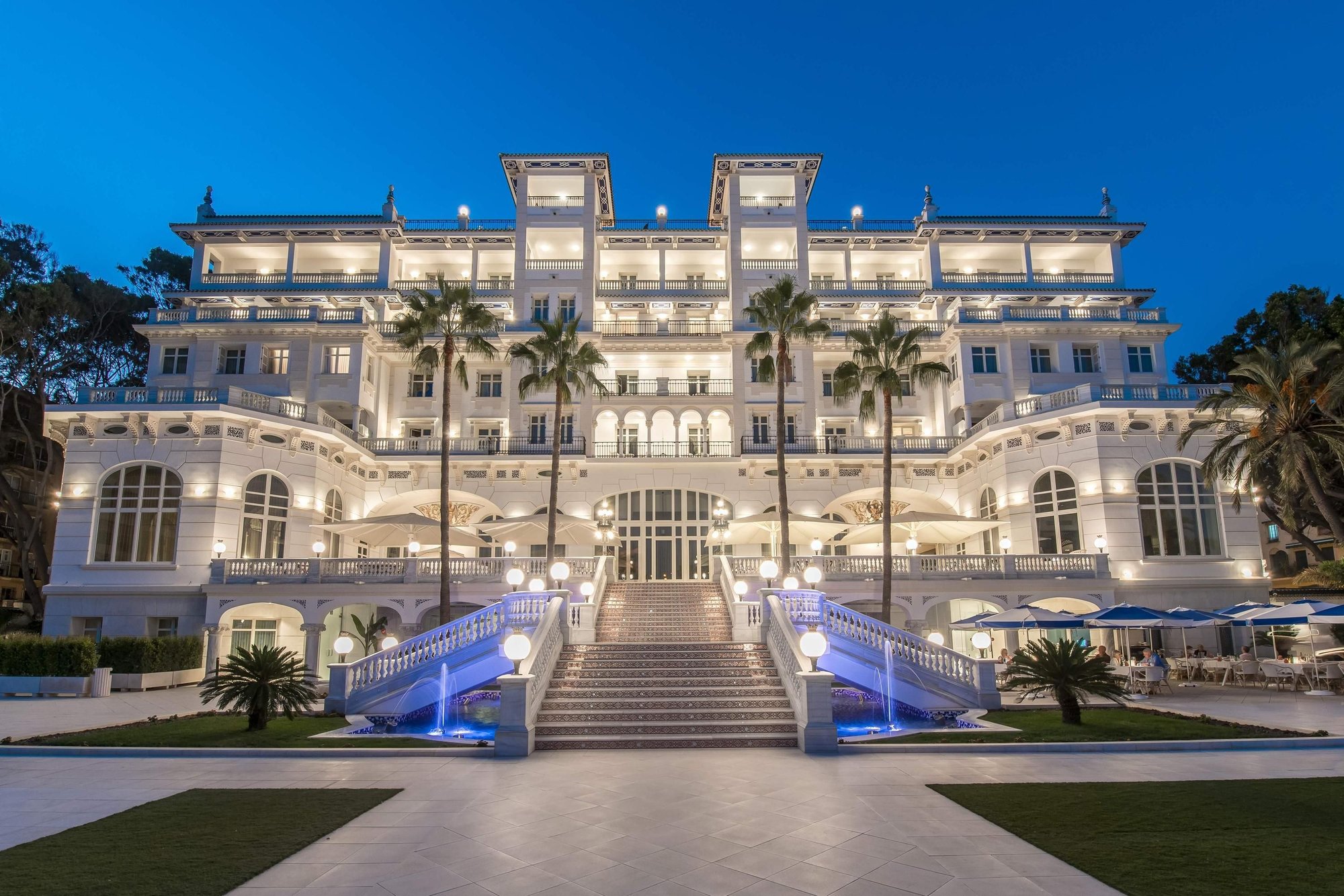
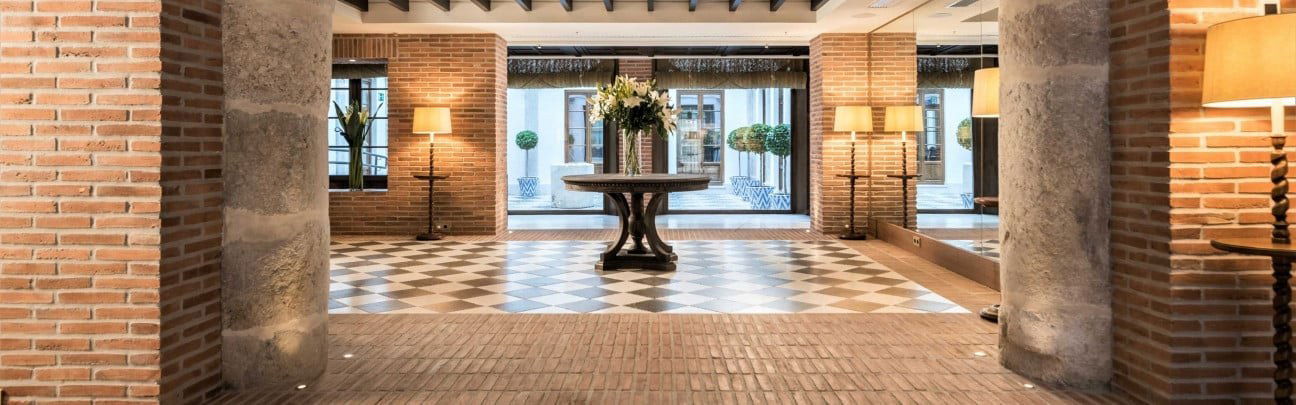
Palacio Solecio reads first as architecture. Housed in an 18th‑century Andalusian palace, the property foregrounds original materiality — the stone staircase rising from the lobby and preserved ground‑floor elements make history a lived part of the stay. The hotel trades seafront spectacle for the intimacy of urban texture: narrow streets, neighbourhood cafés and working businesses give the setting a quietly lived‑in charm. Rooms and public spaces feel like chapters of a restored city house rather than stage sets, so the overall impression is one of restrained elegance rooted in authentic heritage.
Best For
The hotel suits travellers who prioritize cultural depth over beachfront panoramas: couples on weekend escapes, visitors celebrating anniversaries and explorers keen to probe Málaga’s historic core. Its Calle Granada address places guests within walking distance of the city’s layered northern quarter, making it a practical base for museum visits, neighbourhood cafés and off‑beat streets that reward slow exploration. Guests who value architecture, authentic urban life and a quieter Old Town experience find Palacio Solecio especially well matched to their intentions.
Venue details
Ambiance
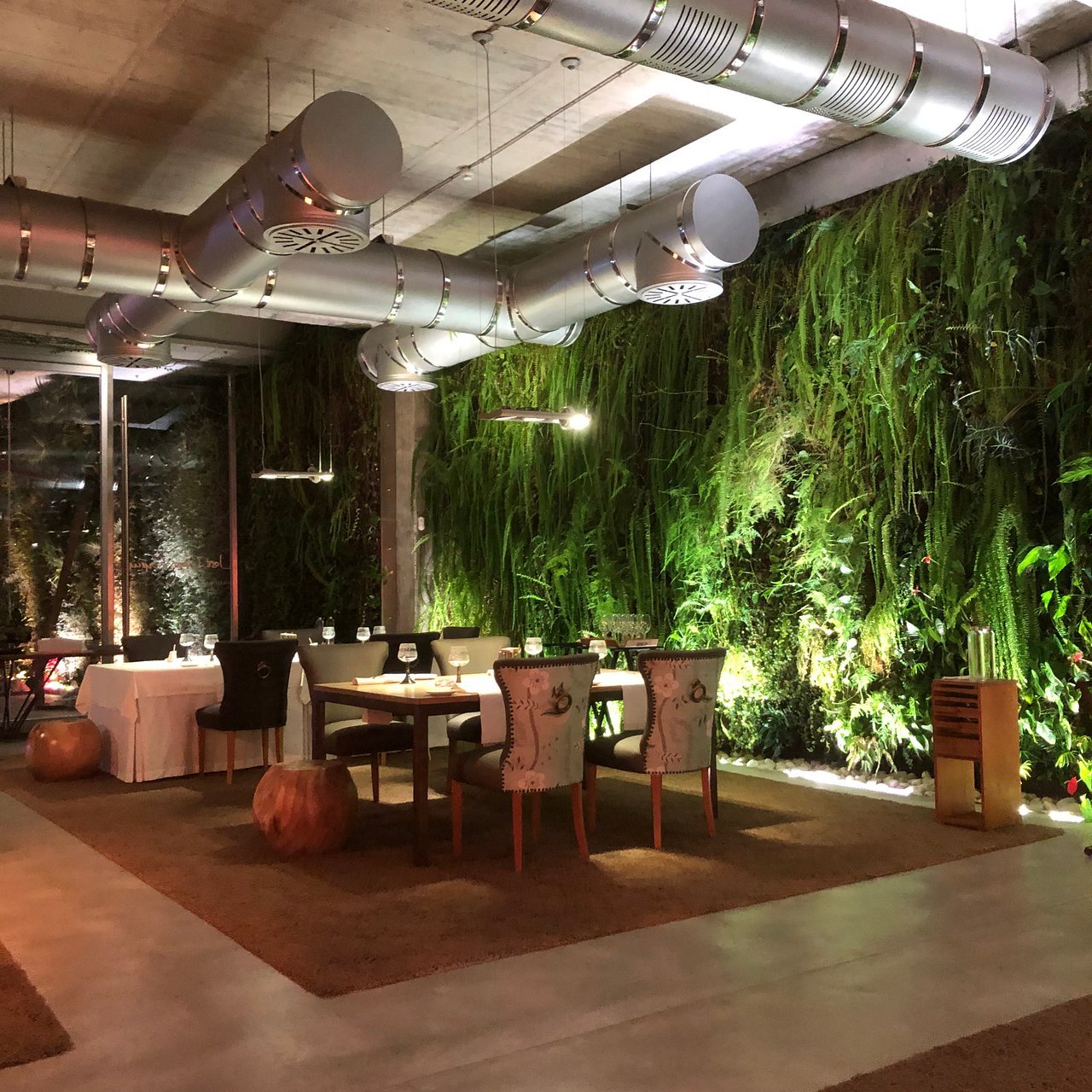
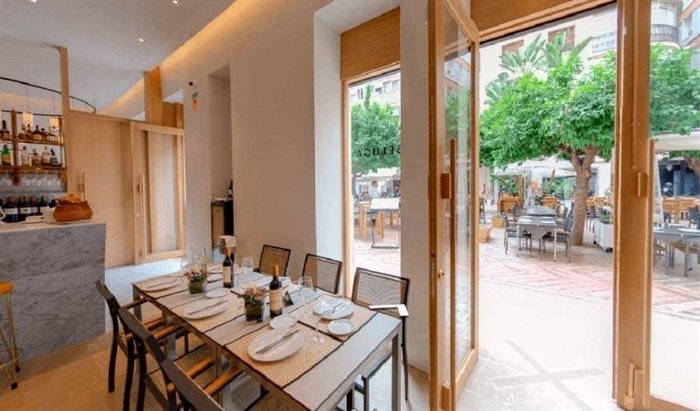
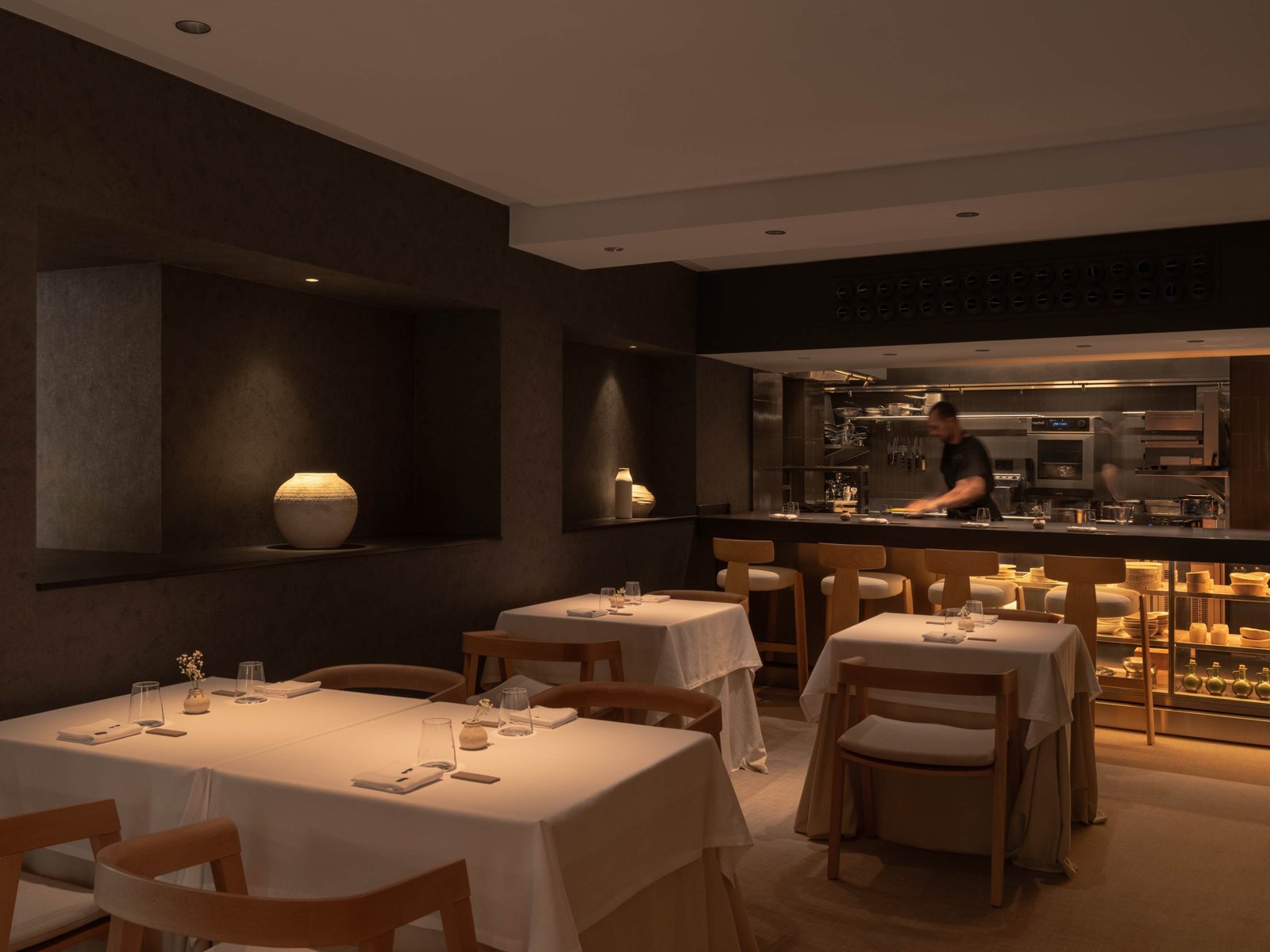
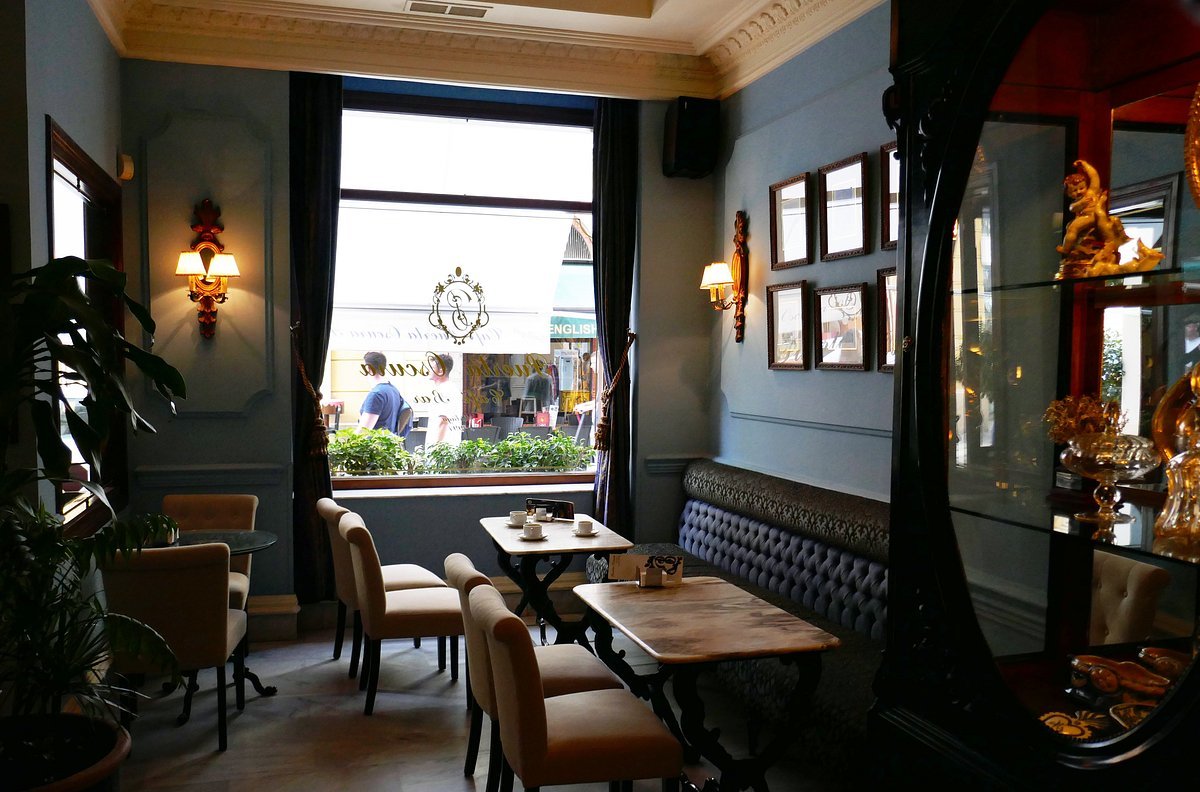
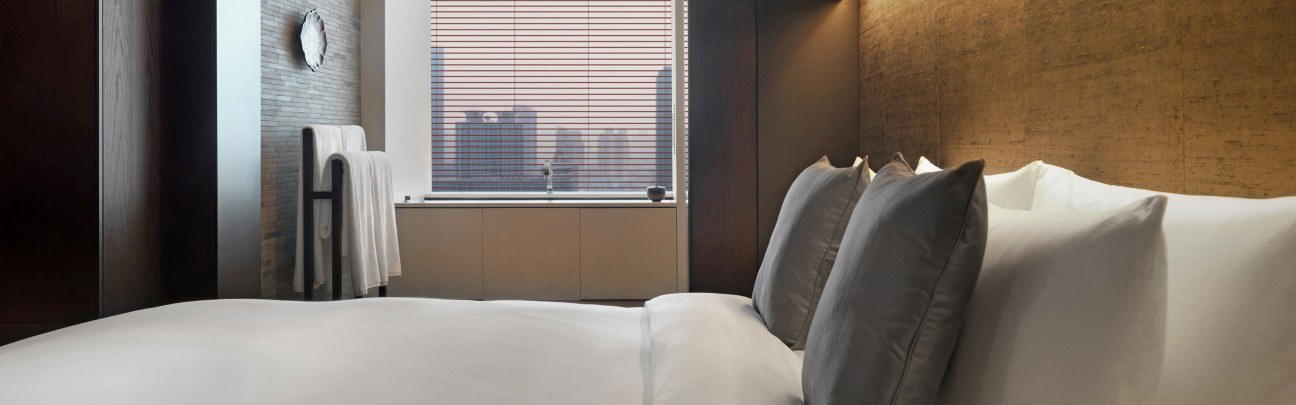
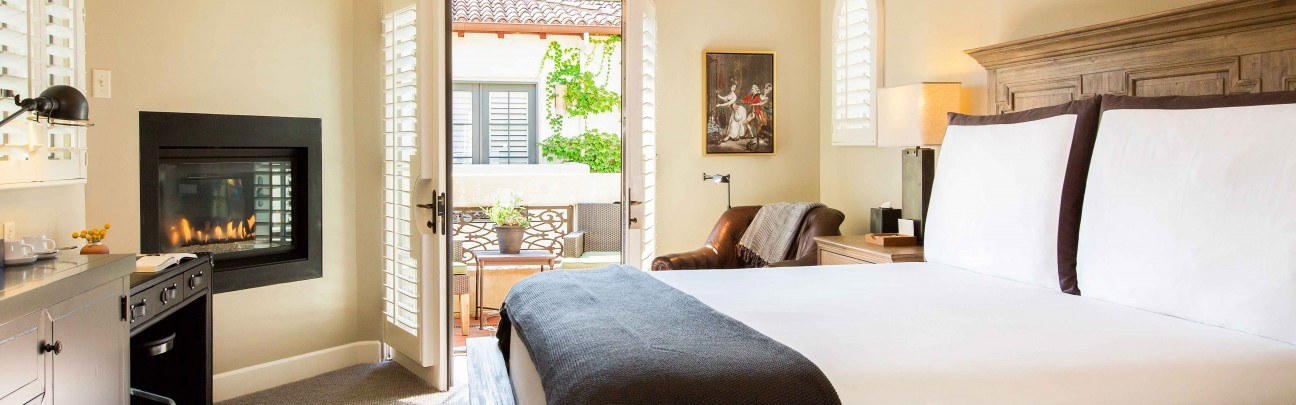
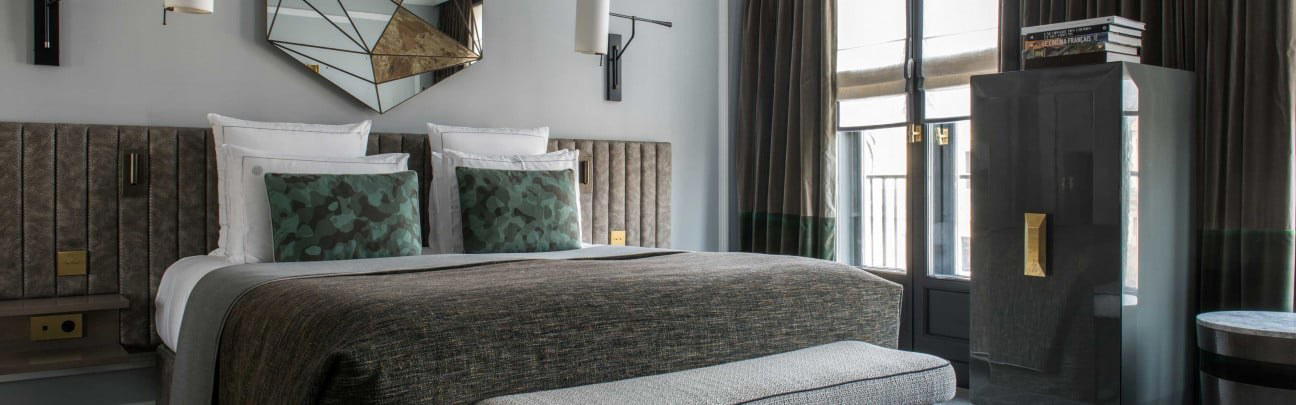
Elegant and tranquil with soothing ambient lighting, natural wood elements, and a warm Andalusian atmosphere praised for its relaxing and luxurious feel.
Tags
Vibe
Best For
Experience
Amenities
View
Accessibility
About the Stay
- Rooms
- 116
- Property Type
- Palace hotel
- Property Style
- Historic 18th Century Andalusian Palace Blending Original Architecture with Contemporary Comfort
- Design Style
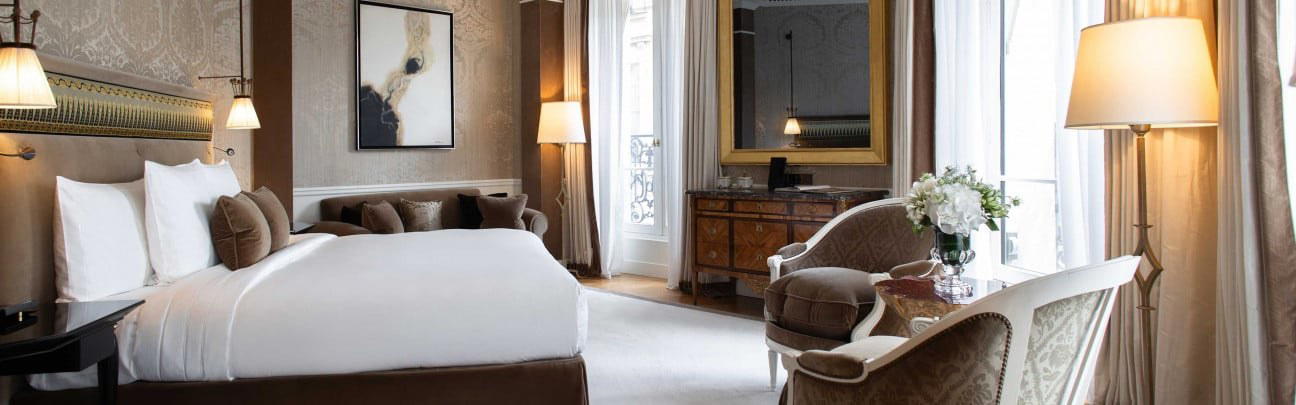
- Classic with Herringbone Parquet Floors, Marble Bathrooms, and Warm Lighting
- Airport Transfer
- Available
- Pool
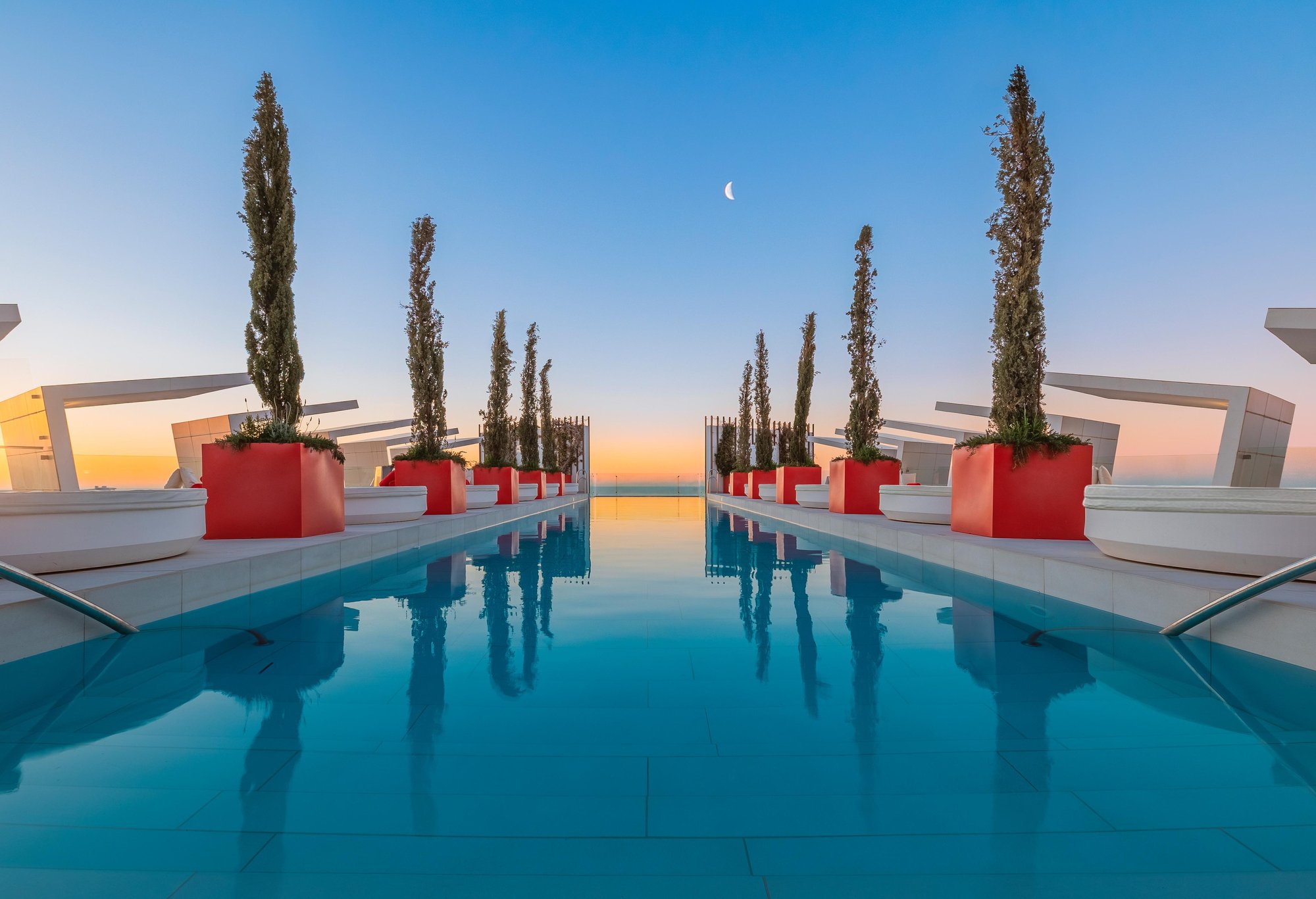
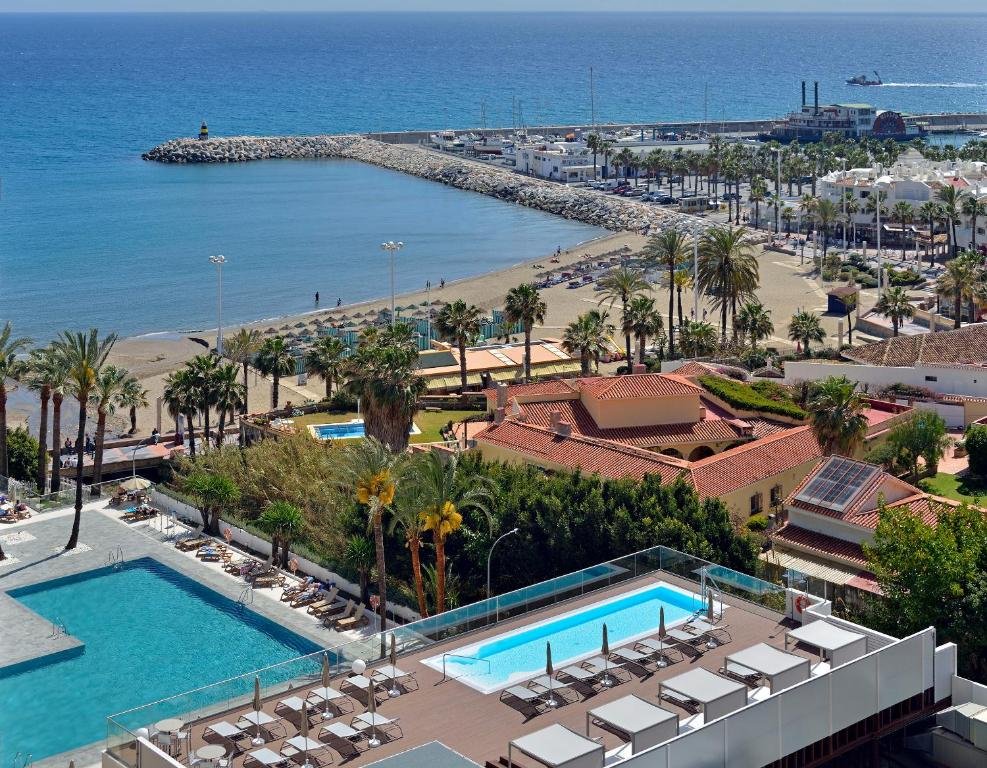
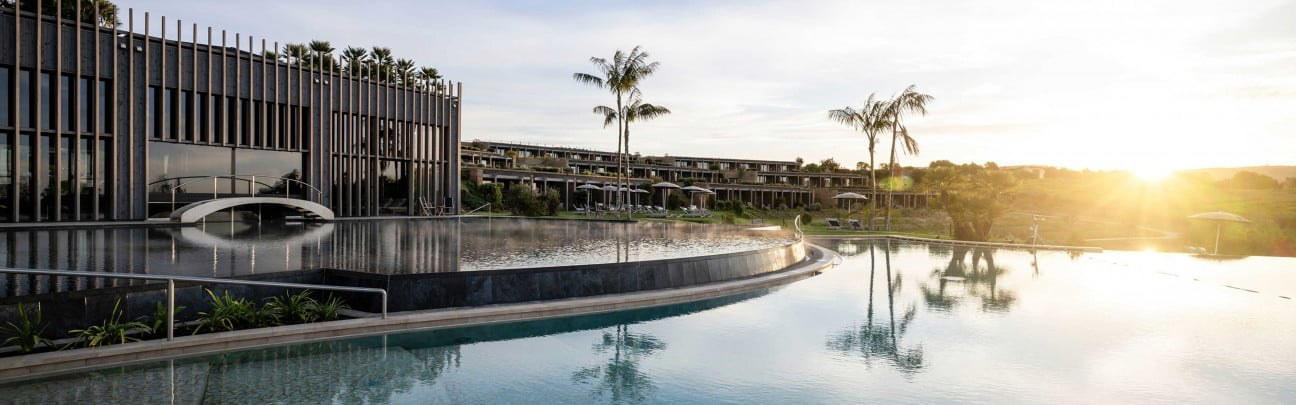
- Yes
Know before you go
Know Before You Go
- Getting there
- C. Granada, 61, Distrito Centro, 29015 Málaga
Planning details
Location

Also consider
Also Consider
- Cristine Bedfor Málaga, Notable alternative
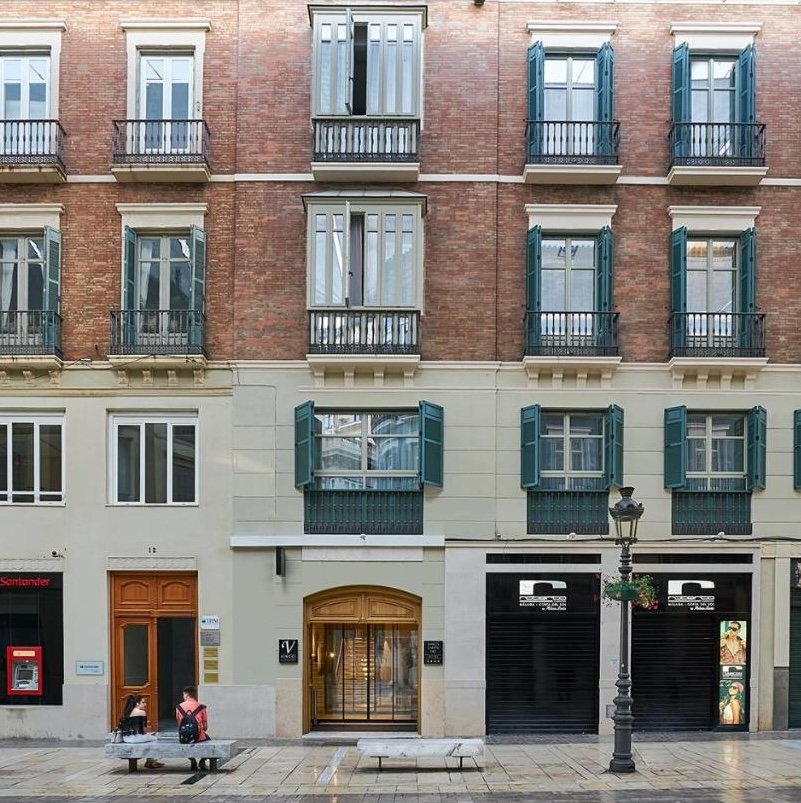
- Vincci Larios Diez, Notable alternative
- Gran Hotel Miramar, Notable alternative
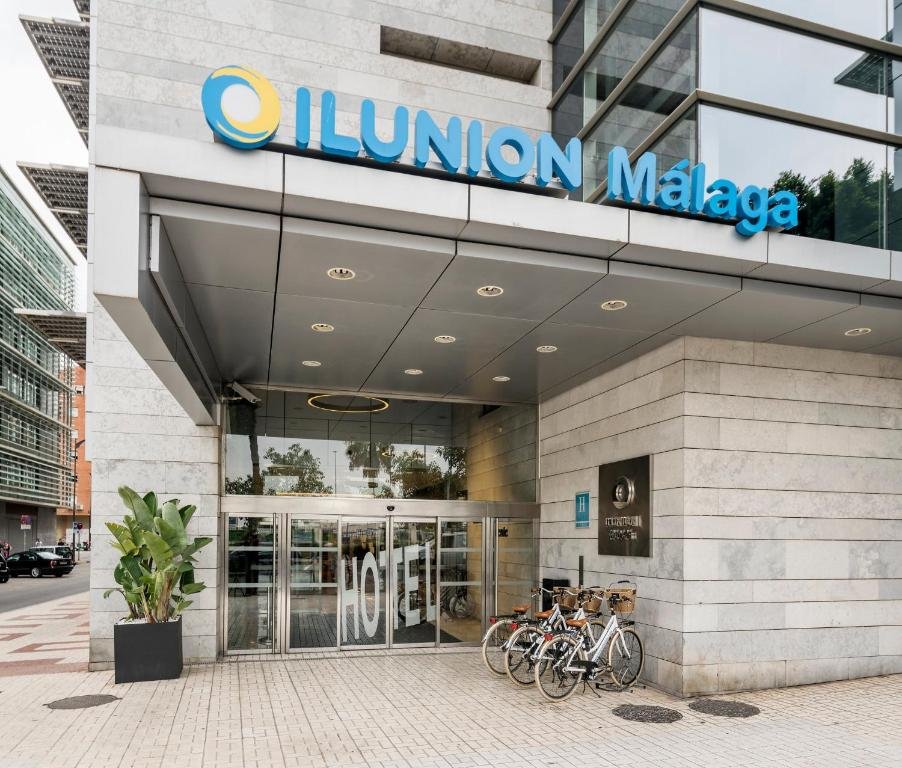
- Ilunion Malaga Hotel, Notable alternative
- Hotel Ocean House Costa del Sol, Affiliated by Melia, Notable alternative
Hotel context
How Palacio Solecio compares in Málaga
Choose Palacio Solecio over Vincci Larios Diez if the stay is tied to an occasion and the room setting matters as much as the location. Vincci Larios Diez is the cleaner cross-shop for travelers who want central convenience with a more conventional city-hotel feel; Palacio Solecio is the better fit when ambiance and curated recognition carry more weight than pure utility.
Gran Hotel Miramar is the more obvious choice for guests who want a grander, sea-facing Málaga experience. Palacio Solecio is better for old-city walking, restaurant-led evenings, and a shorter stay where transfers are friction. Cristine Bedfor Málaga sits closer as a boutique comparison, so the decision comes down to taste: Cristine Bedfor for a more residential boutique feel, Palacio Solecio for historic Centro polish backed by hotel-guide recognition.
For easier value, Ilunion Malaga Hotel is the practical alternative if price discipline matters more than atmosphere. Hotel Ocean House Costa del Sol, Affiliated by Melia is not a direct city-centre substitute; use it for a coastal, leisure-led trip rather than a Málaga Centro weekend.
Around this place
Discover more on Pearl
Unlock the full Palacio Solecio guide in Pearl, including awards, comparisons, FAQs, planning details, and nearby places.
Compare Palacio Solecio
| Venue | Location | Awards |
|---|---|---|
| Palacio Solecio | Málaga | 2026 Mr & Mrs Smith Luxury Hotels2025 Michelin Selected HotelsSmall Luxury Hotels Member 2025 |
| Cristine Bedfor Málaga | Málaga | 2026 Mr & Mrs Smith Luxury HotelsTablet Hotels Top 40 New Hotels 2025 · #162025 Michelin Selected Hotels |
| Vincci Larios Diez | Málaga | No published awards |
| Gran Hotel Miramar | Málaga | 2026 Virtuoso Luxury Hotel Collection2026 Michelin Guide New HotelsLeading Hotels of the World 20262025 Michelin Selected Hotels |
| Ilunion Malaga Hotel | Málaga | No published awards |
| Hotel Ocean House Costa del Sol, Affiliated by Melia | Málaga | No published awards |



How Palacio Solecio Málaga compares with similar nearby venues.
FAQ
Frequently Asked Questions
How is the location of Palacio Solecio?
Palacio Solecio is in Málaga. Check the hotel's official listing or your booking platform for exact arrival details before travel.
Is Palacio Solecio family-friendly?
What is check-in like at Palacio Solecio?
Keep your booking details handy and check the hotel's official pre-arrival information for current instructions on the check-in process, arrival window, and service format.
Do loyalty programs work at Palacio Solecio?
The hotel's Small Luxury Hotels of the World Member (2025) status is the clearest network signal. Any specific loyalty benefits, booking perks, or program rules should be checked through the relevant booking channel before reserving.
How does Palacio Solecio compare to nearby hotels?
Choose Palacio Solecio if its Málaga setting, smart casual guidance, and recognition profile fit your trip. Cristine Bedfor Málaga, Gran Hotel Miramar, Vincci Larios Diez, and Ilunion Malaga Hotel are other Málaga options to compare, while Hotel Ocean House Costa del Sol, Affiliated by Melia is a wider coastal comparison rather than the same city-hotel choice.
When is the best time to book Palacio Solecio?
For weekends, holidays, or special occasions, compare availability early and confirm cancellation terms before booking.