

Relais de la Poste
Magescq
Hotel in Magescq, France
 Book with Pearl
The Read
Five-Generation Foie Gras Heritage
Price
$200–300per night
Why go
Relais de la Poste is worth considering for a quiet special-occasion stay in Magescq, especially if dinner and the overnight are meant to feel like one plan. Michelin 1 Key recognition in 2024 and a Relais Chateaux Award in 2026 support the quality signal, but dining-specific details are sparse, so restaurant-only travelers should compare carefully.
About Relais de la Poste
Relais de la Poste in Magescq is a venue with two confirmed recognition points: Michelin 1 Key (2024) and a Relais Chateaux Award (2026). Beyond those facts and a smart-casual dress code, details are limited, so it is best evaluated with care rather than built around assumptions about cuisine, pricing, room types, service format, or amenities.
The recognition is useful as a trust signal, but it should not be stretched into unsubstantiated claims. If you are considering Relais de la Poste, confirm current practical details directly before booking, especially anything related to dining format, availability, services, or specific stay preferences.
A Magescq venue with confirmed recognition
Relais de la Poste is in Magescq. The confirmed profile is concise: Michelin 1 Key (2024), Relais Chateaux Award (2026), and a smart-casual dress code. Readers comparing the area can also consult our Magescq guide for broader local planning.
For broader cross-shopping, compare Relais de la Poste with named alternatives only where the comparison is about overall fit rather than unsupported specifics. Regina Experimental Biarritz and Le Garage Biarritz are different options to consider outside Magescq, while Les Échasses, Les Hortensias du Lac, and Maison Chiberta may be relevant depending on the type of stay or setting you are evaluating.
How to decide if Relais de la Poste fits
Use the confirmed facts as the starting point. Relais de la Poste has notable recognition and a smart-casual dress code, but a specific cuisine, chef, menu structure, price level, room category, service style, or amenity list is not available. Those details should be checked directly with the venue.
The practical verdict: Relais de la Poste is worth considering if the confirmed recognition and Magescq location match your plans. If your decision depends on a specific dining format, budget, accessibility need, family setup, or service detail, confirm those points before committing.
Inside Relais de la Poste
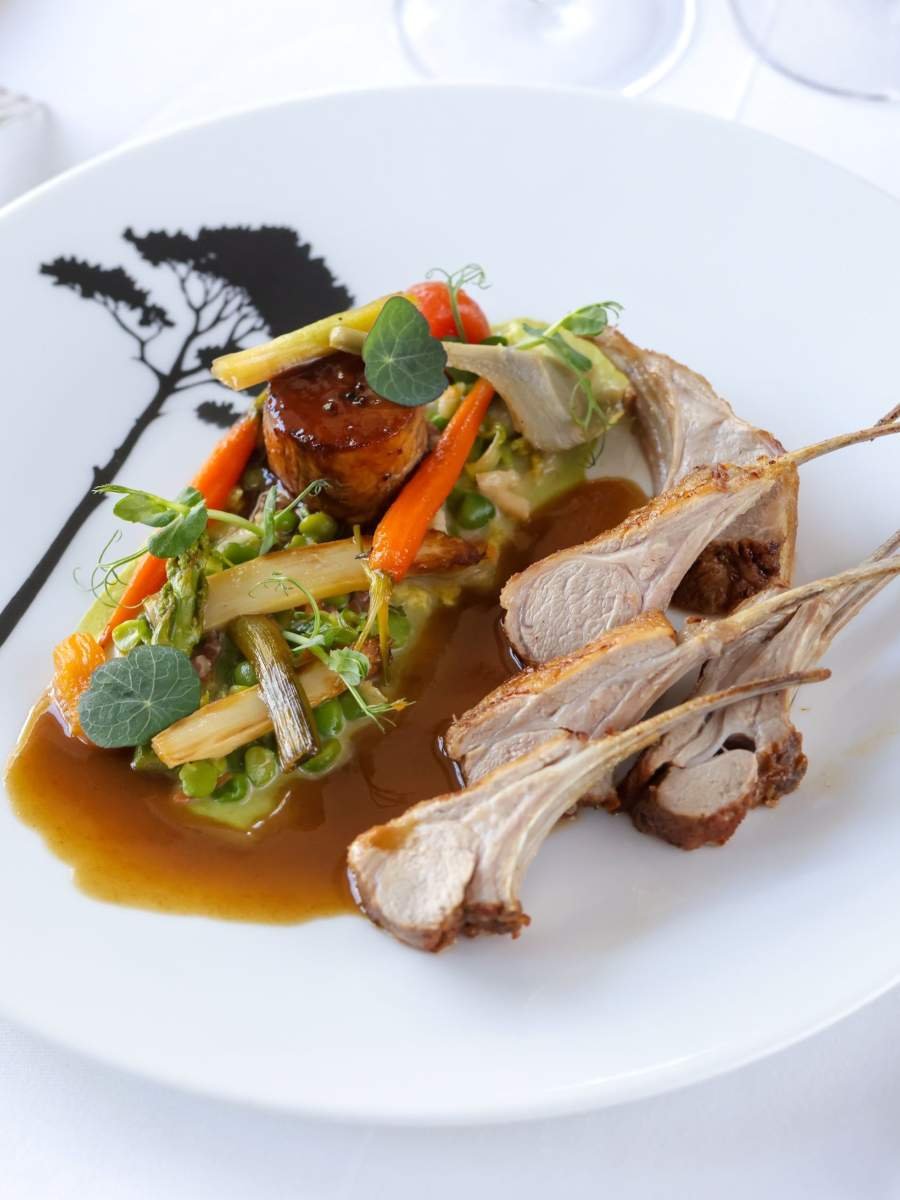
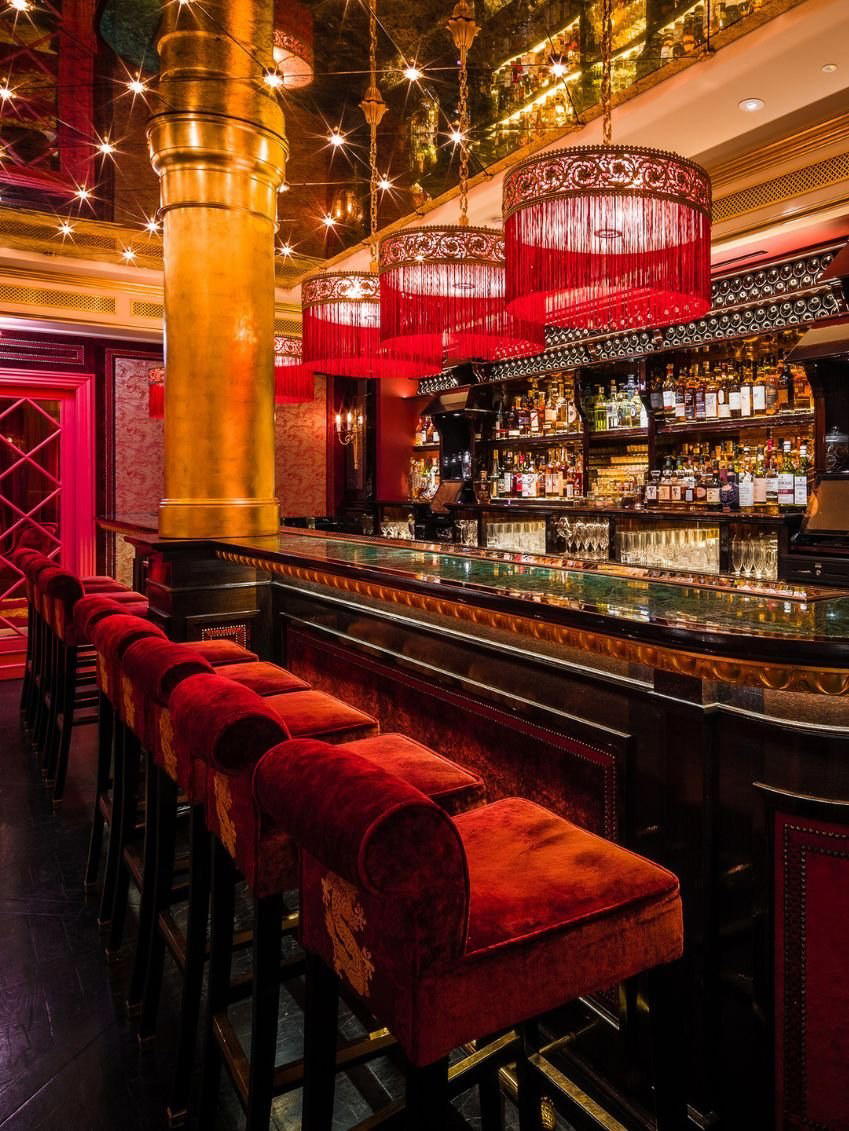 restaurantRelais de la PosteA two-Michelin-star institution in the Landes pine forests, Relais de la Poste has been in the Coussau family for five generations. Jean and Clémentine Coussau cook from a close network of local suppliers, foie gras, Adour salmon, Chalosse beef, Capbreton fish, producing classic French cuisine that earned 88 points from La Liste in 2026 and a place in Les Grandes Tables du Monde.
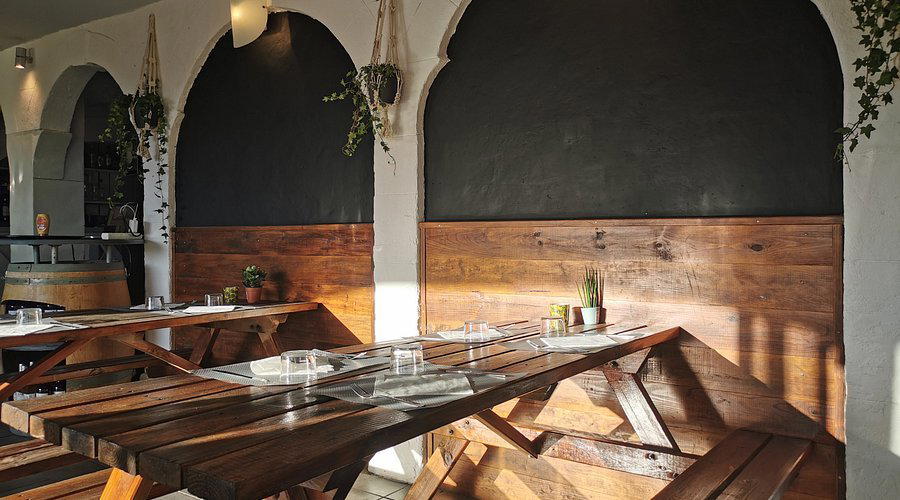 restaurantCôté QuillierA Michelin Plate-recognised modern cuisine address in the small Landes commune of Magescq, Côté Quillier sits at the accessible end of the region's dining spectrum while drawing on the same larder, foie gras, Adour salmon, forest mushrooms, that defines southwest France's culinary identity. With a 4.3 Google rating across 570 reviews, it offers a grounded entry point into Landes gastronomy at a mid-range price.
Planning details
- Location
- 24 Av. de Maremne, 40140 Magescq
- Website
- relaisposte.com
- Phone
- +33 5 58 47 70 25
The take
The Take
The Vibe
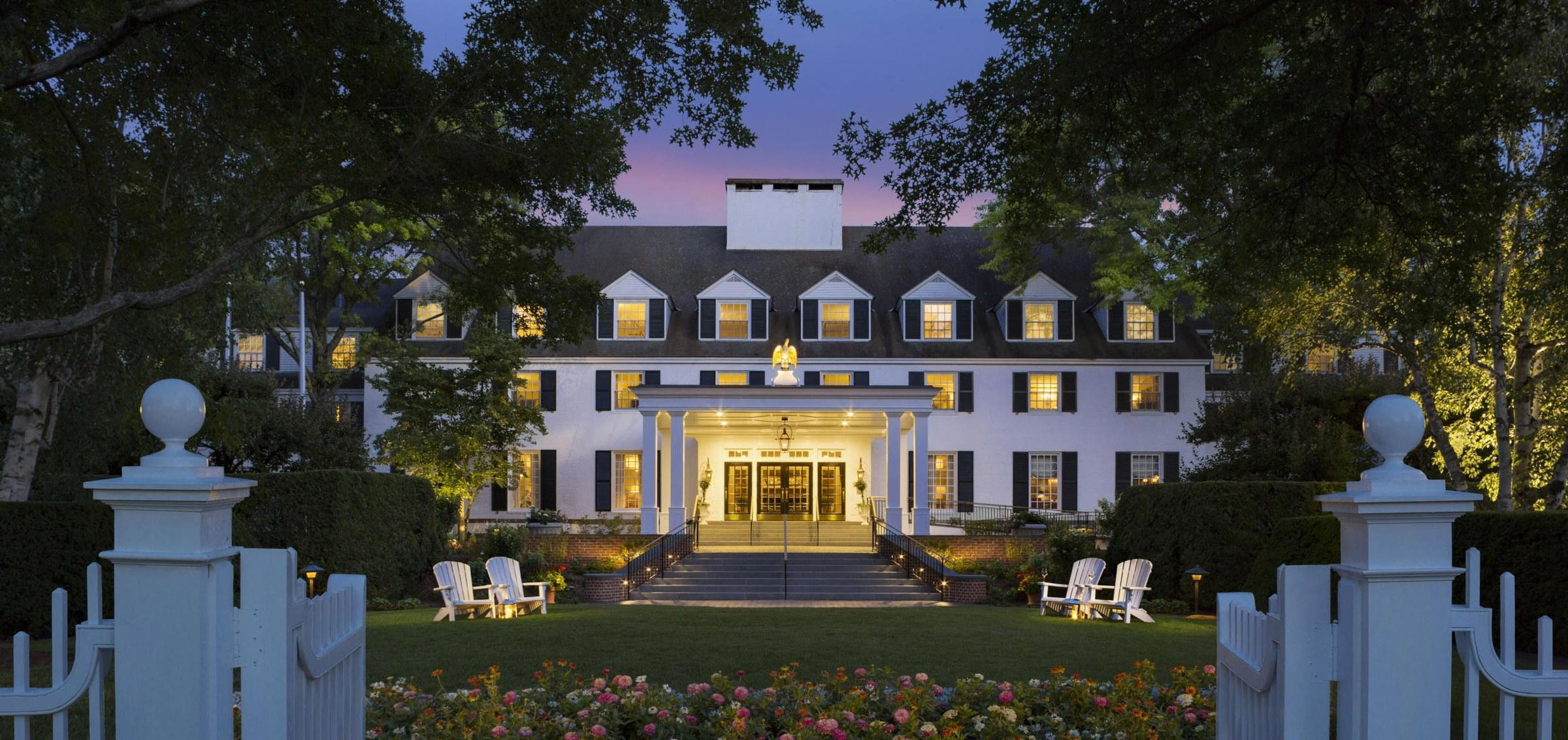
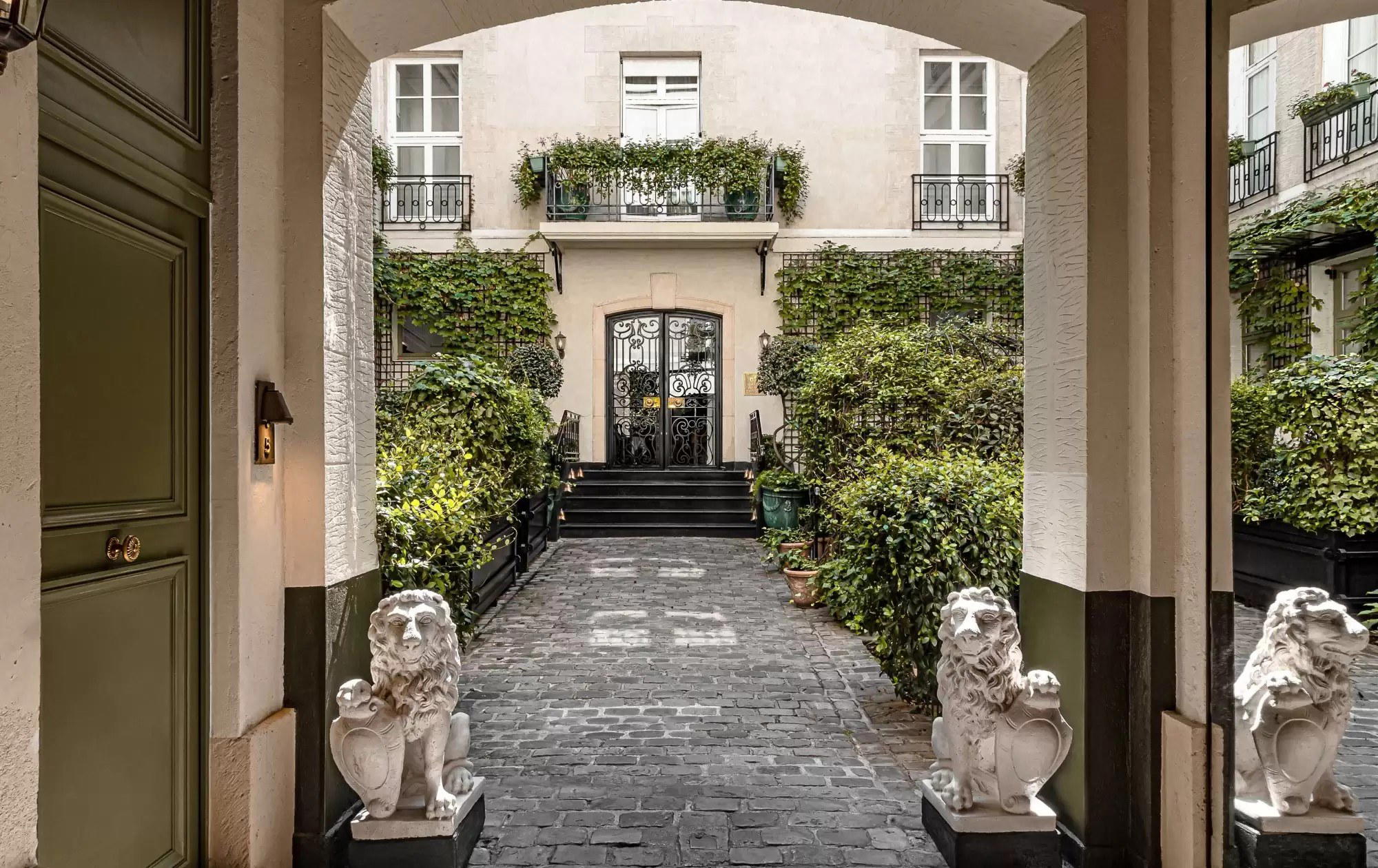
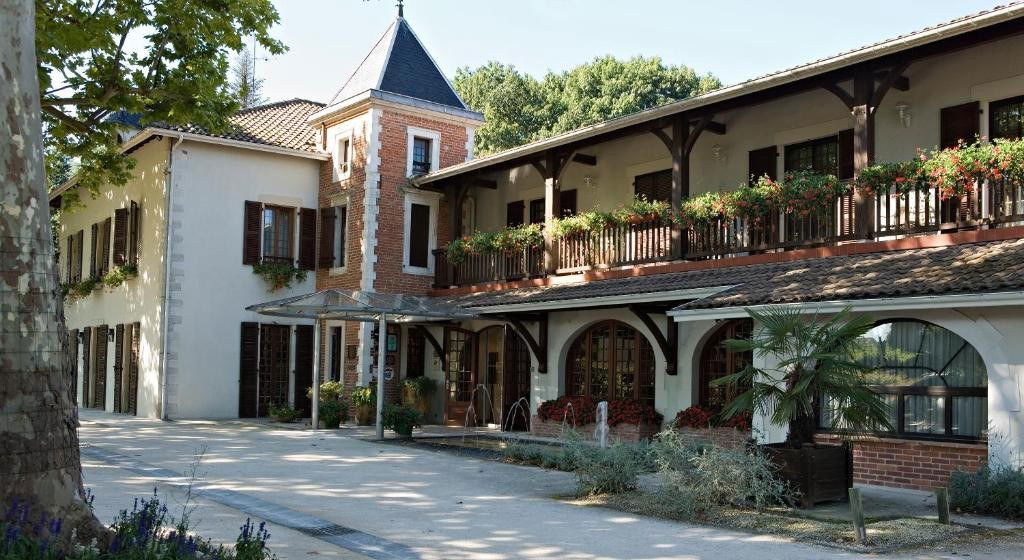
Relais de la Poste occupies a century-old Landais mansion and reads as a permanent, traditional house rather than a newly minted design hotel. The property is family-run for five generations and balances lodging and gastronomy with an unshowy seriousness that reflects the region's landed, seasonal foodways. With just sixteen rooms and a dining program that earned two Michelin stars in 2025, the place feels intimate and measured: a classic provincial auberge where architecture, service and cuisine are rooted in local character rather than contemporary flash. The result is quietly charming and historically grounded, appealing to travelers who value provenance and restraint.
Best For
This is a destination for people who plan a trip around food and seek a quietly elevated stay. The hotel-restaurant structure makes it well suited to romantic getaways and anniversaries, and its reputation for serious cuisine also fits weekend escapes and wellness-oriented breaks where calm and good eating are priorities. Because lodging and gastronomy are treated as equal commitments, guests tend to stay overnight to experience both the house and the kitchen. Travelers looking for a refined, small-scale country rhythm—meals anchored in seasonal Landes produce and slow-paced days—find this property especially rewarding.
Stay Tips
Menus at Relais de la Poste are anchored to the Landes landscape and a seasonal produce calendar; the description highlights pine forests, Atlantic-influenced marshes, duck fat and foie gras as regional touchstones. Expect dishes that emphasize land-led flavors and strict seasonality. When dining here, lean into the kitchen's local focus: seek out preparations that showcase regional ingredients and ask about what is in season. Given the restaurant's high culinary standing, guests benefit from letting the house guide selections so the meal reflects the estate's sense of place and the current harvest.
Venue details
Ambiance
Peaceful and relaxing with warm lighting, beautiful gardens, and a serene park-like setting praised for tranquility and elegance in guest reviews.
Tags
Vibe
Best For
Experience
Amenities
View
Accessibility
About the Stay
- Rooms
- 20
- Check-in
- 15:00
- Check-out
- 12:00
- Property Type
- Heritage hotel
- Property Style
- Charming Historic Relais with Modern Comforts and Lush Gardens
- Design Style
- Elegant Traditional French with Individual Room Decor
- Pool
- Yes
- Spa
- Yes
- Cancellation
- Moderate
Know before you go
Know Before You Go
- Getting there
- 24 Av. de Maremne, 40140 Magescq
Planning details
Location
Recognition and awards

Also consider
Where to Look If This Is Full
For a similarly calm retreat feel, try Les Échasses. For a coastal alternative with more of a Biarritz rhythm, compare Regina Experimental Biarritz or Le Garage Biarritz.
Hotel context
How It Compares
Choose Relais de la Poste if the priority is a composed inland stay where the hotel setting supports a celebration dinner. Les Échasses is the better cross-shop for a more retreat-led mood, while Les Hortensias du Lac makes more sense when water-facing atmosphere matters more than a quiet Landes village base.
Against the Biarritz-side options, the decision is mainly about energy. Regina Experimental Biarritz and Le Garage Biarritz are stronger for guests who want a coastal hotel rhythm and easier access to a livelier night. Relais de la Poste is the calmer pick for couples or hosted meals where leaving the property is not the point.
Maison Chiberta is the alternative to consider if the trip should feel more Atlantic-side. For value, compare total trip purpose rather than nightly rate alone: Relais de la Poste earns its place when the room, setting, and on-site dining are all part of the occasion.
Explore Magescq
Around this place
Discover more on Pearl
Unlock the full Relais de la Poste guide in Pearl, including awards, comparisons, FAQs, planning details, and nearby places.
Compare Relais de la Poste
| Venue | Location | Awards |
|---|---|---|
| Relais de la Poste | Magescq | 2026 Relais Chateaux Hotels2026 Michelin 1 Key2025 Michelin 1 Key2025 Relais Chateaux Award2024 Michelin 1 Key |
| Les Échasses | Saubion | No published awards |
| Les Hortensias du Lac | Soorts-Hossegor | 2026 Mr & Mrs Smith Luxury Hotels2026 La Liste Top Hotels2026 Michelin 1 Key2025 Michelin 1 Key2024 Michelin 1 Key |
| Maison Chiberta | Anglet | No published awards |
| Regina Experimental Biarritz | Biarritz | No published awards |
| Le Garage Biarritz | Biarritz | No published awards |


How Relais de la Poste Magescq compares with similar nearby venues.
FAQ
Frequently Asked Questions
What is check-in like at Relais de la Poste?
Details on the check-in process are not available. Relais de la Poste has Michelin 1 Key (2024) recognition and a Relais Chateaux Award (2026), but arrival details should be confirmed directly with the venue.
How is the location of Relais de la Poste?
Relais de la Poste is in Magescq. More specific location details are not available.
Do loyalty programs work at Relais de la Poste?
Loyalty-program details are not available. The confirmed trust signals are Michelin 1 Key (2024) and a Relais Chateaux Award (2026).
When is the best time to book Relais de la Poste?
Which room category is best at Relais de la Poste?
Room-category information is not available. If room type, privacy, views, or layout matter, ask Relais de la Poste directly before booking.
How does Relais de la Poste compare to other venues?
Relais de la Poste is the Magescq option in this comparison set and has Michelin 1 Key (2024) recognition plus a Relais Chateaux Award (2026). Les Échasses, Les Hortensias du Lac, Maison Chiberta, Le Garage Biarritz, and Regina Experimental Biarritz are other named options to compare according to your preferred location and trip needs.
Is Relais de la Poste family-friendly?
Family-specific facilities or policies are not available. Contact Relais de la Poste directly if children's amenities, room setup, or other family needs are important.