
Hotel in Madrid, Spain
ARTIEM Madrid
350ptsUrban Retreat Format

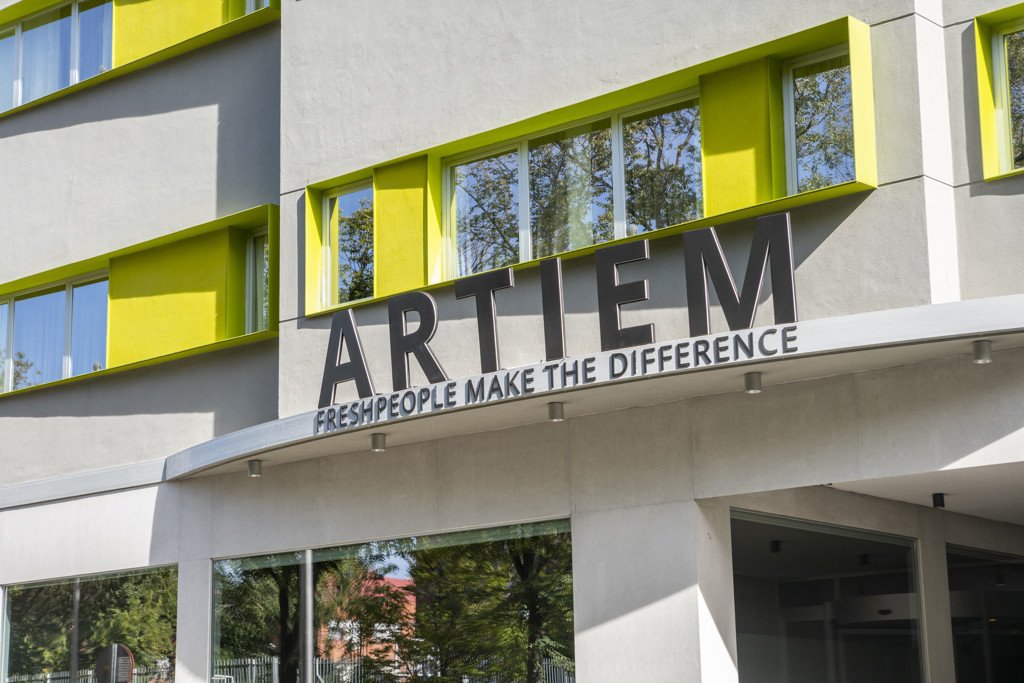
About ARTIEM Madrid
ARTIEM Madrid occupies a quieter residential stretch of Cdad. Lineal, east of the city centre, offering 83 rooms designed around a wellness-led philosophy that sets it apart from the grand-hotel concentration along the Paseo de la Castellana. For travellers seeking a calmer base with a focus on physical and mental reset, it operates in a distinct tier from Madrid's palazzo-conversion properties.
A Different Frequency in Madrid's Hotel Scene
Madrid's premium hotel market has long concentrated its energy along a narrow corridor: the Paseo de la Castellana, the Retiro adjacency, and the historic centre, where properties like the Mandarin Oriental Ritz, Madrid, the Four Seasons Hotel Madrid, and the Rosewood Villa Magna compete for the same guest: the business traveller or leisure visitor who wants grandeur, central positioning, and a recognisable flag. ARTIEM Madrid, on Calle de Juan Pérez Zúñiga in the Cdad. Lineal district to the east, is positioned against a different set of expectations entirely. Its 83 rooms, its residential-neighbourhood address, and its wellness orientation place it in a smaller, more specific category of urban hotel: properties where the pitch is recovery, clarity, and controlled environment rather than social spectacle.
That distinction matters more in Madrid than in cities with more distributed hotel geography. Staying outside the historic core in this city is a deliberate act. Guests who choose Cdad. Lineal are, in effect, choosing quiet over proximity, which is precisely the premise that wellness-led urban hotels depend on. The CoolRooms Palacio de Atocha and the Gran Hotel Inglés serve guests who want to be in the noise; ARTIEM Madrid serves a different instinct.
The Wellness Frame in European Urban Hospitality
Across Europe's mid-to-large cities, a specific hotel format has gained traction over the past decade: the urban wellness property that borrows the retreat mindset without the remote location. Rather than asking guests to travel to Mallorca or the Galician coast to reset, these hotels position themselves as recovery infrastructure inside the city itself. You don't need to visit La Residencia, A Belmond Hotel, Mallorca or Cap Rocat in Cala Blava to find that kind of intentional calm; the argument these urban properties make is that the retreat can happen within the city's own coordinates, provided the hotel's internal environment is designed to support it.
ARTIEM as a group has built its identity around what it describes as a commitment to people and health. That positioning is consistent across its properties in Menorca and Asturias before its Madrid arrival, which means the Madrid outpost isn't an experiment in wellness branding but an extension of an established operating philosophy into a new market. For guests already familiar with the group's Menorca properties, the Madrid address offers continuity of approach in a city-break context. For those arriving without that prior reference, the 83-room scale keeps the property from feeling institutional, which is often the failure mode when larger hotels attempt wellness programming without the structural intimacy to sustain it.
Scale, Neighbourhood, and the Retreat Mindset
The 83-room count is worth holding in mind when thinking about what kind of stay ARTIEM Madrid is designed to produce. At that scale, the property is large enough to carry dedicated wellness infrastructure but small enough that programming doesn't need to serve the volume demands of a 300-room convention hotel. Comparable properties that have found the right balance between scale and wellness depth tend to sit in the 60-to-120-room range: large enough to be financially viable, small enough to feel deliberate.
The Cdad. Lineal address, on Calle de Juan Pérez Zúñiga, places the hotel in a residential district that operates at a different tempo from the tourist-heavy centre. This isn't a neighbourhood that draws casual foot traffic from museum visitors or tapas-route walkers, which means guests are largely self-selecting for the kind of stay that doesn't require being in the middle of things. For those who do want access to Madrid's broader dining and cultural infrastructure, the city's metro network connects Cdad. Lineal efficiently to the centre, and the full Madrid restaurants guide covers the range of options across the city's districts.
That said, staying in the east of Madrid carries a genuine trade-off. Guests used to stepping out of the Gran Meliá Palacio de los Duques and being a short walk from the Royal Palace or the Prado will need to recalibrate. The payoff is a quieter urban environment and, if ARTIEM's positioning translates to execution, a hotel experience designed around restoration rather than stimulation.
Where ARTIEM Madrid Sits in the Broader Spanish Wellness Hospitality Picture
Spain has a sophisticated wellness hospitality sector, and its geography distributes that sector unevenly. The Balearics anchor the high-end spa-resort tier, with properties like Hotel Can Cera in Palma and coastal options in the Catalan region such as Mas de Torrent Hotel & Spa in Torrent serving the retreat market at a remove from urban centres. The wine-country hybrid, where spa programming is layered onto agricultural estate stays, appears in properties like Abadía Retuerta LeDomaine and Terra Dominicata in Escaladei. And at the gastronomy-meets-hospitality end, Akelarre in San Sebastián and Atrio Restaurante Hotel in Cáceres offer a different kind of residential intensity.
Urban wellness in Madrid is a thinner category, which is partly what makes ARTIEM's positioning there legible. The city's dominant luxury hotel tradition runs toward heritage renovation and grand-scale F&B;, not toward the quieter disciplines of sleep programming, fitness infrastructure, and food philosophy aligned with physical performance. ARTIEM is making a bet that there's a Madrid guest who wants those things and who has historically had to travel to find them. Given the group's track record in Menorca and Asturias, that bet is grounded in operational experience rather than speculation.
For reference points outside Spain, the urban wellness positioning ARTIEM occupies in Madrid has parallels in cities where design-led, health-focused properties have carved out consistent occupancy against larger luxury competitors. Properties like The Fifth Avenue Hotel in New York City demonstrate that a specific point of view, held consistently across a mid-scale room count, can compete in markets otherwise dominated by flag-carrier luxury.
Planning a Stay
ARTIEM Madrid is at Calle de Juan Pérez Zúñiga, 20, in the Cdad. Lineal district, Madrid 28027. The property runs 83 rooms, which, at typical urban wellness hotel occupancy rates, means demand can outpace availability during peak Madrid periods, particularly during major trade events, Fiesta de San Isidro in May, and the autumn conference season. Guests prioritising specific room types or extended stay formats should book with appropriate lead time. For travellers who want the ARTIEM group's approach in a coastal rather than urban setting, the Menorca properties offer a natural complement to a Madrid visit. Those seeking grander Madrid alternatives will find the city's flagship properties covered through EP Club's hotel listings, including the Hotel Unico Madrid, the Hotel Rector, and the grand-scale options on and around the Castellana.
Frequently Asked Questions
What's the most popular room type at ARTIEM Madrid?
The hotel's database record confirms 83 rooms across the property, but a breakdown by room category is not publicly available through EP Club's data. At a hotel of this scale and wellness orientation, rooms designed with sleep quality and physical recovery in mind, typically those with larger footprints, blackout systems, and separation from street noise, tend to carry highest demand. Booking directly or through a specialist agent will give clearest guidance on current availability and room configuration.
Why do people go to ARTIEM Madrid?
The primary draw is the wellness-led positioning in a city where that format is underrepresented at the hotel level. Guests choosing ARTIEM Madrid over central Madrid properties like the Mandarin Oriental Ritz or Four Seasons are typically prioritising recovery environment over prestige address. The 83-room scale keeps the experience from feeling corporate. The Cdad. Lineal location provides a residential quietness that the city's historic-centre hotels structurally cannot offer.
Can I walk in to ARTIEM Madrid without a reservation?
Walk-in availability at an 83-room property in a city the size of Madrid is variable and depends heavily on the season and citywide event calendar. Madrid's hotel market tightens considerably during major football fixtures, Fiesta de San Isidro (mid-May), IFEMA trade fair dates, and the autumn business travel peak. If ARTIEM Madrid's wellness positioning drives repeat-visitor loyalty, as it does at the group's Menorca properties, that further compresses walk-in opportunity. Advance booking is the reliable path for guests with specific date requirements.
Is ARTIEM Madrid suitable for travellers combining a city stay with a wider Spanish wellness itinerary?
The hotel's 83-room scale and group wellness DNA make it a coherent starting or ending point for a multi-destination Spain trip that includes coastal or rural retreat properties. The ARTIEM group's Menorca addresses pair naturally with a Madrid urban stay, and regional options such as Pepe Vieira Restaurant & Hotel in Poio or Casa Beatnik Hotel in A Coruña extend a wellness-adjacent itinerary into Galicia. For guests whose wellness travel extends to Italy, Aman Venice represents the upper bracket of that same retreat-in-city-context format.
Recognized By

Related editorial
- Best Fine Dining Restaurants in ParisFrom three-Michelin-star icons to the next generation of Parisian chefs pushing boundaries, these are the restaurants that define fine dining in the world's culinary capital.
- Best Luxury Hotels in RomeFrom rooftop terraces overlooking ancient ruins to Michelin-starred hotel dining, these are the luxury hotels that make Rome unforgettable.
- Best Cocktail Bars in KyotoFrom sleek lounges to hidden speakeasies, Kyoto's cocktail scene blends Japanese precision with global influence in ways you won't find anywhere else.
Save or rate ARTIEM Madrid on Pearl
Keep this venue in your Pearl passport, rate it after you visit, and track it alongside every other place you collect.