
The Venetian Macao
Cotai Strip, Macau
Hotel in Macau, Macau
 Book with Pearl
The Read
Integrated Resort at Scale
Why go
The Venetian Macao is worth booking for a first Macau trip when convenience, scale, and Cotai access matter more than quiet seclusion. It is a strong fit for families and groups, but couples seeking a calmer luxury stay should compare Four Seasons Hotel, Macau or Grand Suites at Four Seasons Hotel, Macao before committing.
About The Venetian Macao
Consider The Venetian Macao if you are comparing venues in Macau and want a clearly identified option with a smart-casual dress code.
The Venetian Macao is listed in Macau and has Forbes Recommended recognition for 2026. Beyond its recognition and the smart-casual dress code, verify specific details about accommodations, dining, entertainment, service style, pricing, or on-property amenities with the venue or your travel adviser.
Choose it for a Macau reference
The strongest grounded reason to keep The Venetian Macao on a Macau shortlist is simple: it is a Macau venue with Forbes Recommended recognition for 2026. That makes it a relevant reference point for travelers comparing options in the city.
Avoid assuming a particular atmosphere, layout, family setup, dining range, or entertainment format from the name alone.
First-timers get a simple Macau starting point
For a first visit, The Venetian Macao can serve as one venue to compare against other Macau options. The dress code is smart casual, and the property has Forbes Recommended recognition for 2026.
Travelers comparing broader Macau options can use our full Macau restaurants guide when building the rest of the trip.
If this property is not the right fit, compare it with other Macau venues such as Andaz Macau, Four Seasons Hotel, Macau, Grand Suites at Four Seasons Hotel, Macao, JW Marriott Hotel Macau, or The Parisian Macao.
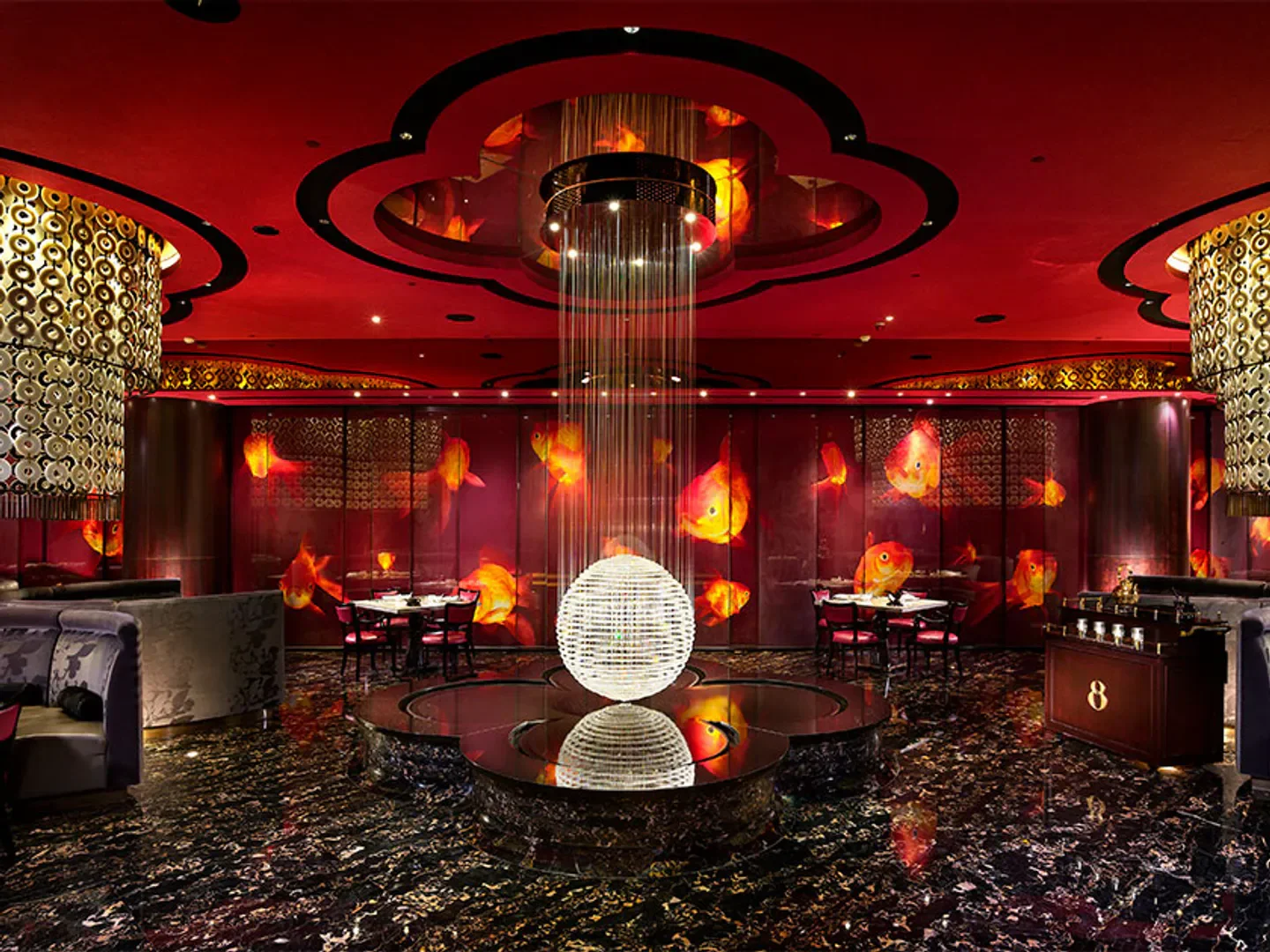
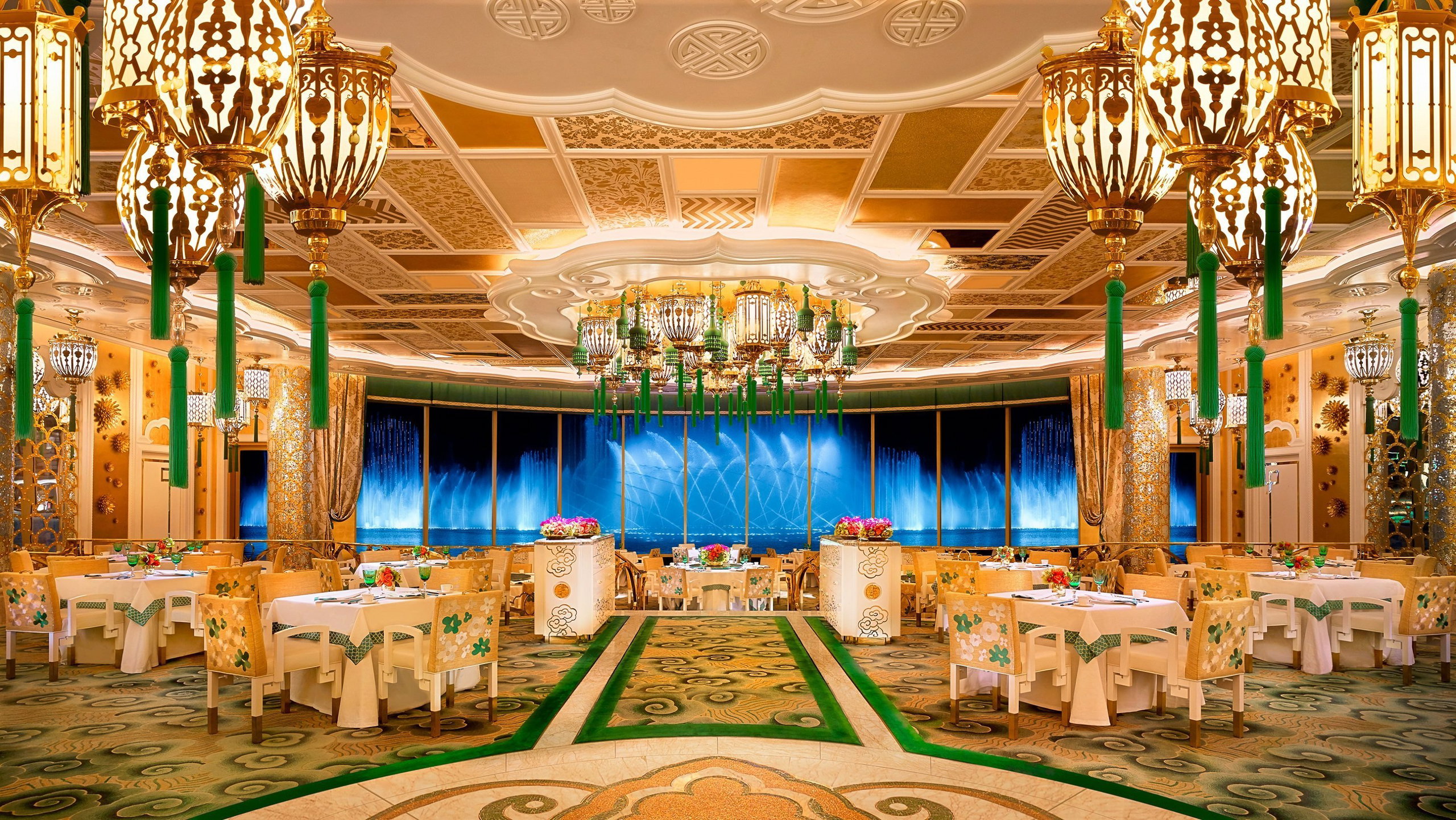
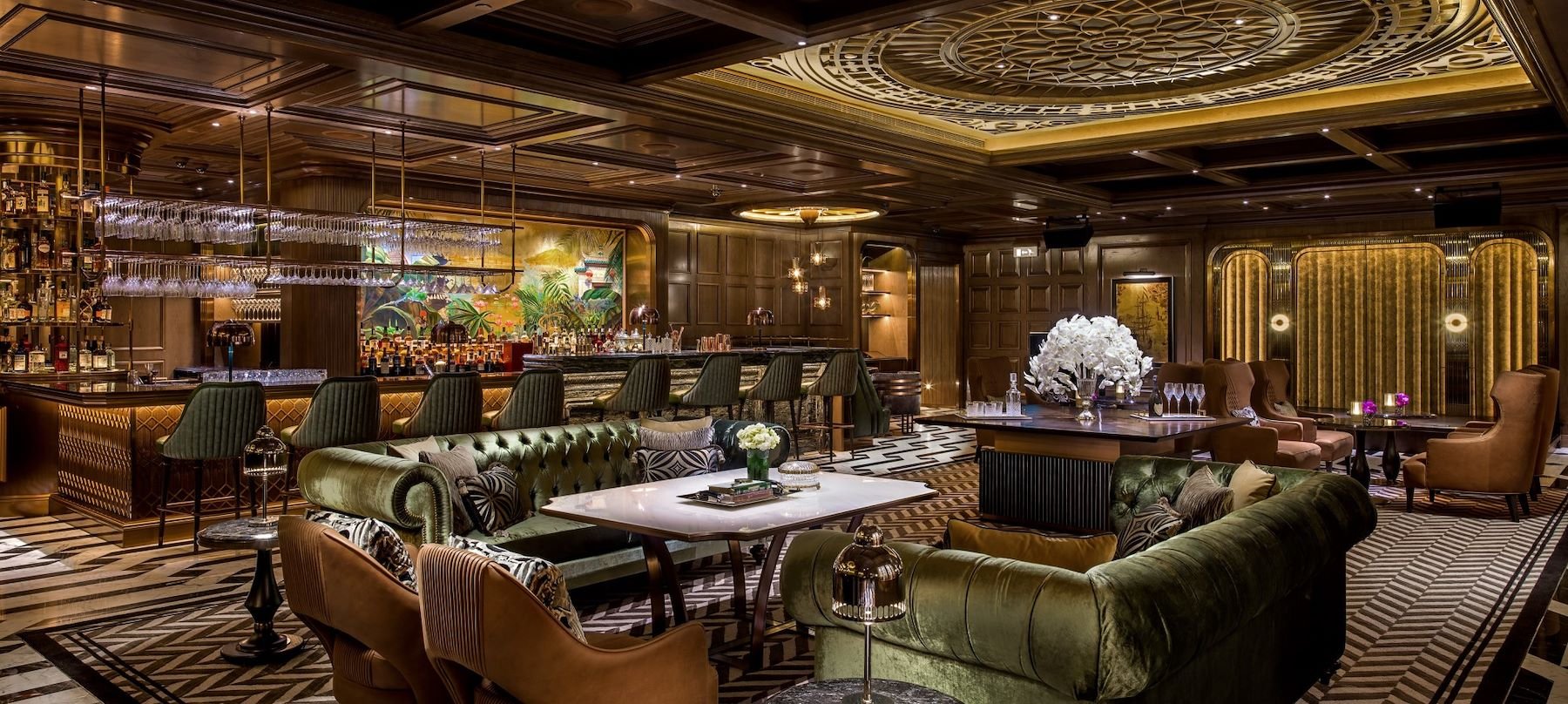
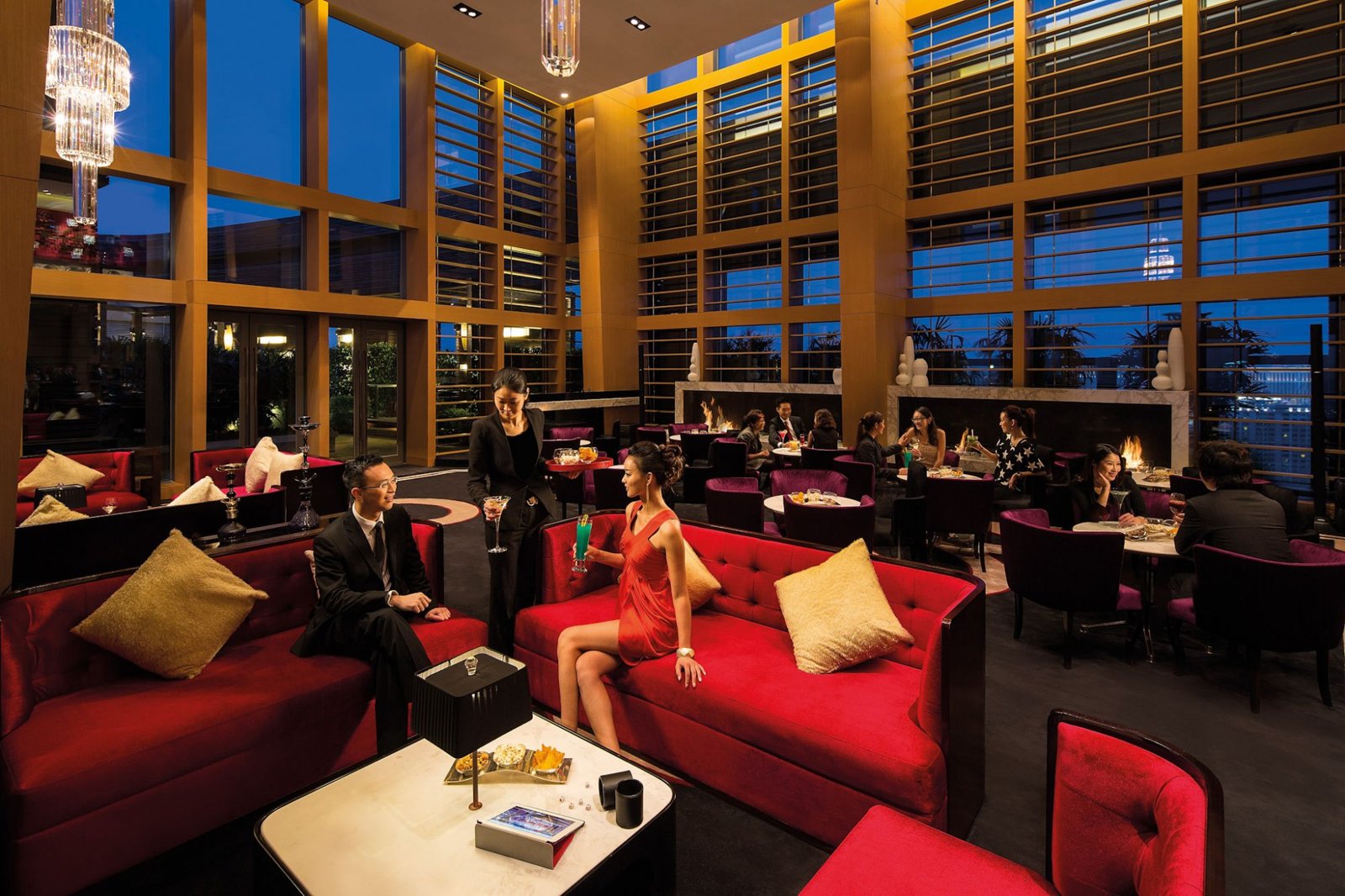
Inside The Venetian Macao
Planning details
- Location
- s/n Estrada da Baia de Nossa Senhora da Esperanca, Macao
- Website
- hk.venetianmacao.com
- Phone
- +853 2882 8888
The take
The Take
The Vibe
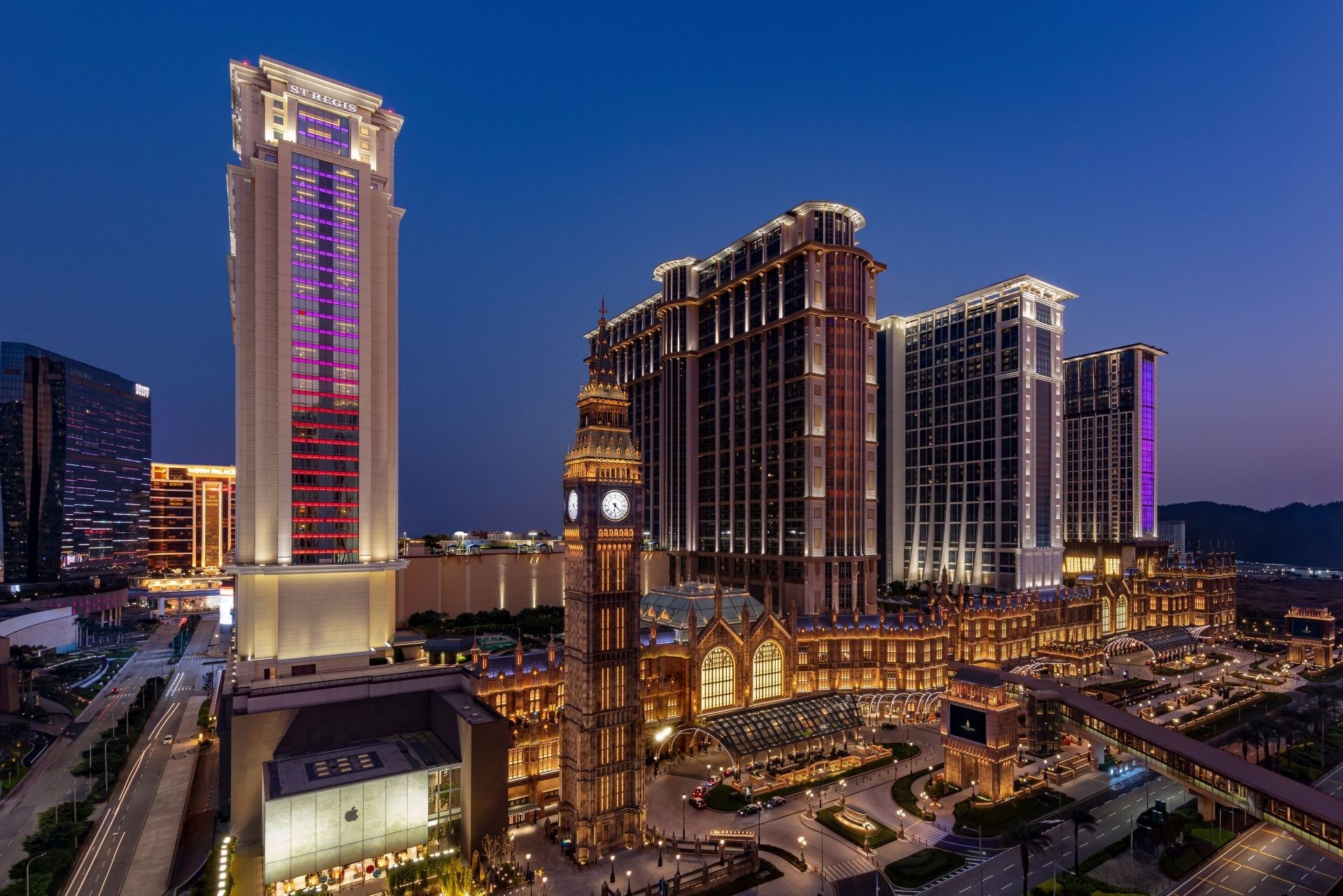
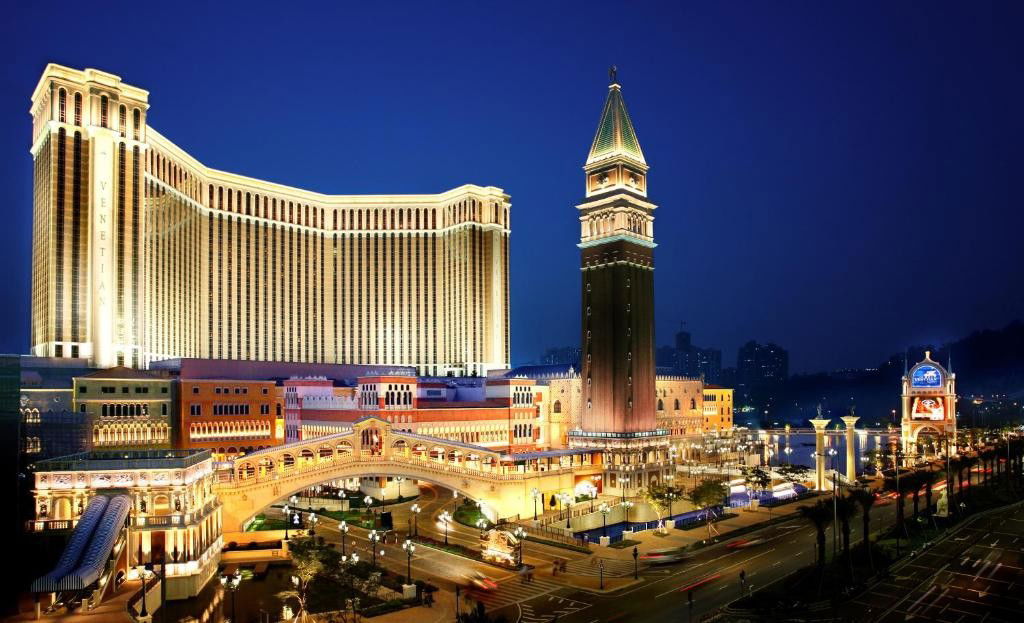
The Venetian Macao presents a staged, theatrical kind of grandeur: an indoor city that collapses scale and style into a single, climate-controlled resort. Visitors move beneath a painted Veneto sky along working canals and gondola routes, a deliberate juxtaposition of intimate architectural moments and vast, casino-resort engineering. That tension, the sense of being sheltered inside an opulent, almost cinematic environment while navigating a property of industrial scale, defines the hotel’s character. The result is simultaneously scenic and classic, a place that feels curated and transported rather than simply local.
Best For
This is a resort built for multi-purpose stays: families, celebrations and business travellers find equal currency here. With roughly 3,000 suites, one of the largest casino floors in the world, and a concentration of entertainment, retail and dining, The Venetian functions like a self-contained district where guests rarely need to leave. Its distributed dining model and numerous outlets make it easy to pace meals across the day, while the scale and amenities support group travel, conference programming and high-energy leisure stays alike. It’s a go-to for visitors who want everything under one roof.
Stay Tips
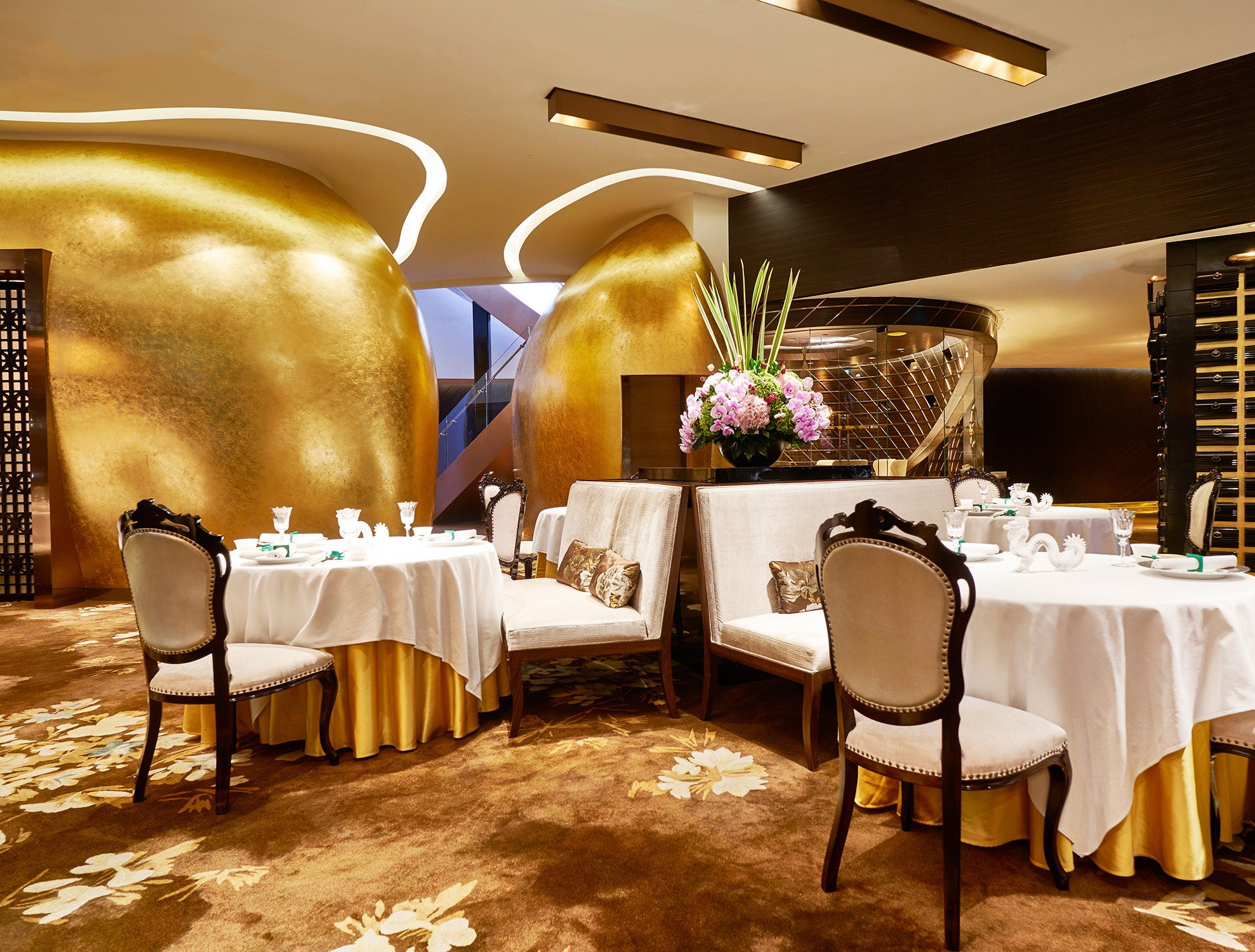
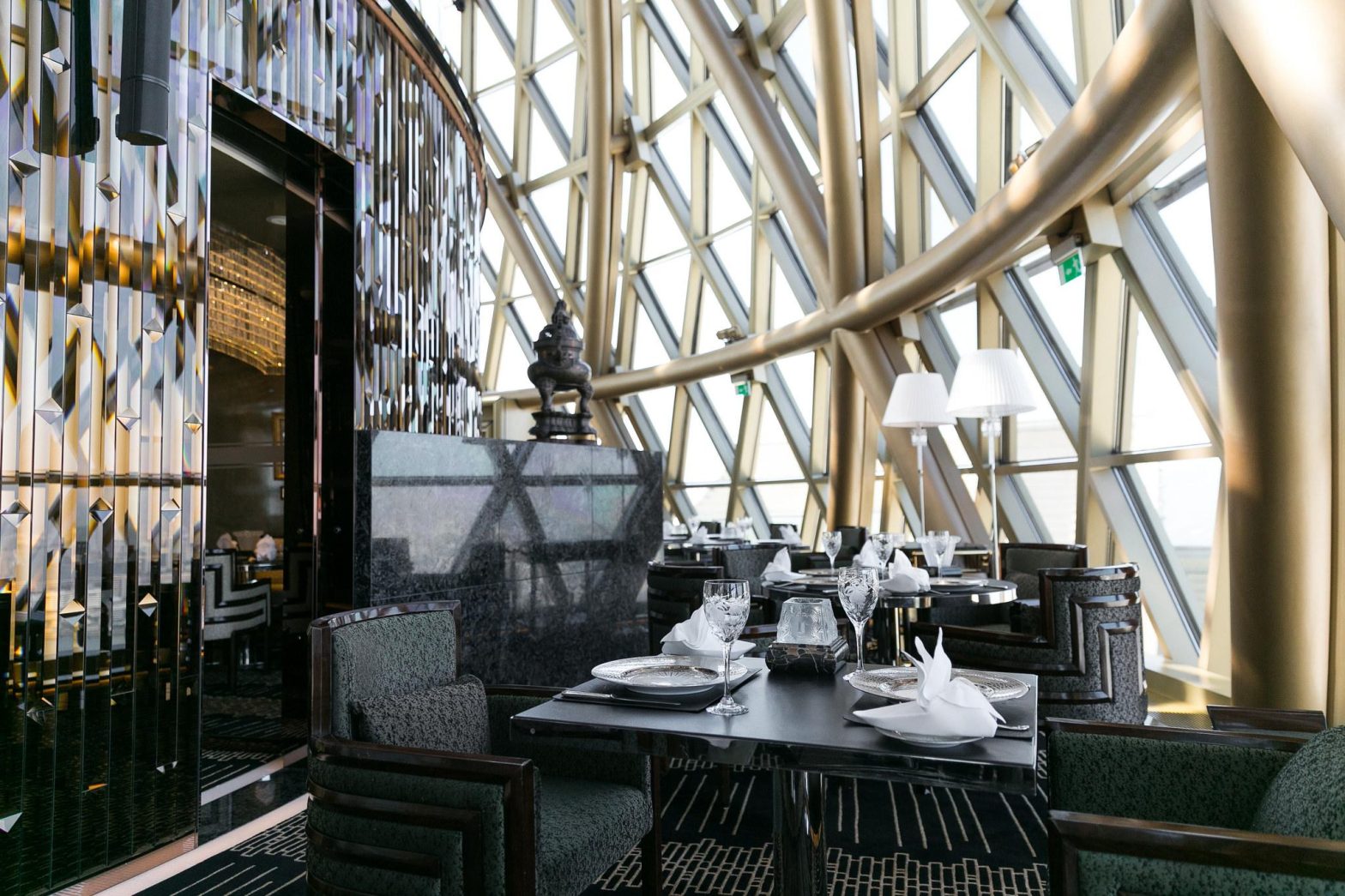
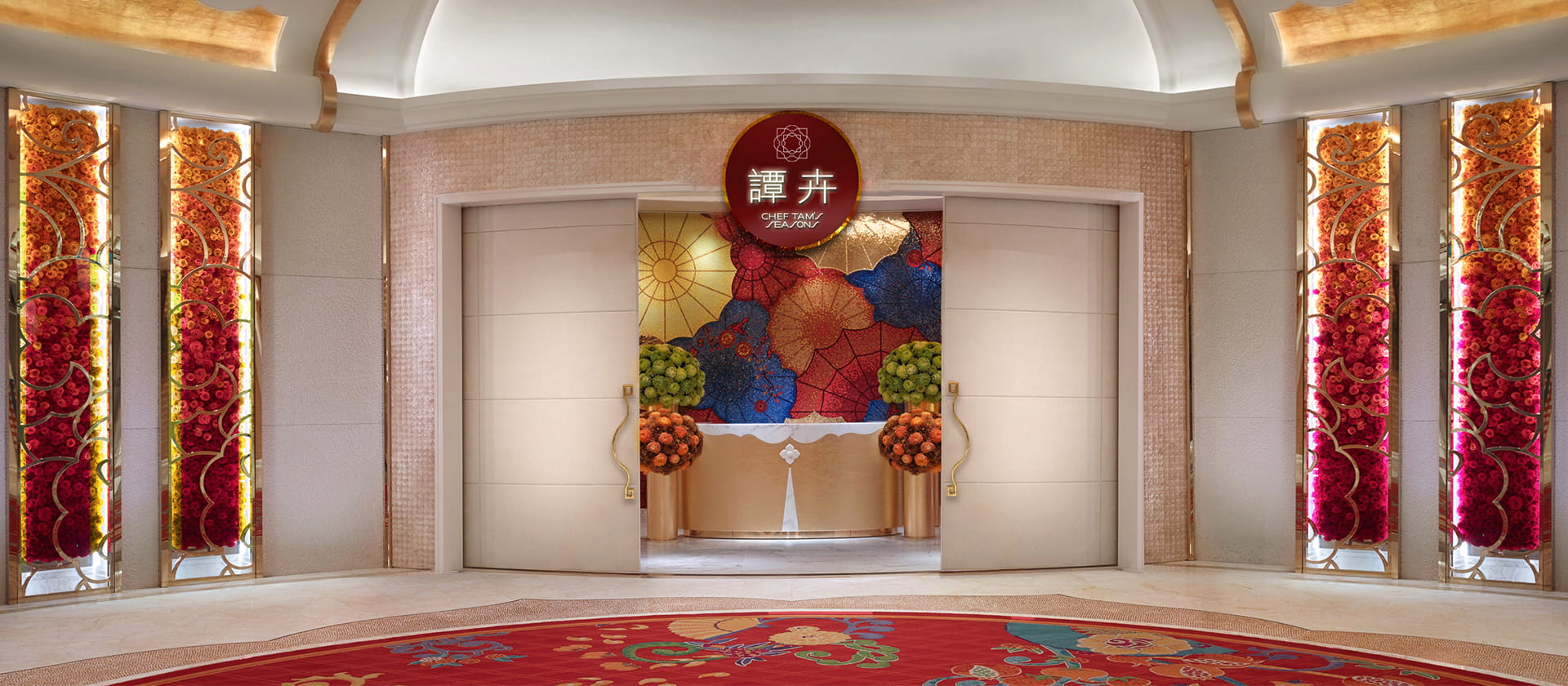
Dining at The Venetian Macao is an exercise in exploration rather than a single-course ritual. The hotel deliberately disperses food offerings across multiple kitchens, each with its own register and pace, so plan to sample across venues instead of treating one restaurant as representative. Allow extra time to move between areas, the property reads like an indoor city, and expect a range of formats and atmospheres. If you’re ordering for a group or a long stay, divide meals among different kitchens to experience the breadth of options the resort curates.
Venue details
Ambiance
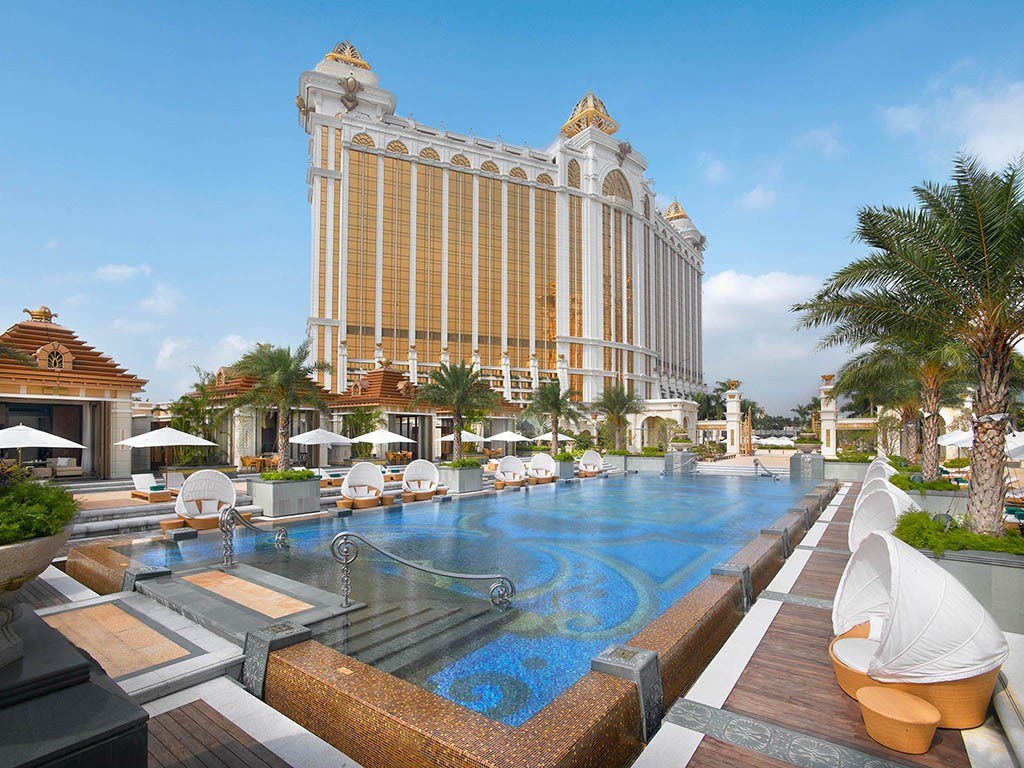
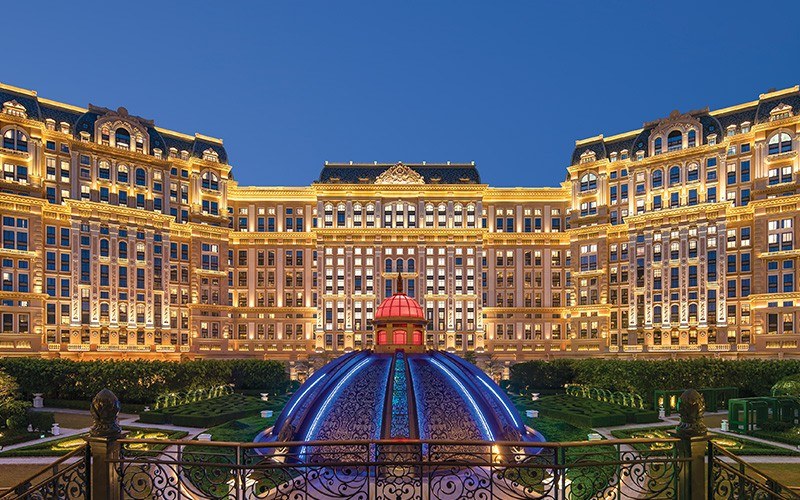
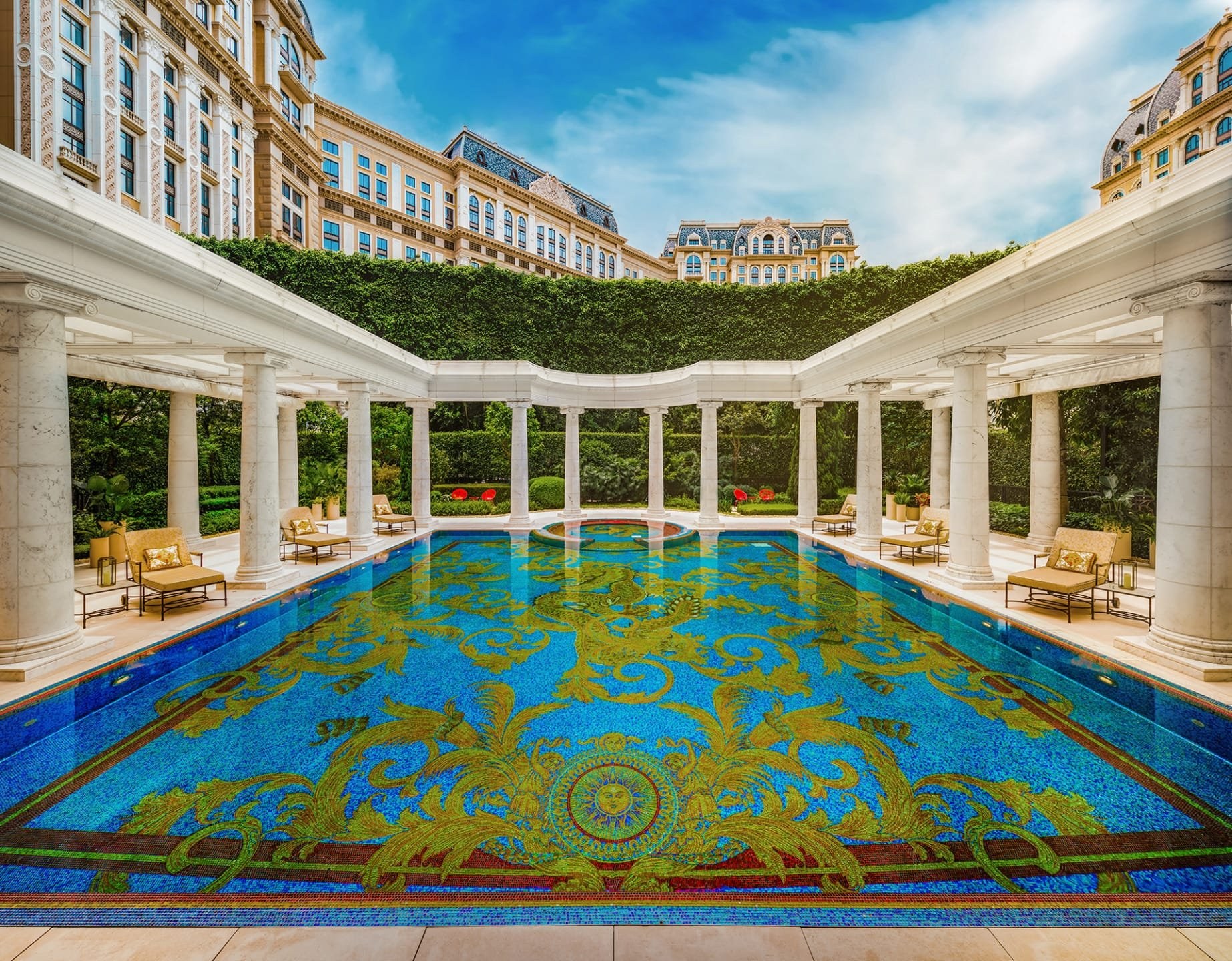
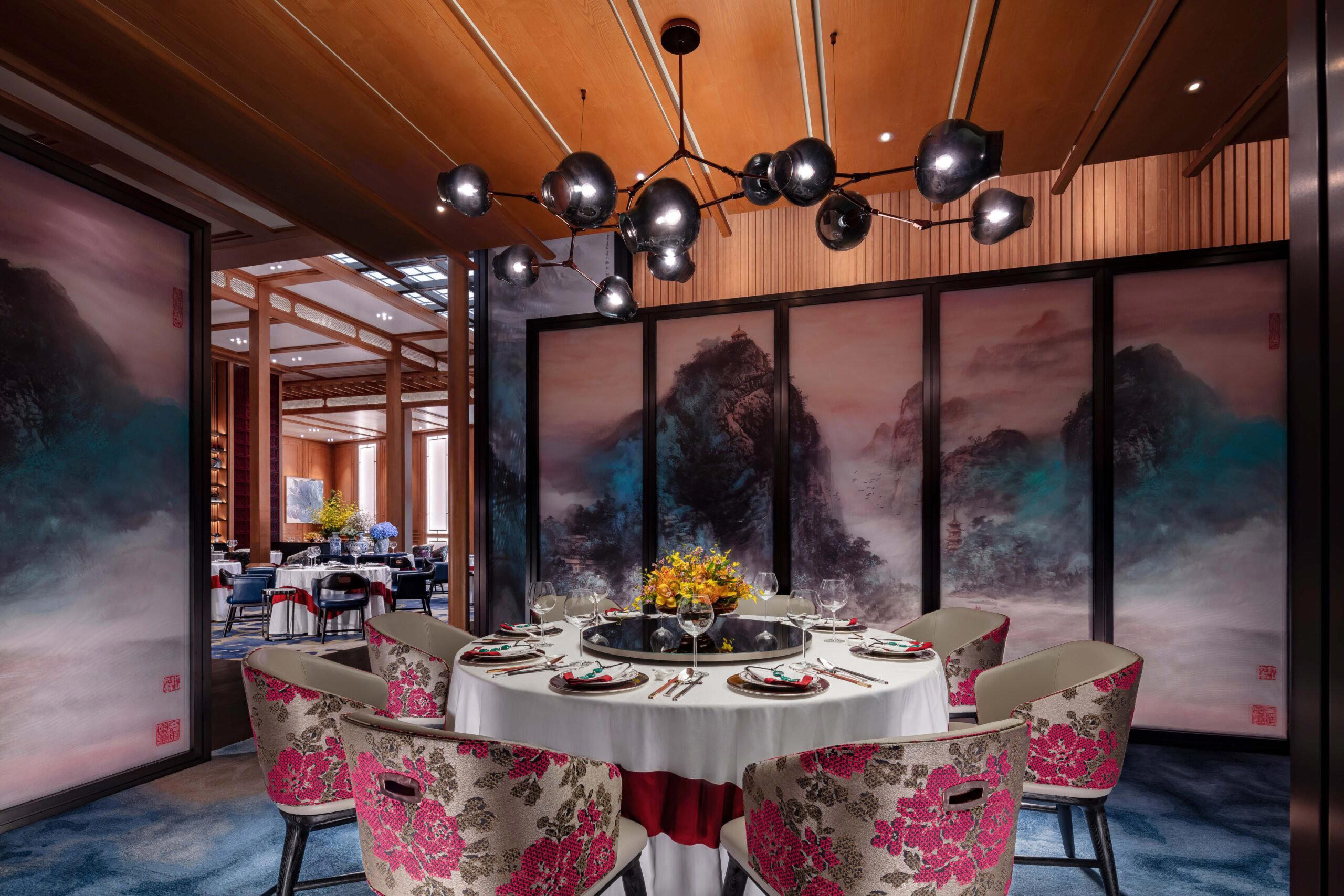
Grand and luxurious with elegant Venetian-style décor, spacious interiors, and a vibrant atmosphere praised for its opulence and attentiveness.
Tags
Vibe
Best For
Experience
Amenities
View
Accessibility
About the Stay
- Rooms
- 3000
- Check-in
- 15:00
- Check-out
- 11:00
- Property Type
- Palace hotel
- Property Style
- Venetian Themed Integrated Resort
- Design Style
- Italian Renaissance Luxury
- Airport Transfer
- Available
- Pool
- Yes
- Spa
- Yes
- Families
- Welcome
- Cancellation
- Moderate
Know before you go
Know Before You Go
- Getting there
- s/n Estrada da Baia de Nossa Senhora da Esperanca, Macao
Planning details
Location
s/n Estrada da Baia de Nossa Senhora da Esperanca, Macao · Directions
Recognition and awards

Also consider
Also Consider
- Grand Suites at Four Seasons Hotel, Macao, Notable alternative
- Four Seasons Hotel, Macau, Notable alternative
- Andaz Macau, Notable alternative
- The Parisian Macao, Notable alternative
- JW Marriott Hotel Macau, Notable alternative
Hotel context
How it compares in Macau
Grand Suites at Four Seasons Hotel, Macao and Four Seasons Hotel, Macau are better fits if the trip calls for a calmer luxury atmosphere and a more contained hotel feel. The Venetian Macao is the stronger pick for scale, convenience, and mixed-interest groups who want shopping, gaming, and dining close at hand.
Andaz Macau is the smarter cross-shop for travelers who want a more contemporary-feeling stay without leaving Cotai. The Parisian Macao sits closer in spirit to the large resort model, so compare those two if themed atmosphere and easy on-property entertainment matter more than quiet service polish.
JW Marriott Hotel Macau is worth considering when brand familiarity and a broad resort setup matter, but The Venetian Macao has the clearer appeal for first-timers who want a landmark-style Cotai base. For a quieter, more hotel-led stay, start with the Four Seasons options; for a busier all-in-one resort stay, stay here.
Around this place
Discover more on Pearl
Unlock the full The Venetian Macao guide in Pearl, including awards, comparisons, FAQs, planning details, and nearby places.
Compare The Venetian Macao
| Venue | Location | Awards |
|---|---|---|
| The Venetian Macao | Macau | 2026 Forbes Recommended2025 Forbes Recommended |
| Grand Suites at Four Seasons Hotel, Macao | Macau | 2026 Forbes 5-Star2026 La Liste Top Hotels2025 Forbes 5-Star |
| Four Seasons Hotel, Macau | Macau | 2026 Forbes 5-Star2026 Michelin 1 Key2025 Forbes 5-Star2025 Michelin 1 KeyFour Seasons Hotels |
| Andaz Macau | Macau | No published awards |
| The Parisian Macao | Macau | 2026 Forbes Recommended2025 Michelin Selected Hotels2025 Forbes Recommended |
| JW Marriott Hotel Macau | Macau | 2026 Forbes 4-Star2025 Michelin Selected Hotels2025 Forbes Recommended |






How The Venetian Macao compares with similar nearby venues.
FAQ
Frequently Asked Questions
Do loyalty programs work at The Venetian Macao?
The Venetian Macao is in Macau, has a smart-casual dress code, and is Forbes Recommended for 2026.
What is The Venetian Macao known for?
The Venetian Macao is a Macau venue with Forbes Recommended recognition for 2026. Its dress code is smart casual.